How To Safely Feed Storm-Drenched Soil In A Michigan Backyard
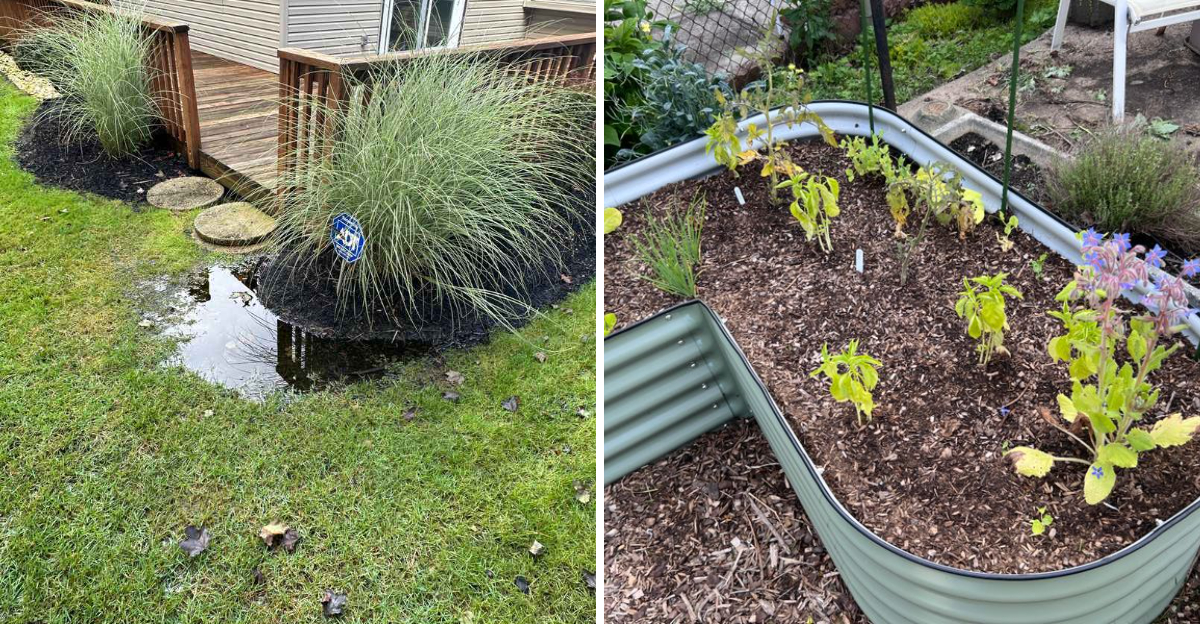
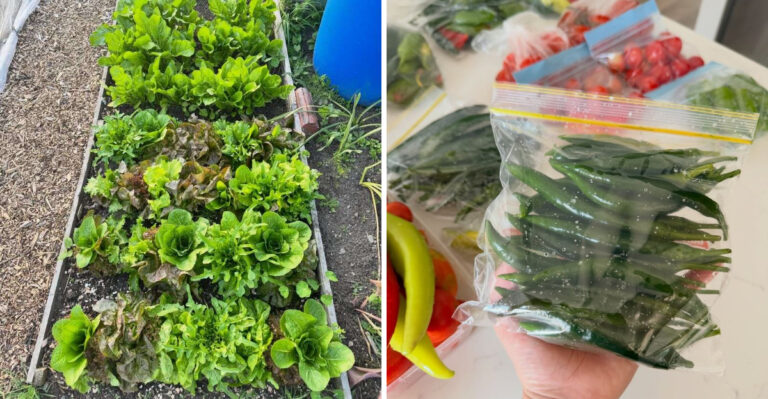
A Michigan garden can look completely different after several days of hard rain.
Beds turn glossy with standing water, containers keep dripping long after the storm ends, and plants that looked vigorous earlier in the week may suddenly appear pale, soft, or stressed.
That is usually the worst moment to start feeding.
Storm-drenched soil already has one major problem: too little air around the roots. Adding fertilizer before drainage returns can waste nutrients, increase runoff, and give plants more than they can use while roots are still struggling.
So what should you do first?
Let the soil recover enough to breathe.
Then check structure, plant condition, and nutrient needs before adding anything. In some beds, the storm may have moved soluble nutrients. In others, most of the fertility is still sitting right where it was.
The safest post-storm plan is slow and specific.
Drain first, stay off soggy beds, test when needed, and feed only once the soil and roots are ready to use what you add without another setback.
1. Wait Until Saturated Soil Starts Draining
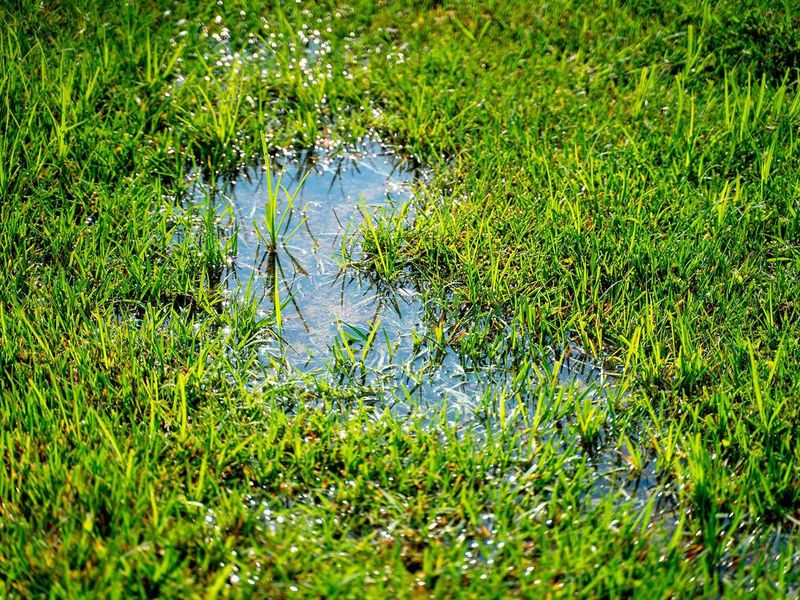
Standing water means the spaces between soil particles are filled with water instead of air.
That matters because roots need oxygen to stay active. A plant sitting in saturated soil may have nutrients nearby and still struggle to absorb them. Feeding at that moment does not solve the real problem.
Give the bed time to drain naturally.
Check the soil a few inches below the surface rather than judging by the top alone. A shiny surface can dry while deeper soil remains heavy and airless.
Grab a small handful from the root zone and squeeze it gently. Soil that releases water or smears into a slick lump still needs more time.
Avoid digging or stirring the bed to speed things up.
Working saturated soil can destroy structure and leave it denser once it dries. That is especially troublesome in heavier Michigan soils, where repeated compaction can make future storms drain even more slowly.
Watch the forecast too.
Another round of rain may reset the clock, so there is little value in adding fertilizer during a short break between storms.
The first post-storm job is not feeding. It is restoring a root zone with enough air for plants to function again.
Fertilizer can wait. Roots cannot use much of it while the bed still behaves more like a puddle than soil.
2. Keep Foot Traffic Off Soggy Beds
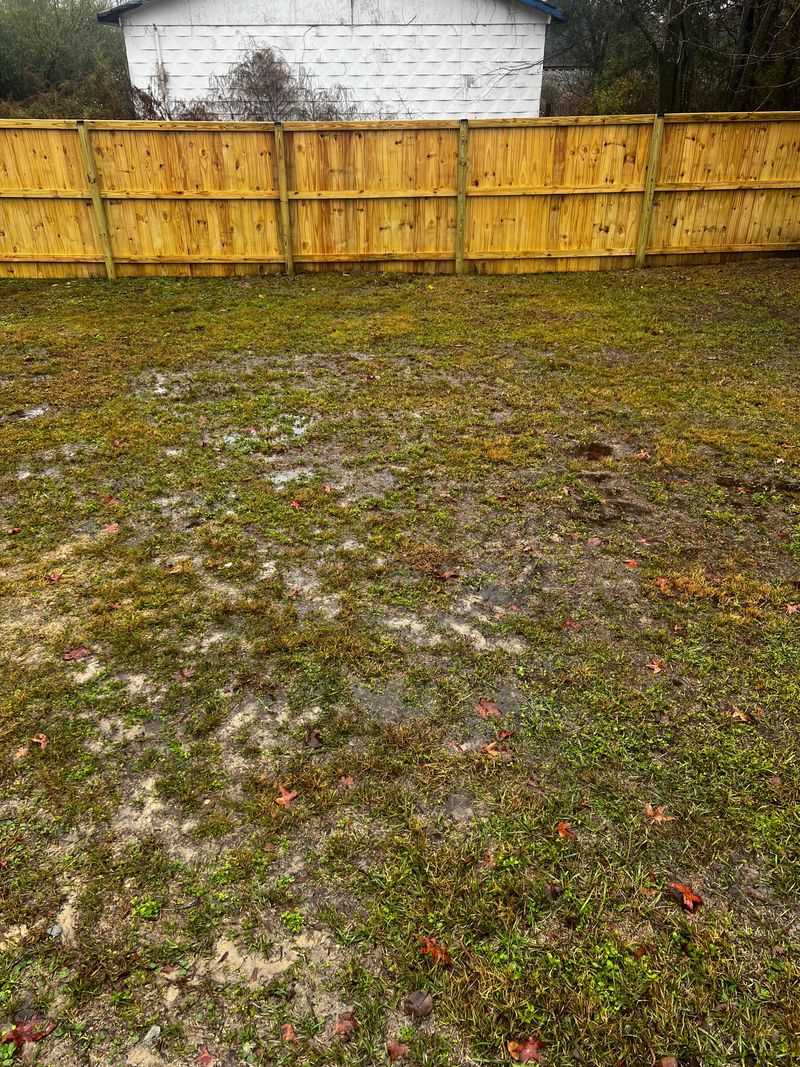
Wet soil is easy to damage because the structure is already soft and unstable.
Every footprint, wheelbarrow tire, or kneeling spot can press particles closer together and squeeze out the air spaces roots need. Once that soil dries, the compacted area may drain more slowly and become harder for roots to penetrate.
Clay-rich beds deserve extra care.
Fine particles pack tightly under pressure, so walking through a saturated bed can turn a temporary storm problem into a longer drainage problem. The damage may not look dramatic that day, but the next rain often exposes it.
Stay on paths until the soil firms.
Your Michigan Garden Changes Every Week. Your Plan Should Too.
Gardening in Michigan changes quickly throughout the season. Every Friday you’ll receive a simple weekly plan showing exactly what to plant, prune, fertilize, harvest, and protect so you never miss the right timing.
Raised beds make this easier because most work can be done from the edges. In an in-ground garden, permanent stepping stones or narrow access paths can keep feet out of the root zone during wet periods.
Use a wide board only when access is truly necessary.
Spreading your weight across a larger surface reduces pressure compared with stepping directly into mud, though waiting remains the better choice.
Do not drag fertilizer bags, carts, or heavy tools through wet beds either.
Post-storm soil care is partly about what you avoid doing.
A garden can recover from several inches of rain surprisingly well when its structure is left alone. Give the soil a chance to regain firmness before feeding, cultivating, or doing any work that compresses the root zone.
3. Test The Soil Before Replacing Nutrients
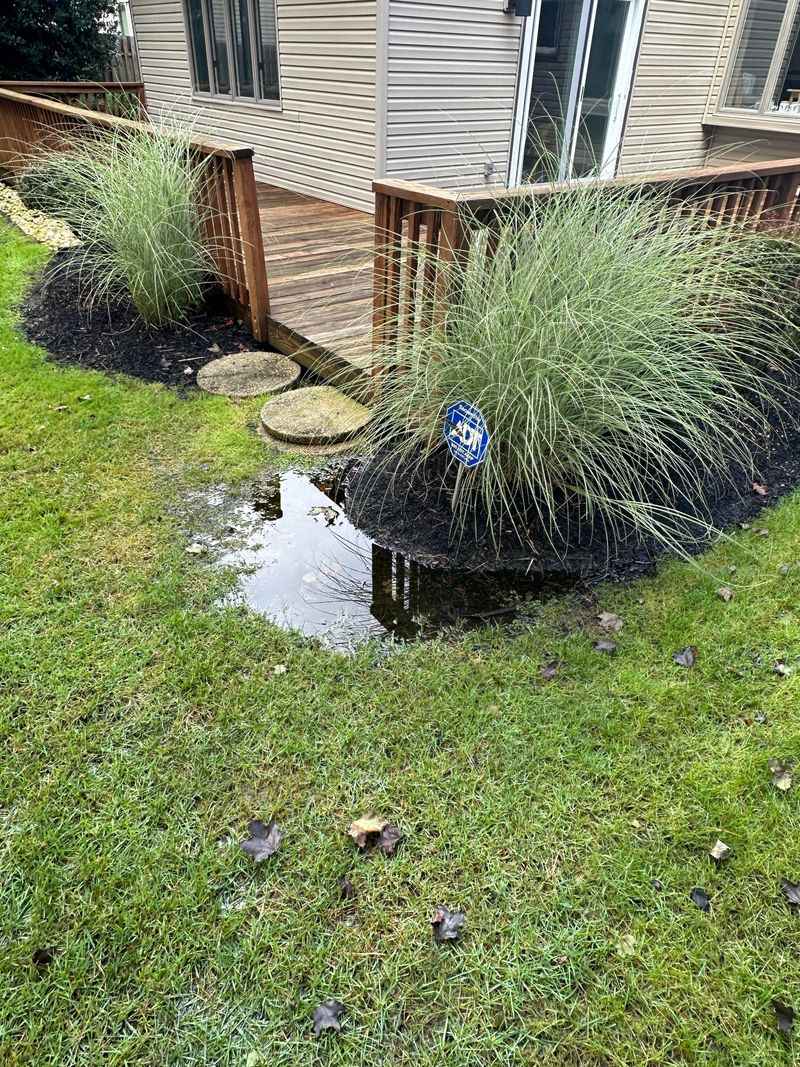
Heavy rain can move some nutrients, but it does not empty the soil like someone pulled a drain plug.
Different nutrients behave differently underground. Nitrate nitrogen moves readily with water and can travel below the active root zone during prolonged wet weather.
Phosphorus tends to bind much more strongly to soil particles, while potassium movement depends heavily on soil texture and other conditions.
That makes guessing risky.
Adding a full fertilizer dose simply because the garden endured several storms can create excess nutrients rather than replacing a real shortage. Plants may then face salt stress, overly soft growth, or unnecessary runoff during the next rain.
Use a soil test when the question matters.
Let the ground drain first, then collect a representative sample from the bed rather than scooping mud from one low spot. A useful test can show pH and nutrient status and give you a much better basis for choosing amendments.
Pay attention to the crop too.
A productive vegetable bed has different nutrient demands from a perennial border or a mature shrub planting. One fertilizer plan does not fit every part of the yard.
The storm may have changed something.
It may also have changed far less than you fear.
Testing replaces the post-rain panic with actual information. That is a much cheaper way to feed a Michigan garden than buying another bag of fertilizer and hoping the roots needed everything printed on the label.
4. Feed Only When Plants Actually Need It
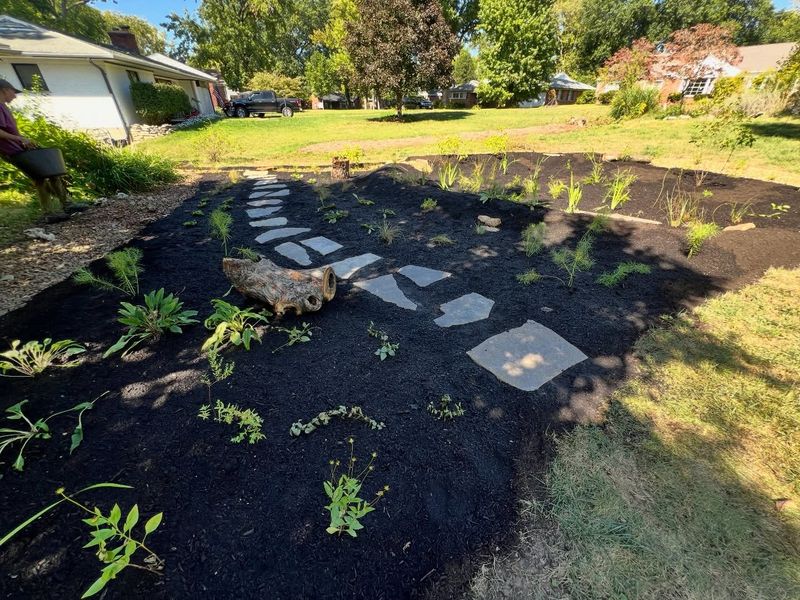
A storm does not reset every plant in the yard to zero.
Some vegetables may lose vigor after prolonged saturation, while established perennials, shrubs, and deeper-rooted plants can recover without any extra feeding.
Healthy green foliage and steady new growth are signs that the plant may already have enough nutrition available.
Look for patterns before reaching for fertilizer.
Pale leaves, stalled growth, or weak new shoots can point toward a nutrient issue, but the same symptoms can also appear when roots have been waterlogged. Feeding before drainage returns can hide the real cause rather than fix it.
Wait for the plant to regain normal root conditions.
Then compare new growth with older foliage and consider where the crop sits in its season.
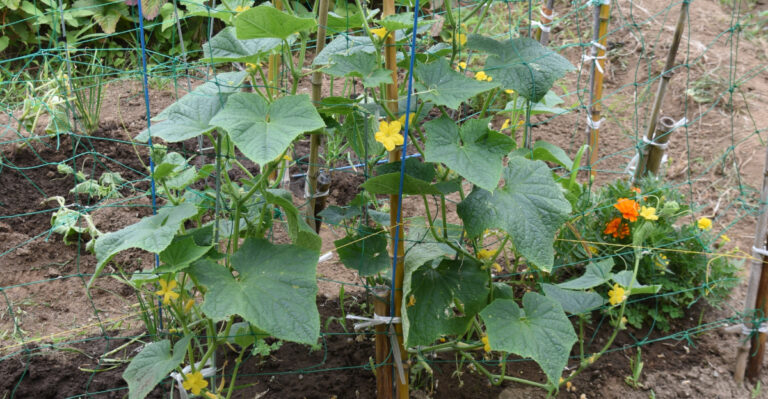
Fruiting tomatoes, peppers, and other actively producing vegetables may need more support than a mature ornamental that has already completed most of its annual growth.
Lawns follow their own schedule too.
Cool-season Michigan turf often responds best to feeding timed around its normal growth cycle rather than after every summer storm.
Treat the yard as several different systems.
The tomato bed, lawn, containers, and shade border do not all need the same product or timing.
The smartest post-storm fertilizer application is often smaller than expected.
Feed the plants that actually need support, at the rate suited to them, and leave healthy plants alone. A storm is not a coupon for free fertilizer.
5. Add Compost Once Soil Becomes Workable
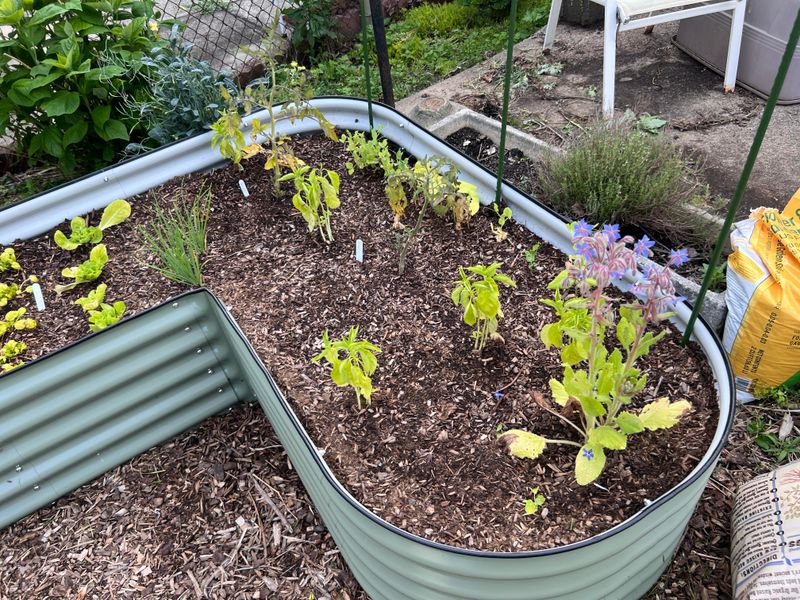
Finished compost can help a storm-soaked garden without delivering the sudden nutrient load of a heavy fertilizer application.
The timing still matters.
Wait until the bed is firm enough to work without smearing, sinking, or leaving deep footprints. Spreading compost across saturated soil and then digging it in aggressively can damage the structure you are trying to improve.
Once conditions are workable, use a light surface layer.
One to two inches is enough for many garden beds. Rake it gently into the upper soil where practical, or leave it on the surface beneath a mulch layer and let soil organisms gradually move organic matter downward.
Avoid deep tilling.
Freshly drained soil can still be vulnerable to compaction and clodding, especially in heavier ground. Gentle handling preserves pore space and keeps drainage moving in the right direction.
Compost helps in more than one way.
Organic matter can improve water-holding capacity in sandy soil while supporting better aggregation and drainage in clay-rich ground. That makes the garden more resilient during both dry stretches and future downpours.
Use fully finished material.
Half-decomposed scraps belong in the compost pile, not around stressed roots.
Compost is not an emergency cure for every nutrient problem, but it is a useful long-term soil tool once the storm has passed.
The goal is rebuilding the pantry shelves, not dumping dinner on the floor while the kitchen is still flooded.
6. Feed Containers After Excess Water Drains
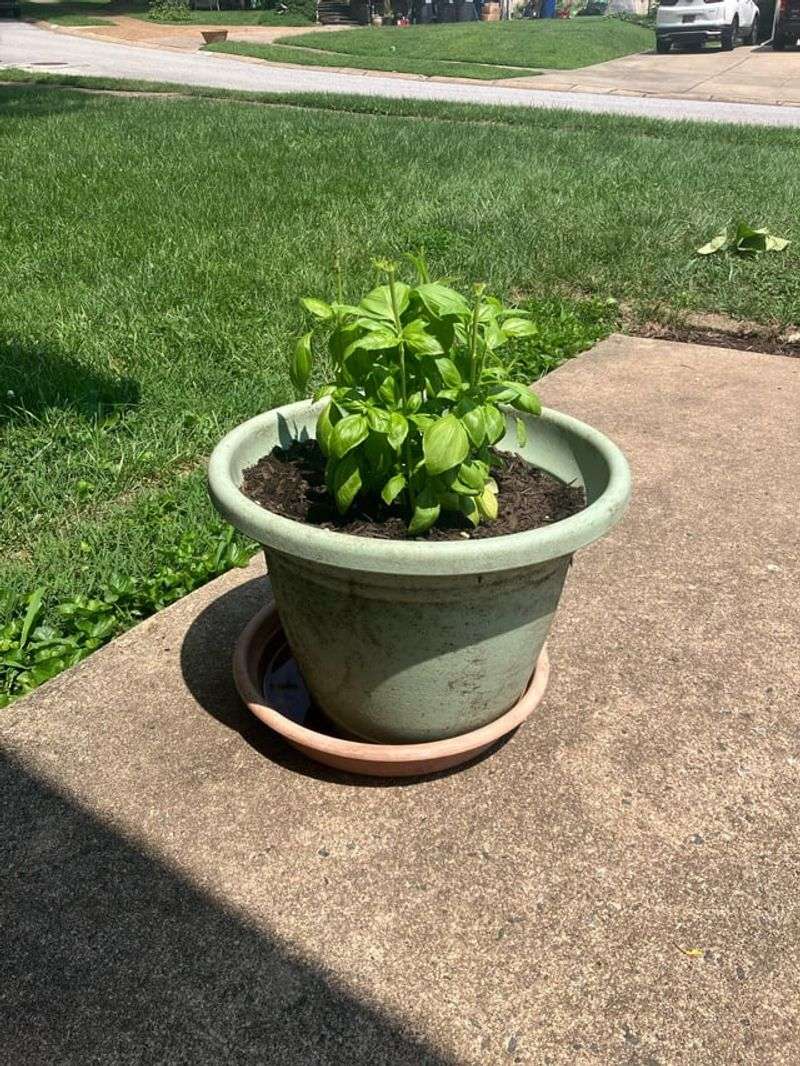
Containers can lose nutrients faster than in-ground beds because every heavy rain sends water through a limited volume of potting mix and out the drainage holes.
That repeated flushing can carry soluble nutrients with it.
Even so, a dripping pot is not ready for fertilizer.
Check drainage first. Make sure holes are open and the container is not sitting inside a saucer full of storm water.
A pot with compacted mix or blocked drainage can stay saturated long after the rain ends and create the same low-oxygen root problem seen in flooded garden beds.
Let the mix return to a moist, airy condition.
Then resume the normal feeding program rather than doubling the rate to replace everything you assume washed away. A balanced liquid fertilizer or an appropriate slow-release product can work, but the label rate still matters.
Containers with vigorous annual flowers or fruiting vegetables may show nutrient loss sooner than woody plants in large pots.
Watch fresh growth and leaf color over the following week.
Also check potting mix condition.
Old, broken-down media can hold too much water after repeated storms, making drainage problems look like fertilizer problems.
A container may recover quickly once excess moisture leaves.
Feed after that recovery begins, not while water is still pouring from the bottom. The plant needs oxygen around its roots before it needs another meal.
7. Skip Heavy Fertilizer Before More Rain

The weather forecast belongs in the fertilizer plan.
Applying a generous dose just before another heavy storm can send nutrients away from the root zone through runoff or leaching. That wastes product and can move fertilizer into storm drains, ditches, ponds, streams, and other nearby water.
Wait for a more stable dry window.
The goal is not bone-dry soil. It is soil that has drained enough to hold air, accept water normally, and keep the fertilizer where roots can use it.
Follow the product label closely.
More fertilizer does not compensate for what you suspect the previous storm removed. Overapplication can stress roots, stimulate weak growth, and raise the amount available to move off-site during the next downpour.
Slow-release products can make timing easier in gardens that receive repeated summer storms.
They release nutrients gradually rather than making a large soluble dose available all at once. They still need correct placement and rates, so slow-release should not become shorthand for carefree application.
Keep fertilizer off pavement and hard surfaces.
Granules left on a driveway or sidewalk can wash directly into drainage systems during the next storm.
Michigan gardens already have enough water moving through them after a wet spell.
The safest feeding plan keeps nutrients in the root zone rather than sending them on a field trip toward the nearest storm drain.