The Gardening Trend That Could Help Michigan Families Save Hundreds On Produce
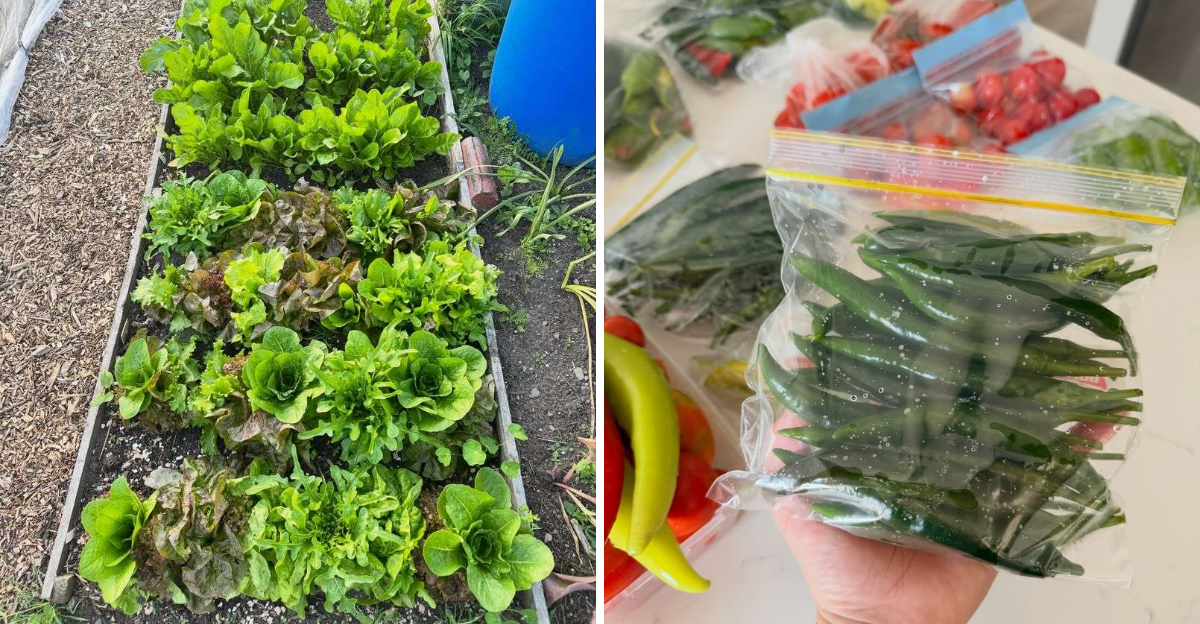
Grocery prices keep climbing, and Michigan families are looking for smart ways to cut costs without cutting corners on fresh food.
One specific gardening approach has quietly become the most efficient way to turn limited outdoor space into real produce savings through a season that moves fast in this state.
It is not a return to traditional row gardening or a simple expansion of whatever was already growing in the backyard.
It is a structured method built around yield per square foot and timing that fits Michigan’s compressed warm season better than most conventional approaches do.
Families who have adopted it consistently report savings that justify the initial setup investment before the first season even ends.
1. High Value Kitchen Gardening
Forget the idea that you need acres of land to grow your own food.
High Value Kitchen Gardening is a focused approach that flips the script on traditional gardening by asking one simple question: what does your family actually buy at the grocery store every week?
Rather than planting a random mix of vegetables, this trend is all about growing the produce your household already uses and loves.
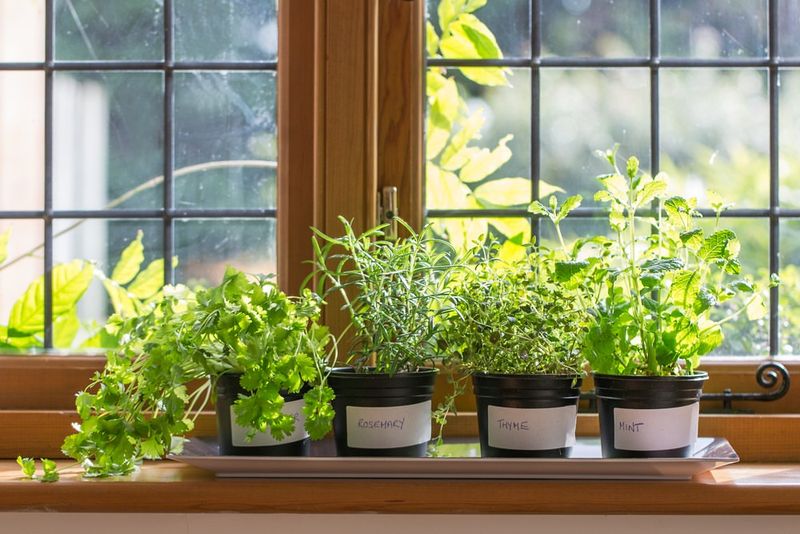
Think basil on the windowsill, a pot of cilantro by the back door, rows of salad greens in a raised bed, and tomato plants climbing a trellis in the sunniest corner of the yard.
Peppers, beans, cucumbers, zucchini, and berries all fit perfectly into this style of gardening.
What makes this trend so powerful is how targeted it is. Every plant earns its spot by replacing something you would have paid for at the store.
A single zucchini plant can produce more than you expect, and a few pepper plants can keep your kitchen stocked all summer long.
Michigan families are catching on fast because the savings are real and the method is practical. You do not need fancy equipment or a gardening background to get started.
A sunny spot, good soil, and a clear list of your most purchased produce is all it takes to begin saving money with your own kitchen garden this season.
2. It Works Because Families Grow What They Already Eat
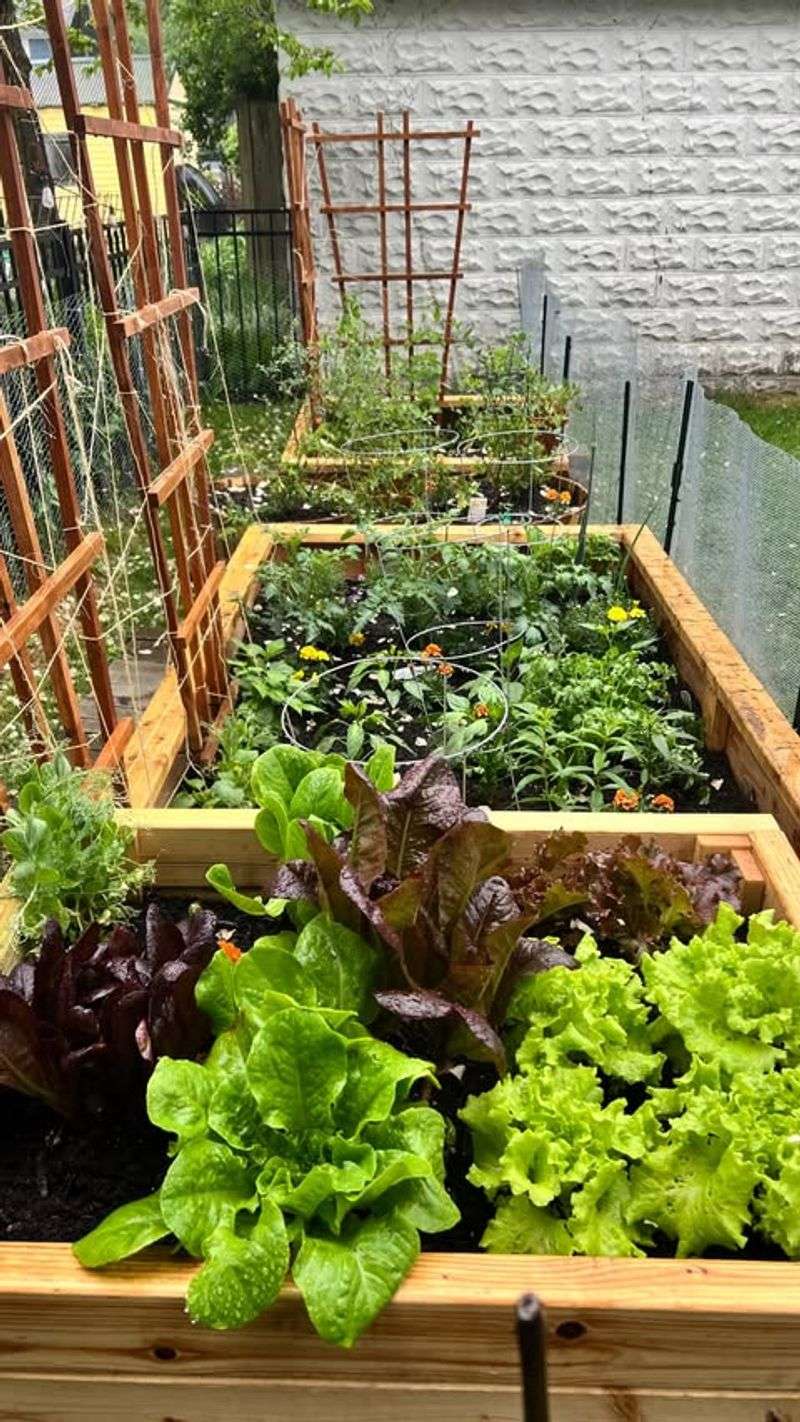
Picture this: you spend a full weekend planting a garden, water it all summer, and then realize you have a yard full of vegetables nobody in your house actually wants to eat.
That is the most common gardening mistake families make, and it quietly drains both time and money.
The biggest savings from a kitchen garden come when you grow crops your family already puts in the shopping cart every single week.
A garden packed with vegetables nobody reaches for at dinner will not help your grocery budget one bit.
Before you buy a single seed or transplant, sit down and write out a list of the fresh produce your household buys most often.
Check your grocery receipts or simply think through your weekly meals. If your family eats salads four nights a week, lettuce and cucumbers belong in your garden.
If tacos are a Tuesday tradition, cilantro and peppers should be on your planting list. Matching your garden to your real eating habits is what turns a hobby into genuine savings.
Your Michigan Garden Changes Every Week. Your Plan Should Too.
Gardening in Michigan changes quickly throughout the season. Every Friday you’ll receive a simple weekly plan showing exactly what to plant, prune, fertilize, harvest, and protect so you never miss the right timing.
This simple shift in thinking is what separates High Value Kitchen Gardening from regular gardening.
Every square foot of growing space works harder when it is filled with crops your family will actually use.
Start with your grocery list, not a seed catalog, and your garden will pay you back from the very first harvest.
3. Herbs Can Bring The Fastest Savings
Here is something that surprises a lot of first-time gardeners: a tiny bunch of fresh basil at the grocery store can cost two to three dollars, and it wilts within days.
Grow your own, and you have a continuous supply all season long for just a few cents per plant.
Herbs are one of the smartest choices for any kitchen garden, especially for families just getting started.
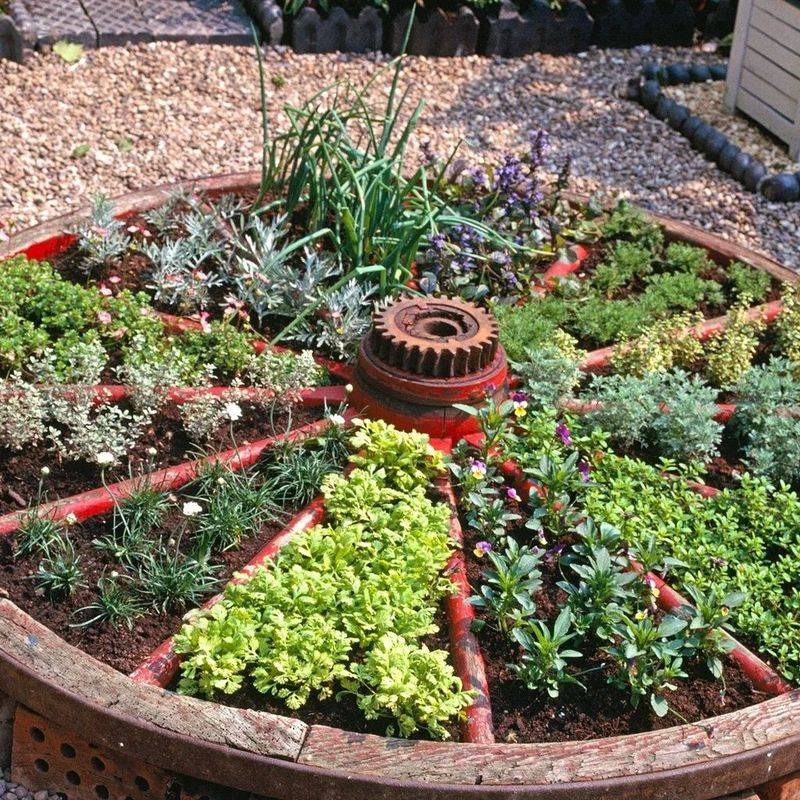
Basil, parsley, cilantro, dill, chives, thyme, oregano, and rosemary are all easy to grow in containers on a sunny porch or patio.
Mint is best kept in its own separate pot since it spreads aggressively, but it thrives with almost no effort at all. The real value of growing herbs comes from how often families actually use them.
A sprig of fresh thyme in a soup, cilantro on tacos, basil on homemade pizza, these small additions add up to surprising savings over a full season.
Store-bought herb packages often include far more than a recipe needs, so the rest goes unused and ends up in the trash.
With just a few containers and a sunny windowsill or outdoor ledge, your family can have fresh herbs ready to snip whenever a recipe calls for them.
Repeated harvests through the growing season mean one small plant investment pays off many times over before the first frost arrives in Michigan.
4. Repeat Harvest Crops Stretch The Budget Longer
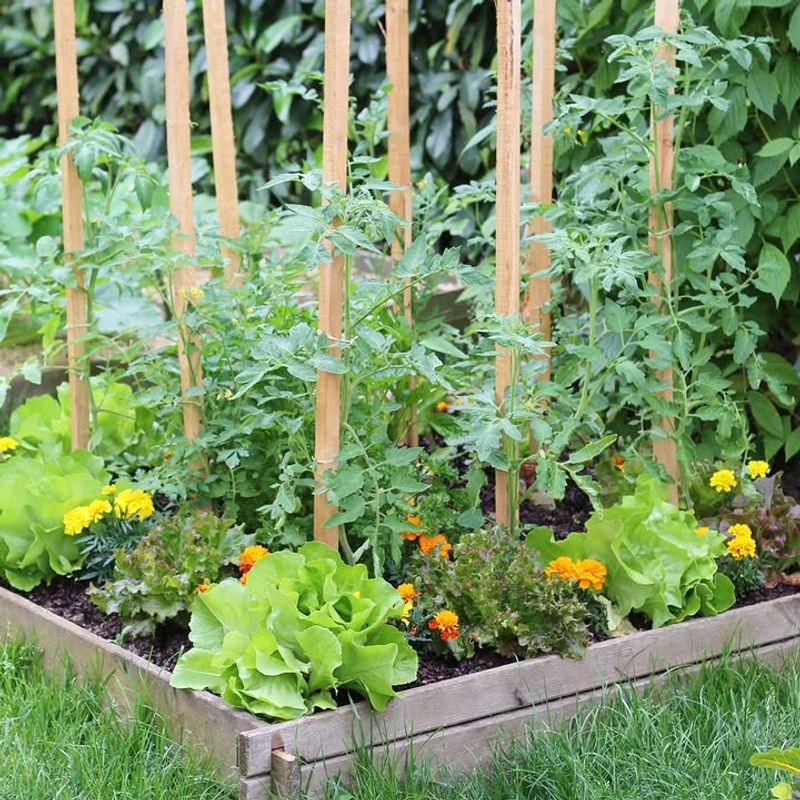
Not all garden plants give back equally. Some crops grow once, get harvested, and that is it.
Others keep producing week after week, filling your kitchen with fresh food long after the first picking.
For families watching their grocery budget, those repeat harvest crops are the real stars of the garden.
Leaf lettuce is a perfect example. Instead of pulling the whole plant, you snip outer leaves and the plant keeps growing.
Swiss chard and kale work exactly the same way. Green beans produce new pods as long as you keep picking. Cherry tomatoes set fruit continuously through the summer.
Cucumbers, zucchini, peppers, and most herbs all fall into this same generous category of plants that keep giving back.
A garden filled with these types of crops does not just feed your family once. It adds fresh food to your kitchen week after week, cutting into the grocery bill every single time you harvest.
That steady stream of produce is what makes the savings add up to hundreds of dollars over a full Michigan growing season.
When planning your garden layout, aim to fill most of your space with these continuous producers. One zucchini plant alone can surprise you with how much it grows.
Pair that with cherry tomatoes, beans, and a row of leaf lettuce, and your family will be reaching for the garden instead of the store far more often than you might expect.
5. Starting Small Keeps Costs Under Control
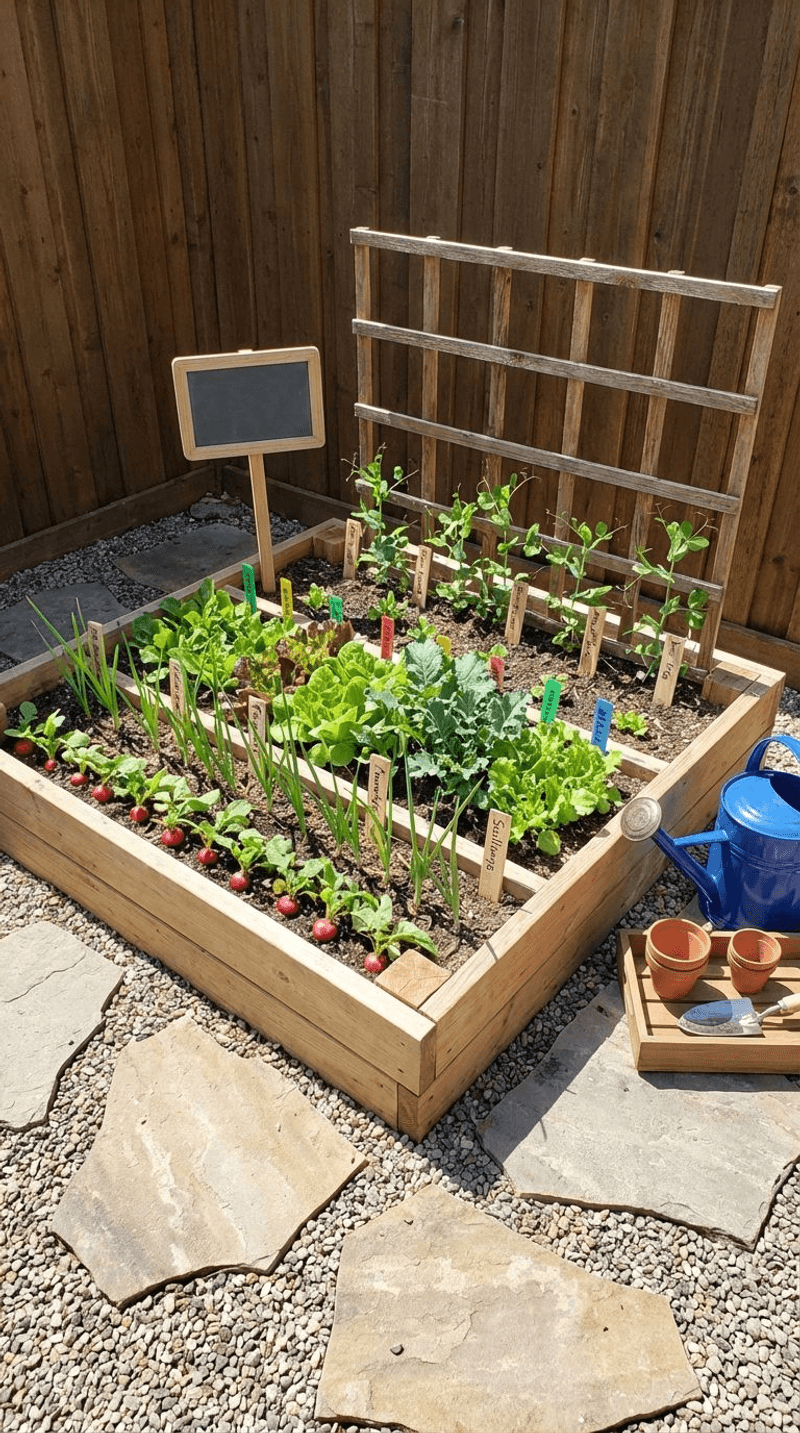
Bigger is not always better, especially when it comes to your first vegetable garden.
Many families get excited in spring, build a huge garden, and then feel overwhelmed by midsummer when the weeding, watering, and harvesting pile up all at once.
Starting small is not a limitation; it is actually a smart financial strategy.
Michigan State University recommends that new gardeners begin with a modest setup and expand only after gaining experience with what works in their specific yard and climate.
A single four-by-eight raised bed, a few large patio containers, or a small sunny plot in the backyard can be surprisingly productive without becoming a second job.
Smaller gardens are also easier to maintain consistently, which means fewer plants get neglected and more food actually makes it to your kitchen.
The cost of building a large garden upfront can easily outpace the savings if plants go untended or soil and supplies are wasted.
A compact, well-managed garden almost always outperforms a large, overwhelming one in terms of actual food produced per dollar spent.
Starting small also gives your family a chance to learn what grows well in your yard before committing to more space.
You will figure out your sunniest spots, how much water your soil holds, and which crops your household loves most.
That knowledge makes every future season more productive, more enjoyable, and far more cost-effective than jumping in too big right away.
6. Seeds Can Lower The Starting Cost
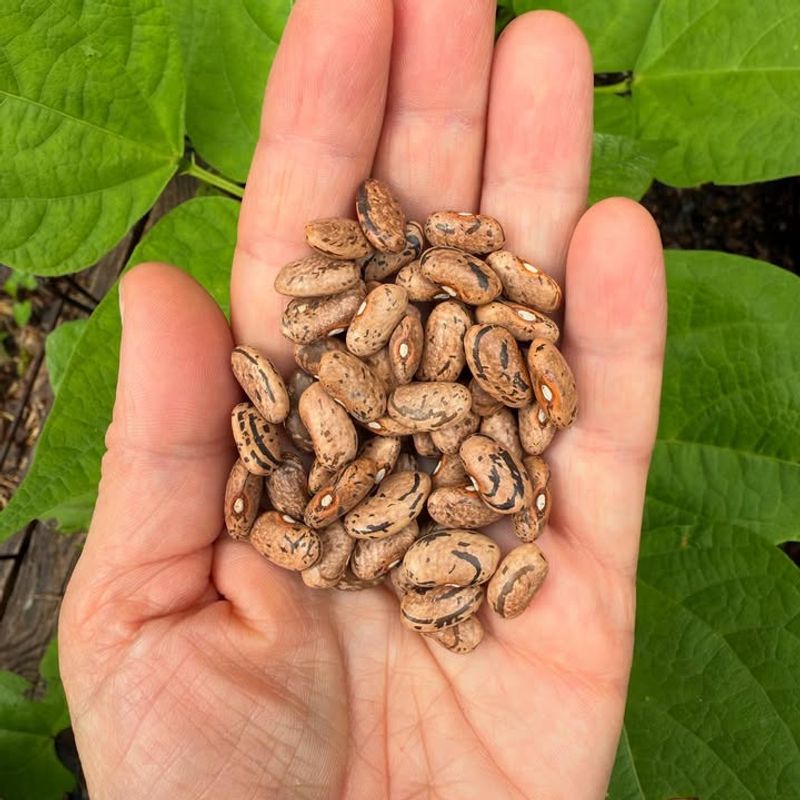
Walk into any garden center in spring and it is easy to spend a lot of money fast, especially when every transplant tray looks tempting.
But for many crops, buying seed packets instead of pre-grown plants can cut your starting costs dramatically while still giving you a full, productive garden.
Beans, peas, lettuce, spinach, radishes, cucumbers, zucchini, dill, and cilantro are all easy to grow directly from seed in gardens.
These crops sprout quickly, require no special equipment, and often cost less than a dollar per packet, which can grow far more plants than you would ever buy as transplants.
Sowing seeds directly into the garden soil or containers is straightforward and satisfying, even for beginners.
For slower warm-season crops like tomatoes and peppers, buying transplants still makes a lot of sense.
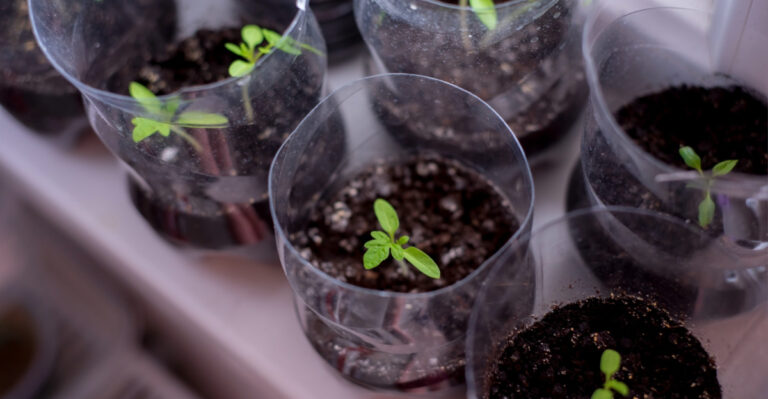
These plants need a long growing season, and starting them from seed requires grow lights and indoor space that not every family has available.
Purchasing just a few quality tomato and pepper transplants while growing everything else from seed gives you the best of both approaches.
Mixing seeds and transplants strategically keeps your startup budget low while still giving you a diverse, productive garden.
Check your local hardware store, garden center, or even the dollar store for affordable seed packets early in the season.
Many Michigan families find that spending under twenty dollars on seeds can generate hundreds of dollars worth of fresh produce by harvest time.
7. Succession Planting Makes The Garden More Productive
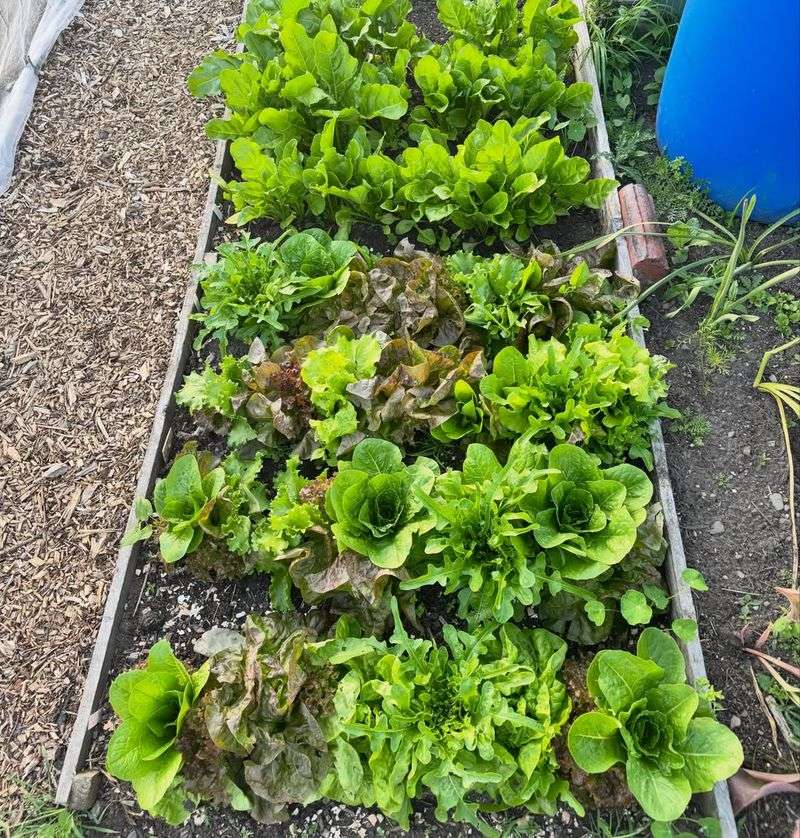
Imagine planting your entire lettuce supply on one day in May and then having more salad than your family can eat for two weeks, followed by nothing for the rest of the summer.
That feast-or-famine cycle is exactly what succession planting is designed to prevent.
Succession planting simply means sowing small amounts of the same crop every two to three weeks instead of all at once.
For Michigan gardeners, this might look like planting a short row of lettuce in early April, another in late April, and a third in mid-May.
Then as summer heats up and spring greens bolt, beans and cucumbers take center stage. Come late summer, a final round of spinach and kale goes in for a productive fall harvest.
This approach keeps a steady flow of fresh food coming to your kitchen from early spring all the way through October.
It also reduces the stress of trying to preserve or give away huge amounts of produce all at once. Smaller, timed plantings match your kitchen’s actual pace much more naturally.
Succession planting works especially well with quick-maturing crops like radishes, lettuce, spinach, green beans, and cilantro.
None of these require complicated planning. A simple planting calendar written on paper or kept on your phone is all you need to stay on schedule.
Over a full season, this one habit alone can significantly increase how much food your garden delivers to your table.
8. Cool Season Crops Give Michigan Families Two Chances
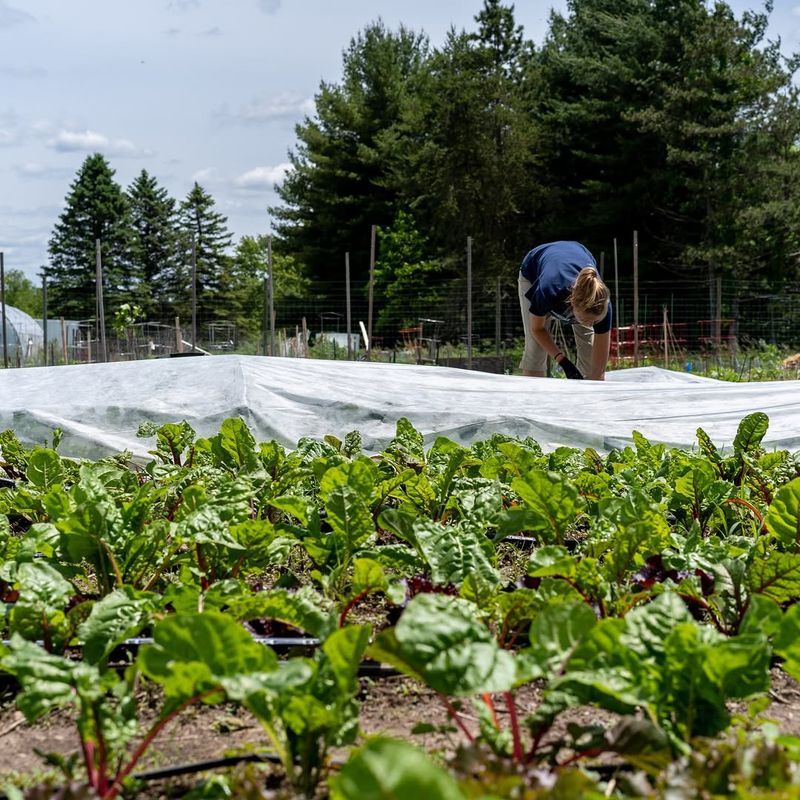
Most people think of gardening as a summer activity, but Michigan’s climate actually offers two distinct growing windows that smart gardeners take full advantage of.
Cool season vegetables thrive when temperatures are mild, and that means both spring and fall are prime growing time for a whole range of productive crops.
Lettuce, spinach, peas, kale, radishes, carrots, and green onions all perform best when the weather is cool rather than hot.
In Michigan, you can get these crops in the ground as early as late March or April for a spring harvest, and then plant them again in late July or August for a second harvest before the first frost arrives in fall.
That doubles the amount of food your garden produces from the same patch of soil.
Using cooler months effectively means your garden is working for you during times when most people think it is too early or too late to grow anything.
A spring crop of peas and spinach followed by a fall round of kale and radishes from the same bed is a simple, low-cost way to get more value out of every square foot you have planted.
Many Michigan families leave their garden beds empty in spring and fall without realizing how productive those months can be.
Adding cool season crops to your planting schedule is one of the easiest ways to extend your growing season, reduce grocery spending, and enjoy fresh homegrown vegetables well beyond the typical summer harvest window.
9. Warm Season Crops Should Be Chosen Carefully
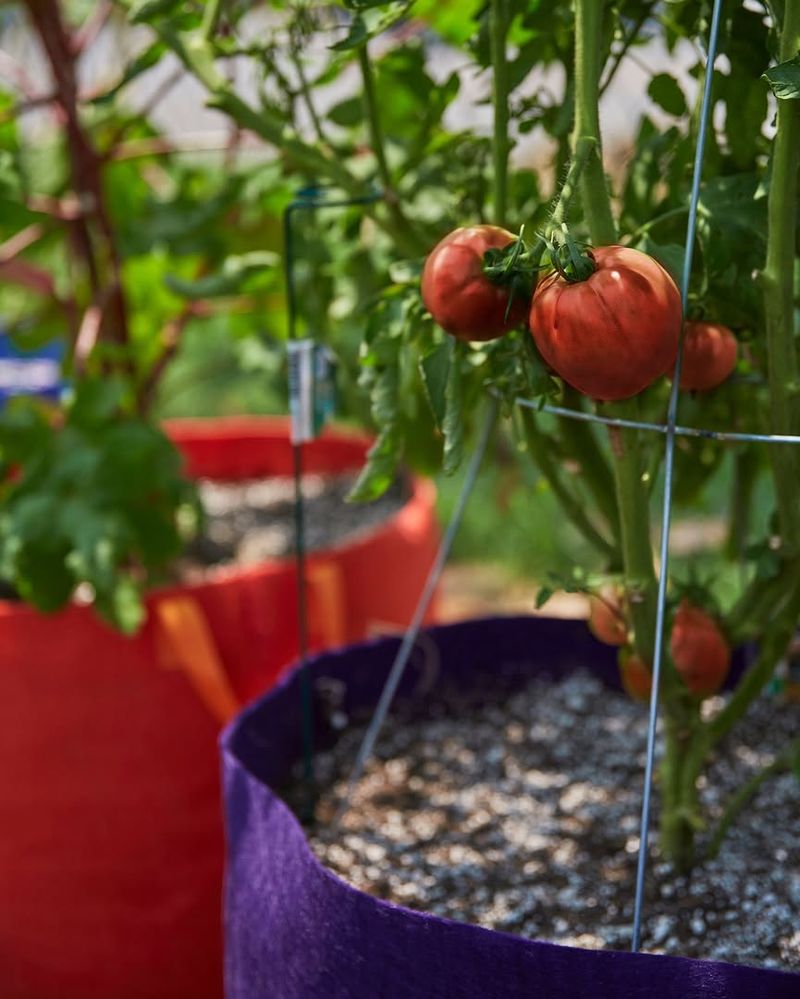
Michigan summers are warm and wonderful, but they are also shorter than in many other states.
That means warm season crops need to be chosen with care so your plants have enough time to produce a real harvest before cool temperatures return in early fall.
Tomatoes, peppers, cucumbers, beans, zucchini, basil, and summer squash are all excellent choices for gardens because they are well-suited to the state’s growing season length.
When selecting varieties, pay attention to the days to maturity listed on the seed packet or plant tag.
A tomato that needs 85 days to produce ripe fruit needs to be in the ground by early June at the latest to have a solid chance in most parts of Michigan.
Choosing shorter-season varieties can make a big difference in how productive your garden actually becomes.
Many seed companies now offer tomato, pepper, and cucumber varieties specifically bred for northern climates with shorter summers.
These selections tend to set fruit faster and keep producing even as temperatures begin to drop in late August and September.
Matching your warm season plant choices to Michigan’s actual climate is not complicated, but it does require a little research before you buy.
A quick look at your local frost dates and a comparison of days to maturity on seed packets will guide you toward the crops most likely to reward your family with a full, generous harvest before the growing season wraps up each year.
10. Food Preservation Extends The Savings
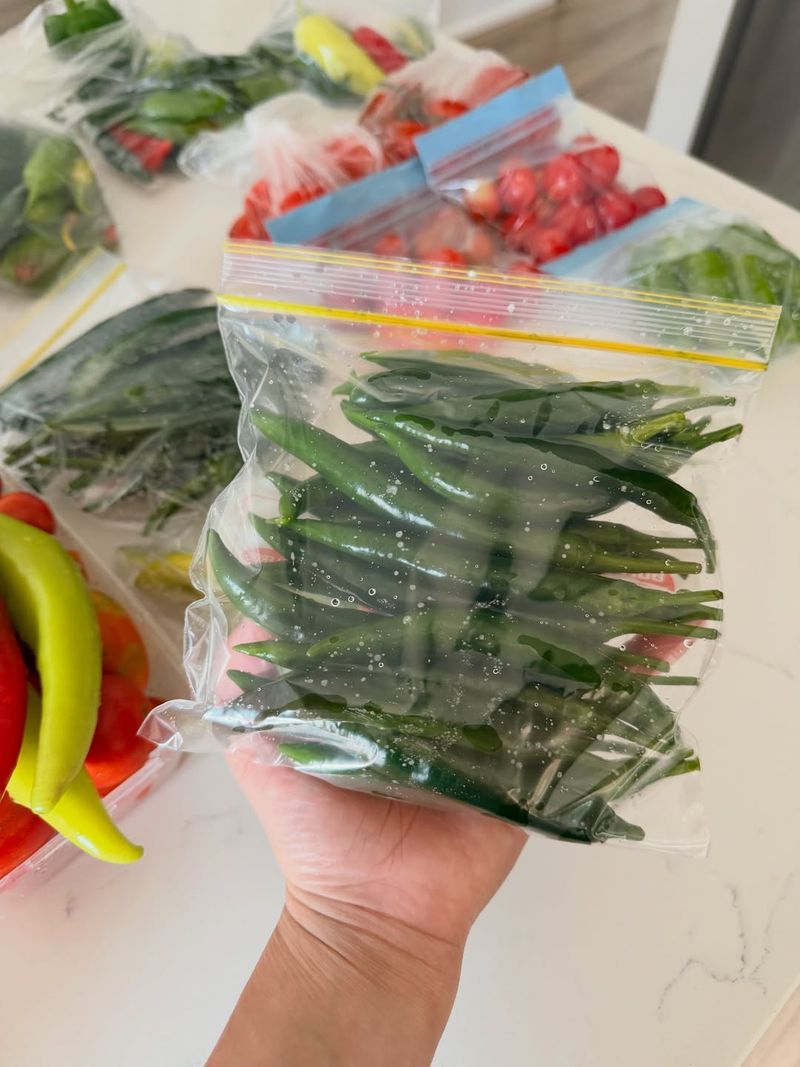
Growing a productive garden is only half of the savings equation. What you do with the harvest after picking it is just as important as what you grew in the first place.
When extra produce gets preserved properly, the value of your garden stretches far beyond the summer growing season.
Freezing is one of the easiest and most effective options for Michigan families. Tomatoes can be frozen whole or cooked into sauce and stored in bags.
Peppers freeze beautifully after a quick chop. Green beans, herbs, and berries all freeze well with minimal preparation.
A few hours of work on a weekend can fill your freezer with homegrown food that saves money on groceries all the way through winter.
Drying herbs is another simple preservation method that requires almost no equipment.
Bundles of thyme, oregano, rosemary, and parsley hung upside down in a dry room will be ready to use within a week or two. Dried herbs from your own garden taste fresher and cost far less than store-bought jars.
For families interested in canning or making sauces, MSU Extension offers free, research-based guidance on safe food preservation practices.
Following trusted instructions is important to make sure preserved food stays safe and delicious.
When your August tomato surplus becomes February pasta sauce, the savings from one garden season truly multiply in ways that make every bit of planting effort worth it.
11. Soil Testing Prevents Expensive Guessing
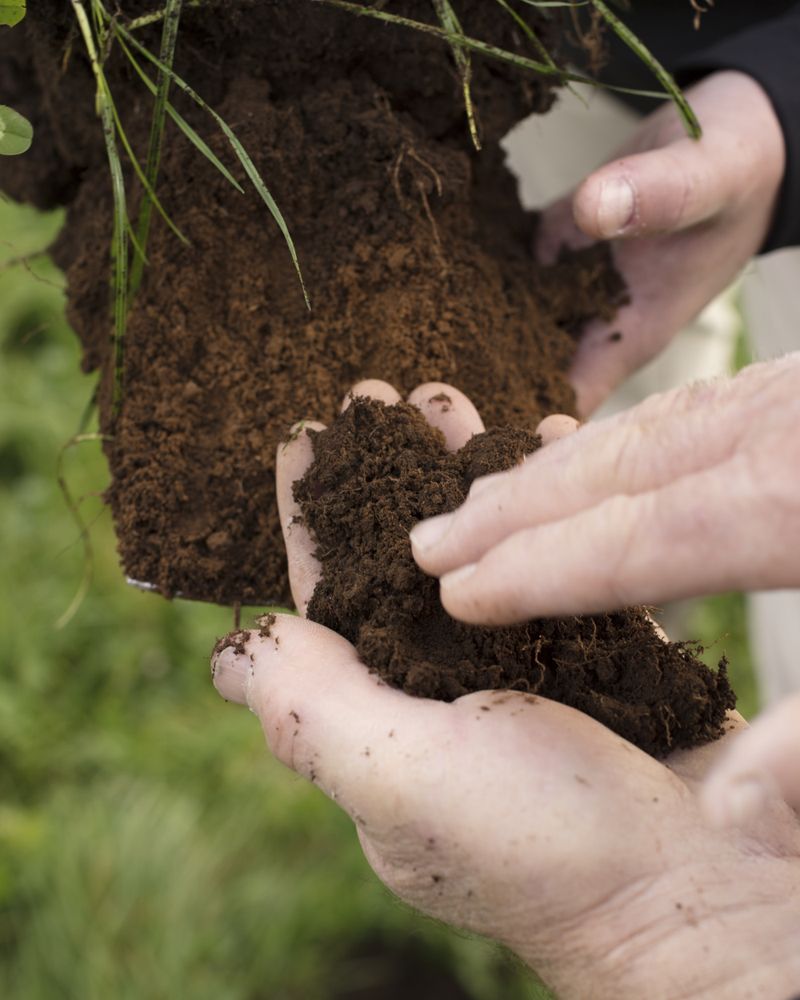
Healthy soil is the foundation of every productive garden, but you cannot tell just by looking at it whether your soil has what plants actually need.
That is where a soil test becomes one of the smartest investments a gardener can make, often costing less than twenty dollars through MSU Extension.
A basic soil test measures pH, nutrient levels, and organic matter content. These numbers tell you exactly what your soil is missing and what it already has in good supply.
Without that information, many gardeners end up buying bags of fertilizer, lime, or compost that their soil does not actually need.
That guessing game wastes money and can sometimes make soil conditions worse rather than better.
Getting the pH right matters more than most beginners realize. Most vegetables grow best in soil with a pH between 6.0 and 7.0.
If your soil is too acidic or too alkaline, plants struggle to absorb nutrients even when those nutrients are present.
A soil test tells you whether to add lime to raise pH or sulfur to lower it, so you spend money only on what your garden truly needs.
Submitting a soil sample before you plant each season takes only a few minutes. The results come with clear recommendations tailored to the crops you plan to grow.
Building healthy, well-balanced soil from the start supports stronger plants, bigger yields, and better tasting produce, which means more savings for your family and less frustration in the garden all season long.
12. The Best Savings Come From A Simple Plan
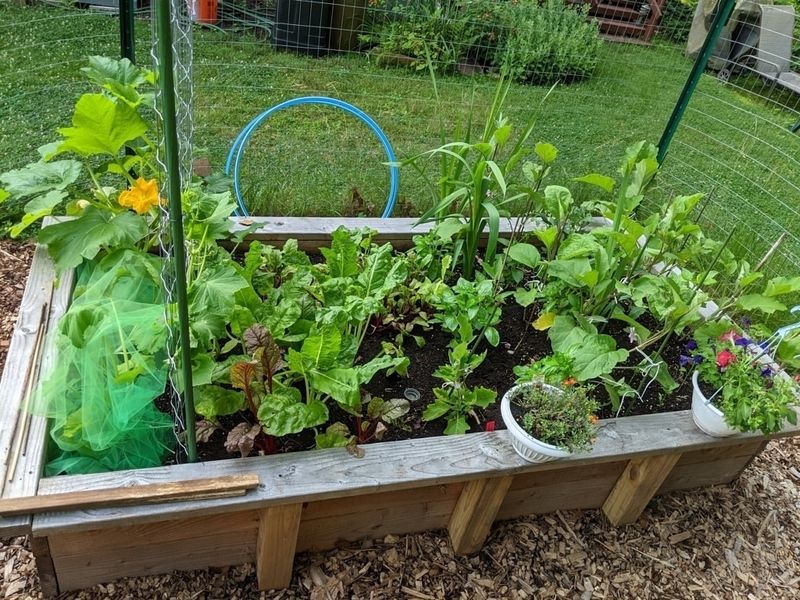
All the tips in the world mean very little without a clear, simple plan to pull them together.
High Value Kitchen Gardening works best when families approach it with intention rather than impulse, and the good news is that a solid plan does not need to be complicated at all.
Start by picking the sunniest spot available, because most vegetables need at least six to eight hours of direct sunlight each day.
Get a soil test done before you plant so you know exactly what amendments your garden actually needs.
Then sketch out a small, manageable layout focused on your family’s favorite crops, making sure to include plenty of repeat harvest plants and a good selection of herbs.
Build succession planting into your schedule from the beginning so fresh food keeps coming all season long.
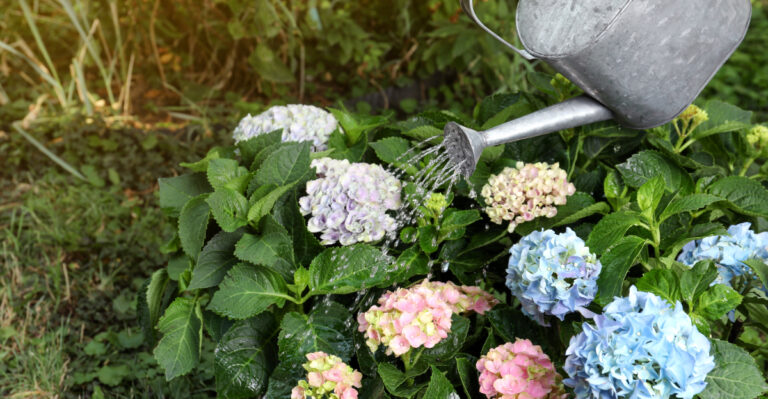
Consistent watering, especially during dry stretches, keeps plants healthy and productive without expensive interventions.
And when the harvest starts rolling in, use simple food storage and freezing methods to stretch that fresh produce well past the last picking day.
Michigan families who follow this approach consistently report spending noticeably less on fresh produce throughout the year.
The savings are most significant when the garden is planned around real grocery habits rather than wishful thinking.
A sunny site, tested soil, smart crop choices, and steady care are all it takes to turn a small patch of ground into a genuine money-saving resource for your household every single season.