What It Means When Frogs Gather On Your Minnesota Porch During A Storm
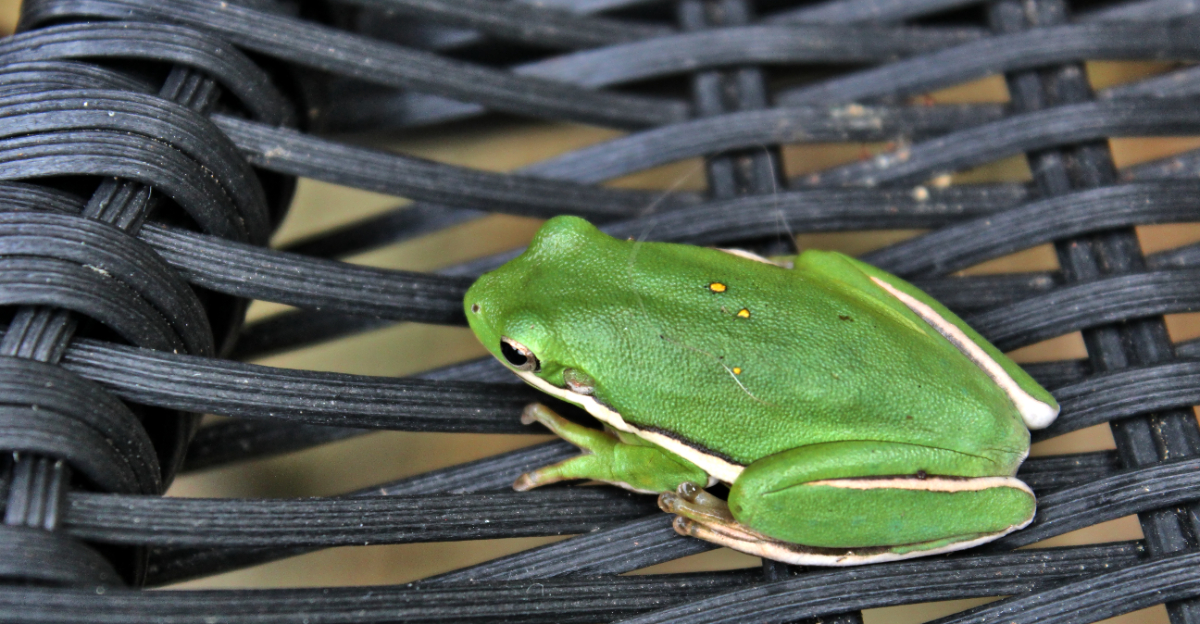
Rain starts hammering the roof, and suddenly your porch light looks like a stage for a very odd audience. A dozen small, wet visitors have claimed the concrete, sitting perfectly still like they paid rent for the spot.
If you live anywhere near standing water in Minnesota, this is not a one-time fluke. Storms seem to pull frogs out of hiding and straight toward your front steps, almost on cue.
There’s a real pattern behind the timing, tied to pressure changes in the air and the sudden buffet of insects swarming your outdoor lights. None of it is random, even though it looks like pure chaos on your welcome mat.
Storm Drainage Pushes Frogs Toward Higher Ground
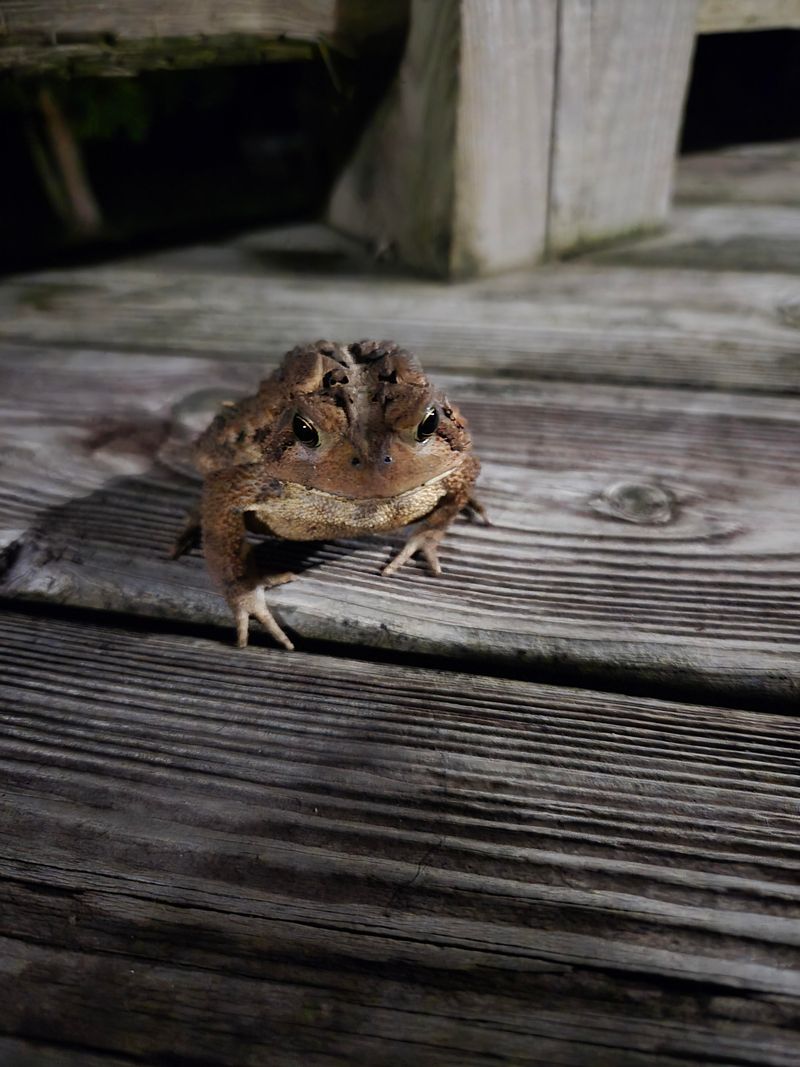
Rain hits hard, and the ground floods fast. When storms roll through the upper Midwest, low-lying areas fill with rushing water that pushes frogs right out of their usual spots.
Frogs generally avoid swimming against strong currents. They instinctively move uphill, toward dry surfaces, and your porch is exactly that kind of elevated refuge.
Storm drainage systems change the natural flow of water across yards and fields. Culverts, gutters, and paved driveways all redirect water in ways that funnel frogs toward structures like porches and steps.
A raised porch sits above the flood line. To a frog navigating a chaotic, rain-soaked yard, that wooden platform looks like a dry island.
Tree frogs are especially good climbers, so they reach porches faster than ground-dwellers. Species like the gray tree frog, common across the upper Midwest, can scale siding and screen doors with ease.
Heavier rains produce more dramatic frog gatherings. A light drizzle might bring one or two, but a real downpour can send a dozen frogs scrambling for your porch at once.
Homeowners near drainage ditches or retention ponds see this behavior most often. The closer your home sits to a water source, the more likely you are to host an uninvited amphibian crowd.
Understanding this movement pattern helps you prepare. Once you know what pushes them there, the whole scene shifts from surprising to strangely charming.
Porch Lights Attract Insects And Frogs
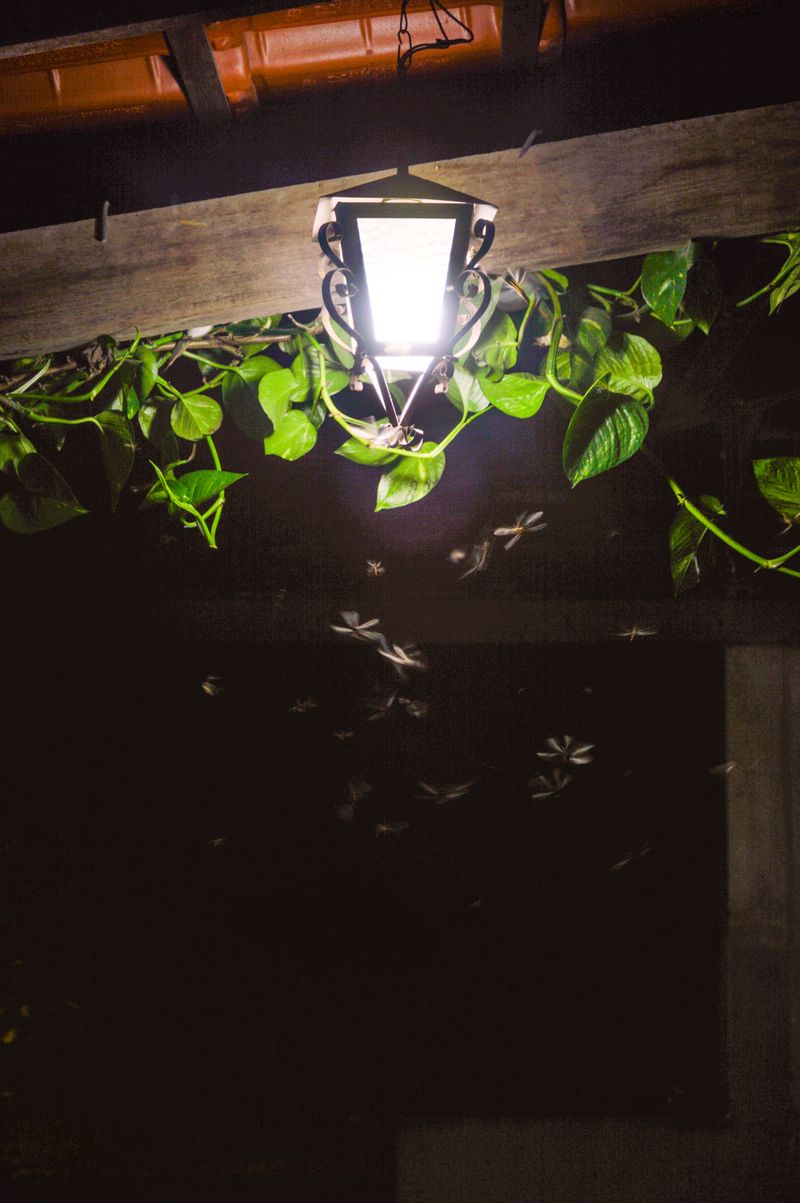
Your porch light is basically a dinner bell for frogs. Bugs swarm toward artificial light, and frogs follow the bugs with laser focus.
Moths, gnats, and beetles all circle porch bulbs during warm, stormy nights. A frog sitting beneath that light barely has to move to catch a full meal.
This feeding behavior is called ambush predation. Frogs park themselves near a reliable food source and wait, conserving energy while the bugs do all the work of flying straight to them.
Storms stir up insect activity in a big way. Rain disturbs soil, washes out debris, and sends flying insects scrambling, which means the buffet under your porch light gets even bigger during bad weather.
Yellow or warm-toned bulbs attract fewer insects than white or blue-tinted lights. Switching your porch bulb to a warm LED can actually reduce the number of bugs, and by extension, the number of frogs.
Your Minnesota Garden Changes Every Week. Your Plan Should Too.
Gardening in Minnesota changes quickly throughout the season. Every Friday you’ll receive a simple weekly plan showing exactly what to plant, prune, fertilize, harvest, and protect so you never miss the right timing.
But if you enjoy the wildlife show, keep your bright white bulb burning. You will likely spot several frogs lined up like little diners at a counter.
Gray tree frogs are the most common porch-light hunters in the upper Midwest, though other species can show up too. They are harmless, eat pest insects, and honestly do your yard a favor.
Your porch light deserves most of the credit for that late-night lineup. It is running the most popular restaurant in the neighborhood, no reservation needed.
Humidity Levels Draw Amphibians Indoors
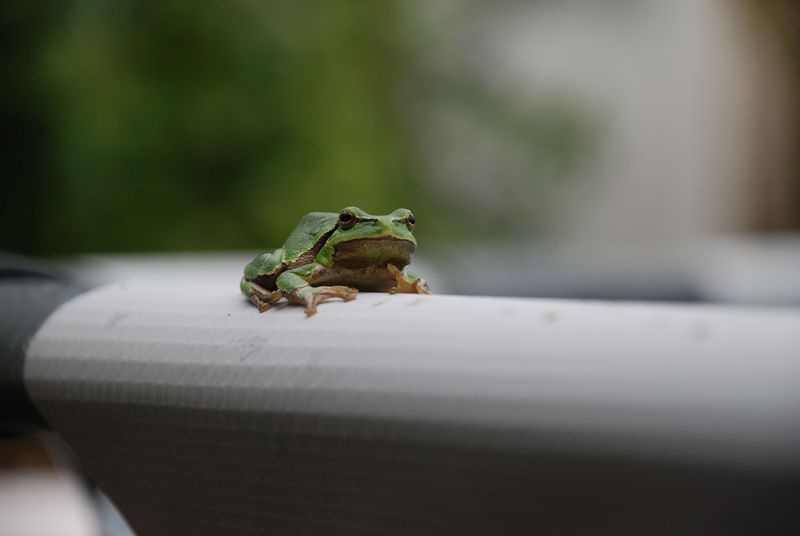
Frogs breathe through their skin. That single fact explains almost everything about why humidity pulls them toward your porch like a magnet.
When storm humidity spikes, the air itself becomes a hydration source for amphibians. Frogs absorb moisture directly through their permeable skin, so a humid porch feels like a spa treatment.
Dry conditions are genuinely dangerous for frogs. Their skin can lose moisture quickly in low humidity, making them sluggish and vulnerable to predators.
A storm changes that equation completely. Relative humidity during a Midwestern thunderstorm can jump above 90 percent, turning even a covered porch into a genuinely comfortable habitat.
Covered porches are especially attractive because they hold humidity without the chaos of open rain. Frogs get the moisture benefit without being pelted by heavy drops.
Wooden surfaces also absorb and retain moisture from the air. A rain-soaked porch deck feels cool and damp underfoot, which is exactly the texture frogs seek out.
Even concrete porches hold humidity in their surface after rain begins. The combination of cool, wet air and a damp floor creates conditions that mimic a frog’s natural streamside habitat.
Younger frogs and juveniles are most sensitive to humidity changes. You may notice smaller frogs appearing on your porch first, since they lose moisture faster and need to seek damp refuge sooner than adults do.
That thick, humid air is the real invitation, not some random coincidence.
Concrete Surfaces Offer Temporary Shelter
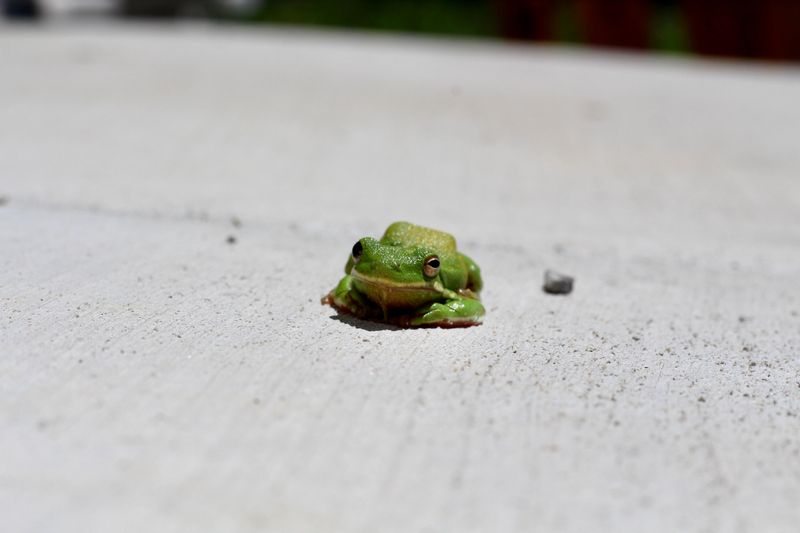
Concrete might not seem cozy to you, but to a frog, it is prime real estate. Hard, flat surfaces under a roof overhang check every box on a frog’s storm-shelter wish list.
Concrete stays cool even in summer heat. During a warm storm, a shaded concrete porch can be several degrees cooler than the surrounding air, which frogs find extremely appealing.
Overhangs block direct rain while still allowing humid air to circulate. Frogs get the moisture they need without the physical beating of heavy raindrops hitting their sensitive skin.
Smooth surfaces also make it harder for predators to sneak up quietly. A frog sitting on concrete can feel vibrations through its body, giving it an early warning system against threats.
Cracks, gaps near door frames, and spaces under porch furniture give frogs hiding spots within the shelter. A frog tucked behind a potted plant on a concrete porch is snug, hidden, and perfectly positioned.
Porches with steps create natural terracing that frogs use to move between levels. You might find frogs on the top step, the landing, and the porch floor all at once.
Brick and stone porches attract frogs for similar reasons, though rough surfaces offer better grip for climbing species. Gray tree frogs especially love textured vertical surfaces near a covered overhang.
Once you spot frogs on your concrete porch during a storm, you’ll start seeing it through their eyes. A surprisingly solid shelter in a messy world.
Barometric Pressure Changes Trigger Frog Movement
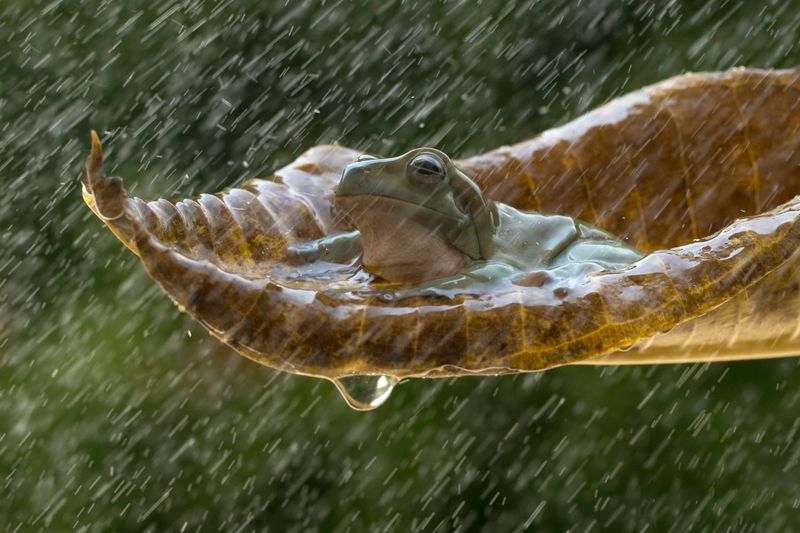
Frogs feel storms before you do. Dropping barometric pressure is one of nature’s clearest signals that bad weather is coming, and frogs respond to it with immediate action.
As pressure drops, frogs become noticeably more active. They call louder, move faster, and travel farther than they would on a calm, clear evening.
Scientists believe frogs sense pressure changes through highly sensitive inner-ear structures. These biological tools let them detect shifts in the atmosphere that humans simply cannot feel.
Falling pressure often precedes rain by several hours. This means frogs may start gathering on your porch well before the first drop falls, which can make their behavior seem almost psychic.
Historically, rural communities watched frog behavior as a weather indicator. A sudden chorus of frog calls on a still afternoon was treated as a reliable sign that rain was on the way.
Modern meteorology has largely replaced that folk wisdom, but the frogs have not changed their behavior one bit. They are still responding to the same atmospheric cues they always have.
The pressure drop also affects insects, making them fly lower and cluster near surfaces. Frogs pick up on this shift and position themselves near those insect hotspots, including lit porches and sheltered overhangs.
Paying attention to frog activity in your yard can actually sharpen your own storm awareness. The atmosphere tips them off long before you ever feel a drop of rain.
Nearby Water Sources Increase Frog Activity
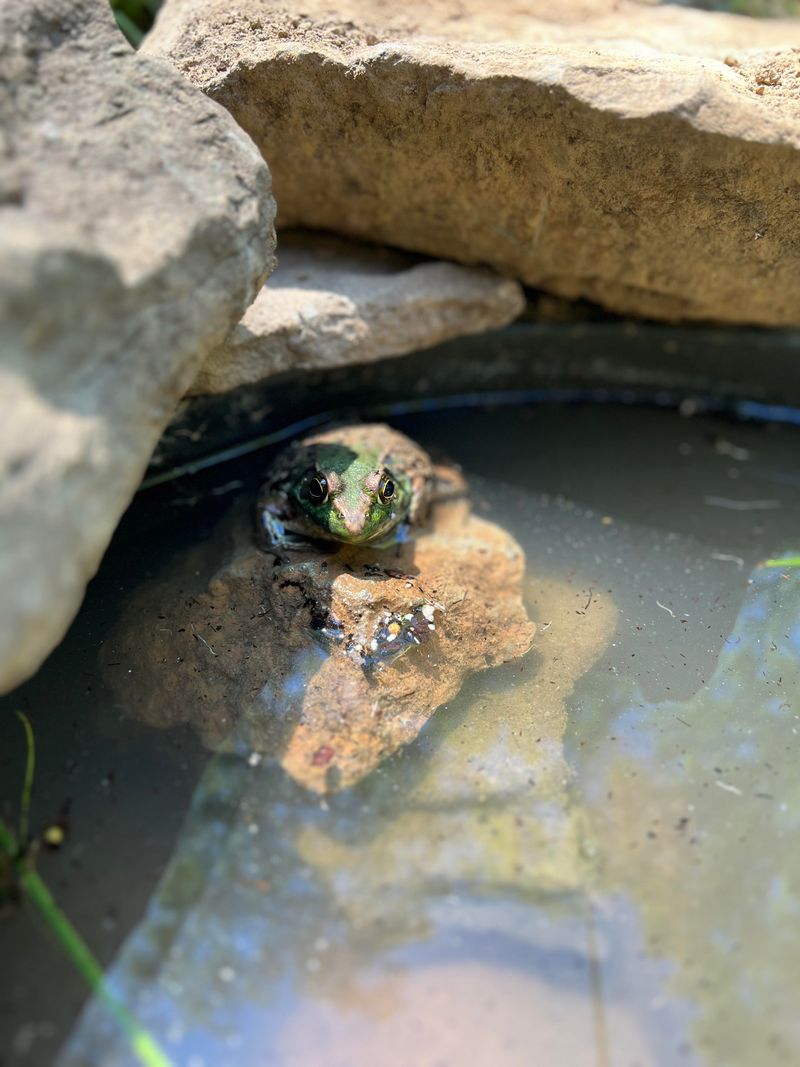
Location matters more than anything else. If your porch sits within a few hundred feet of a pond, creek, or wetland, you are essentially living next door to a frog neighborhood.
Frogs rarely travel far from water. Many species stay fairly close to their breeding or feeding habitat, which means a nearby pond puts your porch squarely in their territory.
Storms trigger breeding behavior in many frog species. Male frogs call aggressively during and after rain, and all that movement stirs up the entire local population.
When breeding activity peaks, frogs move across yards, driveways, and gardens in large numbers. Your porch is simply one stop along a very busy amphibian highway.
Retention ponds, decorative garden ponds, and even large puddles count as water sources that support frog populations. You do not need a lake next door to have regular frog visitors.
Gutters that drain into garden beds can create small, consistent wet zones that frogs claim as home base. Those frogs will naturally explore nearby structures, including your porch, when storms hit.
Adding a small water feature to your yard actually encourages more frog activity year-round. Gardeners who welcome frogs benefit from natural pest control, since a single frog eats thousands of insects per season.
It usually comes down to one simple fact: water is close by, and your porch just happens to sit inside their territory, not the other way around.