These Are The Herbs Minnesota Gardeners Should Trim Now For Fall Regrowth
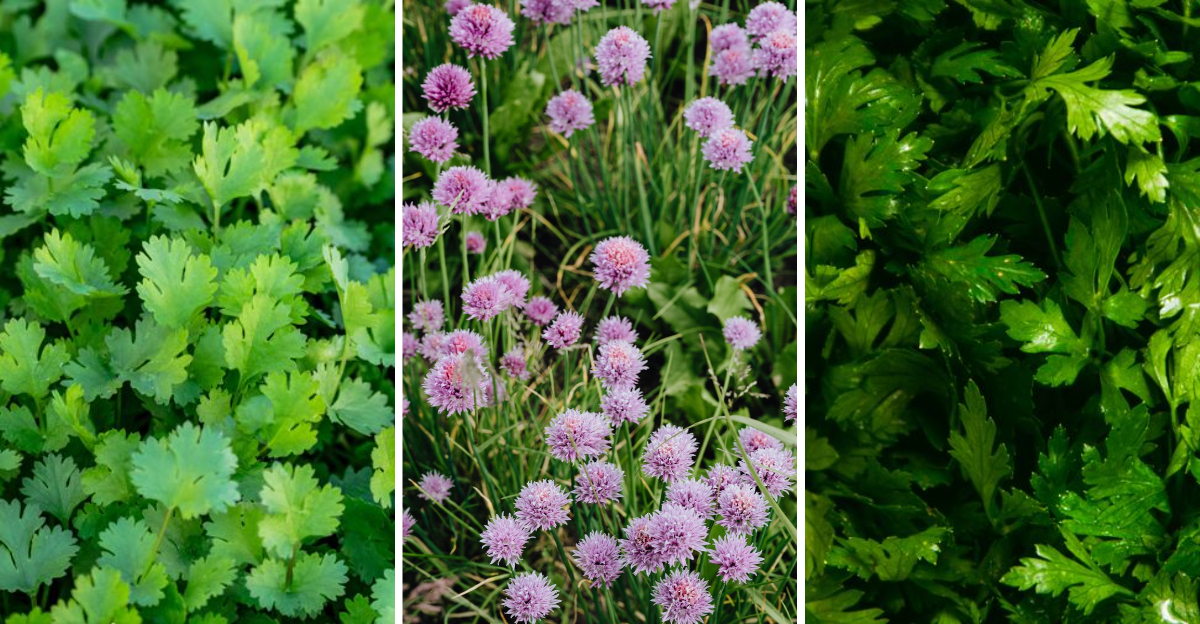
By late August, something shifts in a Minnesota garden. The tomatoes keep pushing along, but that herb bed you were so proud of in June now looks stretched, floppy, and half past its prime.
Most people see this as the beginning of the end. It’s actually an invitation. Grab a pair of shears and you can encourage something many gardeners overlook: a second flush of growth.
Certain plants, when cut back at exactly the right moment, respond by throwing out fresh, tender growth right when you thought their season was winding down.
Wait too long, or skip the cut entirely, and you’re stuck with tough, bitter leaves until the first frost.
Not every plant in your garden will react this way, and figuring out which ones deserve the cut is where things get interesting.
Minnesota’s shortening days make timing everything. Here are the candidates that are quietly begging for attention right now.
1. Basil
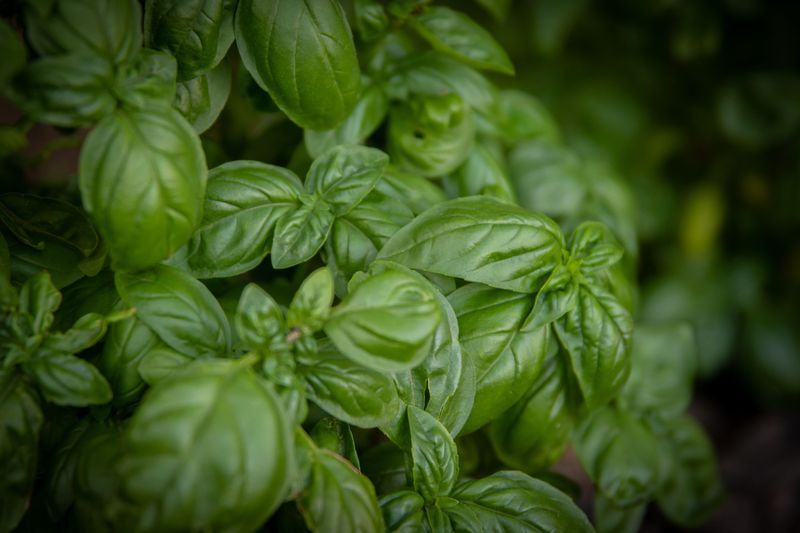
Nothing smells quite like a basil plant warmed by the August sun. That sweet, peppery scent is your cue to grab the shears and get to work.
Basil is one of the most rewarding plants Minnesota gardeners should trim now for fall regrowth. When you cut just above a leaf node, the plant responds by pushing out two new stems.
That means more leaves, more flavor, and a bushier plant overall. Trim about one-third of the plant at a time, never cutting into the woody base.
Focus on removing any flower buds you spot, because once basil flowers, it shifts energy away from leaf production. Pinching those buds early keeps the plant focused on what you actually want.
Basil loves warm soil and sunny afternoons, so after trimming, water it deeply at the base. Avoid wetting the leaves, which can cause dark spots and reduce your harvest quality.
A little fish emulsion fertilizer after trimming gives it a nutritional boost. Late August is the sweet spot for a final Minnesota trim before temperatures drop.
Basil is cold-sensitive, so once nights dip below 50 degrees, growth slows fast. Trim early enough to allow at least three weeks of regrowth before the cold settles in.
Your trimmed cuttings can go straight into a glass of water on a sunny windowsill. They root easily and can keep producing indoors well into October. That is a garden win you can taste.
2. Cilantro
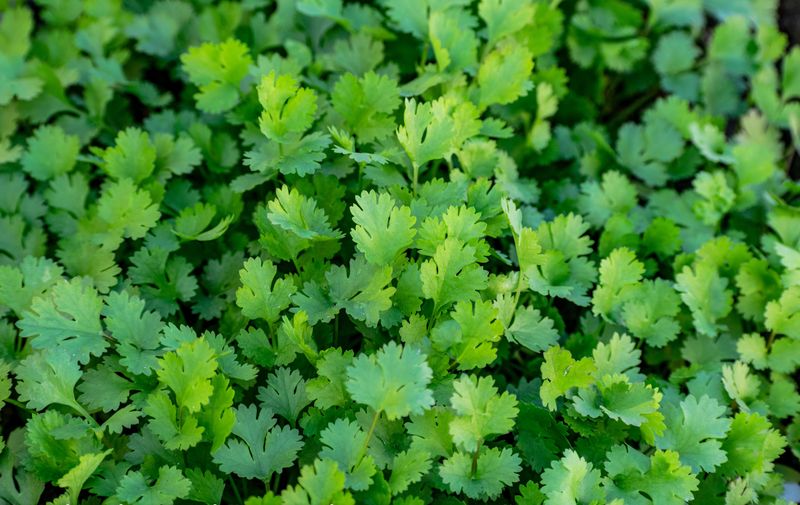
Cilantro is the herb that gardeners either adore or strongly avoid, but one thing is certain: it bolts fast. That quick dash to flowering is exactly why a well-timed trim matters so much.
When cilantro bolts, it sends up tall flower stalks and the leaves turn thin and lacy. Trimming the plant back before it fully flowers can encourage a fresh flush of the broad, flavorful leaves you actually want.
Cut the stems back by about half, targeting the tallest growth first. In Minnesota, late summer days are still warm enough to give cilantro a second wind after a good trim.
Your Minnesota Garden Changes Every Week. Your Plan Should Too.
Gardening in Minnesota changes quickly throughout the season. Every Friday you’ll receive a simple weekly plan showing exactly what to plant, prune, fertilize, harvest, and protect so you never miss the right timing.
Cooler fall temperatures actually favor cilantro growth, since this herb prefers mild weather over summer heat. Trimming now sets you up for a strong September harvest.
After cutting, scatter a thin layer of compost around the base of the plant. Cilantro is a light feeder but appreciates organic matter in the soil. Keep the soil consistently moist but never waterlogged, since soggy roots invite rot quickly.
One fun trick is to let a few flower heads go to seed intentionally. Those seeds are the spice coriander, which you can harvest and use in cooking. It is like getting two ingredients from one plant.
Cilantro grown in fall tastes noticeably different from summer-grown batches. The cooler air produces leaves with a brighter, less bitter flavor. Trim it now and your fall tacos will thank you later.
3. Dill
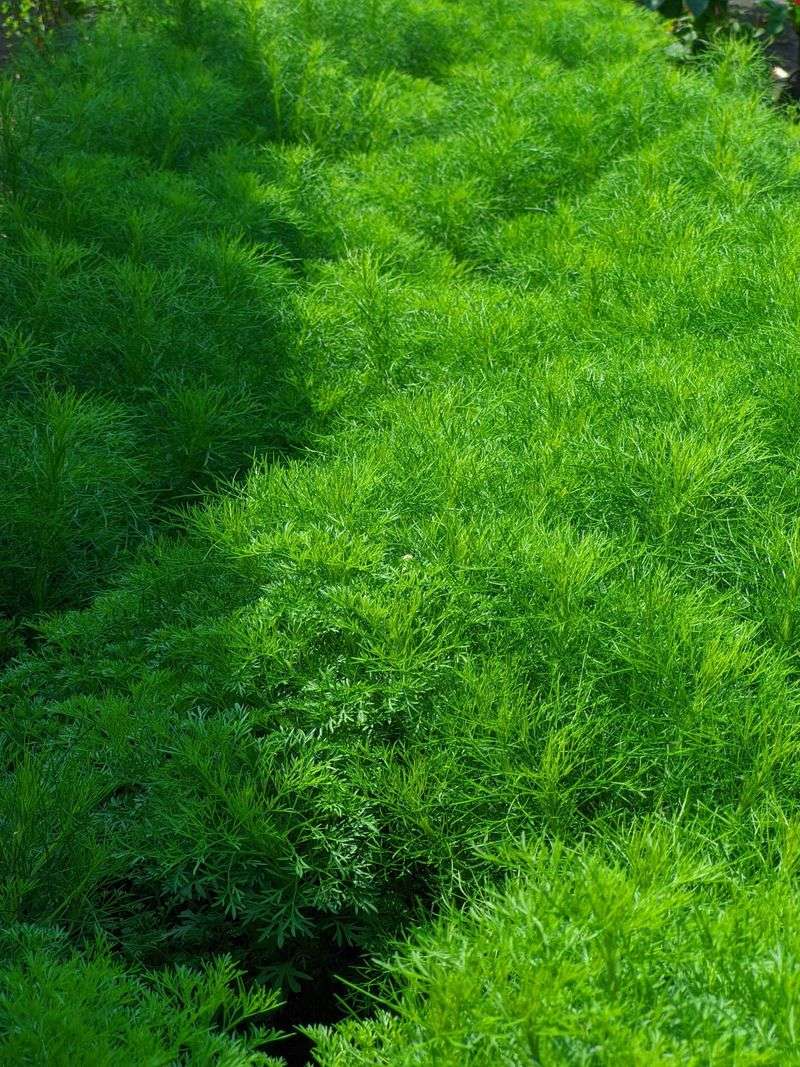
Dill is the tall, feathery friend in your garden that always seems to be reaching for the sky. Left untrimmed, it bolts quickly and puts all its energy into seeds rather than flavorful fronds.
Cutting dill back in late summer encourages a fresh round of tender new growth. Snip the stems down to about six inches from the base, removing any yellowing or flowering tops first.
This signals the plant to redirect energy downward and outward. Dill is a surprisingly hardy herb that can handle Minnesota’s transitional weather between August and September.
It actually slows its bolting tendency when temperatures cool slightly in early fall. A good trim timed with that temperature shift gives you a window for fresh foliage.
After trimming, water dill at the soil level rather than overhead. Its feathery fronds can hold moisture and become prone to mildew in humid conditions. A light mulch around the base helps retain soil warmth as fall nights get cooler.
Dill pairs beautifully with cucumbers, salmon, and potato salads, so a fall harvest is genuinely useful in the kitchen.
The fronds that come in after a trim tend to be more tender and aromatic than midsummer growth. That is a noticeable upgrade in flavor.
Dill has a long culinary history, with references to its use dating back thousands of years, including among ancient Egyptians. Trimming yours now connects you to a very long line of smart gardeners.
4. Chives
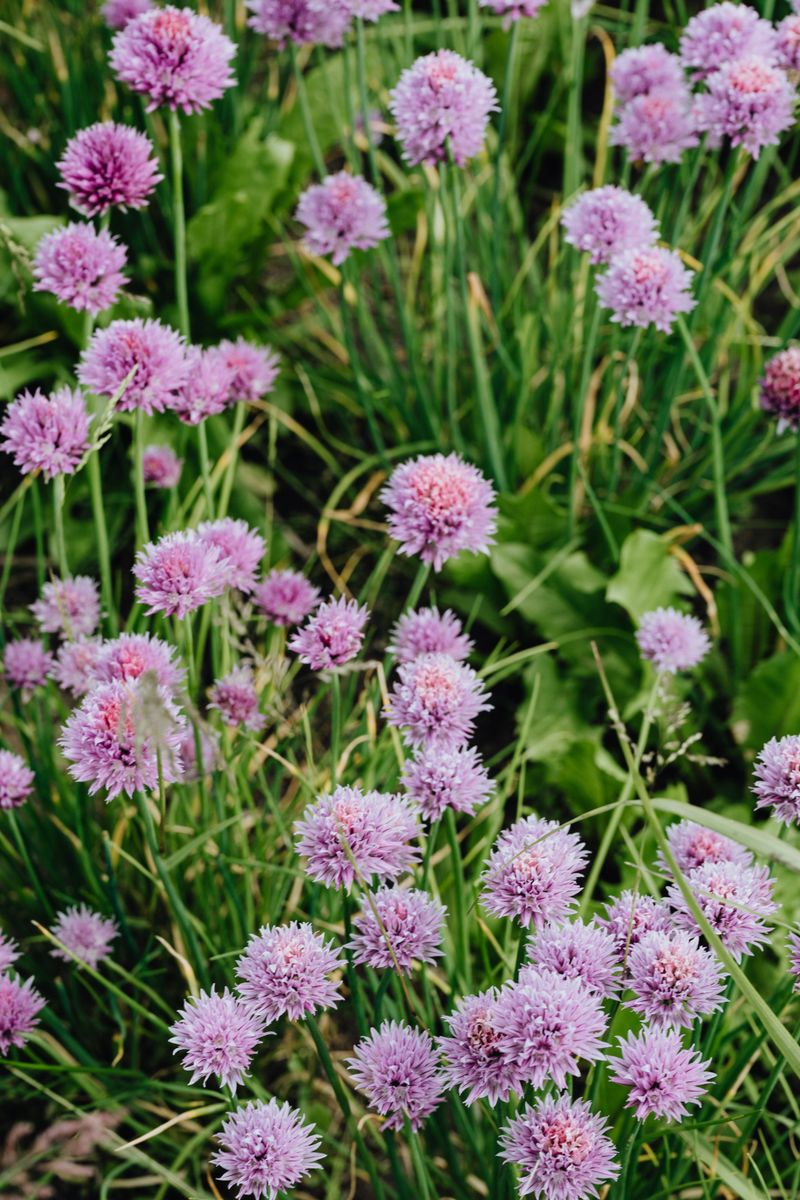
Chives are the quiet workhorses of the herb garden, always there, always producing, and rarely asking for much attention. But late summer is exactly when they deserve a focused trim to keep them thriving into fall.
After a long growing season, chive clumps can look tired, brown at the tips, and overgrown. Cutting the entire clump down to about two inches from the soil sounds drastic, but it is exactly what chives need.
Within a week or two, you will see a flush of bright green new growth pushing up. Chives are perennials, which means they come back every year in Minnesota gardens without replanting.
A late-season trim actually strengthens the root system by reducing the plant’s top growth burden. Healthier roots mean a stronger plant next spring.
After cutting, side-dress the clump with a handful of balanced granular fertilizer. Scratch it lightly into the soil surface and water it in well. This small step makes a measurable difference in how quickly the chives bounce back.
Chives bloom with pretty purple flowers in early summer, but by late August those flowers have faded and turned to seed.
Removing spent flower stalks during your trim prevents unwanted self-seeding all over the garden bed. It keeps things tidy and intentional.
The trimmings you collect are completely edible and perfect for topping soups, baked potatoes, or scrambled eggs. Never let chive clippings go to waste. Every cut is a mini harvest worth celebrating.
5. Parsley
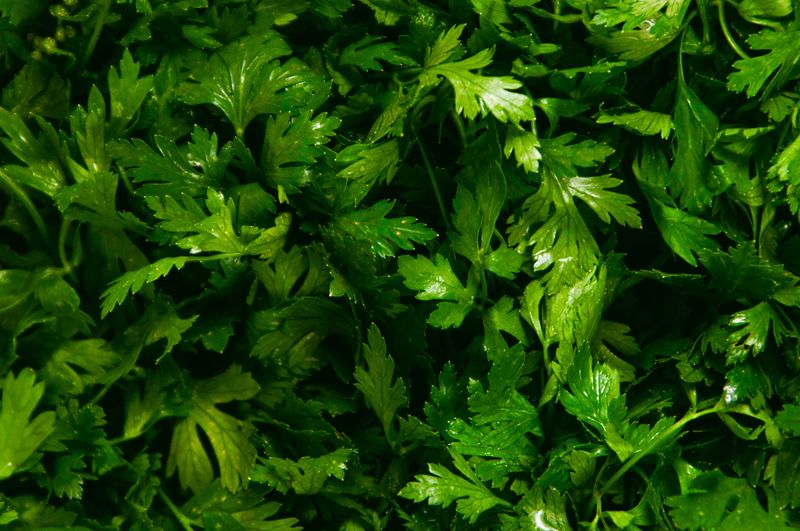
Parsley is often treated like a garnish, but any serious home cook knows it deserves a starring role. Keeping it trimmed through late summer ensures you have fresh, vibrant leaves all the way into October.
This biennial herb grows in a rosette pattern, with outer stalks maturing first and inner stalks still developing. Always harvest from the outside in, removing the oldest stems first.
That approach keeps the plant producing new growth from its center. Parsley is tougher than it looks and handles Minnesota’s cooler fall temperatures remarkably well.
It can tolerate light frost, which means a late-season trim can extend your harvest significantly past what you might expect. A row cover on cold nights buys you even more time.
Cut parsley stems all the way down to the base rather than snipping just the leaf tips. This encourages the plant to produce full new stems rather than just extending existing ones. Fuller stems mean more usable leaf mass per harvest.
After trimming, give parsley a dose of liquid seaweed fertilizer diluted in water. Seaweed is rich in micronutrients that support leafy growth and root health.
It is a gentle, effective option that will not burn the plant. Some cooks find flat-leaf parsley more flavorful than curly varieties, though both respond well to fall trimming.
Whichever type grows in your garden, treat it to a late-summer cut. A well-tended parsley plant is one of fall gardening’s most satisfying rewards.
6. Oregano
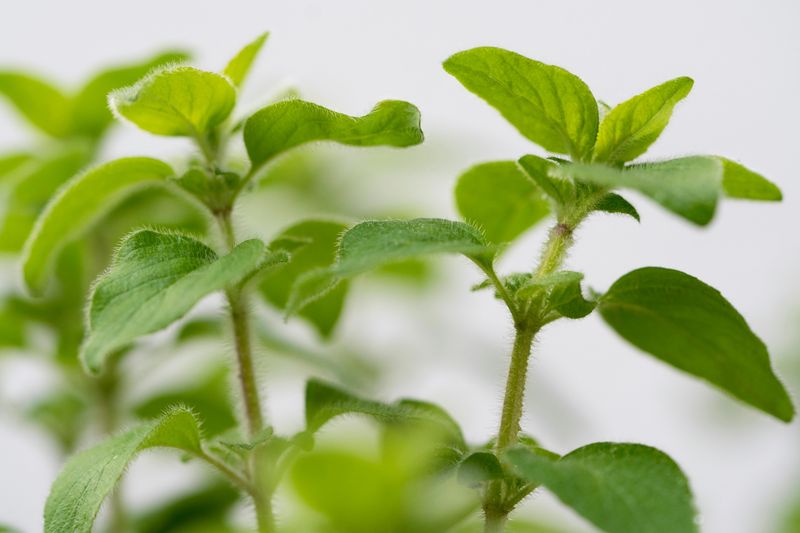
Oregano is one of those herbs that practically takes care of itself, which makes it easy to forget about until it has become a sprawling, woody tangle. Late summer is the perfect time to bring it back under control.
By August, oregano stems often become semi-woody and the plant can look more like a shrub than a culinary herb. Trimming it back by about half encourages tender new shoots to emerge from the base.
Those new shoots carry the most concentrated flavor and aroma. Use sharp scissors or pruning shears and cut just above a set of leaves on each stem.
Avoid cutting into the truly woody sections at the base, since those do not regenerate as reliably. Focus your cuts on the green, flexible upper growth.
Oregano is drought-tolerant, but after a trim it benefits from consistent moisture for about two weeks. Light, frequent watering helps the plant shift from recovery mode into active growth mode.
Once new shoots appear, you can back off and let it fend for itself again. This herb is a Mediterranean native that actually thrives in lean, well-drained soil.
Adding too much fertilizer after trimming can produce lush but flavorless leaves. Less is more when feeding oregano after a late-season cut.
Oregano trimmed in late summer often produces some of the most aromatic growth of the entire year.
Cool fall air seems to concentrate the essential oils in the leaves. Pizza night in October just got a serious upgrade.
7. Mint
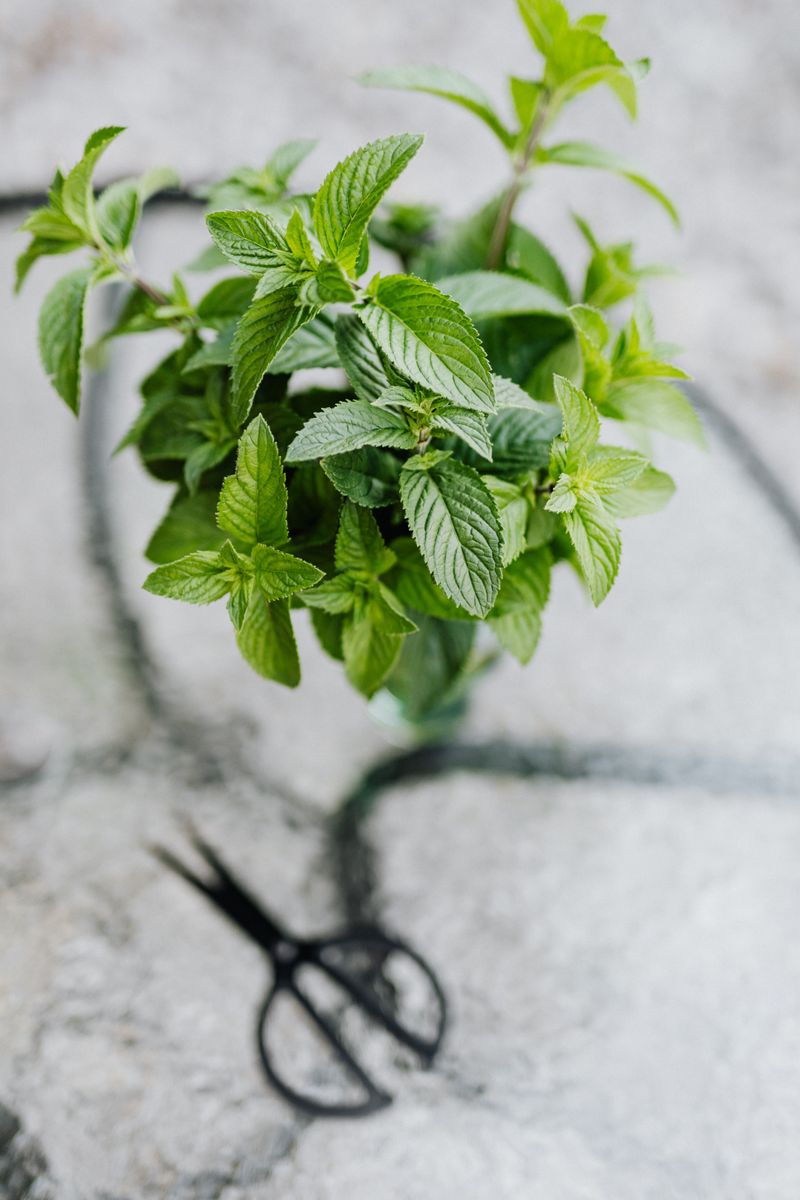
Mint is known for spreading well beyond its intended space. Left unchecked, it spreads quickly and can crowd out other plants in the bed by late summer.
Cutting mint back hard in August is one of the best things you can do for the plant and your garden.
Trim the stems down to about three to four inches from the soil surface, removing all the tall, leggy growth. The plant will recover quickly and come back fuller and more compact.
Mint is incredibly resilient and one of the fastest-rebounding herbs in the garden. Within a week or two of a hard cut, you will typically see new growth pushing up from the base and along the remaining stems.
That speed is genuinely satisfying to watch. After trimming, pull back any faded leaves or debris from around the base of the plant.
Good airflow at the soil level reduces the risk of fungal issues during the damper fall weeks ahead. A clean base sets the stage for healthy regrowth.
Mint planted in containers is easier to manage than in-ground varieties, since the pot limits its spread naturally.
If yours is in the ground, consider sinking a barrier around it to slow future spreading. A buried plastic edging works surprisingly well for this purpose.
The fall flush of mint leaves is ideal for teas, cocktails, and desserts as the season shifts. Spearmint and peppermint both respond equally well to a late-season trim. Cut it back now and enjoy the freshest mint of the year.
8. Thyme

Thyme is small, but it punches well above its weight in the flavor department. By late summer, most thyme plants have flowered, sprawled, and started looking a bit ragged around the edges.
A late-season trim is exactly what thyme needs to head into fall looking and tasting its best. Cut back the plant by about one-third, focusing on removing the soft, flexible growth above the woody base.
Never cut into the woody stems, since thyme does not regenerate from old wood reliably. Thyme is one of the plants Minnesota gardeners should trim now for fall regrowth because it hardens off beautifully before winter.
A well-trimmed thyme plant develops tighter, more compact growth that withstands cold temperatures better than an untrimmed one. That extra resilience makes a real difference come spring.
After your trim, check the soil drainage around your thyme plant. This herb dislikes wet feet and is prone to root rot in poorly drained soil.
If the area stays soggy after rain, mix in some coarse sand or gravel to improve drainage before fall rains arrive. Thyme has a long history in culinary and medicinal traditions, dating back to ancient Greece.
According to garden folklore, the name may derive from a Greek word linked to courage, and legend holds that Greek soldiers bathed in thyme-infused water before going into combat.
It’s a nice bit of garden trivia to keep in mind while you trim. A trimmed thyme plant produces tender new leaves that are perfect for roasting vegetables and seasoning soups.
Fall cooking and fresh thyme are a pairing worth planning for. Trim it now and taste the difference all season long.