The August Garden Task Massachusetts Gardeners Wish They Hadn’t Skipped
Your garden is hiding something right now. Something quiet drains energy from every plant. Massachusetts summers shift quickly, and August truly rewards gardeners who notice.
A small signal tells nearby buds to stop growing, halting fresh color. Ignoring it now means fewer blooms before the first frost arrives. Skilled gardeners know timing matters far more than effort here.
Warm days still linger, giving plants a real chance to rebloom. Coneflowers, zinnias, and dahlias respond almost instantly once that signal disappears. Skies over Massachusetts won’t wait for you to catch up later.
Tired stems aren’t struggling, they’re simply asking for attention. This small action redirects energy toward new buds instead of seeds. Late-summer gardens can look noticeably sharper within just days, not weeks.
Neglect compounds quickly, turning vibrant beds into scraggly disappointments soon. Confidence grows from a single decisive move. You must act now, before your garden runs out of time.
Removing Spent Blooms Keeps Plants Flowering
Your garden operates on its own biological priorities, not on looking pretty for you. Every plant’s biological goal is to produce seeds and reproduce, not to keep blooming for your enjoyment.
When a flower fades, the plant shifts all its energy toward forming a seed head. That shift happens quickly, especially in August heat.
Removing spent flowers tricks the plant into thinking it hasn’t finished its job yet. So it pushes out another round of buds to try again.
Zinnias are one of the best examples of this in action. Cut a faded zinnia bloom, and within days you’ll see two or three new stems reaching up to replace it.
Coneflowers, dahlias, cosmos, and black-eyed Susans all respond the same way. They bloom harder when you remove the old flowers regularly.
In Massachusetts, where the growing season closes fast, this extra push matters enormously. Getting extra weeks of blooms in August and September can transform a tired bed into a noticeably fuller display.
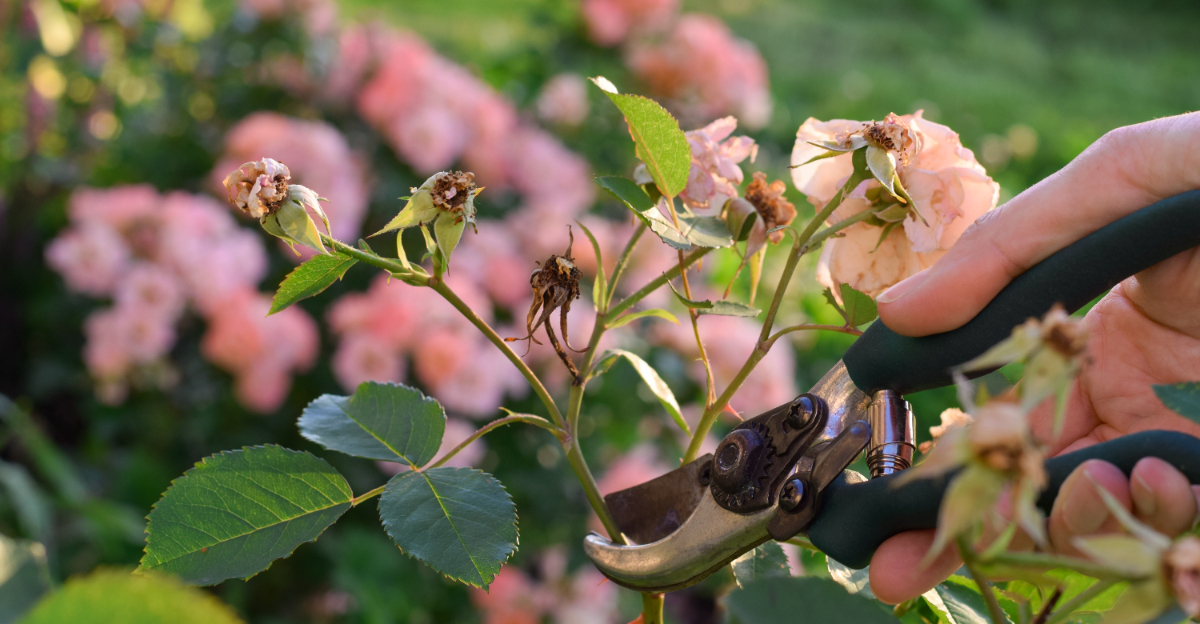
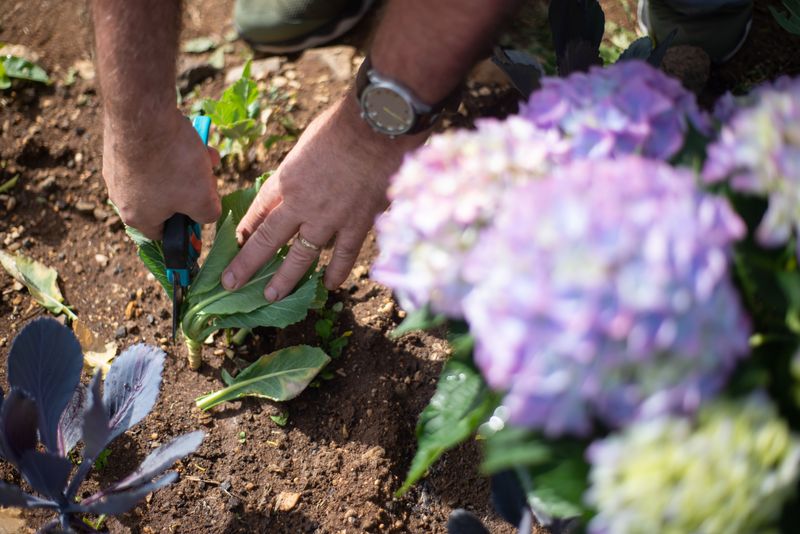
The technique is simple: find the spent bloom and trace the stem down to the first set of healthy leaves. Cut just above that leaf node with clean garden scissors or pruners.
Do this every few days during peak season for the best results. Consistency is what separates a garden that coasts through August from one that looks consistently healthy and full.
Skipping It Wastes Plant Energy
Picture your plant as a battery with limited charge. Every calorie it burns making seeds is one it can’t spend making new flowers.
Seed production is expensive for a plant. It demands significant resources, including sugar, water, and nutrients pulled straight from the soil.
When spent flowers are left on the stem through August, the plant commits hard to finishing that seed. The flower show stops almost completely.
Gardeners who skip removing spent flowers often wonder why their beds look so lackluster by mid-August. The plants aren’t struggling with heat or drought alone, they’re simply done blooming.
Your Massachusetts Garden Changes Every Week. Your Plan Should Too.
Gardening in Massachusetts changes quickly throughout the season. Every Friday you’ll receive a simple weekly plan showing exactly what to plant, prune, fertilize, harvest, and protect so you never miss the right timing.
Annuals like petunias and marigolds are especially dramatic about this. Leave faded blooms on a petunia for just one week, and the whole plant can stall out.
Perennials slow down too, though more gradually. A salvia or coreopsis that gets trimmed regularly will stay in bloom weeks longer than one that’s ignored.
The energy a plant saves by not finishing seed development gets redirected almost immediately. New buds form, stems strengthen, and foliage looks healthier overall.
Think of removing spent flowers as giving your plant permission to start over. It’s a reset button that costs you five minutes and rewards you with weeks of fresh color.
Massachusetts summers are short and precious. Letting plants waste energy on seeds you’ll never collect is one of the most common and most correctable gardening mistakes out there.
Self-Seeding Spreads Plants Unintentionally
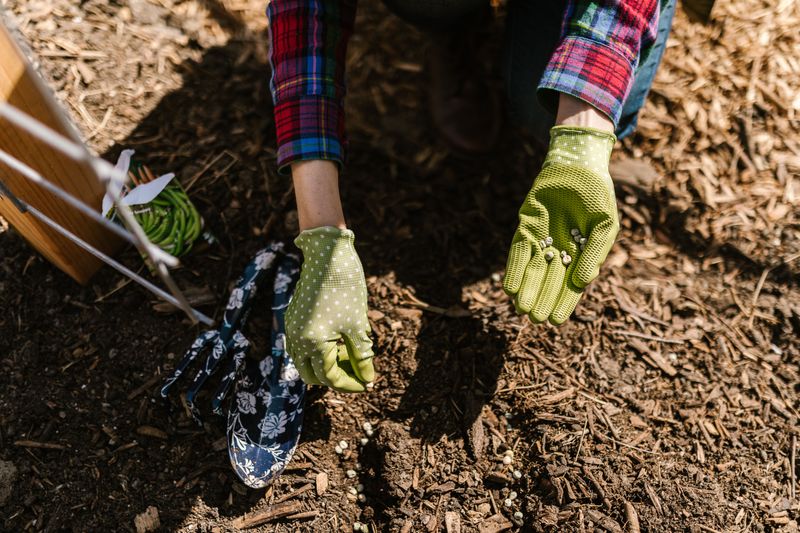
Some plants are sneaky about self-seeding, and August is when they make their biggest move. Leave spent blooms on the stem, and those seeds drop straight into your garden beds.
By spring, you’ll find mystery seedlings popping up everywhere. Some gardeners love the surprise, but most end up overwhelmed by plants growing in the wrong spots.
Foxglove, feverfew, and bronze fennel are notorious self-seeders in New England gardens. One plant left to seed can produce dozens of volunteers the following year.
Even beloved plants like black-eyed Susans can become a problem when they spread unchecked. They’ll crowd out neighboring perennials and shift the whole design of your bed.
Removing spent flowers before seeds mature is the easiest way to stay in control. You decide where new plants grow, not the wind or gravity.
That said, intentional self-seeding can be a wonderful tool. If you want more zinnias or cosmos next year, leave a few spent blooms to drop seeds in a spot you’ve chosen.
The key word there is intentional. Skipping trimming across the whole garden is a gamble that rarely pays off the way you hope.
Collect seeds from a handful of your favorites in a labeled paper bag instead. That way you get the benefit of free plants without the chaos of an unplanned takeover.
Staying ahead of seed drop in August protects the garden design you worked hard to create all spring.
August Is The Last Chance For Fall Blooms
August feels like the middle of summer, but for plants, it’s closer to the finish line. Days are already getting shorter, and plants are beginning to sense the seasonal shift.
For many flowering plants, August is the last window to trigger a new flush of blooms before frost ends the show. Miss this window, and you miss fall color entirely.
Removing spent flowers now signals the plant to bloom again fast. That new flush can take anywhere from two to several weeks to appear, depending on the plant and weather conditions.
Mid-September in Massachusetts is stunning when the garden cooperates. Dahlias, zinnias, and rudbeckia can carry you all the way to the first frost if you stay on top of trimming.
Gardeners who skip August trimming often find their beds looking bare just when fall entertaining season kicks in. That timing gap is a common frustration for gardeners who experience it once.
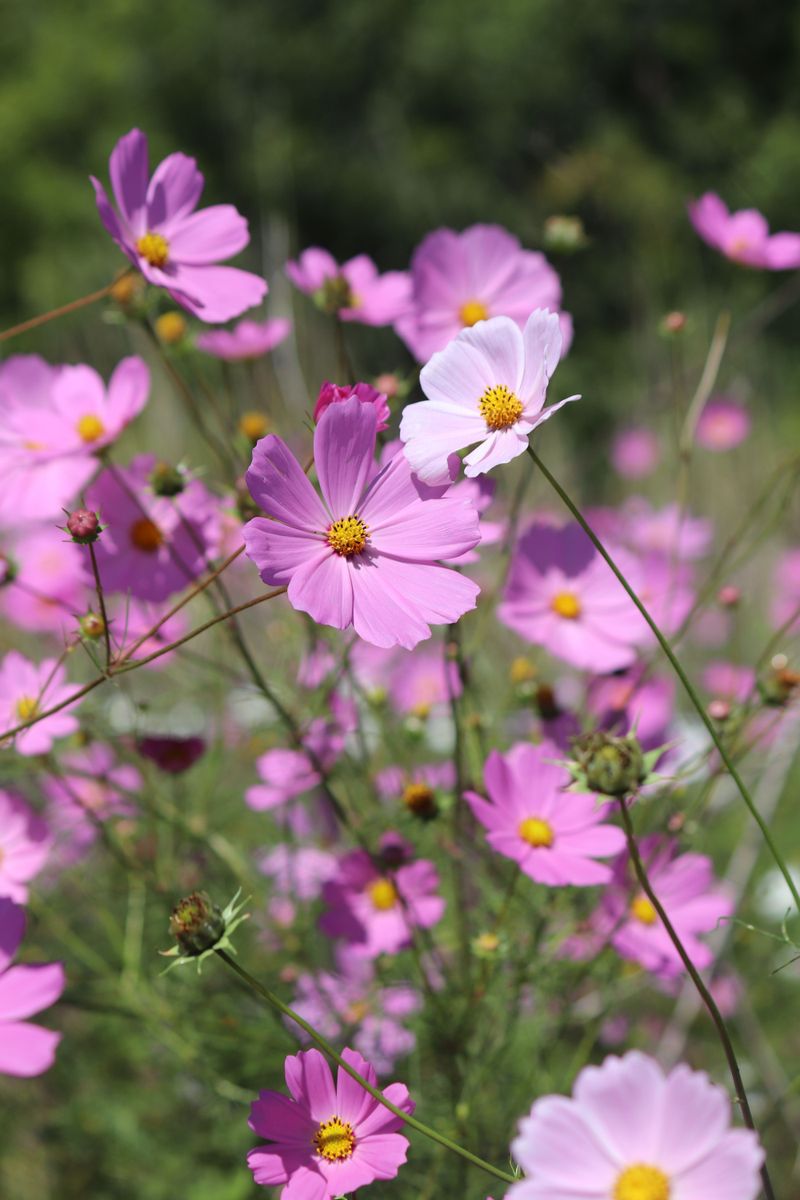
The plants most responsive to late-season trimming include cosmos, salvia, coreopsis, and scabiosa. Each one can produce a generous second flush if prompted in early to mid-August.
Dahlias especially reward consistent August trimming. Remove every faded bloom immediately, and these showstoppers will keep producing right up until a hard frost takes them down.
Think of this month as your last real chance to shape how the garden looks in October. A little work now pays off in weeks of color that feel like a bonus season all their own.
Neglected Perennials Look Leggy In Autumn
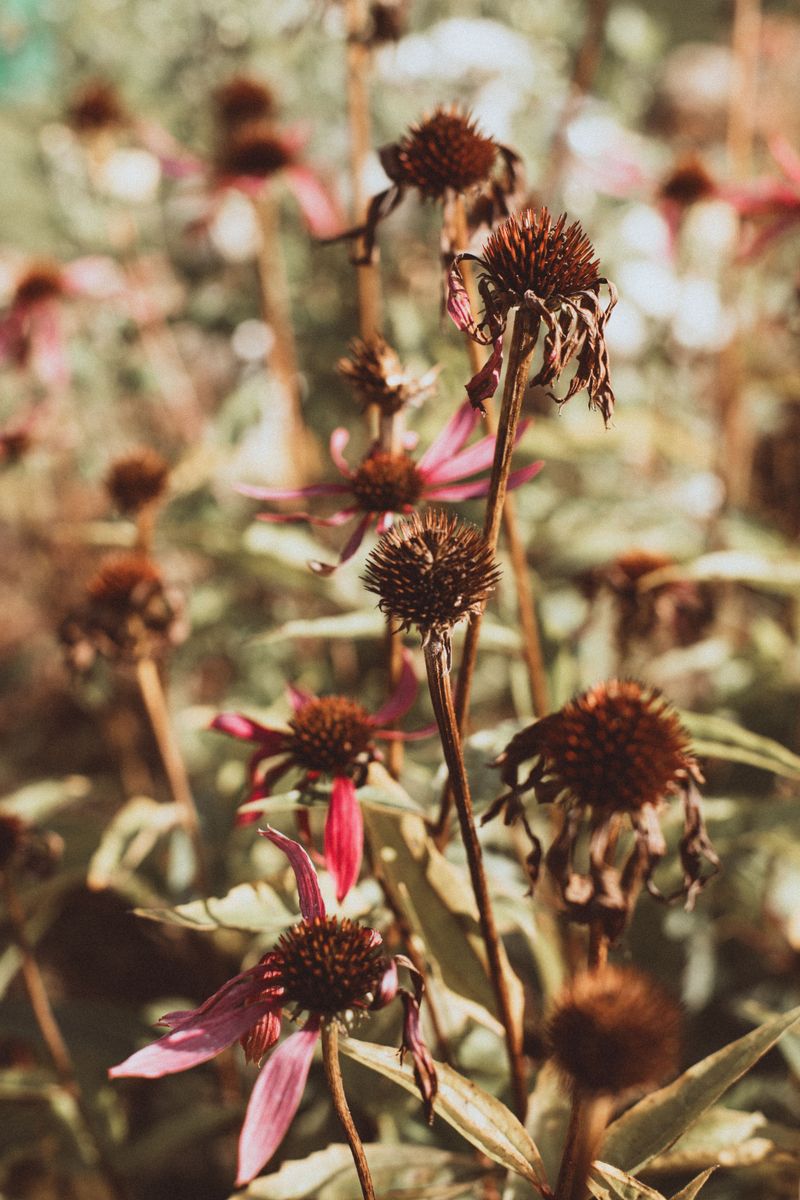
Perennials that skip their August trim tend to become noticeably leggy by September. They grow tall, floppy, and sparse in a way that’s hard to fix once autumn arrives.
Leggy growth happens when a plant stretches toward light while directing most energy into seed production. The result is long bare stems with a few sad blooms clinging to the top.
Phlox, coneflowers, and bee balm are especially prone to this look when not maintained through August. By October, they can look overgrown and unkempt rather than intentional.
Removing spent flowers in August encourages compact, bushy regrowth instead of that stretched-out look. The plant puts energy into side shoots rather than elongating its main stem.
Cutting back leggy perennials by about one-third can also help reshape them. This is a late-season variation of the Chelsea chop, a method more commonly done in late spring, and it still works well on late bloomers like asters and sedums in August.
New England asters and sedums benefit hugely from August attention. Left alone, asters especially tend to flop and look messy just as they’re supposed to be hitting their stride.
Tidy perennials also support pollinators better in fall. Bees and butterflies need accessible, upright flowers, not tangled masses of overgrown stems and spent seed heads.
A well-maintained perennial bed in September tends to look fuller and more intentional than a neglected one.
Skipping the August work shows up clearly in autumn, and by then there’s no easy way to course-correct before the season closes.
How To Catch Up If You Have Fallen Behind
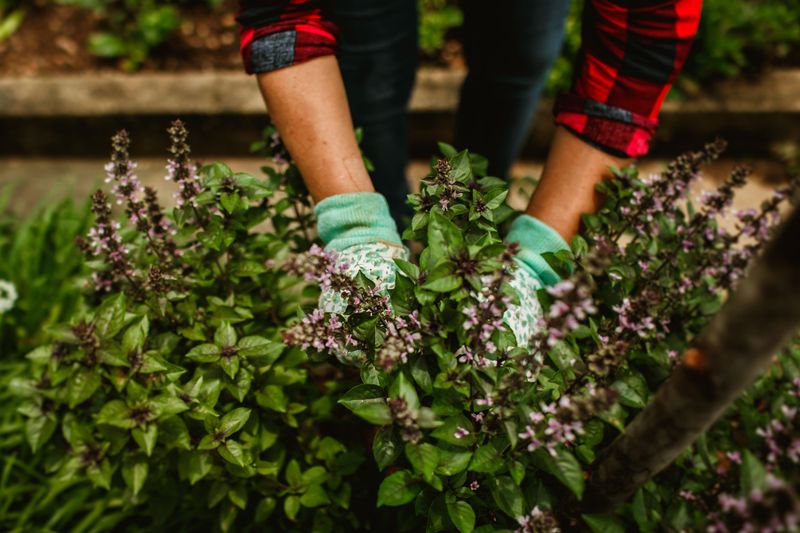
Finding your garden in full seed-head mode by mid-August feels discouraging, but don’t count yourself out yet. A focused catch-up session can reset things faster than you’d expect.
Start by walking the whole bed and identifying which plants are still actively blooming versus which have gone fully to seed. Prioritize the bloomers first.
Trim every faded flower you can find on actively blooming plants right away. This gives them the best shot at producing new buds before the season ends.
For plants already heavy with seed heads, make a judgment call. If the plant still has green buds forming, cut off the spent portions and let it try for one more flush.
Plants that have gone completely to seed with no new growth can be cut back hard or left for birds. Goldfinches in particular love coneflower and rudbeckia seed heads in late summer.
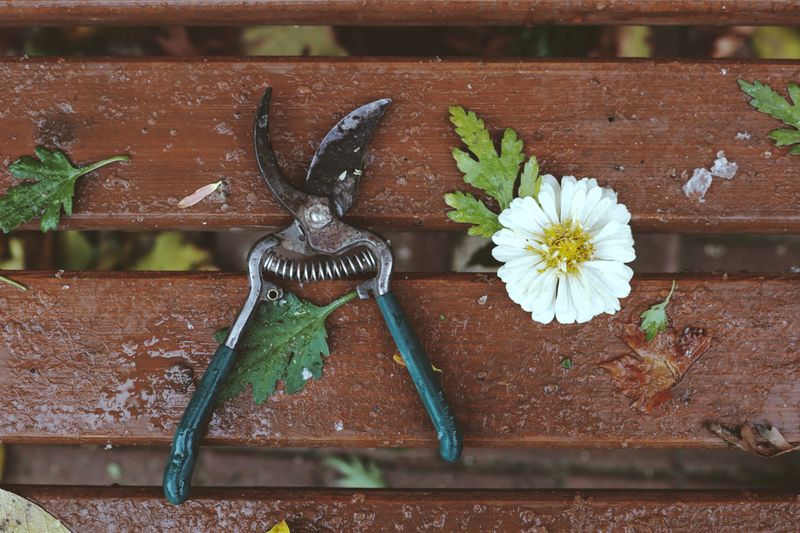
Invest in a good pair of bypass pruners if you don’t already own a sharp pair. Clean cuts heal faster and cause less stress to the plant than ragged snips from dull blades.
Wipe your pruner blades with rubbing alcohol between plants to avoid spreading any fungal issues, which are common in humid August conditions across the region.
Set aside thirty minutes every three to four days for the rest of the month. Removing spent flowers on a regular schedule is far easier than one massive catch-up session every few weeks.
Consistency now means a garden that keeps rewarding you well into fall, which is exactly what every Massachusetts gardener deserves after a long, hot summer.
Tools And Tips That Make Trimming Easier
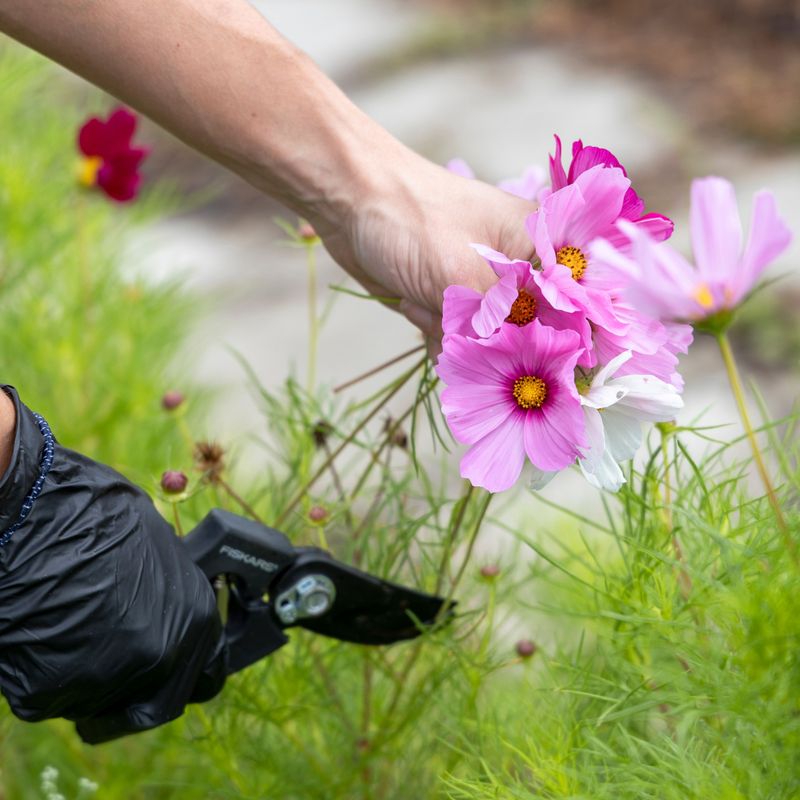
The right tool makes removing spent flowers feel effortless instead of like a chore. Bypass pruners are the gold standard for most flowering plants in the home garden.
Bypass blades work like scissors, with two curved blades that pass each other cleanly. That clean cut causes less bruising than anvil-style pruners, which crush the stem slightly.
For small annuals like petunias, marigolds, and impatiens, your fingers work perfectly well. Pinching off faded blooms with a quick snap is fast, effective, and requires no equipment.
Invest in a pair of lightweight pruning snips for medium-sized stems on zinnias and cosmos. These are smaller than full pruners and easier on your hands during long sessions.
Keep a small bucket or garden trug nearby to collect spent blooms as you work. Dropping them straight into the compost pile keeps the bed tidy and speeds up cleanup.
Sharp blades matter more than most gardeners realize. Dull pruners tear plant tissue instead of cutting it, which opens the door to disease and slows healing.
Sharpen your pruners with a basic whetstone at the start of August and again mid-month if you’re working frequently. A sharp blade glides through stems in one smooth motion.
Wearing lightweight gloves protects your hands from sticky plant sap, which some species produce in abundance during hot weather. Sap from marigolds can irritate sensitive skin, so gloves are a good precaution.
Good tools and a quick routine make trimming easier to stick with, which helps gardeners stay consistent all season long.