This Is The Florida Shade Tree That Won’t Destroy Your Driveway
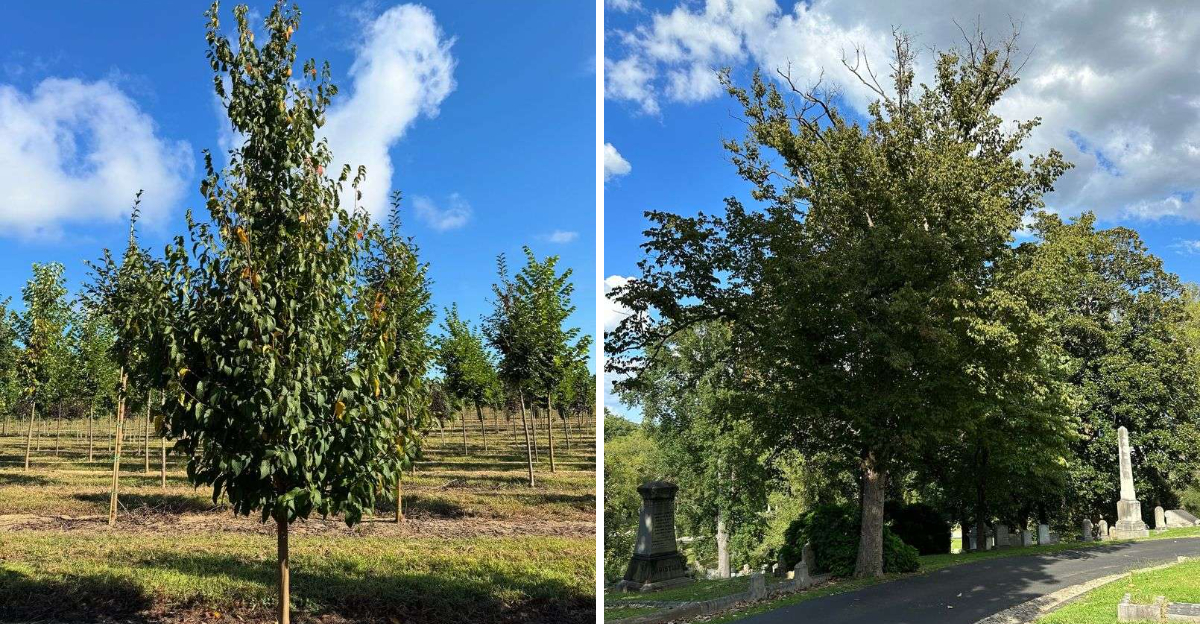
Florida shade trees and driveways have a destructive relationship that most homeowners discover too late. The tree goes in, the shade arrives, and a few years later the concrete tells the rest of the story.
Cracks, upheaval, a repair bill that makes the original tree seem like a very expensive mistake. Root behavior is the variable that most tree selections ignore entirely.
A tree chosen for canopy and growth rate without considering what the root system does near pavement is a driveway problem on a timer. One native shade tree breaks that pattern.
The canopy earns its place. The root system respects the infrastructure around it.
And the shade it produces over a driveway is the kind that actually changes the temperature of the surface underneath rather than just making the yard look better from the street.
Florida driveways deserve a tree that does not eventually destroy what it was planted to improve.
1. Hophornbeam Gives You Shade Without The Pavement Drama
Most Florida shade trees come with a quiet warning attached: plant one close to pavement, and you may eventually pay for it. American hophornbeam stands out because UF/IFAS rates its roots as not a problem for urban landscape use.
That rating covers parking islands, sidewalk cutouts, and narrow tree lawns, which are some of the toughest spots a tree can occupy.
That favorable rating does not mean roots stop growing once they sense concrete nearby. Roots follow water and oxygen wherever those resources lead, and pavement can actually trap moisture underneath, encouraging root activity.
The difference with hophornbeam is that its root system tends to be less aggressive than many popular shade trees.
Giving the tree adequate root space is still one of the smartest decisions you can make at planting time. A larger soil area means roots can spread without crowding toward the only available path.
Nobody can promise zero driveway damage from any living tree. However, hophornbeam genuinely earns its reputation as one of the more pavement-friendly options available in its growing range.
Start with good placement, and the odds stay firmly in your favor.
2. A 30-Foot Crown Fits Yards Where Live Oaks Feel Massive
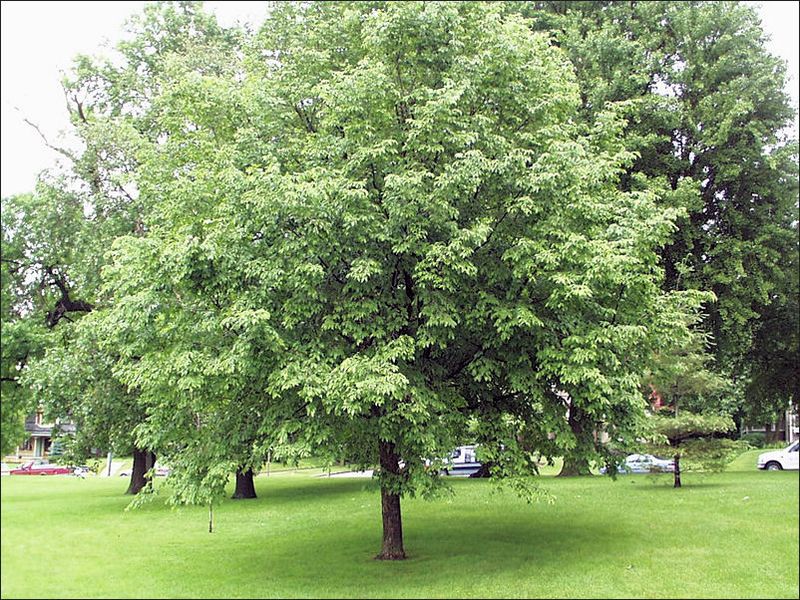
Scaling a tree to a yard is one of those decisions that homeowners sometimes get wrong, and the consequences take years to become obvious. American hophornbeam typically reaches roughly 30 to 40 feet tall with a spread of about 25 to 30 feet at maturity.
That puts it solidly in the medium category, noticeably smaller than a live oak that can push 60 or 80 feet wide.
A canopy in that 25 to 30-foot range clears most single-story rooflines comfortably when planted at a reasonable distance. Utility lines, neighboring fences, and the edge of your driveway all factor into where you place a tree of this size.
Medium does not mean tiny, and this species deserves the same thoughtful siting you would give any shade tree.
Slow growth means the tree takes longer to reach those dimensions, so some homeowners underestimate how large it will eventually become. Plan for the mature size from day one rather than the size it is when you bring it home from the nursery.
Your Florida Garden Changes Every Week. Your Plan Should Too.
Gardening in Florida changes quickly throughout the season. Every Friday you’ll receive a simple weekly plan showing exactly what to plant, prune, fertilize, harvest, and protect so you never miss the right timing.
A little forethought at planting protects both the tree and the hardscape around it for the long run.
3. Those Roots Stay Far Better Behaved Around Hardscape
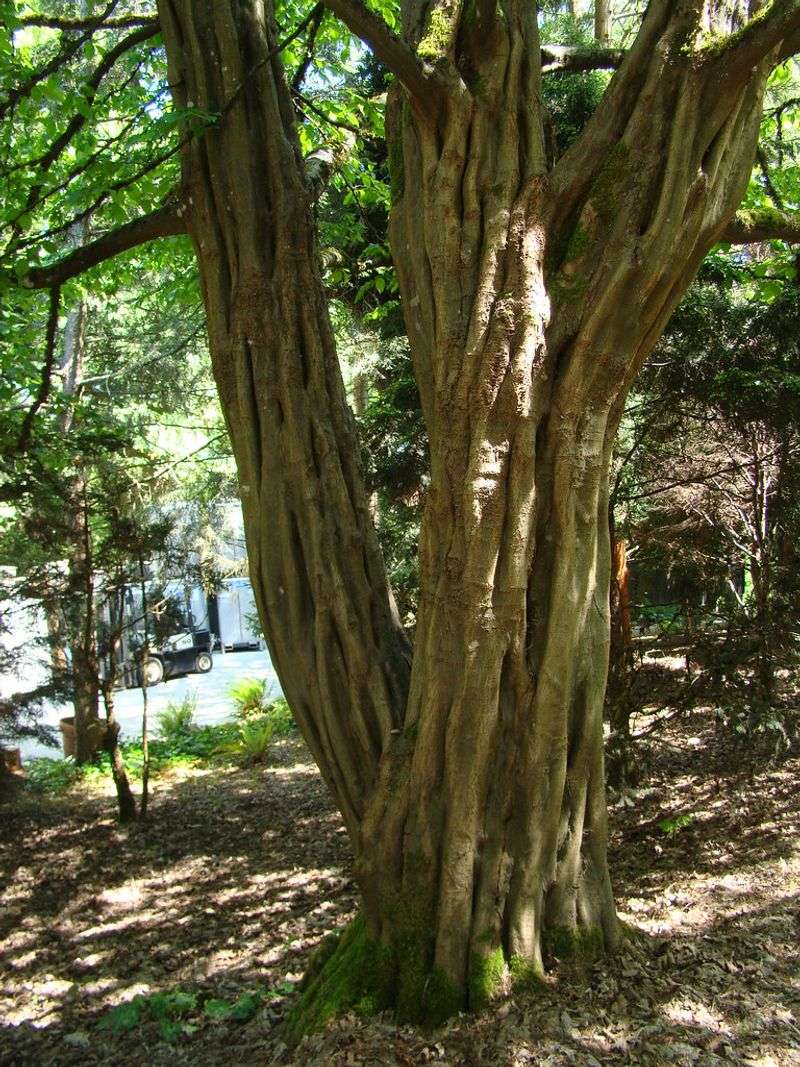
A favorable root rating from UF/IFAS is genuinely encouraging, but it is worth understanding what that rating actually means. It reflects observed behavior in typical landscape conditions, not a guarantee that roots will never interact with nearby pavement.
Every tree root follows the path of least resistance, and hardscape can sometimes redirect that path in unwanted directions.
American hophornbeam has a shallow root system, which means its roots spread outward rather than driving deep. Shallow roots are generally less likely to wedge under thick pavement.
However, they can still enter narrow planting strips or compacted soil zones and cause surface irregularities over time. Soil quality, drainage, and the width of the planting area all shape what happens underground.
Compacted soil is one of the more common triggers for surface root problems with any species. When roots cannot penetrate downward, they travel laterally just beneath the surface.
Giving hophornbeam the largest practical soil area you can manage reduces that pressure considerably. No universal planting distance works for every yard, so consult a local arborist or extension office for site-specific guidance.
More soil almost always means fewer future conflicts with your hardscape.
4. Dry Sandy Ground Barely Slows This Native Tree Down
Sandy soil defeats a lot of Florida landscape plants before they ever get established. American hophornbeam takes a different approach.
As a native of the eastern United States, it evolved alongside the kind of lean, fast-draining soils that frustrate gardeners trying to grow plants from wetter climates. Sand, loam, and even moderately poor urban soils are well within its comfort zone once it settles in.
Drought tolerance is one of hophornbeam’s more practical strengths for homeowners tired of babying trees through dry summers. Established specimens handle dry spells without the stress responses that make some trees brittle or prone to pest problems.
Getting to that established stage still requires consistent watering during the first year or two, so do not skip irrigation after planting.
Well-drained soil is genuinely important for this species. Persistently wet or waterlogged ground is not a good match, and planting in a low spot that holds water after rain can cause serious problems over time.
Salt tolerance is also low, which makes hophornbeam a poor fit for yards close to the coast where salt spray is a regular occurrence. Match the tree to the site, and it rewards you with steady, unfussy growth.
5. Yellow Fall Color Adds Something Most Shade Trees Skip
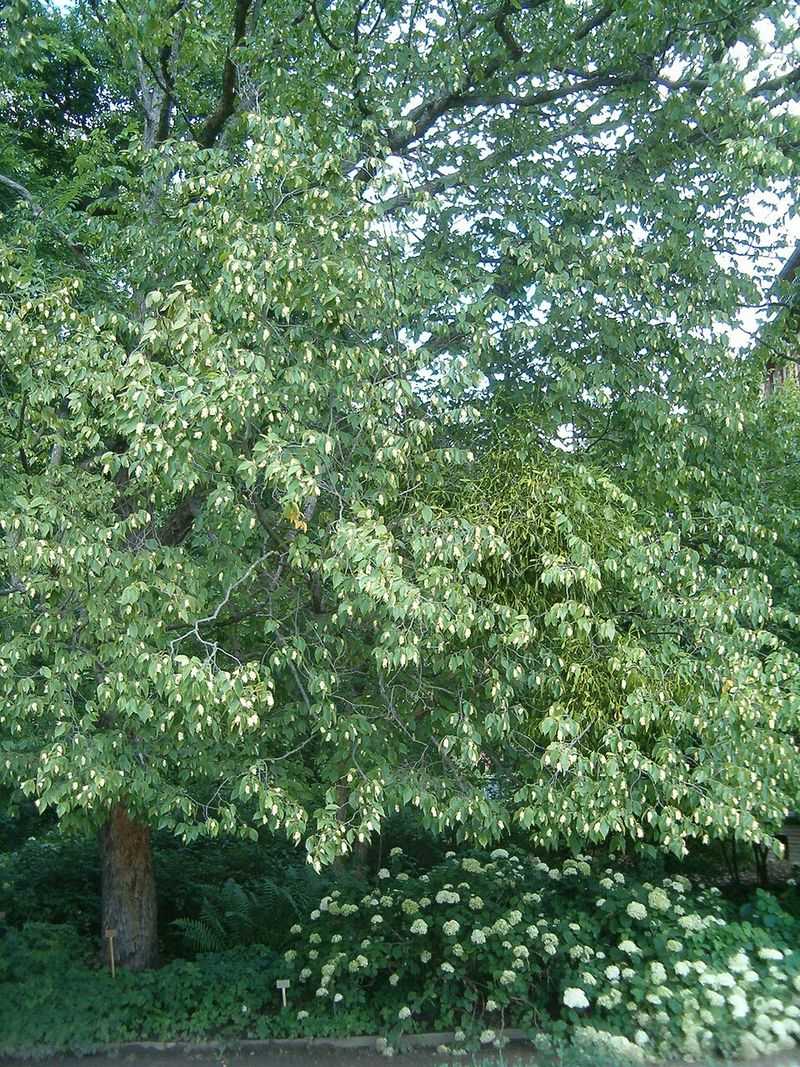
Seasonal change is something many warm-climate gardeners quietly miss. American hophornbeam is deciduous, meaning it drops its leaves each autumn and leafs back out in spring.
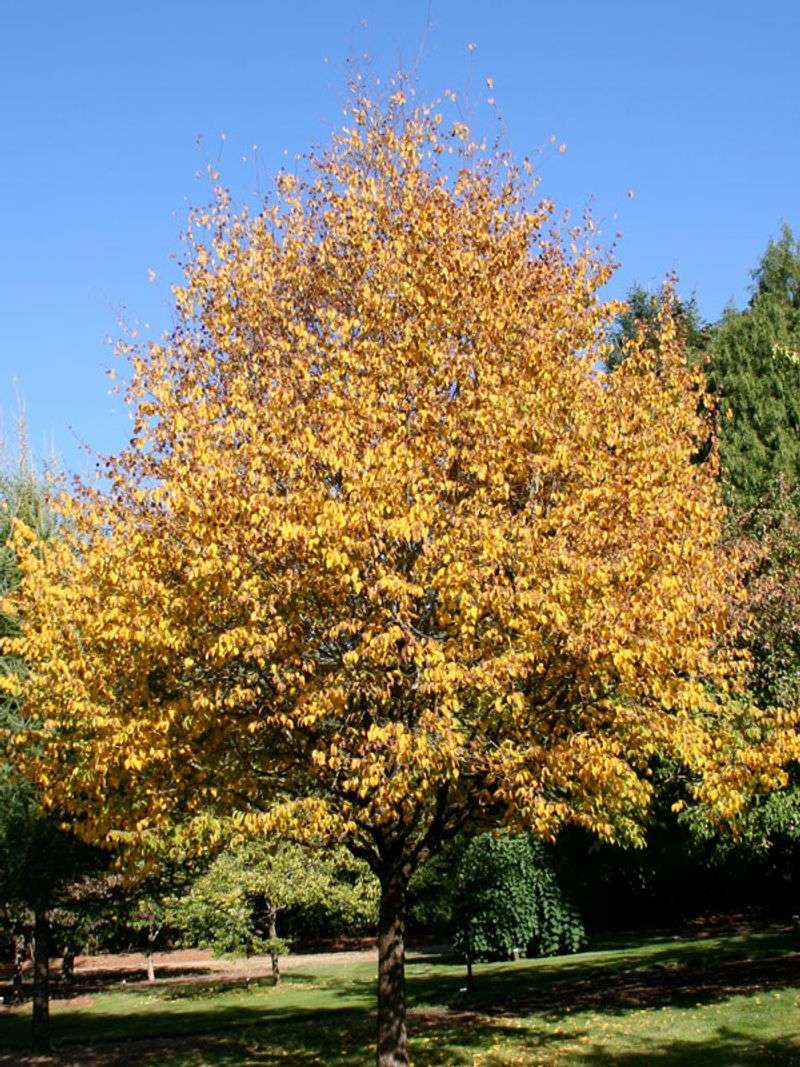
Before the leaves fall, they shift to a warm yellow that brings genuine seasonal color to yards that otherwise stay green all year.
Yellow fall foliage is not the flashiest color in the deciduous world, but it is honest and consistent with what this species actually delivers. Do not expect the blazing orange-red of a sugar maple or a guaranteed vivid show every single year.
Intensity varies with temperature swings, soil conditions, and how much sun the tree receives during the growing season.
The deciduous habit is both a feature and a real tradeoff worth acknowledging. Losing leaves each winter means a gap in shade coverage during the cooler months.
For some homeowners, that is actually welcome, since winter sun through bare branches can warm a patio or south-facing wall. For anyone who needs dense year-round screening, a different species would be a better fit.
Think of the seasonal cycle as part of what makes this tree interesting rather than a flaw to overlook.
6. Peeling Bark Keeps The Trunk Interesting After Leaves Drop
Once the leaves come down, plenty of trees become forgettable brown sticks until spring. American hophornbeam holds your attention a little longer.
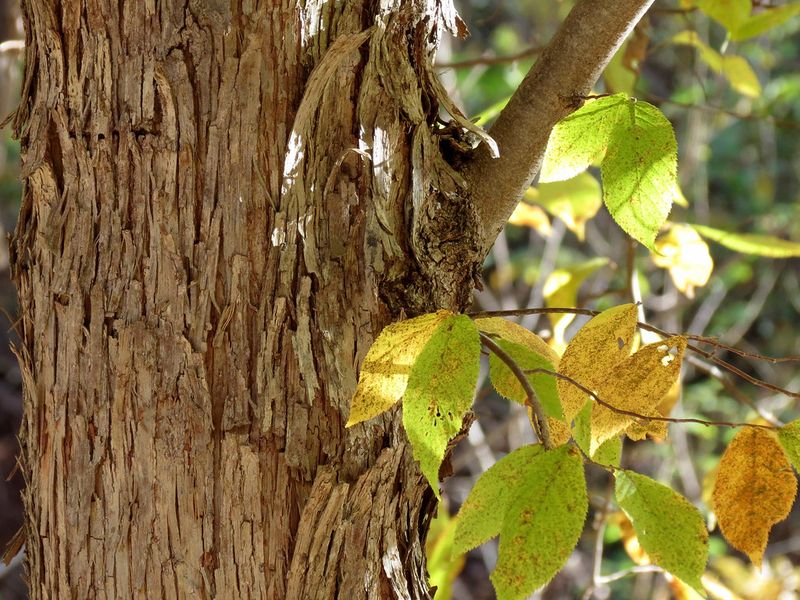
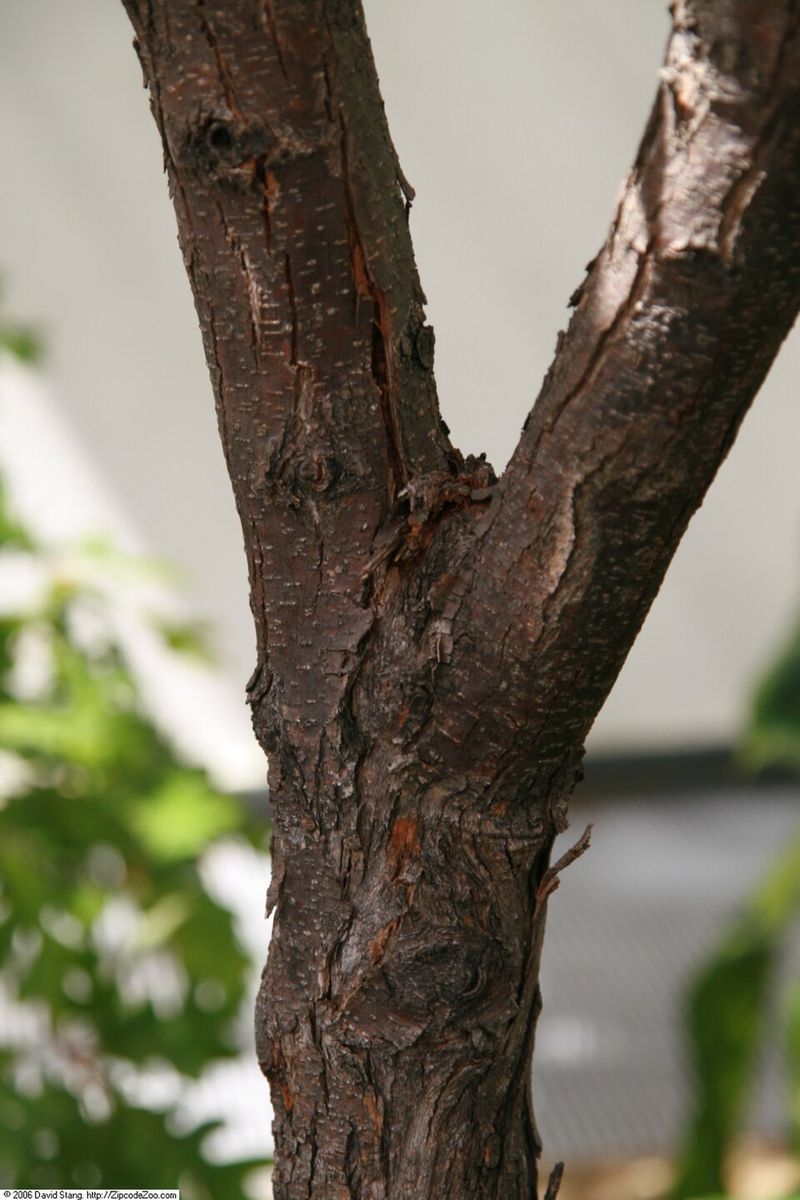
Its bark is orange-brown to gray-brown and peels in narrow vertical strips that give the trunk a layered, textured look through the winter months. It is quiet and refined rather than dramatic, but it reads well in a yard that needs winter interest.
The ironwood nickname sometimes attached to this tree comes from its exceptionally hard, dense wood rather than its bark. Mentioning it here is useful mainly because it signals how structurally sound the tree is.
That strength contributes to a tidy winter silhouette without many broken or dangling branches cluttering the canopy.
Placement matters when you want to appreciate bark texture. A spot where the trunk is visible from a window, a patio, or a front walkway lets you enjoy the detail without having to wander into the yard for a closer look.
Understory or background planting positions can hide the trunk behind other plants, which wastes one of the tree’s quieter selling points. Keeping the base clear of dense shrubs lets the bark do its work all winter long.
7. Slow Growth Means Less Wrestling With An Oversized Canopy
Fast-growing trees have a way of becoming a project. They shoot up quickly, spread wide, and suddenly demand attention every season just to stay in bounds.
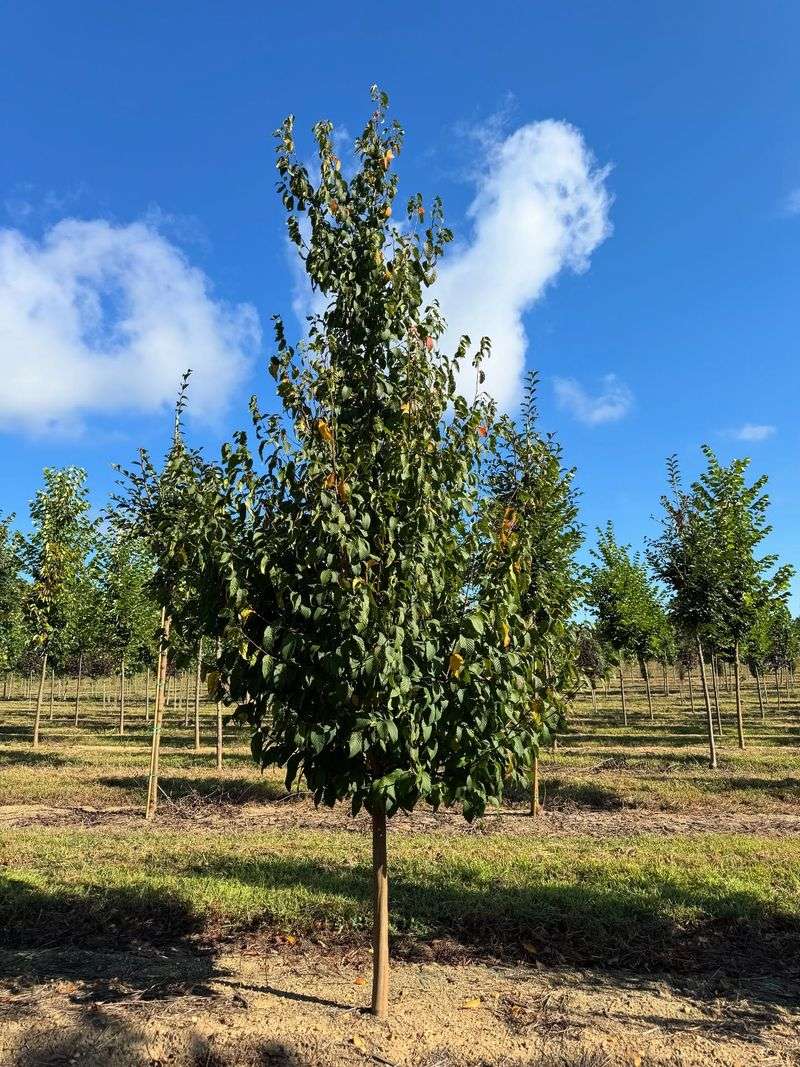
American hophornbeam grows slowly, which UF/IFAS confirms, and that slower pace generally means less urgent pruning work once the tree reaches its desired form.
Structural pruning early in the tree’s life still matters. Remove crossing branches, establish a clear central leader, and maintain good clearance above the driveway or walkway.
These tasks are easier while the wood is still small and manageable. Skipping early training does not cause immediate problems, but it can create more work later when branches are thicker and harder to cut cleanly.
The honest tradeoff with slow growth is time. A tree that grows modestly each year takes longer to cast meaningful shade over a driveway or patio.
If you need deep shade in three or four years, hophornbeam is probably not the right answer for that spot.
If you are planting for the long term and value a tree that stays proportional and manageable for decades, the slower pace becomes an advantage rather than a frustration.
Patience is genuinely rewarded here.
8. Southern Yards Need A Different Tree For The Same Job
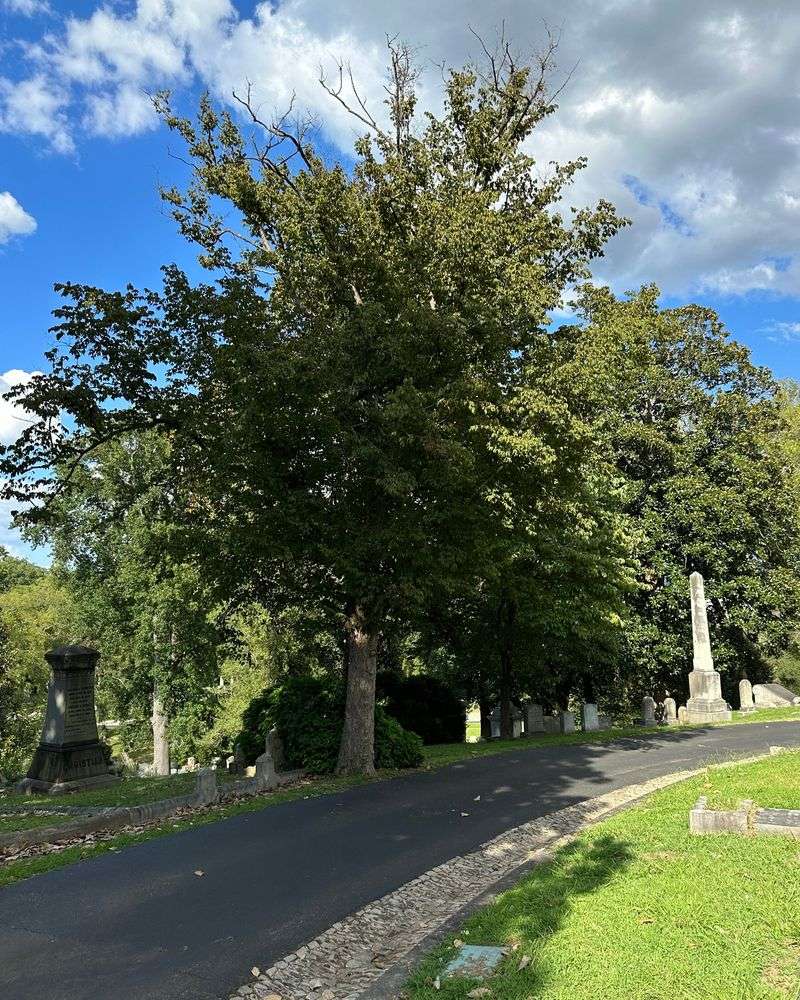
Regional fit is one of the most overlooked factors in tree selection, and American hophornbeam makes the point clearly. The Florida Native Plant Society recommends it for USDA hardiness zones 8A through 9B, which covers northern and parts of central Florida.
Push it farther south into tropical conditions and the tree simply does not perform well.
Low salt tolerance adds another layer of limitation. Coastal yards where salt spray is common are not suitable sites regardless of zone.
That rules out a meaningful portion of properties near exposed shorelines, even in the northern part of the state where the climate is otherwise appropriate. Knowing both limitations before you buy saves real money and frustration.
Gardeners farther south should look for regionally suitable native alternatives with comparable hardscape compatibility. Trying to force a species outside its natural range is rarely worthwhile.
A tree planted in the wrong climate rarely thrives, and a struggling tree is far more likely to cause problems than a healthy one. The real rule across every section of this article is straightforward.
Choose the right tree for your location, give it the largest practical soil area, and respect what it will look like at full maturity.