This Sticky Black Substance Dripping From Tennessee Trees Deserves A Closer Look
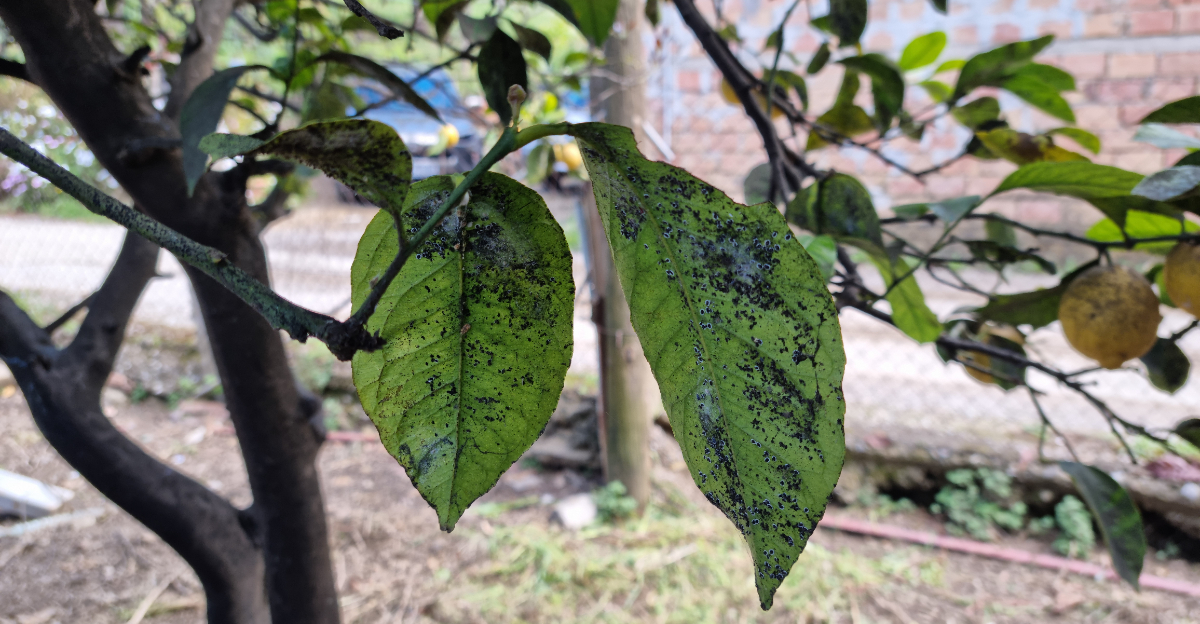
A black, tar-like film creeping down your tree trunks is not something you imagined. Tennessee yards have been dealing with this sticky, dark residue all season, and it is spreading fast.
It does not stop at the bark, either. That same grimy coating shows up on porch railings, parked cars, and anything sitting beneath the canopy for too long.
Warm, sticky Tennessee summers seem to make the mess worse, and pressure washing only buys you a few days before it returns. There is a reason this keeps happening, and it has nothing to do with dirt or pollution.
Aphids Often Cause This Sticky Residue
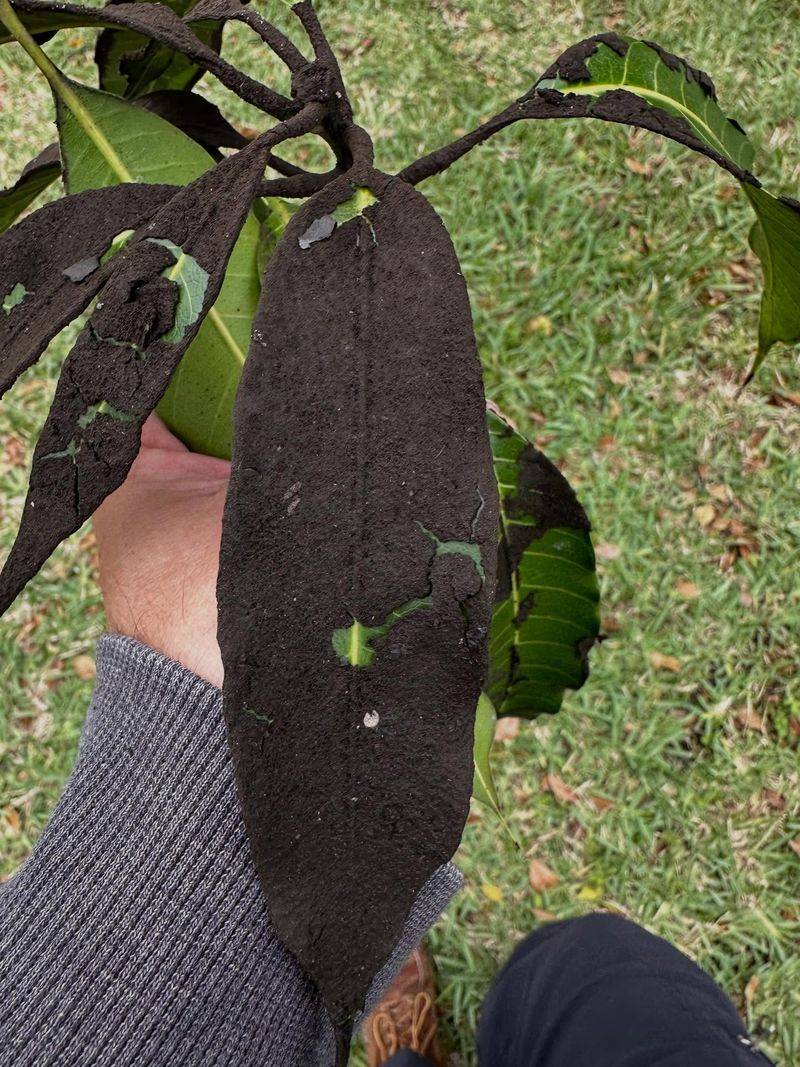
Tiny but destructive, aphids are often the first culprit behind that sticky black mess on your trees. These soft-bodied insects are barely the size of a pinhead, yet they can cause serious trouble fast.
Aphids feed by piercing plant tissue and sucking out the sugary sap inside. As they feed, they excrete a sweet, sticky liquid called honeydew, which drips down onto leaves, branches, and anything below.
You might notice a shiny, wet-looking coating on your leaves before the black color appears. That shiny layer is fresh honeydew, and it is the first warning sign that aphids have moved in.
Aphid colonies grow quickly, often doubling in size within a couple of weeks. A small group of a dozen insects can multiply into a large colony surprisingly fast, especially in warm Tennessee summers.
Look closely at the undersides of leaves and along tender new growth. Aphids prefer soft, young plant tissue, so new shoots are their favorite hangout spot.
That dark, sticky coating on your trees almost always traces back to an aphid infestation nearby. Spotting them early gives you a real advantage in stopping the problem.
Spraying leaves with a strong stream of water can knock aphids off your plants. Repeat the process every few days to keep their numbers down without reaching for harsh chemicals.
Natural predators like ladybugs and lacewings love eating aphids. Encouraging these helpful insects in your garden is one of the smartest long-term strategies you can use.
Honeydew Attracts Sooty Mold Growth
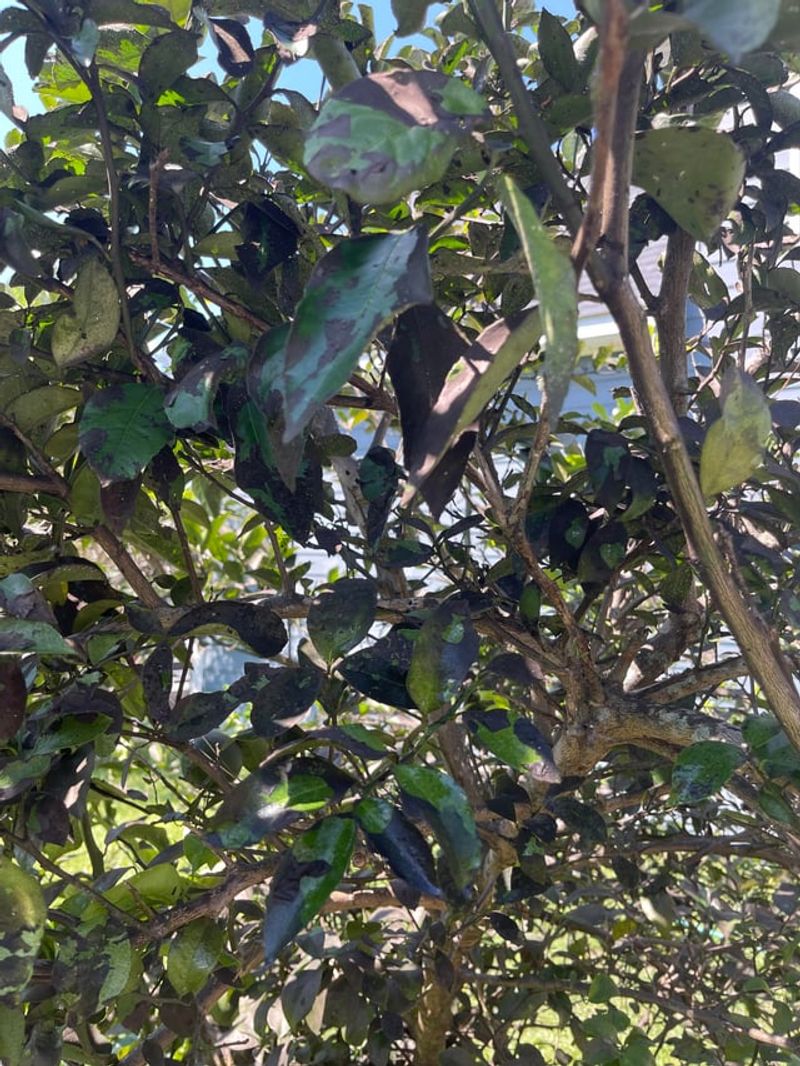
Sooty mold sounds like something from a chimney, but it is actually a fungus that grows on plants. Once honeydew coats your tree’s leaves and bark, sooty mold shows up fast to feed on it.
The mold itself is not a parasite, meaning it does not directly attack your tree’s tissue. Instead, it feeds on the sugary honeydew left behind by insects like aphids and scale bugs.
That black, powdery coating you see on leaves is a colony of fungal growth spreading across the surface. It can look alarming, almost like someone dusted your tree with dark powder or soot.
The real damage from sooty mold is indirect but still serious. A thick coating blocks sunlight from reaching the leaf surface, which slows down photosynthesis and weakens the tree over time.
Young trees and shrubs are especially vulnerable because they have less energy stored to fight back. A heavily coated sapling can struggle to grow properly during the season.
Your Tennessee Garden Changes Every Week. Your Plan Should Too.
Gardening in Tennessee changes quickly throughout the season. Every Friday you’ll receive a simple weekly plan showing exactly what to plant, prune, fertilize, harvest, and protect so you never miss the right timing.
Wiping leaves with a damp cloth can remove light sooty mold growth on smaller plants. For taller trees, treating the insect source is the most effective solution since the mold cannot survive without honeydew.
That gooey black residue on your trees creates the perfect feeding ground for this fungus. Cutting off the food supply by controlling insects is the fastest way to stop mold from spreading.
Once the insect problem is handled, sooty mold typically fades on its own within a few weeks.
Certain Tree Species Are More Prone
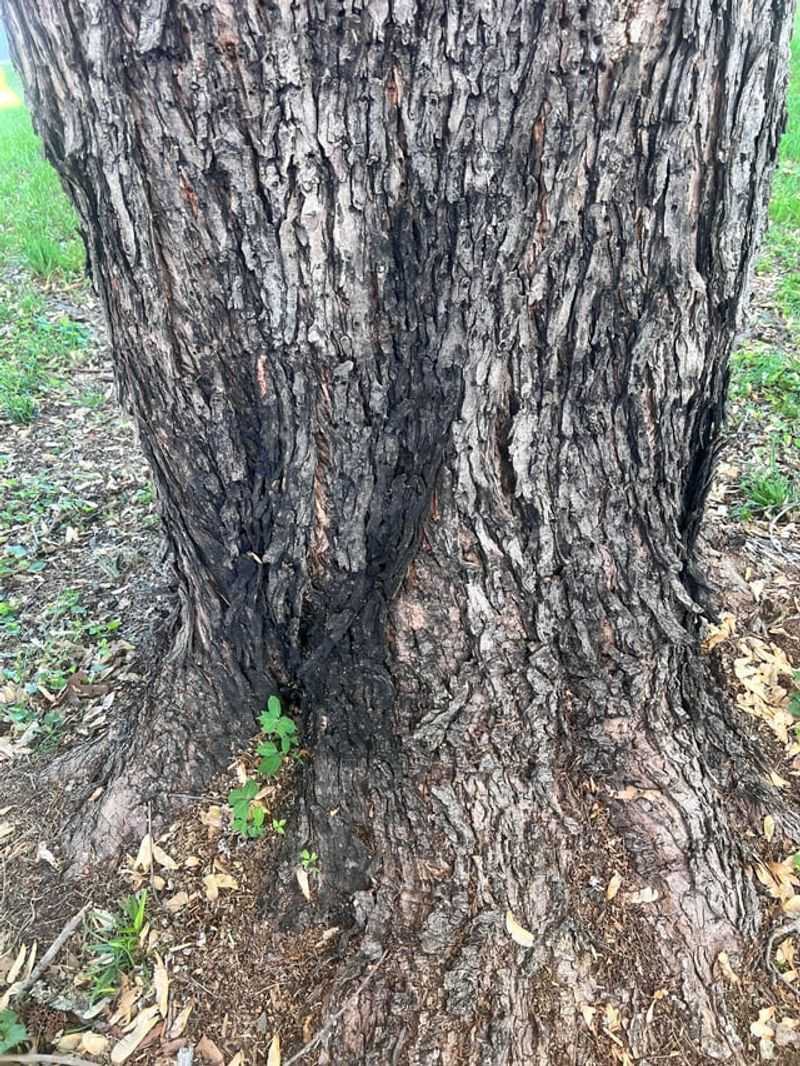
Not every tree in your yard faces the same level of risk from this sticky problem. Some species are far more attractive to sap-sucking insects, making them more likely to develop that black coating.
Oak trees are among the most commonly affected in Tennessee. Their leaves and acorns produce sugars that aphids and scale insects find irresistible, especially during spring growth spurts.
Maple trees are another frequent target, particularly the silver maple variety. Soft maple tissue and abundant sap make these trees a preferred feeding ground for several insect species.
Crape myrtles, a popular ornamental choice across the South, are highly susceptible to crape myrtle aphids. These specific insects produce massive amounts of honeydew, often coating sidewalks and cars parked underneath.
Tulip poplars, a Tennessee native, also appear on the list of vulnerable species. Their large leaves collect honeydew pooling and create ideal conditions for sooty mold to take hold.
Knowing your tree type helps you predict problems before they start. If you have any of these species in your yard, start checking them regularly in late spring when insect activity picks up.
This dark, tar-like buildup is much more common on stressed or weakened trees. Trees that lack water, nutrients, or proper care tend to attract more insect pressure.
A healthy, well-maintained tree is your best natural defense against these pests. Regular watering, mulching, and seasonal feeding give your trees the strength to resist infestations.
Ants Are Frequently Drawn To This
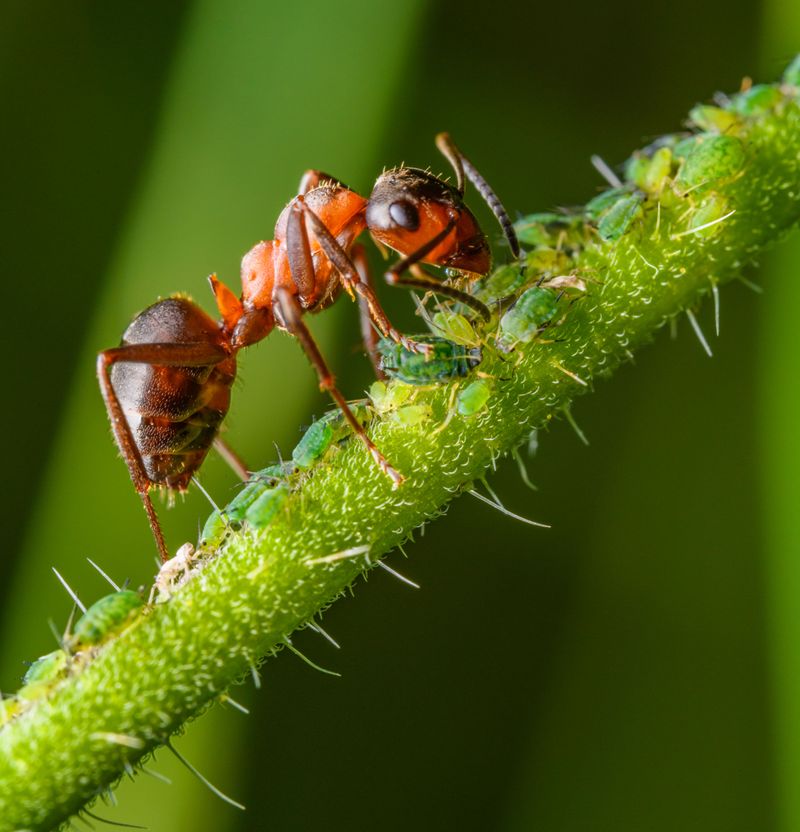
Ants and aphids have one of nature’s strangest partnerships, and your tree might be hosting both right now. If you spot trails of ants marching up and down your tree trunk, that is a big clue.
Ants are attracted to honeydew the same way people are drawn to a free dessert table. The sweet liquid is a high-energy food source that ants actively seek out and protect.
Here is where things get interesting: ants do not just eat the honeydew, they actually farm aphids to produce more of it. Worker ants will stroke aphids with their antennae to stimulate more honeydew production.
In return, ants protect aphid colonies from natural predators like ladybugs and parasitic wasps. This protection allows aphid populations to grow unchecked, making the sticky mess on your trees even worse.
Spotting ant activity on your tree trunk is one of the easiest early warning signs available to homeowners. It often means an aphid colony is already established somewhere above, even if you cannot see it yet.
Wrapping tree trunks with sticky tape or applying a non-drying sticky barrier product can stop ants from climbing up. Blocking their access breaks the protective relationship and leaves aphids exposed to their natural enemies.
This sticky mess on your bark often worsens significantly when ants are involved. Addressing the ant problem is just as important as treating the insect infestation directly.
Breaking this partnership early gives your tree a much better chance of recovering quickly.
Left Unchecked It Can Spread Further
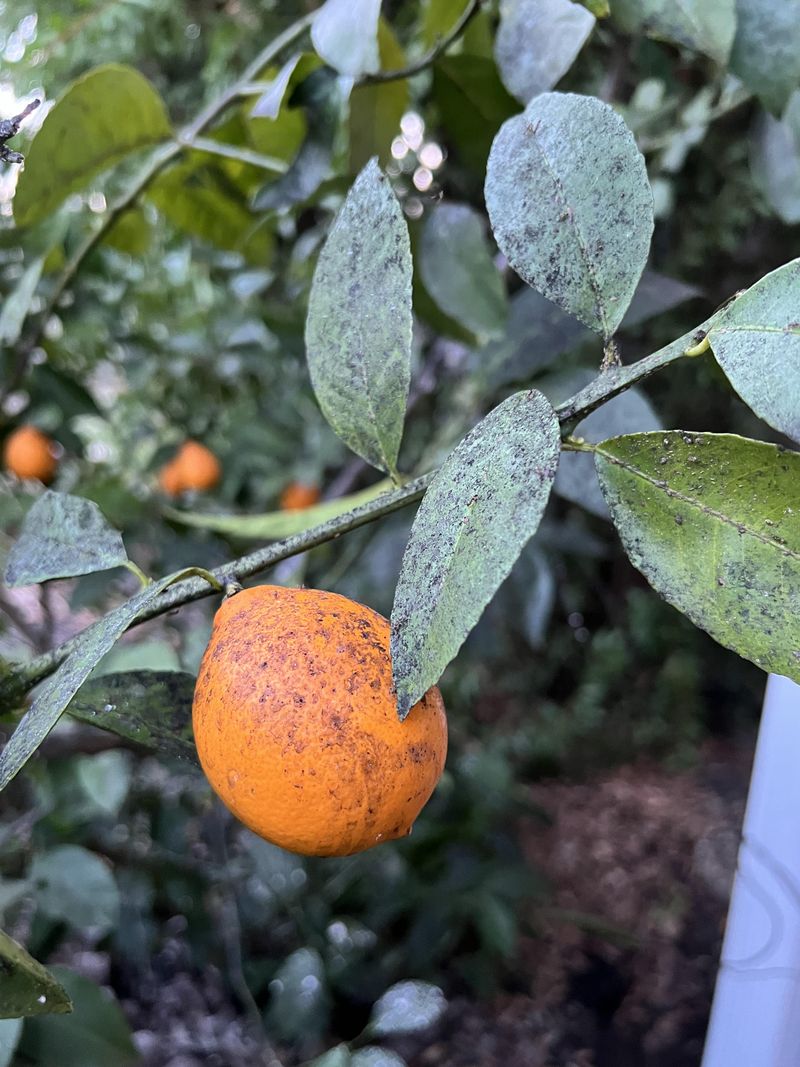
Ignoring that sticky black coating might seem harmless at first, but the situation can escalate quickly. What starts on one branch can cover an entire tree within a single growing season.
Sooty mold spores travel easily through the air and on the feet of insects. Once established on one plant, they can spread to neighboring shrubs, flowers, and even garden vegetables nearby.
The honeydew itself drips down onto whatever sits below the tree. Patio furniture, garden beds, outdoor toys, and parked vehicles all end up coated in that stubborn, dark residue.
As the mold thickens, more sunlight gets blocked from the affected leaves. A tree struggling to photosynthesize properly starts losing its ability to produce the energy needed for healthy growth and defense.
Repeated seasons of heavy infestation can cause branches on vulnerable trees to weaken and stop producing new growth. Younger or already-stressed specimens may show stunted growth, yellowing leaves, or unusual early leaf drop.
Nearby plants that share root zones or overhead canopy with an infested tree face higher exposure. Aphid colonies often migrate to fresh feeding sites once a primary host becomes overcrowded or less productive.
That dark, dripping film on your bark signals a problem that grows larger the longer it goes untreated. Early action saves both time and money compared to dealing with a full-scale infestation later.
Think of it like a small leak in your roof: easy to patch now, costly to ignore. Act while the problem is still manageable.
Simple Treatments Can Control The Problem
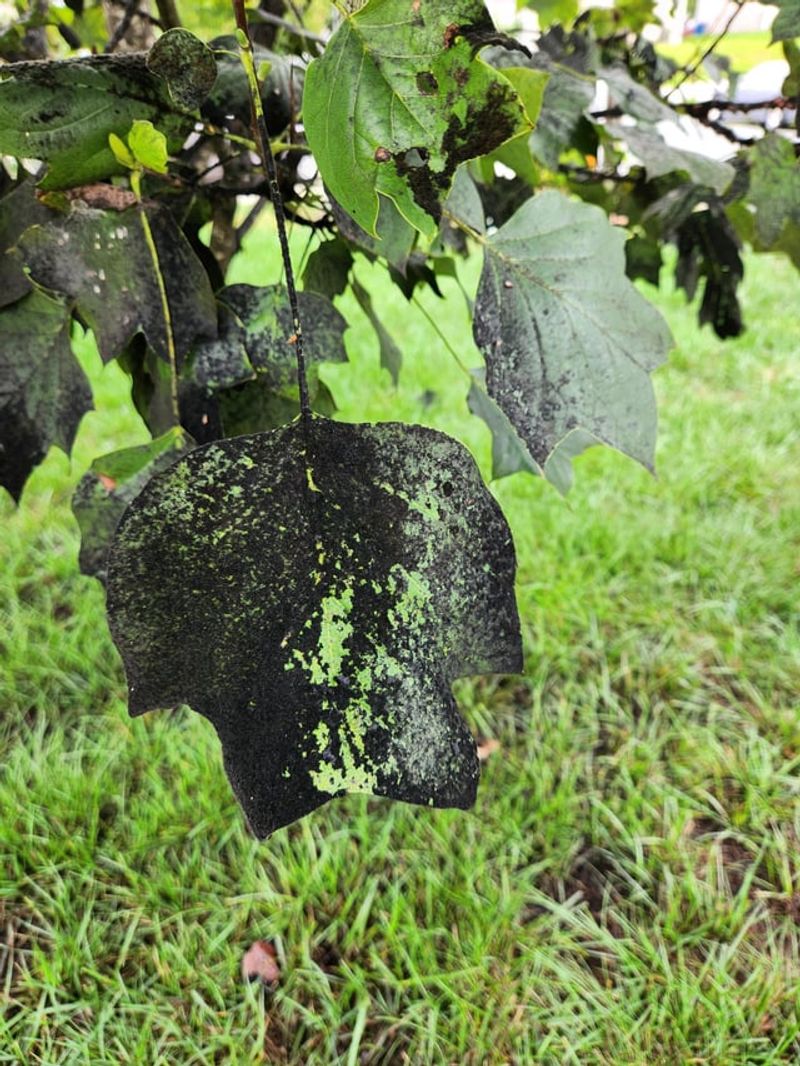
The good news is that you do not need expensive professionals or harsh chemicals to tackle this problem. A few smart, consistent steps can bring your trees back to healthy condition.
Start with a strong blast of water from your garden hose aimed at infested branches. This physical removal method knocks aphids and scale insects off leaves without introducing any chemicals to your yard.
Neem oil is one of the most effective and widely available natural treatments for sap-sucking insects. Mix it with water and a small drop of dish soap, then apply it directly to affected areas every seven to ten days.
Insecticidal soap sprays work in a similar way, breaking down the protective coating on soft-bodied insects. Both products are safe around children and pets when used as directed on the label.
For severe infestations, a systemic insecticide applied to the soil around the tree can be highly effective. The tree absorbs the treatment and it moves through the sap, reaching insects feeding anywhere on the plant.
After controlling the insect population, the sooty mold will gradually fade on its own. You can speed things up by gently washing affected leaves with a mild soap solution on smaller plants.
That sticky black coating on your trees is a manageable problem with the right approach. Staying consistent with your treatment schedule and monitoring your trees through summer makes all the difference.
A little attention now keeps your yard looking clean and your trees growing strong all season long.