8 Tennessee Yard Habits That Make Your Tick Problem Worse
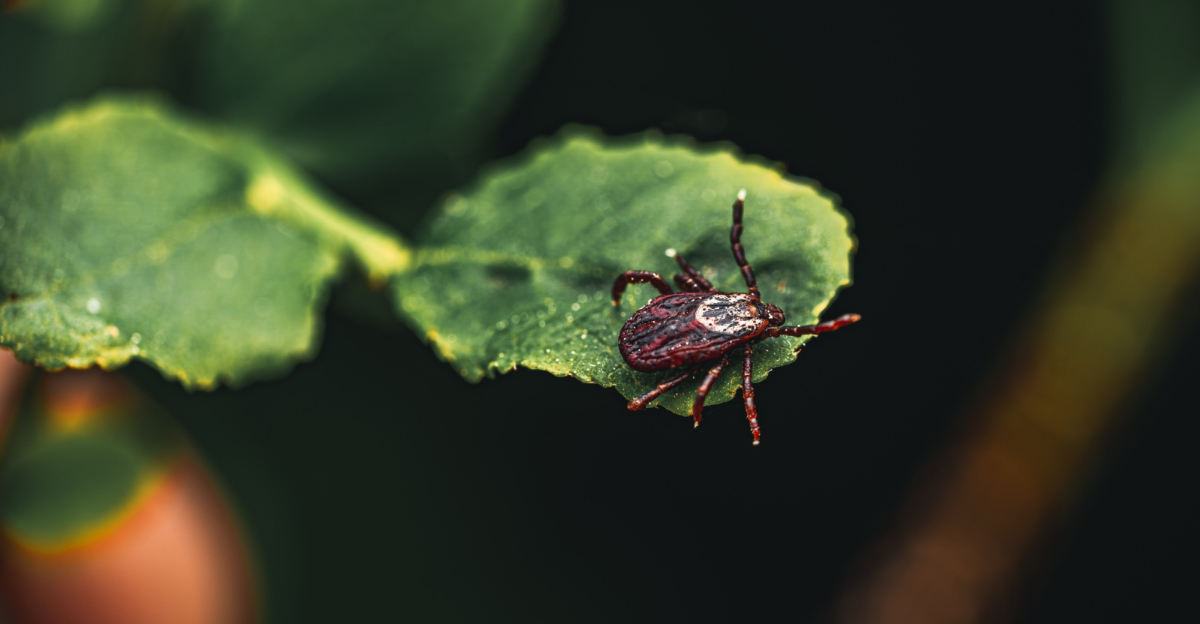
Your mower is still warm when you find it. Crawling up the back of your calf, slow and deliberate, headed somewhere it has no business going.
You are barefoot in the grass you just mowed, backyard in Tennessee, doing everything right. You brush it off.
You look down. Embedded. Engorged. Already feeding. You trimmed the lawn. You kept things tidy.
None of it mattered. Your yard was still a tick buffet. That leaf pile by your fence? Tick heaven. Those dense shrubs hugging your patio? Prime real estate.
The stone wall where wildlife cuts through at night? You never thought twice about it. Ticks did. So here is what nobody tells Tennessee homeowners: pesticide is not enough.
Is your backyard actually protected, or just mowed? The answer will surprise you. What you read below will change how you see your yard forever.
1. Letting Grass Grow Too Tall Along Borders
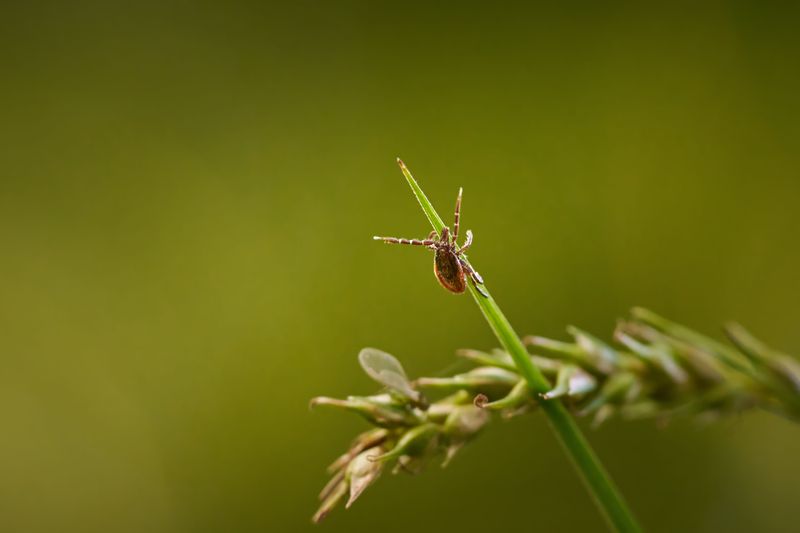
Tall grass is basically a welcome mat for ticks. When the edges of your lawn get shaggy, ticks climb up the blades and wait for a warm body to brush past.
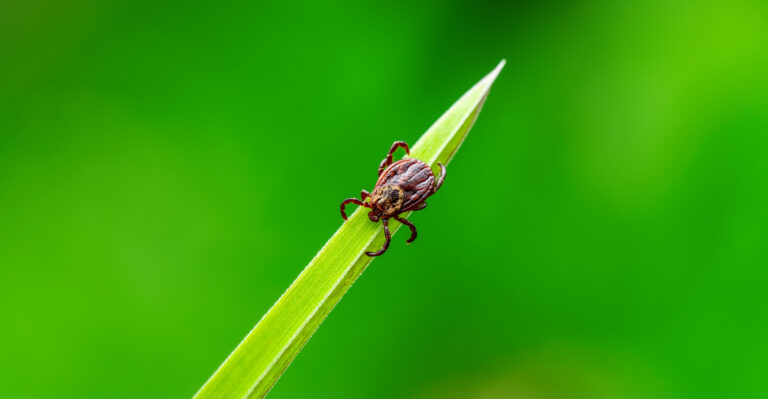
Ticks do not jump or fly. They just hang out in tall vegetation and grab onto you when you walk by.
Mowing your lawn is not enough if you ignore the borders. The strip of grass along fences, garden beds, and tree lines often gets skipped during regular mowing.
Those forgotten edges are prime tick territory. Keeping them trimmed short removes the hiding spots ticks depend on for survival.
Aim to cut border grass down to three inches or less. Short grass dries out faster in the sun, and ticks avoid dry, sunny conditions.
A simple string trimmer can handle these spots in minutes. Make it part of your weekly routine, especially during spring and summer.
Ticks are most active when temperatures are between 45 and 90 degrees. That covers a big chunk of the Tennessee calendar year.
Neglecting border grass even for two weeks can create a serious problem. Consistent trimming is one of the easiest ways to reduce tick populations near your home.
You do not need expensive tools or chemicals to start. A well-maintained lawn edge is a powerful and natural deterrent against ticks in your yard.
2. Leaving Old Leaf Piles In The Yard
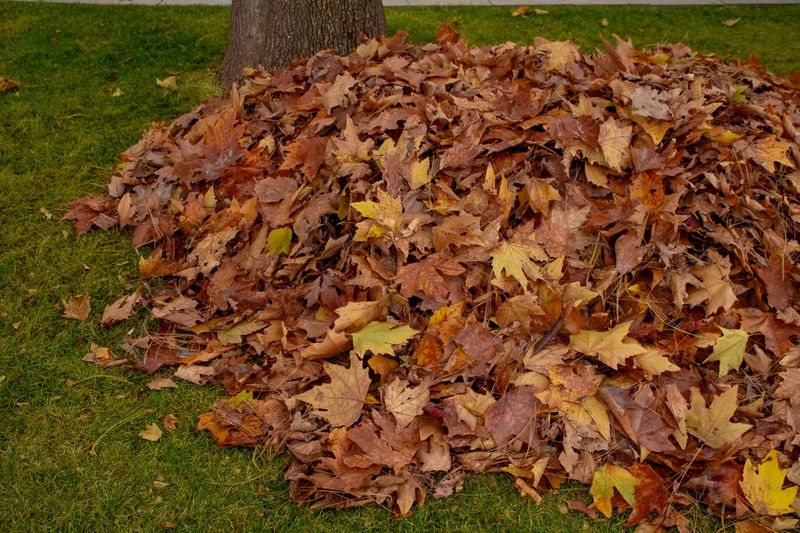
Leaf piles feel cozy to ticks. Moist, dark, and full of warmth, old leaves are one of their favorite places to shelter and breed.
Many homeowners rake leaves in the fall and then forget about them. Those piles sitting in the corner of your yard all winter become tick overwintering sites, sheltering them until spring activity begins.
Ticks do not need much to thrive. A forgotten pile of leaves against a fence or near a garden bed gives them everything they want.
Removing leaf debris is not just about looks. It is a smart, chemical-free way to make your yard less hospitable to ticks throughout the year.
Bag your leaves and send them to the curb or compost them properly. Do not let them sit in wet clumps along the edges of your property.
Your Tennessee Garden Changes Every Week. Your Plan Should Too.
Gardening in Tennessee changes quickly throughout the season. Every Friday you’ll receive a simple weekly plan showing exactly what to plant, prune, fertilize, harvest, and protect so you never miss the right timing.
Even small clusters of leaves under shrubs can harbor ticks. Check under bushes and along garden borders after every storm or heavy wind.
Wet leaves also attract mice and other small rodents. Those animals carry ticks and spread them across your yard as they move around.
Clearing leaf debris regularly breaks the chain. Fewer rodents mean fewer ticks, and fewer ticks mean fewer chances of a bite.
Think of yard cleanup as pest prevention, not just aesthetics. A clean yard sends ticks looking for a better home somewhere far from yours.
3. Neglecting Fence Lines And Shaded Edges
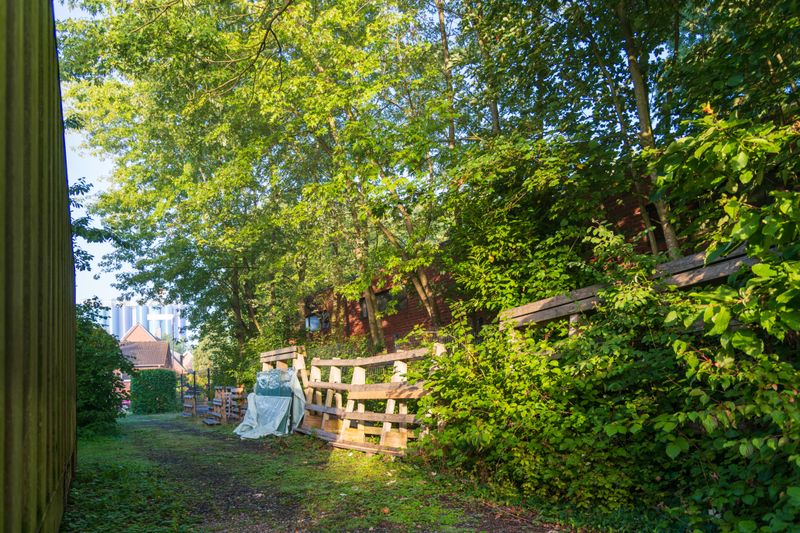
Fence lines are sneaky tick hotspots. The area right along a fence stays shady, damp, and rarely gets mowed properly.
Ticks love exactly that kind of environment. Cool, moist, and undisturbed spots give them the perfect conditions to wait for a host.
Most homeowners mow the open lawn and call it done. But the narrow strip hugging the fence line is often left wild and weedy.
Weeds and low-growing plants along fences trap moisture and create dense cover. That cover is a tick magnet you might be maintaining without realizing it.
Clearing fence lines takes some extra effort. Pull weeds, trim low-hanging plants, and keep vegetation sparse along the entire length of every fence.
You can also lay gravel or mulch along fence lines. A dry barrier discourages ticks from crossing from one area of your yard to another.
Shaded edges near trees and structures need the same attention. Anywhere sunlight does not reach regularly is a spot worth inspecting and clearing out.
A flashlight walk around your yard at dusk can be eye-opening. You may spot areas of dense growth you never noticed during the day.
Ticks thrive in neglect. Staying consistent with fence and edge maintenance is one of the most underrated strategies for keeping your yard safer all season long.
4. Stacking Firewood Near The House

Firewood stacks are cozy. Unfortunately, they are cozy for ticks and rodents, not just for you on a cold night.
Mice love to nest in and around woodpiles. Where mice go, ticks follow, because ticks feed on rodents during early life stages.
Stacking wood against your house brings that whole ecosystem right to your door. It is one of the fastest ways to increase tick pressure around your home.
Moving your woodpile at least 20 feet from the house makes a real difference. Distance creates a buffer between tick-carrying wildlife and your living spaces.
Store wood off the ground on a rack or pallets. Elevation improves airflow and reduces the damp conditions ticks and rodents both prefer.
Keep the area around your woodpile clear of leaves and debris. A tidy storage spot is far less attractive to the animals that spread ticks.
Stacking wood in a sunny location also helps. Sunlight dries out the area and creates conditions that ticks find uncomfortable.
Check logs for insects and pests before bringing wood inside. Carrying infested wood into your home increases the chance of ticks entering your living spaces.
Firewood management sounds minor, but it carries real weight in tick prevention. A well-placed, well-maintained woodpile is one less invitation for ticks to move closer to your family.
5. Skipping A Dry Barrier Near Wooded Areas
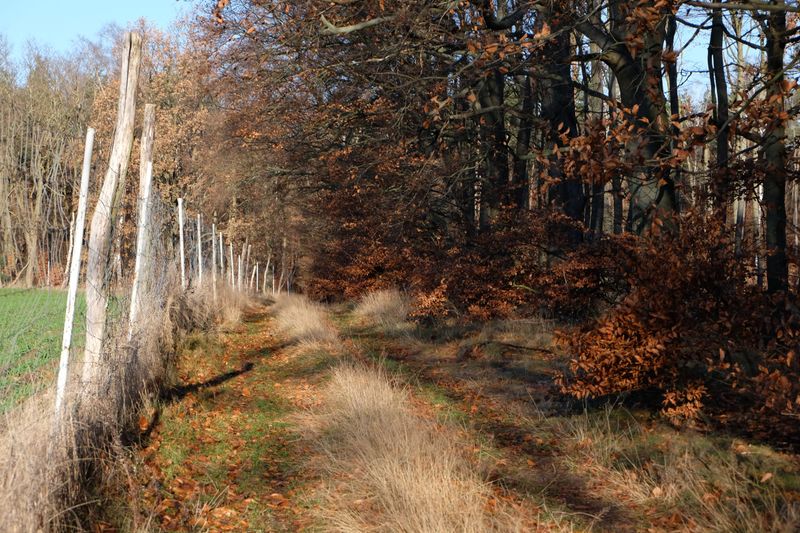
Your yard and the woods behind it are two very different worlds. Without a clear boundary, ticks cross freely from the forest into your lawn every single day.
A dry barrier is a simple but powerful solution. A strip of wood chips or gravel placed between your lawn and wooded areas creates a zone ticks avoid.
Ticks prefer moist, shaded environments. Dry, sunny barriers disrupt their movement and make crossing into your yard much less likely.
The barrier should be at least three feet wide to be effective. Wider is better, especially if your yard backs up directly to dense woods or brush.
Wood chips are affordable and widely available. Spread them in a consistent layer and refresh them once a year to keep the barrier working well.
Gravel works too and requires even less maintenance. Either option creates a clear visual boundary and a functional tick deterrent at the same time.
Skipping this step leaves your yard open to constant tick migration. Wooded areas in Tennessee are rich with wildlife that carries ticks year-round.
Deer, raccoons, and opossums all travel along wooded edges. A dry barrier slows their movement into your yard and reduces the ticks they deposit along the way.
Installing a barrier takes an afternoon and lasts for years. Few yard improvements offer this much tick protection for this little effort and cost.
6. Keeping Bird Feeders Close To The House
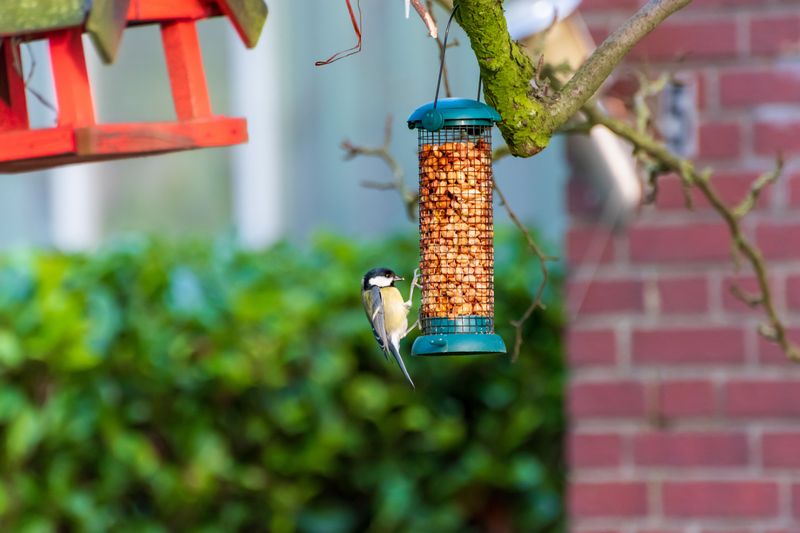
Bird feeders bring joy to any backyard. But placing them close to your home is quietly making your tick situation worse.
Fallen seed from feeders attracts mice, squirrels, and other small animals. Those creatures carry ticks and drop them right in the area where you spend the most time.
Rodents are one of the main tick carriers in residential areas. Feeding them indirectly by placing bird feeders near the house is a mistake many homeowners do not see coming.
Moving feeders at least 15 to 20 feet from your home reduces the risk. The farther the feeder, the farther away the seed-eating rodents stay.
Clean up fallen seed regularly to avoid ground-level feeding. Seed piles left on the ground are like a buffet invitation for mice and chipmunks.
Consider using feeders with catch trays to reduce seed spillage. Less mess on the ground means fewer visitors you do not want near your family.
You do not have to give up bird watching. You just need to be strategic about feeder placement to avoid creating a wildlife corridor near your back door.
Birds themselves can also carry ticks. Keeping feeders at a distance limits how close tick-carrying birds get to your porch, patio, or children’s play areas.
A small change in feeder location can make a big seasonal difference. Thoughtful placement protects your yard without sacrificing the hobby you love.
7. No Deer Fencing Near Wooded Edges
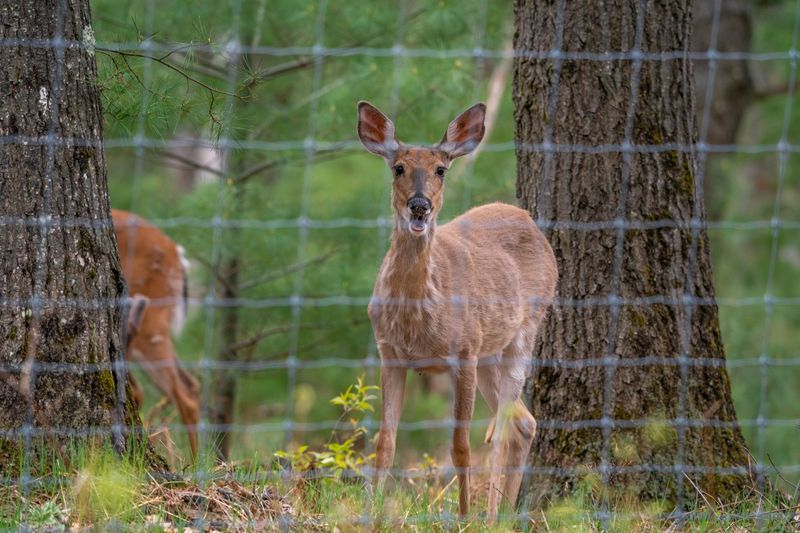
Deer are beautiful. They are also the primary host for adult ticks in the eastern United States, and they might be walking through your yard regularly.
Small rodents like mice are the main reservoir for tick-borne bacteria, but deer spread adult ticks across wide areas.
Adult ticks feed on deer as their preferred host. A single deer can carry dozens to hundreds of ticks, dropping them across your lawn with every visit.
If your yard backs up to woods or open fields, deer traffic is likely. Without any kind of fencing, nothing is stopping them from grazing along your property edges.
Deer fencing does not have to be expensive or permanent. Even simple mesh fencing along wooded borders can significantly reduce deer access to your yard.
A fence that is at least eight feet tall is most effective. Deer are strong jumpers, so shorter barriers may not be enough to keep them out.
You can also use deer-repellent plants as a natural deterrent. Lavender, sage, and yarrow are examples that deer tend to avoid and pollinators love.
Motion-activated lights or sprinklers near the yard edge can also discourage visits. Deer are cautious animals and often avoid areas that feel unpredictable or threatening.
Reducing deer access does not mean eliminating wildlife. It means creating a safer yard for your family without harming the animals that pass through the area.
Protecting your yard from deer is protecting it from ticks. That connection is one of the most overlooked pieces of the tick problem in Tennessee yards.
8. Relying On Sprays While Ignoring Habitat
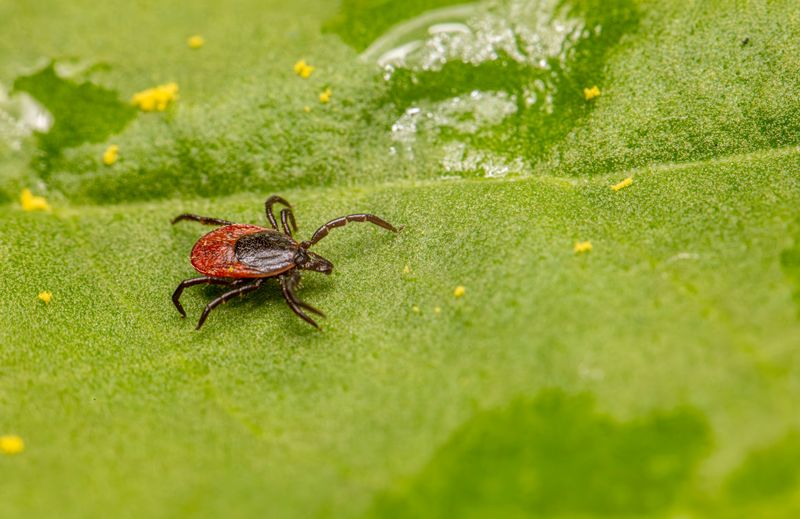
Spraying for ticks feels satisfying. You see the product going down and assume the problem is handled, but the results are often short-lived.
Chemical sprays can reduce tick populations temporarily. But if the habitat that supports ticks stays the same, the population bounces back fast.
Ticks thrive because of how your yard is set up, not just because you skipped a spray treatment. Habitat is the root cause, and sprays alone do not fix roots.
Think of sprays as one layer of a larger strategy. They work best when combined with the habitat changes described throughout this article.
Leaf piles, tall grass, woodpiles, and shaded edges all need to be addressed. Spraying over them without removing them is like mopping around a leaking pipe.
Organic options like cedar oil and diatomaceous earth are worth exploring. They are safer around pets and children and can complement a broader tick management plan.
Professional treatments are sometimes necessary, especially for heavy infestations. But even a professional will tell you that habitat modification is the foundation of any lasting solution.
Relying solely on sprays also creates a false sense of security. You may feel protected while ticks are still breeding in the leaf pile behind your shed.
Fixing your Tennessee yard habits takes more than a spray bottle. Combine smart habitat management with targeted treatments and you will finally start winning against ticks for real.