This Native Indiana Shrub Feeds Wildlife And Guards Your Privacy
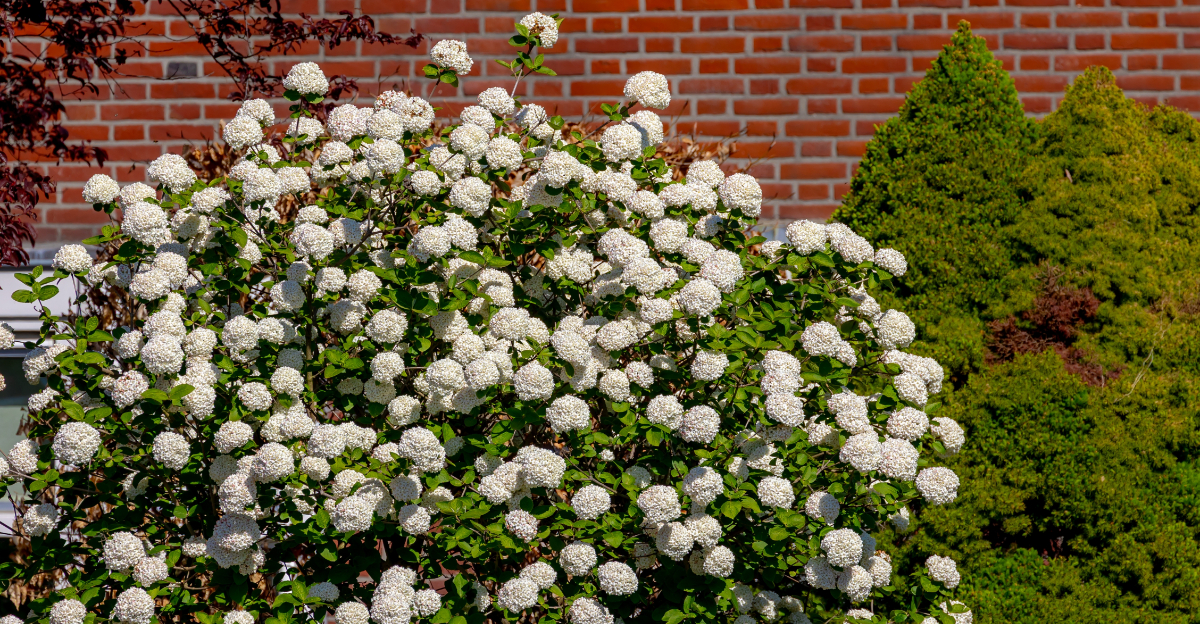
Silence in a yard can feel like failure. You want life, motion, color, something that fights back against emptiness.
Birds leave quickly when shrubs offer nothing worth landing on now.
Privacy disappears fast when fences stand alone without support. Indiana winters challenge plants that cannot adapt fast enough.
Native species thrive here because they evolved alongside shifting seasonal swings.
Gardeners across Indiana keep circling back to this specific shrub. Neighbors notice when berries attract cardinals, robins, and waxwings all season.
Butterflies arrive uninvited once the right blooms open wide.
Screening happens naturally, without fences, chemicals, or constant fussing. Growth continues steadily, requiring almost no intervention from you.
Soil barely matters, sunlight barely matters, patience barely matters here.
Results speak louder than any planting guide ever could. Your yard stops feeling forgotten and starts feeling alive.
Everything you just read explains exactly why this shrub belongs in your yard right now.
Arrowwood Viburnum Thrives In Indiana Landscapes
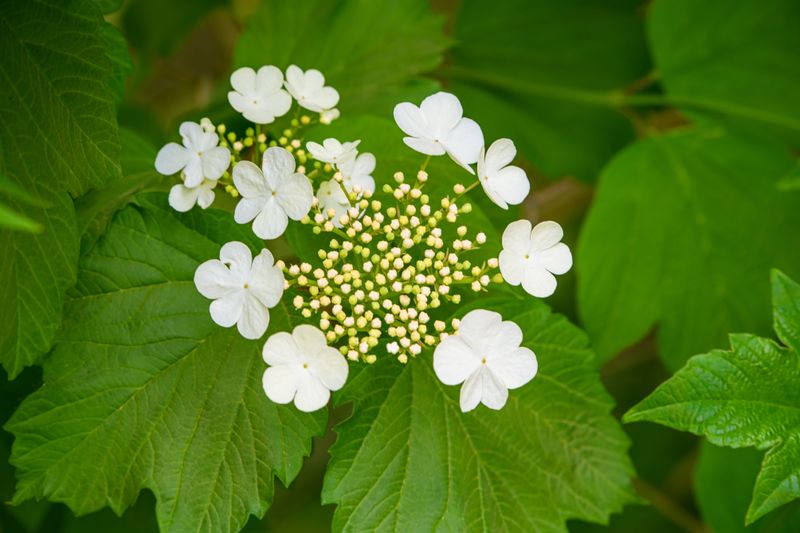
Picture a shrub so well-suited to its home that it establishes itself with minimal effort. Arrowwood Viburnum, known scientifically as Viburnum dentatum, is native to the eastern United States.
It evolved right alongside the soil, weather, and wildlife that call the Midwest home.
Gardeners across the region have noticed how naturally this plant settles in. It does not struggle through summer heat or sulk after a cold snap.
Arrowwood Viburnum simply grows, season after season, without complaint.
The shrub typically reaches six to ten feet tall and wide. That size makes it useful as a hedge, a border plant, or a standalone feature.
Its rounded shape fills space beautifully without looking messy or overgrown.
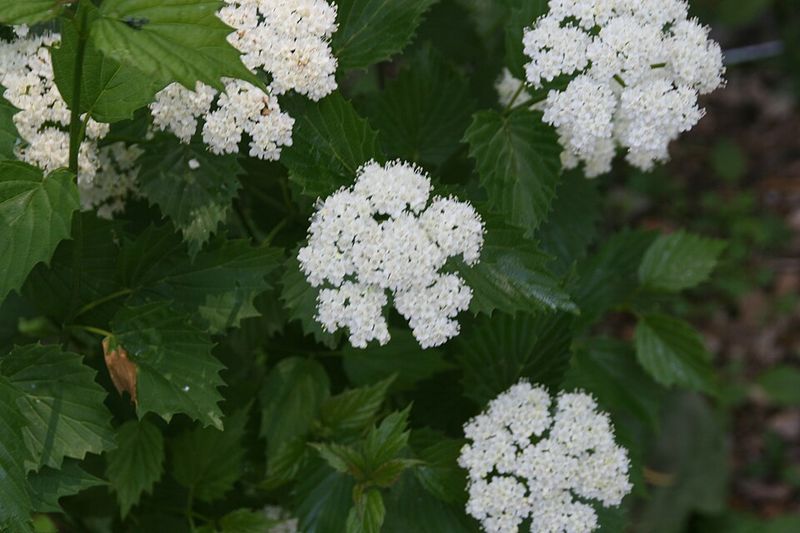
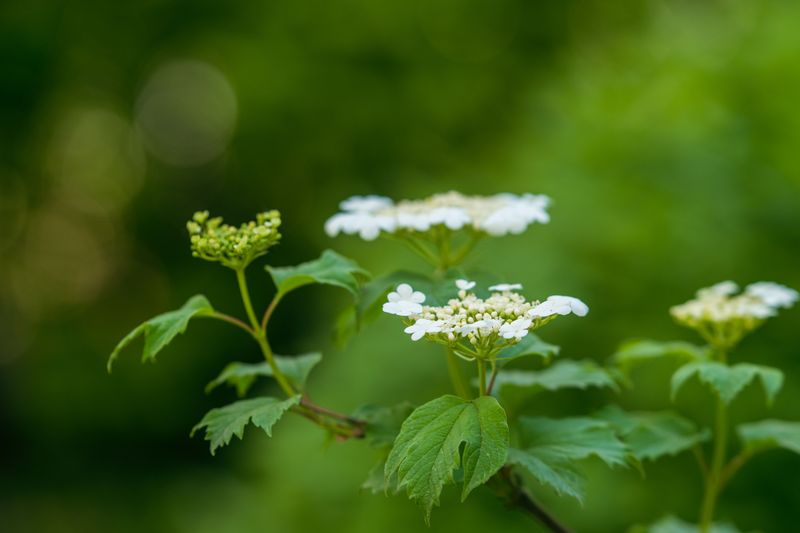
Spring brings flat-topped clusters of creamy white flowers that light up the yard. Pollinators are strongly attracted to those blooms.
Bees and butterflies return to the plant reliably each season.
By fall, the foliage shifts into warm shades of red, orange, and burgundy. The fall color is comparable to popular ornamental garden favorites.
Few native plants offer that kind of seasonal drama without extra effort.
This shrub also tolerates cold winters without significant damage. It is hardy through USDA zones 3 to 8, which covers most of the Midwest comfortably.
Berry Clusters Keep Birds Fed Through Winter
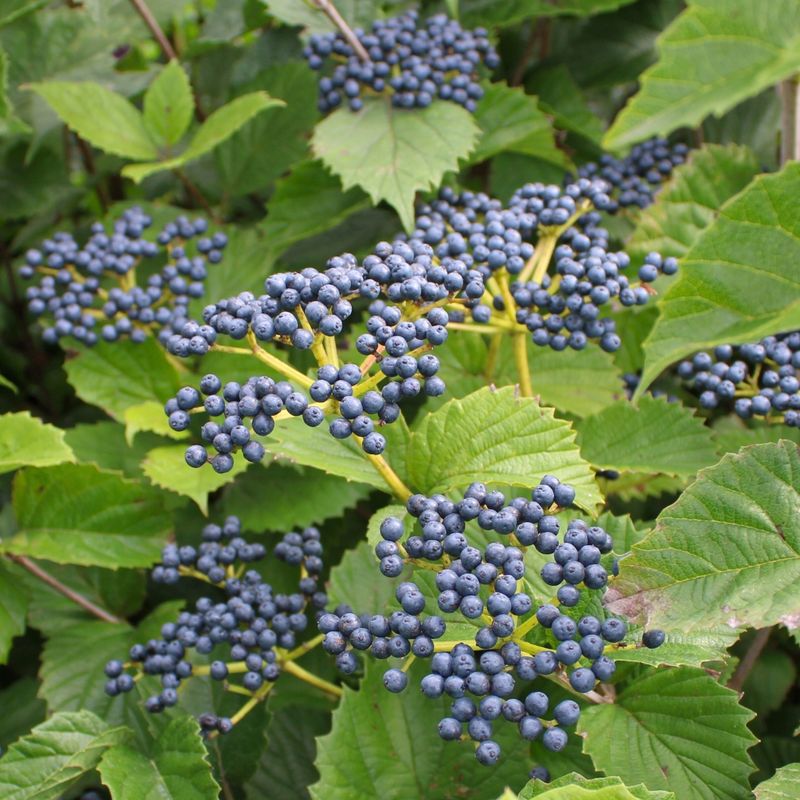
Walk outside on a cold January morning and you might spot a bluebird perched right in your yard. That is the kind of magic Arrowwood Viburnum delivers.
Its dark blue-black berries ripen in late summer and hang on well into the colder months.
Dozens of bird species are known to eat these berries. Robins, cedar waxwings, bluebirds, and thrushes all show up for the feast.
Your Indiana yard becomes a reliable food source for wildlife, with little extra effort required.
The berries appear in late August and September, clustered in flat-topped bunches. Each cluster holds dozens of small, round fruits.
They look almost like tiny grapes, deep blue against fading green leaves.
What makes this shrub especially valuable is its timing. Many other food sources dry up before winter really sets in.
Your Indiana Garden Changes Every Week. Your Plan Should Too.
Gardening in Indiana changes quickly throughout the season. Every Friday you’ll receive a simple weekly plan showing exactly what to plant, prune, fertilize, harvest, and protect so you never miss the right timing.
Arrowwood Viburnum fills that gap when birds need fuel the most.
Planting multiple shrubs increases berry production significantly. Cross-pollination between plants boosts fruit output, giving birds even more to work with.
Two shrubs generally produce more berries than one, thanks to cross-pollination.
Beyond birds, small mammals occasionally feed on the berries as well. The plant supports a whole web of life with almost no input from you.
This is a valuable trait for supporting local wildlife.
Thick Foliage Forms A Natural Privacy Barrier
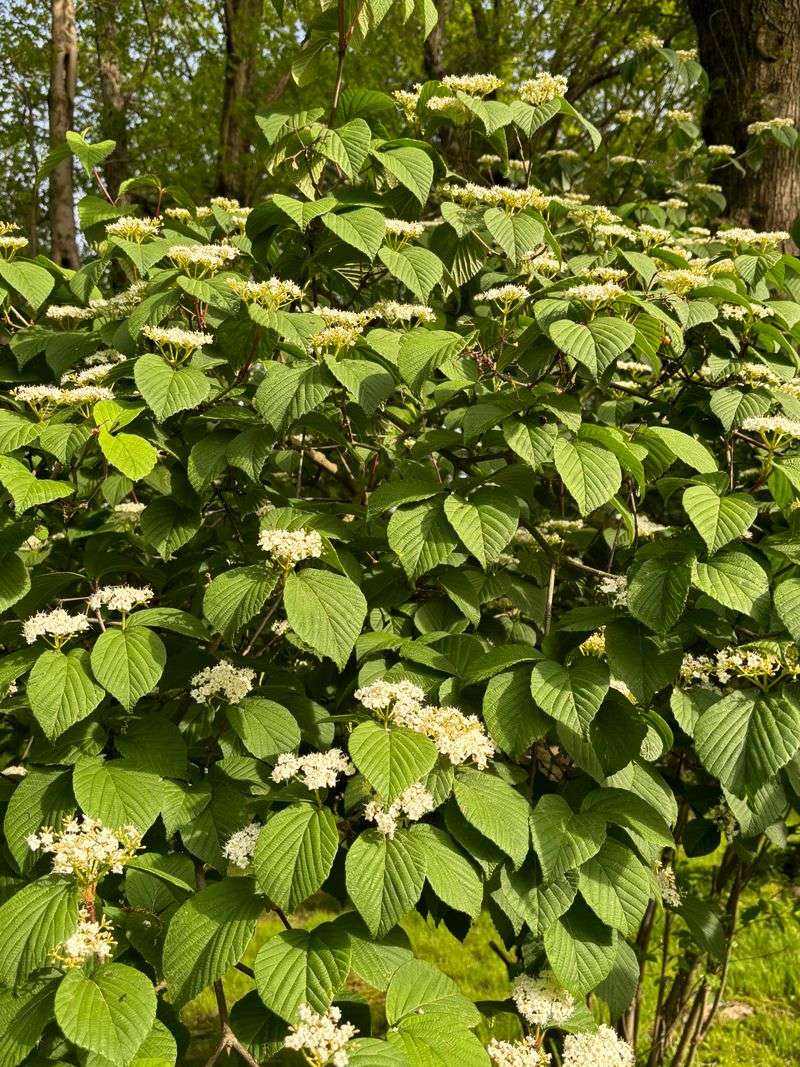
Nobody wants to eat dinner outside while a neighbor watches from twenty feet away. A well-placed hedge fixes that problem faster than any fence.
Arrowwood Viburnum grows dense enough to block sightlines without looking like a wall.
The leaves are glossy, toothed along the edges, and packed tightly on arching stems. When the shrub fills in, it creates a thick green curtain that muffles sound too.
Busy street noise drops noticeably behind a mature row of these plants.
Unlike wooden fences, a living screen grows more effective over time. Each year the shrub adds new branches, filling gaps and expanding its footprint.
Within a few years, you can expect genuine, beautiful privacy without a single board or nail.
The native shrub also provides shelter for birds year-round. Cardinals, sparrows, and wrens nest inside its branches through spring and summer.
Your privacy hedge doubles as a wildlife apartment complex, which is a pretty good deal.
Spacing plants about five to six feet apart creates the best hedge effect. They will grow together naturally, forming one continuous mass of foliage.
Closer spacing speeds up the process if you want faster results.
Because Arrowwood Viburnum grows in a rounded, arching shape, it looks softer than a clipped boxwood hedge. That natural appearance fits casual backyard styles perfectly.
A privacy barrier that also looks gorgeous is the kind of win every gardener wants.
Handles Different Soil Types With Ease
Most gardeners have complicated relationships with their soil. Clay soil drains poorly, sandy soil dries out fast, and finding a plant that tolerates both feels impossible.
Arrowwood Viburnum skips the drama entirely.
This shrub grows well in clay, loam, and sandy soils without skipping a beat. It tolerates wet conditions better than most landscape plants.
Spots near downspouts or low-lying areas that stay soggy are no problem at all.
Dry spells do not rattle it much either. Once established, the root system digs deep enough to find moisture on its own.
That built-in resilience makes it a reliable choice across a wide range of yard conditions.
The plant also adjusts to both acidic and slightly alkaline soil pH levels. You do not need to amend your soil heavily before planting.
A basic soil test helps, but obsessing over perfect pH is not required here.
Full sun to partial shade suits Arrowwood Viburnum just fine. North-facing beds, shaded corners, and open sunny spots all work.
That flexibility opens up planting options that more finicky shrubs would completely rule out.
Compacted urban soils, which tend to challenge most plants, rarely stop this shrub from growing. It has been used successfully in rain gardens, along roadsides, and in restored natural areas.
A plant that performs across tough conditions earns its spot in any yard, and this one performs reliably in most conditions.
Little Upkeep Needed Once It’s Established
Some plants require constant attention and care. Arrowwood Viburnum is the opposite of that.
Once it settles in after the first season, it mostly takes care of itself.
Watering needs drop dramatically after the first year. Deep watering once a week during the first growing season helps roots establish.
After that, rainfall alone handles most of the plant’s needs in a typical Midwestern climate.
Fertilizing is rarely necessary unless your soil is extremely poor. A thin layer of compost mulched around the base each spring is usually enough.
Overfeeding is a common and avoidable mistake with this plant.
Pruning is optional and mostly cosmetic. If the shrub gets a bit leggy or spreads wider than you planned, a light trim right after flowering keeps it tidy.
Cutting too aggressively removes the berry-producing branches, so restraint is the smarter move.
Arrowwood Viburnum is generally resistant to most common shrub problems, though it can be vulnerable to viburnum leaf beetle, a pest that has spread through parts of the Midwest.
The low-maintenance reputation of this plant is one reason it appears in so many native plant gardens. Time is valuable, and this shrub reduces the time commitment required for upkeep.
Choosing the native shrub that works with your schedule, not against it, makes gardening feel like a pleasure again.
Planting And Caring For Arrowwood Viburnum
Spring and fall are the two best seasons to get this shrub in the ground. Cooler temperatures reduce transplant stress and give roots time to anchor before summer heat arrives.
Either window works well, but fall planting often leads to faster establishment.
Choose a spot that gets at least four hours of sun daily. Morning sun with afternoon shade works especially well in hotter parts of the yard.
Avoid planting directly under large trees where root competition is intense.
Dig a hole twice as wide as the root ball but no deeper than its height. Setting the plant too low traps moisture around the crown and invites rot.
Level planting depth is one of the most important details most people overlook.
Backfill with the original soil rather than amended potting mix. Native plants adapt better when they connect directly with the native soil.
Adding a two to three inch layer of mulch around the base helps retain moisture without smothering roots.
Water deeply right after planting, then once a week for the first full growing season. Skip watering during rainy stretches to avoid oversaturation.
Consistency in that first year makes a big difference in how quickly the shrub takes hold.
Plant two or more shrubs near each other to encourage cross-pollination and better berry production. The native shrub rewards a little planning with years of beauty, wildlife activity, and natural privacy.
Your Indiana backyard will never feel the same once Arrowwood Viburnum moves in.