What California Fire Officials Say About Trees Planted Too Close To Power Lines
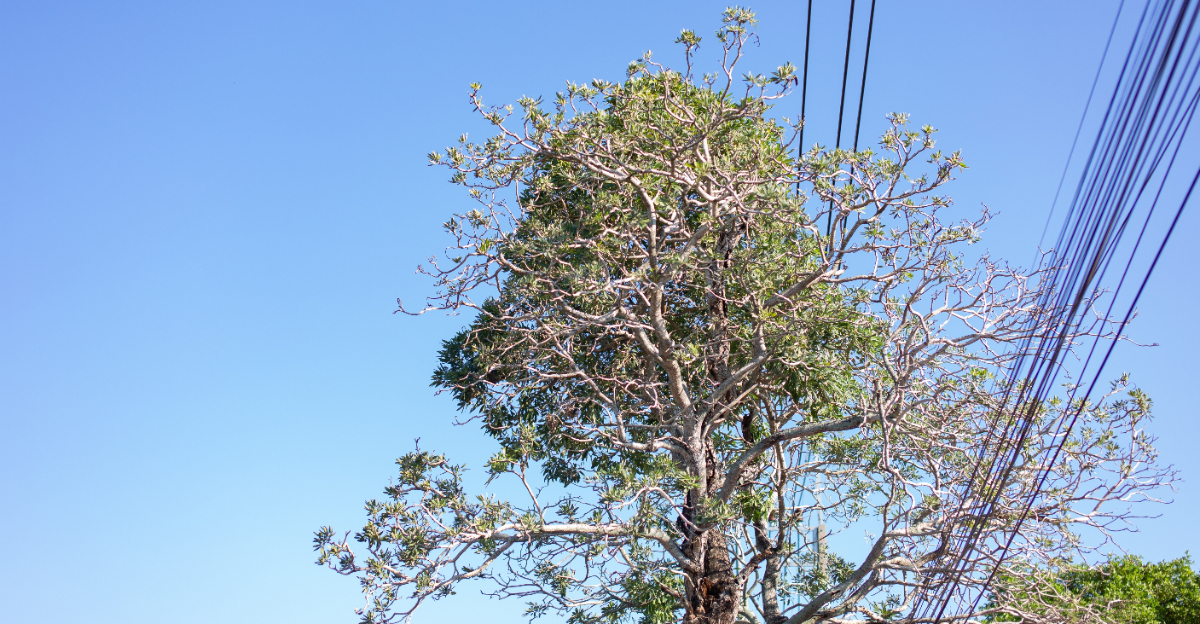
A tree that seemed perfectly placed when it was young can become a very different problem once its canopy reaches overhead utility lines.
During California’s dry season, that overlap gets extra attention because vegetation can contribute to electrical hazards and wildfire risk.
California fire officials specifically warn that branches contacting power lines can lead to arcing or sparks, particularly when wind pushes growth into energized equipment. What happens next is not always as simple as grabbing a pole saw.
Work near electrical lines carries its own safety rules, and certain trimming jobs should be left to qualified professionals.
For homeowners, the bigger lesson starts much earlier, with tree placement and mature size. A small planting decision today can become a costly clearance problem years later.
1. Tall Trees And Power Lines Are A Bad Long-Term Match
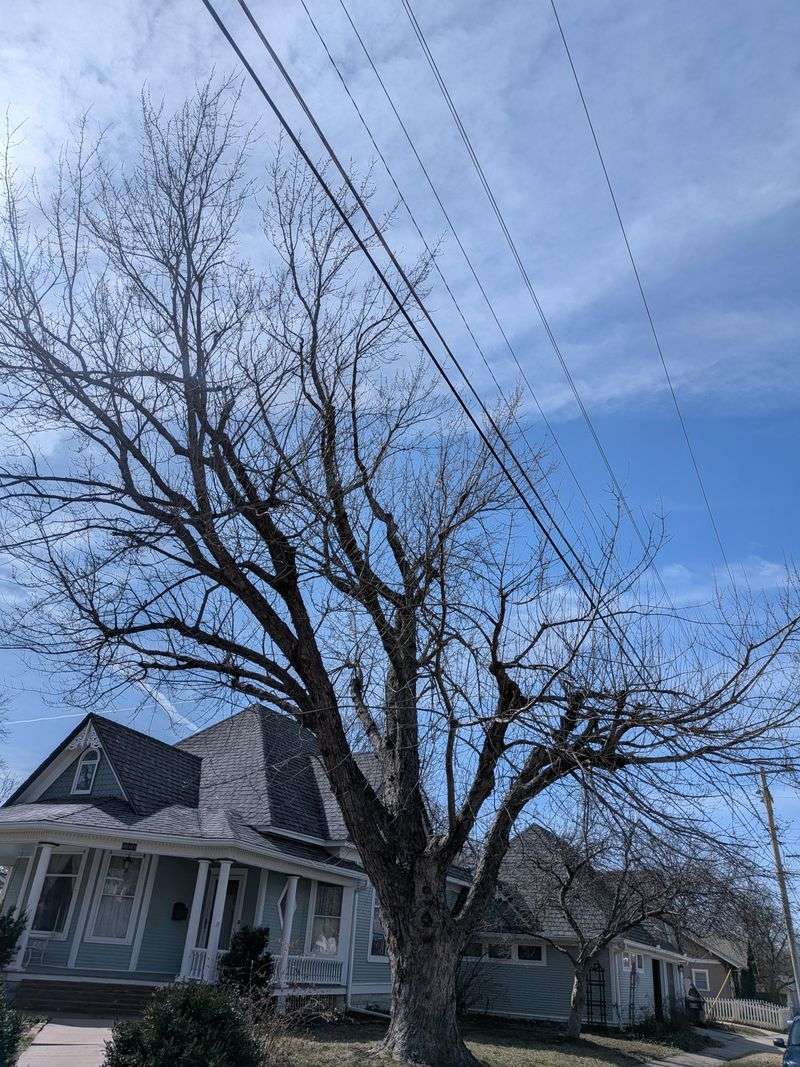
Fire officials in California will tell you plainly: tall trees and power lines do not belong together. A young tree planted beneath a utility line might look perfectly fine at first.
But trees keep growing, and power lines stay right where they are. Over time, that gap closes, and the risk grows with every new branch.
Most people choose trees based on how they look or how much shade they provide. Very few think about how tall the tree will be in 20 years.
Fire officials say this is one of the most common planting mistakes they see. A tree that reaches 40 to 60 feet tall will almost certainly contact a line if planted directly beneath it.
Once contact happens, the danger is real and immediate. Electricity can arc through a branch and ignite dry leaves or bark in seconds.
During hot and dry conditions, that small spark can spread fast. Fire officials recommend checking the expected mature height of any tree before planting near a line.
If the tree will grow taller than 25 feet, it should be planted at least 50 feet away from any power line. Choosing the right tree from the start is far easier than dealing with the consequences later.
Prevention is always the smarter move when fire risk is involved.
2. Branches Can Become Dangerous Long Before They Touch
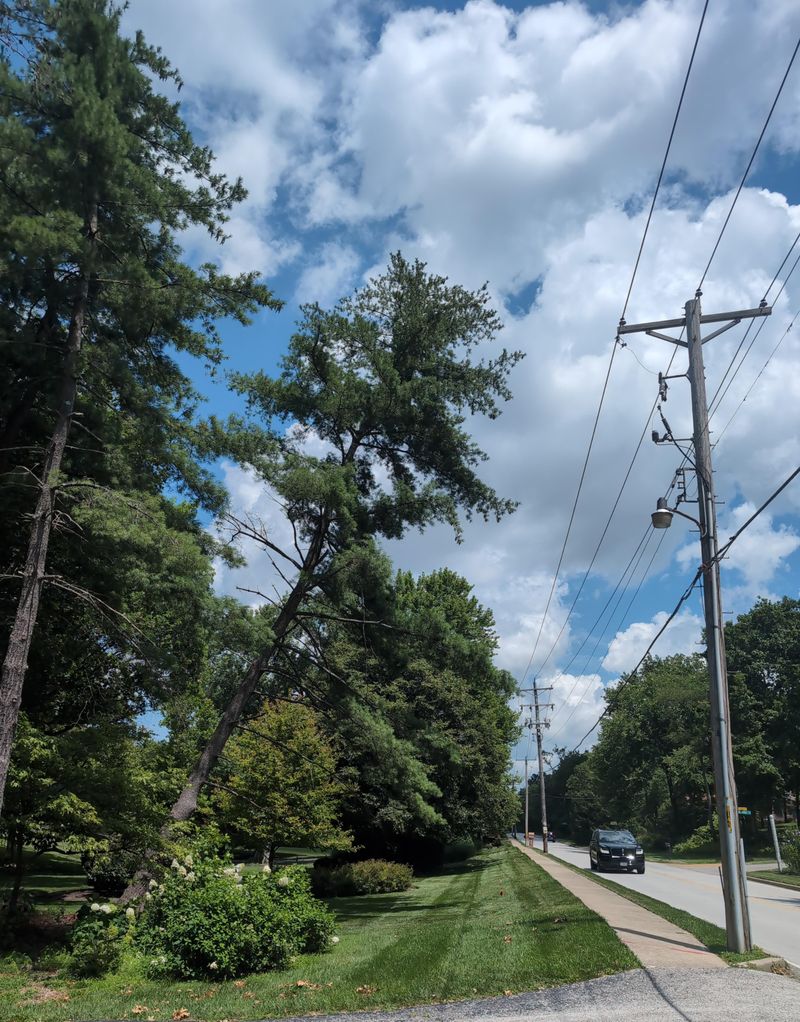
Here is something many California homeowners do not know: a branch does not have to touch a power line to cause a problem. Electricity can actually jump through the air in a process called arcing.
When a branch gets close enough, even without making direct contact, a spark can still happen.
Fire officials stress that the danger zone around power lines is larger than most people think. In dry conditions, arcing can occur when a branch is just a few inches away from a wire.
That arc produces intense heat, which can ignite nearby leaves, bark, or dry grass below the line.
This is especially concerning during summer months when vegetation dries out quickly. A branch that seemed safe in spring can become a serious hazard by August.
Fire officials advise homeowners to look up and check their trees regularly throughout the year. If branches appear to be reaching toward nearby lines, that is a sign that action is needed right away.
Your California Garden Changes Every Week. Your Plan Should Too.
Gardening in California changes quickly throughout the season. Every Friday you’ll receive a simple weekly plan showing exactly what to plant, prune, fertilize, harvest, and protect so you never miss the right timing.
Do not wait until a branch is actually touching the wire. By that point, the risk has already been building for some time.
Contact your utility company as soon as you notice branches getting close. Many utilities offer free inspections and trimming services.
Staying ahead of the problem is much better than responding after something goes wrong.
3. Fast-Growing Trees Create The Biggest Headaches
Not all trees grow at the same speed, and that difference matters a lot when power lines are nearby. Fire officials point to fast-growing species as some of the most problematic trees in residential areas.
These trees can add several feet of height each year, closing the distance between branches and wires faster than most homeowners expect.
Eucalyptus trees are a well-known example in the western United States. They grow quickly, drop oily leaves that burn easily, and can reach enormous heights.
Other fast-growing species like cottonwoods, willows, and certain poplars also raise red flags for fire officials. These trees may look beautiful and provide great shade, but they require much more frequent monitoring and maintenance near utility lines.
The problem with fast growth is that it can sneak up on you. A tree that was well within safe distance last year might be dangerously close this year.
Fire officials recommend checking fast-growing trees at least twice a year. Spring and fall are good times to look closely at how much new growth has occurred.
If you already have a fast-growing tree near a power line, talk to a certified arborist. They can assess the risk and recommend the best course of action.
Sometimes trimming is enough. Other times, removal is the safer long-term choice.
Either way, staying informed protects your home and your neighbors.
4. Wind Can Push Limbs Straight Into The Lines
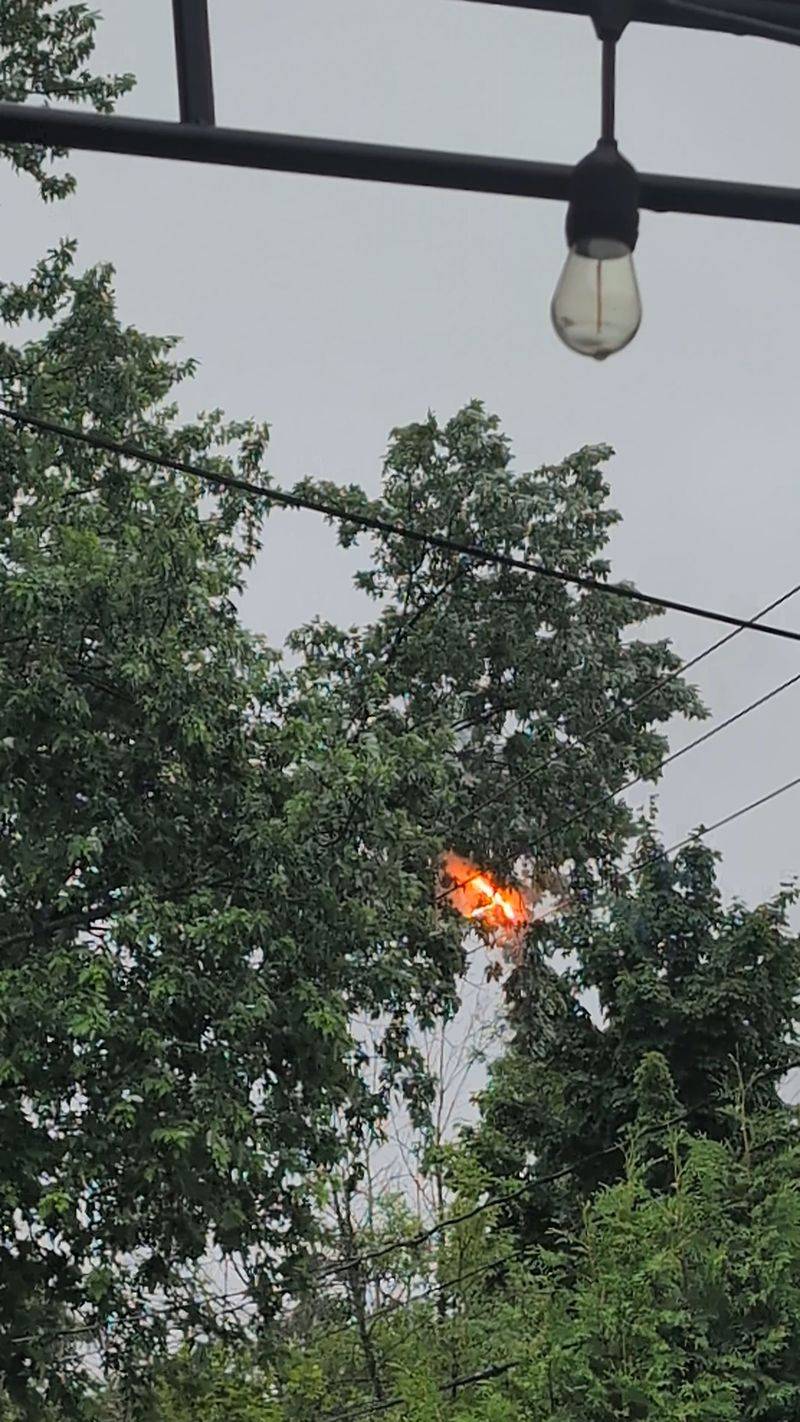
Wind is one of the most unpredictable forces in nature, and California fire officials take it very seriously when it comes to trees near power lines.
A branch that sits a foot or two away from a wire on a calm day can easily swing into contact when strong winds pick up. That contact can produce a spark in an instant.
In many parts of the country, seasonal wind events push already-stressed branches into dangerous positions.
Fire officials point out that wind-driven contact with power lines is one of the leading causes of utility-related fires.
Even a brief touch between a branch and a live wire can be enough to start a blaze.
What makes this tricky is that homeowners often check their trees on calm days. They see the branches and think everything looks fine.
But they are not imagining what those same branches will do when the wind is gusting at 40 or 50 miles per hour. Fire officials encourage people to think about movement, not just distance, when evaluating tree risk near power lines.
Trimming back branches that have room to swing is a smart precaution. Even if a branch looks far enough away today, its reach in high winds might tell a different story.
Ask a certified arborist to evaluate your trees with wind behavior in mind. That extra step could prevent a serious fire during the next big wind event in your area.
5. Dry Branches Add Another Fire Risk
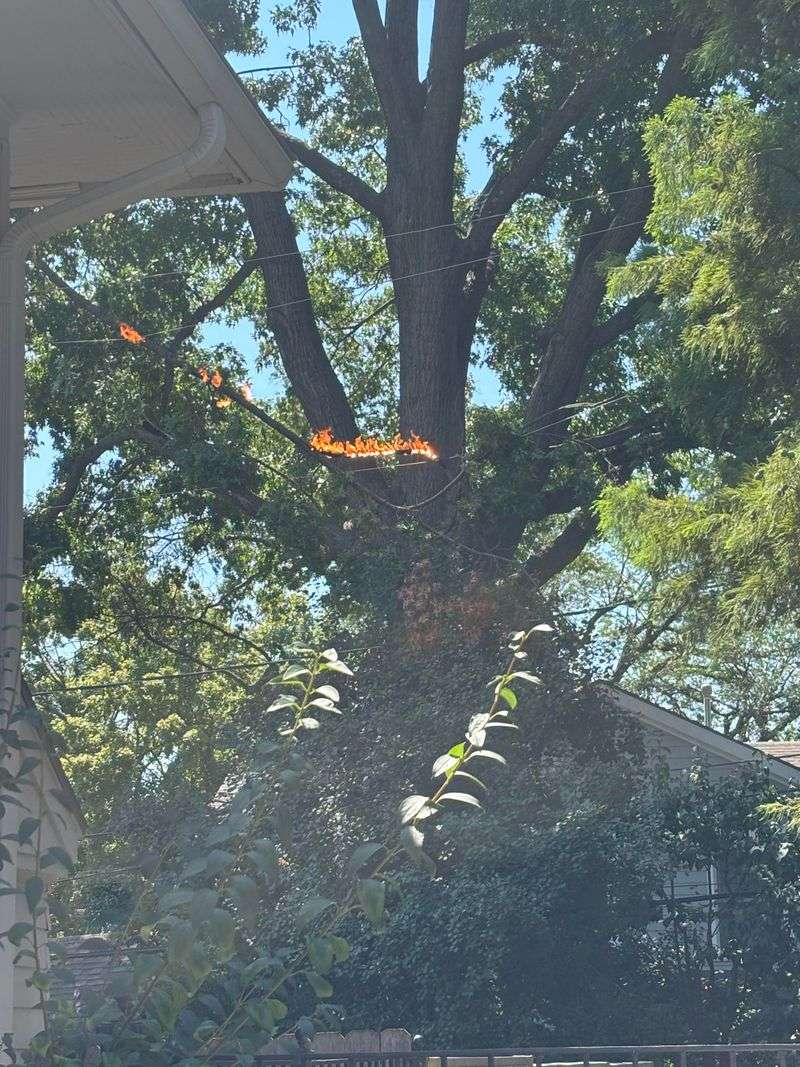
Living branches are one concern, but dry and withered branches near power lines are an entirely different level of danger.
Fire officials consistently warn that withered wood ignites much faster than healthy green wood.
When a dry branch contacts a live wire, the result can be almost immediate combustion.
Drought conditions have made this problem much worse in recent years. Trees under stress from lack of water begin shedding branches or developing large sections of withered wood.
These dry limbs hang near power lines and wait for one spark to set them off. Fire officials say that drought-stressed trees near utility lines should be inspected right away, not at the next convenient time.
Dry branches are also more likely to fall unexpectedly. Unlike a living branch that bends under pressure, a dry limb can snap without warning.
When it falls onto a power line, the impact alone can cause enough friction or electrical contact to start a fire below.
Homeowners should walk around their property and look for any branches that appear gray, brittle, or bare during the growing season. Those are warning signs.
A branch that should have leaves but does not is likely already gone. Removing withered wood promptly is one of the most effective things you can do to lower fire risk near your home.
Do not let dry branches linger near any utility line.
6. Planting Distance Matters More Than Tree Size Today
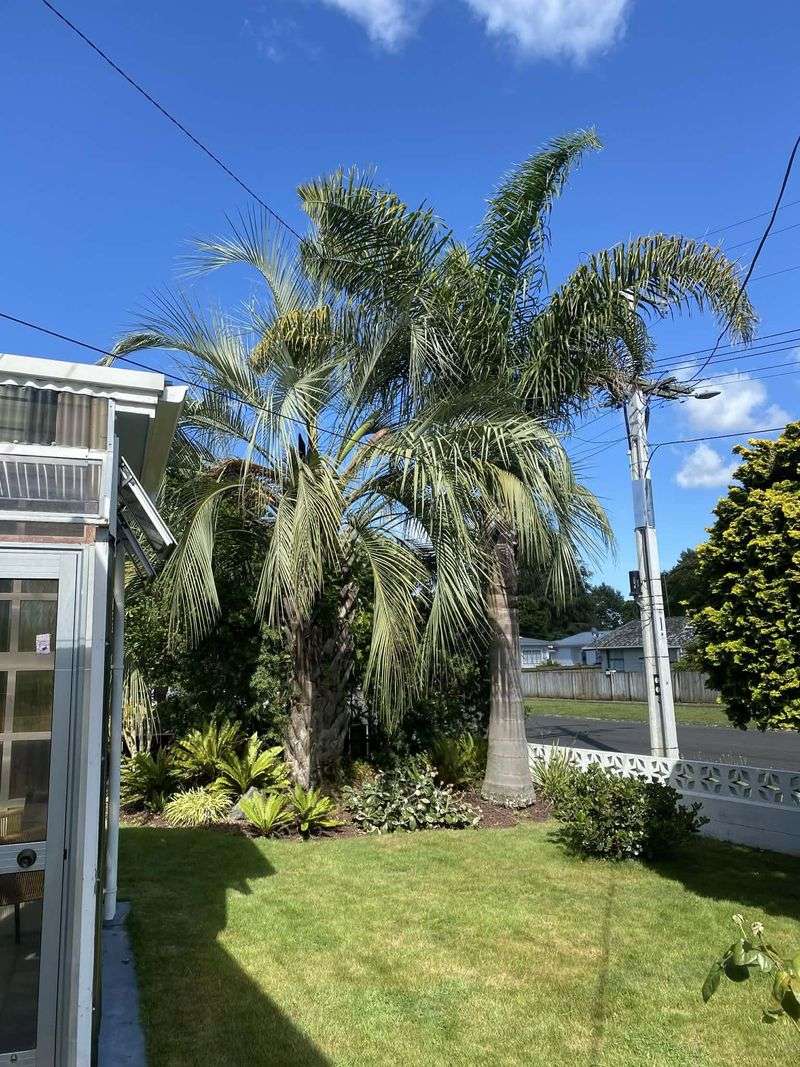
When people plant a new tree, they usually think about what it looks like right now. A small sapling seems harmless next to a power line.
But fire officials say the planting decision you make today will shape the fire risk in your yard for decades to come. Where you plant matters far more than how big the tree is when you put it in the ground.
General guidelines from utility companies and fire safety experts suggest keeping medium to large trees at least 25 feet away from any power line. For trees expected to grow taller than 40 feet, that distance should increase to 50 feet or more.
These numbers exist for a reason: they account for the full mature size of the tree, not just its size at planting.
Fire officials are frustrated that planting distance guidelines are not always followed, especially in newer developments. Builders and landscapers sometimes prioritize aesthetics over safety.
A row of beautiful trees lining a street might look appealing on a blueprint, but if those trees will eventually tower over utility lines, the design is flawed from a safety standpoint.
Before you plant anything, research its mature height and canopy spread. Talk to your local utility company about their setback recommendations.
Many utilities have free resources and guides available online. Taking five minutes to check the rules before planting can prevent years of costly trimming and serious fire risk later on.
7. Small Trees Make More Sense Under Utility Lines
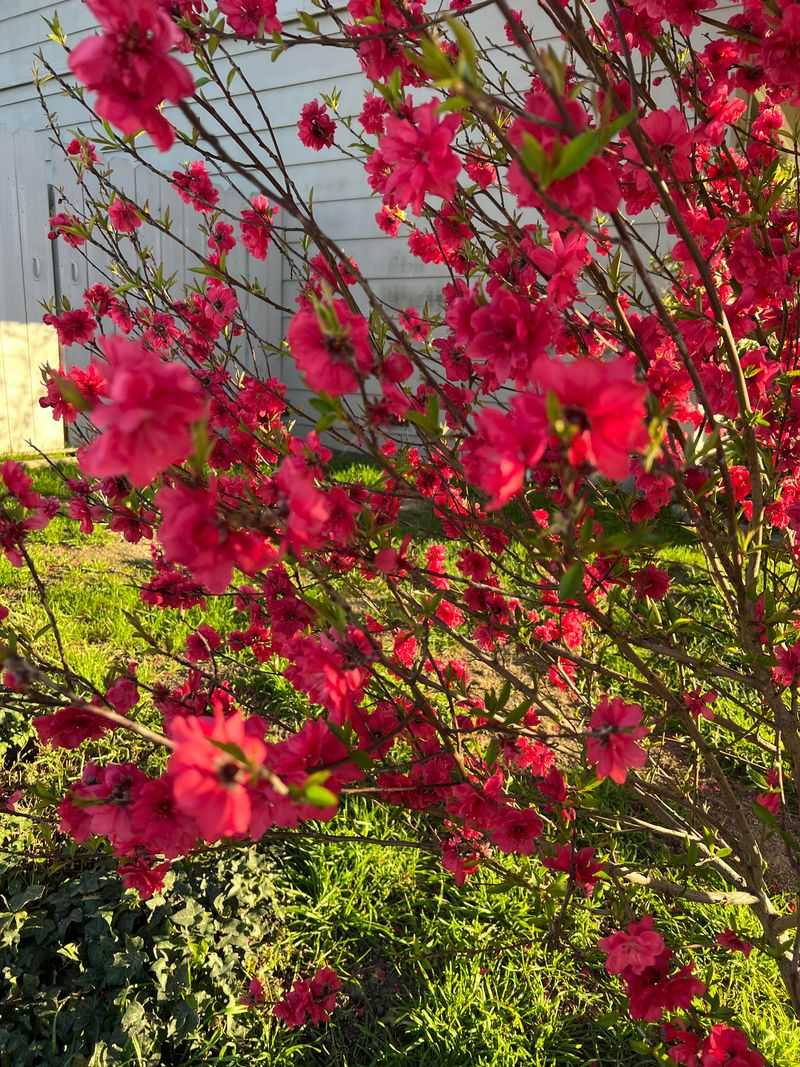
One of the most practical pieces of advice fire officials offer sounds simple but gets ignored all the time: if you need to plant near a power line, choose a small tree.
Low-growing trees that max out at 20 feet or less are far safer options when utility lines are overhead.
They look great, provide shade, and do not grow into dangerous territory.
Crape myrtles, dogwoods, and certain fruit trees are popular choices that stay within a manageable height range. Native shrubs can also work well in many regions.
Fire officials and arborists both agree that matching the right plant to the right location is the foundation of good fire-safe landscaping. A small tree in the right spot is always better than a large tree in the wrong one.
Some homeowners worry that smaller trees will not provide enough shade or visual appeal. That concern is understandable, but it does not hold up when you look at what well-chosen small trees can do.
Many varieties produce beautiful flowers, attract wildlife, and provide meaningful shade without ever threatening a power line.
The key is doing your homework before you buy. Visit a local nursery and ask specifically for trees that stay under 20 feet tall.
Check the mature size on the label, not just the current size of the plant in the pot. A little research now saves a lot of trouble later, and it helps keep your neighborhood safer for everyone.
8. Utility Crews May Trim Trees You Let Grow Too Close
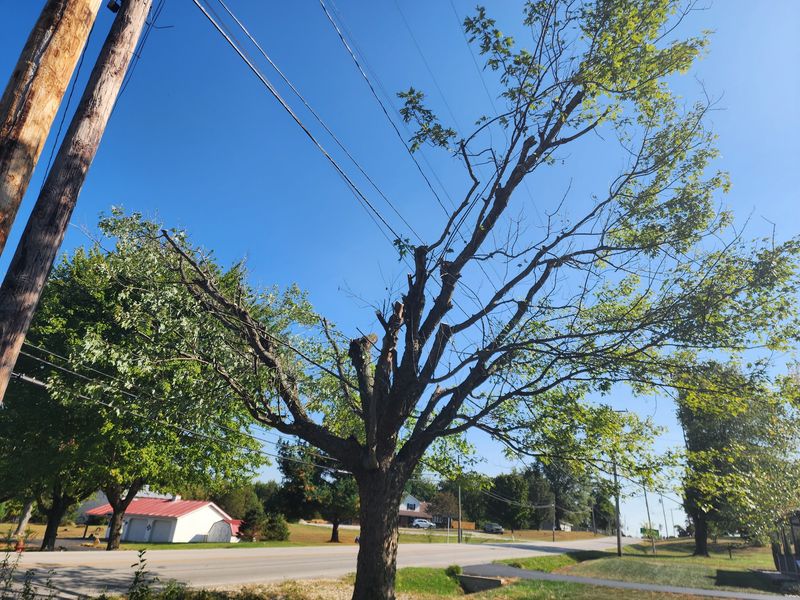
Many homeowners are surprised to learn that utility companies have the legal right to trim trees that threaten their power lines. Fire officials support this practice because it directly reduces fire risk.
But the trimming done by utility crews is not always what homeowners expect or want to see.
Utility crews are focused on one thing: keeping the lines clear. They are not landscape artists.
The cuts they make are functional, not decorative. A tree that grows too close to a line might end up trimmed in a way that looks uneven or even strange.
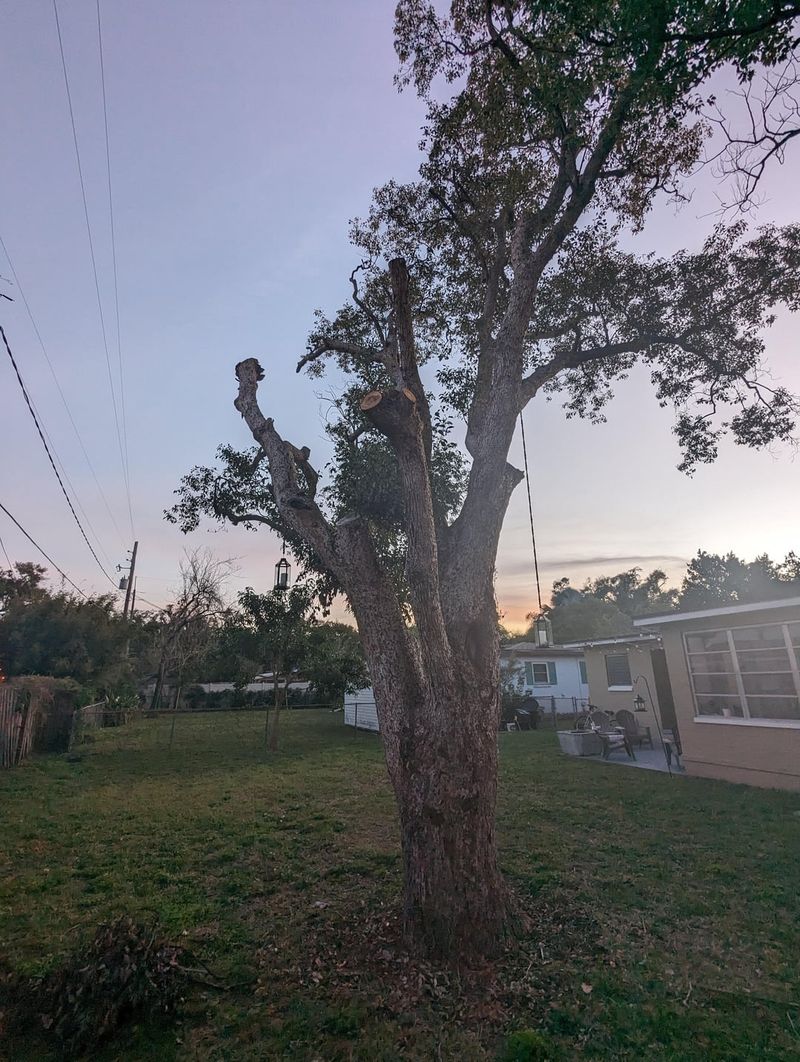
Some trees end up with large sections removed from one side, leaving them lopsided and structurally weaker than before.
Fire officials point out that this kind of aggressive trimming can actually make a tree more vulnerable to wind damage. A poorly balanced tree is more likely to drop branches or fall during a storm.
That creates new hazards even after the trimming is done. The best way to avoid this outcome is to manage your trees before the utility company has to step in.
Regular maintenance by a certified arborist keeps your trees healthy and well-shaped. It also reduces the chance of utility crews arriving unannounced to do the job for you.
Homeowners who stay on top of tree care have more control over how their trees look and grow. Taking ownership of the problem early is always the better path forward when fire safety is on the line.