What Happens If A Banned Plant Spreads From Your Yard To A Neighbor’s In California
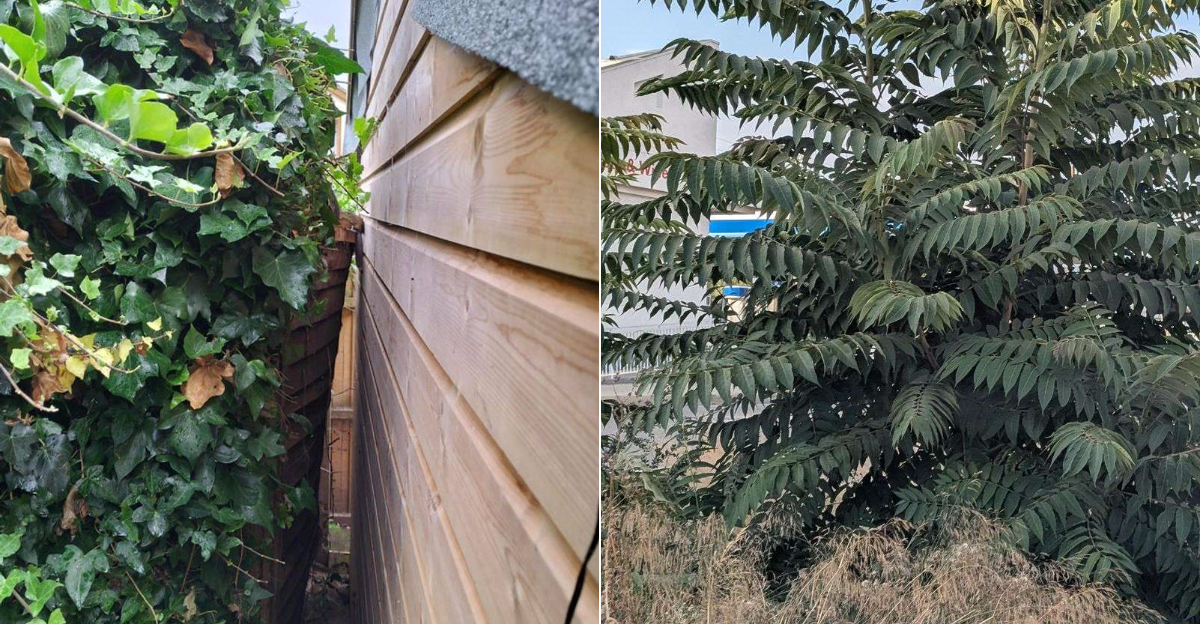
An invasive plant crossing a fence can turn a gardening problem into a neighbor dispute surprisingly quickly.
What begins as a few wandering shoots may become harder to ignore once the growth reaches another property or starts damaging landscaping.
California also has legally defined noxious weeds and local restrictions that can affect how certain plants must be handled. That means the consequences may depend on the species involved and the rules where you live.
A neighbor could be dealing with unwanted growth while you are still trying to figure out how it escaped in the first place. Removal costs, property damage, and responsibility can all become part of the conversation.
If a restricted plant is already spreading beyond your yard, the smartest next step starts with identifying exactly what it is and checking the local requirements before the problem gets bigger.
1. When One Backyard Problem Crosses The Fence
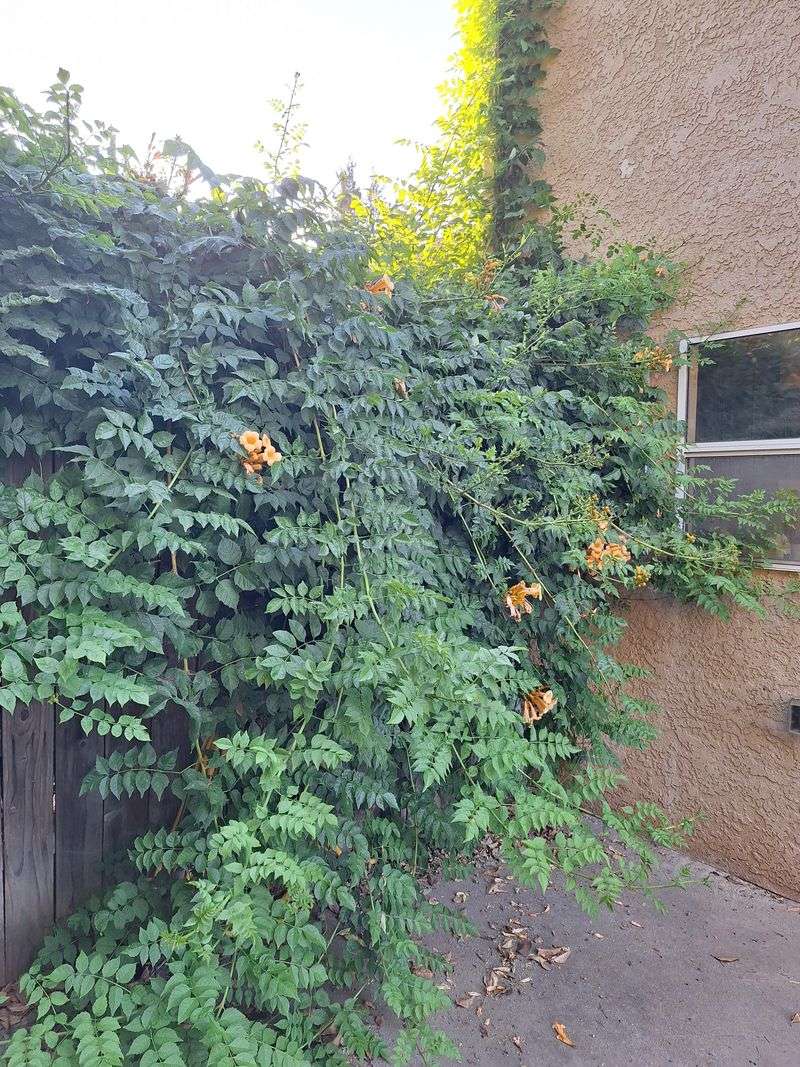
Not every plant that looks harmless actually is. Some plants are classified as invasive or banned because they grow fast, spread aggressively, and are hard to stop once they get going.
When a plant like that starts in your yard, the trouble often does not stay there for long.
Roots can travel underground for several feet before anyone notices. Seeds can blow over a fence or get carried by birds and land in a neighbor’s garden bed.
Within one season, what started as a small bush or vine on your side can show up fully rooted on theirs.
Once the plant crosses the property line, the situation changes completely. Now two households are dealing with the same problem, even if only one person planted it.
Your neighbor may not even know where the plant came from at first.
Banned plants are often listed by county or state agencies because of the real harm they can cause. They can crowd out native plants, block sunlight, damage fences, and even crack concrete or siding.
The damage is not always visible right away, but it builds up over time.
Catching the spread early is the best way to avoid bigger problems. If you notice a banned plant in your yard, taking action before it reaches your neighbor’s side can save everyone a lot of trouble later on.
2. Your Neighbor May Have A Right To Complain
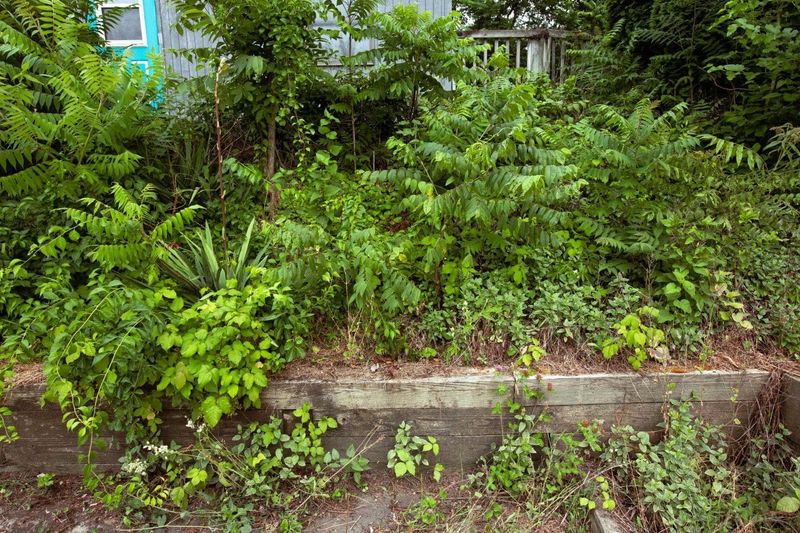
When a banned plant moves from your property to a neighbor’s, they have every right to speak up. Under California property law, a homeowner is not required to accept plants, roots, or branches that cross the property line and cause harm.
Your neighbor can ask you to deal with the problem, and that request carries real weight.
Most neighbors start with a simple conversation. They might knock on your door, send a text, or leave a note.
At this stage, the situation is still manageable. A friendly response and a plan to address the plant can prevent things from getting worse.
But if you ignore the complaint or refuse to act, your neighbor has other options. They can contact local code enforcement, file a complaint with the county agricultural commissioner, or even take the issue to small claims court if damage has occurred.
Your California Garden Changes Every Week. Your Plan Should Too.
Gardening in California changes quickly throughout the season. Every Friday you’ll receive a simple weekly plan showing exactly what to plant, prune, fertilize, harvest, and protect so you never miss the right timing.
The law generally holds that a property owner is responsible for what grows on their land and what spreads from it.
If your plant is banned and it causes damage next door, you could be found liable for the cost of removing it and repairing any harm it caused.
Listening to a neighbor’s complaint early is always the smarter move. Addressing the issue before it escalates keeps both parties from spending time, money, and energy on something that could have been resolved with a simple plan of action.
3. A Banned Plant Can Become A Bigger Legal Headache
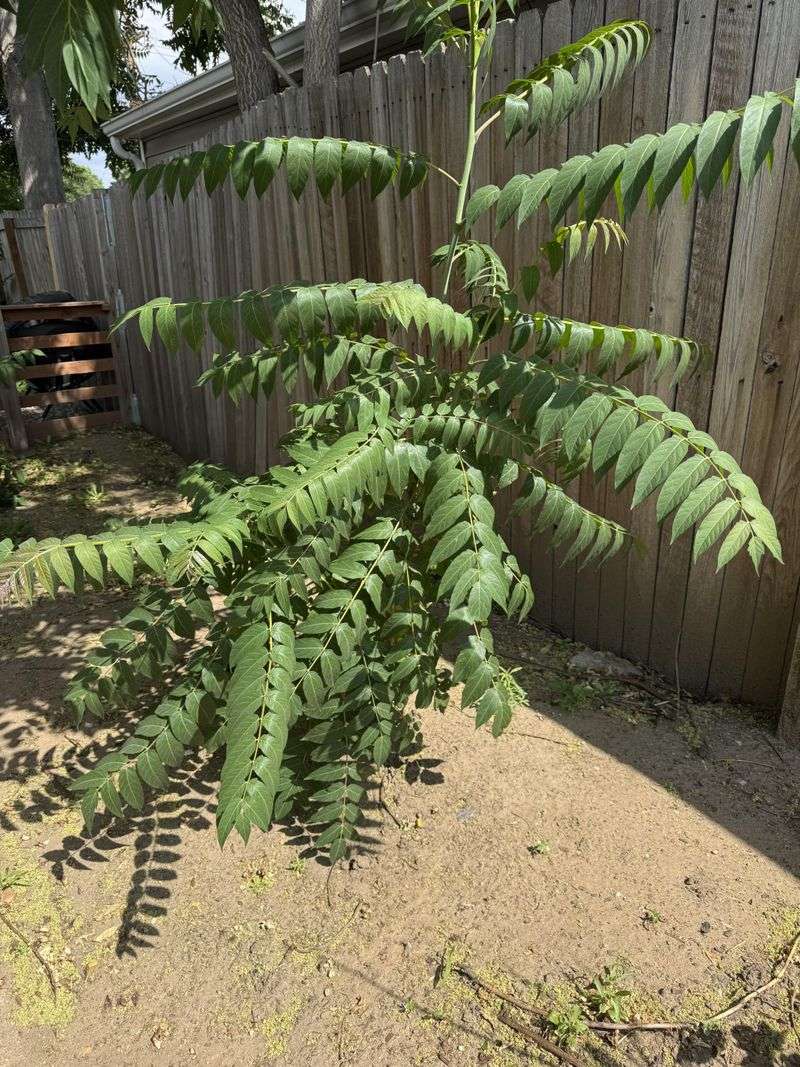
Few people expect a plant to land them in legal trouble, but it happens more often than you might think.
When a banned or invasive plant spreads from your property and causes verifiable damage, the legal consequences can be real and costly.
In California, nuisance law allows a neighbor to sue if something from your property, including plants, causes ongoing harm to theirs.
A spreading plant that damages a fence, destroys a garden, or blocks drainage can qualify as a legal nuisance.
Courts have sided with neighbors in these kinds of cases before.
Beyond civil court, there are also local ordinances to consider. Many counties have rules about maintaining your property and keeping prohibited plants under control.
Violating those rules can result in fines, even if you did not plant the species on purpose.
Some homeowners find out about the legal issue only after receiving a notice from the city or county.
By that point, the plant may have already spread significantly, and the cost of removal has grown along with it.
Acting sooner is always less expensive than acting after a citation arrives.
If you are unsure whether a plant on your property is banned, check with your local agricultural commissioner or county extension office.
Getting ahead of the issue protects both your wallet and your relationship with the people who live next door to you every day.
4. Seeds And Roots Do Not Respect Property Lines
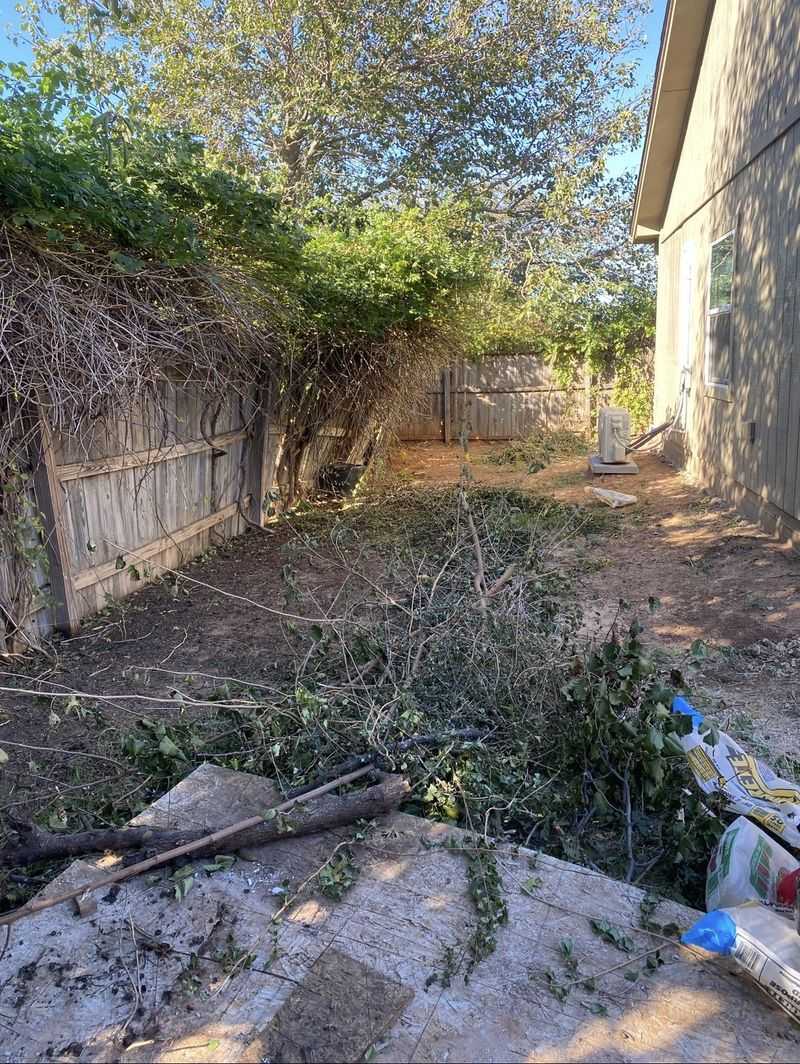
Here is something that surprises a lot of homeowners: plants do not follow rules. Roots grow where moisture and nutrients lead them, and seeds travel wherever the wind, water, or wildlife takes them.
A property line on a map means nothing to a spreading root system. Some of the most problematic banned plants are known for their underground root networks.
Bamboo, for example, can send runners more than 30 feet in a single growing season.
English ivy and kudzu are known for spreading just as aggressively above and below the soil. Once established, they are incredibly hard to contain.
Seeds are another major concern. A single plant can produce hundreds or thousands of seeds in one season.
Those seeds can travel by wind, stick to clothing or fur, or get carried off by birds eating the plant’s berries. Your neighbor’s yard can become a new growing zone without anyone doing anything on purpose.
This is why banned plants are taken so seriously by local agencies. The spread is not just a minor inconvenience.
It can alter entire ecosystems and make normal yard maintenance much harder for everyone in the surrounding area.
Knowing which plants spread through roots and which spread through seeds helps you understand the urgency. If you have a plant that does both, the window for stopping the spread before it reaches your neighbor is even shorter than you might expect.
5. Local Officials May Want The Plant Removed
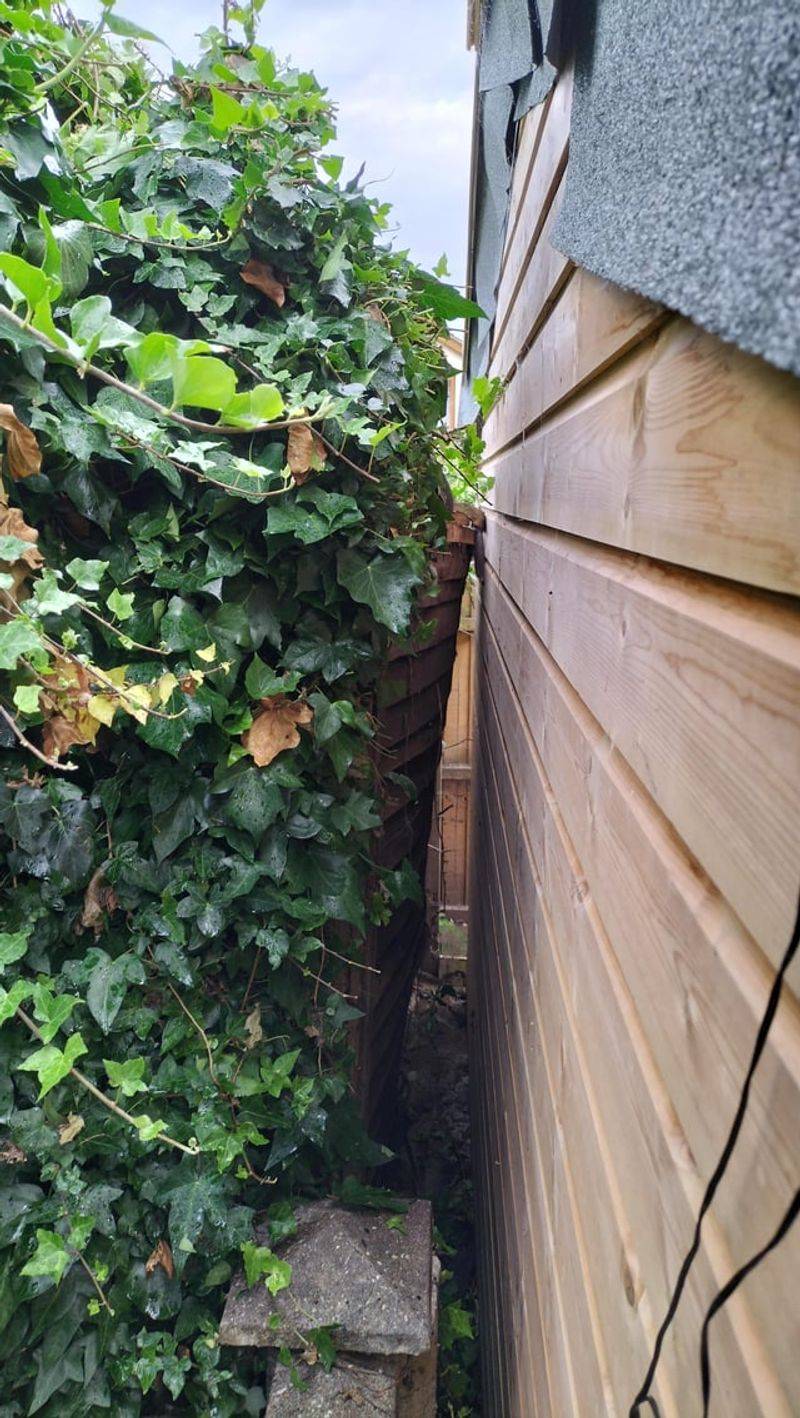
Some plant problems are not just between neighbors. Local governments take invasive and banned plants seriously because of the broader environmental damage they can cause.
When a complaint is filed, officials may get involved whether you are ready for that or not.
County agricultural commissioners have the authority to inspect properties and require the removal of banned plants.
If a plant on your property is listed as a noxious weed or prohibited species in your county, you may receive an official notice ordering you to remove it within a set timeframe.
Ignoring that notice is not a good option. Fines can add up quickly, and repeated violations may lead to the county arranging removal itself and billing you for the cost.
In some cases, that bill can be attached to your property taxes if left unpaid. Local code enforcement departments also have the power to act on neighbor complaints.
They can cite you for maintaining a nuisance or violating local weed ordinances, even if the plant was already on the property when you moved in.
The good news is that most local agencies prefer cooperation over confrontation. If you reach out proactively, explain the situation, and show a willingness to remove the plant, officials are often more flexible about timelines and support resources.
Connecting with your county extension office early can point you toward removal programs, resources, and guidance that make the process much more manageable from start to finish.
6. Cutting It Back May Not Be Enough
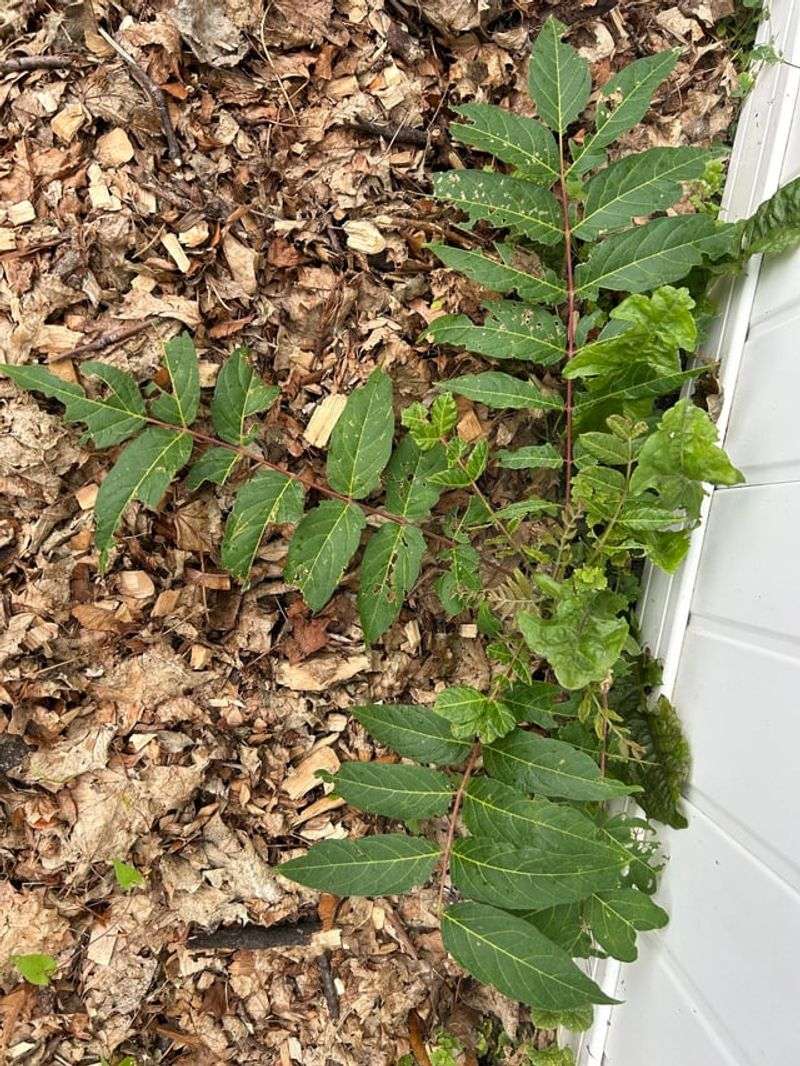
Trimming a banned plant at the surface might make your yard look cleaner, but it often does nothing to stop the spread. Many invasive plants are built to survive cutting.
They regrow quickly from the roots, and in some cases, cutting the plant actually stimulates faster regrowth. You can trim the same plant over and over and still not solve the problem.
Bamboo is a well-known example of this. Cutting it at the surface leaves a root system that continues pushing new shoots up through the ground, sometimes within days.
The same is true for many vines and fast-spreading shrubs. Surface removal gives the appearance of control without the reality of it.
Effective removal usually means getting to the root of the issue, literally. Digging out the root ball, treating the soil, and monitoring for regrowth over several seasons is often what it takes.
Some invasive plants require multiple rounds of treatment before they stop coming back.
Hiring a licensed landscape professional who has experience with invasive species can make a real difference.
They know the right techniques for your specific plant and can help you avoid common mistakes that let the plant bounce back.
If the plant has already spread to your neighbor’s yard, your removal efforts need to cover both sides of the fence to be effective.
Removing it on your side while it continues growing on theirs just means it will spread back to you again over time.
7. Spreading Plants Can Leave Both Yards With Cleanup
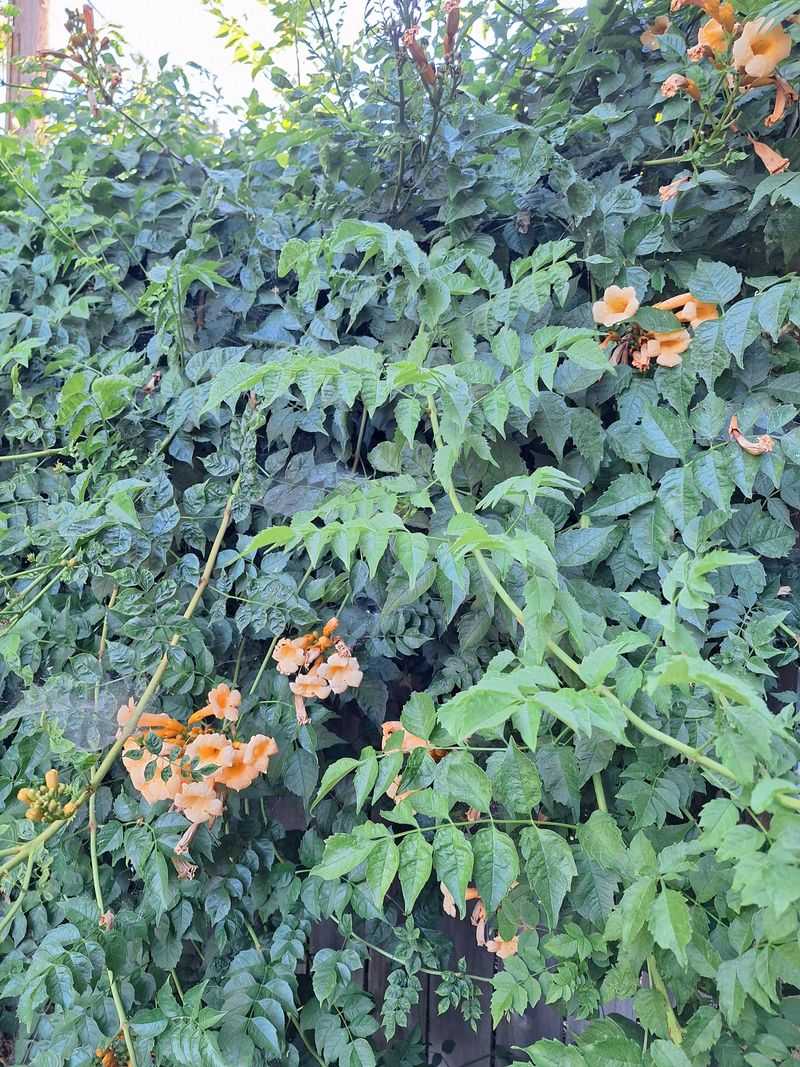
Once a banned plant has taken hold on both sides of the fence, the cleanup becomes a shared challenge.
Removing it from one yard while the other yard stays untreated is like trying to empty a bathtub with the faucet still running. The plant will simply grow back from the untouched side.
Both homeowners often end up needing to coordinate their removal efforts. That means talking to each other, agreeing on a timeline, and sometimes sharing the cost of professional help.
It sounds simple, but neighbor coordination can be tricky, especially if the relationship is already strained.
The financial side of cleanup can be significant. Depending on how far the plant has spread, removal costs can range from a few hundred to several thousand dollars.
If the plant has damaged structures like fences, irrigation systems, or paving, those repairs add to the total.
Some counties offer assistance programs for invasive plant removal, especially when the species poses a threat to local ecosystems.
Checking with your local agricultural office or parks department can sometimes uncover free or low-cost resources.
Approaching your neighbor with a cooperative attitude from the start makes the cleanup much more likely to succeed.
Framing it as a shared problem rather than a blame game opens the door to solutions that work for both yards and both households without unnecessary conflict or added expense along the way.
8. Documenting The Spread Can Matter Later
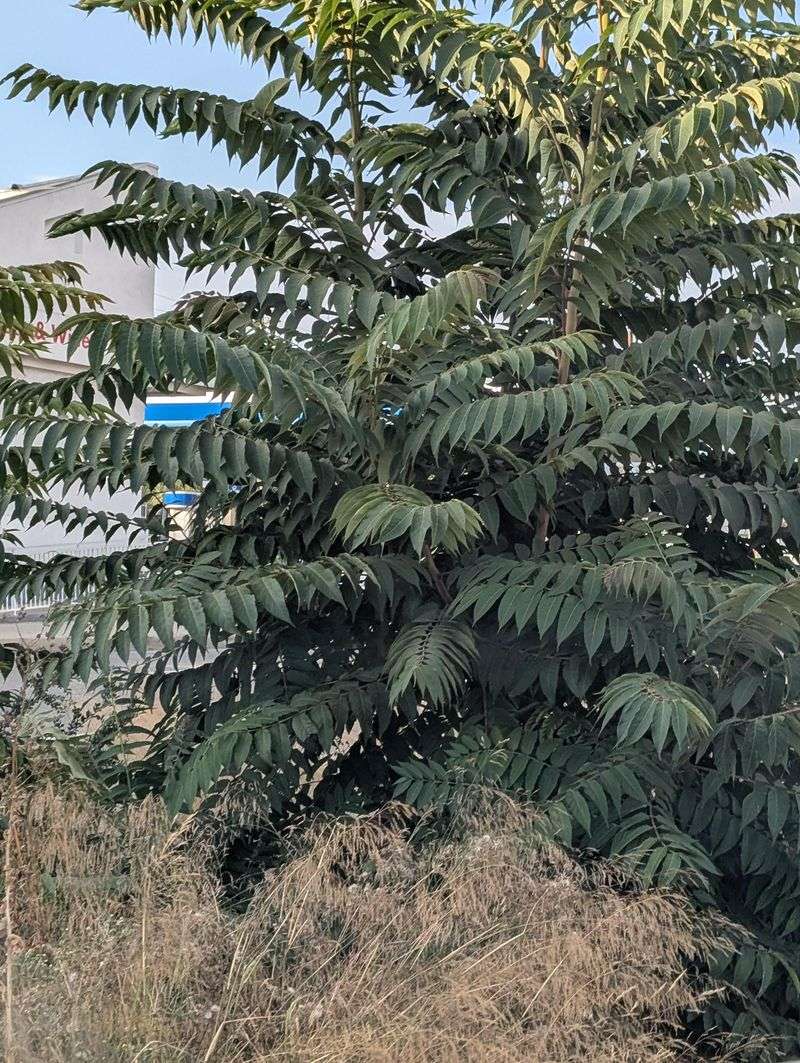
Most people do not think about documentation until they are already in a dispute.
But keeping a record of a spreading plant, when you first noticed it, how fast it grew, and what steps you took, can be incredibly valuable if the situation escalates into a formal complaint or legal case.
Photos are one of the most useful tools you have. Take dated pictures of the plant’s location, size, and spread on a regular basis.
A photo taken every few weeks creates a timeline that shows exactly how the plant moved and when. That kind of evidence is hard to argue against in court or at a code enforcement hearing.
Written records matter too. Keep notes of any conversations you have with your neighbor about the plant.
If you send emails or texts about the issue, save them. If a local official visits your property, write down the date, the name of the officer, and what was discussed. These details add up.
Documentation also protects you if your neighbor tries to claim the plant came from your side when it actually did not.
Having a clear, dated record of the plant’s history helps establish the facts and protects your interests.
Good records show that you acted in good faith and took the issue seriously. Whether you are the one with the plant or the neighbor dealing with the spread, solid documentation gives you a much stronger position no matter where the situation ends up going.