The Shade Tree Quietly Cooling Texas Yards Through The August Heat
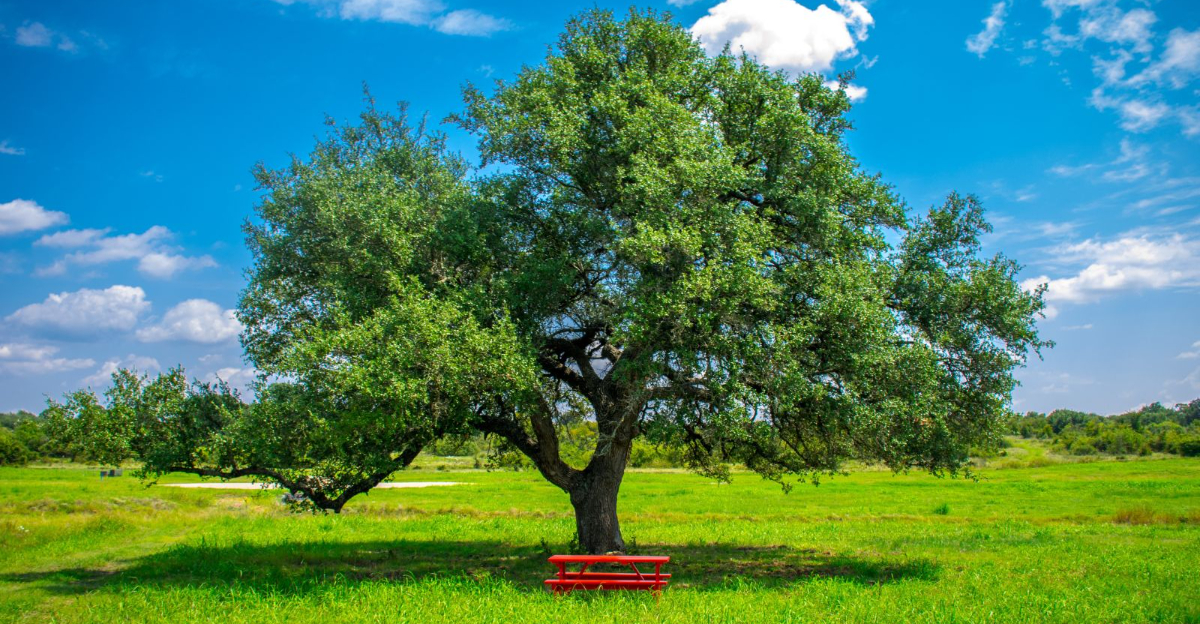
August is the kind of month that makes you deeply appreciate every square foot of shade your yard has to offer. And if your yard does not have much of it right now, that is information worth acting on.
Texas live oak, known botanically as Quercus virginiana, along with its close relative plateau live oak, Quercus fusiformis, are two of the most valued shade trees you can put in a suitable Texas landscape, and for genuinely good reasons.
That broad, spreading canopy can turn a sun-baked patio into an actually comfortable outdoor space, which in August feels nothing short of remarkable.
Deep, extensive root systems also make these trees impressively drought tolerant once properly established. Getting one growing well takes some planning upfront, but the payoff is shade that lasts for generations.
Not a bad return on investment.
1. Live Oak Handles Texas Summer Heat Remarkably Well
Stepping outside on an August afternoon when temperatures climb well into the triple digits, you quickly appreciate any tree that manages to stay green, leafy, and functional without showing obvious signs of struggle.
Established live oaks, both Quercus virginiana along the coast and eastern regions and Quercus fusiformis across the Hill Country and central areas, have adapted over a very long time to warm, sunny Texas conditions.
Their physiology is genuinely suited to hot summers in ways that many popular landscape trees simply are not.
That said, heat tolerance is not the same as immunity from stress. Even a well-established live oak can show signs of strain during an unusually prolonged heat event, especially when high temperatures combine with low soil moisture over an extended period.
The tree’s ability to handle summer heat depends on how well it was established, how healthy its root system is, and whether the site conditions actually match the species’ natural preferences.
Texas has several distinct climate regions, and what works comfortably in the Hill Country may not perform the same way in West Texas or along the Gulf Coast.
Choosing the live oak species or variety best suited to your specific location gives the tree a meaningful head start.
A healthy, well-sited live oak can remain a reliable landscape performer through summer heat, but that outcome depends on thoughtful planting and ongoing care rather than just the tree’s natural toughness.
2. Deep Roots Help Established Trees Survive Extended Drought
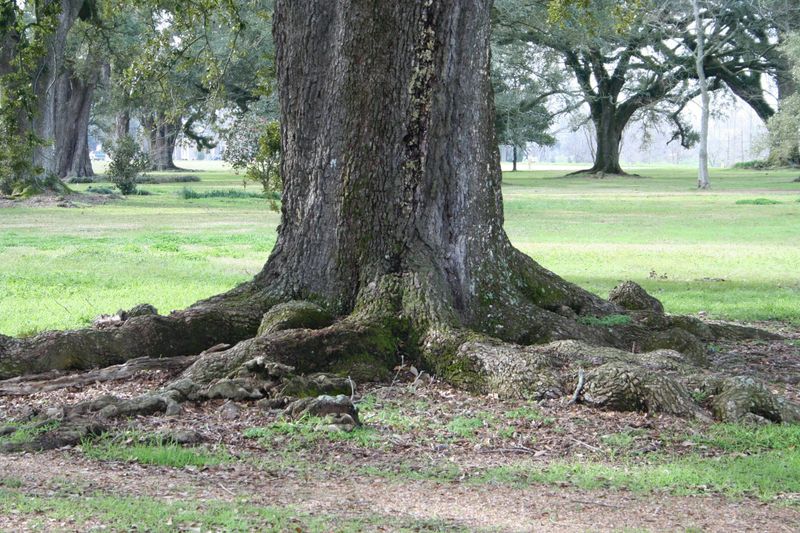
Dry soil in August can feel like hardened clay or cracked concrete depending on where you live, and watching a mature live oak stand firm through weeks without significant rain is one of the more impressive things a Texas yard can offer.
Established live oaks develop extensive root systems that spread outward across a broad area, allowing them to access soil moisture from a much larger zone than many other landscape trees can reach.
This wide-ranging root architecture is a meaningful part of how they manage periods of limited rainfall.
Root depth and spread vary considerably depending on soil type, available moisture, site conditions, and the individual tree’s age and health.
Your Texas Garden Changes Every Week. Your Plan Should Too.
Gardening in Texas changes quickly throughout the season. Every Friday you’ll receive a simple weekly plan showing exactly what to plant, prune, fertilize, harvest, and protect so you never miss the right timing.
Roots extending well beyond the canopy edge can be affected by construction activity, soil compaction, grade changes, or underground utility work, even when the tree itself appears healthy above ground.
Protecting the root zone from unnecessary disturbance is one of the more practical things a homeowner can do for a mature live oak.
Drought tolerance in an established tree does not mean it can go indefinitely without water. During an extended Texas drought, even mature live oaks can experience root stress, leaf scorch, or reduced canopy density.
Younger trees that have not yet built a full root system are considerably more vulnerable.
Supplemental irrigation during prolonged dry spells, especially in regions like North or West Texas with lower average rainfall, can support root health and help the tree recover more smoothly when rains eventually return.
3. Wide Canopy Creates Meaningful Shade Across Texas Yards
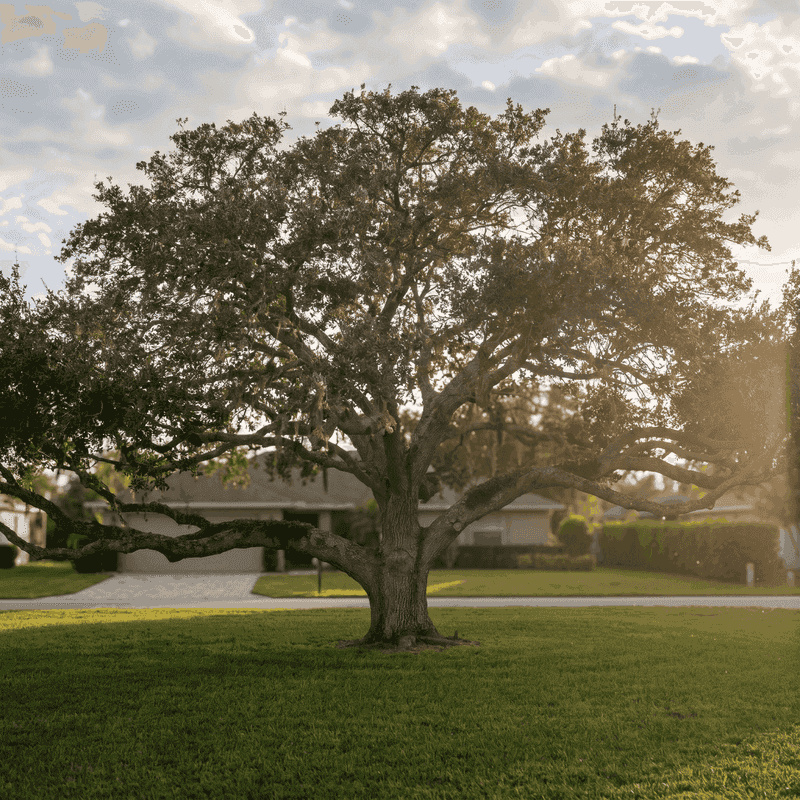
Sitting beneath a fully grown live oak on a bright Texas afternoon feels noticeably different from standing in direct sunlight.
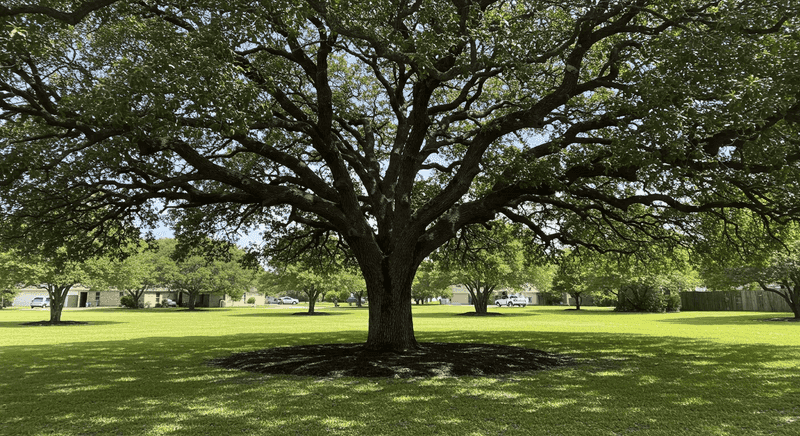
The canopy of a mature live oak can spread impressively wide, creating a shaded zone that covers patios, seating areas, garden beds, and portions of a home’s exterior.
That shade can make outdoor spaces genuinely usable during hours when full sun would otherwise make them uncomfortable. The relief is real, even if the tree is not lowering the air temperature of the entire property by a fixed number of degrees.
Canopy size varies quite a bit depending on the species, the individual tree’s age, growing conditions, pruning history, and how much space is available for horizontal spread. A live oak planted in an open, spacious yard with good soil moisture and plenty of sunlight has the potential to develop a notably wide canopy over time.
A tree crowded by structures, fences, or competing trees may develop a narrower or more irregular form. Expecting every live oak to produce the same canopy shape or the same amount of shade is not realistic.
For homeowners planning a landscape around summer comfort, the canopy’s eventual size is worth thinking about from the start.
Planting a tree where it has room to spread naturally gives it the best chance of developing the kind of broad, layered canopy that makes a genuine difference on a hot Texas afternoon.
Patience is part of the process, since meaningful shade from a young nursery tree can take several years to develop into something substantial.
4. Full Sun Encourages Strong Canopy Development And Growth
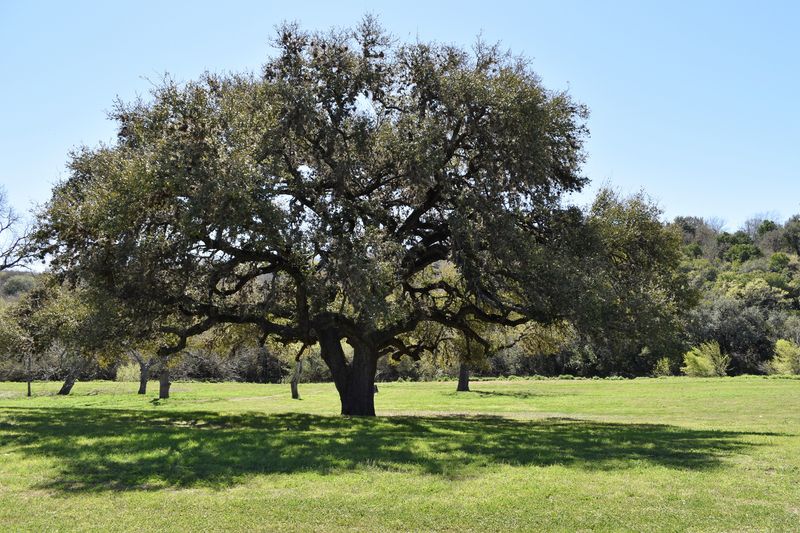
Sunlight is genuinely important to a live oak’s long-term canopy development, and choosing a planting spot with good sun exposure makes a real difference in how the tree grows over time.
Live oaks generally perform best when they receive substantial direct sunlight throughout the day.
A location with full sun supports more vigorous growth, denser foliage, and a more structurally sound canopy compared to a spot where the tree must compete with nearby structures or other trees for available light.
Planting location shapes the tree’s future in ways that are difficult to correct later. A live oak placed too close to a building may grow unevenly as branches reach toward open light.
A tree planted beneath existing mature trees may struggle to develop the broad, spreading form that makes live oaks so valuable in Texas landscapes.
Thinking carefully about what surrounds the planting site – including future construction, maturing neighboring trees, and overhead utility lines – can help avoid situations that limit the tree’s natural form.
Full sun does not eliminate the need for water, particularly during establishment. Even in a perfectly sunny location, a young live oak still needs consistent soil moisture while its root system develops.
Sun exposure supports canopy growth, but it also increases the rate at which soil moisture is used, so a sunny planting site may actually require more attentive watering during the first few years.
Matching the right amount of sunlight with appropriate watering practices gives a young live oak its best foundation for healthy long-term growth in Texas.
5. Newly Planted Live Oaks Need Consistent Water To Establish
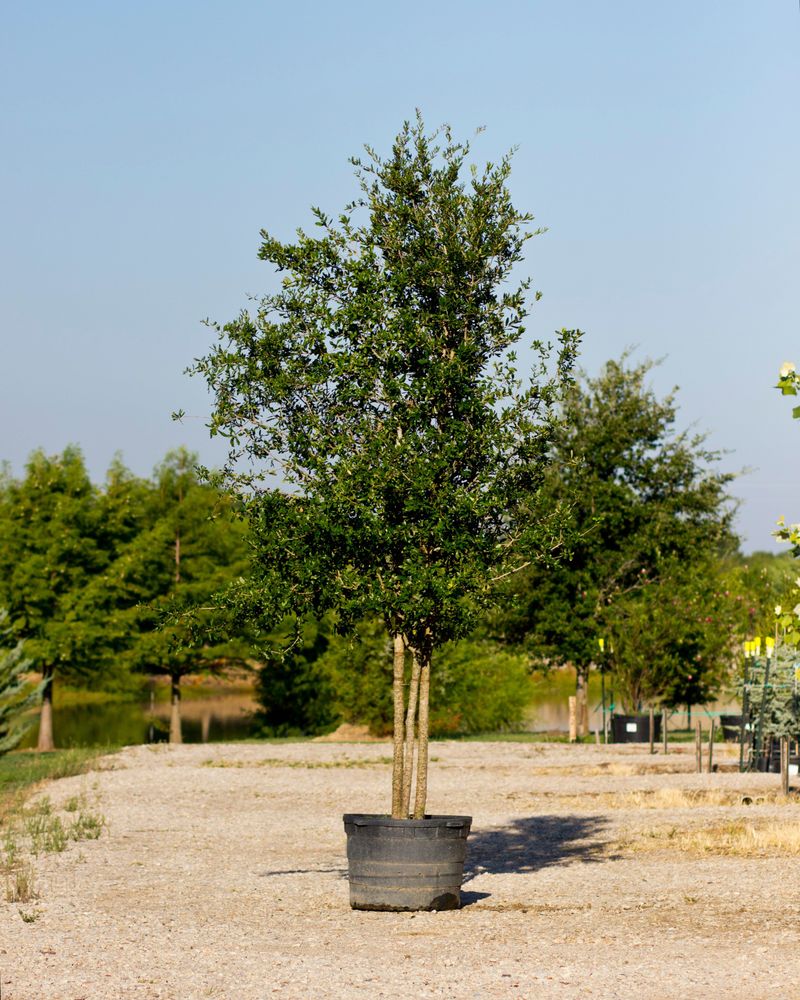
A young live oak fresh from the nursery may look sturdy, but its root system at planting time is quite small relative to what the tree will eventually develop.
Those limited roots need to expand into surrounding soil before the tree can access moisture independently, and that process takes time – often a year or more depending on tree size, soil conditions, planting season, and local rainfall.
During that period, consistent soil moisture is one of the most important things a homeowner can provide.
Watering needs during establishment vary by region across Texas. A newly planted live oak in humid East Texas faces different conditions than one planted in the drier Hill Country or in South Texas summer heat.
Soil type matters too, since sandy soils drain quickly while clay soils hold moisture longer but can also become compacted in ways that limit root growth.
Checking actual soil moisture rather than following a rigid watering calendar helps avoid both underwatering and overwatering, both of which can stress a young tree.
Grass growing right up to the trunk of a newly planted tree competes directly for moisture and nutrients, which can slow establishment noticeably.
Removing turf in a reasonable area around the base and replacing it with organic mulch gives the young roots a better environment to grow into surrounding soil.
Newly planted live oaks are considerably more vulnerable to water stress than established specimens, so consistent attention during the first growing seasons pays off significantly over the long life of the tree.
6. Mulching Around The Base Supports Root Health Through Summer Heat
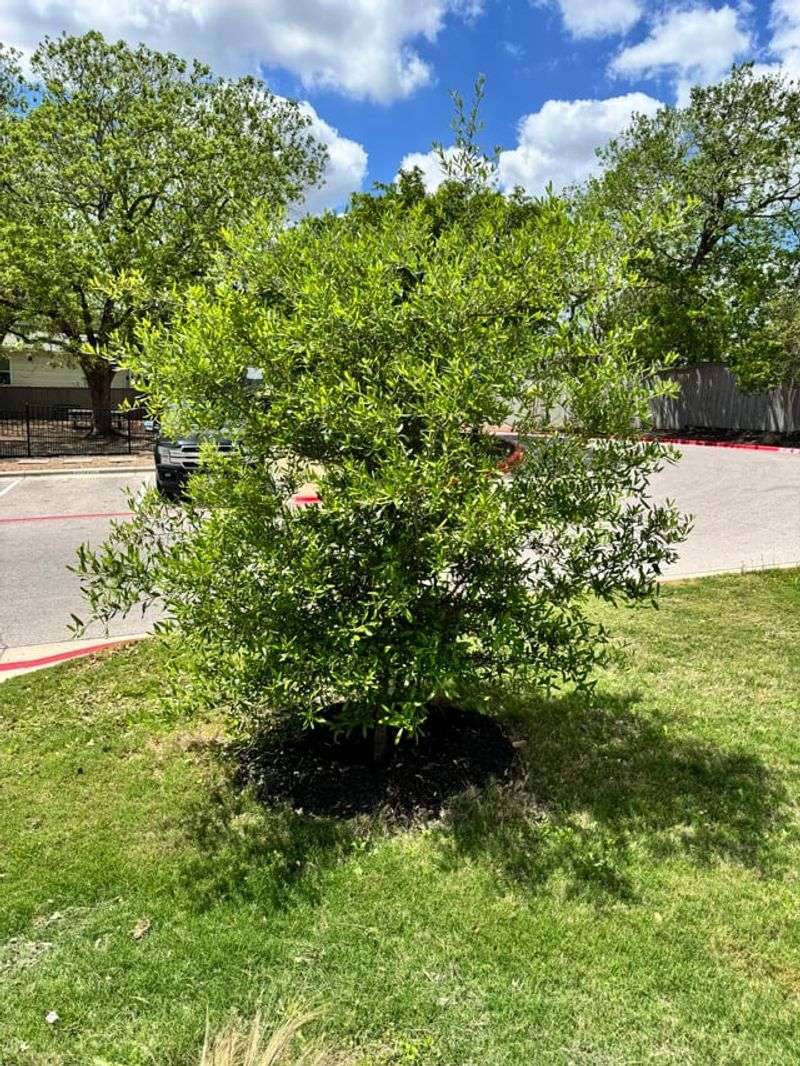
On a scorching summer day, the soil beneath a live oak can lose moisture quickly through evaporation, especially in open areas without natural ground cover.
An appropriate layer of organic mulch spread across the root zone helps slow that moisture loss, giving roots more consistent access to water between rain events or irrigation cycles.
Mulch also moderates soil temperature, which can be a meaningful benefit when August ground temperatures in Texas rise high enough to stress shallow roots.
Beyond moisture retention, organic mulch gradually breaks down and contributes organic matter to the soil, supporting the biological activity that healthy roots depend on.
It also reduces competition from grass and weeds that would otherwise draw moisture and nutrients away from the tree.
For a newly planted live oak still working to establish its root system, a well-maintained mulch ring can meaningfully improve conditions in the root zone during the most stressful summer months.
One important detail that is easy to overlook is keeping mulch away from direct contact with the trunk. Piling mulch against the base of a live oak can hold excess moisture against the bark and create conditions that may lead to trunk problems over time.
Spreading mulch in a wide, even layer that stops a few inches short of the trunk gives the root zone the benefits of coverage without creating problems at the base.
Mulch supports healthy root-zone conditions, but it works best as part of a broader care approach that also includes appropriate irrigation when rainfall is insufficient.
7. Oak Wilt Is The Most Serious Disease Threat For Live Oaks
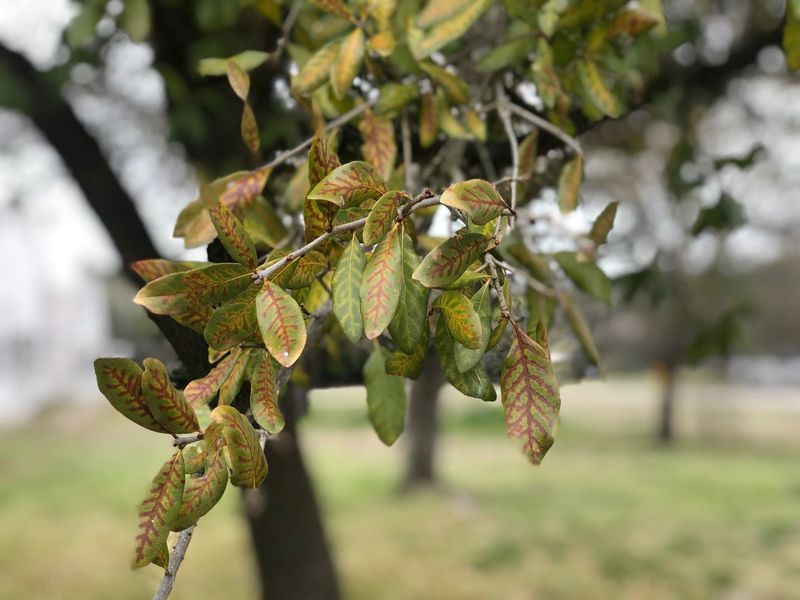
Among the various challenges that live oaks can face in Texas, oak wilt stands out as a particularly serious concern. The disease is caused by a fungal pathogen that disrupts the tree’s ability to move water and nutrients through its vascular system.
Live oaks are among the oak species most significantly affected in Texas, and the disease has caused widespread tree loss across parts of the state, particularly in the Hill Country and Central Texas regions where live oaks are heavily concentrated.
Transmission can happen in two main ways. Sap-feeding beetles can carry fungal spores from infected wood to fresh wounds on healthy trees, making open cuts during periods of active beetle activity a meaningful risk.
Root connections between neighboring live oaks also allow the pathogen to spread from an infected tree to adjacent healthy trees, which is why clusters of affected trees sometimes appear in a spreading pattern across a yard or neighborhood.
Avoiding unnecessary wounds during the periods when transmission risk is highest is one of the most practical steps homeowners can take.
Current guidance from Texas-specific tree-health resources generally recommends caution around pruning timing, particularly in spring when sap-feeding beetles are most active.
Painting or sealing fresh cuts promptly when pruning is necessary has been widely recommended, though homeowners should consult current regional guidance rather than relying on general rules.
Monitoring live oaks for early signs of canopy decline and contacting a certified arborist when symptoms appear gives the best chance of managing the situation before it spreads further.
8. Live Oak Needs Adequate Space To Reach Its Full Potential
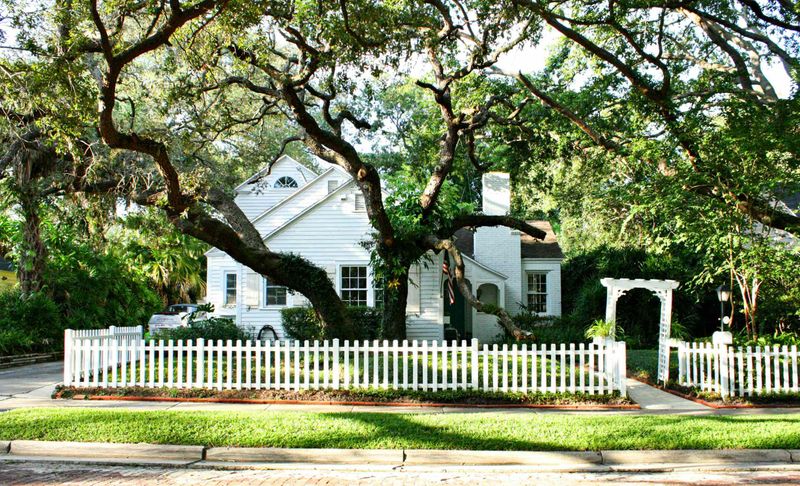
One of the most common mistakes made when planting a live oak is judging the available space by the size of the young nursery tree rather than by the mature size the tree may eventually reach.
A small tree in a five-gallon container gives very little visual indication of the wide canopy, extensive root system, and substantial trunk that a mature live oak can develop over decades.
Planting too close to a house, driveway, sidewalk, fence, septic system, or utility line can create long-term conflicts that become increasingly difficult and costly to manage as the tree grows.
Canopy spread, root spread, and trunk diameter all need room to develop without running into structures or underground infrastructure.
Roots extending beneath driveways or sidewalks can cause surface damage over time, and branches growing toward a roofline or utility lines create ongoing maintenance concerns.
Planning for clearance from buildings and hardscape at planting time is far easier than trying to correct the situation years later when the tree is established and valuable.
For rural properties, large lots, parks, and open Texas landscapes, live oaks have room to express their natural form without creating conflicts. In tighter suburban yards, careful placement is essential.
Consulting a local nursery professional, certified arborist, or Texas cooperative extension resource before selecting a planting site helps match the tree’s eventual size to the available space.
A live oak given adequate room from the start has a much better chance of becoming the kind of broad, comfortable shade tree that makes a Texas yard genuinely worth spending time in during summer.