This Is What Texas Knockout Roses Need Before The Heat Gets Brutal
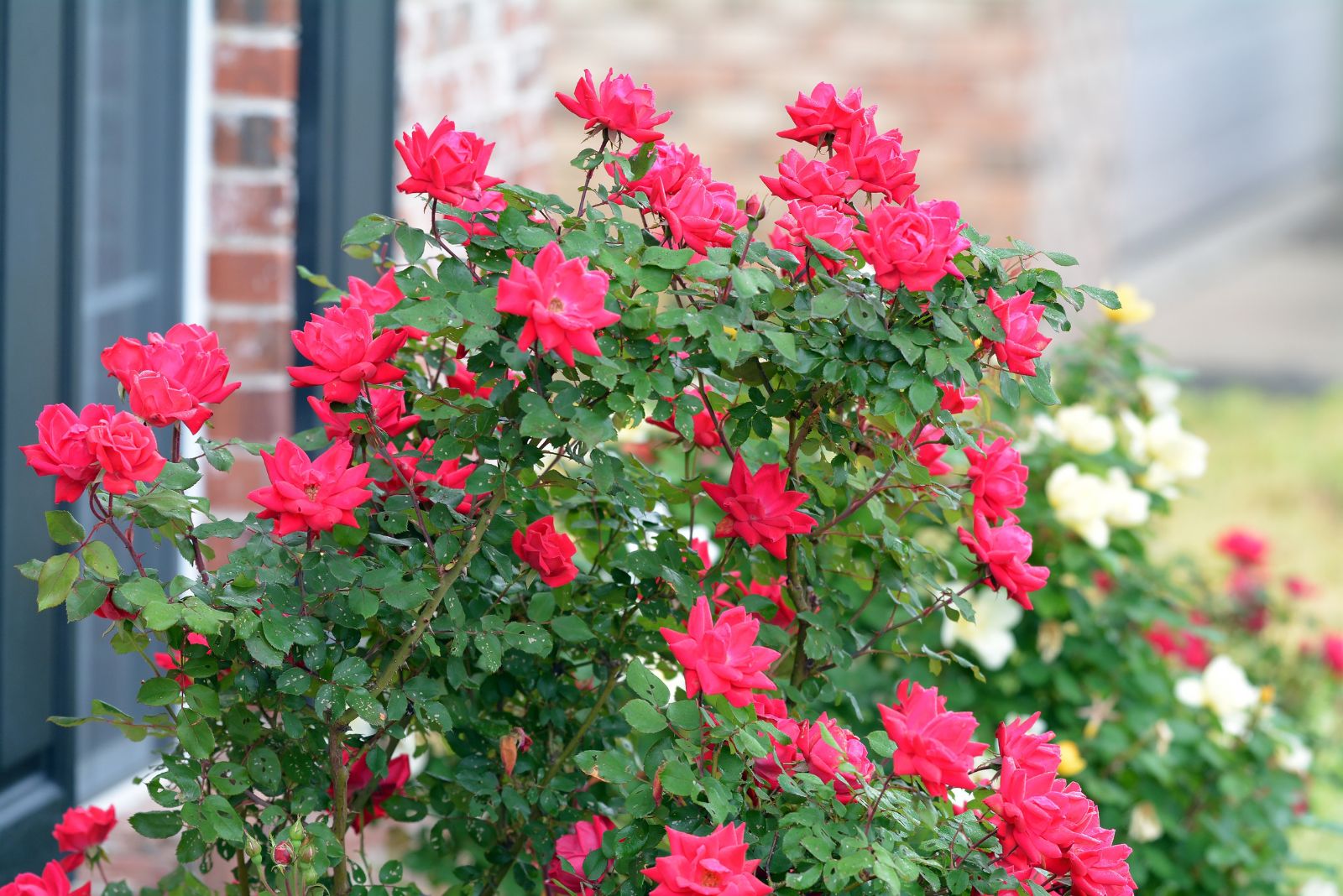
Knockout roses have built a strong reputation in Texas gardens because they genuinely deliver where a lot of other roses fall apart. They bloom heavily, resist disease better than most varieties, and handle the heat with more grace than their more demanding relatives.
That toughness has a limit though, and how your knockout roses perform through the most brutal stretch of Texas summer often comes down to what you do in the weeks before that heat fully settles in. Right now is the window that matters.
Roses going into peak summer well fed, properly pruned, and set up with the right watering habits will bloom more consistently and recover from heat stress faster than ones that were left to manage on their own.
A few targeted steps taken at the right time make a noticeable difference in the health and output of these plants, and none of them are complicated once you know what to prioritize.
1. Deep Watering Before Extreme Heat Arrives
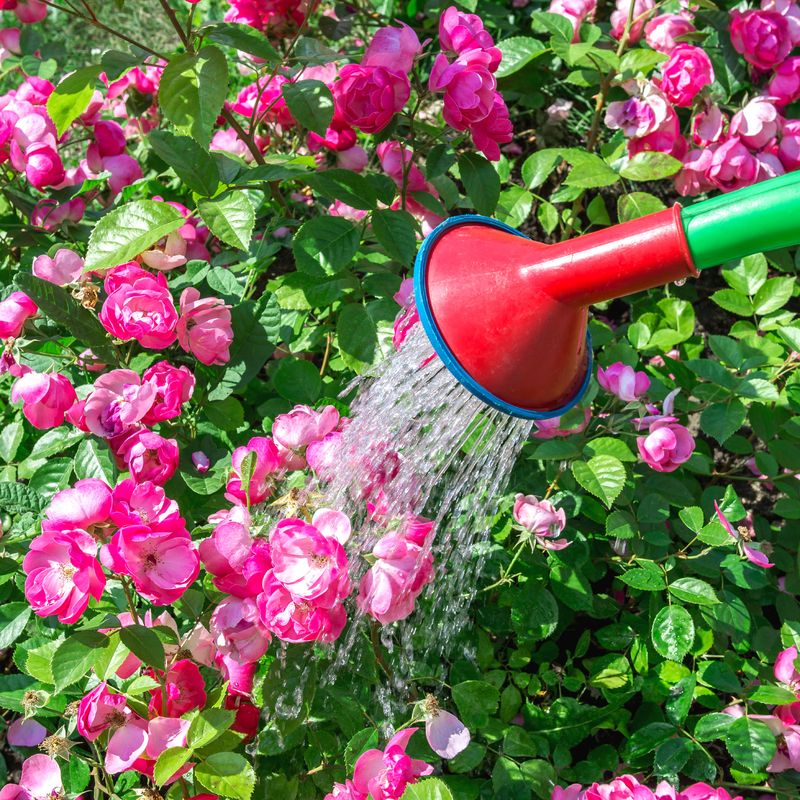
Roots are everything when it comes to surviving a Texas summer. Before the brutal heat settles in, your Knockout Roses need deep, thorough watering sessions that push moisture far down into the soil.
Shallow watering only wets the top few inches, which trains roots to stay near the surface where they are most vulnerable to scorching temperatures.
Deep watering encourages roots to grow downward, where the soil stays cooler and holds moisture longer. A good rule of thumb is to water slowly and steadily for at least 30 to 45 minutes, allowing the water to soak down 12 to 18 inches into the ground.
A soaker hose or drip irrigation system works really well for this purpose because it delivers water directly to the root zone without waste.
Start deep watering sessions two to three weeks before your hottest months typically begin. In most parts of Texas, that means getting serious about this routine by late April or early May.
Watering two to three times per week during this preparation period gives your roses a strong head start. Always water at the base of the plant rather than overhead to keep foliage dry and healthy.
Once your roses have developed those deep, established roots, they will handle the extreme summer heat with much greater resilience and bounce back faster between waterings.
2. Fresh Mulch Around The Base
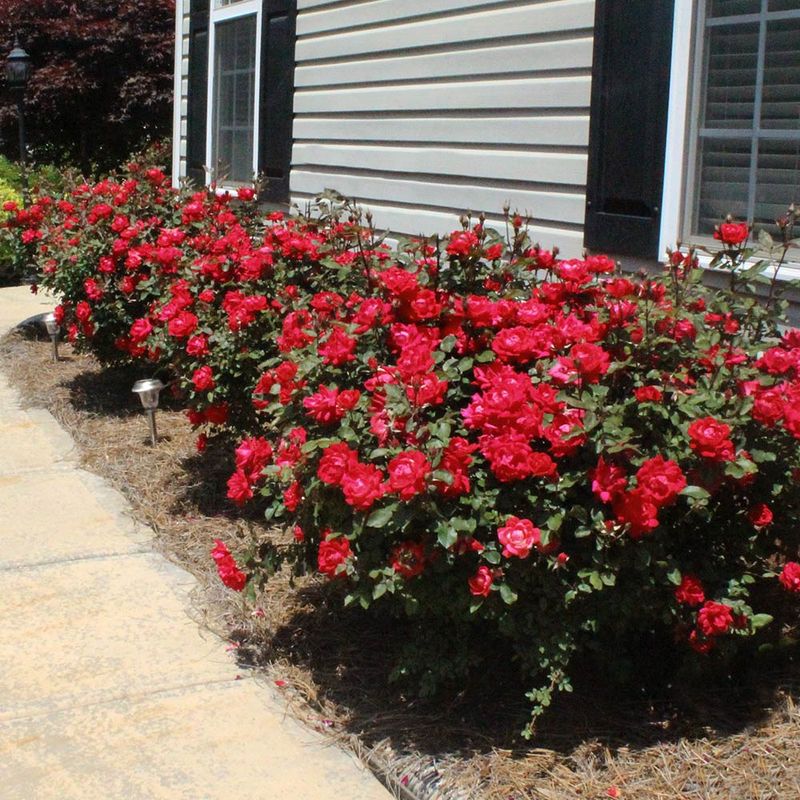
There is something almost magical about a fresh layer of mulch. Spread it around your Knockout Roses before summer heat peaks, and it quietly goes to work protecting everything underground.
Mulch acts like a blanket for the soil, keeping root temperatures several degrees cooler than exposed ground sitting directly under a blazing Texas sun.
Beyond temperature control, mulch dramatically slows down water evaporation. Without it, moisture can disappear from the top layers of soil within hours on a hot day.
With a good layer of mulch in place, that same moisture sticks around much longer, reducing how often you need to water and lowering overall plant stress during the toughest months of the year.
Your Texas Garden Changes Every Week. Your Plan Should Too.
Gardening in Texas changes quickly throughout the season. Every Friday you’ll receive a simple weekly plan showing exactly what to plant, prune, fertilize, harvest, and protect so you never miss the right timing.
Aim for a mulch layer that is about three to four inches deep around each rose bush. Keep the mulch pulled back a couple of inches from the main stem to prevent moisture from sitting directly against the bark, which can lead to rot or fungal issues over time.
Organic mulches like shredded hardwood, pine bark, or cedar chips work especially well because they break down slowly and improve soil quality as they decompose.
Apply fresh mulch every spring before temperatures climb, and top it off mid-summer if it starts to thin out.
Your roses will reward you with stronger growth, better blooms, and noticeably improved endurance through those long, punishing Texas heat waves that seem to stretch on forever.
3. Light Pruning After Spring Blooming
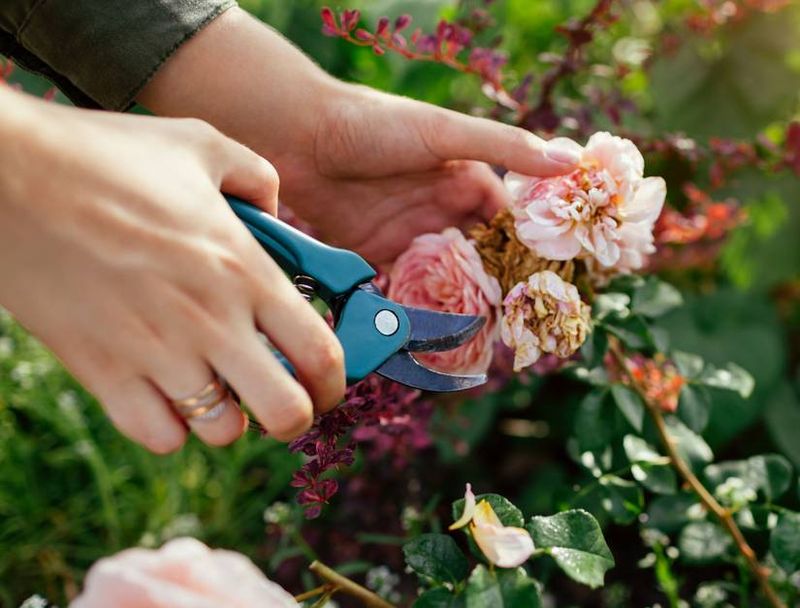
After your Knockout Roses finish their first big spring flush, grab your pruning shears and give them a light cleanup. You do not need to do a heavy cutback at this point.
The goal is simply to remove spent blooms, weak or spindly stems, and any crossing branches that crowd the center of the plant. Keeping things tidy encourages the rose to put its energy toward new, healthy growth instead of wasting resources on old material.
Light pruning also improves airflow through the plant, which becomes especially important as hot, humid summer weather approaches. Good airflow reduces the chances of fungal diseases taking hold on the foliage.
Blackspot and powdery mildew both love warm, stagnant conditions, so opening up the canopy a bit gives your roses a real advantage going into summer.
Always use clean, sharp pruning shears when working with roses. Dull or dirty blades can crush stems or spread disease between plants.
Wipe your blades with rubbing alcohol between cuts if you notice any signs of disease on the foliage. Cut stems at a 45-degree angle just above an outward-facing bud eye, which helps direct new growth away from the center of the plant.
This type of thoughtful, strategic pruning might feel like a small effort, but it genuinely sets your Knockout Roses up for a more productive and healthier summer season.
Roses that are well-shaped going into the heat tend to bloom more consistently and recover more quickly from weather stress throughout the season.
4. Early Checks For Spider Mites And Aphids
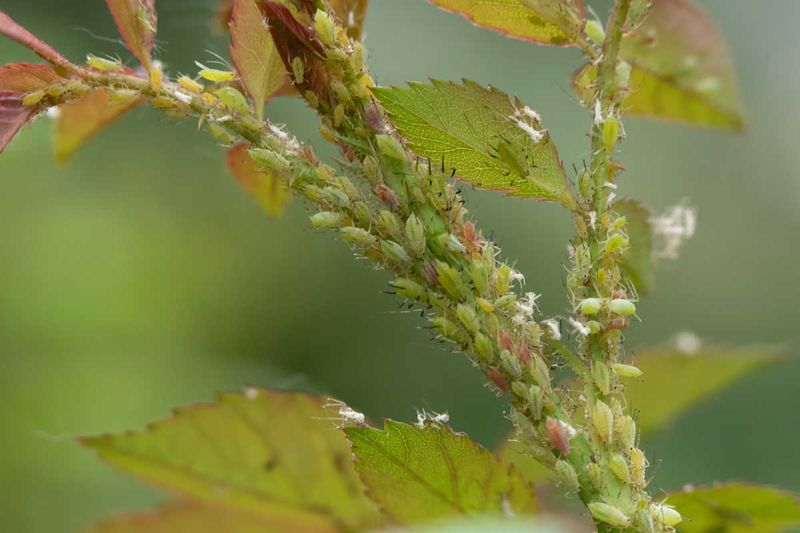
Hot and dry weather is basically a welcome party for spider mites. These tiny pests are almost invisible to the naked eye, but the damage they cause is very easy to spot.
Leaves start looking dusty, dull, or stippled with tiny yellow or bronze dots. If you notice fine webbing on the undersides of leaves, spider mites have already moved in and started feeding on your roses.
Aphids are another common troublemaker that tends to show up in clusters on new growth and tender buds. They suck sap from the plant and can cause new shoots to curl, yellow, or look distorted.
Both spider mites and aphids reproduce incredibly fast in warm conditions, so catching them early before summer heat fully arrives is the smartest approach a gardener can take.
Make a habit of checking the undersides of leaves at least once a week starting in late spring.
Catching a small infestation early is much easier to manage than dealing with a full-scale outbreak in July. A strong blast of water from a garden hose can knock aphids off the plant effectively.
For spider mites, neem oil or insecticidal soap sprays applied in the early morning work well without harming beneficial insects like ladybugs and lacewings, which are natural predators of both pests.
Staying proactive with these checks means your Knockout Roses head into the hottest part of the year healthy, vigorous, and far less likely to suffer serious setbacks from pest damage.
5. Morning Watering Instead Of Evening Watering
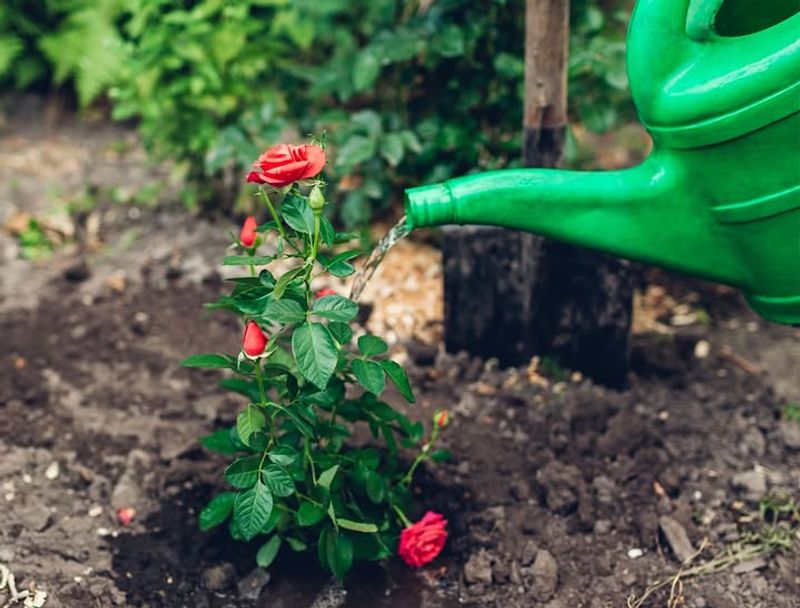
Timing your watering sessions might seem like a minor detail, but it actually makes a meaningful difference for the long-term health of your Knockout Roses.
Watering in the morning gives plants the moisture they need right before temperatures start climbing, which means they are well-hydrated heading into the hottest part of the day. That head start can reduce wilting and physical stress on the plant significantly.
Evening watering, on the other hand, leaves moisture sitting on foliage overnight. Roses that go to bed wet are far more likely to develop fungal problems like blackspot or downy mildew.
These diseases thrive in warm, damp conditions, and Texas summer nights can be surprisingly humid even when daytime temperatures are extreme.
Switching to morning watering is one of the simplest ways to cut down on disease pressure without spending a single extra dollar.
Try to water early enough that any moisture splashed onto leaves has time to dry off completely before noon. Between 6 and 9 in the morning is generally the sweet spot for most Texas gardeners.
If you use an automatic irrigation system, adjust your timer to run during those early morning hours. Soaker hoses and drip emitters are even better because they deliver water directly to the soil without wetting foliage at all.
Building this simple habit into your regular garden routine takes almost no extra effort but pays off in noticeably healthier, more disease-resistant Knockout Roses all the way through the long Texas summer months ahead.
6. Moderate Feeding Instead Of Heavy Fertilizing
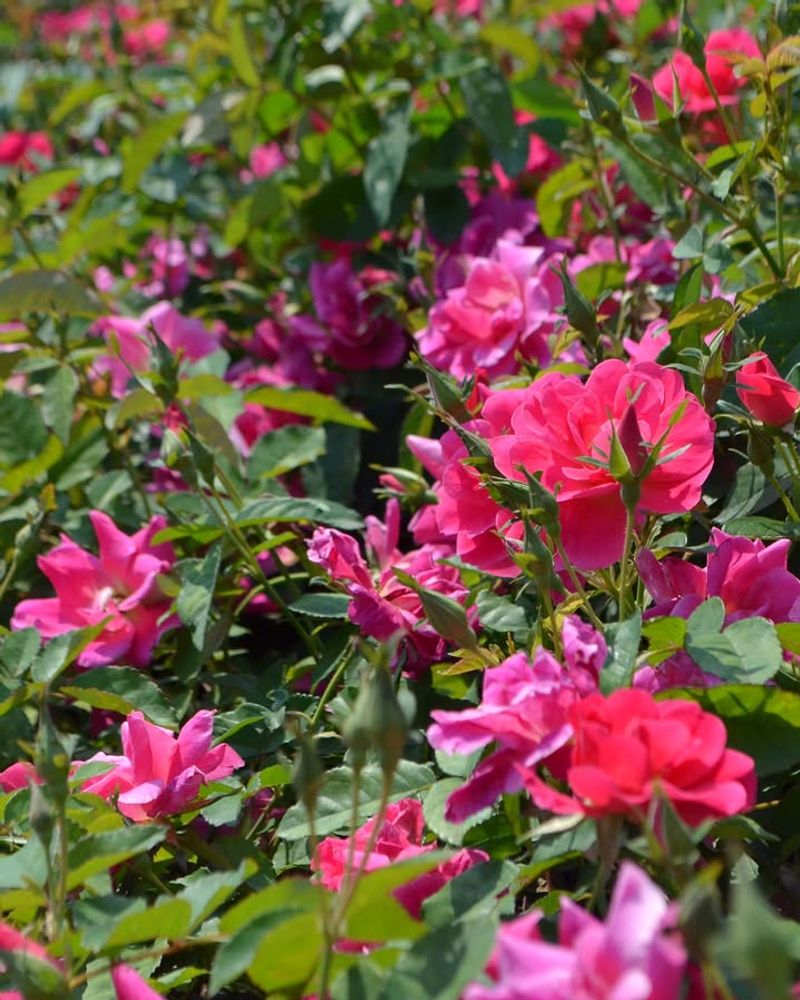
More fertilizer does not always mean better results, especially when extreme heat is just around the corner. Dumping a heavy dose of nitrogen-rich fertilizer on your Knockout Roses right before summer peaks can actually backfire in a big way.
Excess nitrogen pushes out a sudden flush of soft, tender new growth that is highly vulnerable to heat stress, pest damage, and disease. That lush-looking growth sounds appealing, but it can weaken the plant overall at exactly the wrong time of year.
A moderate feeding approach is much smarter heading into summer. Use a balanced rose fertilizer or a slow-release granular formula that delivers nutrients steadily over several weeks rather than all at once.
Slow-release fertilizers are especially practical for Texas gardeners because they reduce the risk of over-feeding and work with your watering schedule naturally without requiring constant reapplication throughout the season.
Feed your Knockout Roses lightly about four to six weeks before your hottest weather typically arrives. After that, hold off on heavy feeding until temperatures start to drop again in early fall.
During the peak of summer, a light application of liquid fertilizer every four to six weeks is plenty to keep your roses nourished without pushing vulnerable new growth.
Always water your roses thoroughly before and after applying any fertilizer to prevent root burn, which can happen quickly in hot, dry soil conditions.
Feeding with intention and restraint gives your Knockout Roses exactly what they need to stay strong, colorful, and resilient through even the most punishing Texas heat waves of the season.