The Georgia Yard Condition That Can Bring Voles Closer To Garden Beds
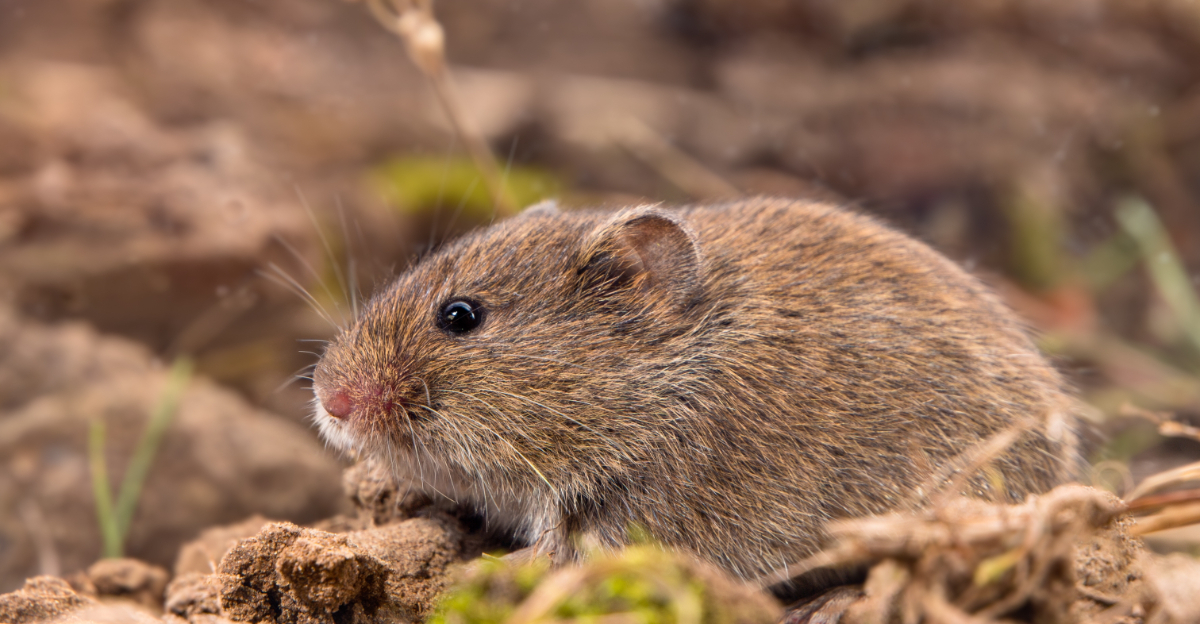
That thick patch of grass beside your garden bed may be offering more shelter than you realize. Voles favor areas where dense vegetation gives them cover while they move and feed.
This can become especially noticeable in Georgia yards with overgrown grass, heavy groundcover, or thick weeds. Protected spaces allow these small rodents to travel while staying hidden from predators.
Garden beds can become attractive once that sheltered route brings voles near tender plants. Roots, bulbs, tubers, and lower plant parts may provide convenient food nearby.
You do not need to strip your yard bare to make the area less inviting. Instead, focus on reducing excessive cover directly around vulnerable beds.
A little extra space around plants can make a meaningful difference.
Simple yard maintenance can remove the sheltered pathways that make garden areas easier for voles to reach.
1. Dense Ground Cover Can Bring Voles Closer
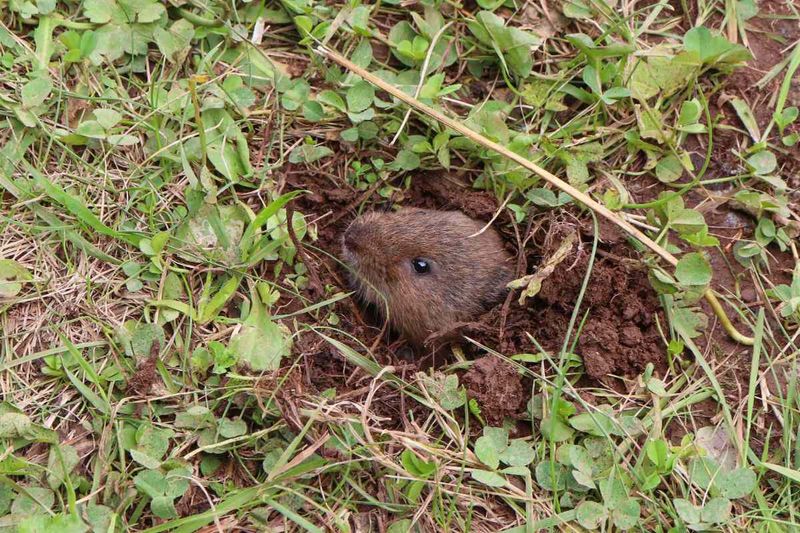
Thick ground cover is one of the biggest invitations a vole could ever get. When plants like ivy, liriope, or creeping juniper spread out unchecked, they create a cozy blanket that voles love to hide under.
It is warm, moist, and almost completely out of sight.
Voles do not like being exposed. Open space feels risky to them.
Dense, low-growing plants give them the cover they need to move around, forage, and nest without feeling vulnerable.
In Georgia, many popular ground covers grow fast and spread wide. That can be great for curb appeal, but it also creates ideal conditions for voles to settle in close to garden beds.
Trimming back ground cover regularly helps reduce those hidden pathways. Keeping plants neat and thinned out removes the protective layer voles depend on.
Even a few inches of clearance near the soil surface can make a spot feel less safe to them.
Ground cover is not something you need to remove entirely. Just manage it with intention.
Keep edges clean, pull back anything creeping toward garden borders, and check underneath dense patches for signs of activity like small runways or chewed stems.
2. Hidden Runways Reveal Where Voles Are Moving
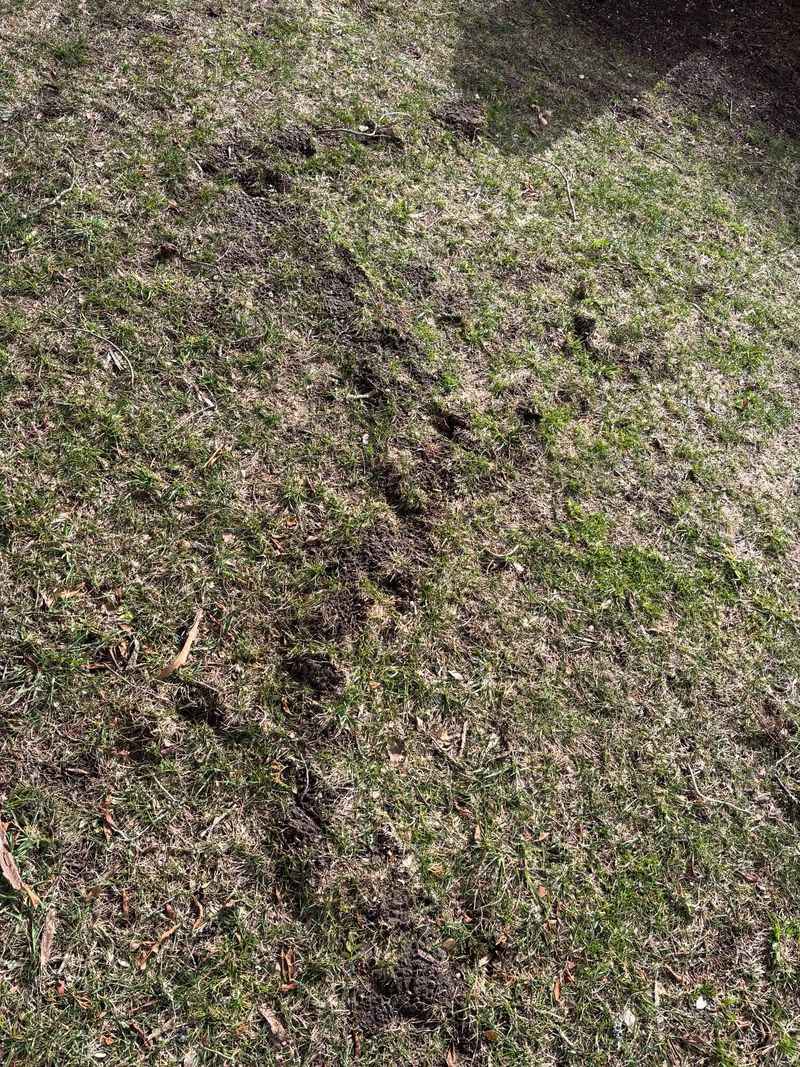
Spotting a vole runway feels a bit like finding a secret road map. These narrow paths cut through grass, mulch, or low vegetation and show exactly where voles travel back and forth.
Once you know what to look for, they are surprisingly easy to spot.
Runways are usually about one to two inches wide. They tend to follow the same route repeatedly, wearing down a visible trail through ground-level growth.
You might notice flattened grass or a shallow groove running along a garden edge.
Finding runways early is useful. It tells you which areas of your yard are getting the most vole traffic.
That information helps you focus your efforts on the right spots rather than treating the whole yard.
Runways that lead directly toward a garden bed are a clear sign that voles are already interested in what is growing there. Roots, bulbs, and tender stems can all attract them once they are close enough to reach.
Your Georgia Garden Changes Every Week. Your Plan Should Too.
Gardening in Georgia changes quickly throughout the season. Every Friday you’ll receive a simple weekly plan showing exactly what to plant, prune, fertilize, harvest, and protect so you never miss the right timing.
Checking the yard after rain is a good habit. Soft soil and flattened plant material make runways easier to see.
Walk slowly along garden borders and look for those narrow, worn-down paths near mulched areas, plant bases, or along fences and landscape edging.
3. Garden Beds Can Provide An Easy Food Source
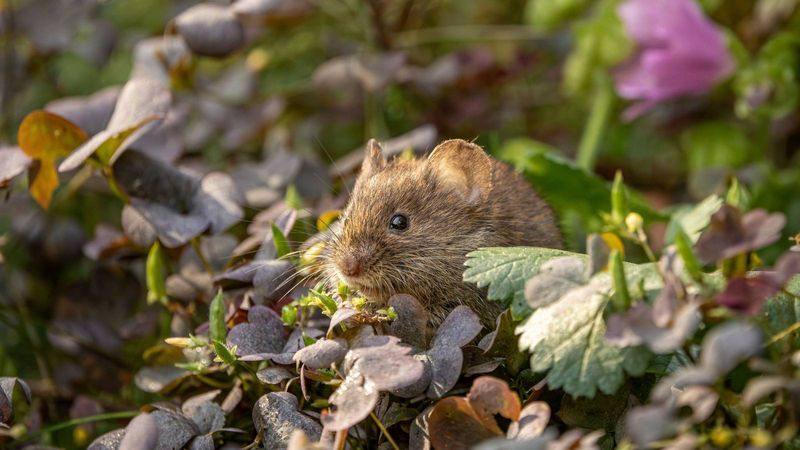
Voles are not picky eaters. Roots, bulbs, tubers, and low-growing stems all work for them.
A well-planted garden bed can look like a buffet if the conditions are right.
Bulb plants like tulips, crocuses, and lilies are especially attractive to voles. They will dig just below the surface to reach them, sometimes leaving behind hollowed-out spots in the soil where a bulb used to be.
You may not notice the damage until a plant fails to come up in spring.
Root vegetables are also at risk. Carrots, beets, and sweet potatoes grown close to areas with heavy ground cover or mulch can draw voles in without much effort on their part.
Protecting garden beds starts with understanding what you are growing and how exposed it is. Wire mesh placed under raised beds can block access from below.
Planting bulbs in wire cages is another option that many gardeners in the Southeast find practical.
Keeping mulch pulled back a few inches from plant stems also helps. Deep mulch right up against plants creates a covered tunnel system that voles can use without being seen.
A small gap between mulch and stems takes away some of that easy access and makes the bed feel less secure to them.
4. Chewed Stems May Be An Early Warning Sign
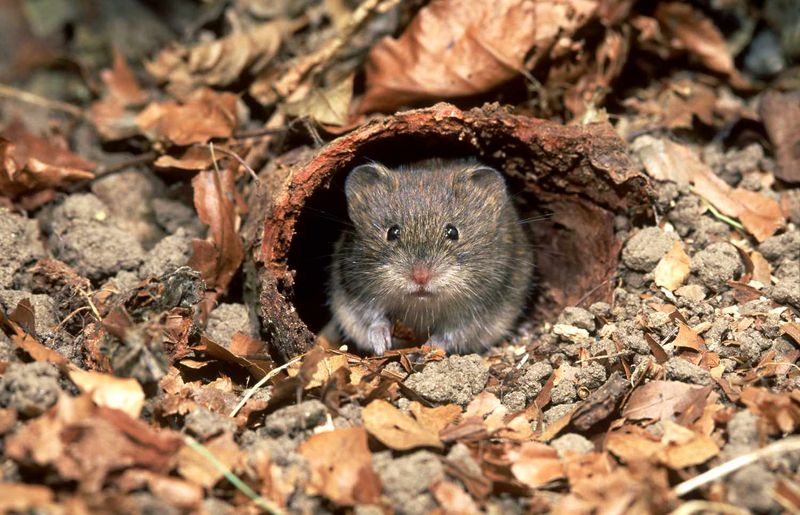
Chewed stems at ground level are often the first clue that something small is feeding in your garden. Voles tend to gnaw on stems close to or just below the soil surface.
The cuts can look clean and angled, or rough and jagged depending on the plant.
Unlike insect damage, vole chewing tends to happen at a consistent height. Look for cuts right at soil level or just an inch or two above it.
If multiple plants in the same area show similar damage, voles are a likely cause worth investigating.
Young transplants and thin-stemmed perennials are especially vulnerable. A vole can sever a small stem quickly, and by the time you notice, the plant may already be struggling to recover.
Checking garden beds after periods of cool or wet weather can help catch damage early. Voles tend to be more active when temperatures drop and food sources above ground become limited.
That is when underground and ground-level feeding picks up.
Catching this sign early gives you time to act. Adding physical barriers, adjusting mulch depth, or clearing nearby dense growth can all reduce the risk of further feeding.
Waiting too long often means more plants are affected before the source of the problem gets addressed. Early attention makes a real difference.
5. Damage Often Starts Close To Ground Level
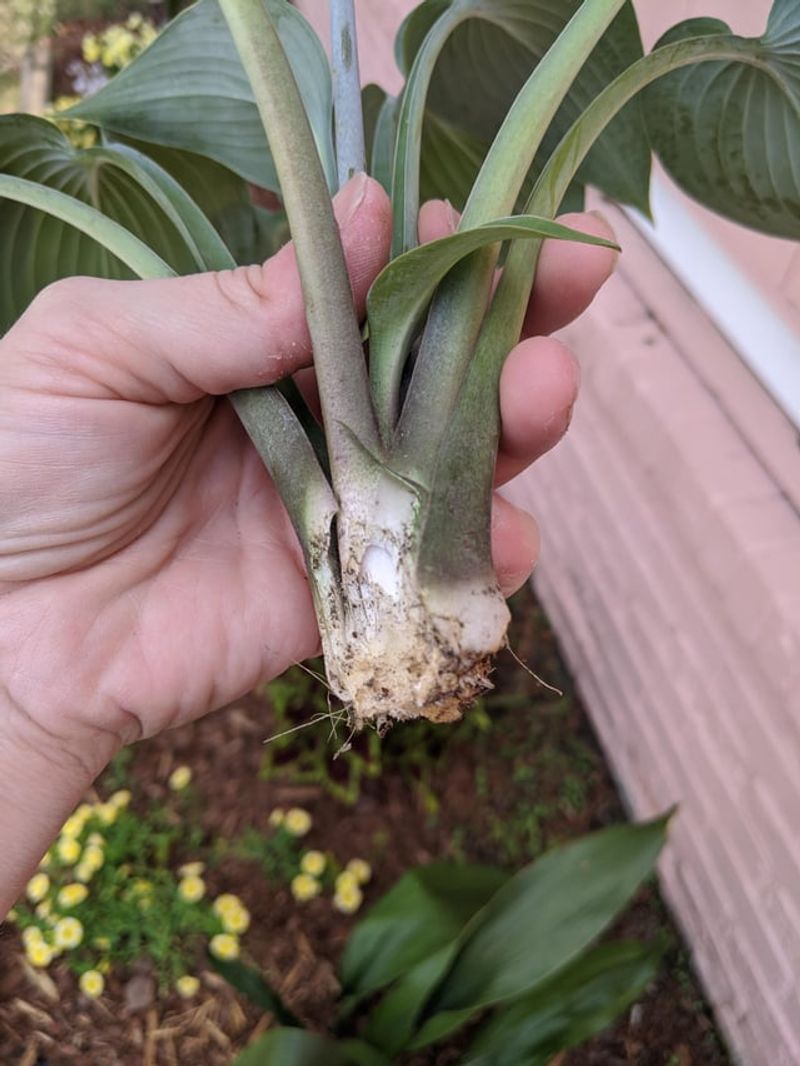
Ground-level damage has a way of sneaking up on gardeners. Voles feed low, often right at or just under the soil line, which means the injury to a plant may not be visible until the plant starts to wilt or fail.
Root damage is especially tricky to catch. A plant can look healthy above ground while its root system is being fed on from below.
By the time you see yellowing leaves or a plant that pulls out of the ground too easily, the underground feeding may have already been going on for a while.
Loose soil, sunken spots, or small tunnel openings near plant bases are worth inspecting. These can signal that voles have been active just below the surface.
Gently pressing the soil around a struggling plant can sometimes reveal hollow spaces underneath.
In raised beds, damage tends to show up along the inner edges first. Voles enter from the sides and work their way inward.
Checking the perimeter of a bed regularly is a practical habit during active seasons.
Staying observant at ground level is one of the most useful things a gardener can do.
Catching subtle signs early, like soft soil, shifted mulch, or slightly leaning plants, gives you a better chance of addressing the problem before it spreads across a wider area of the garden.
6. Clearing Excess Growth Makes Beds Less Inviting
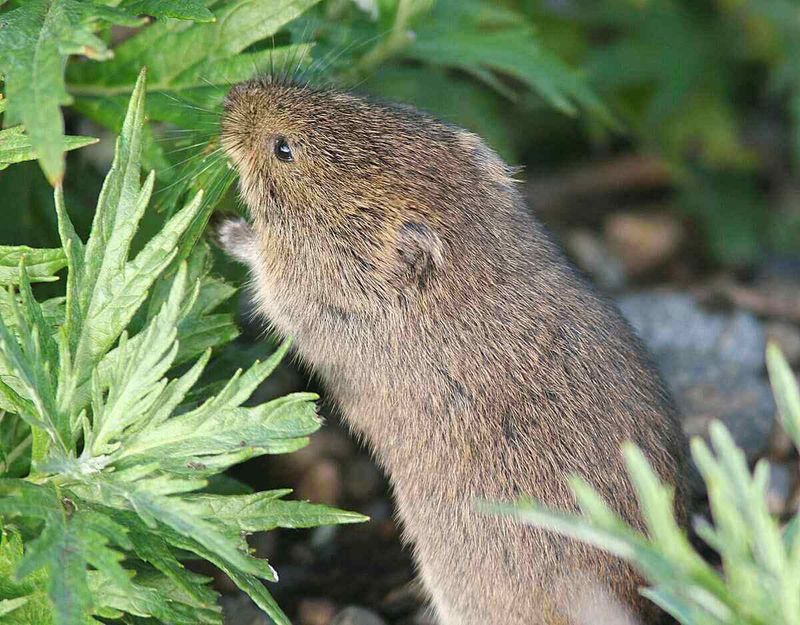
Overgrown yards give voles exactly what they want. Weeds, tall grass, fallen leaves, and tangled ground cover all add up to a landscape that feels safe for small rodents to move through and nest in.
Clearing out excess growth around garden beds removes a lot of that comfort. Voles prefer areas where they can stay hidden.
Once a space is tidied up and open, it tends to feel less appealing to them.
Focus on the edges first. Garden borders that back up against weedy patches, overgrown shrubs, or neglected lawn sections are the most likely entry points.
Keeping those transition zones clean and maintained can slow vole movement toward planted areas.
Leaf piles and compost placed too close to beds can also attract voles. Both provide warmth and potential nesting material.
Moving those away from garden borders is a simple adjustment that reduces risk without much effort.
Seasonal clearing matters here in the South. Fall cleanup is especially useful because it removes the layer of decaying plant material that builds up over summer.
Going into cooler months with a tidier yard means fewer places for voles to settle before winter feeding begins. Consistent maintenance through the year tends to work better than one big annual cleanup.
Small, regular efforts keep conditions less favorable over time.
7. Open Borders Leave Voles With Less Protection
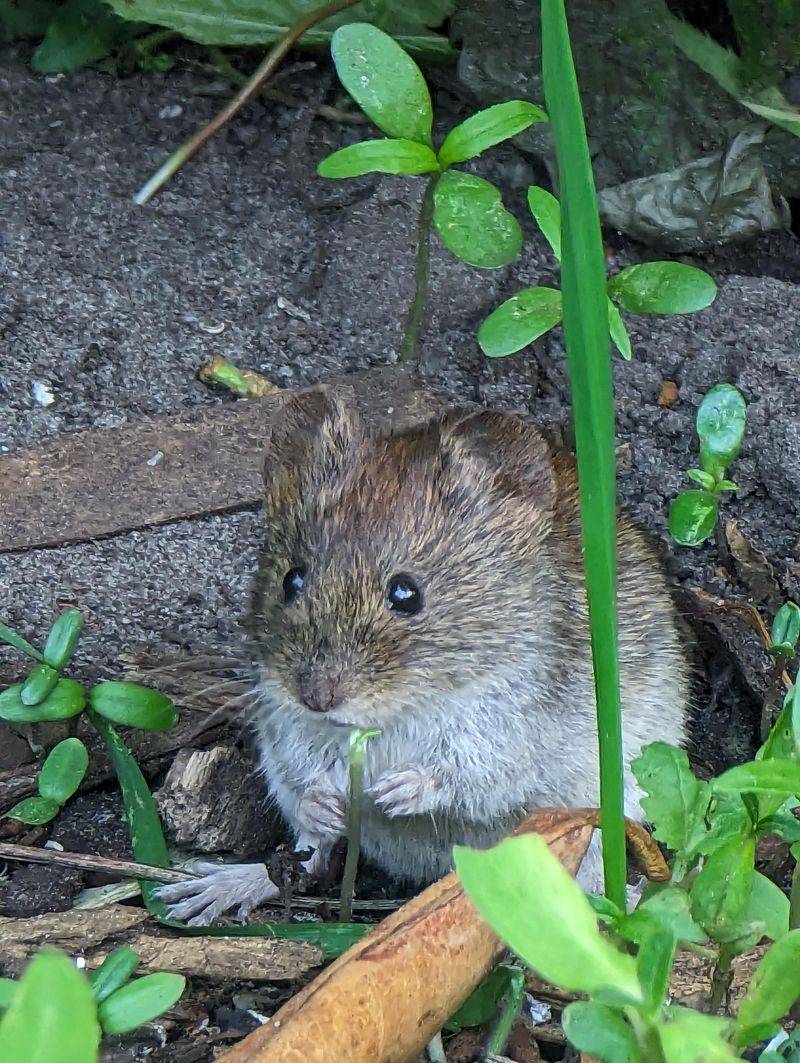
Open space around garden beds works against voles in a practical way. Without cover, they are more exposed to predators like hawks, owls, and foxes.
That exposure alone can discourage them from spending much time in an area.
Creating clear borders around beds does not require a total landscape overhaul. Pulling back ground cover, trimming low-hanging shrubs, and keeping lawn grass short near garden edges can open up enough space to make a noticeable difference.
Gravel borders are another option some gardeners use. A strip of coarse gravel around a bed creates an open, uncomfortable surface for voles to cross.
It does not block them entirely, but it adds a layer of inconvenience that can redirect their movement.
Across much of the Southeast, yards tend to be lush and layered, which naturally creates more hiding spots. Being mindful of how much cover exists right at garden edges is a habit worth building.
Even a foot or two of open, clear ground can shift conditions enough to matter.
Pairing open borders with other maintenance habits gives the best results. Trimmed edges, reduced mulch depth near plant bases, and cleared ground cover work together to make garden beds feel less sheltered.
Voles tend to move toward areas that offer more protection, so removing that protection is one of the most straightforward approaches available to home gardeners.