Avoid These Yard Mistakes Before Black Widows Move In This Virginia Summer
Black widows are already watching your yard right now. Darkness draws them in faster than any heatwave. Virginia’s warm spells push these spiders into hiding spots you forget.
Cracks and woodpiles turn into instant shelter overnight. Nobody notices until it’s already too late. Warmth forces black widows toward shade and silence. Your porch, shed, and garage become instant targets.
Every gap you ignore becomes an open invitation. Patience happens to be a black widow’s sharpest advantage. Rarely will it announce itself before settling in.
Small changes around your property can remove their favorite hideouts. Nothing about this pattern slows down when Virginia heat spikes. Waiting never helps you notice it first.
Few homeowners realize how close these spiders actually get. Most homeowners never think to check these places.
Ignore them and black widows quietly move in. You won’t want to miss what happens once darkness fully takes over your yard.
1. Cluttered Woodpiles Create Hiding Spots
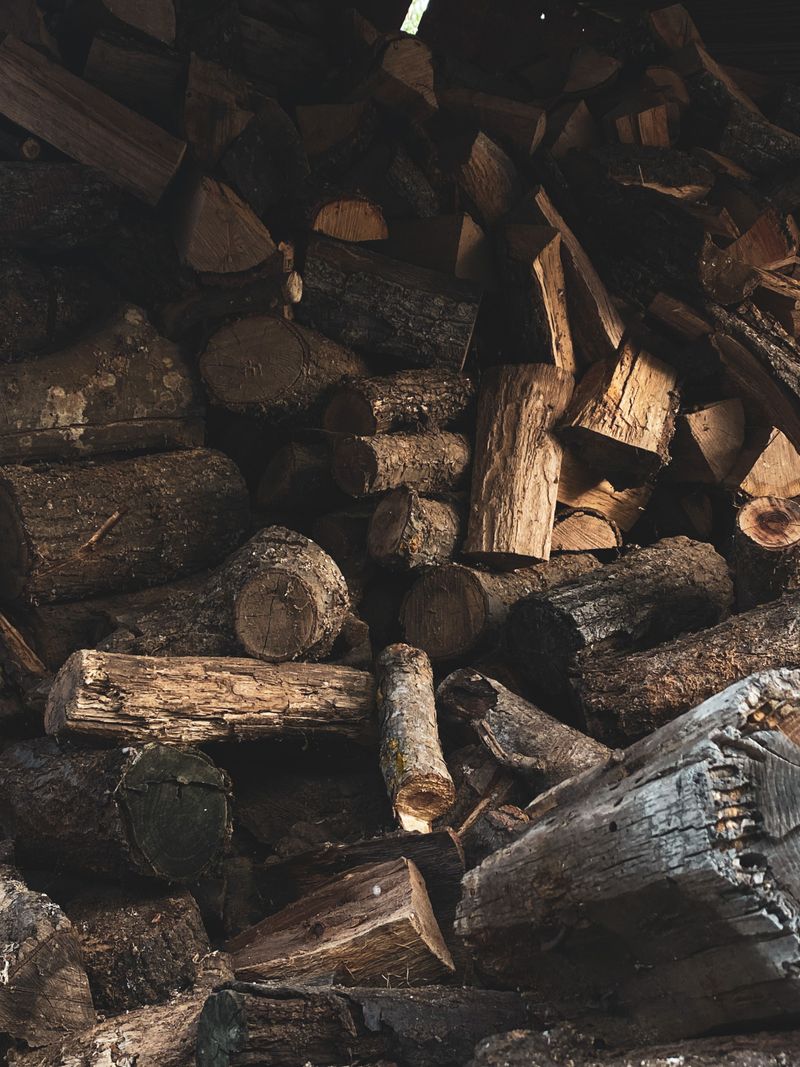
That old woodpile by the fence deserves a second look. Black widows are drawn to the dark gaps between stacked logs, especially during heat waves when they need cool shelter fast.
Most homeowners stack wood right against the house without thinking twice about what that habit invites. That shortcut puts spiders within a few feet of your doorways and windows, which is not where you want them settling in.
Move your woodpile as far from the structure of your home as your yard allows. Keeping it elevated on a rack also helps by reducing the ground-level moisture that attracts the insects black widows feed on throughout the summer months.
A raised, open woodpile gives spiders far less reason to linger nearby. Check your woodpile regularly, especially before grabbing logs for a fire pit night with family or friends.
Wear thick gloves each time, since a hidden spider may bite without warning if disturbed. Taking a few extra seconds before reaching in can prevent a painful surprise later.
Keeping wood neatly stacked and tightly organized also reduces the number of open gaps between logs. Fewer gaps mean fewer hiding spots, and fewer hiding spots mean fewer black widows setting up a home in your backyard this season.
Loose, scattered logs create far more shelter than a tidy, compact stack ever will. Avoiding yard mistakes like a cluttered woodpile is one of the fastest ways to reduce spider activity near your house.
Make this one change and you will already be ahead of most of your neighbors this summer, with far less to worry about once the heat waves roll in.
2. Overgrown Vegetation Offers Cover Nearby
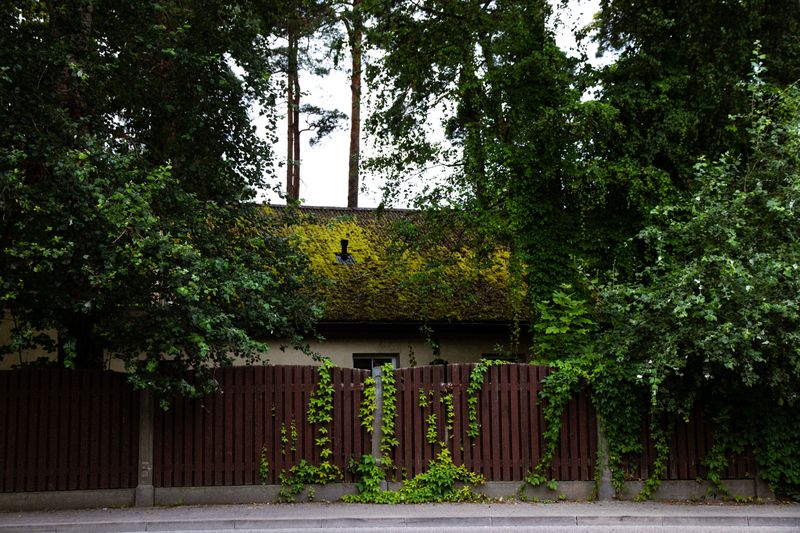
Thick, overgrown bushes near your house provide ideal shelter for black widows. The dense shade keeps things cool, the leaves trap moisture, and the tangled stems create perfect anchor points for webs.
During a heat wave, spiders actively seek out these shaded micro-environments to survive the intense temperatures. Your neglected hedges and sprawling ground cover make it easier for them to settle nearby.
Your Virginia Garden Changes Every Week. Your Plan Should Too.
Gardening in Virginia changes quickly throughout the season. Every Friday you’ll receive a simple weekly plan showing exactly what to plant, prune, fertilize, harvest, and protect so you never miss the right timing.
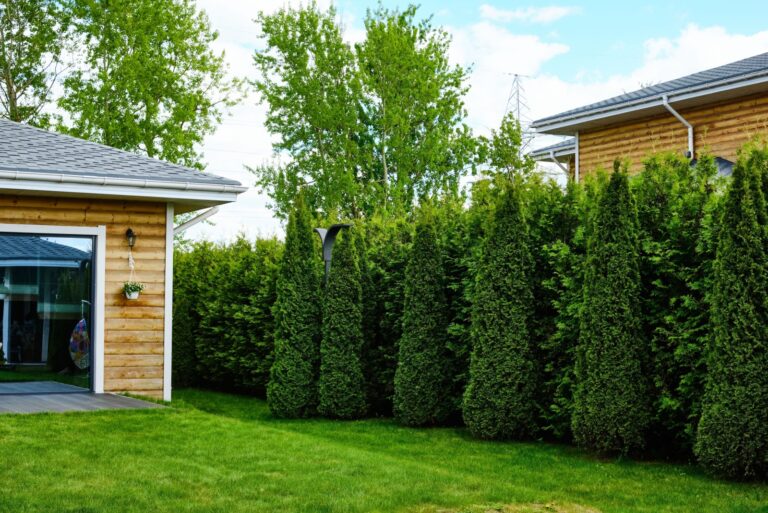
Trim shrubs and bushes so they sit a clear distance away from your home’s foundation. A clear gap between plants and the structure removes the easy transition path spiders use to sneak indoors.
Mow your lawn consistently throughout the summer, especially during prolonged hot spells. Tall grass gives ground-dwelling insects a place to thrive, and where insects gather, predatory spiders are never far behind.
Pull weeds from garden beds regularly and avoid letting ground cover plants grow wild and dense. Low-growing plants that mat together on the ground are especially attractive to black widows looking for a dark, protected spot.
Keeping vegetation well-maintained is one of the most underrated strategies for avoiding yard mistakes that invite dangerous spiders closer to your family. A neat yard is a less inviting yard, and that simple truth can protect your household all summer long.
3. Neglected Trash Bins Attract Insects

Your trash cans can do more than collect garbage. Left unsealed, they can attract the insects that black widows feed on.
Flies, beetles, and roaches swarm around neglected bins, especially when lids are loose or cracked. That insect activity draws spiders, and black widows tend to follow the food supply closely.
Secure your trash bin lids tightly after every use. If your current lids are warped or broken, replace them before the next heat wave rolls in because a small fix now prevents a bigger problem later.
Rinse bins out regularly with a hose and a mild cleaning solution. Leftover food residue and liquid at the bottom of bins creates a strong odor trail that draws insects from surprising distances.
Position your bins as far from the house as your property allows. The farther the insect activity is from your walls and foundation, the less likely a black widow is to wander near your entry points.
Avoiding yard mistakes around trash storage is a practical and low-effort fix that pays off fast. Clean, sealed, and well-placed bins reduce the insect population near your home, and that directly cuts down on the number of spiders hunting in your yard this summer.
4. Stacked Pots Trap Moisture And Darkness
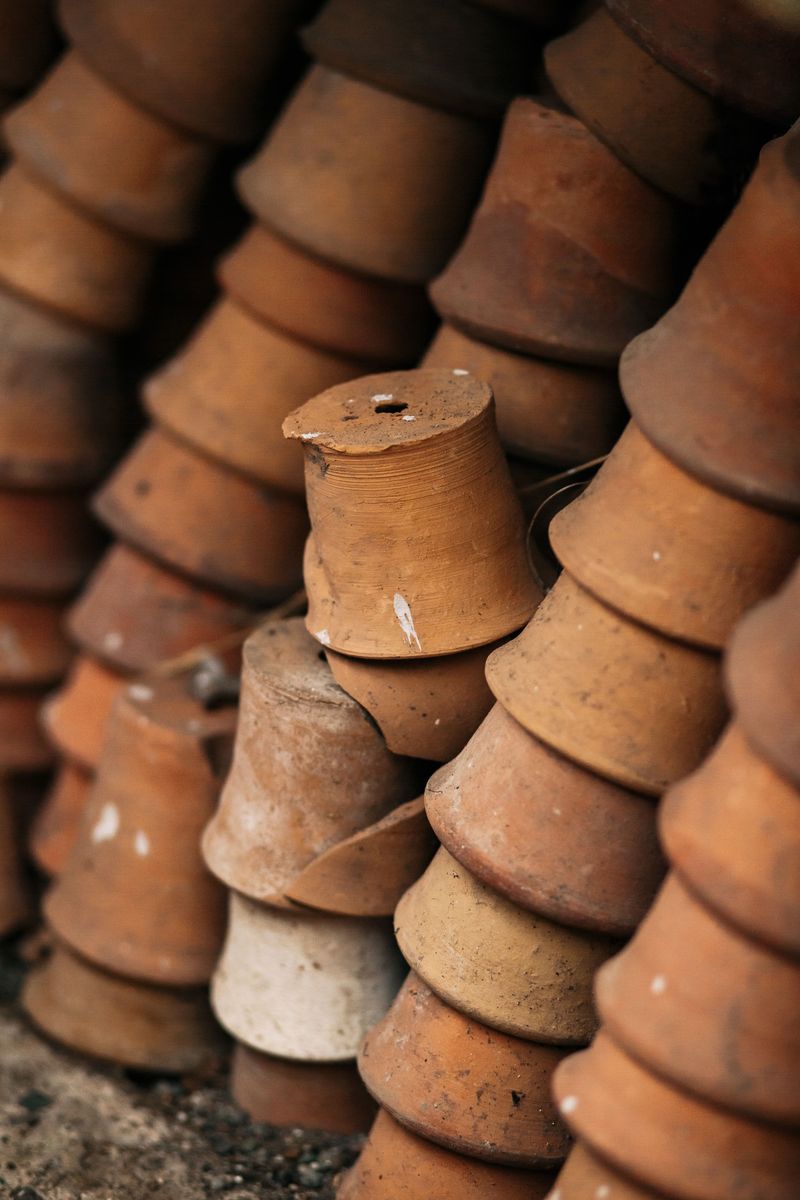
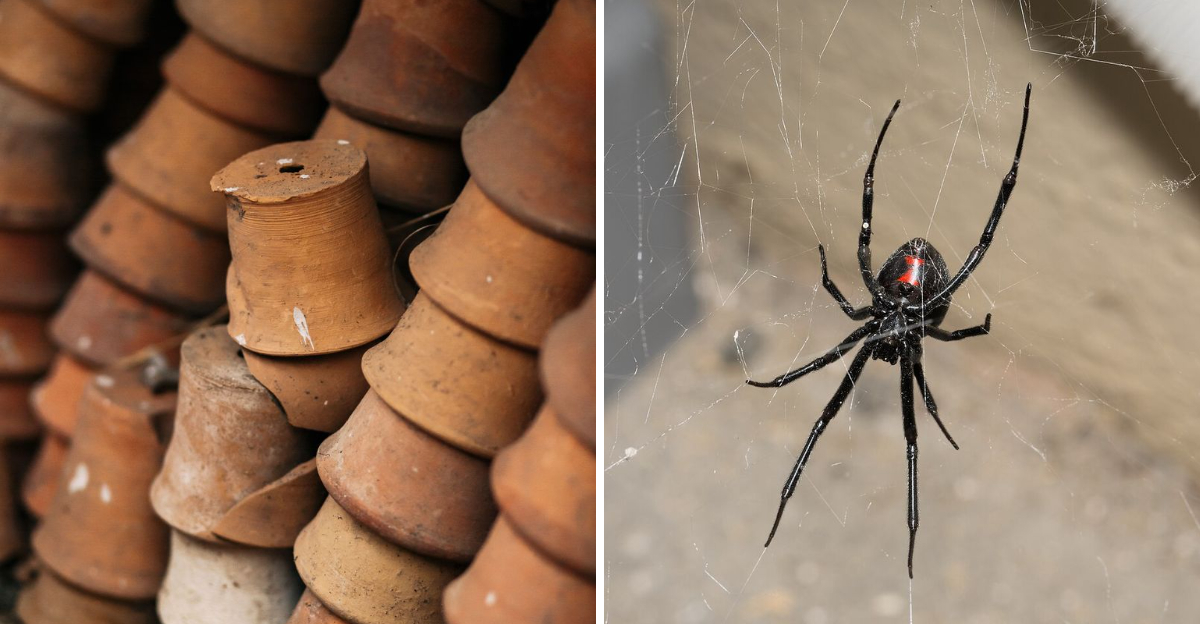
Virginia gardeners often stack empty pots to save space, but that habit can create problems during spider season. Stacked pots create dark, damp pockets that black widows are drawn to during hot weather.
The inside of a nested stack of pots stays significantly cooler than the surrounding air. That temperature difference can help attract a heat-stressed spider looking for a safe place to rest and spin a web.
Separate your pots and store them in a single layer whenever possible. If stacking is unavoidable, keep the stacks inside a sealed shed or garage rather than leaving them out in the open yard.
Before using any pot that has been sitting outside unused, flip it upside down and tap it firmly against the ground. Black widows often anchor their webs to the inner rim or drainage hole of pots left undisturbed for even a few weeks.
Inspect the bottom of each pot carefully before handling it with bare hands. The drainage hole is a particularly common entry and nesting point, so give it a close look every time you grab a pot from storage.
Stacked pots are one of those sneaky yard mistakes that most people never suspect. A quick reorganization of your container garden storage can remove a major black widow hotspot before the next heat wave arrives.
5. Unsealed Cracks Invite Spiders Inside
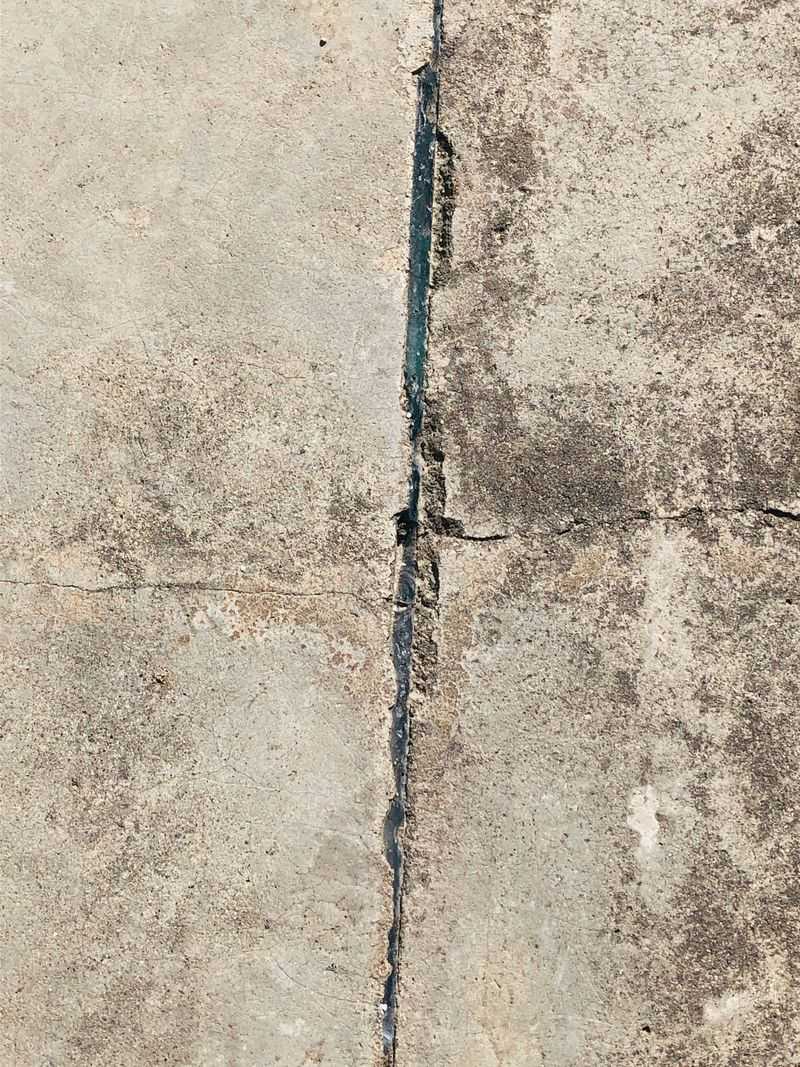
A crack the width of a dime is all a black widow needs to slip from your Virginia yard into your home. Foundation gaps, torn window screens, and spaces around pipe entries are open invitations that most homeowners overlook completely.
Heat waves push spiders to seek cooler environments, and the interior of your home is significantly cooler than the scorching yard. Cracks near the ground level are especially vulnerable because that is where black widows tend to travel.
Walk the full perimeter of your home and look for any gap or crack larger than a pencil tip. Pay close attention to areas where utility pipes, cables, or hoses enter the foundation because these spots are often poorly sealed.
Use weatherproof caulk or expandable foam to fill every gap you find during your inspection. Hardware stores carry both products in easy-to-use tubes, and the job usually takes less than an afternoon to complete properly.
Check window screens for holes or tears and replace any that are damaged before summer peaks. A single torn screen on a ground-floor window can give spiders an easy way inside.
Sealing your home’s exterior is one of the most effective steps in avoiding yard mistakes that lead to indoor spider encounters. Closing those entry points can help create a reliable barrier between black widows and your living space all season long.
6. Piled Debris Shelters Black Widows
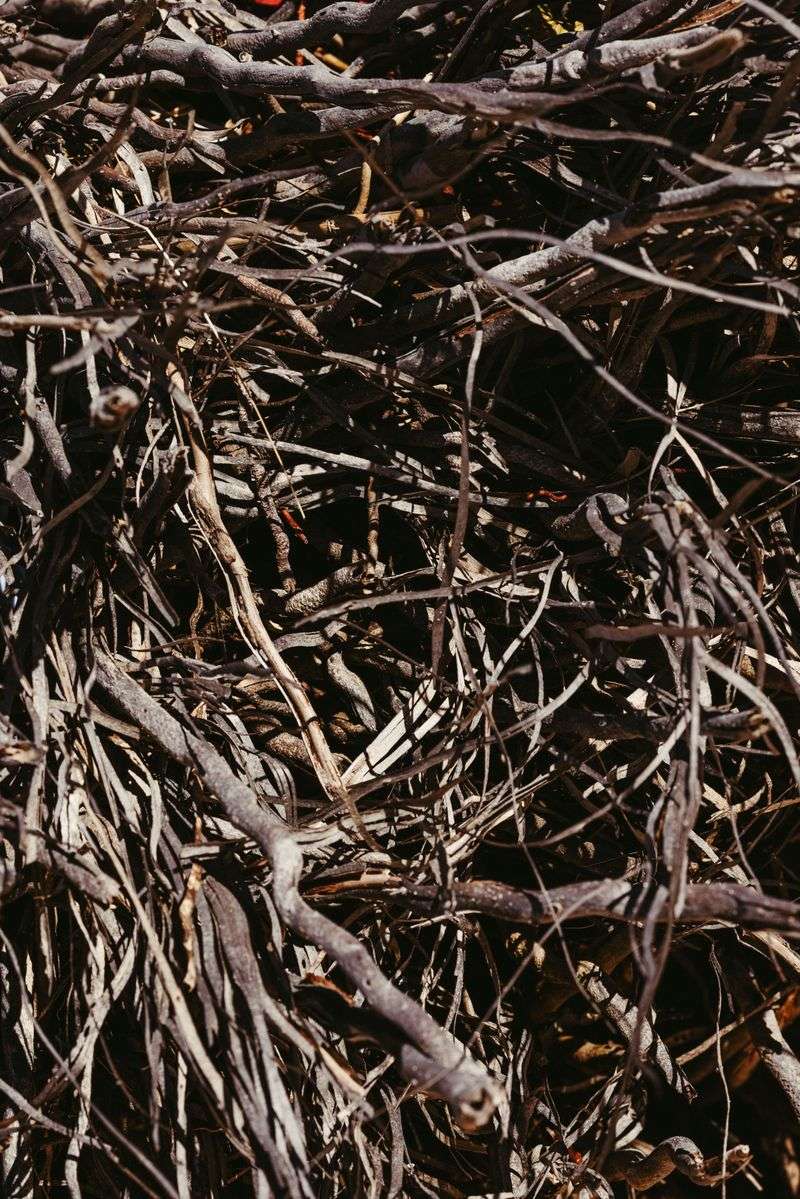
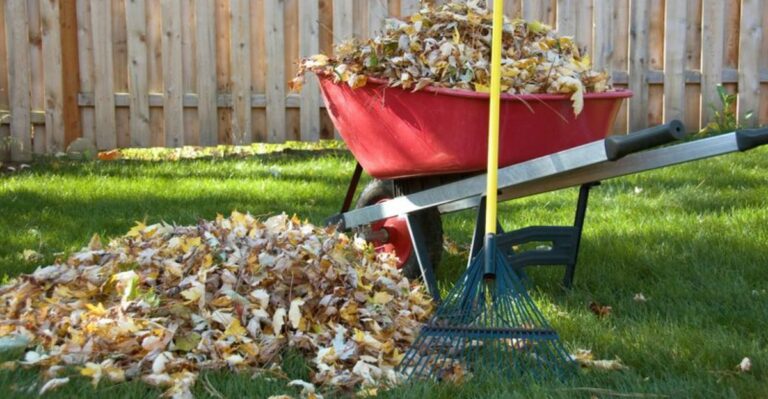
Leaf piles, fallen branches, old boards, and yard clippings left in corners of your property create ideal spider shelter. Black widows do not need much, just a dark layer of material they can tuck beneath and call home.
During a heat wave, debris piles stay noticeably cooler than open ground because the layers trap air and block direct sunlight. That cool microclimate is exactly what a heat-stressed spider is searching for during peak summer temperatures.
Clear debris from your Virginia yard regularly throughout the summer season. Letting material accumulate even for a short period gives spiders enough time to establish a web and begin laying egg sacs.
Pay special attention to the corners of your fence line, the base of garden walls, and the shaded side of your home. These low-traffic zones are the spots where debris naturally collects and goes unnoticed for the longest stretches of time.
When clearing debris, always use gloves and long sleeves to protect your arms and hands. Disturbing a pile where a black widow has nested can prompt a defensive response, so move material carefully and watch where you place your hands.
Piled debris is one of the most common yard mistakes people make without realizing the risk involved. Staying on top of yard cleanup is a straightforward habit that dramatically reduces black widow activity around your home every summer.
7. Outdoor Lights Draw In Prey Insects
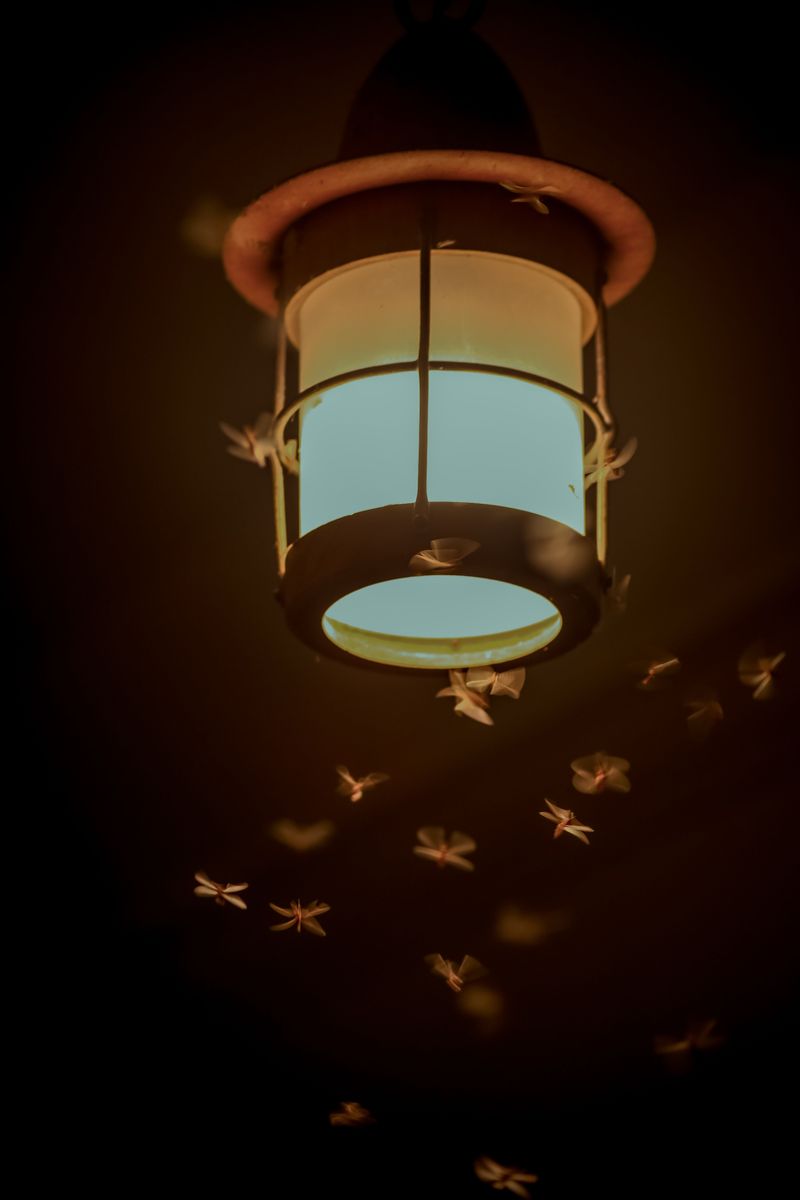
Porch lights and wall-mounted fixtures look welcoming to guests, but they also attract moths, gnats, and beetles at night. Black widows are smart hunters and they position their webs right where the insects gather most.
Light fixtures near doorways and windows are some of the most common spots where black widows build webs during warm months. The spider does not care about the light itself, it cares about the steady supply of prey the light delivers.
Switch your outdoor bulbs to warm-toned LED lights, specifically bulbs labeled as yellow or amber. These wavelengths are far less attractive to flying insects than the cool white or blue tones that standard bulbs emit.
Position lights away from doorways when possible, using pole-mounted fixtures that illuminate the yard rather than the entry points of your home. Shifting the light source shifts the insect activity away from your walls and foundation.
Check the area around your light fixtures often for fresh webs. Black widows often build in the corners just above or beside outdoor lights, and catching a new web early prevents an established spider from settling in for the season.
Rethinking your outdoor lighting is one of the most effective and underrated ways to avoid yard mistakes that attract black widows. Change the bulb, move the fixture, and you may notice fewer insects gathering near your doorway over time.
8. Storage Boxes Provide Undisturbed Nesting Spots
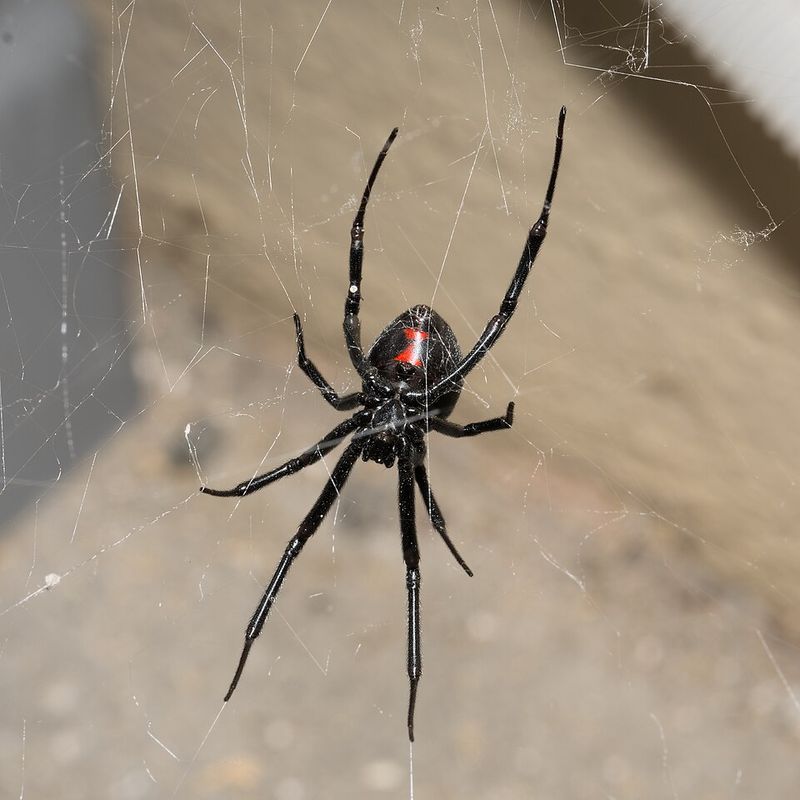
That stack of storage boxes sitting in the corner of your shed has probably not moved since last fall. Black widows are good at finding spots that humans ignore, and an undisturbed box makes an appealing nesting spot for a spider.
Cardboard boxes are especially problematic because they absorb moisture, stay cool inside, and break down into soft material that spiders use to anchor egg sacs. A single ignored box can harbor a spider and its egg sacs without you ever noticing.
Switch from cardboard to hard-sided plastic bins with tight-fitting lids for all outdoor storage. Plastic does not absorb moisture, offers no soft material for web anchoring, and can be wiped clean between uses without falling apart.
Label and rotate your storage bins periodically so no single box sits completely undisturbed for an entire season. Regular movement disrupts any spider that has started building and signals that the area is not a safe long-term nesting site.
Before pulling anything out of outdoor storage, shake the box gently and let it sit for a moment. If a spider is inside, the movement will often cause it to retreat or drop down, giving you a chance to spot it before reaching in blindly.
Avoiding yard mistakes in your storage areas is just as important as managing the open yard around your home. Organized, sealed, and regularly rotated storage boxes remove one of the most common black widow nesting spots hiding in plain sight this summer.