Native Georgia Plants To Grow Instead Of Nandina Along Fence Lines This Fall
A Georgia fence line can look tidy, evergreen, and completely harmless while quietly causing problems beyond the property line.
The issue often starts with a shrub gardeners have used for decades.
It fills narrow spaces. It keeps color through winter. Birds visit the berries, and the plant seems tough enough to survive almost anywhere without much attention.
That combination is exactly why replacing it can feel difficult.
So what should go in its place?
The best alternatives do more than fill the same strip of soil. They can hold structure through the seasons, feed native wildlife, handle Georgia heat and humidity, and fit everything from sunny suburban fences to damp woodland edges.
Fall is an especially useful time to make the switch because cooler weather gives new roots time to settle before next summer.
The trick is matching the replacement to the site.
Choose well, and that ordinary fence line can become one of the most useful pieces of habitat in the whole yard without becoming another problem later on.
1. Plant Inkberry For An Evergreen Fence Line
An evergreen replacement makes the nandina swap feel much less dramatic when winter arrives.
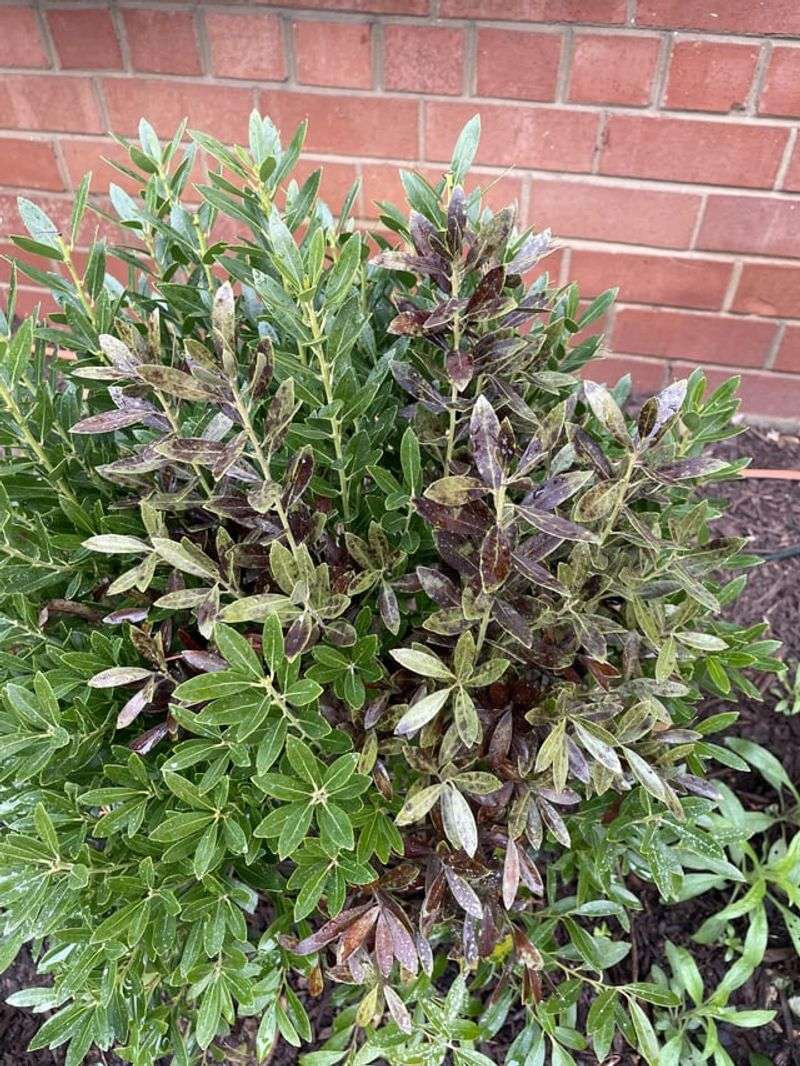
Inkberry holly, Ilex glabra, keeps glossy foliage through the colder months and naturally fits acidic soils common across much of Georgia.
It works especially well along fence lines that stay moderately moist or receive some afternoon shade, where drier hedge plants may struggle.
Give the shrub room to broaden rather than planting it as tightly as a clipped boxwood hedge. Straight species plants can become several feet tall and wide, while compact cultivars suit shorter fences or narrow beds.
A loose row eventually creates year-round structure without needing constant shearing.
Female plants can produce small black fruits when a compatible male pollinator grows nearby.
Those fruits are less showy than nandina’s bright red clusters, but they provide a native food source for wildlife without the invasive-seed problem associated with heavenly bamboo.
Inkberry can sucker gradually from the roots. Along a fence, that habit can be useful because neighboring stems begin filling gaps and creating a more continuous screen. Pull unwanted suckers where the planting needs a crisp edge.
Keep newly planted shrubs watered during dry spells through establishment, then reduce irrigation as roots spread.
For a fence line that needs evergreen coverage without another aggressive exotic, inkberry offers the same basic function with a far better ecological fit.
2. Use Yaupon Holly For Dense Native Structure
Hot sun, reflected heat, and a dry fence edge call for a shrub with more toughness than fuss.
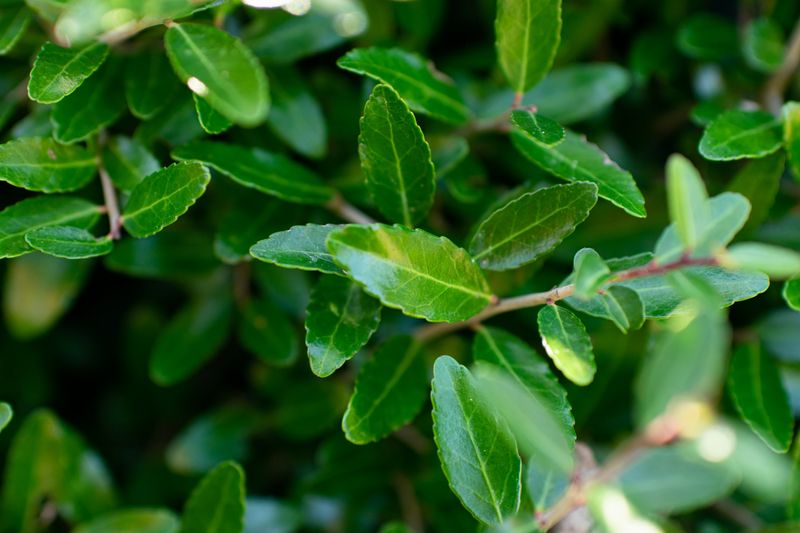
Yaupon holly, Ilex vomitoria, handles those conditions remarkably well once established.
This Georgia native stays evergreen, tolerates a wide range of soils, and can grow into anything from a loose wildlife hedge to a more formal screen depending on the cultivar and pruning style.
Standard forms can eventually become large shrubs or small trees, so check mature size before planting a row. Dwarf selections stay much lower and work better beneath short fences or windows.
Your Georgia Garden Changes Every Week. Your Plan Should Too.
Gardening in Georgia changes quickly throughout the season. Every Friday you’ll receive a simple weekly plan showing exactly what to plant, prune, fertilize, harvest, and protect so you never miss the right timing.
Give full-size plants enough space to develop their natural branching instead of forcing them into a narrow strip.
Fruit is another reason to consider yaupon. Female plants can carry bright berries through fall and winter when a male pollinator is nearby, providing seasonal food for birds.
The dense evergreen branches also create useful cover long after deciduous shrubs have dropped their leaves.
Avoid assuming every nursery plant will fruit. Yaupon is dioecious, meaning male and female flowers occur on separate plants, so berry production depends on having both sexes in the area.
Once rooted in, yaupon generally handles Georgia heat and periodic drought with little drama.
It is the fence-line choice for gardeners who want nandina’s evergreen presence but would rather build that structure with a native shrub.
3. Try Florida Doghobble In Shadier Sections
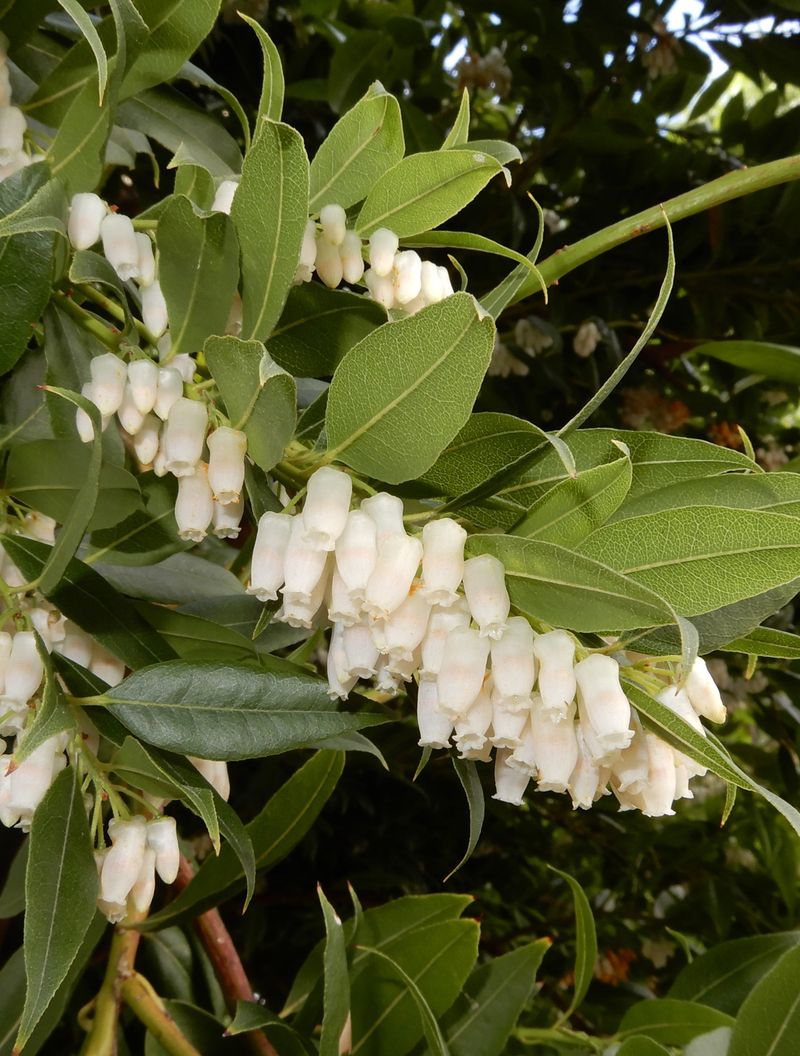
A shady fence beneath mature trees needs a completely different replacement strategy.
Drooping leucothoe, Leucothoe fontanesiana, fits the cooler, protected side of the landscape where harsh afternoon sun rarely reaches.
This native evergreen shrub develops arching stems and leathery foliage, giving a woodland fence line year-round texture without trying to behave like a sun-loving hedge.
Moisture is important.
Leucothoe prefers acidic, humus-rich soil that stays evenly moist while still draining well. A shaded slope, woodland edge, or protected fence near naturally moist ground is a much better match than a dry strip beside hot pavement.
Small, bell-shaped white flowers hang from the stems in spring. The display is quieter than a hydrangea or beautyberry, but it fits naturally beneath trees and supports a layered woodland look.
Give plants room to arch.
Repeated shearing ruins the graceful form and can leave the shrub looking stiff. Remove damaged stems selectively and allow the rest to spread naturally.
Some plants gradually form broader colonies, which can be useful where the goal is continuous coverage.
This is not the replacement for every Georgia fence. Lower-elevation gardens with intense heat and dry soil may be much better served by yaupon or beautyberry.
Where shade and steady moisture already exist, though, drooping leucothoe turns a difficult fence line into an advantage instead of a problem.
4. Add Fetterbush Where Soil Stays Moist
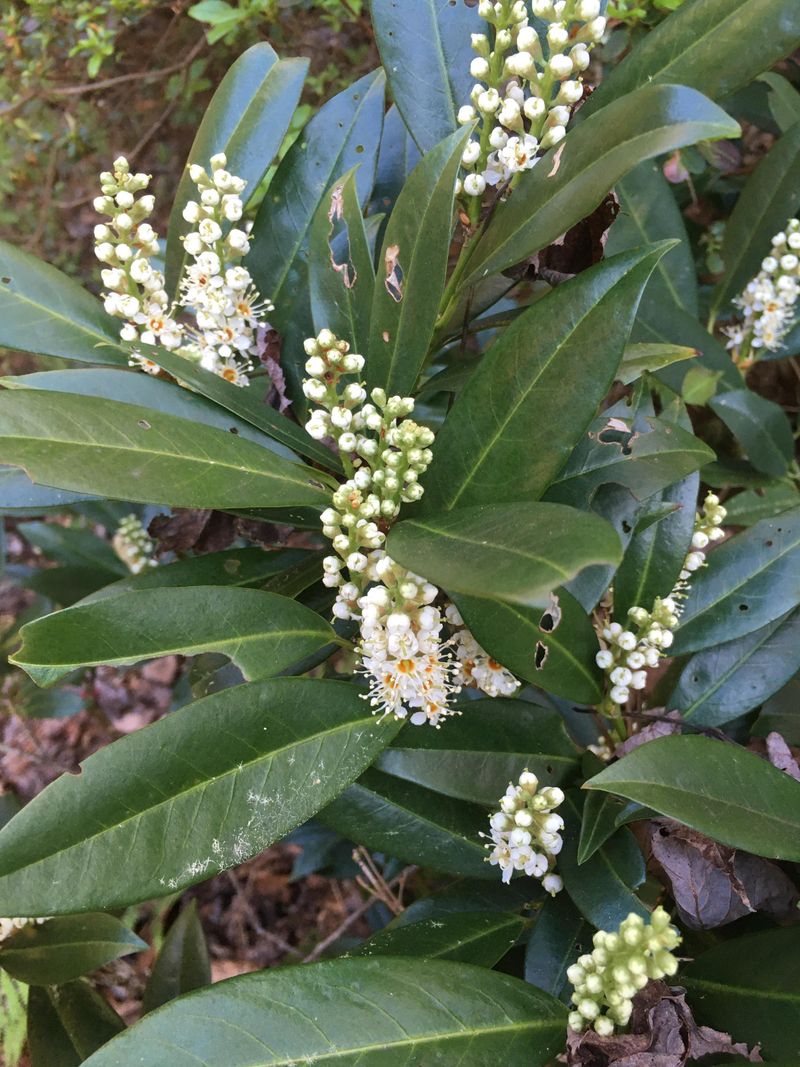
Persistently damp soil does not have to send you back to an invasive shrub.
Fetterbush, Lyonia lucida, naturally occurs in wet, acidic habitats of the Southeast and suits Georgia fence lines where moisture lingers after rain.
Its glossy evergreen leaves provide year-round cover, while pinkish to white urn-shaped flowers add a spring display before summer growth fills in.
This shrub fits the Coastal Plain especially well.
Give it acidic soil, consistent moisture, and enough room for its loose branching habit. It can tolerate wet ground better than many conventional landscape shrubs, but that does not mean every permanently flooded spot will suit it.
Roots still need a site that matches the plant’s natural wetland-edge conditions rather than stagnant, compacted muck.
Avoid formal shearing.
Fetterbush looks better as an informal screen with layered stems and a slightly wild outline. That natural structure also creates more useful shelter than a tightly clipped wall of foliage.
Before planting, check the mature size expected for the form you purchase and leave enough space between the fence and shrub for airflow and maintenance.
New plants need dependable moisture while roots establish. Once settled into a suitable site, they usually ask for far less intervention.
Nandina often gets planted simply because it tolerates neglect.
Fetterbush takes the opposite approach: match it carefully to the wet, acidic fence line it wants, and the plant can become remarkably easy to live with.
5. Use American Beautyberry For Fall Fruit
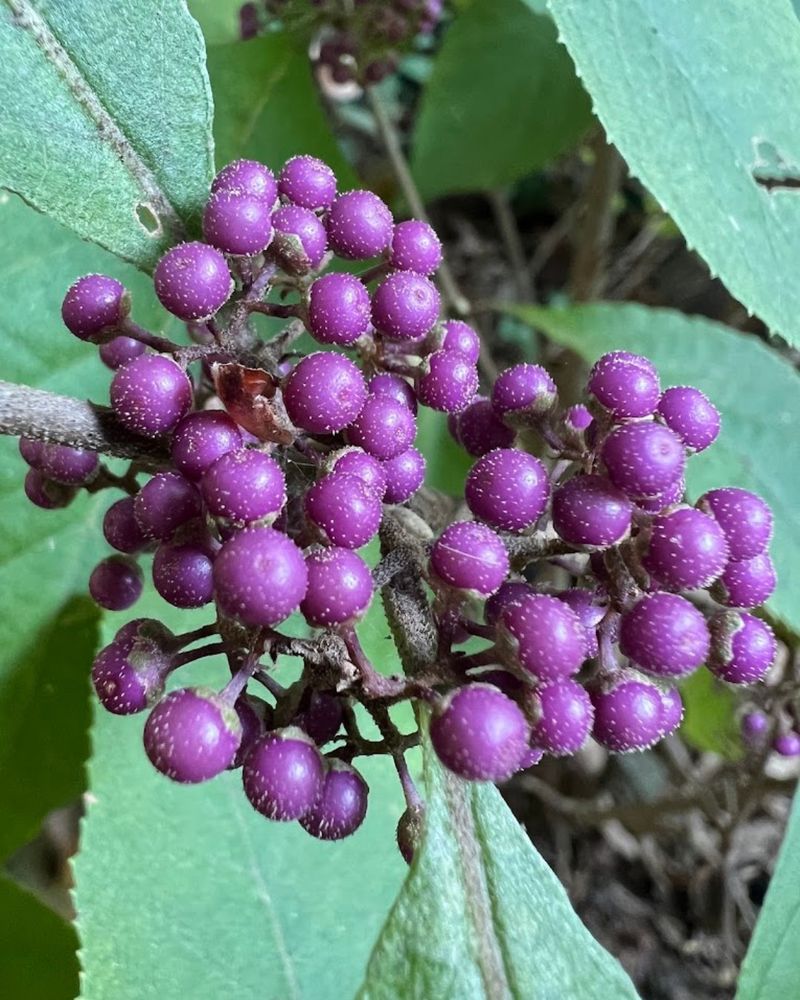
Fall color does not have to come from red nandina berries.
American beautyberry, Callicarpa americana, produces clusters of vivid purple fruit wrapped tightly around its stems, creating one of the most recognizable autumn displays among Georgia native shrubs.
Birds use the fruit too, giving the fence line seasonal wildlife value rather than simply decorative color.
The trade-off is winter openness.
Beautyberry is deciduous, so the leaves drop after fall and the stems remain visible through the colder months. Pair it with evergreen natives such as inkberry or yaupon when year-round screening matters.
Give the shrub sun to part shade and enough width for its arching branches.
It can grow several feet tall and broad, so squeezing it between a fence and a narrow walkway usually creates a pruning problem. In a wider bed, the natural form is much more attractive and requires less maintenance.
Flowers form on new growth, which makes late-winter pruning possible when an older plant needs rejuvenation.
Avoid assuming every beautyberry needs to be cut nearly to the ground each year. A lighter approach can preserve a larger framework while still encouraging fresh flowering stems.
Once established, American beautyberry tolerates ordinary Georgia summer conditions reasonably well.
For gardeners who liked nandina mainly because berries brightened the fence in fall, this native makes the replacement feel less like giving something up.
The color simply changes from red to a shade almost impossible to miss.
6. Plant Carolina Allspice For A Taller Screen
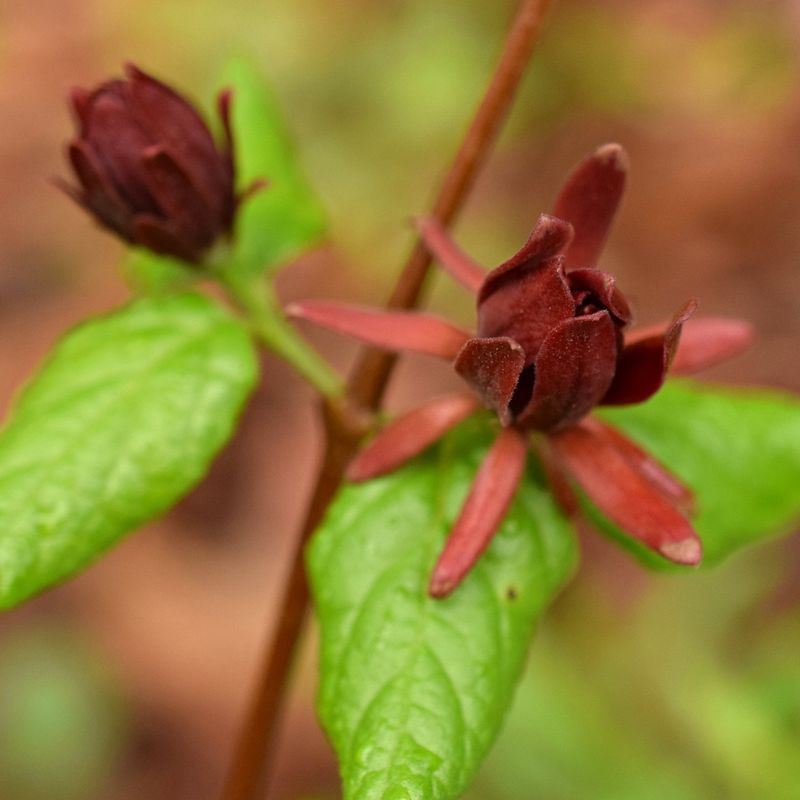
A taller fence can handle a replacement with more personality than a tightly clipped evergreen.
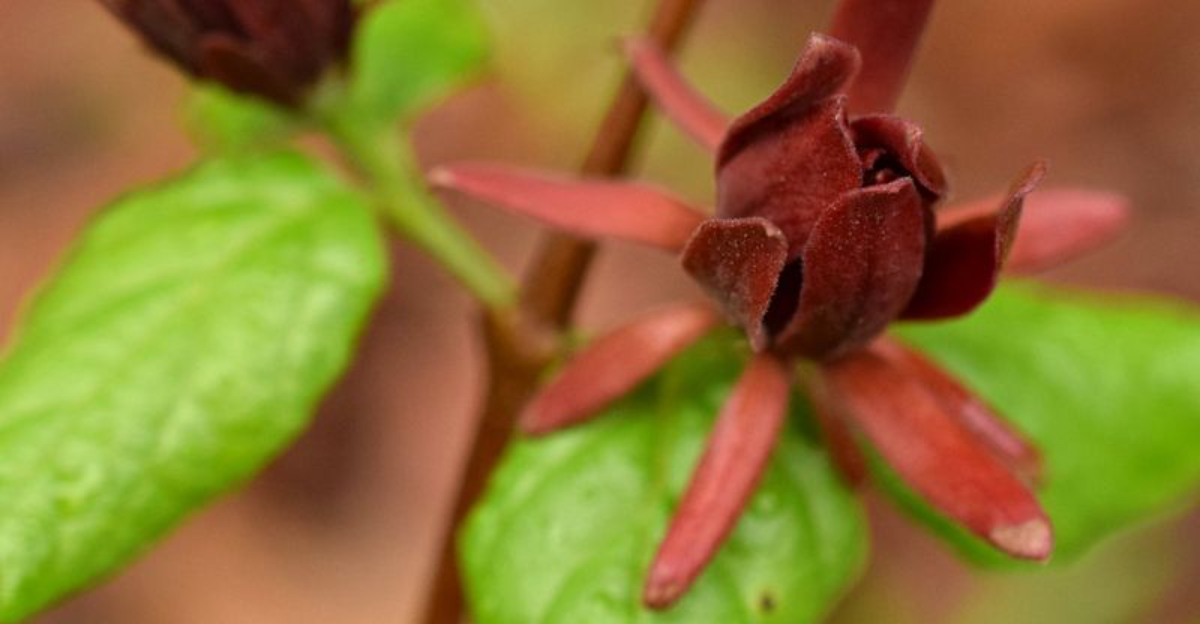
Carolina allspice, Calycanthus floridus, develops into a broad, multi-stemmed shrub with deep burgundy flowers and aromatic foliage.
It is native across parts of Georgia and works especially well where a fence receives sun to part shade and has enough room for a relaxed, woodland-edge shape.
The fragrance is famously variable.
Some plants produce strongly sweet or spicy flowers, while others are much milder, so buy a plant in bloom when scent is an important reason for choosing it. That small step avoids disappointment later.
Carolina allspice can spread gradually by suckers.
Along a fence line, that may be exactly what you want. New stems help the planting thicken into a wider screen and reduce empty gaps between individual shrubs. Remove shoots with a spade where they wander beyond the intended bed.
Moist, well-drained soil encourages strong growth, although established plants can handle ordinary fluctuations once their root systems develop.
Avoid constant shearing.
The shrub’s value comes from its natural layered branching and large leaves. Selectively remove old, damaged, or badly placed stems instead of flattening the entire outside surface.
Unlike nandina, Carolina allspice will lose its leaves in winter.
What it gives back is a native thicket with spring flowers, summer density, and enough structural character to make an informal Georgia fence feel planted rather than merely screened.
7. Choose Oakleaf Hydrangea For Part Shade
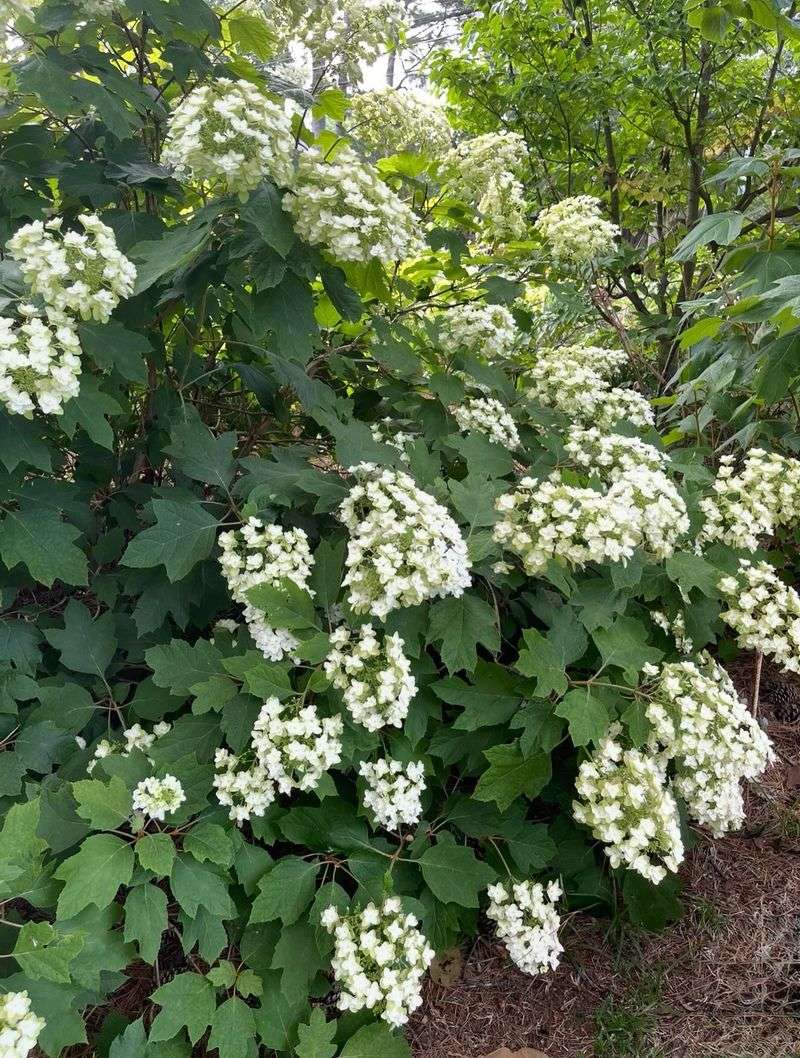
Where a fence meets afternoon shade, oakleaf hydrangea can turn the boundary into the feature of the yard.
Hydrangea quercifolia is native to the Southeast and brings something different in every season.
Large white flower clusters open in late spring to early summer, the deeply lobed leaves carry the planting through summer, and autumn can turn that foliage shades of burgundy, red, and bronze.
Older stems add winter interest through peeling bark.
That makes the shrub useful even though it is deciduous and cannot provide the solid winter screen of an evergreen holly.
Give oakleaf hydrangea room.
Many forms become broad shrubs, and a plant wedged too closely against a fence or walkway will eventually require pruning that damages its natural shape. Compact cultivars are a better choice for smaller spaces.
Part shade is often ideal in Georgia, particularly where the plant receives morning light and protection from the fiercest afternoon sun.
Moist, well-drained soil supports the best growth, and mulch over the root zone can help reduce summer moisture swings.
Pruning requires restraint because oakleaf hydrangea flowers on old wood. Make necessary shaping cuts shortly after flowering rather than during fall or late winter, when next season’s flower buds may already be present.
For a fence that does not need complete winter privacy, this replacement delivers far more seasonal drama than nandina ever could without relying on invasive spread.
8. Let Virginia Sweetspire Fill Moist Fence Edges
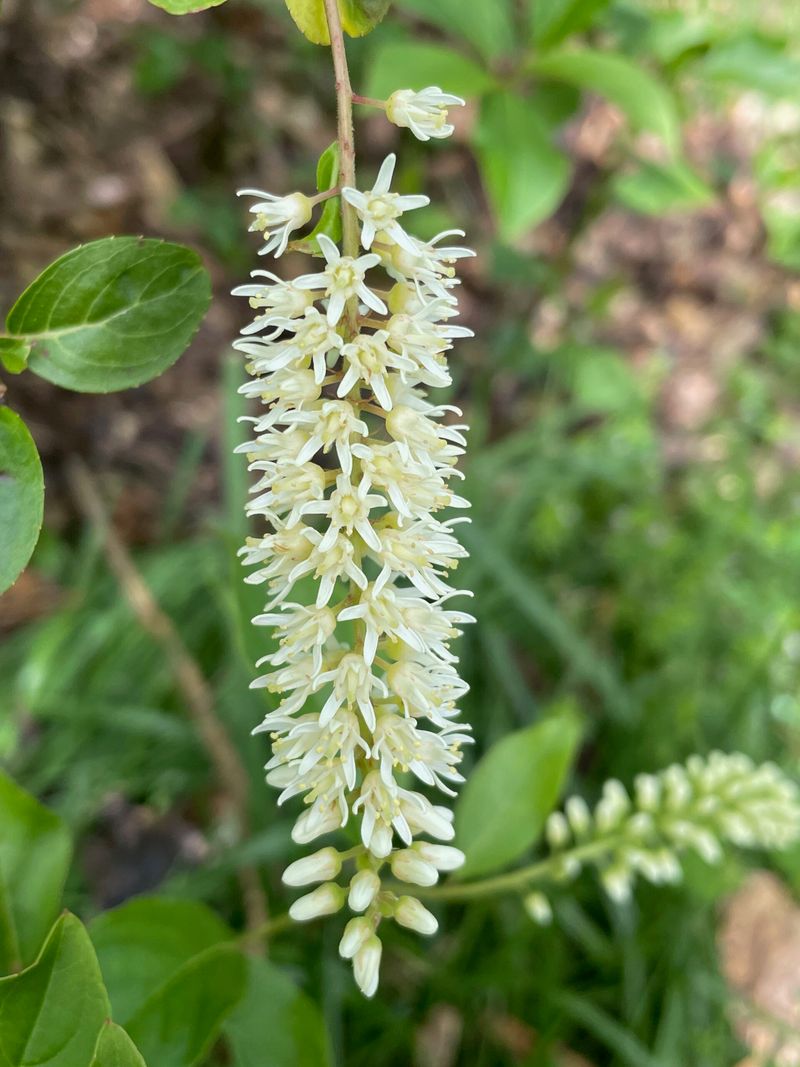
Low spots beside a fence often reveal themselves after the first heavy fall rain.
Virginia sweetspire, Itea virginica, is built for exactly that kind of space.
This Georgia native handles moist soil, tolerates periodic wetness, and gradually spreads by root suckers into a broad colony that can cover difficult ground without leaving bare gaps between shrubs.
Spring and early summer bring slender white flower clusters with a light fragrance.
Later, the foliage can shift into red, burgundy, orange, or purple tones, giving the fence line another strong fall display after the flowers have disappeared. In warmer parts of Georgia, some leaves may linger longer than gardeners expect.
Sun to part shade both work, although stronger light often produces better flowering and richer autumn color when moisture remains adequate.
Let the plant’s suckering habit work where you need coverage.
A wet fence edge, rain-garden margin, or low section near runoff can benefit from a colony that slowly knits itself together. Where the planting must stay narrow, remove unwanted shoots before they establish a wider patch.
Compact cultivars fit smaller residential spaces, while full-size forms work better where the fence line has room to naturalize.
New plants still need regular water until roots establish, even in a naturally damp site.
Replacing nandina with sweetspire does more than change one shrub for another.
It turns a moisture problem into a planting opportunity and gives fall color back to the fence without asking an invasive plant to provide it.