This Arizona Groundcover Handles Hot Driveway Edges Better Than Many Lawn Alternatives
The strip beside your driveway can be one of the hardest places to keep looking good. Reflected heat, intense sun, and fast-drying soil can make traditional lawn choices struggle there.
Arizona gardeners do not have to leave that challenging space bare or constantly replace stressed grass.
One low-growing groundcover is especially well suited to these hot, exposed conditions.
Its advantage comes from the way it handles sunshine and limited moisture once established. That makes it useful where pavement creates an even harsher environment than the rest of your yard.
You also get a softer, more natural look without trying to maintain thirsty turf beside hot concrete. The right placement can turn an awkward strip into an attractive part of the landscape.
For those difficult driveway edges, this tough groundcover offers an option worth considering.
1. Damianita Thrives Along Hot Driveway Edges
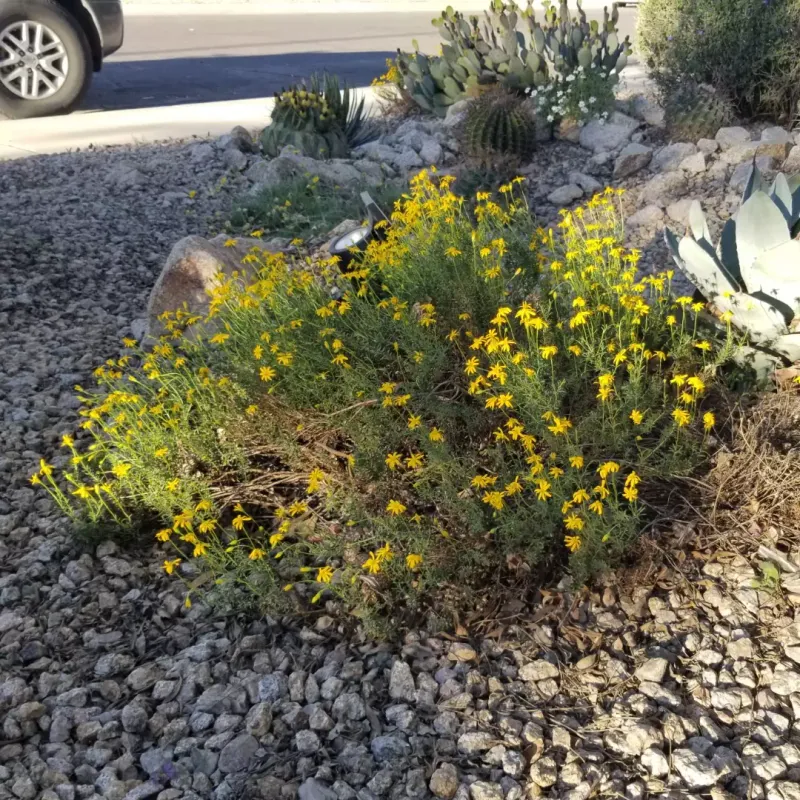
Pavement heat is brutal, and most plants simply cannot take it. Damianita handles that heat better than nearly any other low-growing groundcover available for desert gardens.
Planted along driveway edges, it sits right where reflected heat and direct sun combine, and it keeps growing without much fuss.
Chrysactinia mexicana, its botanical name, is a native shrub from the Chihuahuan Desert region. It naturally grows in rocky, exposed spots where temperatures spike and rainfall stays low.
That background makes it well-suited for spots near concrete and asphalt.
Driveway edges are often neglected because nothing seems to last there. Grass scorches, annual flowers wilt fast, and mulch blows away.
Damianita stays put and keeps its fine-textured foliage looking decent even when conditions get rough.
Roots establish slowly at first, so give it one full season before judging its performance. Once settled in, it handles heat far better than most alternatives.
Expect steady growth without constant intervention.
Gardeners across southern Arizona have used damianita in strip plantings and border beds for years. Its track record in those tough spots is strong.
Few groundcovers hold up as reliably along paved edges in high-heat desert climates.
2. Full Sun Brings Out The Best Growth
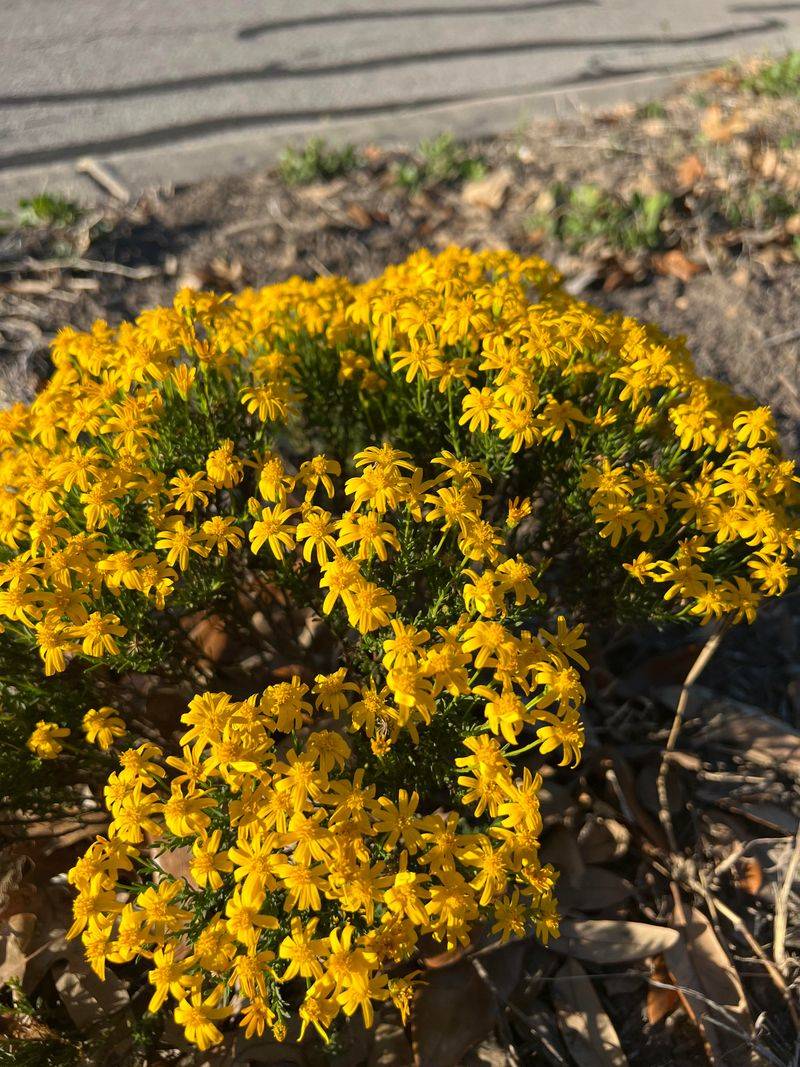
Shade might seem like a relief in the desert, but damianita actually performs better without it. Full sun exposure encourages denser growth, stronger stems, and more consistent flowering.
Shaded plants tend to get leggy and bloom less reliably.
Six or more hours of direct sun per day is where this plant feels at home. South-facing and west-facing driveway edges, which often get the harshest afternoon exposure, suit it well.
Reflected light from pavement does not seem to stress it the way it stresses other species.
Planting in a spot with partial shade might seem like a compromise, but results are usually disappointing. Foliage thins out, flowering drops off, and the plant loses its compact shape over time.
Full sun keeps it looking sharp and structured.
One practical tip worth knowing: avoid planting under roof overhangs or near large shade trees. Root competition and reduced light both work against damianita.
Open, exposed spots give it the best chance to perform well.
Your Arizona Garden Changes Every Week. Your Plan Should Too.
Gardening in Arizona changes quickly throughout the season. Every Friday you’ll receive a simple weekly plan showing exactly what to plant, prune, fertilize, harvest, and protect so you never miss the right timing.
Gardeners sometimes worry that intense summer sun will overwhelm young transplants. Watering consistently during the first summer helps roots establish before heat peaks.
After that first season, established plants handle full sun with far less support needed from you.
3. Fast-Draining Soil Helps Roots Stay Healthy
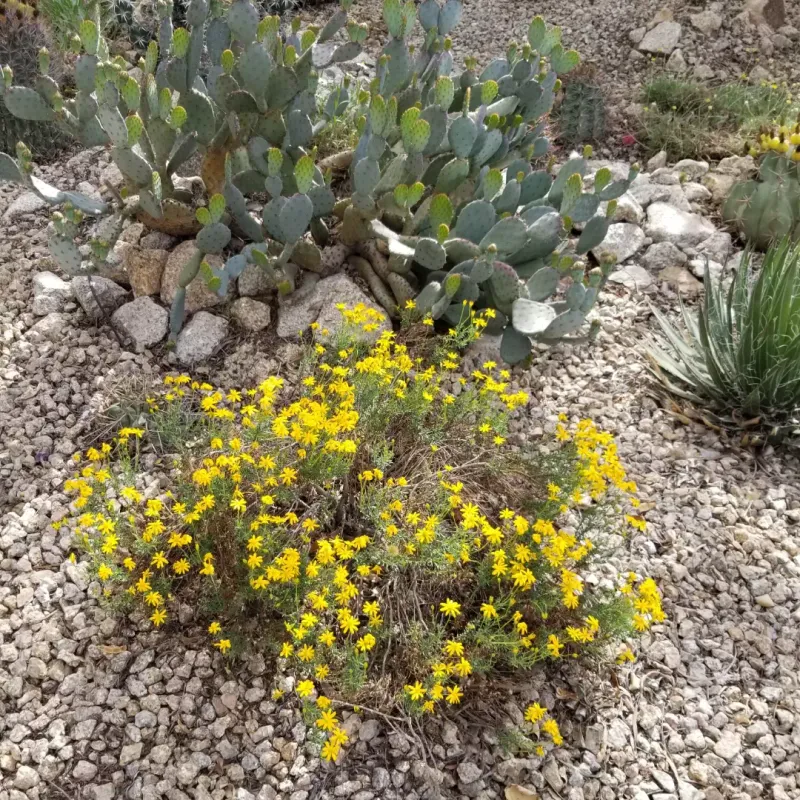
Soggy roots are a real problem for damianita. Standing water even briefly after rain can stress the plant significantly.
Fast-draining soil is not just preferred, it is genuinely important for long-term root health.
Native desert soils in the Southwest tend to drain quickly, which works in damianita’s favor. Sandy loam or gravelly mixes drain well and warm up fast in spring.
If your driveway border has heavy clay, amending it with coarse gravel or decomposed granite before planting makes a noticeable difference.
Raised planting beds or slightly mounded soil near driveway edges can help water move away from roots faster. Even a few inches of elevation reduces the risk of moisture sitting too long around the root zone.
Small adjustments like that matter more than most gardeners expect.
Avoid adding excessive organic matter to the soil mix. Rich, moisture-retaining amendments work against damianita by holding water longer than its roots prefer.
Lean, gritty soil mimics its native habitat and generally produces better results.
Mulching with decomposed granite instead of bark mulch also helps. Granite reflects heat differently and dries out faster after rain.
It keeps the root zone from staying wet while still reducing soil temperature swings during extreme weather.
4. Low Water Needs Suit Dry Landscape Areas
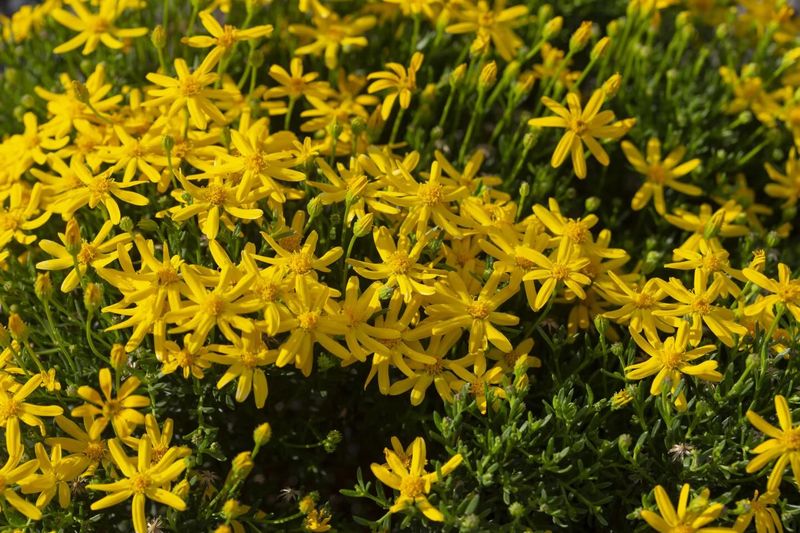
Water bills in desert cities add up fast, especially during summer. Damianita is one of the better choices for gardeners trying to cut irrigation without losing attractive plantings near driveways and walkways.
Once established, which typically takes one full growing season, damianita survives on rainfall alone in many parts of the low desert.
Supplemental irrigation during extended dry spells in summer can help maintain appearance, but the plant does not need frequent watering to stay alive and relatively healthy.
Overwatering is actually a more common mistake than underwatering with this plant. Watering too often encourages shallow roots and soft growth that struggles during dry stretches.
Deep, infrequent watering builds stronger root systems that access moisture further down in the soil profile.
During the hottest months, a deep soak every two to three weeks is often enough for established plants. Adjust based on your specific soil type and sun exposure.
Sandy soils dry faster, so you may need to water slightly more often than with denser soils.
Drip irrigation works well for damianita if you want some control over moisture levels. Set emitters away from the crown of the plant to avoid keeping the base too wet.
Proper placement makes irrigation more effective and reduces root stress over time.
5. Yellow Flowers Add Color Through Warm Months
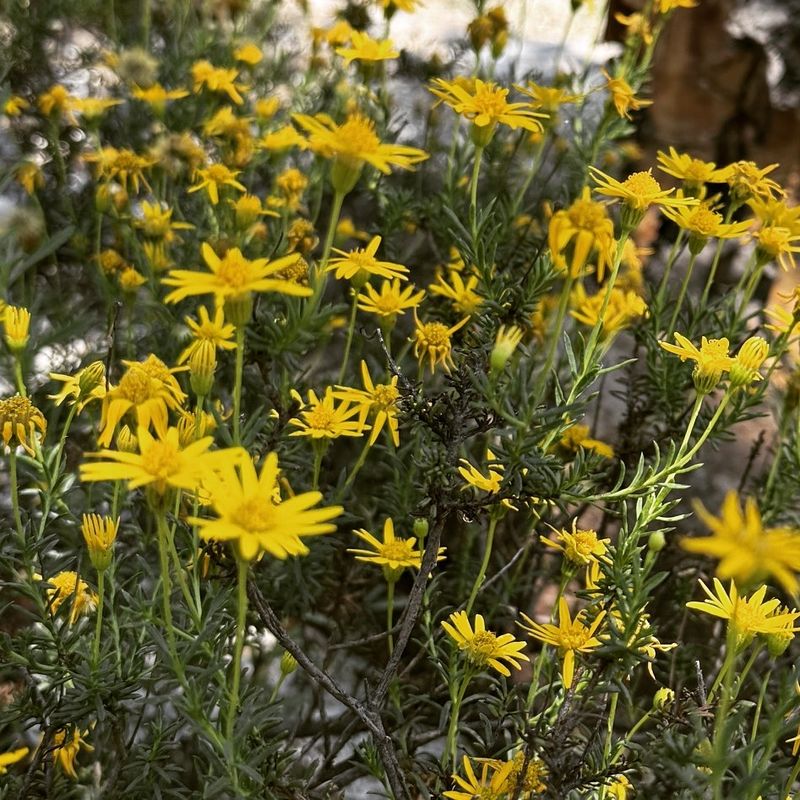
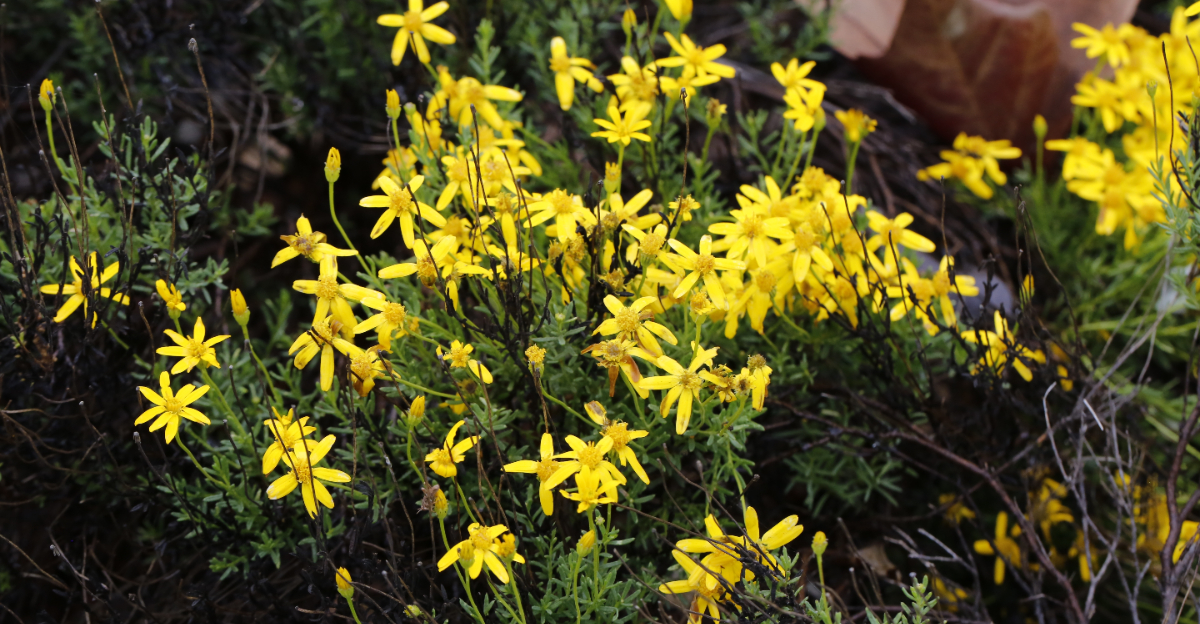
Bright yellow blooms on a small shrub near a driveway edge make a surprisingly strong visual impact. Damianita flowers are small individually, but the plant produces them in clusters that cover much of the foliage during peak bloom periods.
Flowering typically occurs in spring and again in fall across most low desert areas. Summer heat can slow blooming somewhat, but in many locations the plant continues producing flowers through warm months with some regularity.
Exact timing varies by elevation, microclimate, and rainfall patterns.
Yellow works well visually against gravel mulch, concrete, and the muted tones of desert soil. Gardeners often pair damianita with purple-flowering plants like trailing lantana or desert verbena for a striking color contrast along border plantings.
Foliage also has a pleasant aromatic quality when brushed or crushed lightly. Some people describe the scent as herbal or slightly medicinal.
That characteristic comes naturally and adds a sensory element to the garden beyond just visual appeal.
One thing worth noting: bloom intensity can vary from plant to plant and year to year. Factors like pruning timing, soil fertility, and water availability all influence how heavily damianita flowers in any given season.
Consistent care generally leads to more reliable and abundant blooming over time.
6. Compact Growth Fits Along Narrow Borders
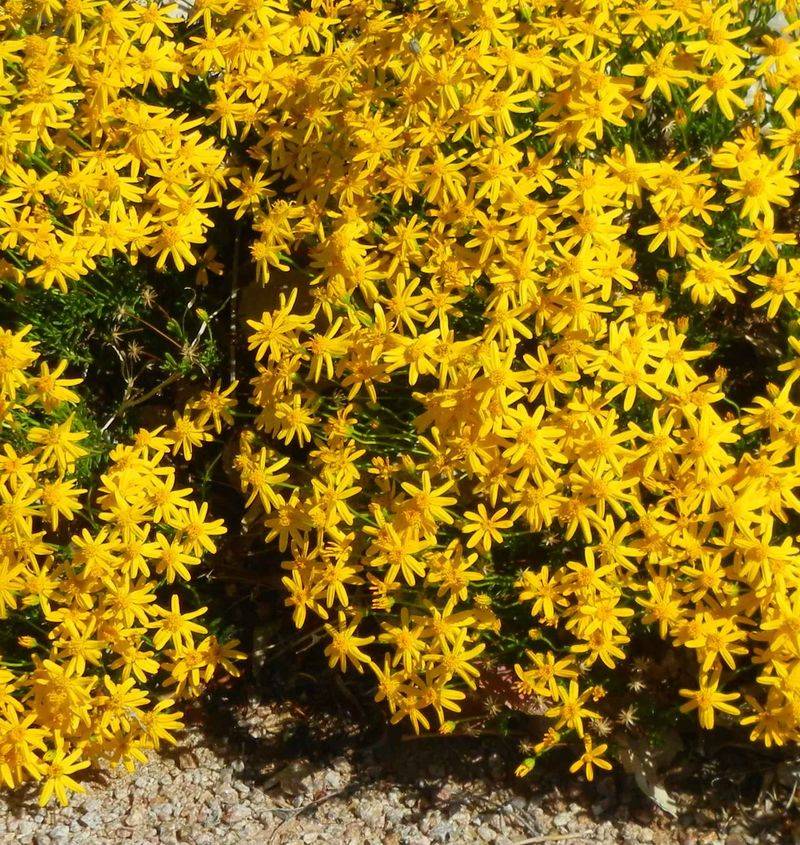
Narrow driveway strips are notoriously hard to plant well. Most shrubs grow too wide, crowd the pavement, or need constant trimming to stay in bounds.
Damianita naturally stays compact without much intervention.
Mature plants typically reach about one to two feet tall and spread roughly two feet wide, though size can vary based on growing conditions. That modest footprint fits narrow borders without spilling onto pavement or blocking sightlines near driveways.
Mounding growth habit gives damianita a tidy, rounded look that suits formal and informal landscape styles equally well. Plants fill in gradually over a season or two and create a consistent edge along driveway borders.
Spacing them about eighteen to twenty-four inches apart produces good coverage without overcrowding.
Pruning is not required to keep plants in shape, but a light trim after the main bloom period can encourage fresh growth and a cleaner appearance.
Avoid cutting back too severely, as damianita recovers slowly from heavy pruning compared to more vigorous shrubs.
Compared to ornamental grasses or sprawling groundcovers, damianita stays well-behaved in tight spaces. It does not send out runners or spread aggressively into adjacent areas.
That predictable growth pattern makes planning and maintaining a tidy driveway border much more manageable for most gardeners.
7. Removing Old Flowers Keeps Plants Looking Tidy
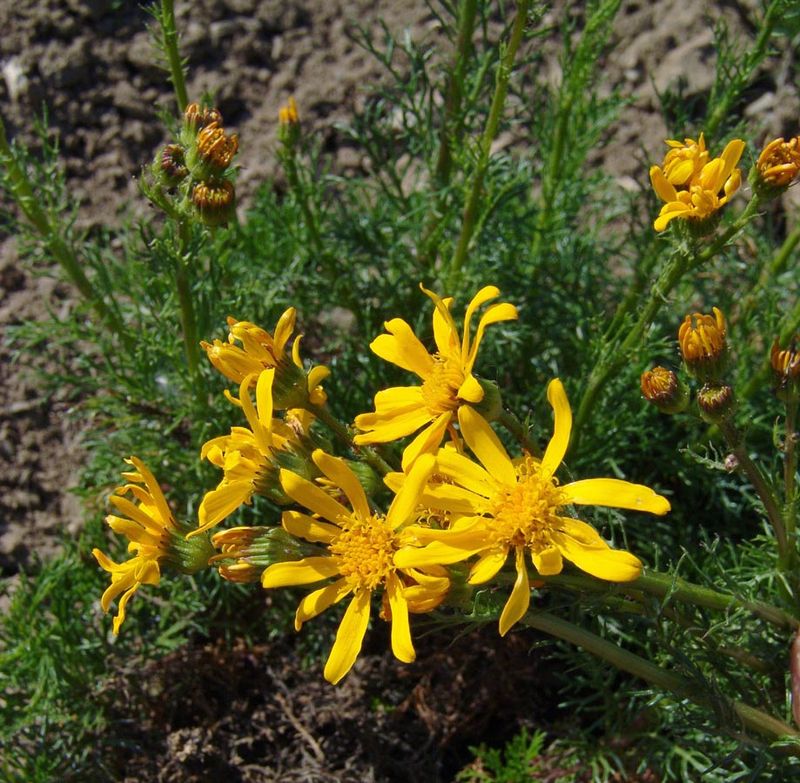
Spent flowers left on the plant can make a tidy border look scraggly and neglected. Removing faded blooms from damianita is a simple step that keeps the plant looking well-maintained through the growing season.
Deadheading is not strictly necessary for plant health, but it does encourage fresh bud production in many cases.
Pinching or lightly shearing spent flower heads after a flush of blooms can prompt another round of flowering, especially during the transition from spring into early summer.
Use clean, sharp pruning shears or scissors when trimming. Dull blades crush stems rather than cutting cleanly, which can slow recovery and leave ragged edges on the foliage.
A quick wipe of the blades between plants also reduces the chance of spreading any potential issues from one plant to another.
Timing matters with light pruning. Avoid heavy shearing right before a heat wave, as freshly cut plants can struggle under extreme sun exposure.
Early morning work on cooler days gives plants the best conditions to recover quickly after trimming.
Keeping up with light maintenance throughout the season is far easier than tackling a neglected plant at the end of the year.
Small, regular attention keeps damianita looking sharp along driveway edges in Arizona and other hot, dry landscapes where low-effort plants are always in demand.