The Fast-Growing Shade Tree Texans Plant For Cooler Yards In August
Texas in August feels like a furnace with the door left open, and by midday most yards turn into places nobody wants to stand in. That heat is exactly why one tree keeps popping up in conversations between neighbors and landscapers alike.
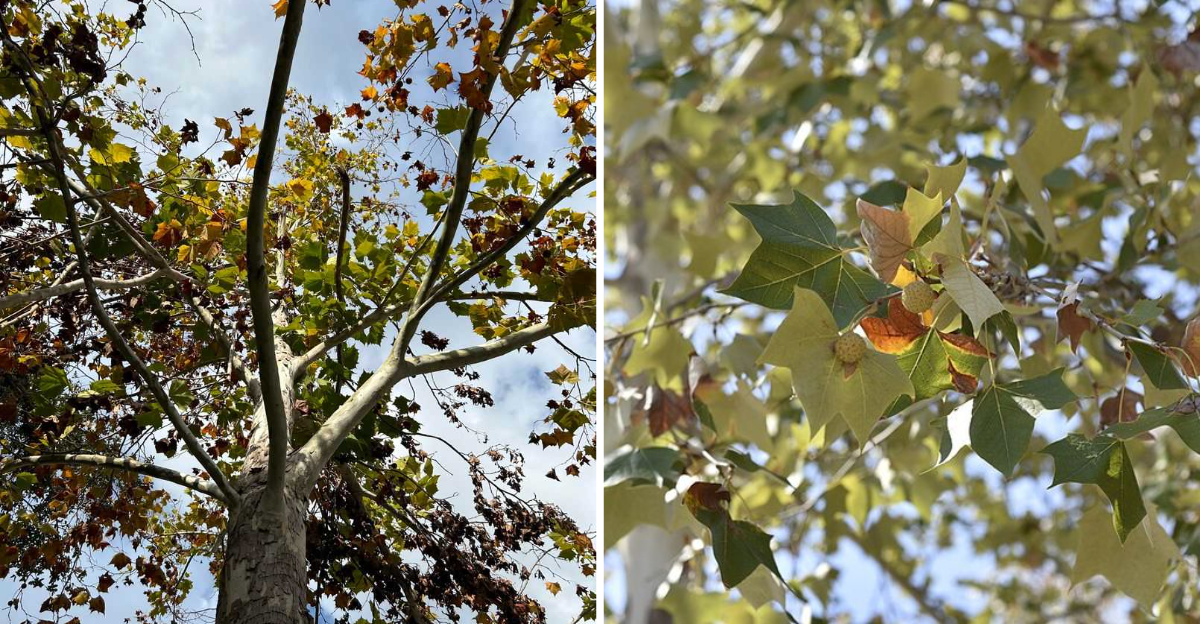
This particular tree has quietly become the one everyone wants once they see what it can do. Its silvery leaves and sprawling canopy aren’t just striking to look at, they’re doing serious work overhead.
Give it a few seasons, and it stretches upward fast, throwing down a pool of shade wide enough to reclaim an entire patio from the sun. Drought barely slows it down, and neither does Texas soil.
For anyone tired of watching their outdoor space sit empty from June through September, this might be the fix that finally makes sense.
It Delivers Shade Faster Than Most Other Options
Forget waiting a decade to enjoy your yard. The Mexican Sycamore can grow three to five feet in a single season under good conditions.
That kind of speed is almost unheard of in the tree world. Most homeowners plant a shade tree and then wait years before it actually does anything useful.
Not this one. Mexican Sycamore hits the ground running and keeps pushing skyward season after season.
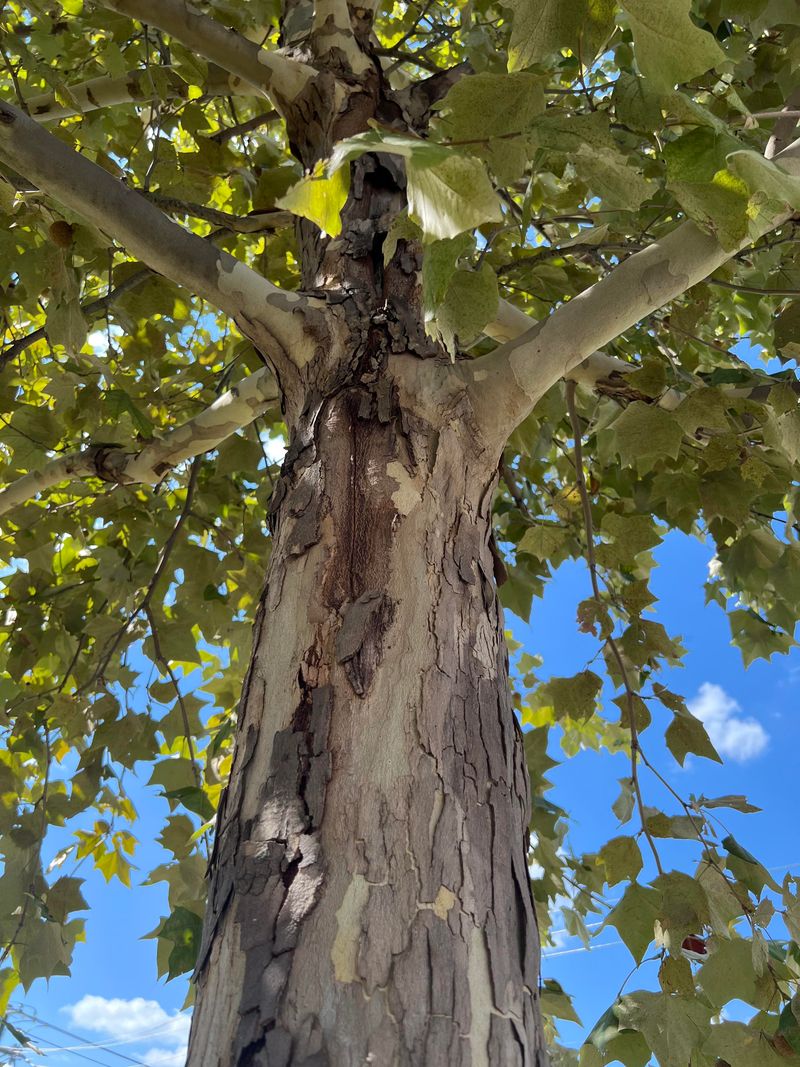
Its canopy spreads wide as it climbs, creating a broad umbrella of shade that covers patios, play areas, and garden beds. Neighbors will notice the difference before summer even ends.
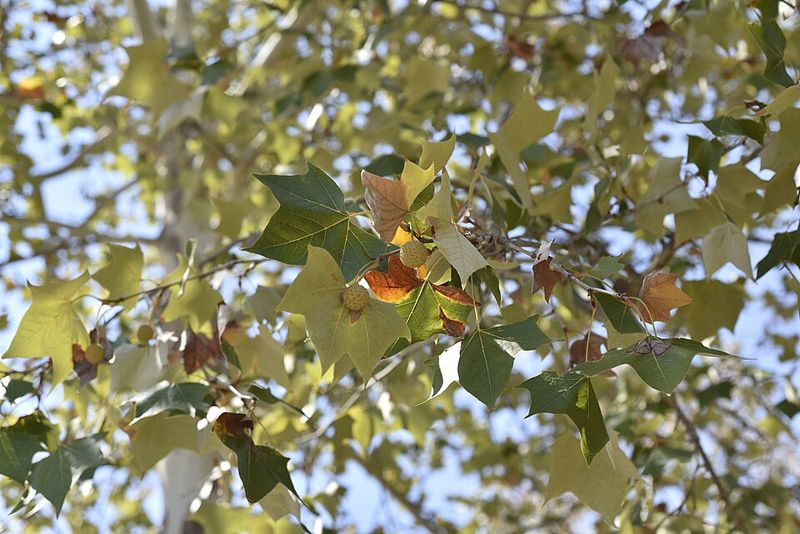
The leaves are enormous, often reaching eight to nine inches across. Each leaf acts like a natural parasol, blocking intense afternoon rays before they hit your outdoor furniture.
Planting in August might sound counterintuitive, but this tree handles the heat surprisingly well when given consistent water. It roots quickly and begins establishing itself even during the hottest months.
Nurseries across the state stock this tree heavily in summer for exactly that reason. Demand spikes every August as homeowners realize they need relief now, not next spring.
Fast-growing shade trees like this one change how you use your outdoor space almost immediately. By next summer, you could be sitting outside in actual comfort, wondering why you waited so long to plant one.
Its White Bark Reflects Heat Instead Of Absorbing It
Most trees just stand there and soak up heat. Mexican Sycamore actually pushes it back.
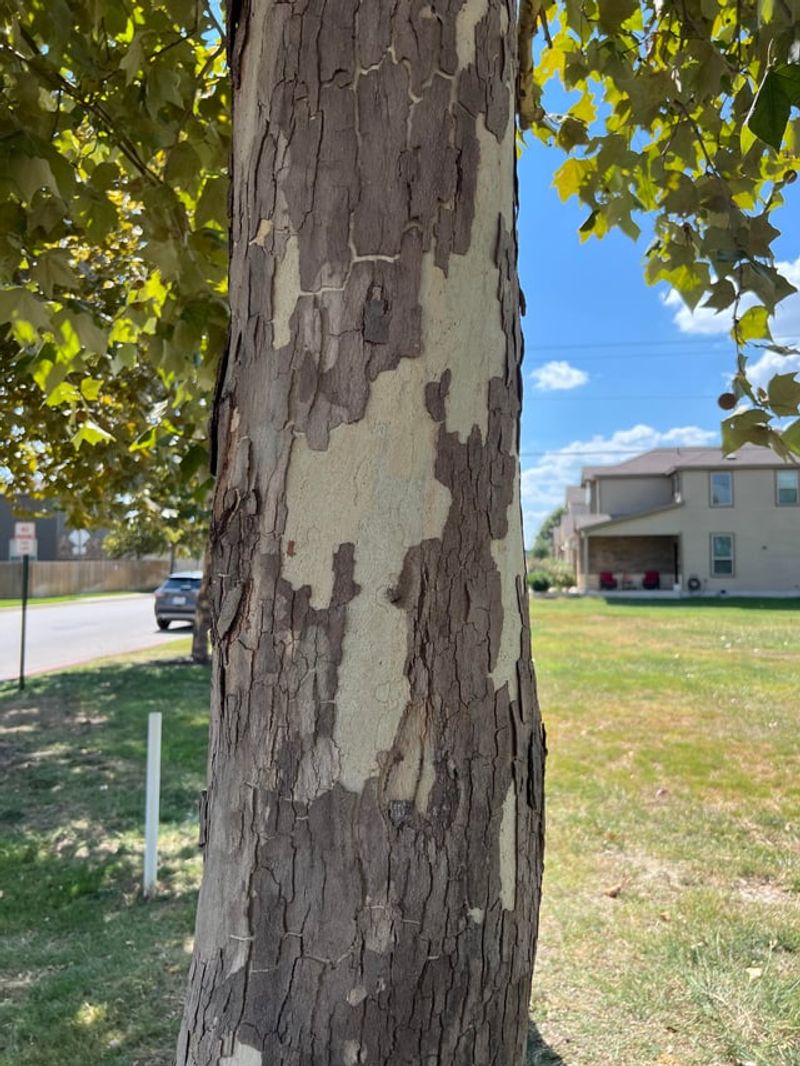
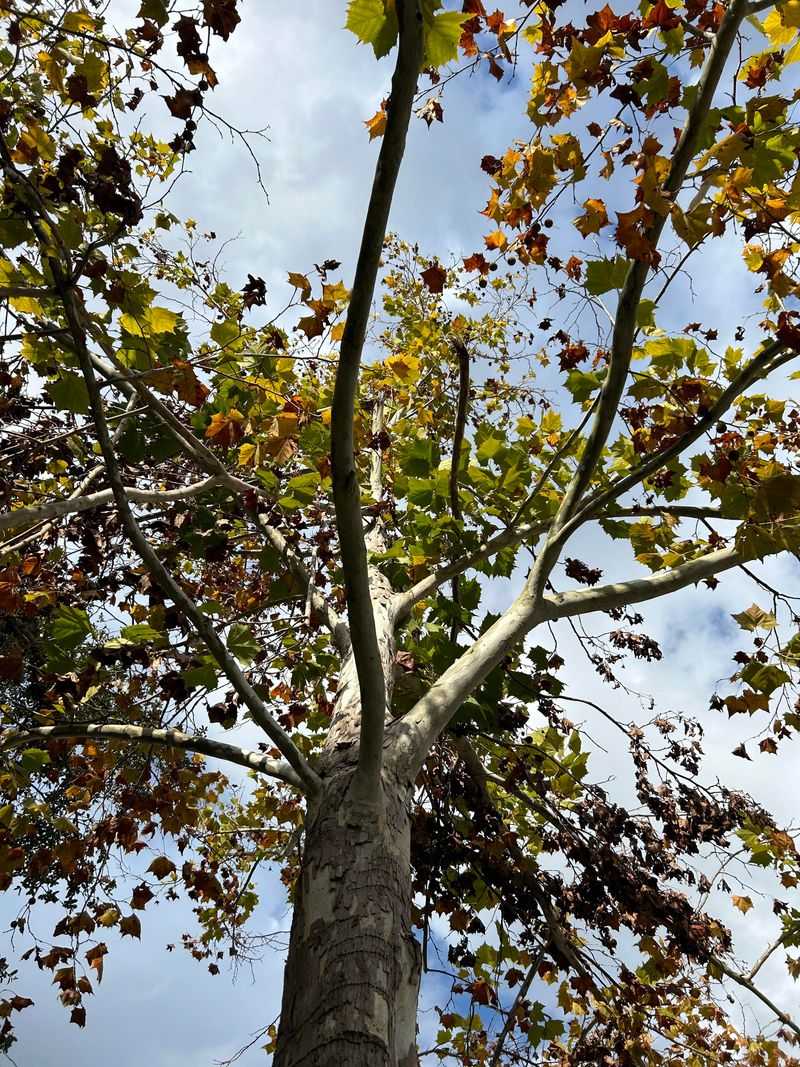
The pale, almost ghostly white bark on this tree is not just pretty to look at. It works like a reflective surface, bouncing sunlight away instead of storing it.
Dark-barked trees can absorb heat and radiate it back into your yard during the evening hours. That makes outdoor spaces feel warmer even after the sun goes down.
White bark changes that equation entirely. A Mexican Sycamore keeps the area around it noticeably cooler because less heat gets trapped near the trunk.
It’s a well-documented effect: light-colored surfaces reflect heat instead of trapping it, the same way white surfaces stay cooler in direct sun. This tree applies that same principle naturally, without any extra effort from you.
Your Texas Garden Changes Every Week. Your Plan Should Too.
Gardening in Texas changes quickly throughout the season. Every Friday you’ll receive a simple weekly plan showing exactly what to plant, prune, fertilize, harvest, and protect so you never miss the right timing.
The bark also peels in patches as the tree matures, revealing a mosaic of cream, tan, and soft gray tones. It creates a striking visual effect that makes the tree a true focal point in any landscape.
Homeowners often place seating directly beneath the canopy because the ground underneath stays several degrees cooler than exposed lawn areas. That is not an accident, it is physics working in your favor.
Pairing a fast-growing shade tree with heat-reflective bark is a double win for any Texas yard. You get coverage above and a cooler microclimate below, all from one single planting decision.
Growth Rates That Outpace Slower Native Oaks
Live oaks are legends in Texas landscaping. They are tough, beautiful, and built to last for centuries.
But if you plant a live oak today, your grandchildren might be the first ones to enjoy real shade from it. That timeline does not work for homeowners who want results now.
Mexican Sycamore grows three to five feet per year under decent conditions. A live oak might push one to two feet in the same period.
That difference adds up fast. After five years, your sycamore could already be fifteen to twenty feet tall while your oak is still getting started.
Speed does not mean weakness here. Mexican Sycamore builds a strong root system and a solid trunk as it climbs, so it is not a flimsy or fragile tree.
Many Texas landscapers recommend planting both species together. The sycamore provides quick shade while the oak slowly builds into a long-term anchor for the landscape.
Think of it as a relay race between two strong runners. The sycamore sprints out of the gate, and the oak takes the baton for the long haul.
For anyone tired of looking at a bare, sun-scorched yard, this fast-growing shade tree is the answer that slower species simply cannot provide. You get results in years, not generations, and your backyard thanks you for it every single August afternoon.
Full Sun And Regular Water Get It Established
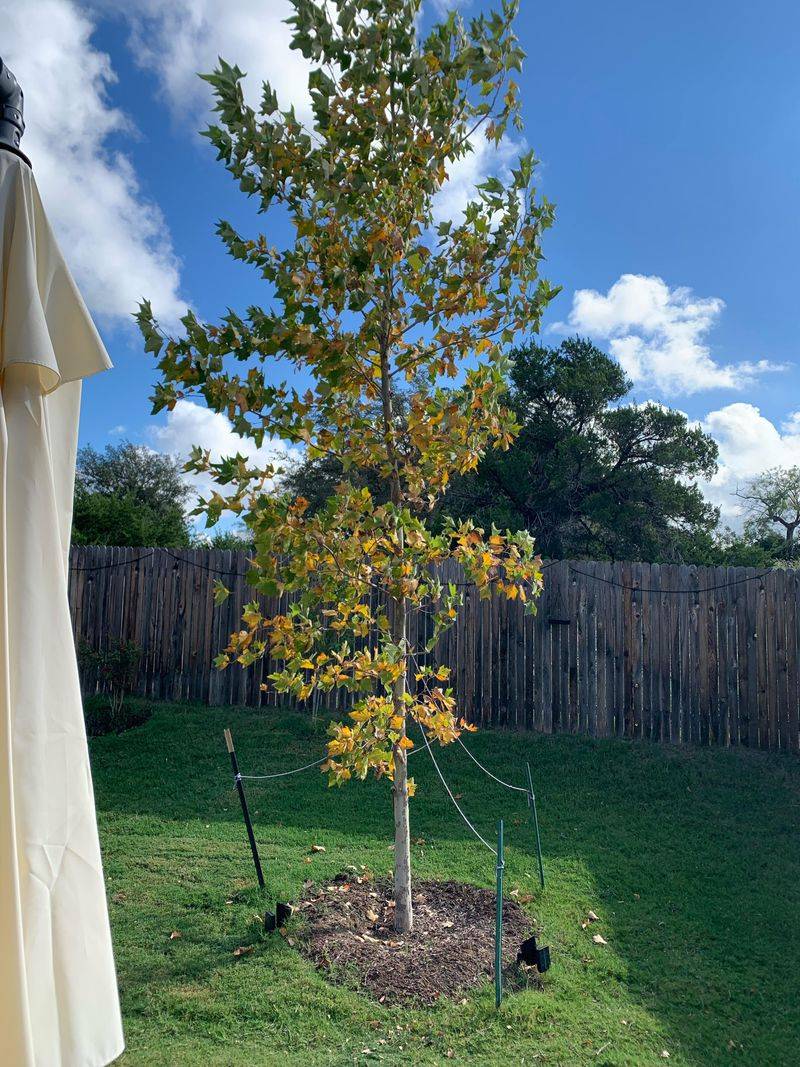
Planting in peak summer sounds risky, but this tree was practically built for it. Mexican Sycamore actually prefers full sun and thrives in open, exposed spaces.
The key during establishment is consistent moisture. New roots need water to push outward into surrounding soil, and August heat speeds up moisture loss fast.
A deep watering two to three times per week works better than daily light sprinkles. Deep water encourages roots to chase moisture downward, which builds a stronger anchor over time.
Shallow watering keeps roots near the surface, making the tree more vulnerable to drought and wind later on. Going deep from the start sets the tree up for long-term success.
Mulching around the base is one of the smartest moves you can make. A three-inch layer of wood chip mulch holds soil moisture, moderates ground temperature, and slows weed competition.
Keep mulch a few inches away from the actual trunk to prevent rot. Think of it as a protective ring, not a burial mound.
Most trees need six to twelve months to fully establish their root systems. During that window, consistent care pays off in ways you will notice for decades.
After that first year, the Mexican Sycamore becomes significantly more self-sufficient. Getting through that initial season with steady attention is the most important investment you will make in this fast-growing shade tree.
Mature Size To Plan Space Around
Big shade requires a big tree, and Mexican Sycamore does not stay small. Knowing its mature size before planting saves you from expensive problems later.
At full maturity, this tree can reach forty to fifty feet tall with a canopy spread of thirty to forty feet wide. That is a lot of coverage, which is exactly the point.
Plant it too close to your house and you will eventually deal with roots near your foundation or branches scraping your roof. Aim for at least twenty-five feet of clearance from any structure.
Power lines are another concern worth checking before you dig. A tree this size needs open sky above it, not a collision course with utility infrastructure.
Spacing between multiple trees matters too. If you are planting a row for a privacy screen or windbreak, allow thirty feet between each one at minimum.
The canopy on a mature Mexican Sycamore creates deep, consistent shade across a large footprint. That makes it ideal for covering a pool deck, a garden, or an entire seating area.
Roots spread broadly but generally stay manageable when the tree gets enough water. Stressed, thirsty roots tend to wander more aggressively toward irrigation lines and pavement.
Planning your space around the mature size now prevents regret later. A well-placed fast-growing shade tree becomes a permanent asset that adds beauty, function, and real value to your property for generations.
Drought Tolerance Once The Roots Take Hold
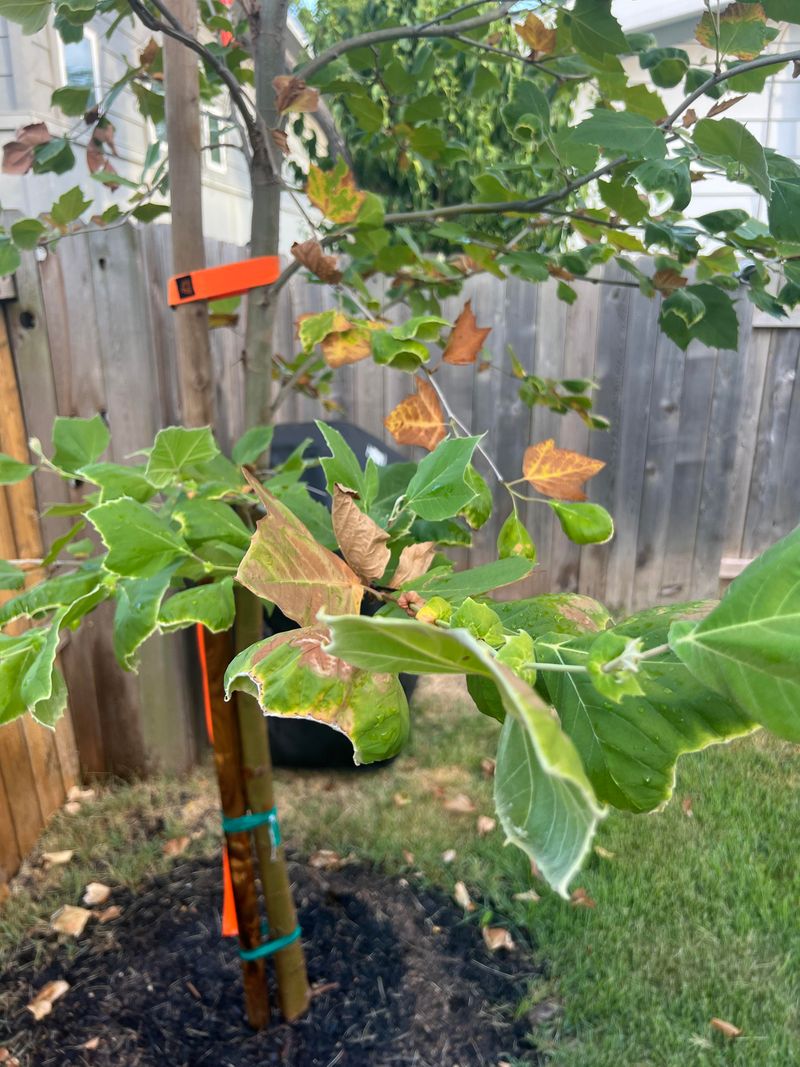
Once a Mexican Sycamore gets its roots settled, it stops needing your constant attention. That shift happens gradually but noticeably after the first full year in the ground.
Drought tolerance is a big deal in a state where summers routinely deliver weeks without meaningful rainfall. A tree that survives on its own during those stretches is worth its weight in shade.
Established Mexican Sycamores tap into deeper soil moisture that surface plants cannot reach. Their wide-ranging root systems find water sources that keep them going even when the top few inches of soil turn to dust.
This does not mean you should ignore the tree entirely during extreme dry spells. A deep soak once a month during prolonged drought keeps mature trees healthy and stress-free.
Stressed trees become vulnerable to pests and disease, so occasional supplemental water during the worst dry stretches is smart insurance. A little care goes a long way toward protecting your investment.
Compared to many popular landscape trees, Mexican Sycamore holds up remarkably well in tough conditions. It was shaped by the climate of northeastern Mexico and naturally adapted to hot, dry summers.
That native resilience translates directly to lower maintenance costs and fewer headaches for Texas homeowners. You get a tough, self-reliant tree that still delivers enormous shade without demanding constant pampering.
Choosing a fast-growing shade tree with built-in drought toughness is the smartest long-term play for any yard facing the realities of a Texas summer.