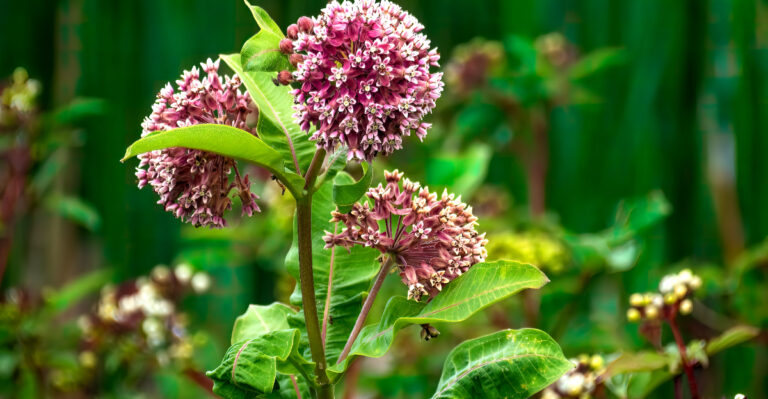
Why Some Michigan Lawns Green Up After Storms While Others Turn Yellow
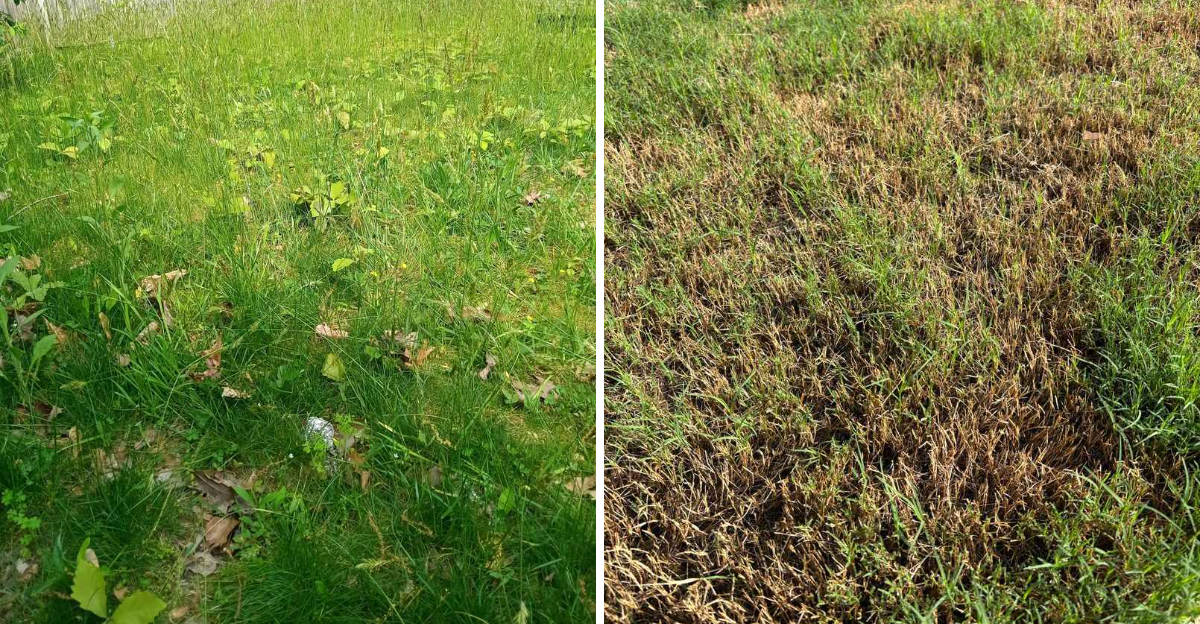
Michigan lawns often respond quite differently to the same storm, with some greening up nicely while others turn an unexpected shade of yellow.
Well draining soil allows grass roots to benefit from fresh rainfall without becoming oversaturated, leading to that healthy green response.
Compacted or clay heavy soil, on the other hand, often traps excess water around roots, causing the yellowing associated with oxygen deprived conditions.
Nutrient runoff during heavy storms can also strip nitrogen from soil, leaving grass looking pale despite plenty of available moisture.
Lawns with healthy, established root systems generally recover and green up faster than those already stressed before the storm hit. Checking drainage patterns across your yard helps identify which areas might need aeration or soil amendments going forward.
Applying a light fertilizer after significant rain can help address any nutrient loss caused by runoff. Understanding these differences helps homeowners address yellowing patches before they become a lasting problem.
1. Drought Stressed Grass Can Green Up Quickly After Rain
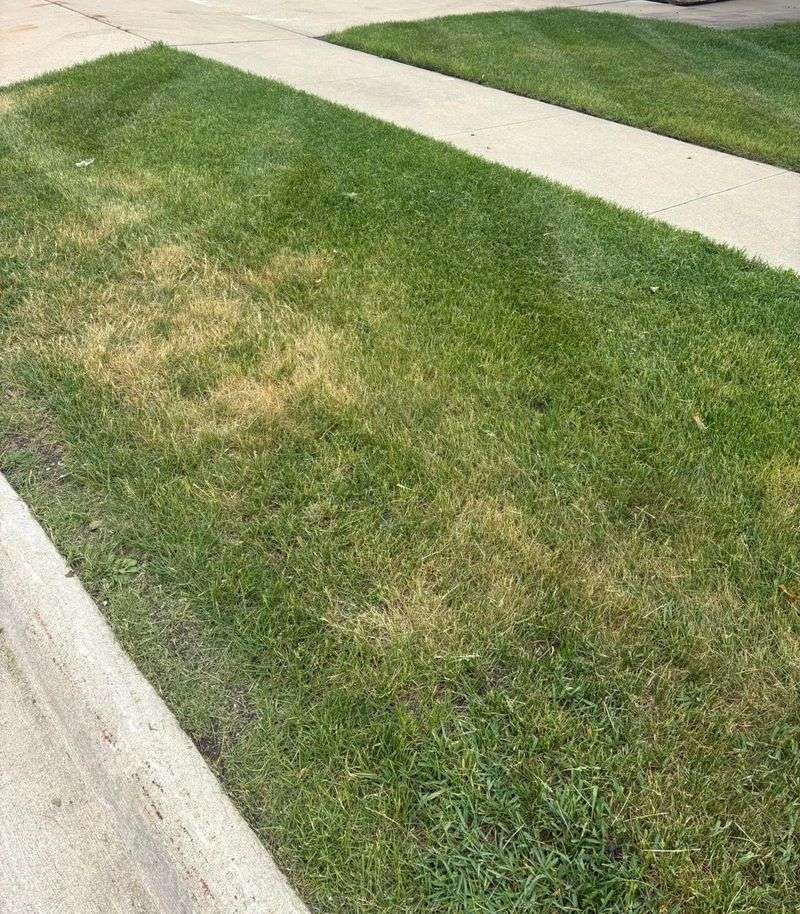
Picture a lawn that looked completely burned out just a few days before a storm. Then the rain arrives, soaks deep into the soil, and within 48 hours the grass starts pushing out fresh green shoots.
This is one of the most satisfying things a Michigan homeowner can witness, and it happens more often than people expect.
Cool-season grasses like Kentucky bluegrass and perennial ryegrass, which are very common across Michigan, have a built-in survival trick.
When summer heat stretches on for weeks without rain, these grasses can slow their growth way down or enter a light dormancy.
They are not gone, they are just waiting. The crown of the plant, which sits right at the soil surface, stays alive even when the blades above look brown and crispy.
Michigan State University has documented how dormant cool-season turf can begin recovering once meaningful rainfall finally reaches the root zone. The key word here is meaningful.
A quick ten-minute sprinkle rarely soaks deep enough to trigger real recovery, especially if the soil dried out significantly before the storm arrived.
One good soaking storm can absolutely kick-start a comeback, but lawns that were extremely dry may need a few more rain events before they fully bounce back. Patience matters here.
Give your lawn several days to respond before deciding something is seriously wrong. Green shoots emerging from the base of the plant are a great sign that recovery is already underway.
2. Yellow Grass May Be Sitting In Too Much Water
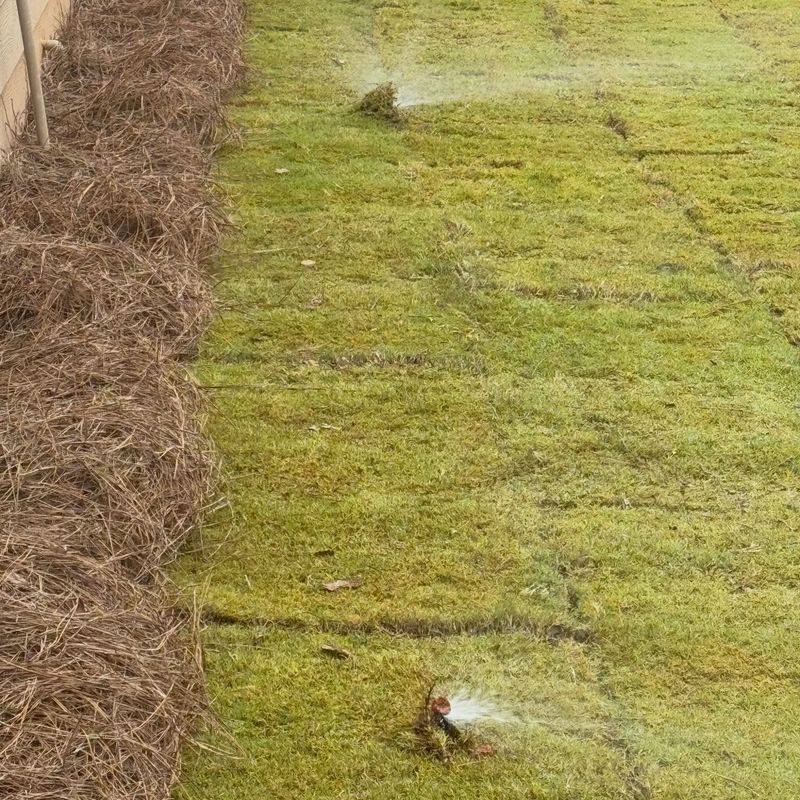
Most people assume that yellow grass means dry grass, but after a heavy Michigan storm, the opposite can actually be true. A lawn that turns yellow following rainfall may have received too much water, not too little.
It sounds counterintuitive, but turf roots need air just as much as they need moisture.
Here is what happens underground when soil stays saturated for too long. Every tiny pore in the soil that would normally hold oxygen fills up with water instead.
Turf roots require oxygen to function properly, and when that supply gets cut off, root hairs begin to deteriorate. Michigan State University notes that oxygen levels in saturated soil can drop surprisingly fast, sometimes within just 24 hours of heavy rain.
Your Michigan Garden Changes Every Week. Your Plan Should Too.
Gardening in Michigan changes quickly throughout the season. Every Friday you’ll receive a simple weekly plan showing exactly what to plant, prune, fertilize, harvest, and protect so you never miss the right timing.
Once those roots start struggling, the grass blades above them have no way to absorb nutrients or water efficiently.
The result is yellowing that can look almost identical to drought stress, which is why so many homeowners get confused. The lawn looks sick even though it is clearly soaked.
The fix is not more water. Saturated areas need time to drain and dry out so oxygen can return to the root zone.
Staying off the lawn during this period helps too, since foot traffic on waterlogged soil compresses those already-stressed pores even further. Watch the turf for several days after the storm.
If yellowing fades as the soil dries, waterlogging was almost certainly the cause. Persistent yellow patches that stay soggy point toward a deeper drainage problem worth addressing.
3. Compacted Areas Often Turn Yellow First
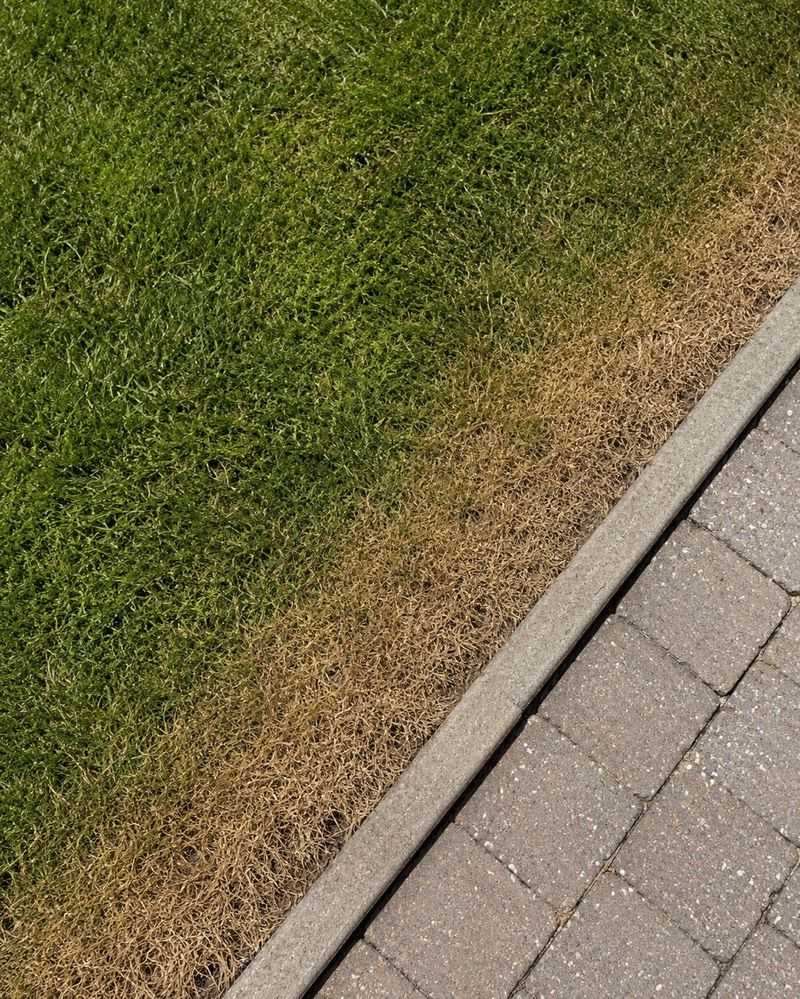
Walk across your lawn after a big storm and pay attention to where the yellow patches show up.
Chances are good they appear in the same spots every time: near the driveway, along the path to the backyard gate, or wherever kids and pets tend to run. Compaction is usually behind this pattern.
Compacted soil has far less open pore space than healthy, loose soil. That means less room for air and less room for water to move through efficiently.
After heavy rain, compacted sections stay saturated much longer than surrounding areas because water simply has nowhere to go.
Roots sitting in that waterlogged zone run low on oxygen faster, and the grass above them starts turning yellow while the rest of the lawn recovers just fine.
Foot traffic is the most common cause of compaction in residential lawns, but vehicles, repeated equipment use, and working on wet soil can all make things worse.
Michigan homeowners should try to stay off the lawn while the ground is very wet, since every step on saturated soil presses those pores together even more tightly.
Lawn aeration is one of the most effective long-term solutions for compaction. Core aeration pulls small plugs of soil from the ground, opening up channels for air, water, and nutrients to reach the roots.
Timing matters though. Aeration works best on cool-season Michigan grasses in the fall or early spring when the grass is actively growing and recovery conditions are favorable.
Never aerate saturated ground, because working very wet soil can make compaction worse rather than better.
4. Soil Type Changes How The Same Storm Affects Two Lawns
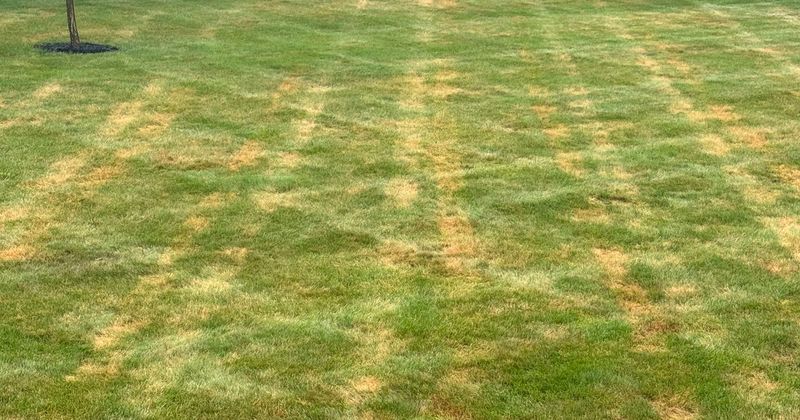
Two lawns sitting right next to each other can look completely different after the exact same storm. One goes green and the other goes yellow, even though they received identical rainfall.
The secret is almost always hiding underground in the soil itself.
Sandy soils drain quickly. Water moves through them fast, which means oxygen returns to the root zone relatively soon after rain.
Grass growing in sandy ground often bounces back from a storm faster because the roots never stay waterlogged for long. On the other hand, heavy clay soils hold onto moisture much longer.
Clay particles pack tightly together, slowing drainage considerably and keeping roots surrounded by water for extended periods.
Soil structure, organic matter content, and compaction all play a role as well. A lawn with rich, well-aerated soil full of organic matter handles excess water better because those soils have more stable pore space for both air and water to move through.
A lawn sitting on compacted, low-organic-matter ground struggles to manage the same amount of rain.
Homeowners sometimes make the mistake of blaming the storm when the real issue is the soil underneath. Evaluating your own soil type is a smart first step.
A basic soil test available through Michigan State University Extension can reveal a lot about what your lawn is working with.
Poor drainage becomes especially critical when several storms arrive close together, because the soil never gets a chance to dry out between events, and stress on turf roots compounds with each passing day.
5. Downspouts And Low Spots Can Create Yellow Patches
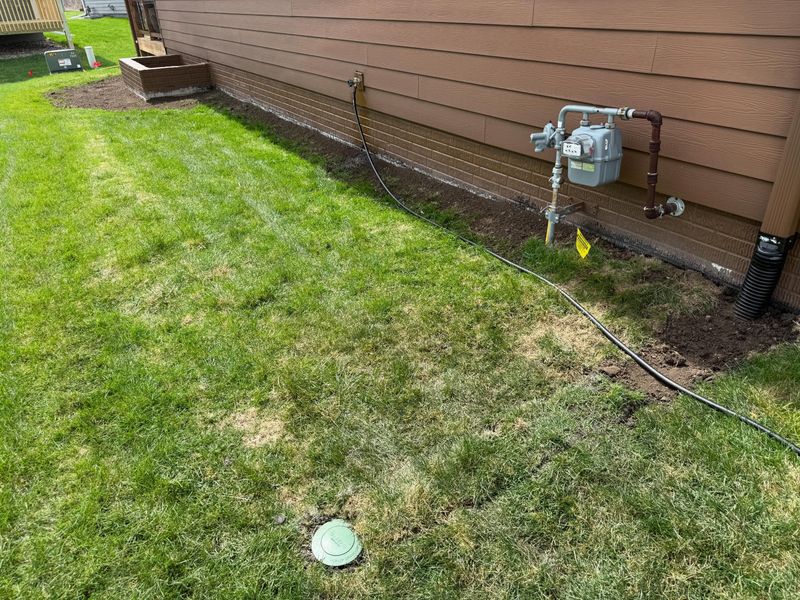
Some yellow patches after a storm are not random at all. They show up in the exact same spots every single time it rains hard, and that predictability is actually a helpful clue.
When yellowing follows a pattern tied to specific locations in the yard, the problem is almost always related to where water collects rather than anything wrong with the grass itself.
Low spots and depressions in a yard naturally gather runoff from surrounding areas.
After a heavy Michigan storm, these low areas can hold standing water for hours or even days, keeping roots submerged in oxygen-poor conditions long after the rest of the lawn has started drying out.
Grass in these spots takes the longest to recover and often shows the most dramatic yellowing.
Downspouts are another major contributor. Michigan State University specifically highlights yellow and brown turf near downspout discharge areas during extended wet conditions.
When roof runoff dumps concentrated water onto one section of the lawn repeatedly, that area never fully drains between storms. The soil stays saturated, roots suffer, and the turf shows it.
Watching your yard during and right after a heavy rain is one of the most useful things you can do. Take note of exactly where water pools and how long it stays.
Redirecting downspouts away from low areas or extending them further into the yard can reduce the problem significantly. Persistent drainage issues may require regrading, a French drain, or a dry creek bed to move water away from the lawn effectively.
Treating the grass repeatedly without fixing the drainage source rarely produces lasting results.
6. Warm Wet Weather Can Trigger Turf Disease
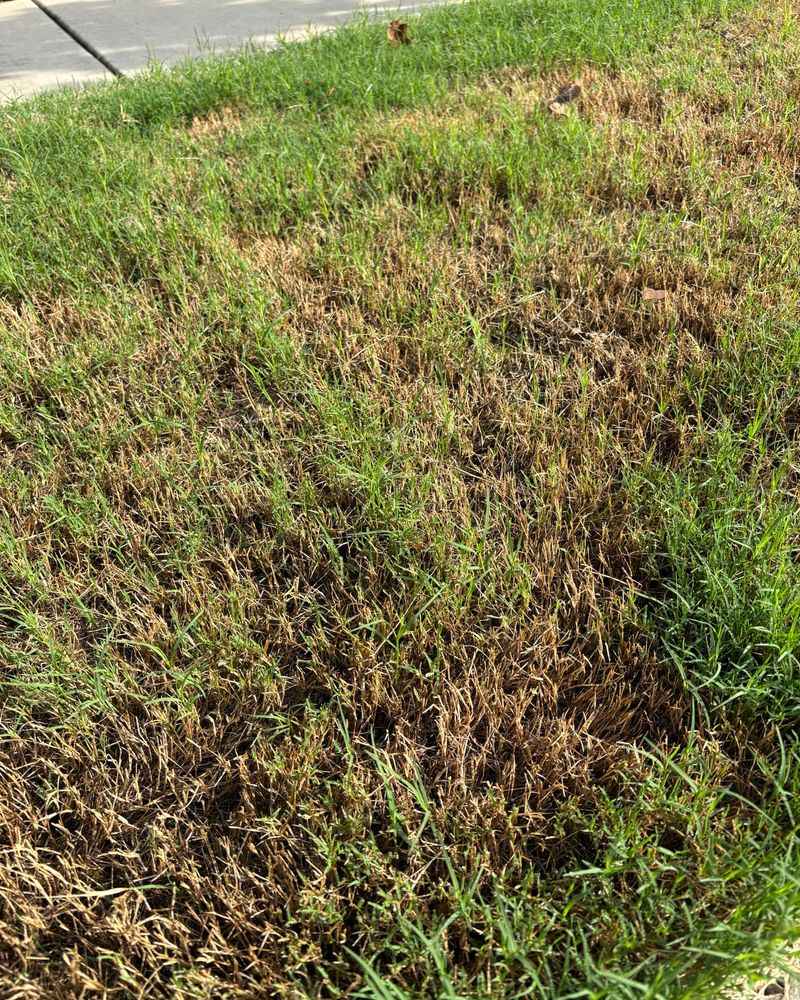
Not every yellow patch after a storm traces back to too much water or poor drainage. Sometimes the rain itself is only part of the story.
When heavy rainfall is followed by warm, humid Michigan weather, the conditions become almost perfect for certain lawn diseases to take hold, and the results can look a lot like plain old water stress.
Brown Patch is one of the most common culprits. It thrives when nighttime temperatures stay above 70 degrees Fahrenheit and the grass stays wet for extended periods.
Pythium-related diseases are another concern, particularly in areas with poor drainage, since Pythium pathogens love saturated, warm soil.
Both of these diseases can produce yellow, brown, or thinning patches that spread in irregular or circular patterns across the lawn.
The tricky part is that disease damage can look almost identical to overwatering or compaction stress from a distance.
Homeowners often assume the rain caused the problem directly and either add fertilizer to push growth or apply extra irrigation, neither of which helps and can actually make disease worse.
Fertilizing a diseased lawn can accelerate the spread of certain pathogens by encouraging soft, lush growth that is more vulnerable to infection.
Before reaching for any product, spend a few minutes really looking at the affected areas. Disease patches often have irregular edges, a water-soaked appearance at the margins, or a slightly sunken look.
If something seems off beyond simple yellowing, contact your local Michigan State University Extension office for help identifying the problem before choosing a treatment path.
7. Different Grass Species Recover At Different Rates
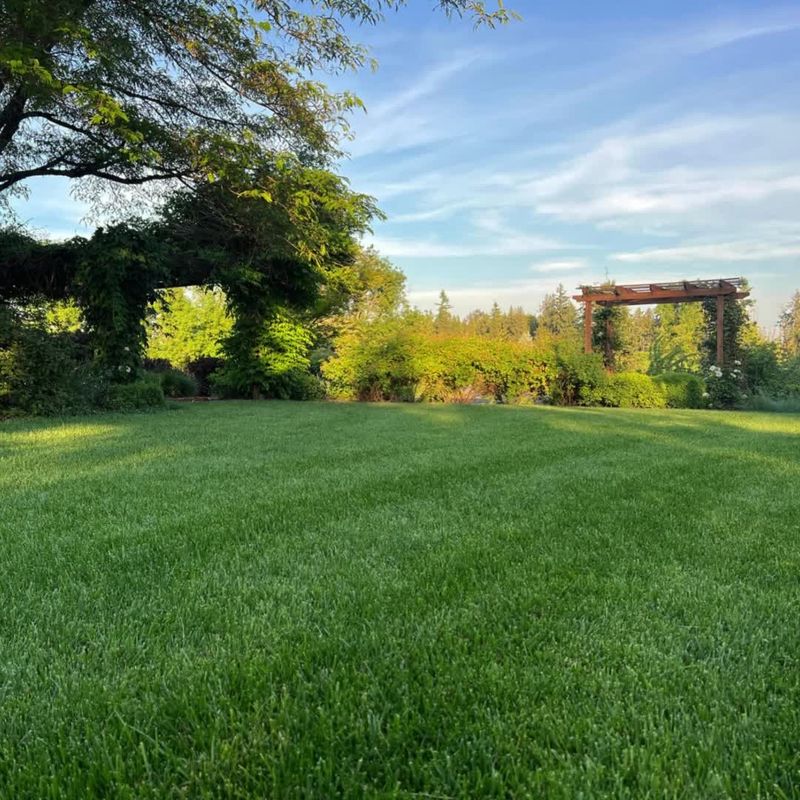
Flip over a bag of grass seed sold at any Michigan garden center and you will almost always see a blend of several different species listed on the label.
Most Michigan lawns are not a single uniform grass but rather a mixture of Kentucky bluegrass, perennial ryegrass, fine fescues, and sometimes tall fescue.
After a storm, these different species do not all respond on the same schedule.
Tall fescue has a notably deep root system compared to many other cool-season grasses. Those deeper roots can access moisture lower in the soil profile, which helps tall fescue hold onto its green color longer during drought stretches.
After rain, it tends to resume active growth relatively quickly. Fine fescues, on the other hand, may stay in a more dormant-like state longer before fully greening up, even after a good soaking storm.
Michigan State University has observed these differences in summer recovery rates among species, noting that a mixed lawn can produce a genuinely patchy appearance after drought and rain cycles, with some areas greening up fast while others lag behind.
This patchiness can look alarming, but it is often completely normal and temporary. Homeowners who rush to reseed slow-recovering patches sometimes end up creating more problems than they solve.
New seed needs consistent moisture and ideal conditions to germinate, and adding it to areas that are just recovering from stress rarely produces great results.
Giving the existing grass several weeks to fully respond before making any reseeding decisions is almost always the smarter move.
8. Wait For The Lawn To Show You What It Needs
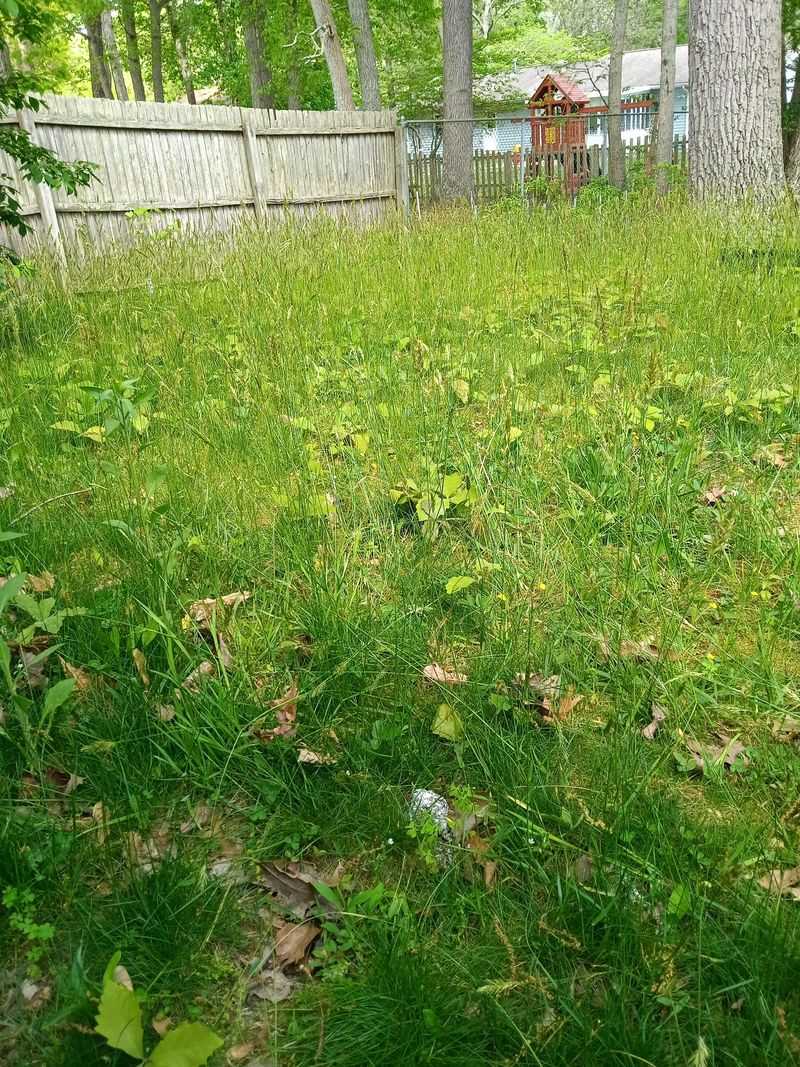
After a major summer storm rolls through Michigan, the single best thing most homeowners can do is absolutely nothing for a few days.
That might feel uncomfortable when the lawn looks patchy and stressed, but reacting too quickly with water, fertilizer, or seed often makes things worse rather than better.
Start by turning off any automatic irrigation systems. Adding more water to a lawn that just received heavy rainfall only prolongs the waterlogging problem and keeps roots starved of oxygen longer.
Stay off the wet turf as much as possible too, since foot traffic on saturated ground compresses soil and slows drainage. Give the lawn several days to breathe and begin showing you what it actually needs.
A previously dry lawn that received a good soaking should start producing green growth within a few days as moisture restores active growth in drought-stressed turf. That gradual greening is a healthy and encouraging sign.
Yellow areas that remain soggy and show no improvement after a week of dry weather point toward something more specific, whether that is a drainage issue, soil compaction, a downspout problem, or possible disease activity.
Check soil moisture before adding any water. Push a screwdriver six inches into the soil in yellow areas.
If it slides in easily and the soil feels wet, the lawn does not need more moisture. If it meets resistance and feels bone dry, gentle irrigation may help.
Identifying the real cause of yellowing first, then choosing the right corrective step, whether that is drainage work, aeration, disease treatment, or reseeding, is always more effective than guessing and hoping for the best.