Stop Doing Heavy Yard Work In Michigan Until This Weather Passes
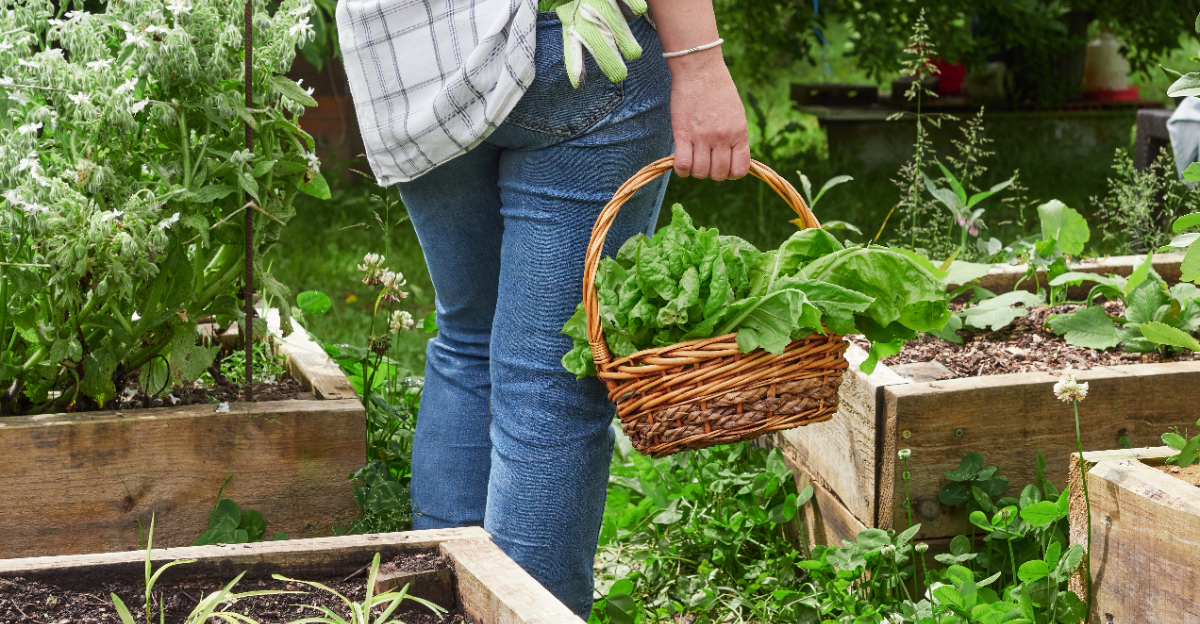
Heavy yard work should wait until current unstable weather conditions pass, especially with Michigan experiencing this mix of intense heat and storm activity.
Working in extreme heat increases the risk of exhaustion, making tasks like digging, heavy pruning, or extensive planting particularly risky right now.
Saturated soil from recent storms also becomes easily compacted under foot traffic, undoing much of the benefit heavy work might otherwise provide.
Pruning trees or shrubs during unstable weather increases the chance of unexpected branch movement, creating unnecessary safety concerns.
Waiting also allows soil moisture levels to stabilize, making future digging or planting significantly easier and less stressful on plants. Lighter tasks like harvesting, deadheading, or light watering remain safe options during this stretch.
Checking the forecast for a stable, cooler window helps determine the best time to resume more demanding yard projects. Patience now protects both your safety and the long term health of your yard.
1. High Heat Makes Heavy Yard Work Risky
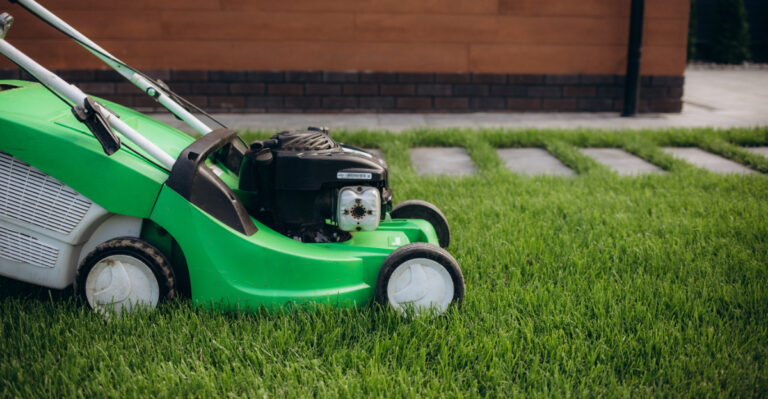
Picture yourself pushing a lawn mower across a sun-baked yard in 90-degree heat with humidity so thick it feels like a wet blanket. That image alone should make you want to put the mower away.
Hot, humid weather puts enormous stress on your body, and yard work only makes it worse.
When you mow, dig, haul, or rake in high heat, your muscles work harder and your heart pumps faster to keep you cool. Sweating is your body’s way of releasing heat, but in humid Michigan summers, sweat does not evaporate quickly.
That means your body struggles to cool itself down, which can raise your core temperature to dangerous levels fast.
Strenuous yard chores like moving heavy bags of mulch, turning compost, or hauling soil push your body even further. Blood flow shifts toward your muscles and skin, leaving less oxygen for your brain.
You might start to feel dizzy, foggy, or weak without much warning at all. Michigan summers regularly bring heat indexes above 100 degrees Fahrenheit, especially in July and August.
The combination of real heat and high humidity creates conditions that are far more physically demanding than a simple temperature reading suggests.
Even fit, healthy adults feel the effects quickly. Respecting what hot weather does to your body is not weakness.
Recognizing the real physical risk of yard work in extreme heat is simply smart thinking. Your yard will still be there when the temperature drops.
2. Check Your Local Heat Risk First
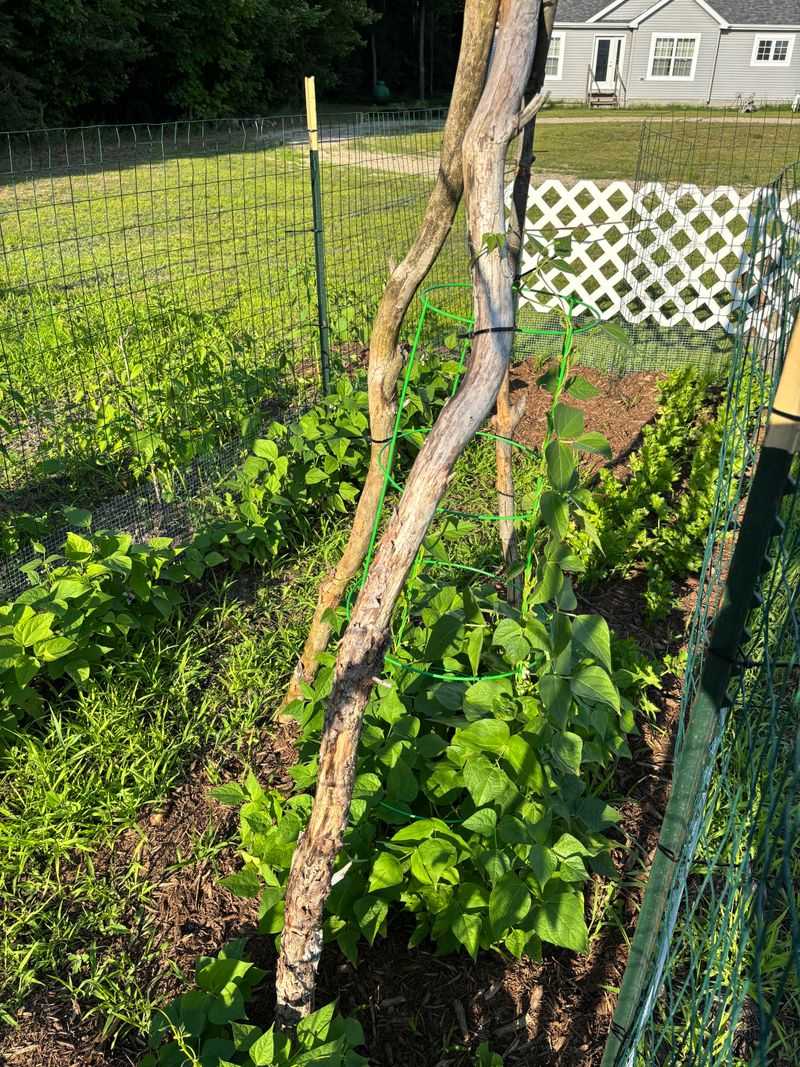
Before you even lace up your work boots, grab your phone and pull up the weather forecast for your area.
Michigan weather can change fast, and what feels like a manageable morning can turn into an oppressive afternoon with very little notice. Knowing what you are heading into makes all the difference.
The National Weather Service regularly issues heat advisories and excessive heat warnings for Michigan counties during summer. These alerts are not just suggestions.
They are based on real data about temperature and humidity combinations that create serious health risks for people doing outdoor physical activity.
Your Michigan Garden Changes Every Week. Your Plan Should Too.
Gardening in Michigan changes quickly throughout the season. Every Friday you’ll receive a simple weekly plan showing exactly what to plant, prune, fertilize, harvest, and protect so you never miss the right timing.
Humidity is just as important as the temperature itself. A 90-degree day with 70 percent humidity feels much hotter than a 90-degree day with dry air.
Weather apps and sites like weather.gov give you a “feels like” or heat index reading that reflects what your body actually experiences outside.
Pay attention to air quality alerts as well. Some hot Michigan summer days come with elevated ozone levels, which can irritate your lungs and make breathing harder during physical activity.
Combining poor air quality with heavy yard work is a recipe for feeling awful very quickly. Checking local conditions only takes a minute or two, but that small habit can help you plan your day much more wisely.
If the forecast shows a heat advisory, a high humidity level, or a heat index above 90 degrees, that is your signal to hold off on the heavy stuff until conditions improve.
3. Avoid The Hottest Part Of The Day
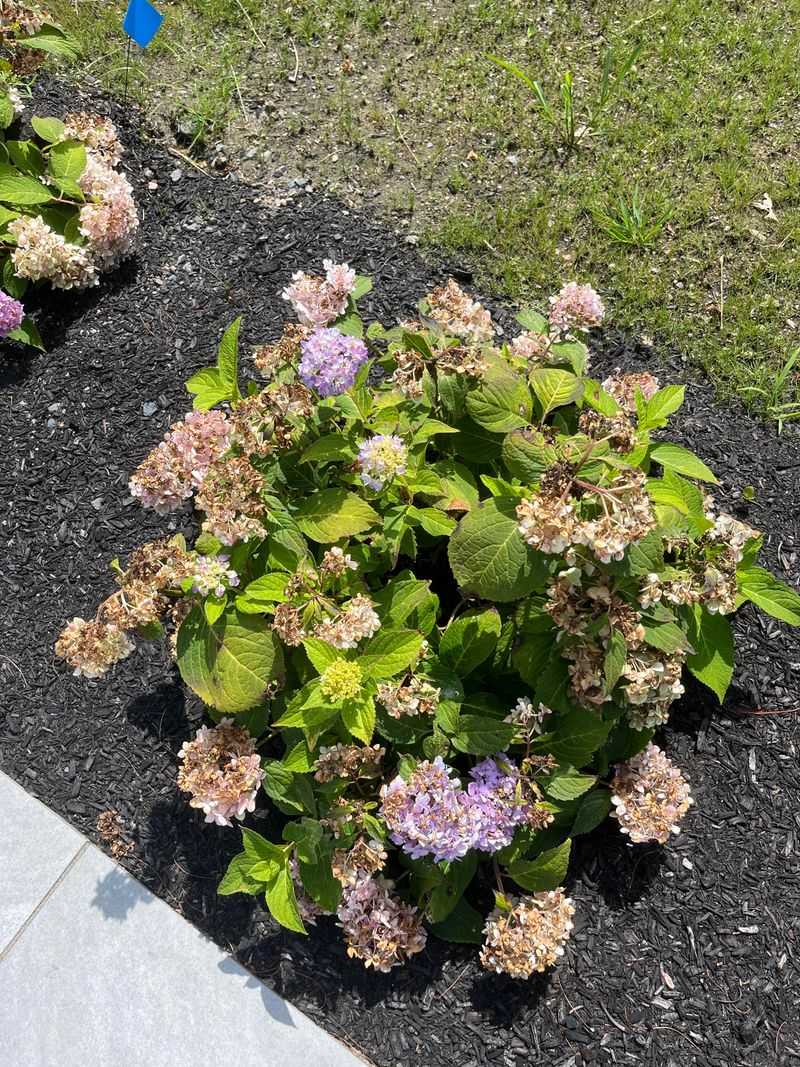
There is a window each day when yard work becomes far more manageable, and most people completely ignore it. The hours between 10 a.m. and 4 p.m. are when the sun is highest and temperatures peak.
Working outside during that stretch in a Michigan summer is genuinely tough on your body, even if you feel fine at first.
Early morning is your best friend when it comes to outdoor chores. Temperatures are cooler, humidity is often lower, and the sun has not yet had hours to bake the ground and air around you.
Getting outside between 6 a.m. and 9 a.m. gives you a solid window to tackle lighter tasks without the brutal heat bearing down on you.
Evening hours, usually after 5 or 6 p.m., offer another comfortable option. The sun is lower in the sky, temperatures start to ease, and a light breeze often picks up.
Many gardeners find that working in the evening feels almost pleasant compared to the midday grind.
The soil itself also holds heat throughout the day, releasing it slowly after sunset. That means even if the air temperature drops a bit in the afternoon, the ground and surrounding surfaces are still radiating warmth back at you.
Evening is typically more comfortable than late afternoon for that reason. Rearranging your schedule around the heat might feel inconvenient, but your body will thank you for it.
Saving the heavy chores for the cooler bookends of the day is one of the simplest and most effective adjustments you can make all summer long.
4. Take Frequent Shade And Water Breaks
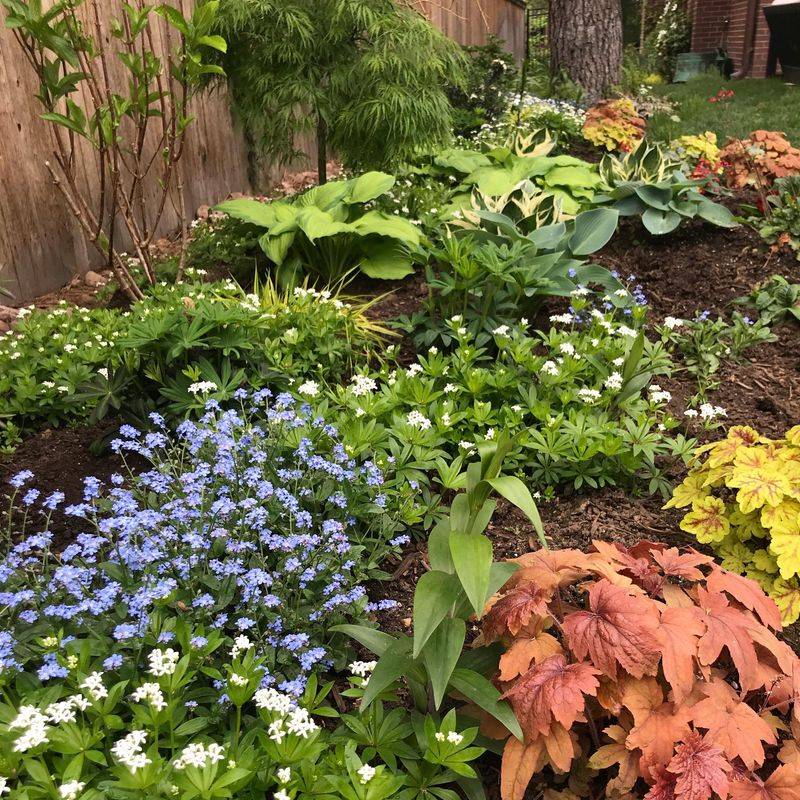
Most people do not drink nearly enough water when they are working outside in the heat. By the time you actually feel thirsty, your body is already behind on hydration.
That small delay matters a lot when you are sweating hard under a Michigan summer sun. Experts recommend drinking water every 15 to 20 minutes during outdoor physical activity in the heat, even if you do not feel like you need it.
Sports drinks with electrolytes can also help replace sodium and potassium lost through sweat during longer work sessions. Avoid sugary sodas or energy drinks, which can actually make dehydration worse.
Shade breaks are just as important as water. When you step out of direct sunlight, your body gets a chance to start releasing built-up heat more efficiently.
Even five to ten minutes in the shade can help reset your core temperature before you head back out to work.
Setting a timer on your phone is a simple trick that works really well. It is easy to lose track of time when you are focused on a project, and before you know it, an hour has passed without a break.
A reminder every 20 minutes keeps you accountable and consistent with your rest schedule.
Wearing light-colored, loose-fitting clothing and a wide-brimmed hat also reduces heat buildup on your body while you work. Small choices like these add up fast.
Combining good hydration, regular shade breaks, and smart clothing gives your body the best possible chance to handle summer yard work safely.
5. Save Heavy Chores For Cooler Weather
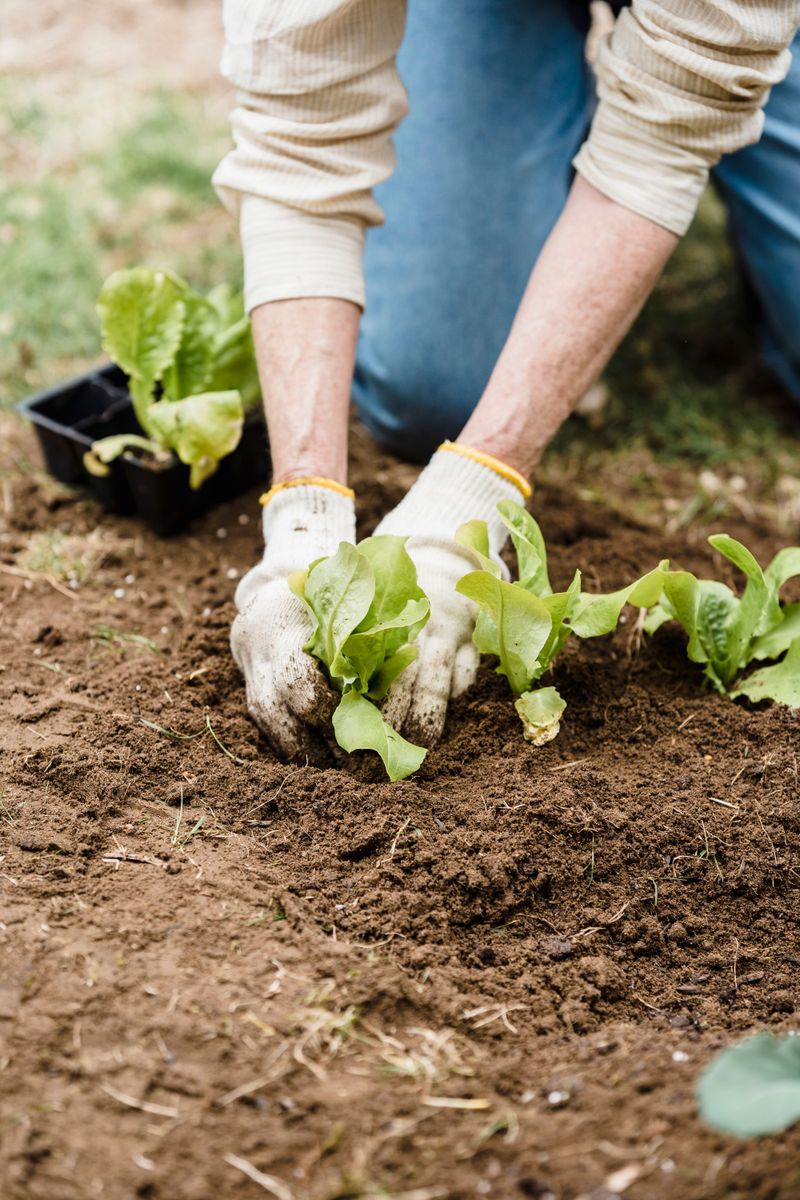
Some yard tasks feel urgent even when they are not. Hauling mulch, turning over garden beds, moving soil, and doing major cleanups are all jobs that can absolutely wait for a cooler day without any real consequence to your yard.
Your lawn and garden are far more patient than your schedule might suggest. Heavy digging and hauling require significant physical output, and doing that kind of work in extreme heat multiplies the strain on your heart and muscles.
The combination of physical exertion and heat stress pushes your cardiovascular system hard, which is exactly the kind of strain you want to avoid when temperatures are soaring.
Michigan typically sees cooler stretches even in August, with temperatures dropping back into the 70s after a heat wave passes. Waiting just a few days for that kind of relief can make a backbreaking job feel almost easy by comparison.
Patience here is genuinely a practical strategy, not just laziness. Make a list of the heavy projects you want to tackle and rank them by urgency. You might find that most of them are not actually time-sensitive at all.
Mulching can wait a week. Moving that pile of dirt can wait until the weekend after the heat breaks. Prioritizing your physical safety over an arbitrary yard timeline is always the right call.
Think of postponing heavy chores as planning smarter, not falling behind. A well-rested, well-hydrated gardener working in comfortable weather will always outperform an overheated one struggling through a brutal afternoon.
Save your energy for when conditions are actually on your side.
6. Keep Essential Garden Work Simple
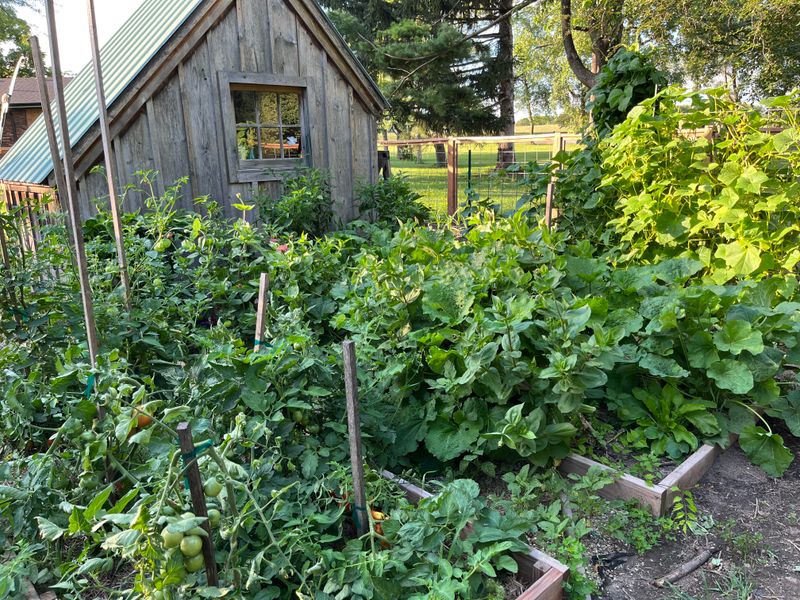
Not all garden tasks require heavy lifting or intense physical effort. During a heat wave, shifting your focus to lighter, low-effort work keeps your plants happy without putting your body through unnecessary stress.
Watering is one of the best examples of this kind of smart, scaled-back approach. A simple garden hose with an adjustable nozzle lets you move around your yard at a comfortable pace, keeping plants hydrated without any heavy labor involved.
Drip irrigation systems take that even further by doing the watering for you automatically. If you have not set one up yet, a basic soaker hose is an affordable and easy option that works really well in garden beds.
Tree watering bags are another clever tool worth knowing about. These slow-release bags wrap around the base of young trees and drip water slowly over several hours, keeping roots moist without any effort from you after setup.
They are especially helpful for newly planted trees during hot Michigan summers when roots are still getting established.
Remove spent flowers, lightly pruning small overgrown stems, or checking plants for pests are all tasks you can do in short bursts without much physical strain.
These small jobs keep your garden moving forward without pushing your body into the danger zone during peak heat hours.
Rethinking what counts as productive garden time during a heat wave is actually a great habit to build. Not every session needs to be a full workout.
Sometimes, a gentle walk through your yard with a hose in hand is exactly the right level of effort for the conditions you are dealing with.
7. Stop If You Feel Weak Or Unwell
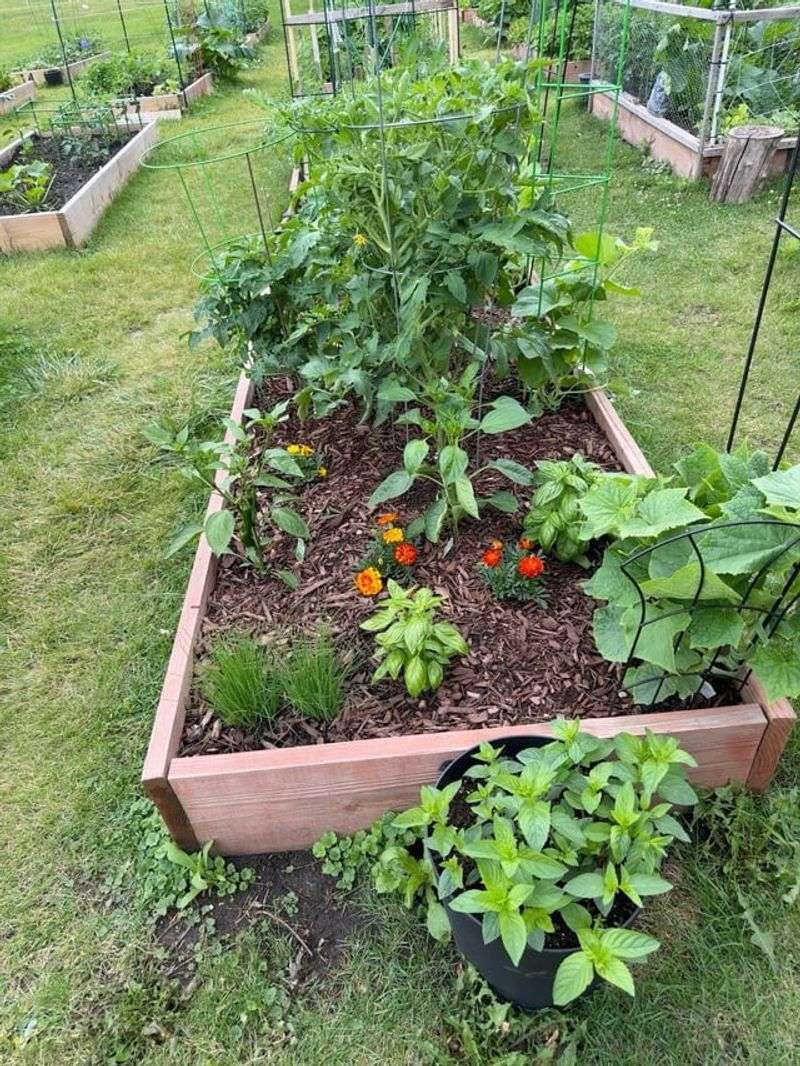
Your body sends signals when it has had enough, and the most important thing you can do is actually listen to them. Feeling suddenly weak, dizzy, nauseated, or confused while working outside in the heat is not something to push through.
Those feelings are your body waving a red flag, and ignoring them can make a bad situation significantly worse.
Heat exhaustion is a real and serious condition that can develop faster than most people expect. Symptoms include heavy sweating, pale or clammy skin, weakness, a fast or weak pulse, nausea, and headache.
If you notice any of these signs, stopping work immediately and moving to a cool, shaded, or air-conditioned space is the right move every single time.
Once you are somewhere cooler, drink water slowly and apply a cool, damp cloth to your neck, wrists, and forehead. Lying down with your feet slightly elevated can also help your circulation recover.
Most cases of heat exhaustion improve within 30 minutes of cooling down and resting properly.
If symptoms do not improve or if someone loses consciousness, that requires a call to emergency services right away. Heat stroke is a medical emergency that needs professional attention quickly.
Knowing the difference between mild heat stress and a serious situation could protect your life or someone else’s.
No amount of yard work is worth gambling with your health. Your garden needs you around for many more seasons to come.
Stopping at the first sign of trouble is not giving up. It is making the smartest possible decision in that moment.
8. Return To Bigger Jobs When Conditions Improve
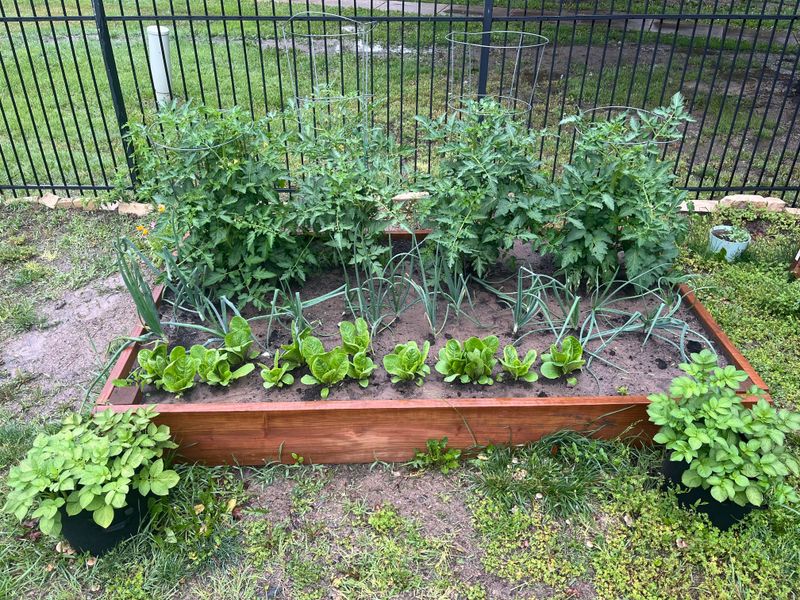
There is something genuinely satisfying about heading back outside after a brutal heat wave finally breaks. The air feels lighter, your energy returns, and even the biggest yard jobs feel manageable again.
That post-heat-wave window is actually one of the best times of the season to tackle the projects you put off.
Cooler temperatures in the low 70s or upper 60s make physical labor far less taxing on your heart and muscles. You can work longer, move faster, and recover more quickly between tasks.
The same chore that would have wiped you out in 95-degree heat becomes genuinely enjoyable when the weather cooperates. Michigan’s late summer and early fall often bring exactly these kinds of ideal conditions.
Late August and September can offer stretches of beautiful weather perfect for digging, planting, spreading mulch, or doing any of the heavy cleanup jobs you wisely postponed during the hottest weeks.
Timing bigger projects around these windows is a smart seasonal strategy. Use the downtime during the heat wave to plan what you want to tackle first. Write out a priority list, gather your supplies, and make sure your tools are in good shape.
Walking into a cooler weather window fully prepared means you can hit the ground running without any wasted time or trips to the hardware store.
Yard work is a long game, and the best gardeners know how to pace themselves across the whole season. Waiting for the right conditions is not procrastination.
It is simply working with nature instead of against it, which always produces better results in the end.