How Chiggers Differ From Ticks, And Where To Find Them In Tennessee Yards
Something invisible touches your skin long before you notice it. Tennessee yards hide several small pests every single summer season. Chiggers attach to skin and release enzymes causing intense itching.
Ticks instead attach firmly and remain embedded for several days. Both creatures favor damp grass and thick shaded undergrowth nearby. Confusing these two pests often leads to the wrong response.
Doctors across Tennessee frequently encounter this exact confusion. Duration differs sharply, and so does the pattern of symptoms. Redness spreads quickly whenever chiggers are the actual cause.
Swelling instead lingers longer whenever ticks are truly involved. Location matters more than most people ever stop to consider. Timing matters too, since each pest follows its own rhythm.
Understanding these differences changes how you protect yourself outdoors. Ignoring the difference invites discomfort that you could easily avoid. Only real clarity reveals exactly what touched you, and why it matters.
Chiggers Are Nearly Invisible To The Naked Eye
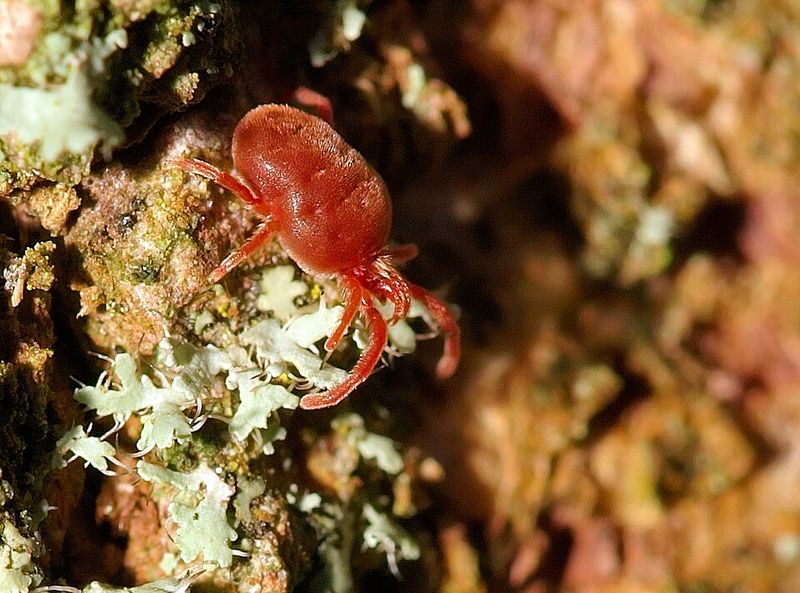
Spot a chigger with your naked eye, and you deserve a prize. These mites are so small that most people never actually see one, even as it feeds on them.
Chiggers are the larval stage of harvest mites, and they measure less than 0.3 millimeters. That is smaller than the period at the end of this sentence.
Because of their size, people often blame mosquitoes or other bugs for the bites. The real culprit is already long gone before the itching starts.
Ticks, by contrast, are much easier to spot. An adult deer tick is roughly the size of a sesame seed, and an engorged one can grow to the size of a small raisin or pea.
The size difference matters because it changes how you protect yourself. With ticks, a quick body check after being outdoors can catch them early. With chiggers, by the time you know they were there, the damage is already done.
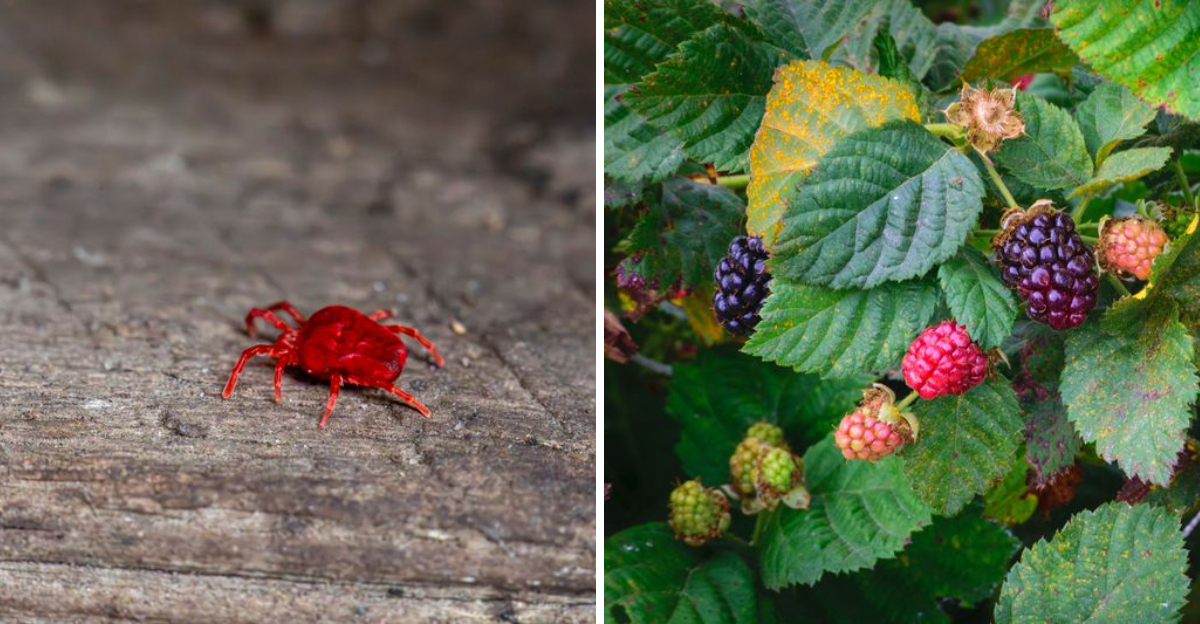
Chiggers are bright red or orange in color, which sounds easy to see. However, at their tiny scale, they just look like a faint speck of red dust on your skin.
A magnifying glass is honestly the best tool for spotting them. Knowing how chiggers differ from ticks starts with understanding this massive size gap between the two pests.
Ticks Embed And Feed For Days At A Time
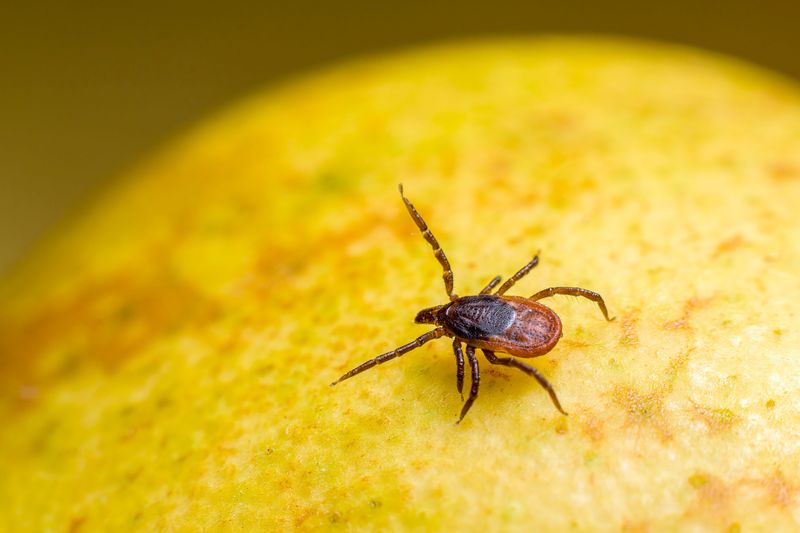
Ticks remain attached to a host for an extended period. Once one latches onto your skin, it can stay attached and feed for several days without you noticing.
A tick uses its barbed mouthparts to anchor itself firmly beneath the skin. It then releases a numbing compound so you do not feel the bite at all.
This is what makes ticks especially concerning compared to chiggers. The longer a tick stays attached, the higher the risk of disease transmission.
Lyme disease, Rocky Mountain spotted fever, and ehrlichiosis are all tick-borne illnesses found in Tennessee. Removing a tick as soon as possible lowers your risk of getting sick, though transmission times vary by disease.
Your Tennessee Garden Changes Every Week. Your Plan Should Too.
Gardening in Tennessee changes quickly throughout the season. Every Friday you’ll receive a simple weekly plan showing exactly what to plant, prune, fertilize, harvest, and protect so you never miss the right timing.
Chiggers, on the other hand, do not embed into your skin. They stay on the surface and inject enzymes that break down skin cells for them to consume.
That feeding process sounds alarming, but chiggers actually fall off on their own after a short time. They do not linger for days the way ticks do.
To remove a tick safely, use fine-tipped tweezers and pull straight upward without twisting. Avoid folk remedies like petroleum jelly or heat, as those methods can cause the tick to release harmful fluids.
Understanding how ticks feed helps explain why daily tick checks are so important for anyone spending time in a Tennessee yard.
Bites From Chiggers Cause Intense Itching Within Hours

Chigger bites are a common source of discomfort. The itch begins quickly, usually within a few hours of exposure, and can persist for days.
Chiggers do not actually burrow under the skin, despite what many people believe. They inject a digestive enzyme that hardens skin cells into a feeding tube called a stylostome.
Your immune system goes into overdrive fighting that enzyme. The result is a red, raised welt that itches intensely, often worse at night.
Bites tend to cluster around tight clothing areas like waistbands, sock lines, and the backs of knees. Those spots trap chiggers against the skin, giving them more time to feed.
Tick bites, by comparison, often look like a small red bump or a bullseye rash in the case of Lyme disease. They are usually painless at first and do not cause the same frantic itch.
Over-the-counter hydrocortisone cream and antihistamines can help calm chigger bite reactions. Cool showers also provide temporary relief by numbing the area slightly.
Scratching aggressively is not advisable and can lead to infection. Breaking the skin can introduce bacteria and lead to a secondary infection that is far worse than the original bite.
Knowing how chiggers differ from ticks in terms of bite symptoms helps you treat the right problem quickly, instead of guessing and making things worse.
Larval Chiggers, Unlike Ticks, Drop Off After Feeding
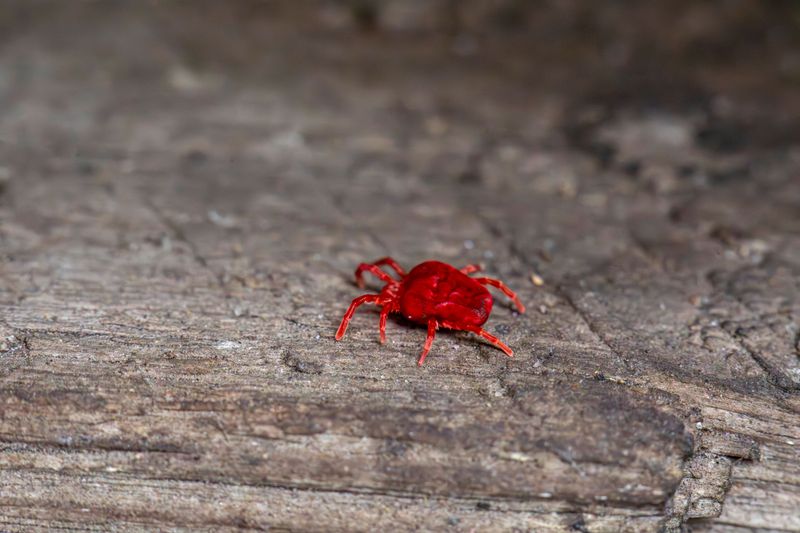
Here is something that might surprise you about chiggers. The ones that bite you are actually babies, not adults.
Only the larval stage of a chigger feeds on humans or animals. Once they finish feeding, they drop off and develop into nymphs and then adults that eat plant material instead.
This means you are never hosting a full-grown chigger on your body. The adult mites live their lives in the soil, completely unbothered by you.
Ticks, on the other hand, feed on blood at every stage of their life cycle. Larvae, nymphs, and adults all need a blood meal to survive and develop further.
That repeated need for blood means ticks are a threat to you, your pets, and local wildlife year-round. They are equal-opportunity feeders from start to finish.
Because larval chiggers drop off after feeding, you will not find them still attached when you inspect your skin later. This is one reason people often misidentify the bites.
The stylostome feeding tube they create stays in the skin even after the mite is gone. That leftover structure is what keeps triggering your immune response and causing prolonged itching.
Understanding this drop-off behavior explains why showering quickly after outdoor exposure can help. Washing off any unfed chiggers before they attach reduces the number of bites you end up with significantly.
Tall Grass Harbors Large Chigger Populations

Walk through a patch of tall, unmowed grass in summer, and you are walking through an area with a high concentration of chiggers. These mites absolutely thrive in dense, overgrown lawn areas.
Chiggers climb to the tips of grass blades and wait for a warm-blooded host to brush past. This waiting behavior is an effective way for chiggers to reach a host.
Ticks use the same questing behavior, so tall grass is a shared danger zone for both pests. Keeping your lawn mowed short is one of the most effective defenses you have.
Keeping grass short, generally a few inches or less, can help reduce chigger habitat. Short grass dries out faster, and chiggers need moisture to survive.
A well-maintained lawn does more than improve curb appeal. For Tennessee homeowners, it can also help reduce exposure to both chiggers and ticks.
Mowing regularly also disrupts the leaf litter and thatch layer where chigger eggs and larvae develop. Removing that layer takes away their shelter and their nursery at the same time.
Wearing long pants tucked into socks when mowing is still a smart precaution, even in a maintained yard. Chiggers can linger in grass at any length if the conditions are right.
Staying on top of your mowing schedule through late spring, summer, and early fall keeps populations low during the peak chigger season in the region.
Overgrown Weeds Along Fence Lines Attract Them

That strip of weeds growing along your back fence is not just an eyesore. For chiggers, it is prime real estate.
Fence lines are easy to overlook during regular yard maintenance. Weeds grow tall and dense there, creating exactly the shaded, humid microclimate that chiggers prefer.
Ticks also love these neglected border zones. Deer, rabbits, and other wildlife often travel along fence lines, dropping ticks as they move through your yard.
Clearing weeds along fence lines removes habitat for both pests in one effort. A simple string trimmer run along the base of the fence every few weeks makes a noticeable difference.
You can also lay a gravel or wood chip barrier along the fence line to create a dry buffer zone. Chiggers and ticks avoid crossing dry, exposed surfaces because they lose moisture quickly.
If pulling weeds by hand, always wear long sleeves, gloves, and pants tucked into socks. That dense weed growth is exactly where chiggers wait at ankle and shin height.
Applying a yard-safe insecticide along fence lines can provide additional protection during peak season. Products containing bifenthrin are commonly used and effective against both chiggers and ticks.
Turning your attention to these border areas is a small effort with a big payoff. Neglected fence lines are often the main reason a well-mowed yard still has a chigger problem.
Shady, Damp Areas Near Woodlands Hold Chiggers

Step into the shaded corner of your yard near the tree line, and you are likely entering an area where chiggers are present. Moisture and shade are the two things chiggers need most to survive.
Chiggers cannot tolerate direct sunlight or dry conditions for long. They retreat into leaf litter, thick ground cover, and damp soil to stay alive between feedings.
Areas where your lawn meets a wooded edge are hotspots for both chiggers and ticks. Wildlife moving out of the woods brings ticks right into your yard.
Creating a clear buffer between your lawn and any wooded areas reduces that wildlife traffic. A wide strip of wood chips or gravel can act as a barrier.
Raking up leaf litter regularly removes the moist hiding spots chiggers rely on. Bags of damp leaves sitting near the house are an open invitation for them to settle in.
Trimming back low-hanging branches lets more sunlight reach the ground, drying out those shady spots. Less shade means less moisture, and less moisture means fewer chiggers.
Ticks prefer these same woodland-edge environments, so addressing this zone protects you from both threats simultaneously. It is one of the more effective changes you can make to your yard.
Knowing how chiggers differ from ticks matters most in these shared zones. Both pests overlap here, so your protective habits need to cover both at once.
Berry Patches And Thickets Shelter Chigger Clusters

Wild blackberries look beautiful in a Tennessee yard, but they come with a hidden cost. Berry patches and thorny thickets are among the most reliable places to find chigger clusters.
The dense, tangled growth of a berry patch creates perfect conditions: shade, humidity, and protection from wind. Chiggers gather in these spots in surprisingly large numbers.
Animals like deer, raccoons, and birds visit berry patches frequently. They carry ticks with them, making these same areas a tick hotspot as well.
If you have a wild berry patch on your property, create a clear path around it rather than pushing through the canes. Even a short detour keeps you out of the highest-risk zone.
Wearing permethrin-treated clothing before picking berries adds a strong layer of protection. Permethrin is an insect repellent that bonds to fabric and remains effective through multiple washes.
After any time spent near a thicket, shower promptly and toss your clothes directly into a hot dryer. High heat is effective against both chiggers and ticks that may have hitched a ride.
Pruning back thickets and thinning dense shrubs reduces the habitat chiggers depend on. You do not have to remove a berry patch entirely to make it significantly safer.
Understanding how chiggers differ from ticks, and where both pests gather in Tennessee yards, gives you the knowledge to enjoy your outdoor space with real confidence.