What It Really Means When Your Oregon Zucchini Suddenly Stops Producing
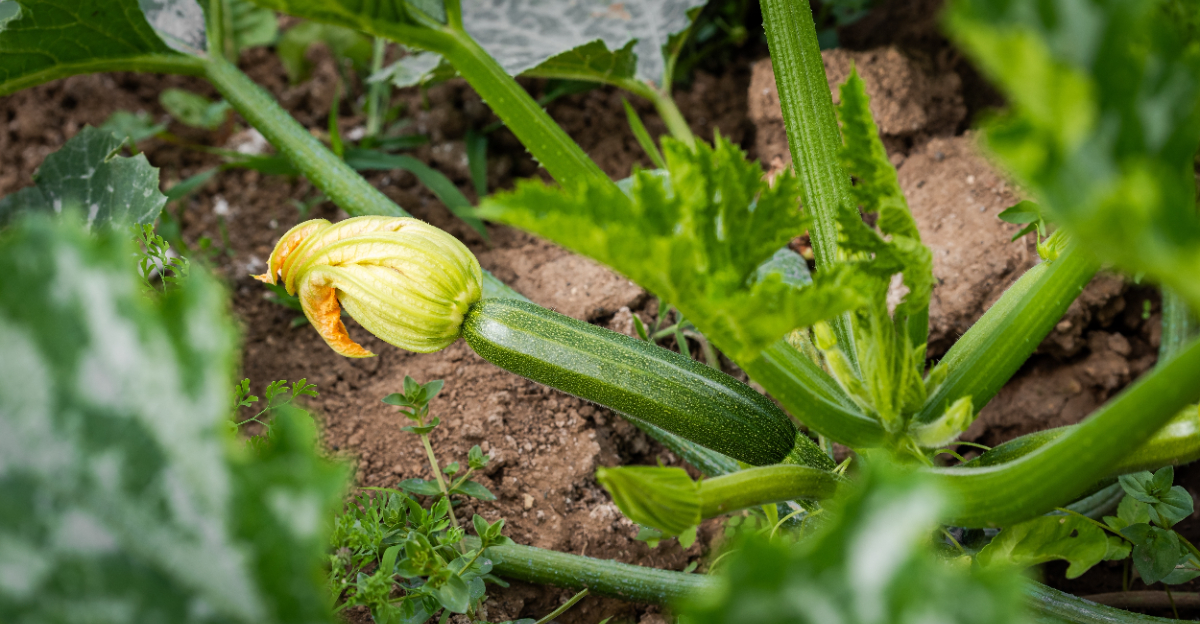
A zucchini plant can look vigorous and still stop giving you fruit almost without warning. One week the kitchen counter is overflowing, then the next you are staring at flowers that never seem to turn into anything.
That sudden slowdown can come from several different pressures, and the plant does not always make the cause obvious.
Late-summer heat, poor pollination, plant stress, or changing growth patterns can all interrupt production even when the leaves still look healthy.
The timing matters because August conditions can push zucchini into a very different rhythm than they had earlier in the season.
Instead of assuming the plant is finished, it helps to look at what changed around the same time the harvest slowed down.
The answer is often easier to spot once you know which clues matter.
1. Male Flowers Showing Up Without Enough Females
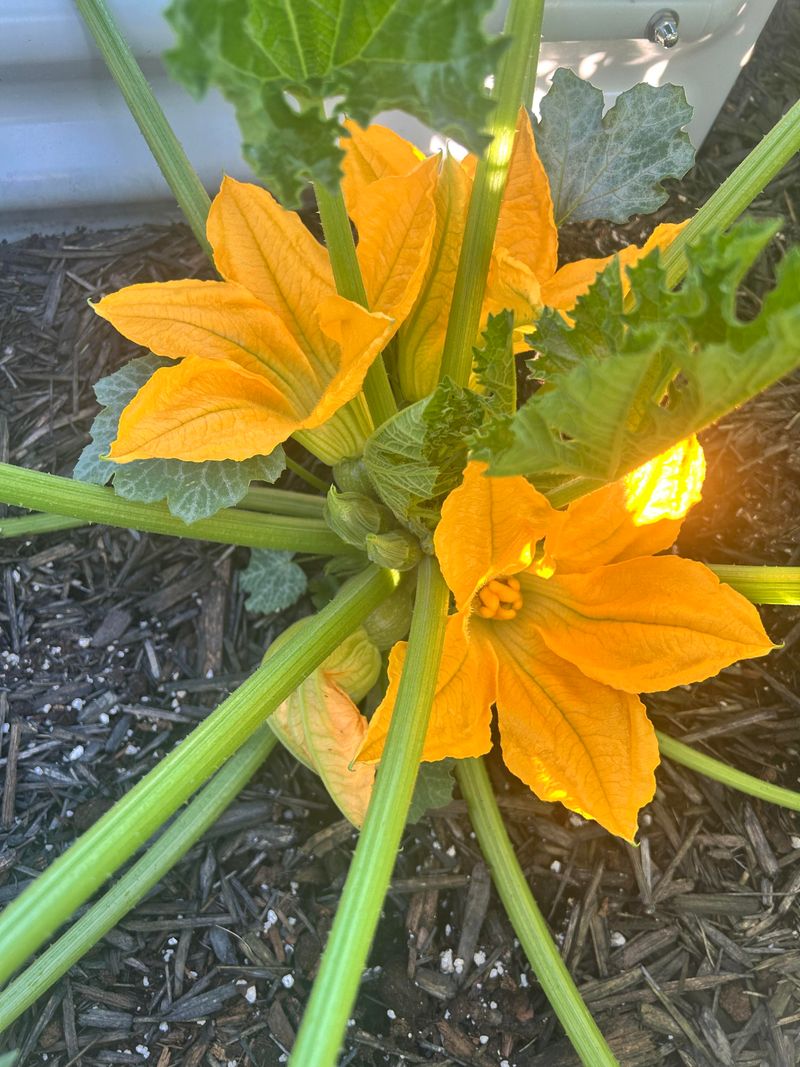
Most Oregon gardeners are surprised to learn that zucchini plants grow two completely different types of flowers.
Male flowers show up first, usually about a week before any females appear. They bloom on long, thin stems and have no tiny fruit at their base.
Female flowers are the ones that actually turn into zucchini. You can spot them easily because they have a small, swollen bump at the base that looks like a miniature zucchini.
Without enough female flowers open at the same time as male flowers, no fruit will form.
Early in the season, it is totally normal to see mostly male flowers. Plants do this as a warm-up, testing the environment before committing energy to fruit.
Be patient and keep watching your plant closely each morning. If you have been seeing flowers but no fruit, count how many of each type are open on the same day. A good ratio is roughly one female for every three to five males.
If females are missing or blooming at different times, pollination simply cannot happen. Planting more than one zucchini plant can help balance flower timing.
You can also hand-pollinate by using a small paintbrush or cotton swab to transfer pollen from a male flower directly to the center of a female flower.
This simple trick works surprisingly well and takes less than a minute to do.
2. Heat Stress Putting Fruit Production On Pause
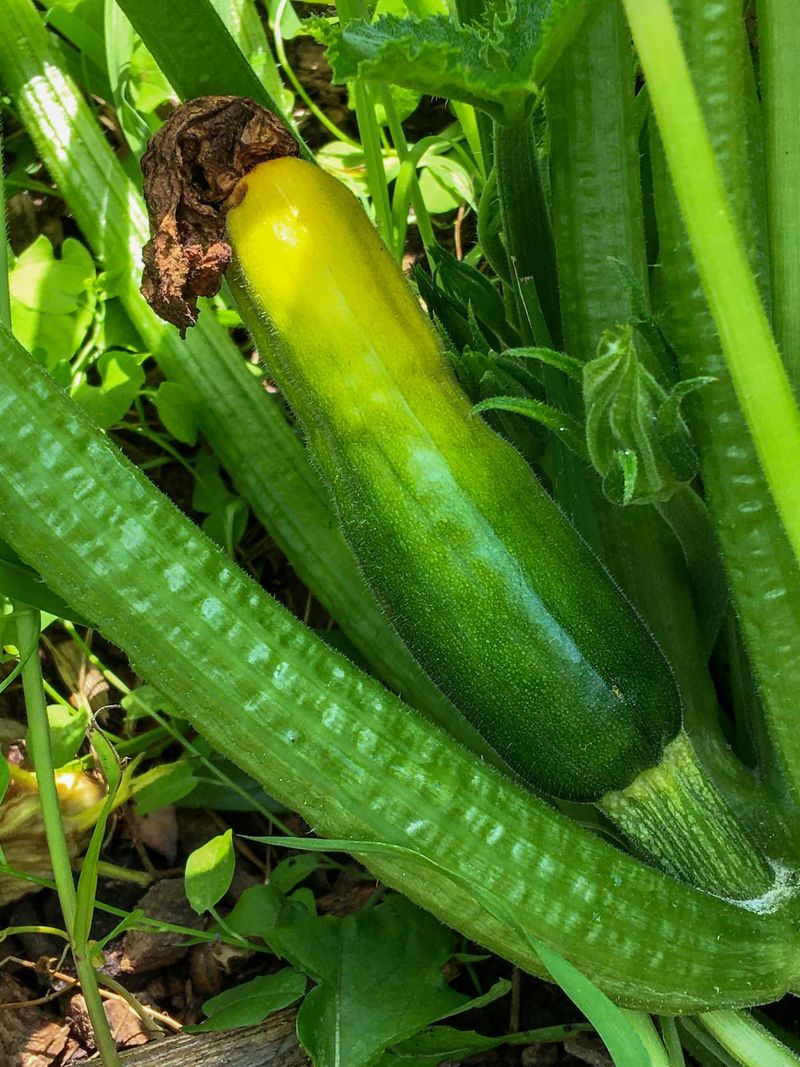
When temperatures climb too high, zucchini plants go into a kind of survival mode. They stop putting energy into making fruit and focus instead on just staying alive.
This is especially common during July and August heat waves.
Zucchini grows best when daytime temperatures stay between 70 and 90 degrees Fahrenheit.
Once it gets above 95 degrees for several days in a row, plants often drop newly forming fruit or stop setting new ones altogether.
The heat makes pollen less viable, which means pollination fails even when bees are active.
You might notice that your plant still looks mostly green and upright, but nothing new is developing. That is a classic sign of heat stress.
The plant is conserving resources rather than wasting them on fruit it cannot support in extreme conditions.
Your Oregon Garden Changes Every Week. Your Plan Should Too.
Gardening in Oregon changes quickly throughout the season. Every Friday you’ll receive a simple weekly plan showing exactly what to plant, prune, fertilize, harvest, and protect so you never miss the right timing.
There are a few ways to help your plant cope. Shade cloth stretched over the bed during the hottest part of the afternoon can lower leaf temperature by several degrees.
Watering deeply in the early morning helps roots stay cool longer throughout the day.
Oregon summers have been getting hotter in recent years, so this issue is becoming more common for local gardeners. Once cooler temperatures return, most plants bounce back quickly and start producing again.
Give your plant some time and a little extra care, and it usually recovers on its own within a week or two.
3. Poor Pollination Leaving Tiny Zucchini To Shrivel
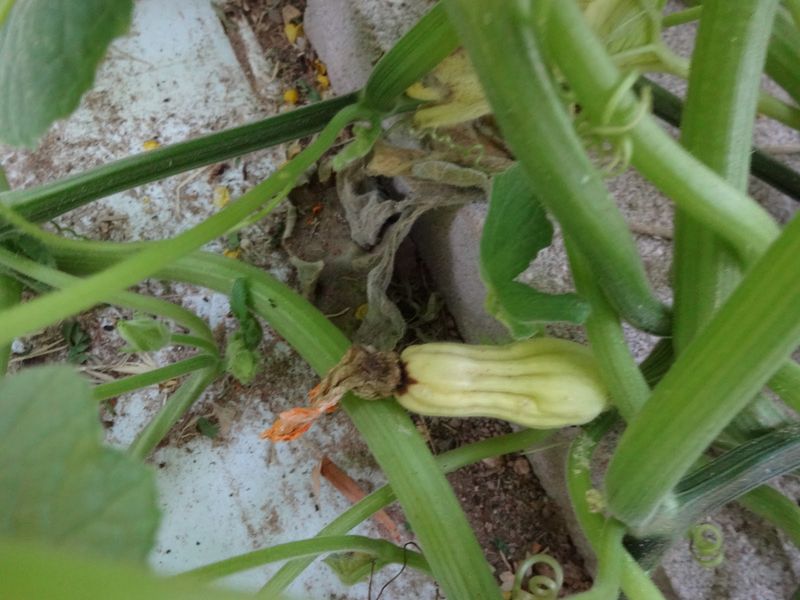
Few things are more frustrating than watching tiny zucchini start to grow, only to shrivel up and fall off before they reach a usable size. This is almost always a pollination problem.
When a female flower does not receive enough pollen, the fruit starts to form but then stops and drops.
Bees are the main pollinators for zucchini, and they do most of their work in the early morning hours. If bees are not visiting your garden regularly, pollination becomes inconsistent.
Pesticide use nearby, a lack of flowering plants, or rainy mornings can all reduce bee activity.
You can check for this problem by looking at the tiny fruit that shrivel. If they all have a soft, rotting tip and never reach more than an inch long, poor pollination is almost certainly the cause.
Healthy pollination produces firm fruit that grows steadily every day.
Hand-pollinating is one of the most reliable fixes. Pick a male flower in the morning when it is fully open.
Peel back the petals and rub the pollen-covered center directly onto the sticky center of an open female flower. Do this for several days in a row for the best results.
Planting pollinator-friendly flowers nearby also helps a lot. Marigolds, borage, and lavender attract bees and keep them coming back.
Even a small cluster of these plants near your vegetable bed can make a noticeable difference in fruit set within just a week or two.
4. Dry Soil Making The Plant Drop New Fruit
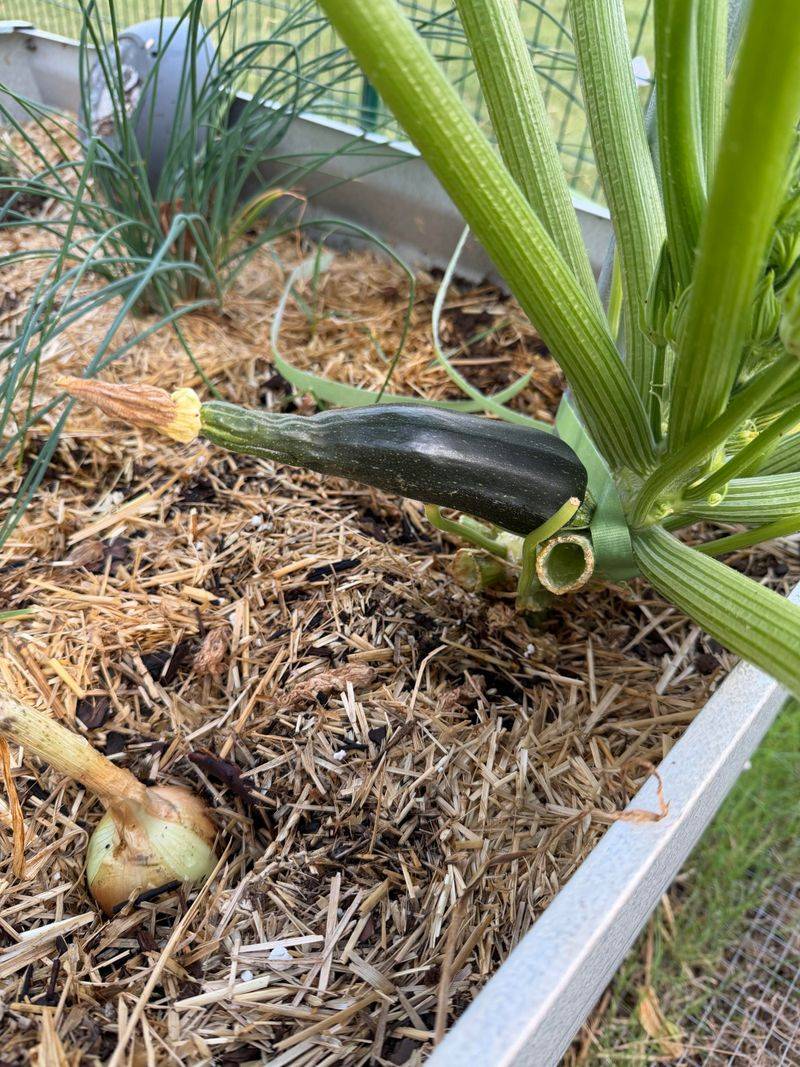
Water is one of the most critical ingredients for consistent zucchini production. When the soil dries out too much between waterings, the plant makes a tough decision: it drops developing fruit to save itself.
This is a built-in survival response, not a sign that something is permanently wrong.
Zucchini plants are thirsty. They need about one to two inches of water per week, and more during hot stretches.
Sandy soils drain fast and may need watering every other day. Clay soils hold moisture longer but can become waterlogged if overwatered, which creates a different set of problems.
To check your soil moisture, push your finger about two inches into the ground near the base of the plant. If it feels dry at that depth, it is time to water.
If it feels wet and cool, hold off for another day. Getting this balance right makes a huge difference in fruit production.
Drip irrigation is one of the best tools for keeping zucchini consistently watered. It delivers water slowly and directly to the root zone without wetting the leaves, which also helps reduce disease.
Mulching around the base of the plant with straw or wood chips helps the soil hold moisture much longer between waterings.
Consistency is key. Irregular watering, where the soil swings from very dry to very wet, stresses the plant and causes it to drop fruit repeatedly.
Set a watering schedule and stick to it, adjusting only when rainfall helps out naturally.
5. Powdery Mildew Stealing Energy From The Leaves
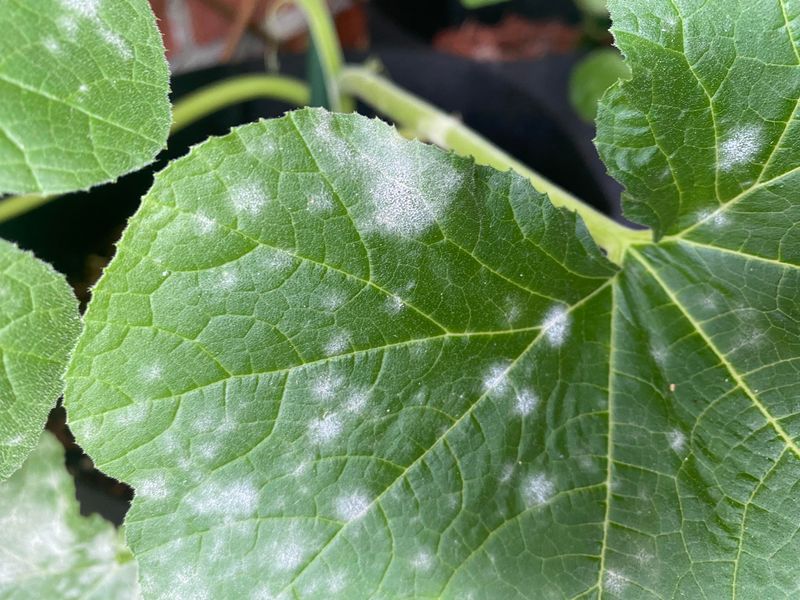
That white, dusty coating on your zucchini leaves is not harmless. Powdery mildew is a fungal problem that spreads fast and quietly steals the energy your plant needs to make fruit.
It thrives in warm days with cool nights and low airflow, which makes late summer a prime time for outbreaks.
The fungus attacks the leaf surface and interferes with photosynthesis. When leaves cannot make energy efficiently, the plant pulls back on fruit production to compensate.
You might notice the plant still has flowers but fruit stops forming or developing properly.
Catching it early gives you the best chance of managing it. Look for small white spots first, usually on older leaves near the base of the plant.
These spots spread quickly and can cover entire leaves within a week if left alone.
A simple home remedy is mixing one tablespoon of baking soda with one quart of water and a few drops of dish soap. Spray it directly on affected leaves every few days.
Neem oil is another effective option and is safe to use on edible plants when applied correctly.
Improving airflow around the plant helps slow the spread significantly. Remove heavily infected leaves and dispose of them away from the garden.
Avoid overhead watering, which keeps leaves wet and creates the humid conditions mildew loves. Keeping plants properly spaced also reduces how quickly the fungus moves from one plant to another.
6. Overgrown Zucchini Telling The Plant To Slow Down
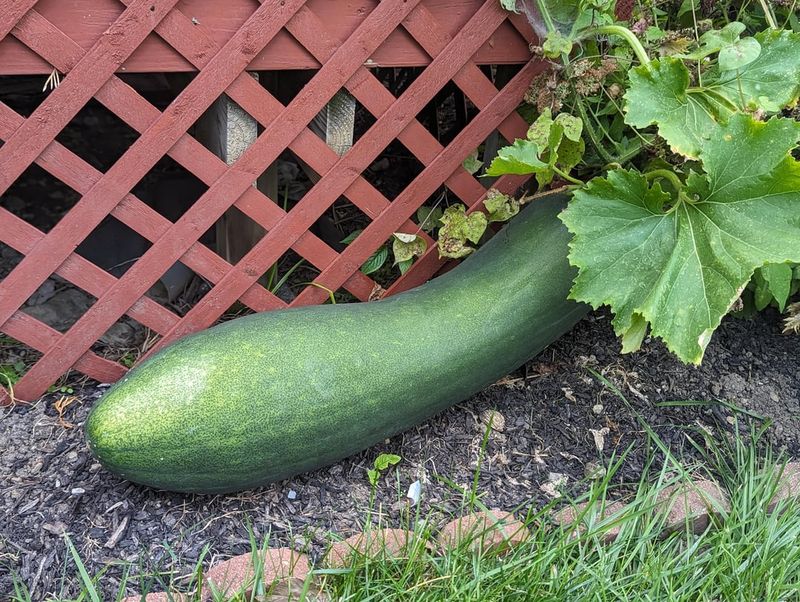
Here is something a lot of gardeners do not realize: leaving one giant zucchini on the vine can shut down production for the entire plant.
When a zucchini grows too large and starts to mature into a seed-bearing fruit, the plant believes its job is done.
It stops investing energy in new fruit and focuses on the one that already exists.
Zucchini should be harvested when they are six to eight inches long. At that size, they are tender, flavorful, and at their best.
Once they grow past that point, the plant shifts its priorities. A zucchini left to balloon into a two-foot club can halt new growth for days or even weeks.
Check your plants every day or every other day during peak season. Zucchini can go from perfect to overgrown in just 48 hours.
It sounds like an exaggeration, but experienced gardeners know this is completely true. Staying on top of harvesting is one of the easiest ways to keep production going strong.
If you find an overgrown zucchini, remove it right away. Cut it off cleanly with a sharp knife or garden shears.
Do not pull it off by hand, as this can damage the vine and stress the plant further.
After removing the oversized fruit, give the plant a few days. New flowers should start appearing again soon.
A deep watering and a light feeding can help nudge the plant back into active production mode more quickly.
7. Too Much Nitrogen Growing Leaves Instead Of Fruit
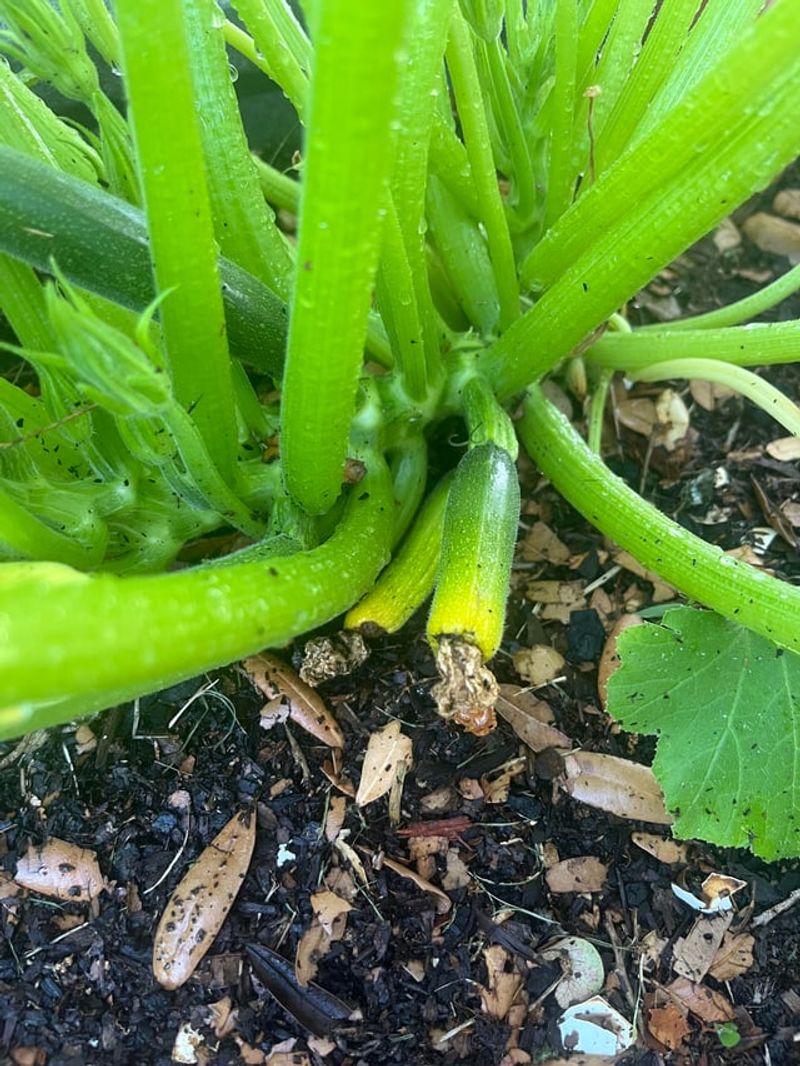
Big, dark green leaves and no fruit is a telltale sign that your zucchini is getting too much nitrogen. Nitrogen is the nutrient that plants use to grow leaves and stems.
When there is too much of it in the soil, the plant goes into overdrive producing foliage and completely ignores fruit production.
This problem often happens when gardeners apply a general-purpose fertilizer too frequently or use one that is high in nitrogen. Fresh manure added to the soil can also cause this imbalance.
The plant essentially gets too comfortable growing big and lush without any reason to reproduce.
Zucchini actually needs less nitrogen once it starts flowering. At that stage, phosphorus and potassium become more important.
These nutrients support root health, flower development, and fruit formation. Switching to a fertilizer with a lower first number on the label can help shift the plant’s focus.
If you suspect nitrogen overload, stop fertilizing for a few weeks and let the plant work through what is already in the soil. Watering deeply can also help flush some excess nutrients down past the root zone over time.
Going forward, a soil test is one of the smartest investments a home gardener can make. It takes the guesswork out of fertilizing completely.
Many Oregon county extension offices offer affordable testing and will even give you specific recommendations based on your results. Knowing exactly what your soil needs saves money and grows better vegetables.
8. Crowded Vines Making Pollination Harder
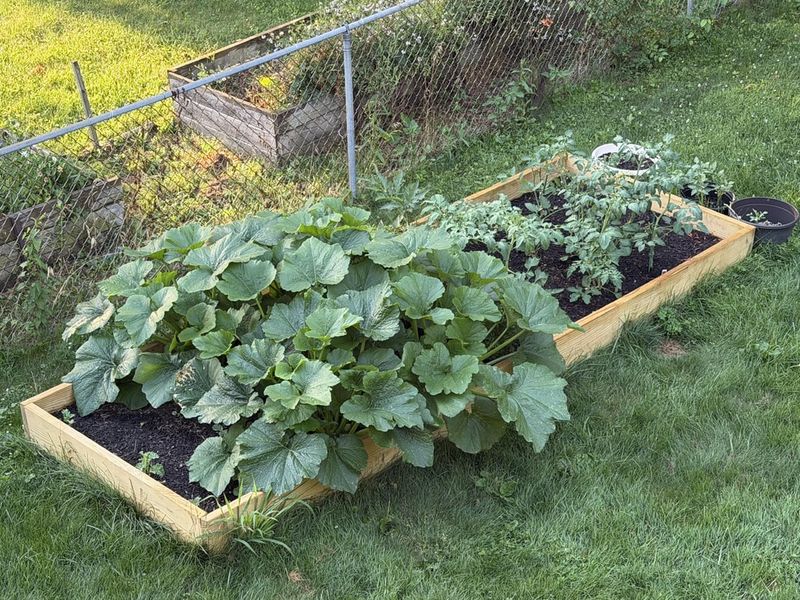
Zucchini plants are big, and they need room to spread out. When vines grow too close together, several problems happen at once.
Airflow drops, moisture stays trapped on leaves, and bees have a harder time navigating through the dense tangle of foliage to reach flowers.
Pollination requires bees to move freely between male and female flowers. When plants are crowded, flowers get buried under overlapping leaves and become harder for pollinators to find.
Less pollination means less fruit, even when the plant is otherwise perfectly healthy.
Most zucchini varieties need at least three to four feet of space in every direction. Some larger varieties need even more.
If you planted them closer than that, you may be dealing with crowding-related production issues. Thinning out some plants mid-season feels wasteful, but it often saves the rest of the crop.
Pruning large fan leaves that are blocking the base of the plant can open things up without removing entire vines. Focus on removing leaves that are shading the soil and covering flower stems.
This simple step improves airflow and makes it easier for bees to do their job.
Training vines in a consistent direction also helps manage space. Gently guide new growth away from the center of the plant and toward open ground.
In Oregon gardens with limited space, vertical growing using a sturdy trellis is a smart option for keeping vines organized and flowers accessible to pollinators all season long.