The Hibiscus Mistake Arizona Gardeners Make As The Heat Climbs Back
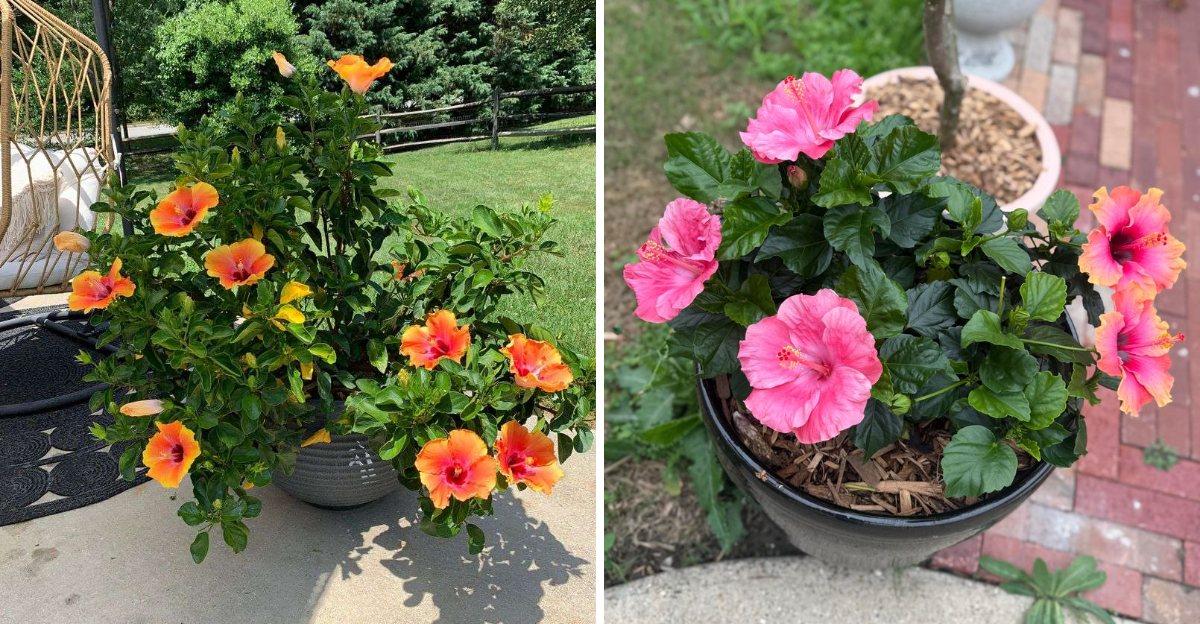
An Arizona hibiscus can look happy in spring, then seem to lose its nerve overnight once summer starts tightening its grip.
One week, the leaves are glossy and flower buds keep forming. Soon after, the same plant may wilt by afternoon, shed unopened buds, or sit still even though the pot was watered that morning.
The obvious response is to give it more of something, but that reaction can make the problem harder to read.
The real trouble often starts with the way the plant is being treated before any symptom appears.
A location that seemed ideal in April can become punishing in June. A container that held moisture comfortably can turn into a hot, cramped root zone. Even a routine that worked last month may suddenly stop matching the plant.
So what changes first as Arizona heat climbs back?
The answer has less to do with rescuing a weak hibiscus and more to do with recognizing the conditions it was never built to handle well in the first place.
Stop Treating Hibiscus Like A Desert Shrub
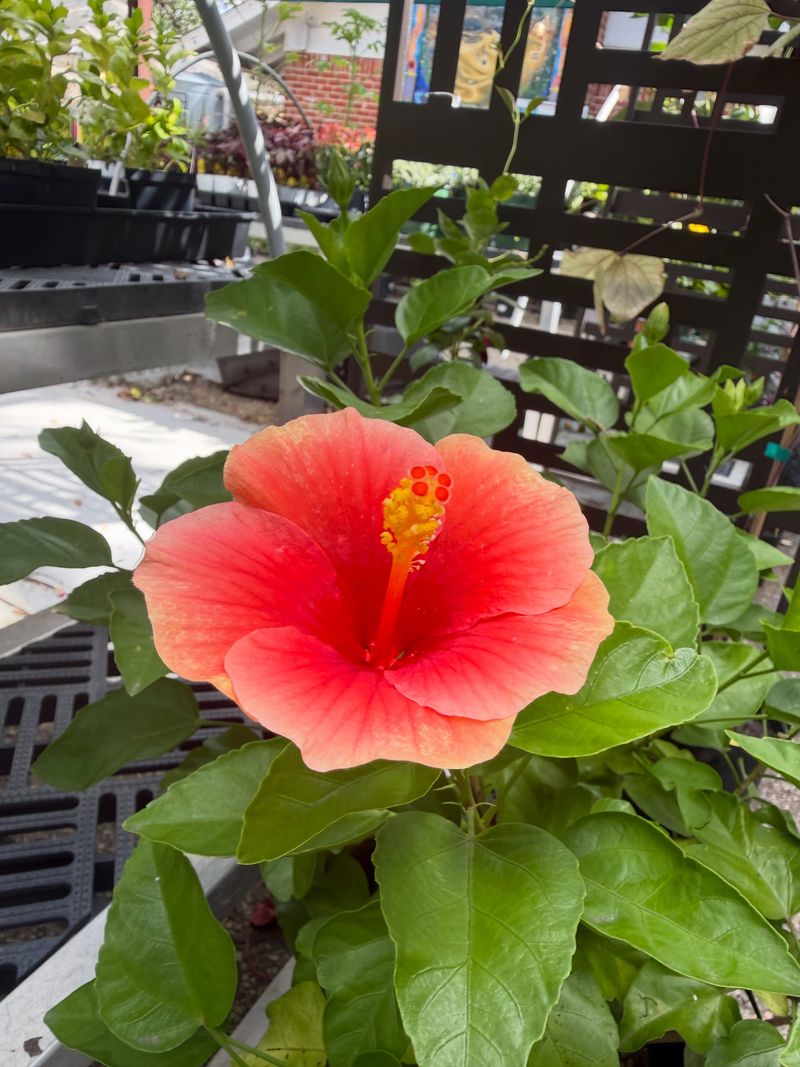
The biggest mistake starts with assuming warm-weather tolerance equals desert toughness.
Tropical hibiscus, Hibiscus rosa-sinensis, can enjoy strong light and warm conditions, but Arizona low-desert heat adds dry air, intense sun, reflective surfaces, alkaline soils, and rapid moisture loss to the equation.
Desert-adapted plants come with traits that reduce water loss or protect tissue from prolonged heat. Hibiscus brings broad, soft foliage that can wilt quickly once roots cannot replace moisture fast enough.
That difference changes the care plan.
Do not place hibiscus beside a cactus and expect both plants to appreciate the same irrigation rhythm, root environment, and exposure.
A hibiscus can look terrific during mild spring weather, then struggle once a location starts receiving harsher afternoon sun and stored heat from nearby hardscape.
Watch the plant before adding more fertilizer.
Wilting, leaf drop, stalled growth, and bud loss can all occur during heat stress, and extra fertilizer during extreme heat can increase salt pressure around roots rather than fixing the underlying problem.
Containers often make more sense in Arizona because they let gardeners control the root medium and move the plant when exposure becomes punishing.
Hibiscus is specifically better suited to large containers where local alkaline, calcareous soil creates problems.
The mindset shift is simple. Hibiscus belongs in the warm part of the garden, not the brutal part. Arizona already has plenty of shrubs that enjoy being roasted. Tropical hibiscus does not need to audition for that club.
Move Pots Away From Reflected Afternoon Heat
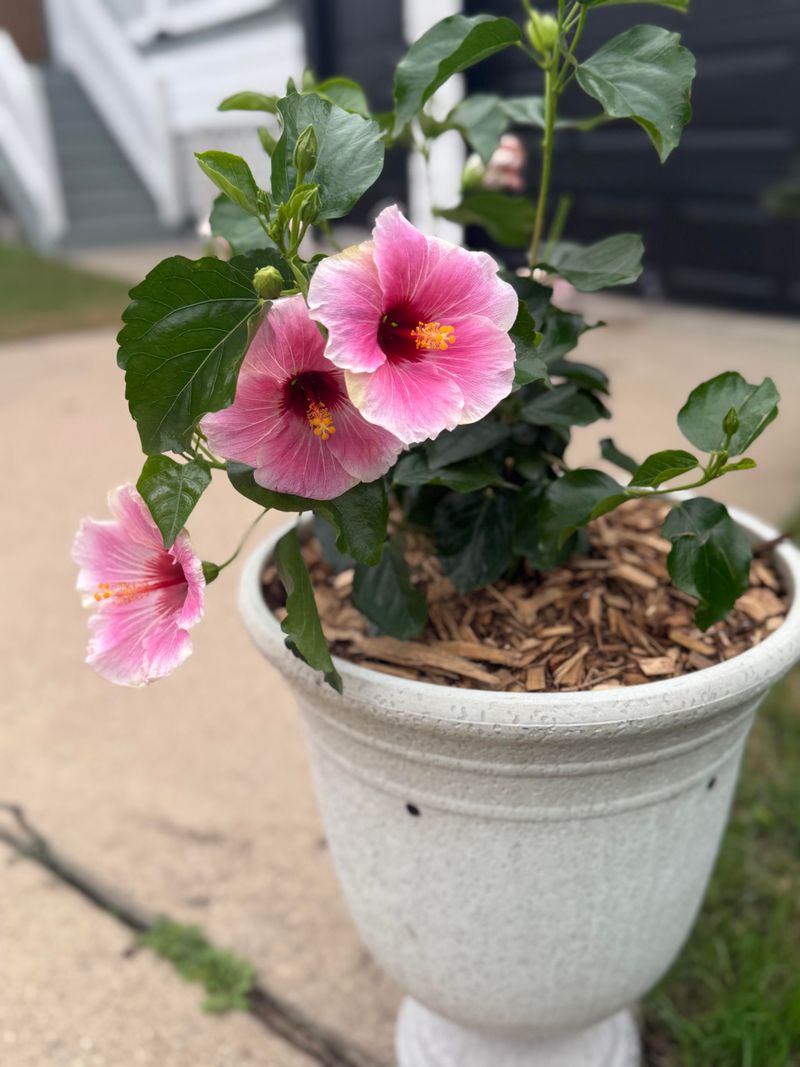
A patio location can become much hotter than the weather report suggests.
West-facing walls, block fences, concrete, tile, and other hard surfaces absorb solar energy and release heat back toward nearby plants.
A hibiscus close to that exposure may receive intense light from above while the container and root zone heat from the side and below.
Reflected exposures are distinct enough that they should be evaluated separately from ordinary full sun in Arizona landscapes.
Your Arizona Garden Changes Every Week. Your Plan Should Too.
Gardening in Arizona changes quickly throughout the season. Every Friday you’ll receive a simple weekly plan showing exactly what to plant, prune, fertilize, harvest, and protect so you never miss the right timing.
Move the pot before the worst stretch arrives.
Even a short relocation away from a west wall or sun-baked slab can reduce the reflected heat surrounding the plant. A rolling caddy makes this easier for large containers that have become too heavy to lift safely.
Protect the pot as carefully as the leaves.
Desert container guidance warns that roots and planting media can become very hot in full sun. Keeping the container shaded while the foliage receives useful light is a practical compromise.
Dark pots deserve extra attention.
They absorb heat readily, and small containers swing between wet, dry, hot, and cool conditions faster than larger ones. Larger containers provide more rooting space and are less vulnerable to rapid temperature and moisture changes.
Do not repot a severely heat-stressed plant merely because the container is dark.
Moving it first creates less disturbance. Major root work can wait for gentler weather unless drainage or crowding has become urgent. Transplanting is generally less stressful when conditions are not extremely hot and dry.
The wall may look innocent. By August, it can function like a second sun with a mortgage.
Give Tropical Hibiscus Afternoon Protection
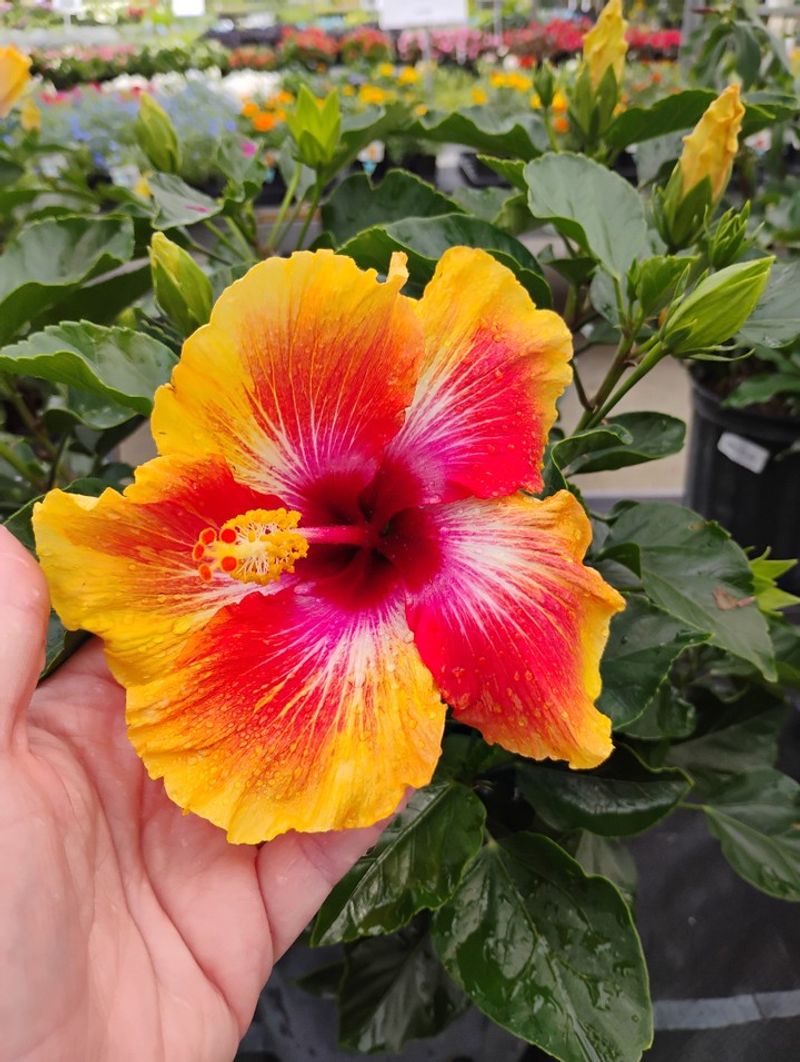
Hibiscus still needs bright light to grow well and flower, so permanent deep shade is not the answer. The species is classed among plants needing relatively high light, which helps explain why burying it in a dark porch corner can create a different problem.
A better Arizona setup gives the plant useful morning light while reducing exposure during the harshest part of the afternoon.
An east-facing patio, filtered light beneath a high canopy, or temporary shade during extreme heat can provide that balance.
Moving smaller container plants into shade during the hottest portion of severe heat is a recommended way to reduce stress.
Avoid sudden exposure changes.
A hibiscus moved from a covered patio or protected nursery setting can scorch when transferred directly into intense desert sun.
Plants accustomed to lower light can suffer when suddenly exposed to strong outdoor sunlight, so a gradual transition is gentler.
Temporary protection becomes especially useful during heat waves.
The plant can return to brighter exposure after conditions moderate rather than remaining permanently hidden.
Keep airflow around the foliage.
A cramped corner between walls may reduce direct sun while trapping heat around the plant. Shade works best when the canopy still has room around it and the pot is not pressed against a heated surface.
Watch the leaves rather than chasing a fixed sun-hour number.
Bleached patches, crisp margins, severe afternoon wilt, and rapid pot drying all suggest the site has become harsher than the plant can comfortably manage. Heat stress commonly shows through wilting, browning, leaf drop, and reduced growth.
The goal is bright, not brutal. Arizona sunlight already knows how to make an entrance. Hibiscus does not need front-row seats for the entire performance.
Keep The Root Zone Consistently Moist
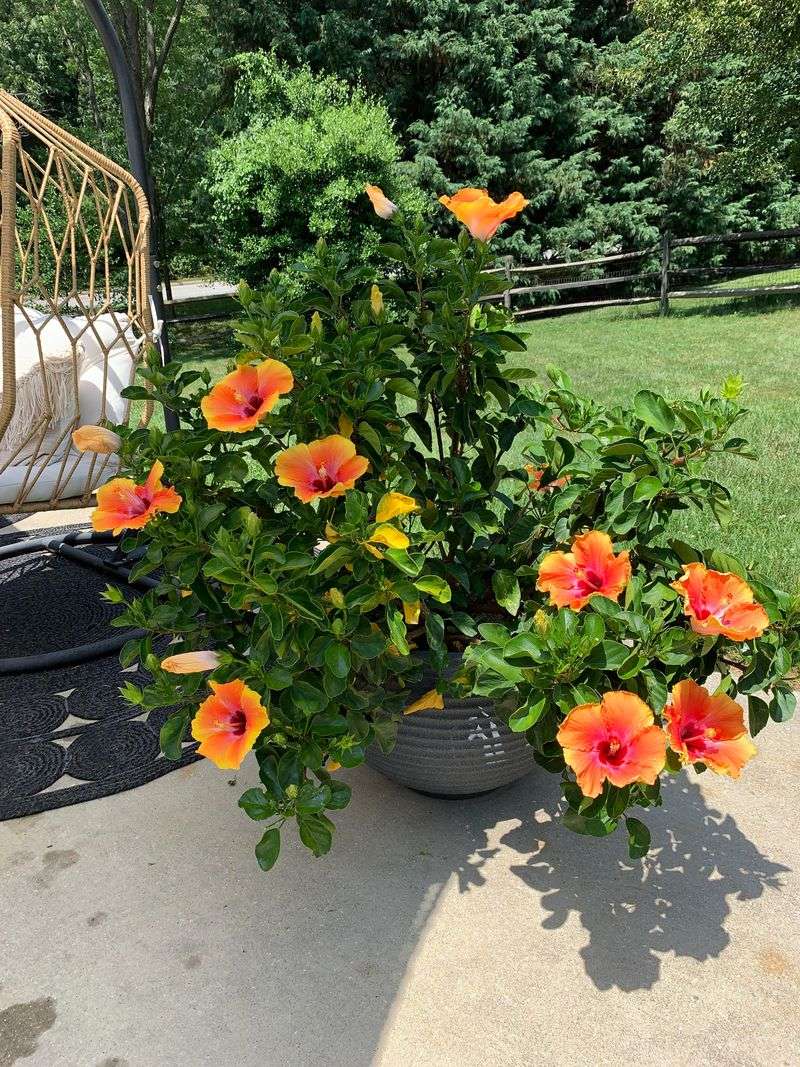
A wilted hibiscus does not always mean the pot needs water, but the root zone deserves the first inspection.
Containers dry much faster than in-ground soil in Arizona, especially during hot, windy weather. Push a finger or moisture probe several inches into the mix rather than judging the surface.
Small containers lose moisture especially quickly, and hot, dry wind increases water demand even further.
Water thoroughly once the mix needs it.
Apply water slowly until excess moisture moves freely from the drainage holes. That full soak helps wet the root zone instead of creating a damp surface over dry roots.
Then allow some air to return before the next irrigation. Container roots need both water and oxygen.
Daily checking can be reasonable during peak heat.
That does not mean automatic daily watering. Pot size, exposure, wind, plant size, and planting medium all change how quickly moisture disappears.
Summer container guidance in southern Arizona notes that many non-succulent containers may need daily water during demanding weather.
Repeated hard drying creates another problem.
Some potting mixes pull away from the container wall or become difficult to rewet, letting water race down the edges without soaking the center. Slow repeated applications are more useful than one fast splash.
Avoid permanent saturation too.
Roots need oxygen, and constantly wet media can weaken root function.
The target is less dramatic than either extreme: moist enough to support the plant, drained enough to keep air around the roots, and checked often enough that Arizona heat never writes the schedule by surprise.
Check Containers Before Peak Heat Arrives
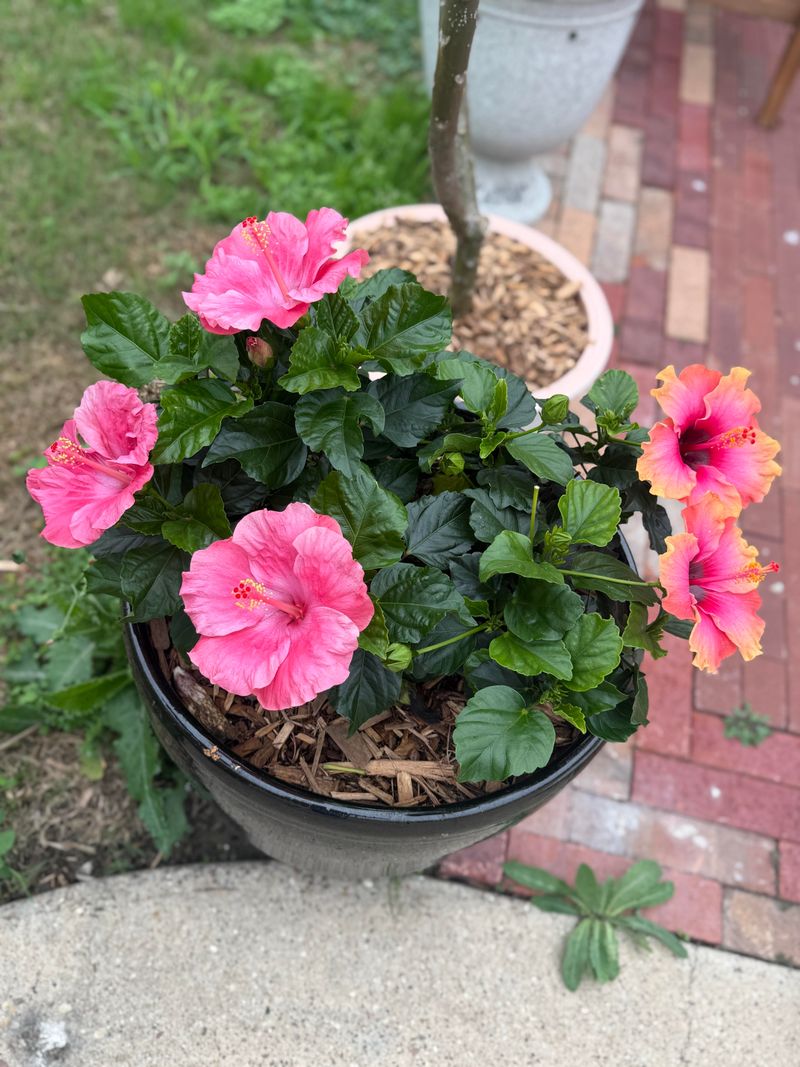
A hibiscus can outgrow its pot quietly, then reveal the problem during the first hard run of summer heat.
Small containers hold less water, heat faster, and experience bigger temperature swings. A crowded root system leaves less planting medium available to store moisture, so a plant that once lasted comfortably between waterings can begin wilting much earlier.
Larger containers are less vulnerable to rapid temperature fluctuations and require irrigation less frequently.
Inspect the drainage holes and root ball.
Roots pushing heavily from the bottom, thick circling roots near the container wall, or water racing around the root ball can signal that the plant needs more room. Circling and heavily matted roots are undesirable signs in container-grown plants.
A cooler spring window is friendlier for major repotting than peak summer.
Moving a healthy plant before extreme heat gives new roots time to settle into fresh mix. Very hot, dry weather increases transplant stress, so major root disturbance during the hardest summer stretch makes little sense without an urgent reason.
Choose a loose, well-drained potting medium.
Native desert soil can contain enough clay to drain poorly in containers, while heavy garden soil may compact and limit root growth. Container media needs both drainage and water-holding capacity.
Keep the new pot manageable.
Huge containers become difficult to move once filled. Casters or a sturdy dolly can preserve the option of shifting the hibiscus away from punishing exposure later.
The right pot is not decorative furniture. In Arizona summer, it is climate control for roots.
Keep Drainage Open After Deep Watering
Hibiscus wants reliable moisture, but the bottom of the pot still needs an exit.
Roots require oxygen, and a container that holds standing water for long periods can create a poorly aerated root zone. Drainage holes can also clog over time as roots, compacted mix, or debris collect around the openings.
Check beneath the pot periodically.
Water should leave freely after a thorough irrigation. Pot feet, a stand, or another stable support can keep drainage holes from sitting flat against a patio surface and give excess water somewhere to go.
Raised pots also allow better drainage and air circulation beneath the container.
Empty saucers after drainage finishes.
A saucer can protect a patio, but it should not become a permanent pond around the container. Cachepots deserve the same inspection because collected water can hide beneath the inner pot.
Good drainage also helps with Arizona salt buildup.
Tap water and fertilizers add dissolved salts to container media over time. Periodic thorough watering can move accumulated salts downward and out of the pot, but that only works when excess water can escape freely.
Watch for brown leaf tips and margins.
Those symptoms have several possible causes, including heat and moisture stress, so they are not a salt diagnosis by themselves.
Salt accumulation can produce browning along leaf tips and margins, sometimes with yellow bordering the affected tissue.
Deep watering should finish with drainage, not detention.
The pot needs to hold enough moisture for hibiscus roots while still letting yesterday’s water leave before tomorrow’s irrigation arrives.