The Florida Orchid Mistake That Stops Blooms Before They Start
Florida orchids stop blooming and the troubleshooting begins. Light, humidity, fertilizer, root health.
Every variable gets examined except the one that closed the bloom cycle before it ever opened. The mistake happens earlier than the absence of flowers suggests.
Not when the spike fails to appear. Not when buds form and drop.
Before any of that, in a window that most Florida orchid growers never identify as critical because the plant looks completely fine while the damage is being done. Orchids communicate slowly.
By the time the bloom failure becomes obvious, the cause is weeks or months behind the plant. That gap is exactly what makes this mistake so persistent in Florida orchid collections across the state.
The fix is specific and it is not complicated. The timing of when it needs to happen is the part that most growing guides never adequately explain.
1. Dark Green Leaves Can Be The First Clue Blooms Are In Trouble
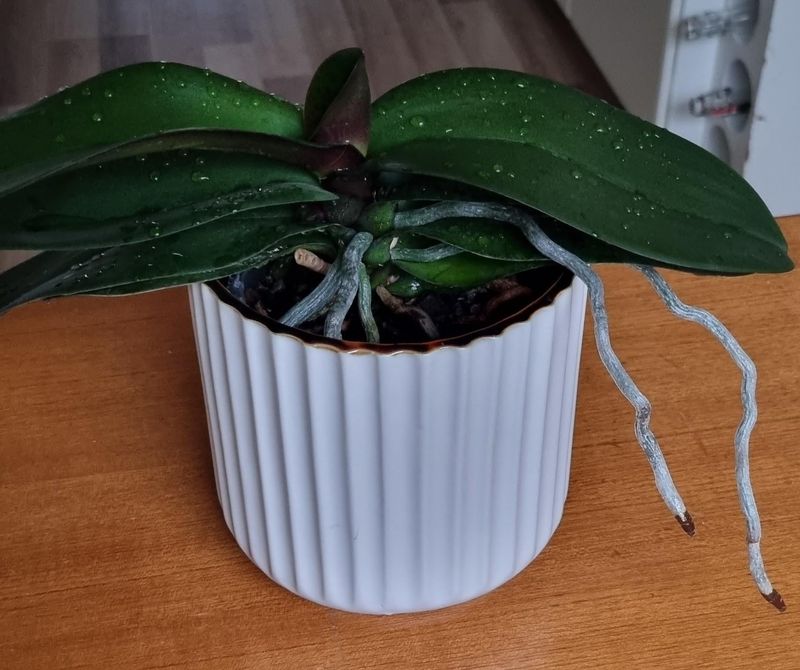
A perfectly dark, glossy leaf might look like a sign of a thriving plant, but in many common orchids it can quietly signal a problem. Phalaenopsis and several other popular genera tend to produce medium green foliage when they receive suitable light.
When leaves become noticeably darker and richer in color, that shift can mean the plant is ramping up its chlorophyll to capture whatever limited light is available.
Comparing new growth with older leaves is a useful first step. If newer leaves are consistently darker than the ones that formed when the plant was in a brighter spot, that pattern is worth noting.
Keep in mind that leaf color alone is never a complete diagnosis. Genus, species, cultivar, nutrition, and overall plant health all influence color, so one observation is not enough to draw a firm conclusion.
What leaf color can do is prompt a closer look at the plant’s environment. An orchid working hard just to maintain its foliage has less stored energy available for flowering.
Blooms require a significant carbohydrate reserve, and a plant running low on light may redirect everything toward basic survival.
Watching the plant over several weeks, rather than reacting immediately, gives you a more accurate picture of what is really happening before you consider any changes.
2. Deep Shade Lets An Orchid Grow Without Giving It Enough Energy To Flower
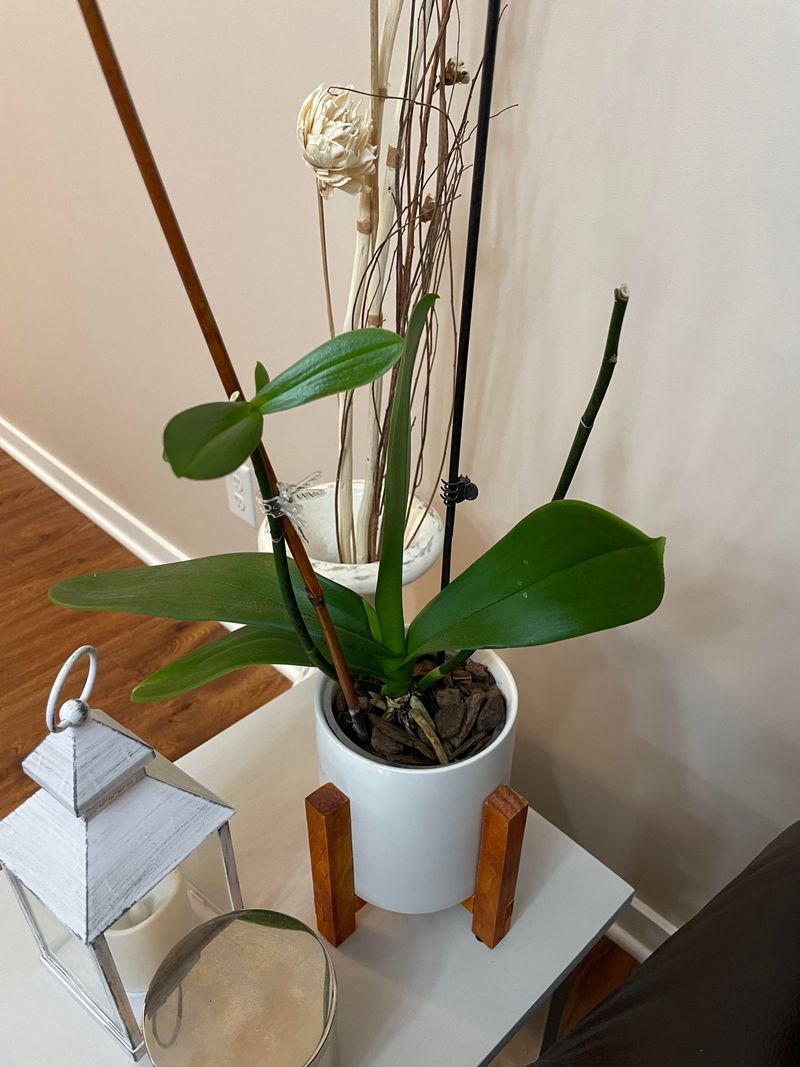
Seeing fresh leaves and new roots can feel reassuring, but those signs do not confirm that an orchid is receiving enough light to bloom reliably. Photosynthesis produces carbohydrates that the plant uses for three things: staying alive, producing new growth, and eventually flowering.
When light levels are consistently low, the plant can still manage the first two tasks while quietly falling short on the third.
Surviving and performing are very different things for an orchid. A plant in deep shade may go many months looking perfectly healthy while never reaching the energy threshold needed to trigger a flower spike.
That misleading picture is exactly why so many Florida orchid growers assume everything is fine. Months of lush foliage can make a gardener feel confident right up until the bloom season passes without a single bud.
Your Florida Garden Changes Every Week. Your Plan Should Too.
Gardening in Florida changes quickly throughout the season. Every Friday you’ll receive a simple weekly plan showing exactly what to plant, prune, fertilize, harvest, and protect so you never miss the right timing.
It is worth noting that low light is not the only reason an orchid skips flowering. Plant age, nutritional balance, root health, and specific environmental cues can all play a role.
Still, insufficient light is one of the most common and overlooked factors. A spot may look comfortable to human eyes while still falling short of the light an orchid needs to store enough energy for its next bloom cycle.
3. A Covered Porch Can Steal More Light Than Gardeners Realize
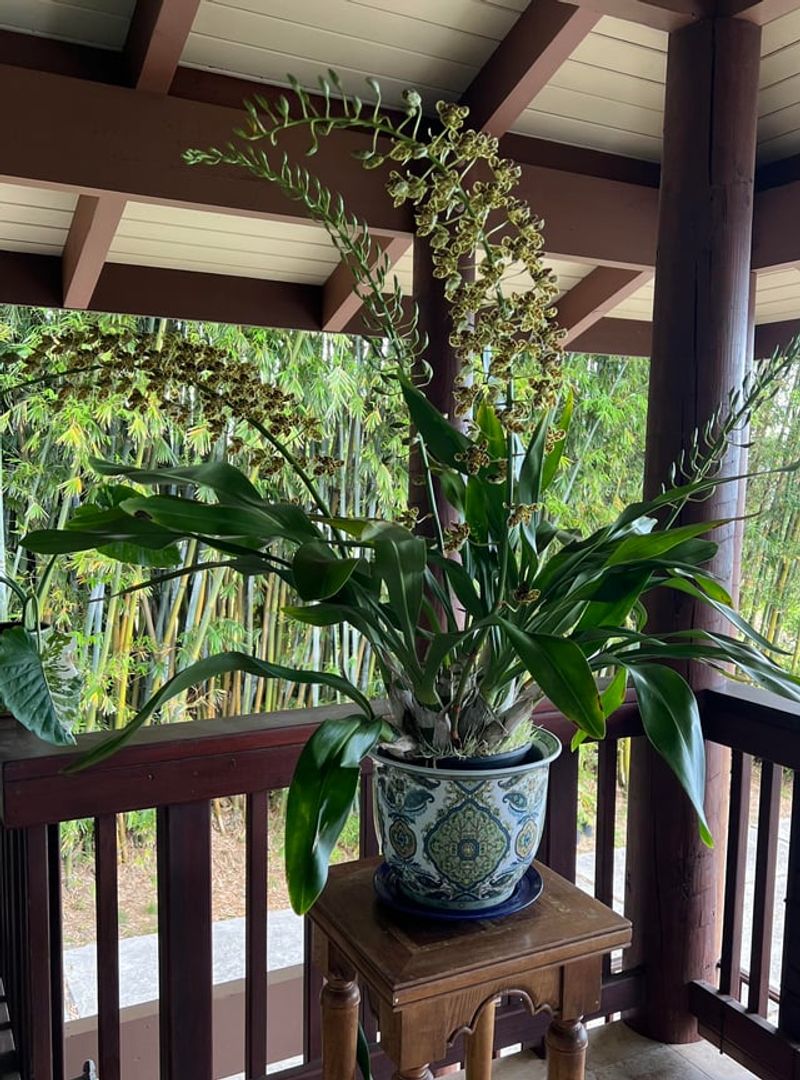
A covered Florida porch can feel bright and airy on a sunny afternoon. But what seems bright to your eyes may still be too weak for an orchid to store enough energy for blooming.
Human vision adjusts automatically to low light. That makes it easy to overestimate how much usable light reaches a plant under a deep overhang or behind a screen.
Roof depth, screen material, neighboring trees, and the direction the porch faces all affect how much light arrives at the plant. A north-facing porch may receive very little direct light at any time of day.
Even east or west-facing porches can fall short if the roof extends far out or nearby structures create shade. The sun angle also shifts throughout the year, so a spot that works in summer may become too dim by fall and winter.
A simple way to compare positions is to observe where a clear shadow falls during the brightest part of the morning. The American Orchid Society has suggested using a simple shadow test.
A hand held above a white surface should cast a distinct, fairly sharp shadow if light levels are adequate for many common orchids. That is not a precise measurement, but it gives a practical starting point.
Moving toward a brighter position should always be gradual, never straight into intense afternoon exposure.
4. Phalaenopsis Needs Far Less Light Than Cattleyas And Vandas
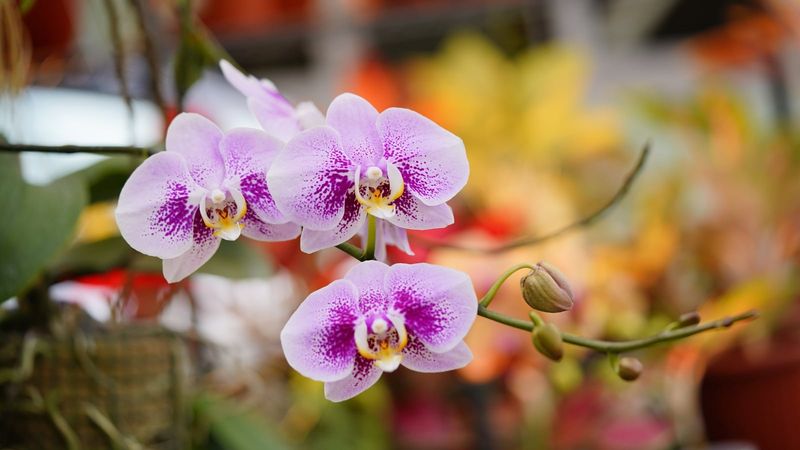
Not every orchid has the same relationship with sunlight, and treating them all the same way is one of the fastest routes to missed blooms. Phalaenopsis, often called the moth orchid, sits at the lower end of the light spectrum among commonly grown orchids.
It can perform well in bright indirect light without needing the intense exposure that some other genera require.
Cattleyas are a step up. They generally need more light than Phalaenopsis to bloom consistently, and Florida growers often place them where they receive some direct morning sun.
Vandas go further still, frequently thriving in conditions that would bleach a Phalaenopsis leaf within days. Applying one set of instructions to all three groups can cause problems in both directions.
You may burn a shade-preferring plant or deprive a high-light orchid of what it truly needs.
Generic advice like “give orchids bright indirect light” skips over these real differences. Before adjusting any plant’s location, identifying the genus and researching its specific needs is a much smarter starting point.
A Phalaenopsis does not belong in a dark corner, but it also does not need the open-sky exposure that keeps a Vanda flowering steadily.
Matching the plant to its appropriate light range, rather than applying a one-size remedy, is what actually moves the needle toward reliable blooms.
5. Moving A Shaded Orchid Into Full Sun Can Create A Second Problem
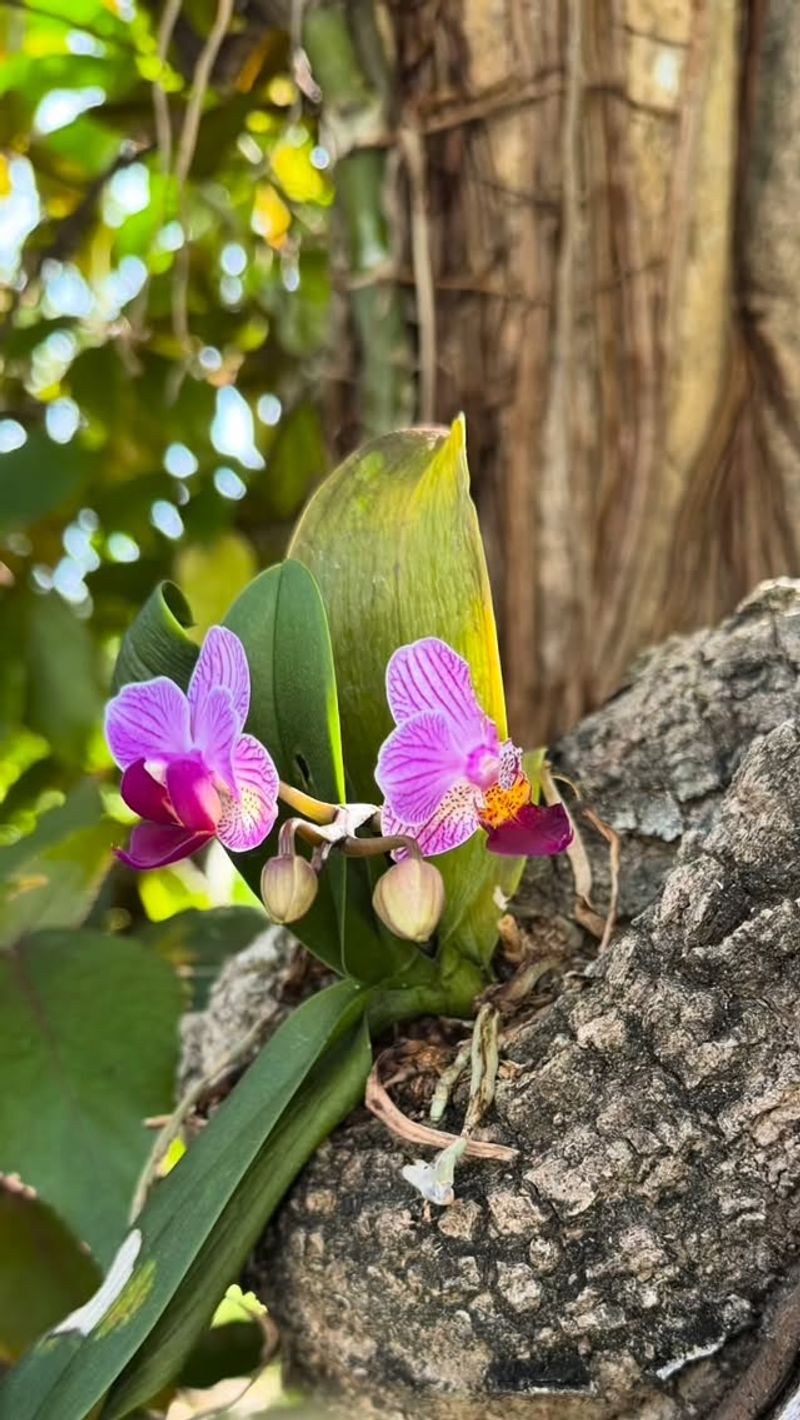
Deciding to give a shaded orchid more light is the right instinct, but rushing the process can swap one problem for another. Foliage that developed under low light has thinner cell walls and less protective pigmentation than leaves grown in brighter conditions.
Placing that plant directly into strong afternoon sun can cause rapid bleaching, yellowing, or tissue damage within just a few hours.
A gradual approach works far better. Moving the orchid to a slightly brighter position for a week or two before shifting it again allows new foliage to adapt as it grows.
Filtered light, such as the dappled shade under a tree or the bright interior near a window with a sheer curtain, can serve as a useful middle step. Morning light is generally gentler than afternoon exposure, especially in warm climates where midday sun is intense.
The best way to judge whether a new spot is working is to watch the next set of leaves that emerges, not the existing ones. Old foliage will not suddenly change color to confirm a good adjustment.
New growth that comes in slightly lighter or more yellow-green than the previous dark leaves suggests the plant is responding well. Watch new growth for signs of stress instead of moving the plant repeatedly.
This gives the orchid time to settle and rebuild its energy stores for the next bloom cycle in your Florida home.
6. Leaf Color Gives You A Better Light Check Than Guesswork
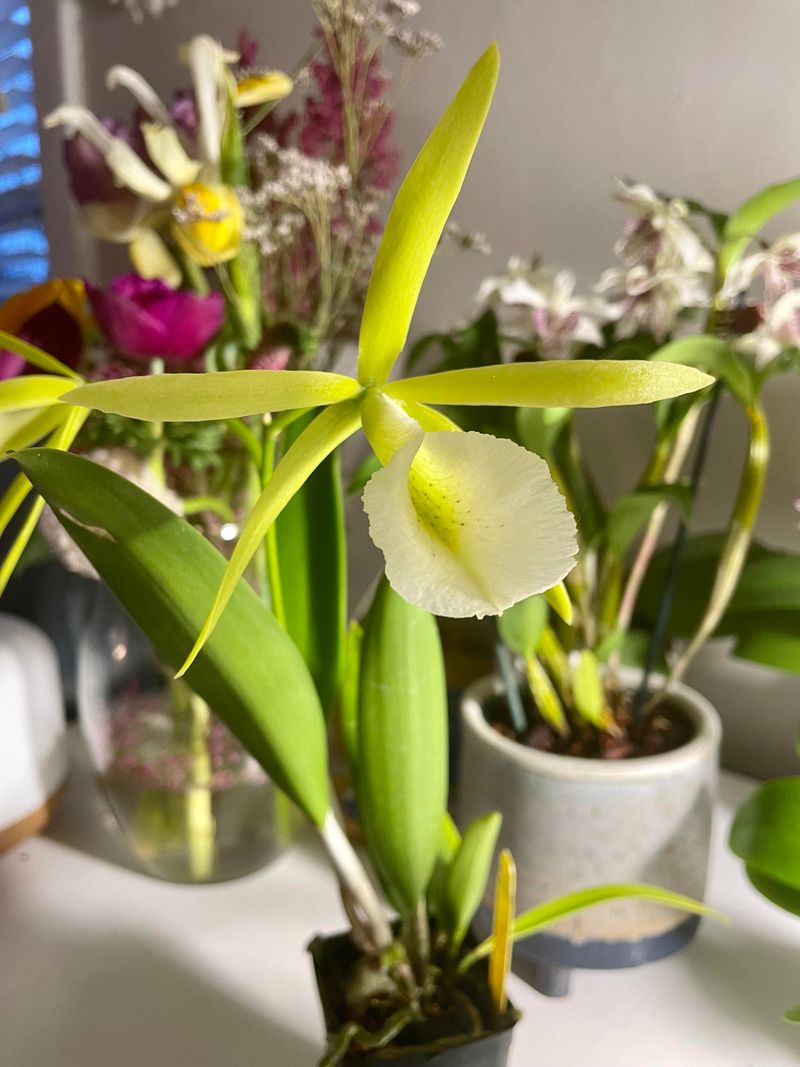
Once an orchid has been moved to a brighter position, the temptation is to check every few days for a flower spike. A more useful approach is to pay attention to the color and quality of new leaves as they emerge.
New growth reflects current conditions far more accurately than leaves that formed months ago in a different environment.
For Phalaenopsis, medium green or slightly yellow-green new foliage often suggests that light levels are moving in a better direction. Leaves that remain very dark suggest the adjustment may not have gone far enough yet.
On the other side, bleached patches, pale color, or crispy edges on new growth can signal excessive exposure. They may also indicate another problem, such as root stress.
Not every yellow leaf signals sun trouble. Older leaves at the base of the plant naturally yellow and drop over time as the plant matures.
The key is to look at new growth specifically and combine that observation with overall plant vigor, root condition, and eventually flowering performance. Leaf color is a helpful ongoing monitoring tool, not a one-time diagnosis.
Used alongside other observations over several weeks, it gives a much clearer picture of whether the orchid is heading toward the energy reserves it needs to bloom again.
7. Temperature Cues Still Matter Once The Light Is Right
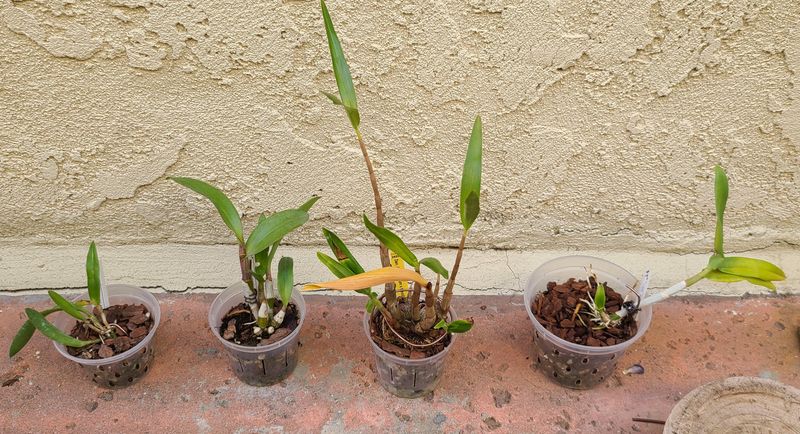
Correcting light levels is an important step, but it does not automatically produce flowers the following week. Many orchids rely on specific environmental signals to shift from vegetative growth into flowering mode, and light is only one piece of that picture.
A plant first needs adequate health and a good reserve of stored energy before any flowering cue can produce the expected response.
Phalaenopsis is a well-known example of an orchid that responds to a drop in nighttime temperature as one of its bloom triggers.
When Florida nights cool by roughly ten degrees Fahrenheit compared to daytime highs for several weeks, many Phalaenopsis plants begin developing a flower spike.
That pattern is why growers in warm climates such as Florida sometimes see blooms follow the cooler months of the year. Other genera respond to day length, seasonal dry periods, or specific growth cycle stages rather than temperature alone.
Assuming that brighter light will immediately trigger flowering overlooks these other factors. An orchid that has spent months in low light may need a full growing season to rebuild its reserves before any environmental cue produces a bloom.
Patience is a real part of the process. Improve the light and support healthy roots first.
Then let the plant experience its natural seasonal cues, which gives it the best chance of producing a flower spike in the next appropriate bloom window.
8. Gradually Brighter Conditions Can Put The Next Bloom Cycle Back On Track
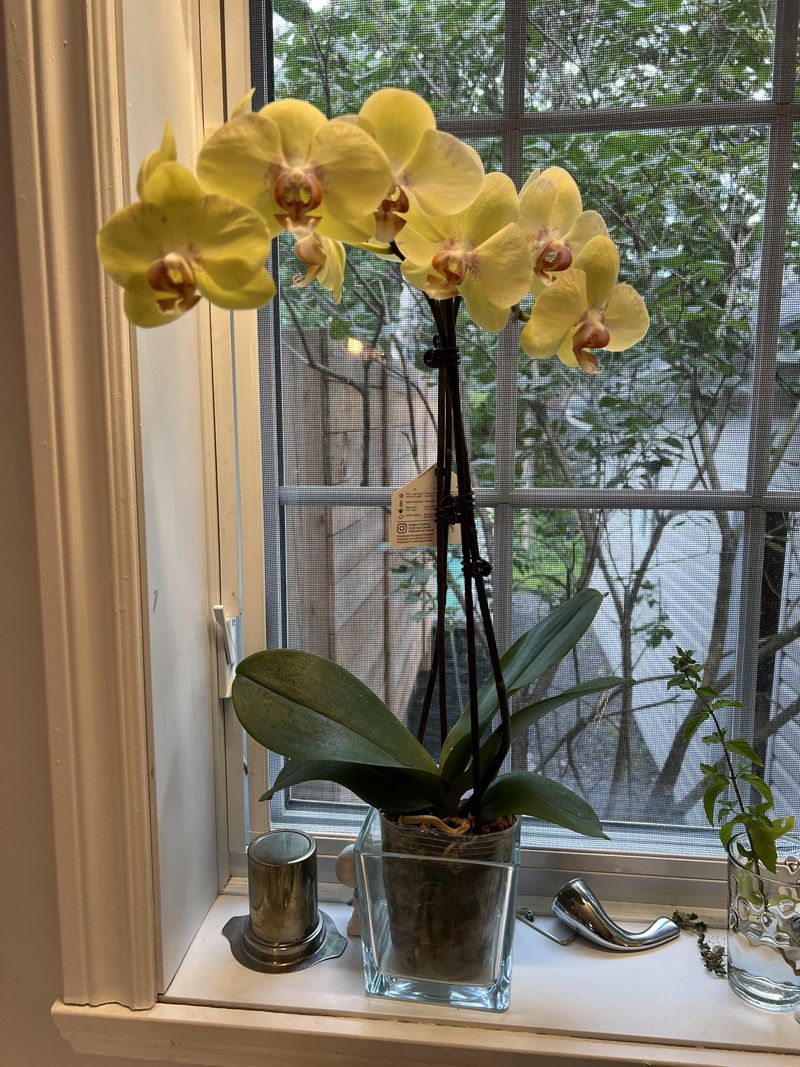
Getting an orchid back on a reliable blooming schedule starts with a few honest steps. First, identify what genus and species you are growing, because light needs vary significantly across the orchid family.
Next, research the light range that genus performs best in, using resources like the American Orchid Society or UF/IFAS extension guidance for growers in warm climates. Then compare that range with what your plant actually receives right now.
If the current location falls short, begin shifting the plant toward better exposure in small stages over several weeks. Watch new leaves and roots as they emerge rather than expecting old foliage to signal the change.
If the current bloom season has already passed, accept that this cycle may be missed and focus on building the plant’s health and energy reserves for the next one. Rushing will not recover lost time, but steady improvement will set up the following season.
An orchid that also has root problems, pest pressure, or nutritional gaps needs those issues addressed alongside any light adjustment. Brighter conditions cannot compensate for a struggling root system or a plant under stress from other sources.
The central lesson is straightforward: protecting an orchid from every ray of stronger light can become too much protection. The goal is not maximum sun exposure.
The goal is enough species-appropriate light to support a healthy plant that has the energy and the right conditions to bloom again.