Why Hydrangea Leaves Across Virginia Are Turning Brown This Season
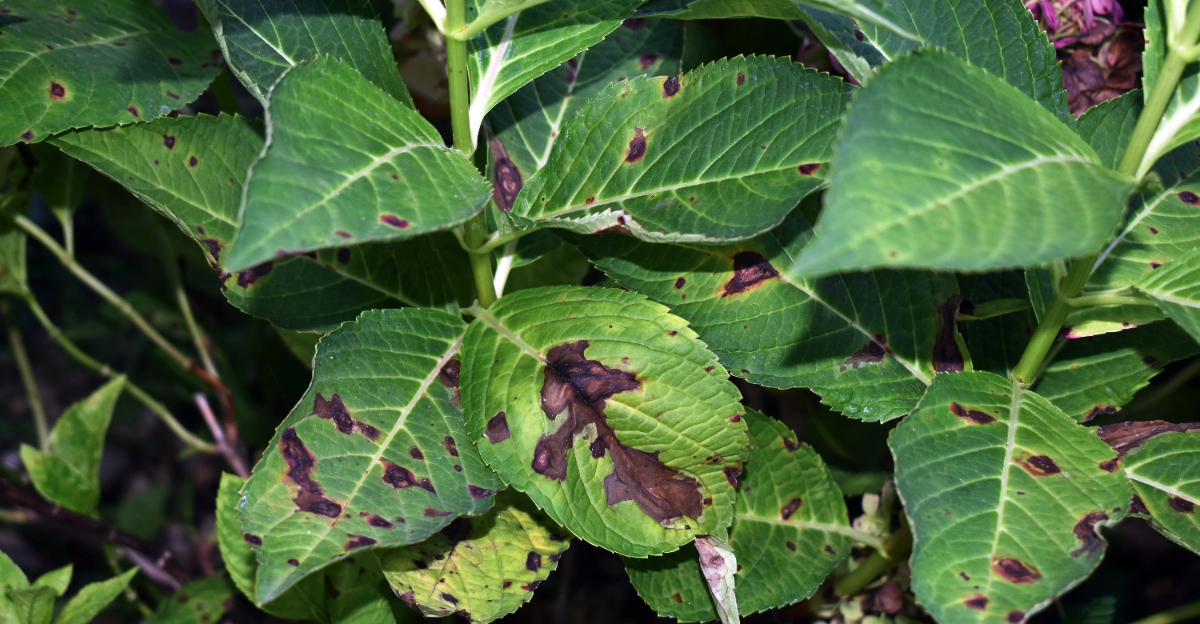
Something is turning heads across Virginia backyards this month. Those glossy hydrangea blooms you planted back in spring now sit above leaves splashed with odd brown spots, curled edges, and crispy patches that weren’t there just weeks ago.
You’re not imagining it, and you’re not alone. Gardeners across Virginia are snapping the same photos, sharing the same confused captions, asking the same worried question online.
This year’s particular mix of humid mornings, sudden heat spikes, and heavy rainfall created a near-ideal environment for stress to take hold. Yards with similar sun exposure and soil type keep showing identical symptoms.
One overlooked factor is quietly driving most of this damage, and it has been sitting in plain sight the entire season, waiting for someone to notice.
Fungal Leaf Spot Sits Behind Most Cases This Season
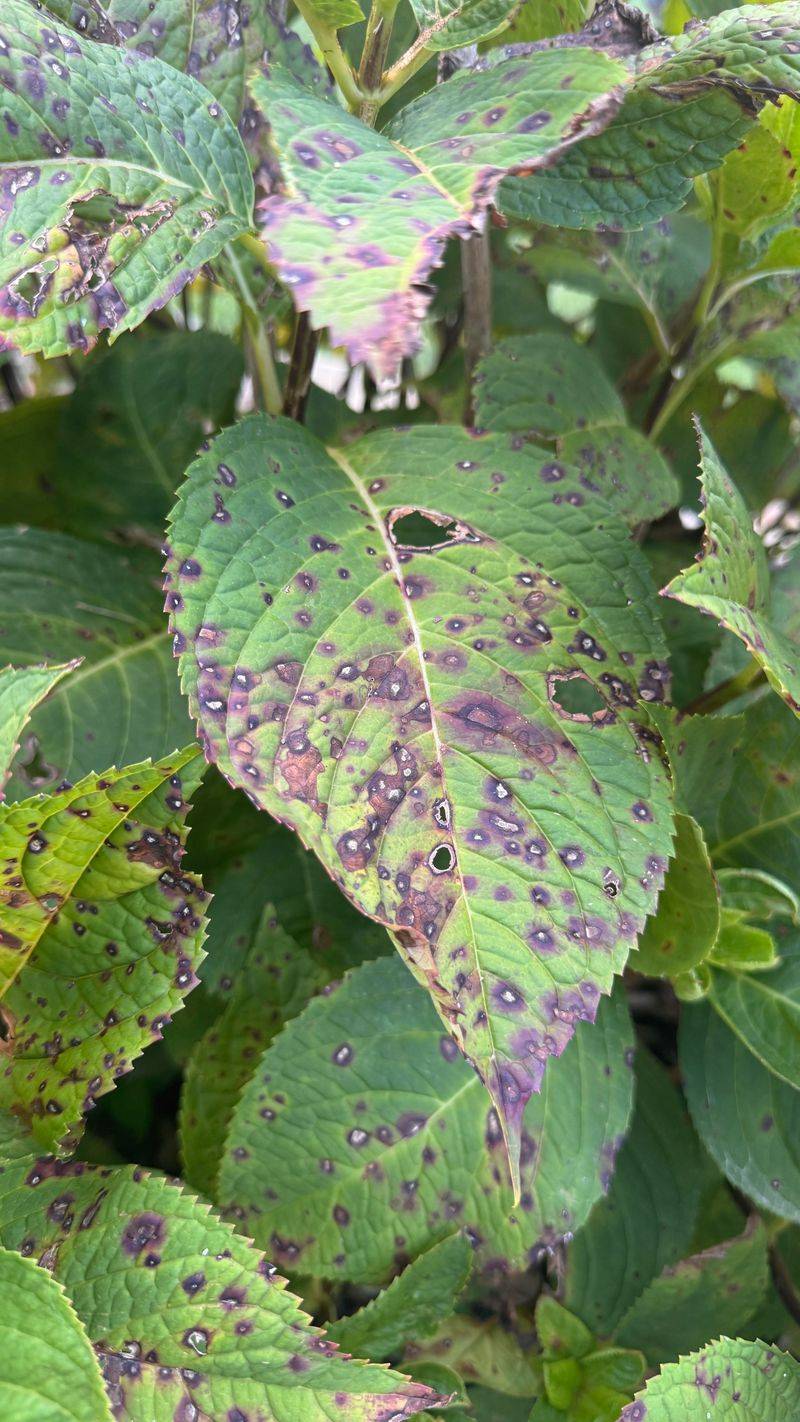
Brown patches that look like tiny burned circles? That is fungal leaf spot, and it is showing up everywhere this season.
Fungal leaf spot is caused by pathogens like Cercospora and Phyllosticta. These microscopic fungi land on leaf surfaces and start breaking down plant tissue fast.
You will usually notice dark brown or tan spots with a distinct purple border. The spots start small but spread across the leaf if nothing is done.
Hydrangea leaves turning brown from fungal infection often show a pattern. The damage tends to start on lower leaves first, then works its way up the plant.
Warm temperatures combined with moisture on leaf surfaces create the ideal setup for these fungi. Once spores land, they germinate within hours under the right conditions.
Rarely does fungal leaf spot cause lasting damage to a mature hydrangea. It weakens the plant and looks terrible, but most shrubs bounce back with proper care.
A copper-based fungicide spray applied early can slow the spread. Look for products labeled for ornamental shrubs and follow the directions carefully.
Removing infected leaves from the ground also helps break the cycle. Fallen leaves harbor spores that reinfect plants season after season.
Bag those leaves and toss them in the trash, not the compost bin. Composting infected material just keeps the problem alive for next year.
Catching it early makes all the difference this season.
Virginia’s Humidity Gives It Room To Spread
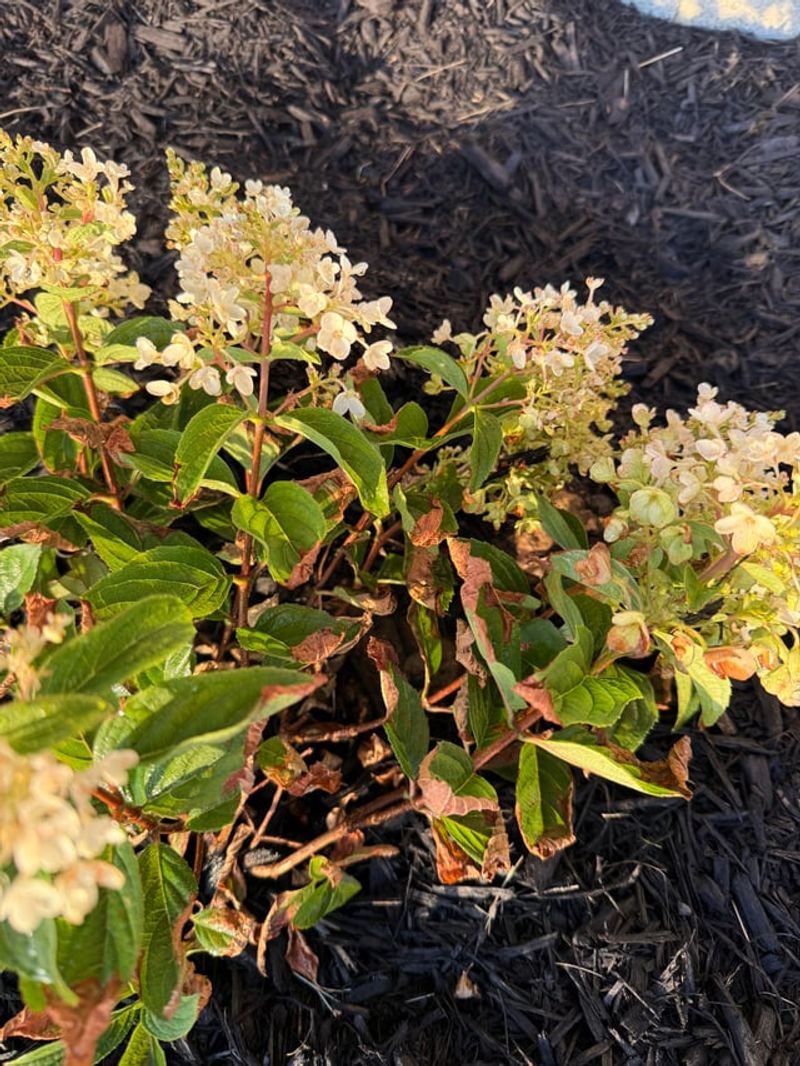
Step outside on a July morning in Virginia and the air feels like a warm, wet towel. That moisture is not just uncomfortable for you.
Hydrangea leaves turning brown from fungal disease thrive in exactly this kind of weather. High humidity keeps leaf surfaces damp far longer than they should be.
Virginia sits in a climate zone that blends heat, moisture, and heavy summer rainfall. That combination is practically a welcome mat for plant pathogens.
Fungal spores travel through the air and need only a thin film of water to germinate. On a humid morning, that film can last for hours after sunrise.
Coastal and Piedmont areas of the state tend to see the worst outbreaks. Inland mountain regions get some relief from cooler nights, but even they are not immune.
Your Virginia Garden Changes Every Week. Your Plan Should Too.
Gardening in Virginia changes quickly throughout the season. Every Friday you’ll receive a simple weekly plan showing exactly what to plant, prune, fertilize, harvest, and protect so you never miss the right timing.
This season has been particularly rough because spring arrived wet and stayed that way. Prolonged leaf wetness from frequent rain created ideal windows for infection to take hold.
Home gardens across the state have shown similar patterns this year, with humid pockets seeing the heaviest leaf spotting. Areas with poor air circulation tend to be hit the hardest.
Air circulation around plants can reduce how long leaves stay wet. Even trimming nearby shrubs to open up the space helps lower the humidity around your hydrangeas.
Nature set the stage this year, but you still have moves to make.
Watering Habits Often Make It Worse Without Realizing It
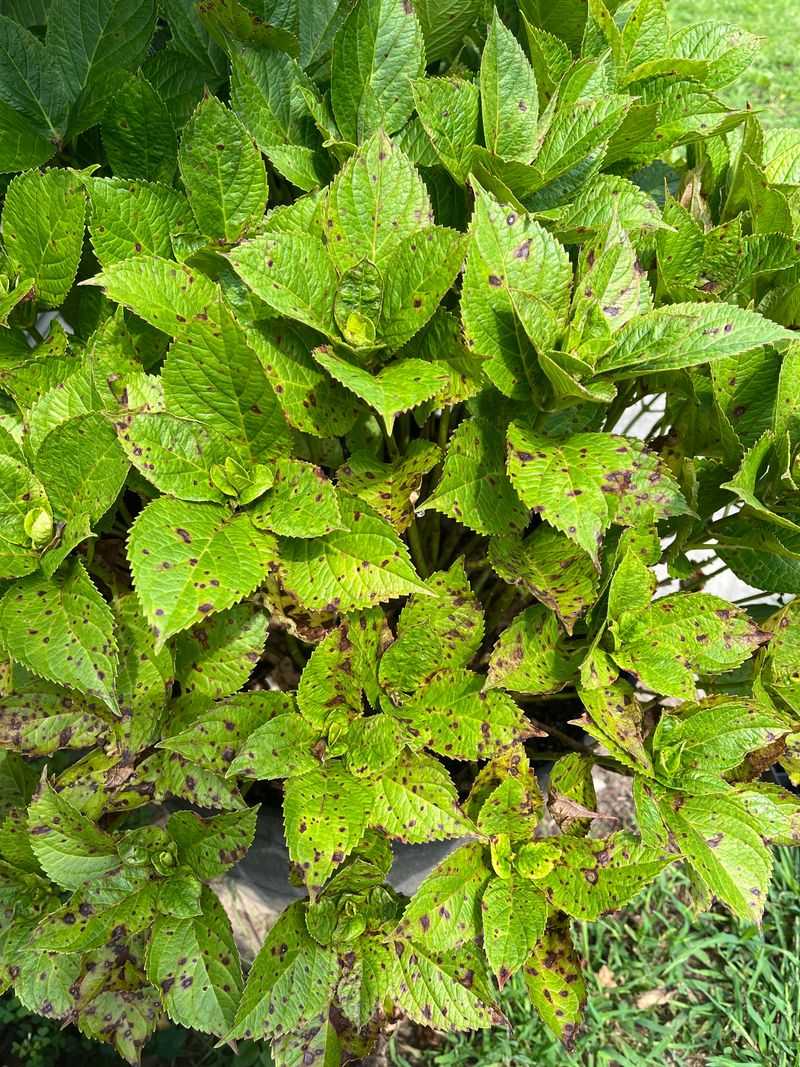
Most people water their hydrangeas with the best intentions. Unfortunately, good intentions and bad technique can still lead to brown, spotted leaves.
Overhead watering is one of the fastest ways to spread fungal disease through a planting bed. When water hits leaves instead of soil, it creates exactly the wet surface fungi need.
Sprinklers are a common offender in home gardens. They coat every leaf surface with moisture and often run in the evening, leaving plants wet all night long.
Nighttime watering is especially problematic because temperatures drop and leaves stay wet until mid-morning. That extended moisture window is prime time for spore germination.
Switching to a soaker hose or drip irrigation makes a noticeable difference. Water goes directly to the root zone and leaves stay dry throughout the process.
If you hand-water, aim the nozzle low and direct the flow toward the base of the plant. Keep the stream gentle so soil does not splash back up onto lower leaves.
Soil splash is another underrated issue. Rain or irrigation can kick up spore-laden soil particles that land on leaves and start new infections.
A layer of mulch around the base of each plant helps buffer that splash effect. Two to three inches of shredded bark or wood chips does the job well.
Small changes to your watering routine can protect your plants more than any spray product available.
Crowded Plantings Trap Moisture Longer Than They Should
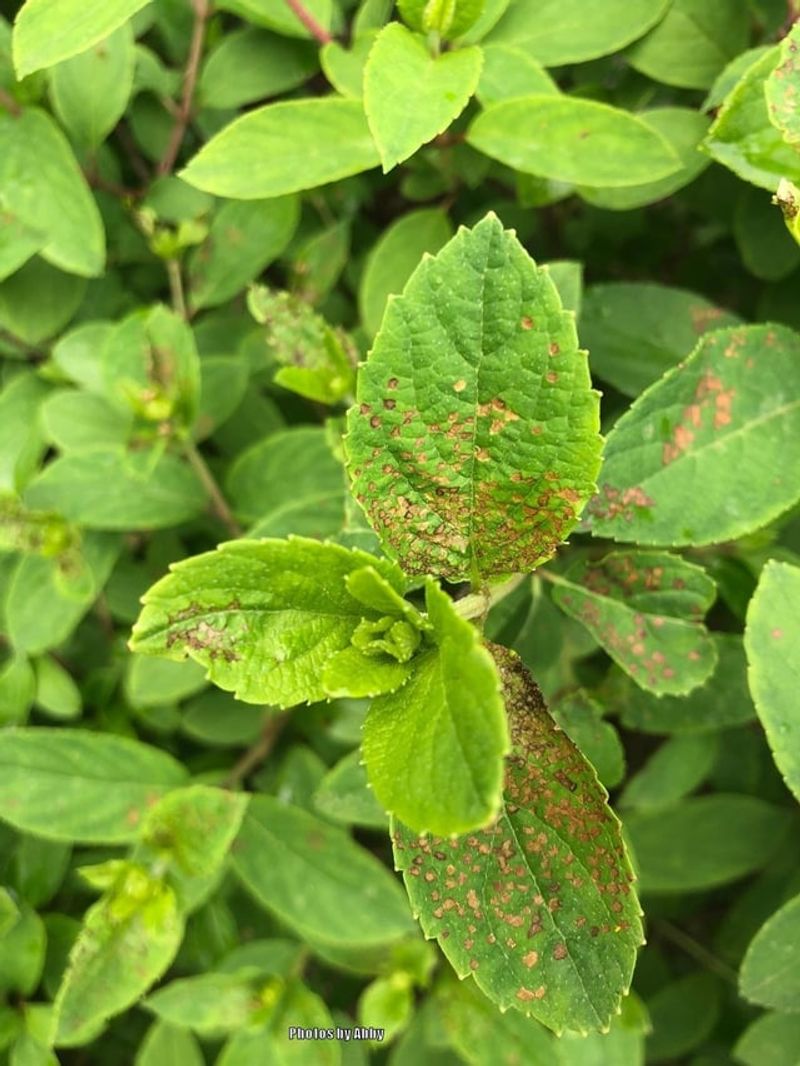
Picture a garden bed packed with hydrangeas planted shoulder to shoulder. It looks stunning in a nursery catalog, but it is a recipe for trouble in real life.
When plants grow too close together, their leaves overlap and air cannot move freely between them. Stagnant air around foliage keeps moisture locked in place much longer.
That trapped humidity creates a microclimate that fungal pathogens absolutely love. Leaves that would dry out in an hour instead stay damp for three or four hours.
Many gardeners plant hydrangeas based on their small nursery size, not their mature spread. A shrub that looks compact at purchase can reach six feet wide within a few seasons.
When plants grow into each other, pruning and inspecting them becomes harder too. Problems that could be caught early get hidden inside the dense canopy until they are already severe.
Thinning out crowded branches inside the plant also helps. Removing crossing or inward-growing stems opens up the center so air can move through more easily.
If your Virginia garden is already overcrowded, consider transplanting some shrubs to a new location this fall. Giving each plant at least four to five feet of open space changes everything.
Proper spacing at planting time is the easiest long-term prevention strategy available. A little patience early on saves a lot of frustration later.
Breathing room is not a luxury for hydrangeas, it is a necessity.
A Few Adjustments Can Slow It Down Fast
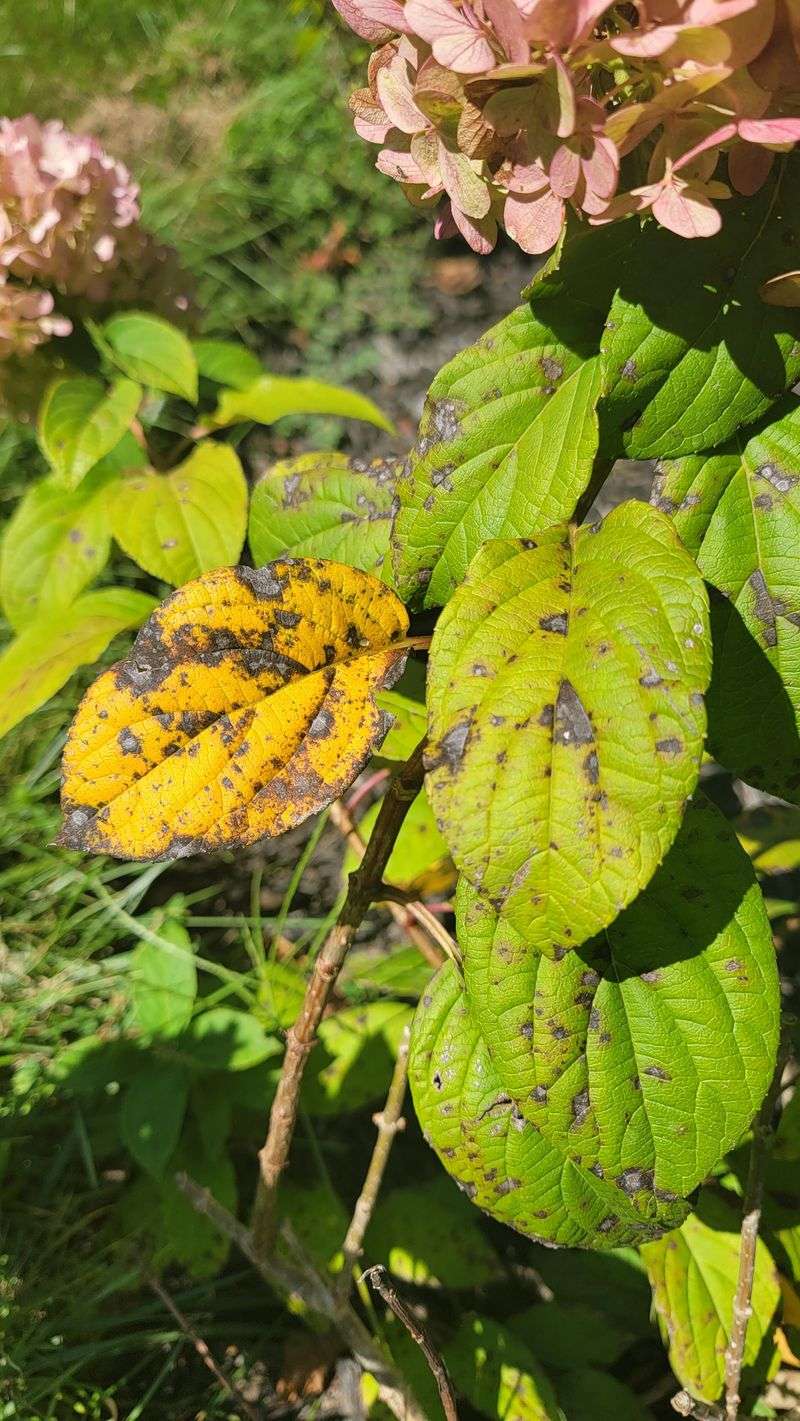
You spotted the brown spots, and now you want to do something about it. A few targeted changes can stop the spread within days.
Start by removing all visibly infected leaves from the plant. Do not shake the branches while you work because that releases spores into the air around healthy foliage.
Bag the removed leaves immediately and seal the bag before carrying it through the rest of your Virginia garden. Cross-contamination happens faster than most people expect.
After clearing infected material, apply a fungicide labeled for leaf spot on ornamental shrubs. Copper-based sprays and chlorothalonil products are both widely available at garden centers.
Coat the undersides of leaves as well as the tops. Spores often hide on the lower surface where spray coverage is easy to miss.
Repeat the application every seven to ten days during wet or humid stretches. A single spray rarely provides lasting protection when conditions stay favorable for fungi.
Check your mulch layer while you are out there. Fresh mulch reduces soil splash and also helps regulate moisture levels around the root zone.
Pull any weeds growing under or around the shrubs. Weeds compete for airflow and can also harbor the same fungal pathogens affecting your hydrangeas.
These steps do not require special skills or expensive equipment. Consistent attention over two to three weeks can turn a struggling plant back toward healthy growth.
Knowing When Spots Point To Something More Serious
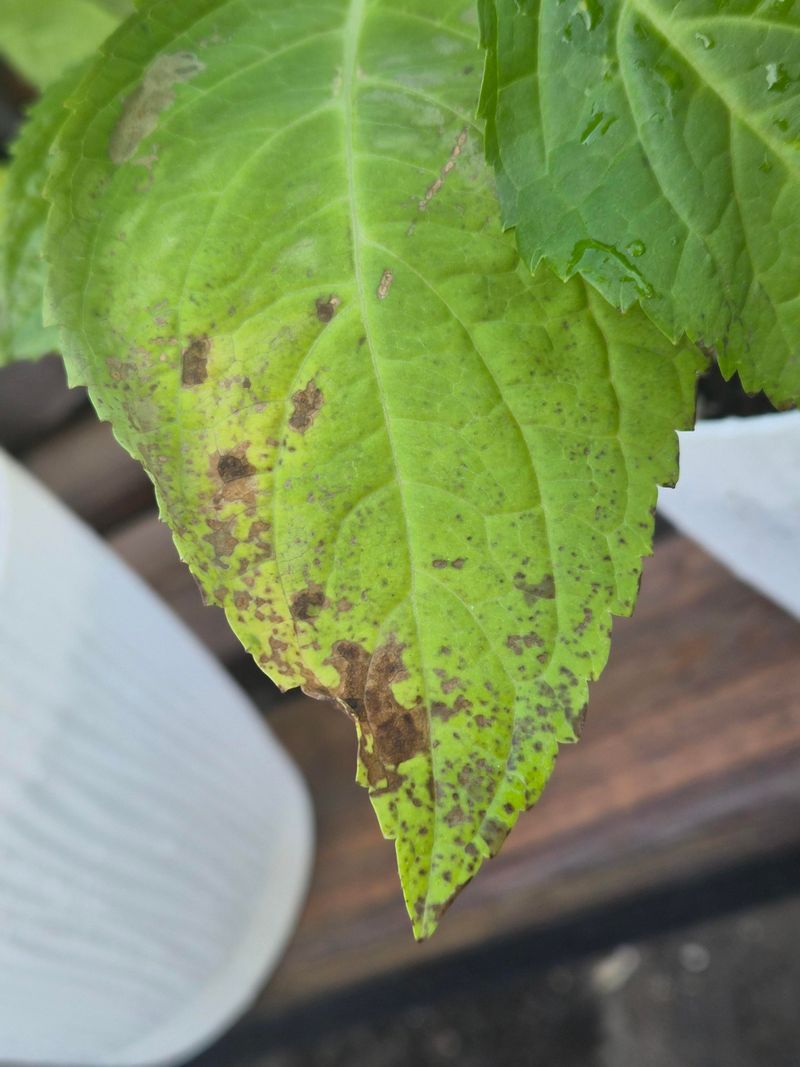
Not every brown spot on a hydrangea leaf means fungal disease. Sometimes the plant is telling you something else is wrong entirely.
Hydrangea leaves turning brown at the tips and edges, rather than in circular spots, often signal heat scorch or drought stress. That pattern looks different from fungal damage up close.
Scorch damage tends to appear after several hot, dry days in a row. The browning starts at the leaf margin and works inward, without the defined spot borders that fungal infections create.
Root rot is another possibility, especially in poorly drained soil. When roots cannot breathe, the whole plant suffers and leaves begin to yellow and brown from the base upward.
Yellowing combined with browning, especially on older leaves near the soil, often points toward a root or soil drainage issue. Lifting a bit of soil near the base and checking for a sour smell can confirm it.
Insects like aphids and spider mites also cause discoloration. Their damage tends to look stippled or silvery rather than spotted, and you can often spot the pests themselves on leaf undersides.
Nutrient deficiencies, particularly iron chlorosis, create yellowing between leaf veins. That pattern is distinct from both scorch and fungal spotting.
When in doubt, take a clear photo of the damage and bring it to your local cooperative extension office. They can identify the problem and point you toward the right fix.
Knowing exactly what you are dealing with is the smartest first step toward healthier hydrangea leaves next season.