Places To Avoid Planting Coneflowers In Virginia And Where They’ll Actually Thrive
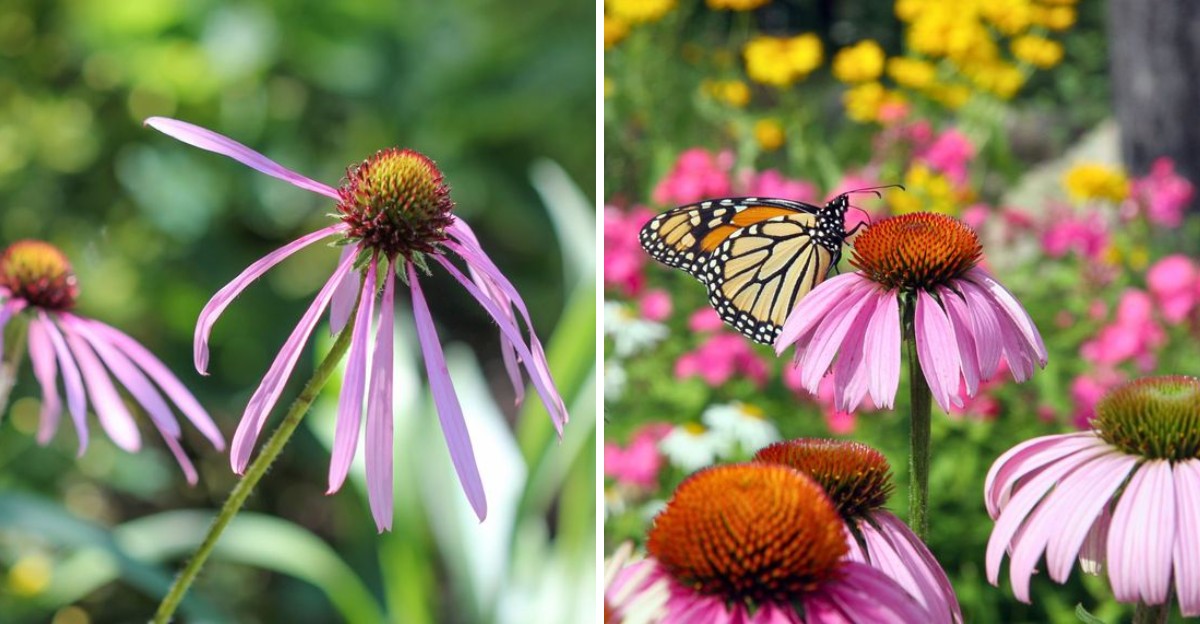
Let’s talk about the coneflower drama nobody warns you about. You plant it with big dreams of a purple, pollinator-packed border, and instead you get a handful of droopy stems that look like they gave up halfway through summer.
Rude, right?
Here’s the twist: coneflowers have a tough reputation, but tough does not mean they will grow anywhere you stick them. Plant one in soggy shade and it will sulk all season long, no blooms, no drama in a good way, just quiet disappointment.
These native beauties want sun, decent drainage, and a little elbow room. Not complicated, just non-negotiable.
Get the spot right, though, and the payoff is real. Taller stems, bigger blooms, and pollinators showing up like your yard just became the place to be.
1. Skip The Soggy Low Spots In Virginia Yards
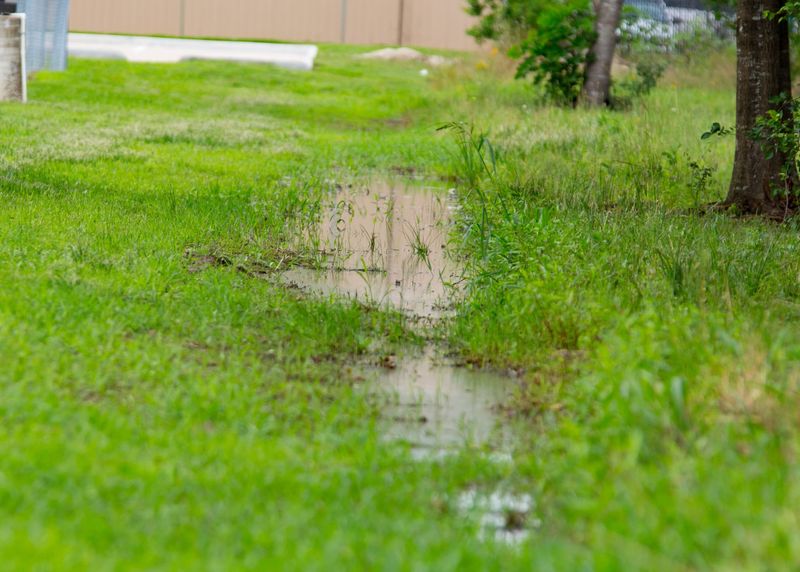
Low spots in a yard can collect water after heavy rain and stay wetter than surrounding areas. Coneflowers prefer well-drained soil, so locations where water regularly sits for long periods are usually poor choices.
Coneflowers develop strong root systems, but those roots still need access to oxygen in the soil. When soil remains saturated for extended periods, roots can become stressed and plants may show problems such as yellowing leaves or reduced growth.
Virginia’s summer storms can bring heavy rainfall, especially during humid periods when drainage becomes more important. Areas with compacted soil or poor drainage may hold moisture longer than coneflowers prefer.
Before planting, observe how water moves through your yard after a major rain. If puddles remain for many hours or the area stays wet into the following day, consider choosing another location.
A better option is a raised bed, a gently sloped area, or a planting spot with naturally better drainage. Adding compost and improving soil structure can help heavy soils drain more effectively over time.
Avoiding overly wet areas gives coneflowers a better chance to establish healthy roots. A little observation before planting can prevent many common problems later in the season.
2. Avoid Deep Shade Under Trees
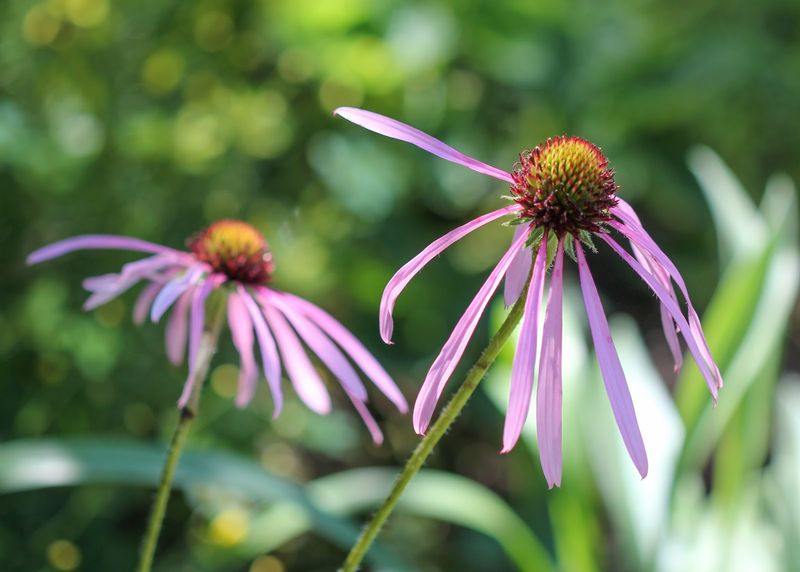
Large shade trees provide beauty and cooling benefits, but the areas directly beneath dense canopies can be challenging for flowering perennials. Coneflowers grow best with plenty of sunlight, although they can tolerate some partial shade.
Under a thick canopy of Virginia oaks, maples, or other mature trees, available sunlight may be limited. Too little light can lead to fewer flowers, weaker stems, and less vigorous growth compared with plants grown in sunnier locations.
Tree roots can also compete with nearby plants for available water and nutrients. In established landscapes, this competition can make it harder for new perennials to settle in.
Instead of planting coneflowers in deep shade, look for open areas that receive several hours of direct sunlight. A sunny garden edge, driveway border, or open section of the yard may provide much better conditions.
Coneflowers are often used in prairie-style and naturalistic plantings because they perform well in open, sunny landscapes. They also pair well with other sun-loving perennials that share similar growing needs.
Your Virginia Garden Changes Every Week. Your Plan Should Too.
Gardening in Virginia changes quickly throughout the season. Every Friday you’ll receive a simple weekly plan showing exactly what to plant, prune, fertilize, harvest, and protect so you never miss the right timing.
Give them a location with enough light and airflow, and they can produce stronger growth and more flowers. Save the darkest areas of the yard for plants that naturally prefer shade.
3. Stay Away From Crowded Foundation Beds
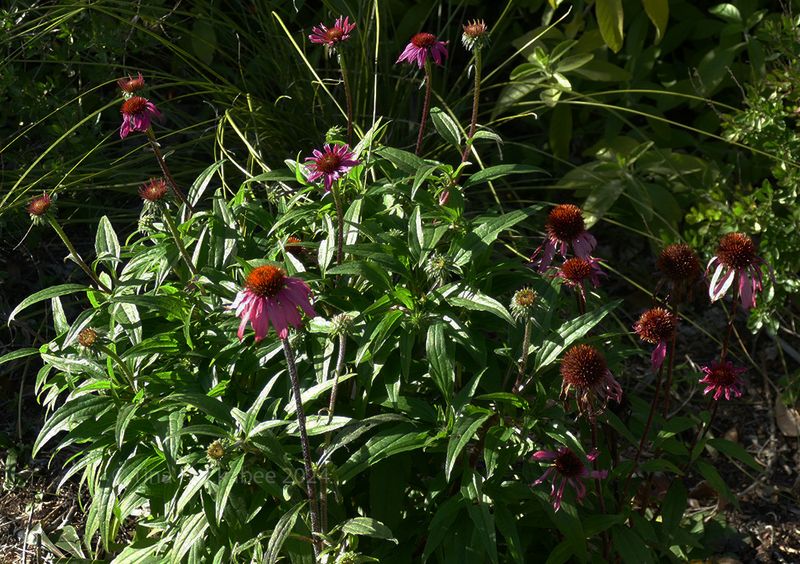
Narrow planting strips beside homes can seem convenient, but crowded foundation beds may not provide the best conditions for coneflowers. Limited space, reflected heat, and competition from established shrubs can create challenges.
Coneflowers benefit from room to grow and good airflow around their foliage. When planted too closely between shrubs or against structures, they may compete for moisture and space as they mature.
Brick and other hard surfaces can reflect heat and increase soil drying during hot Virginia summers. This does not automatically make foundation beds unsuitable, but plants in these areas may need more attention during dry periods.
Tight spaces with limited air movement may also increase conditions that favor fungal issues such as powdery mildew. Good spacing and airflow can help foliage dry more quickly after rain or irrigation.
Roof overhangs can create another challenge by preventing rainfall from reaching parts of the planting area. Gardeners may need to provide supplemental watering if natural moisture is limited.
A more suitable location is an open bed where coneflowers have room to spread and receive adequate sunlight. With proper spacing and care, they can still work in some foundation plantings, but crowded areas are less likely to provide ideal conditions.
Choose companion plants carefully and give each perennial enough room to mature. A little extra space can make maintenance easier and help plants stay healthier.
4. Don’t Plant In Compacted Clay Without Prep
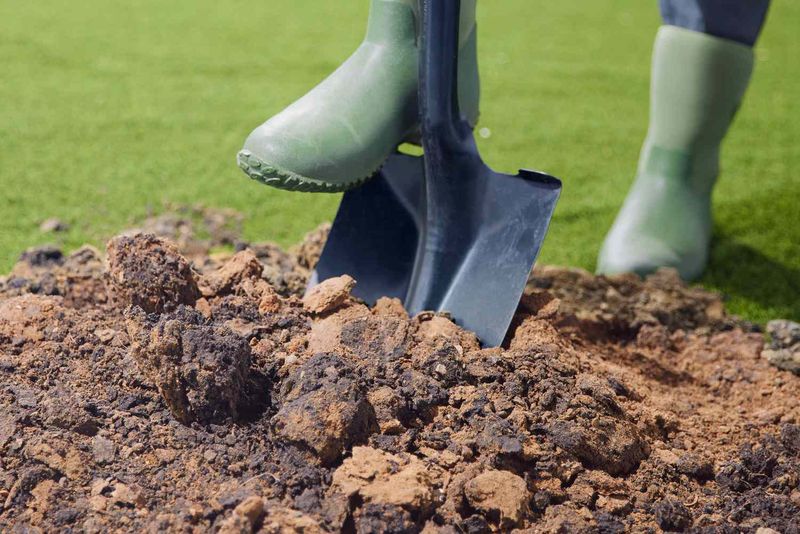
Many areas of Virginia have clay soils that can become dense and difficult to work with, especially when compacted. While coneflowers can grow in clay soil, they perform better when the soil drains well and roots have room to develop.
Planting directly into hard, compacted ground can make establishment more difficult. Dense soil can limit root growth, reduce drainage, and create inconsistent moisture conditions during periods of heavy rain or dry weather.
You may notice slower growth, fewer flowers, or plants that struggle to become established when roots cannot spread easily. The issue is not clay itself, but poor soil structure and limited drainage.
The good news is that clay soil can often be improved with preparation. Adding compost and other organic matter can help improve soil structure, increase biological activity, and create a more welcoming environment for roots.
Work the planting area broadly rather than creating only a small pocket of improved soil. A wider planting area allows roots to expand naturally as the plant matures.
A layer of mulch around the plants can help maintain more consistent soil moisture and reduce surface crusting. Keep mulch a few inches away from the stems to avoid excess moisture around the crown.
Taking time to prepare compacted soil can make a noticeable difference. Once established in a suitable location, coneflowers are adaptable perennials that can handle a range of growing conditions.
5. Skip Windy Exposed Ridges Across Virginia
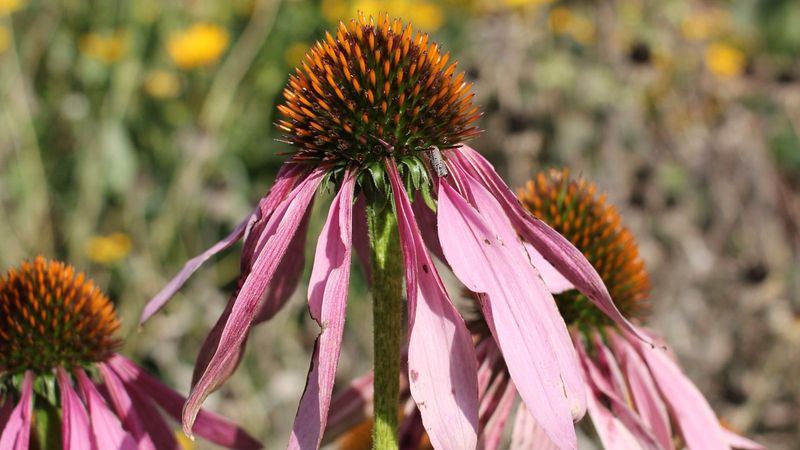
Open ridges and exposed hilltops in western parts of the state can offer beautiful views, but strong winds may create challenges for taller perennials.
Coneflowers usually have sturdy stems, but repeated strong gusts can cause some varieties to lean or become damaged.
Windy locations can also dry out soil and foliage more quickly, especially during hot summer weather. Plants growing in exposed areas may need closer attention to watering while they are becoming established.
Constant wind does not mean coneflowers cannot grow there. Many established plants tolerate open conditions, especially when they have healthy root systems and suitable soil.
If your property sits on an exposed rise, consider planting near a fence, hedge, or other landscape feature that provides some protection. A simple windbreak can reduce stress while still allowing plenty of sunlight.
Planting groups of coneflowers together or combining them with other sturdy perennials can also create a more balanced planting area. Different plant heights and textures can help reduce the visual impact of wind.
Adding support may be useful for especially tall cultivars in exposed locations. A little planning can help coneflowers stay upright and attractive throughout the growing season.
Observing how wind moves through your yard during different seasons can help you choose a more suitable planting location.
Even small adjustments, such as moving plants closer to existing structures or taller companions, can improve growing conditions in exposed areas.
6. Sunny Open Meadows Are Perfect In Virginia
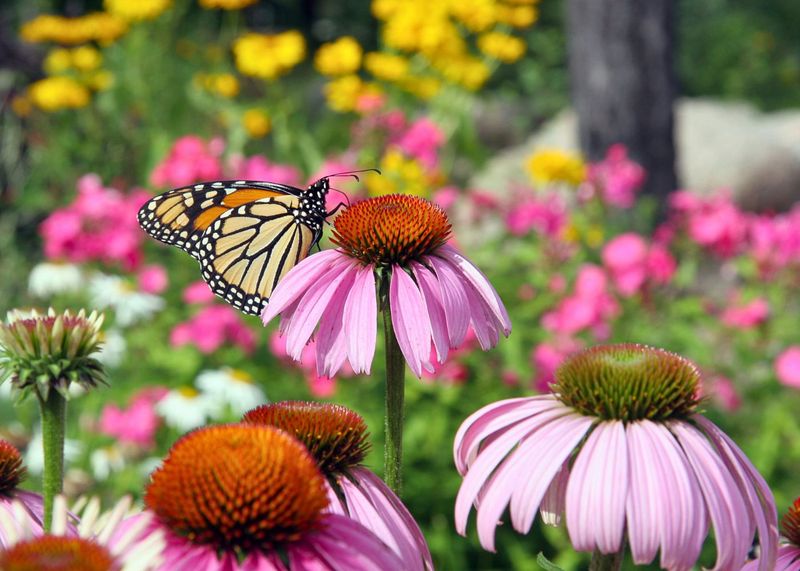
Coneflowers perform well in wide, open spaces that provide plenty of sunlight and good drainage. A meadow-style planting with full sun creates many of the conditions these plants prefer.
With around six or more hours of direct sunlight daily, coneflowers generally produce stronger growth and more abundant flowers. Virginia gardens with open sunny areas can provide excellent growing conditions for these hardy perennials.
Open locations also improve air circulation around the plants. Better airflow can help foliage dry more quickly after rain, which may reduce conditions that encourage some fungal problems.
Sunny pollinator gardens often attract bees, butterflies, and other beneficial insects. Leaving some seed heads standing after flowering can also provide food for birds later in the season.
Coneflowers combine well with other sun-loving plants such as black-eyed Susans, bee balm, and native grasses. These combinations create a natural-looking landscape while supporting a wider range of wildlife.
Once established, coneflowers are relatively low-maintenance and can tolerate periods of dry weather. They still benefit from proper watering during establishment and during extended drought conditions.
If you have a sunny corner of your yard, it can be a strong candidate for a coneflower planting. A well-planned meadow-style bed can provide color and interest throughout the growing season.
Adding plants with different bloom times can help keep the garden attractive for a longer period and provide resources for pollinators throughout the season.
Choosing species with similar sunlight and soil needs also makes maintenance easier and helps create a more balanced planting.
7. Well-Drained Slopes Work Wonders
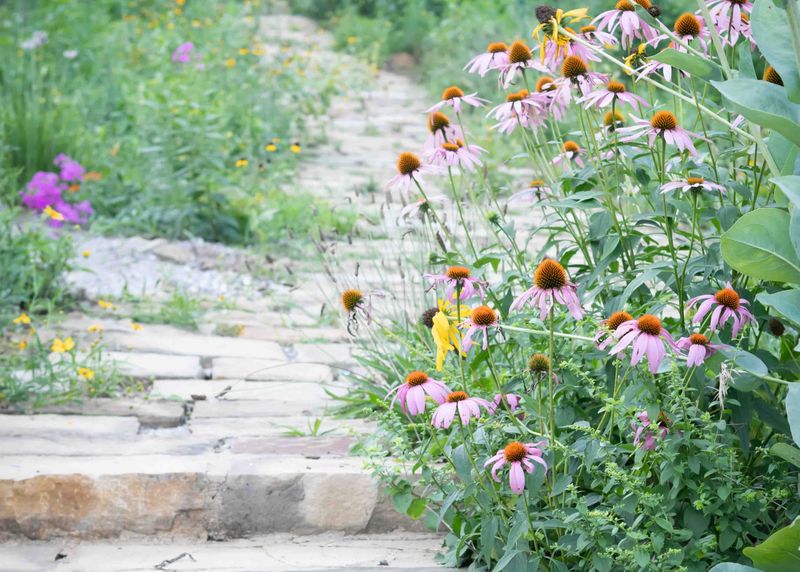
A gentle slope can be a useful planting location for coneflowers because water naturally moves away instead of collecting around the roots. This improved drainage can be especially helpful in areas where flat ground stays wet after rainfall.
Because coneflowers prefer well-drained soil, slopes can provide conditions that support healthier root growth. Good airflow across an open hillside may also help foliage dry more quickly.
Slopes that receive plenty of sunlight can be especially suitable. South- and west-facing slopes often receive strong afternoon light, although the best exposure depends on the specific landscape.
Planting coneflowers on slopes can also help create a more attractive use for areas that are difficult to mow or maintain. Their roots help hold soil in place, although they are not a complete erosion-control solution by themselves.
Combining coneflowers with other deep-rooted perennials and grasses can create a stronger planting design. Different plants can work together to provide seasonal interest and cover.
Even a small incline near a patio, walkway, or driveway can become a productive garden area. Prepare the soil well, provide enough sunlight, and choose plants suited to the conditions.
A slope is not automatically the right choice, but a sunny, well-drained hillside can be a favorable home for coneflowers in many Virginia landscapes.
Check the area after heavy rain to make sure water drains away instead of collecting near the plants. A little preparation before planting can help coneflowers establish strong roots and provide reliable blooms through the growing season.
8. Raised Garden Beds Thrive Beautifully
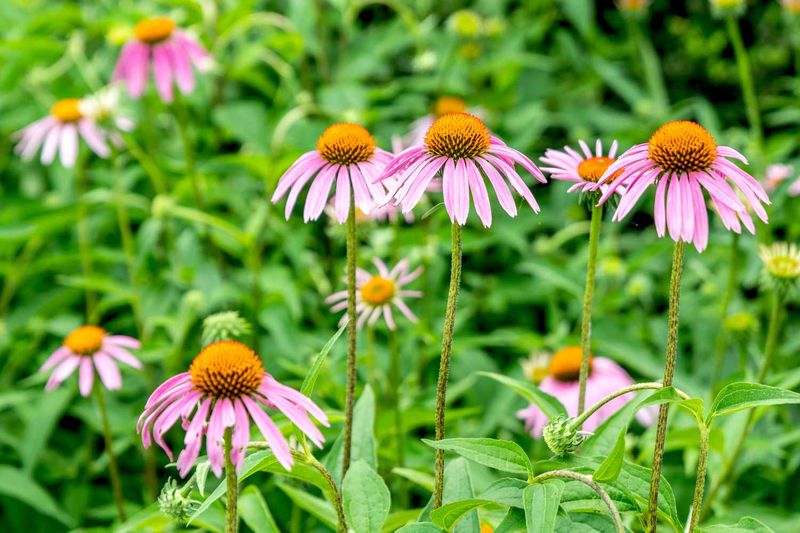
Raised beds can be a useful option for growing coneflowers, especially in Virginia areas where existing soil drains poorly or becomes heavily compacted.
They allow gardeners to create a planting area with improved soil structure and better control over growing conditions.
Because raised beds sit above the surrounding ground level, they can provide better drainage when properly built and filled with suitable soil. This helps reduce the chance of roots remaining wet for extended periods.
Coneflowers prefer soil that drains well, and a raised bed can make it easier to provide those conditions. Adding compost and organic matter can improve soil quality while supporting healthy root development.
The elevated design can also make routine garden care more convenient. Tasks such as weeding, checking plants, and applying mulch may be easier in a raised planting area.
Placement still matters, even with a raised bed. Choose a location that receives plenty of sunlight because coneflowers generally perform best in bright, open conditions.
Coneflowers pair well with other pollinator-friendly plants in raised beds. Combining them with plants that have similar sunlight and moisture needs can create a balanced and attractive garden space.
Good drainage, suitable soil, and enough sunlight work together to create favorable conditions. For gardeners dealing with difficult soil areas, a raised bed can be a practical way to grow healthy coneflowers.