Native Virginia Ground Covers That Outperform Pine Straw At Keeping Weeds Out
Pine straw has one job. It keeps failing at it. Give it a season or two under your trees and you will be pulling weeds out of it like it was never there.
The problem is not your effort. It is the mulch itself. Pine straw sits on top of the soil and does nothing to stop what is growing underneath it.
Native ground covers work differently. These plants evolved in Virginia’s woods and fields, which means they already know how to handle the shade, the dry spells, and the competition.
They spread on their own, crowd out weeds at the root level, and most years, they come back stronger without you lifting a finger.
Seven native Virginia ground covers consistently outperform pine straw under trees. If your tree beds are starting to feel like a second job, these plants are worth a serious look.
1. Wild Ginger (Asarum Canadense)
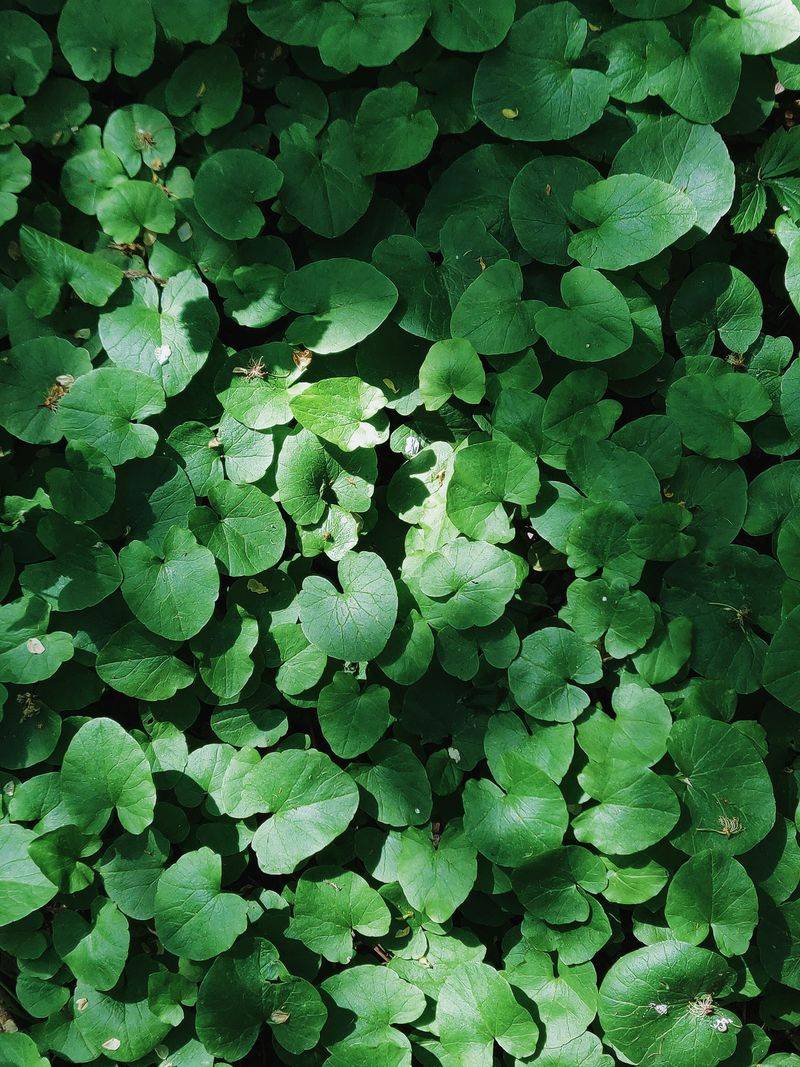
Walk into any old-growth forest in the mid-Atlantic and you will likely spot a carpet of heart-shaped leaves hugging the ground.
That is Wild Ginger, and it is one of the most effective native ground covers for weed suppression you will ever find. It spreads slowly but relentlessly through underground rhizomes.
Once established, it forms a dense, low mat that blocks sunlight from reaching weed seeds below. Cut the light, cut the germination, and you will pull far fewer weeds come summer.
This plant thrives in shaded spots where grass refuses to grow and pine straw just blows away. It handles dry shade with surprising toughness, which makes it ideal under large trees.
Most gardeners struggle with those dark, root-filled zones, and Wild Ginger fills them beautifully. The leaves stay lush and green from spring through fall, giving your garden a polished, woodland look all season long.
In winter, they go dormant, but the roots are already set to return strong in spring. You get a fresh carpet every year without lifting a finger. Wild Ginger also has a fun quirk: its small, brownish-red flowers bloom right at soil level in early spring.
Most people never even notice them because the blooms hide beneath the foliage. It is a secret little show just for those who look closely. Pair it with ferns or trillium for a layered, natural look that feels like a forest floor brought home.
Most gardeners who plant it once never go back to mulching that spot again.
2. Allegheny Pachysandra (Pachysandra Procumbens)
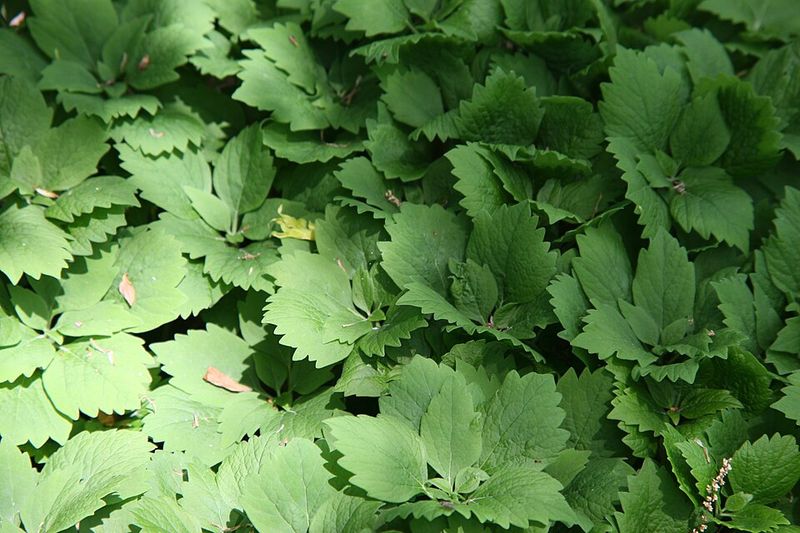
Forget the Japanese pachysandra everyone plants out of habit. Allegheny Pachysandra is the native cousin that actually belongs here, and it is far more interesting to look at.
The leaves on this plant are mottled with silver and gray markings that shift with the seasons. In fall and winter, the foliage takes on a purplish tint that adds real drama to a shaded bed.
You get four seasons of visual interest from a plant that asks almost nothing in return. Weed suppression is where Allegheny Pachysandra truly earns its spot.
Your Virginia Garden Changes Every Week. Your Plan Should Too.
Gardening in Virginia changes quickly throughout the season. Every Friday you’ll receive a simple weekly plan showing exactly what to plant, prune, fertilize, harvest, and protect so you never miss the right timing.
The semi-evergreen foliage stays low and thick, creating a canopy that weeds simply cannot penetrate. Pine straw breaks down and thins out, but this plant just keeps getting denser each year.
It spreads through stolons, meaning it sends out horizontal stems that root as they travel. Give it two or three growing seasons, and it will fill a shaded area completely.
After that, weeding in that zone becomes rare rather than routine. Allegheny Pachysandra prefers part to full shade and moist, well-drained soil with plenty of organic matter.
It pairs naturally with native ferns, Wild Ginger, and spring ephemerals for a layered woodland planting. The combination looks effortless and feels right at home in a Virginia landscape.
Early spring brings small, fragrant white flower spikes that pollinators absolutely love. The blooms are subtle but charming, appearing before the foliage fully flushes out.
If you have been planting the Japanese version out of habit, this is a good time to make the switch.
3. Christmas Fern (Polystichum Acrostichoides)
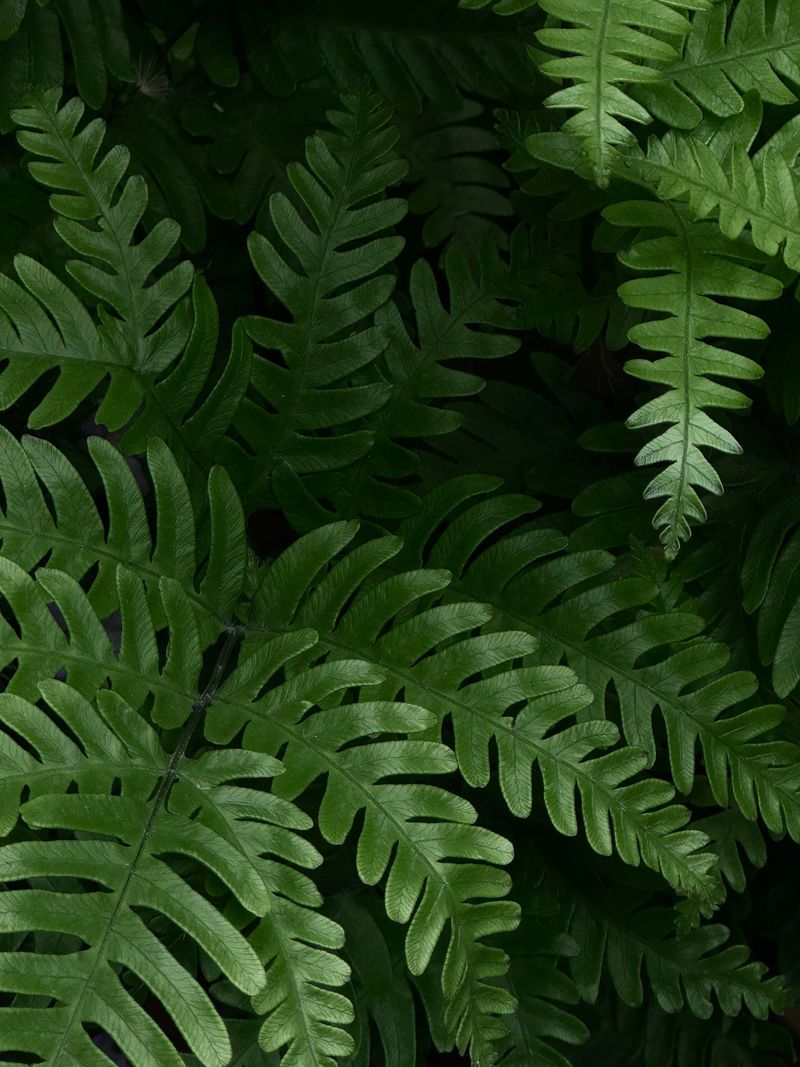
Image Credit: © Noor din / Pexels
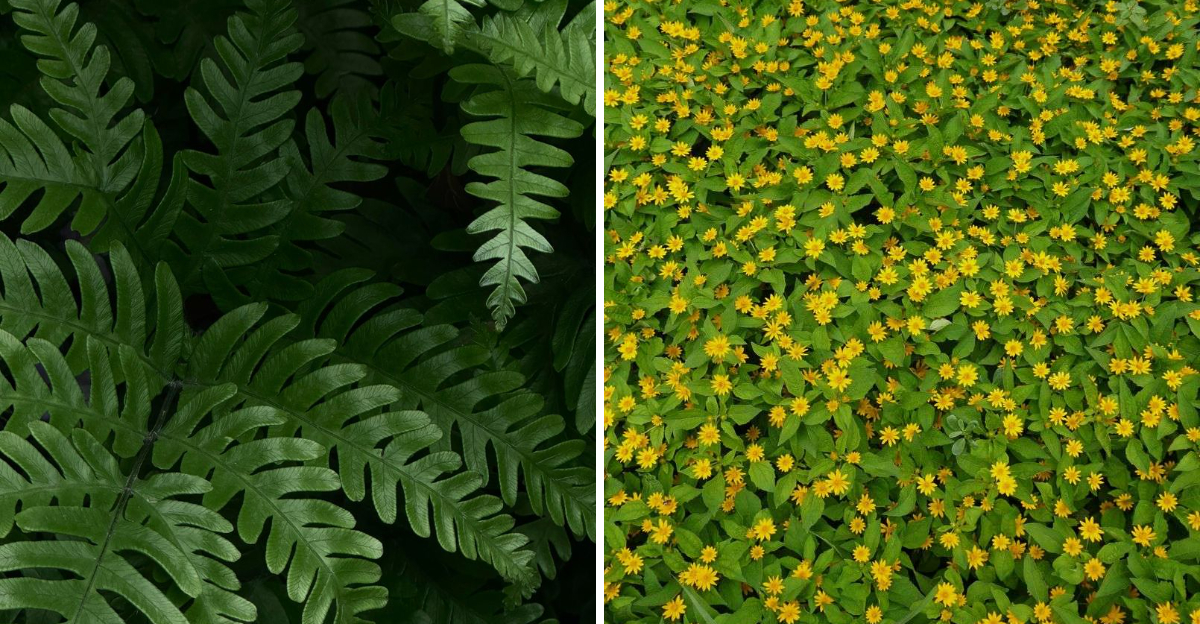
Tough, evergreen, and undeniably beautiful, Christmas Fern is the overachiever of the native fern world. It earned its festive name because the fronds stay green straight through December, long after everything else has gone dormant.
Each plant forms a graceful, arching clump of dark green fronds that can reach up to two feet tall. Those fronds fan outward from a central crown, covering a wide footprint on the ground.
That spread is exactly what makes this fern so effective at blocking weeds from taking hold. Unlike pine straw, which sits on top of the soil and washes away in heavy rain, Christmas Fern holds the ground physically.
The dense root system grips slopes and prevents erosion while the fronds shade out weed seeds above. It handles steep banks where almost nothing else will cooperate.
This fern grows in a wide range of conditions, from full shade to partial sun, and tolerates both dry and moist soils. It is one of the most adaptable native ground covers available to Virginia gardeners.
Plant it once and it will quietly hold its territory for many years with very little intervention. Spring brings a fresh flush of bright green fiddleheads that unfurl dramatically from the crown.
Watching them emerge is one of the small joys of having a native garden. By summer, those fiddleheads mature into full fronds that anchor the plant through winter.
Mass plantings of Christmas Fern under large trees create a lush, forest-floor aesthetic that no amount of pine straw can replicate. Few plants do as much work in a shaded bed while asking for so little in return.
4. Green And Gold (Chrysogonum Virginianum)
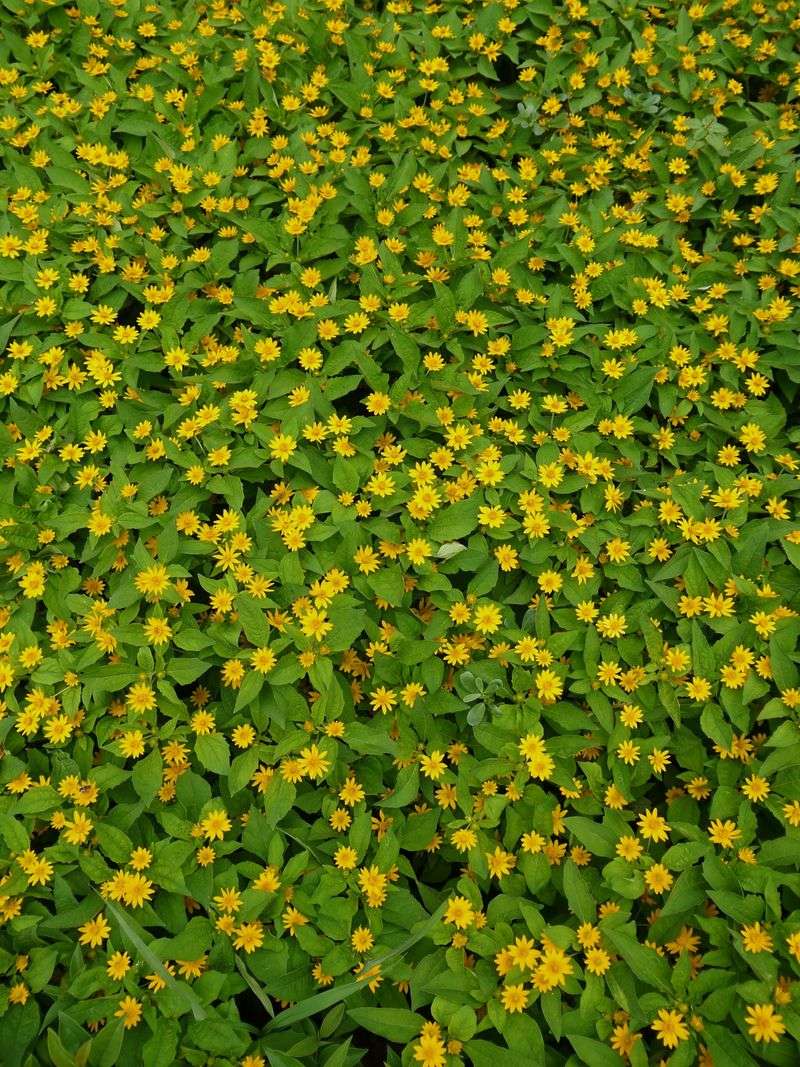
Image Credit: © Orkhan Sweden / Pexels
Bright yellow flowers covering a spreading mat of dark green leaves sounds almost too good to be true. Green and Gold is exactly that, and it blooms from spring all the way into fall with very little encouragement.
This cheerful native perennial is a weed-suppressing machine dressed up in garden-party clothes.
The low, spreading habit creates a dense layer that shades the soil and cuts off light to weed seeds trying to sprout below. It works hard while looking like it is just having fun.
Green and Gold grows in part shade to full sun, which gives it incredible versatility across different garden situations. It handles the transition zone between a sunny border and a shaded tree canopy with ease.
Few native ground covers bridge that light gap as gracefully. The plant spreads through runners and self-seeds modestly, filling in gaps without becoming aggressive.
You can encourage faster coverage by dividing clumps every few years and spreading them across a larger area. Within a couple of seasons, you will have solid, weed-resistant coverage across your entire bed.
Pollinators are wild about the cheerful, star-shaped blooms. Bees visit constantly during the long flowering season, making this plant a functional habitat plant as much as a decorative one.
Replacing pine straw with a living carpet that feeds wildlife feels like a genuine upgrade. Green and Gold stays semi-evergreen in mild winters, which means you get some ground coverage even in the coldest months.
If you want proof that native gardening does not mean sacrificing color, this plant makes the case better than any other on this list.
5. Virginia Creeper (Parthenocissus Quinquefolia)
Some plants earn a bad reputation simply by being too good at what they do.
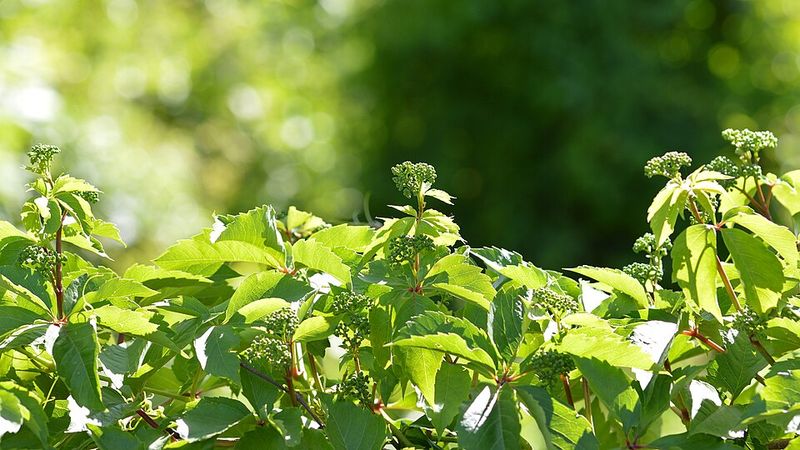
Virginia Creeper is one of them, but when managed as a ground cover instead of a climber, it becomes one of the most impressive weed suppressors in the native plant toolkit.
The five-leaflet leaves spread rapidly across the ground, forming a thick, overlapping mat that smothers competing plants beneath it. Weeds do not stand a chance once Virginia Creeper gets rolling.
Most annual weeds struggle to push through a mature planting. This native vine handles sun and shade with equal confidence.
It covers dry, rocky slopes, eroding banks, and difficult areas where other plants give up. If you have a problem spot that eats mulch and produces weeds every season, this plant is the answer you have been looking for.
Fall color is where Virginia Creeper stops traffic. The foliage turns a brilliant, blazing scarlet that rivals any ornamental plant you could buy at a nursery.
Those deep blue berries that follow are an important food source for migrating birds heading south. Managing its spread is straightforward: trim the edges as needed through the season and redirect any stems that wander where you do not want them.
A little seasonal editing keeps it tidy and contained. Think of it less like a plant and more like a living mulch system you get to shape.
Among native Virginia ground covers, few plants deliver this level of weed control, wildlife value, and seasonal drama in one package. Give it a tough spot and a season or two, and it will handle the rest.
6. Wild Strawberry (Fragaria Virginiana)
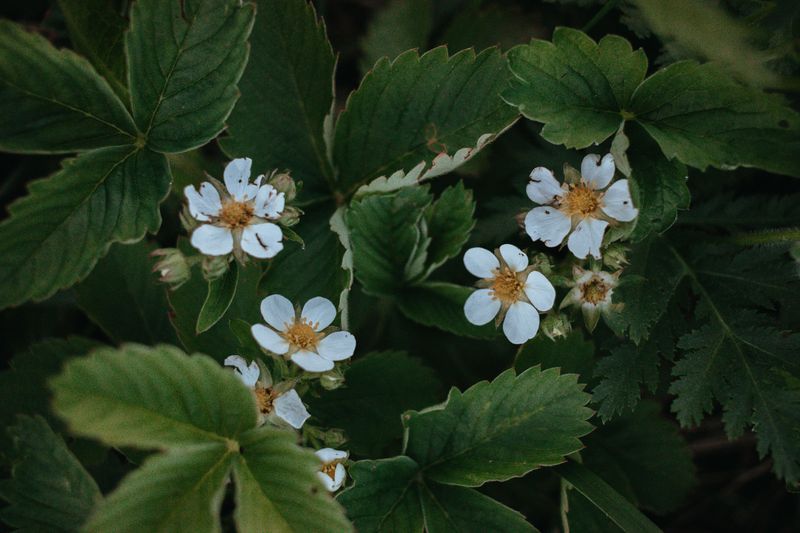
Imagine a ground cover that smothers weeds, feeds wildlife, and occasionally rewards you with tiny, intensely sweet fruit. Wild Strawberry does all three, and it does them without any fuss or fertilizer.
This native perennial spreads through runners, just like its cultivated cousins, but it is far tougher and more adaptable. Each runner roots where it touches the ground, creating a dense network of foliage that blocks weed growth at the soil surface.
The coverage builds steadily season after season. Wild Strawberry prefers full sun to light shade and tolerates poor, dry soils that would stop other plants cold. It does not need amendments, compost, or any special preparation before planting.
The runners it sends out are relentless in the best possible way. By the second season, bare patches that once invited weeds are covered in a tight, leafy mat that gives them nowhere to go.
It is one of the few native ground covers that performs well in open, sunny beds without irrigation once established. That drought tolerance makes it a practical choice for low-maintenance landscapes.
White flowers appear in spring, followed by small red fruits that birds, turtles, and small mammals eagerly consume. The ecological value of this plant is genuinely impressive for something so compact.
You are essentially planting a wildlife buffet that also happens to control weeds. The trifoliate leaves stay attractive all season and turn reddish in fall before the plant goes semi-dormant.
Even in winter, the low rosettes hold their ground and protect the soil from erosion. Pine straw cannot compete with that kind of year-round ground protection.
Gardeners who discover Wild Strawberry often wonder why they spent years buying mulch when this plant was available all along.
7. White Wood Aster (Eurybia Divaricata)
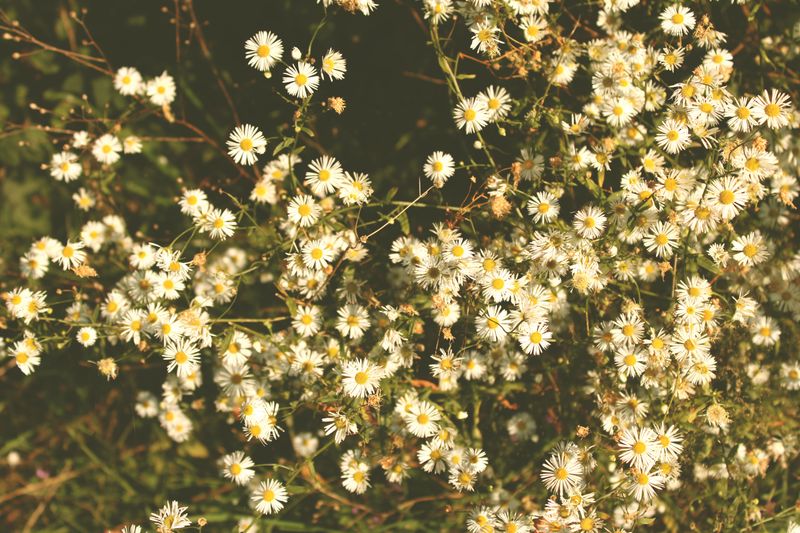
Late summer arrives and most shade gardens look tired and faded. White Wood Aster shows up right on cue, exploding into a cloud of tiny white daisy-like blooms that light up dark corners like nothing else can.
Beyond the flowers, this plant is a serious weed fighter. The heart-shaped leaves form a dense, spreading clump that shades the soil and prevents weed seeds from getting the light they need.
It fills shaded beds with the same determination that weeds usually reserve for themselves. White Wood Aster spreads through rhizomes and self-seeding, gradually expanding its territory in a natural, organic way.
You can encourage denser coverage by leaving seed heads in place through winter. The seedlings that emerge in spring fill gaps quickly and tighten the weed-blocking mat.
Pollinators treat this plant like a late-season feast. Bees, butterflies, and beneficial wasps swarm the blooms from August through October when other nectar sources are running out.
Replacing pine straw with a plant that feeds the food web feels like a genuinely smart trade. This aster handles dry shade conditions that would stress most flowering perennials into submission.
Established plants rarely need watering, and fertilizer is almost never necessary. Once settled in, they are essentially self-sustaining members of your garden ecosystem.
If you are searching for a native Virginia ground cover that earns its keep in all four seasons, White Wood Aster delivers.
When the rest of your shade garden looks tired in August, this plant is just getting started.