100 Degree Days Mean Missouri Gardeners Should Skip This Chore
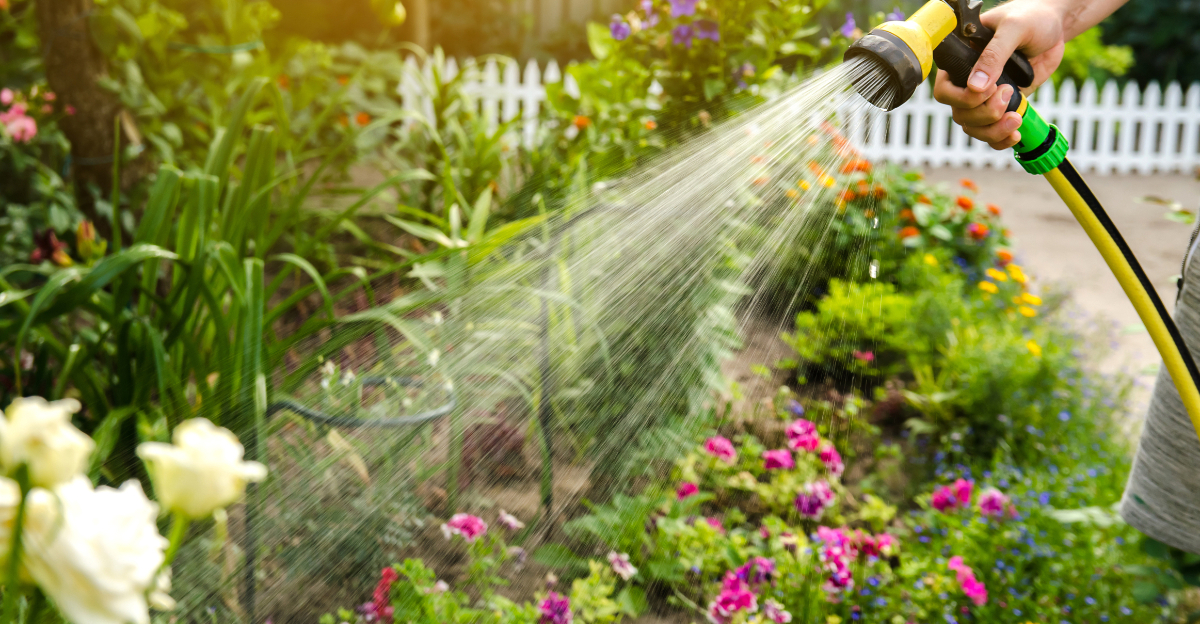
Heat like this doesn’t wait for your permission before it changes everything. Missouri summers turn your gentle daily routines into unexpected quiet risks.
Watering incorrectly right now can actually harm your plants instead of helping them. Gardeners across Missouri assume morning hoses help, yet that assumption falls apart fast.
Sunlight turns every droplet on your leaves into a tiny magnifying glass. Your soil dries out faster while sprinklers convince you otherwise.
Timing decides whether your garden survives or slowly weakens. Choosing the wrong hour undoes weeks of your careful effort.
Smart gardeners trade instinct for strategy that protects you right now. Shade, timing, and technique matter more than sheer effort.
Nothing about this relentless heat forgives outdated habits. Plants signal distress quietly before they slow down.
Ignoring those warning signs costs you flowers, vegetables, and months of growth. You truly need this information now, before your garden pays the price.
Why Extreme Heat Changes Your Morning Garden Routine
The thermometer hits 100 and your garden feels it first. Missouri summers push plants to their absolute limits, and your morning routine needs to change fast.
Most gardeners wake up ready to water before the day heats up. That habit makes sense in mild weather, but extreme heat rewrites the rules completely.
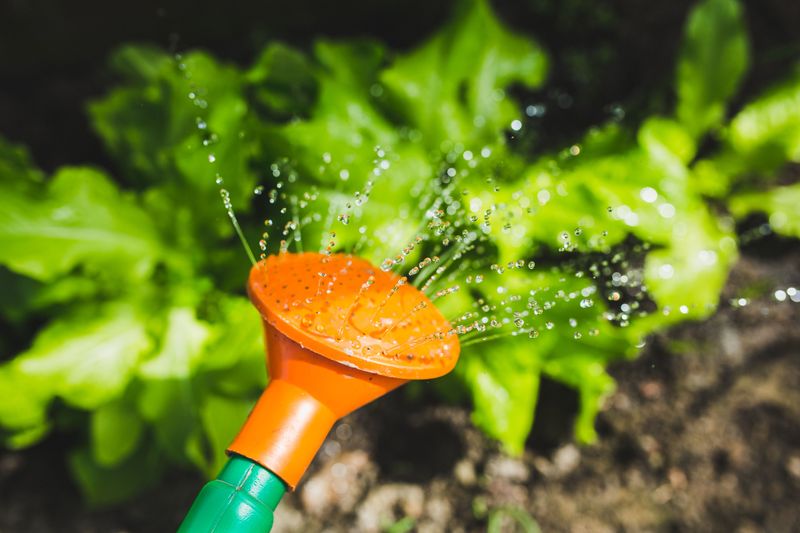
Overhead watering in the morning, using sprinklers or hoses aimed at leaves, can create serious problems when temperatures spike.
Wet leaves under direct sunlight are more prone to fungal issues and, in some cases, leaf scorch, though the exact mechanism is debated among horticulturists.
Roots also suffer when water evaporates before it soaks in deep. Shallow moisture encourages weak root systems that cannot handle prolonged drought or heat stress.
Your garden is sending signals right now, and learning to read them matters. Drooping leaves at noon do not always mean the plant needs water; sometimes it is just protecting itself from the heat.
Changing your routine feels uncomfortable at first, especially if you have watered the same way for years. But adjusting when and how you water during a heat wave is one of the smartest moves a Missouri gardener can make.
The 100 degree days mean Missouri gardeners should skip overhead morning watering and rethink their approach. Small shifts in your routine today can save your entire garden from heat related damage before the season ends.
The Chore You Should Skip During A Heat Wave
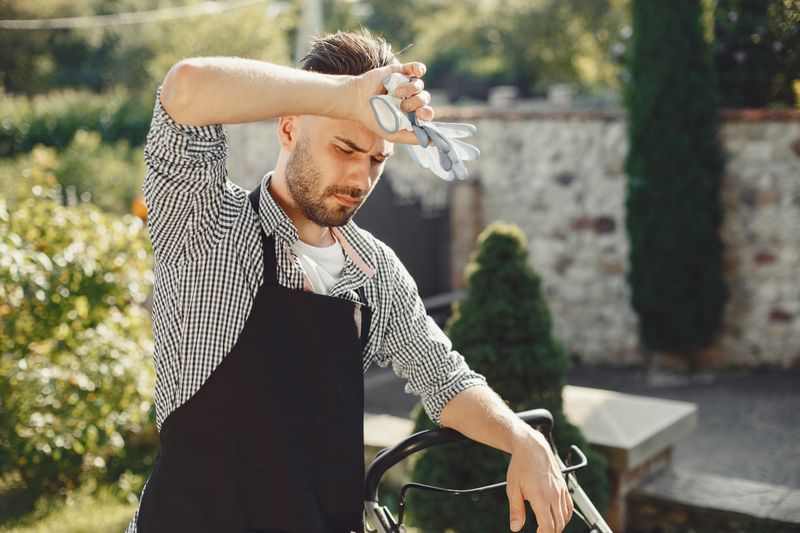
Put the sprinkler down. Overhead watering during a heat wave is the one chore Missouri gardeners should absolutely skip right now.
When you spray water over your plants with a hose or sprinkler on a 100 degree day, the water heats up fast. Warm water is less effective at cooling roots and can add to plant stress.
Wet leaves under a blazing sun are vulnerable to fungal infections and leaf scorch. Both problems weaken plants and make them less able to survive the rest of a demanding summer.
Sprinkler systems and overhead hoses also waste enormous amounts of water through evaporation. On a hot afternoon, a significant portion of that water can be lost to evaporation before it reaches the roots.
Your Missouri Garden Changes Every Week. Your Plan Should Too.
Gardening in Missouri changes quickly throughout the season. Every Friday you’ll receive a simple weekly plan showing exactly what to plant, prune, fertilize, harvest, and protect so you never miss the right timing.
Skipping this chore feels counterintuitive because plants look thirsty and wilted. Your instinct says water them, but the method matters just as much as the timing does.
Even morning overhead watering, which gardeners often consider safe, becomes risky when daytime temperatures stay above 95 degrees for multiple days. Soil heats up so fast that moisture disappears before plants can absorb it properly.
100 degree days mean Missouri gardeners should skip this chore and replace it with smarter watering strategies.
Protecting your plants sometimes means holding back rather than pouring more on, and that takes real gardening confidence to do.
How This Task Does More Harm Than Good
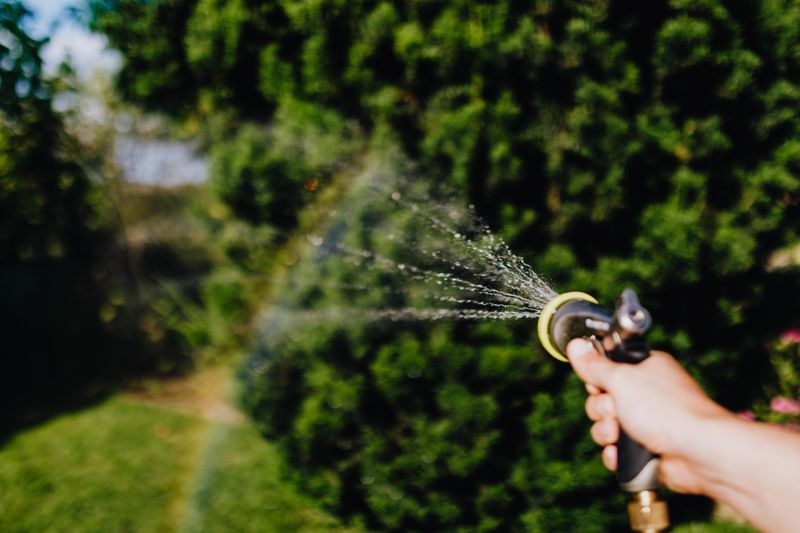
Scorched leaves are a clear sign of heat stress. Overhead watering during extreme heat can lead to damage that takes time and effort to reverse.
Fungal risk climbs fast when foliage stays wet in high heat and humidity.
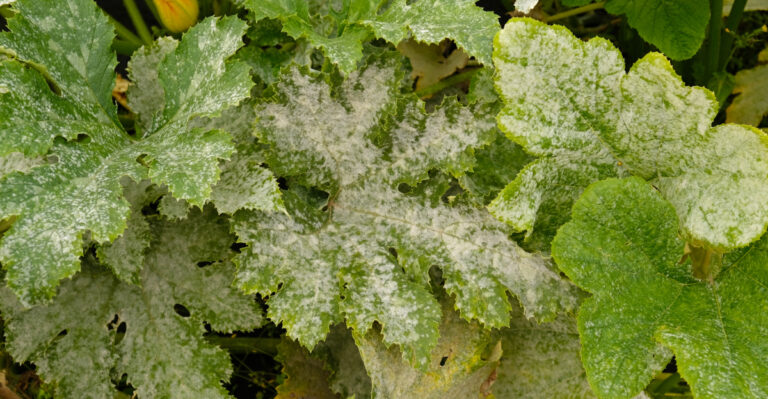
Fungal diseases love warm, wet foliage. Powdery mildew, blight, and leaf spot all thrive when leaves stay damp in hot, humid Missouri summers, and overhead watering feeds those conditions directly.
Roots get confused by inconsistent moisture signals. When surface water evaporates quickly, roots chase moisture upward instead of growing deep, leaving plants more vulnerable to wind and storm damage.
Watering during peak heat also shocks plant cells. The temperature difference between cold tap water and superheated soil can cause stress responses that slow growth and reduce fruit production significantly.
Tomatoes, peppers, and squash are especially sensitive during heat waves. Blossom drop, poor fruit set, and bitter flavors all increase when plants are stressed by improper watering habits in extreme temperatures.
The harm done by this one chore adds up quickly across a season. Recognizing that 100 degree days mean Missouri gardeners should skip overhead watering is the first step toward actually saving your garden from preventable damage this summer.
Steps To Take Instead When Temperatures Spike
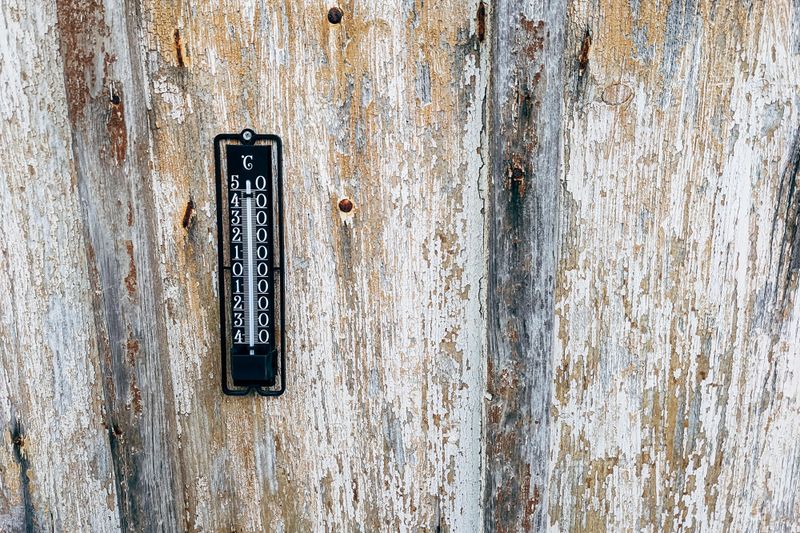
Smart gardeners pivot fast when heat arrives. Swapping overhead watering for targeted ground level methods is the single best move you can make during a heat wave.
Drip irrigation delivers water directly to the root zone. It skips the leaves entirely and puts moisture exactly where plants can use it most efficiently.
Soaker hoses are an affordable alternative to full drip systems. Lay them along the base of your plants and let them run slowly so water seeps deep into the soil rather than pooling on top.
Mulching is your next most powerful tool right now. A thick layer of straw, wood chips, or shredded leaves keeps soil temperatures lower and locks in moisture for hours longer than bare ground.
Water deeply but less often during extreme heat. This encourages roots to grow downward toward cooler, more stable moisture rather than staying shallow and vulnerable at the surface.
Shade cloth is another option worth considering for heat sensitive crops. A 30 to 40 percent shade cloth draped over tomatoes, lettuce, or herbs can help lower leaf temperature, depending on conditions and material.
Taking these steps gives your garden a fighting chance when temperatures refuse to drop. When 100 degree days mean Missouri gardeners should skip the sprinkler routine, these targeted alternatives keep plants hydrated, healthy, and far more resilient through peak summer heat.
Best Times To Water And Garden In Extreme Heat
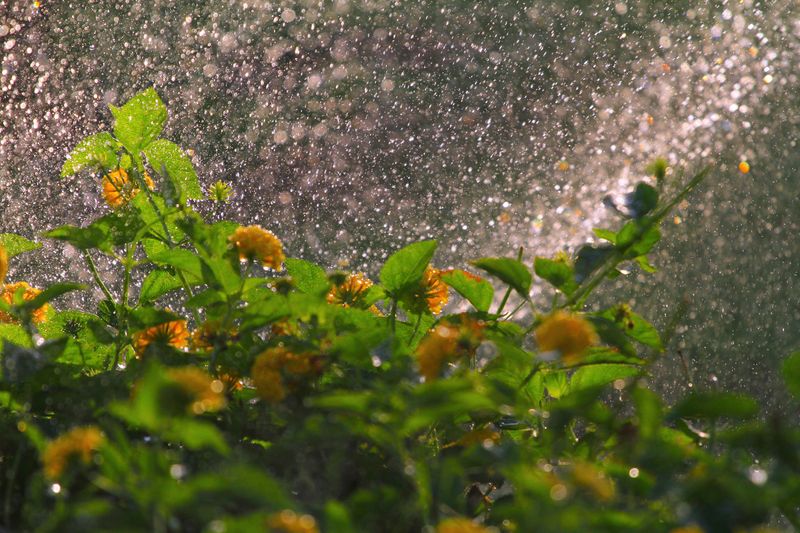
Timing is everything in a heat wave garden. Getting the schedule right can mean the difference between thriving plants and struggling ones.
Early morning is still the best window for watering, but the method has to change. Skip the overhead sprinkler and use a handheld hose or drip line aimed low at the soil, not the foliage.
Watering before 8 a.m. gives moisture time to soak into the root zone. Soil temperatures are still manageable then, and roots can absorb water before the day gets hot.
Evening watering is the next best option if mornings are not possible. Aim for before 6 p.m. so leaves have time to dry before nightfall reduces air circulation and invites fungal growth.
Avoid all garden work between 10 a.m. and 4 p.m. on triple digit days. That window carries real risk for both gardeners and plants, and it’s not worth pushing through for the sake of productivity.
Checking soil moisture before watering is a habit worth building. Push a finger two inches into the soil; if it feels damp, hold off and check again the following morning before reaching for the hose.
Respecting heat wave timing protects both you and your plants. When 100 degree days mean Missouri gardeners should skip midday chores entirely, the early morning slot becomes your most valuable gardening asset all season long.
Tips To Protect Your Garden Through A Heat Wave
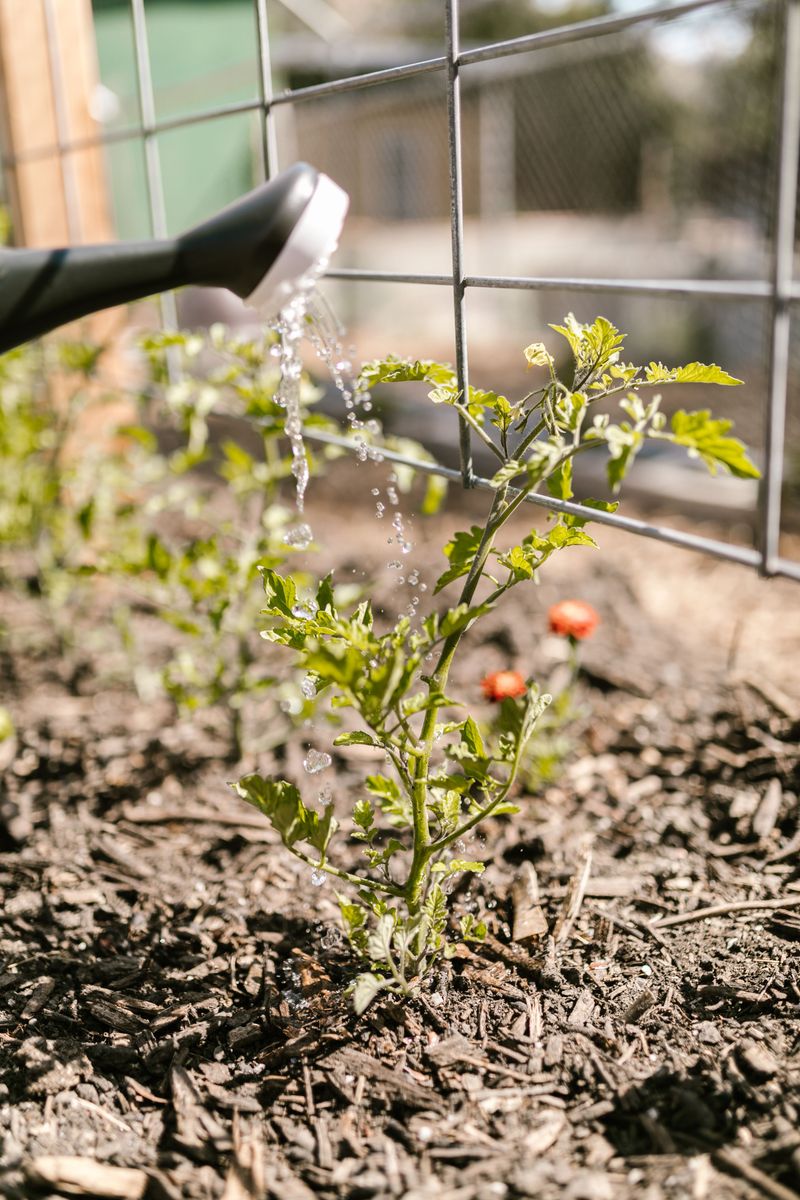
A heat wave doesn’t have to ruin your whole season. A few protective steps taken now can carry your garden safely through even a difficult Missouri summer stretch.
Mulch heavily around every plant in the garden right away. A 3 to 4 inch layer of organic material keeps root zones cooler and reduces how often you need to water significantly.
Group container plants together in a shaded spot during extreme heat. Pots dry out far faster than in ground beds, and clustered containers create a microclimate that holds a bit more humidity around the foliage.
Consider holding off on fertilizing during extreme heat, as it can push vulnerable new growth. Tender new leaves are the most vulnerable to heat damage during a prolonged hot spell.
Prune away any lifeless or damaged foliage you spot during morning checks. Removing stressed tissue helps the plant focus its limited energy on surviving rather than maintaining hopeless growth.
Keep a close eye on container herbs like basil and mint. They struggle fast in heat and may need twice daily watering at the soil level to stay productive and flavorful through the season.
Protecting your garden through a heat wave takes patience, observation, and a willingness to adapt.
When 100 degree days mean Missouri gardeners should skip the usual chore list, these protective habits become the foundation of a garden that comes back stronger on the other side.