These Common Porch Light Mistakes Are Bringing Wasps To Your New Jersey Home
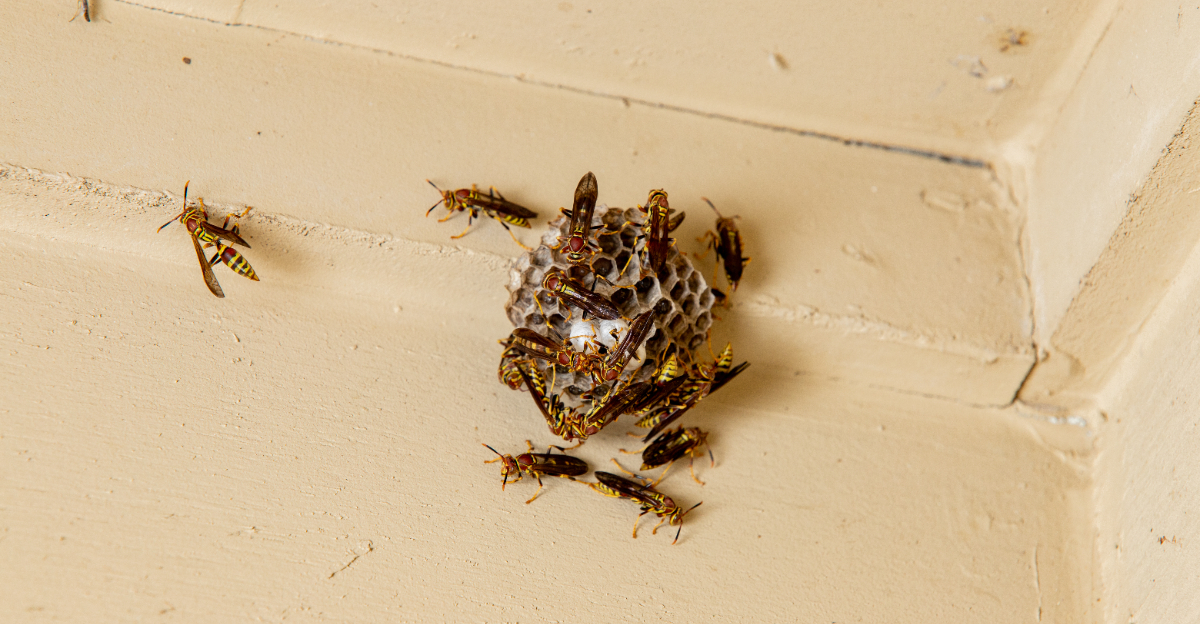
Porch lights flicker, and you assume it’s only moths. Wasps may be appearing near your New Jersey home more often than in past seasons. Your lighting choices might explain why they keep returning.
Bright bulbs pull in prey insects, and wasps follow your trail. Certain colors attract far more attention than you’d expect. Warm white bulbs draw noticeably fewer bugs to your New Jersey porch than cool ones.
Where you place your lights matters just as much as color. Fixtures near your doorway create gathering zones you never notice. Dusk brings peak insect activity right around your quiet front door.
Rarely do you question why wasps cluster near your entryway. Warmer nights across the region may be making this worse for you. Science explains the pattern, and the fix is simpler than you think.
Ignoring it only invites even more stinging encounters at your door. You will not look at your porch light the same way again.
1. Bright White Bulbs Attract Wasps At Night
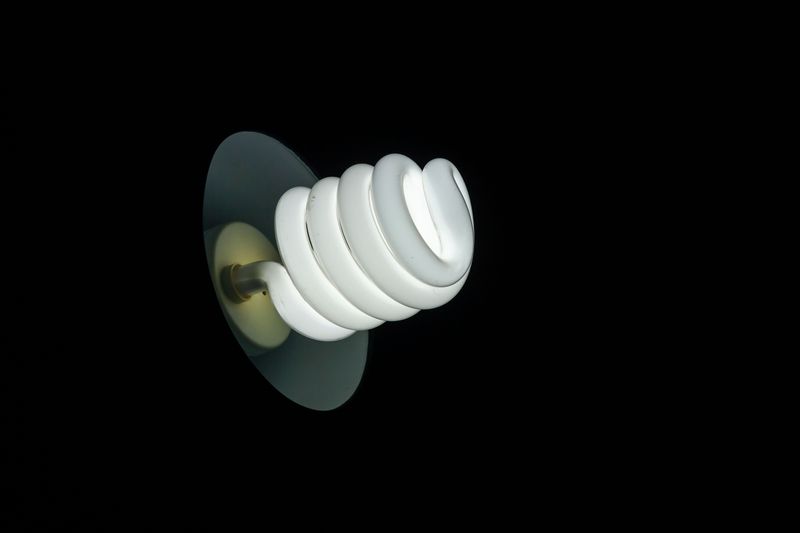
That blazing white porch bulb is basically a neon sign for wasps. Bright white and blue-spectrum lights emit visible wavelengths that insects are highly sensitive to, allowing them to detect the light from far away.
Wasps are not nocturnal by nature, but artificial light confuses their senses. They follow the glow just like moths do, especially during warm New Jersey summers.
Most standard cool-white LED bulbs produce light in the cooler blue spectrum. That cool, crisp brightness is exactly what pulls insects toward your front door.
Switching to warm-toned bulbs is one of the easiest fixes you can make. Yellow or amber LED bulbs emit light at wavelengths that insects find far less interesting.
Look for bulbs labeled 2700K or lower on the color temperature scale. These cast a soft, golden glow that keeps your porch looking warm without acting like a bug magnet.
Some outdoor specialty stores sell bulbs specifically marketed as insect-repelling lights. These are worth trying if you have had persistent wasp problems near your entryway.
Your porch light mistakes are easier to fix than most people think. One simple bulb swap can dramatically reduce the number of flying insects gathering at your door each evening.
The change costs very little and takes about two minutes to complete. Start with the bulb before trying anything more complicated, and you may be pleasantly surprised by the results.
2. Leaving Lights On All Night Draws Them In
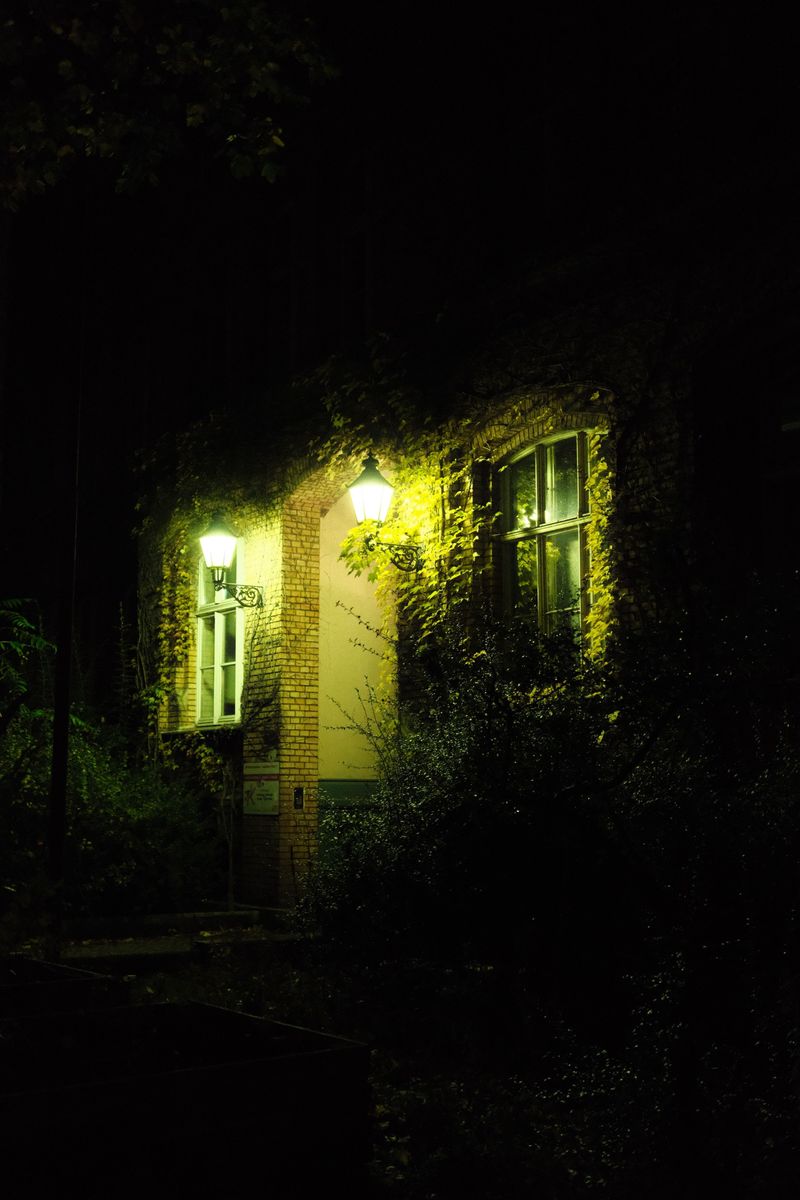
Leaving your porch light on from dusk until dawn is a habit many homeowners share. Unfortunately, it is also one of the most reliable ways to attract wasps to your home.
Extended light exposure gives insects more hours to locate your porch. A wasp passing by at dusk can still find your entryway if the light is burning bright.
Wasps are most active during the day, but artificial light disrupts their natural cycles. Some species will investigate bright sources even during nighttime hours, especially in warmer months.
Your New Jersey Garden Changes Every Week. Your Plan Should Too.
Gardening in New Jersey changes quickly throughout the season. Every Friday you’ll receive a simple weekly plan showing exactly what to plant, prune, fertilize, harvest, and protect so you never miss the right timing.
The longer your light stays on, the more insects accumulate around the fixture. More insects mean more food sources, and more food sources attract even more wasps nearby.
Installing a simple timer on your porch light is a smart and affordable solution. Set it to turn off by 11 p.m. or midnight to reduce the overnight attraction window.
Motion-sensor lights are another excellent option for managing this problem. They only activate when someone is actually present, limiting the time insects have to gather.
Smart bulbs with app-based scheduling give you even more control over your lighting. You can program them to dim automatically after a certain hour without any extra hardware.
Cutting back on overnight light exposure is one of the most overlooked porch light mistakes homeowners make. A simple schedule change can reduce wasp activity around your entryway within just a few nights.
3. Uncovered Fixtures Let Insects Gather Freely
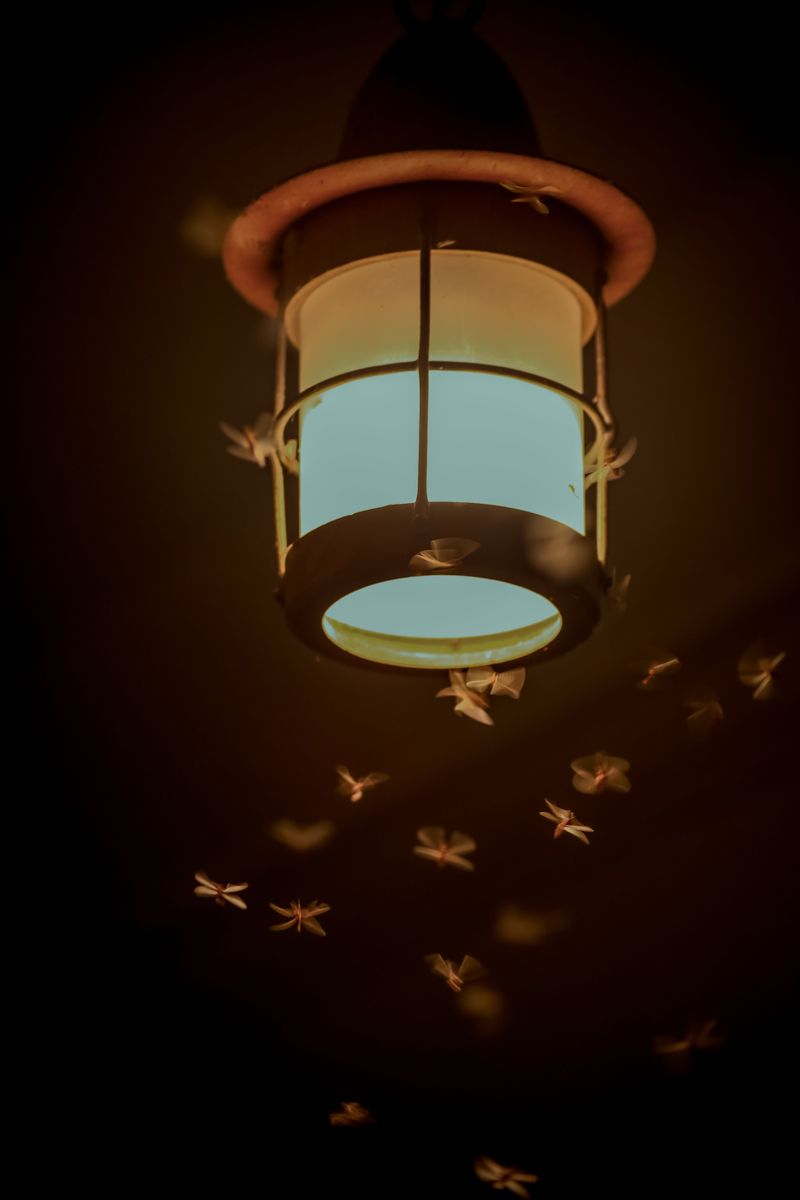
Open light fixtures are basically free real estate for wasps. Without a sealed cover, these cozy little cavities become perfect spots for insects to rest, gather, and eventually nest.
Many older homes in New Jersey still have exposed bulb fixtures mounted near the front door. These open designs were never meant to be insect-proof, and they show it quickly each spring.
Wasps scout for sheltered, warm spots to begin building nests in early spring. An uncovered outdoor fixture checks every box on their list, including warmth, shelter, and proximity to food.
You might notice small papery structures forming inside your fixture after just a few weeks. That is a wasp nest in its early stages, and it will grow fast if left alone.
Switching to a fully enclosed globe-style fixture is one of the smartest upgrades you can make. These designs seal off the interior so wasps cannot access the warm space around the bulb.
Look for fixtures rated for outdoor use with gasketed glass panels and a tight-fitting base. The seal quality matters as much as the style when keeping insects out.
Check your current fixtures for gaps, cracks, or missing hardware that could invite entry. Even a small opening near the mounting plate is enough for a wasp to squeeze through.
Fixing your fixture is a key step in correcting common porch light mistakes. A sealed cover removes one of the most attractive nesting opportunities on your entire property.
4. Sweet Drinks Left Near Lights Lure Wasps

Picture this: a warm summer evening, cold lemonade on the porch table, and a light glowing overhead. That combination is practically a written invitation for wasps to join your evening.
Wasps are strongly attracted to sweet smells, especially sugary drinks like soda, juice, and fruit punch. When those drinks sit near a glowing light, the attraction doubles almost instantly.
The light draws insects in from a distance, and the sweet scent keeps them lingering once they arrive. That one-two punch makes your porch a hotspot for stinging visitors all season long.
Even an empty cup with a thin sugary residue inside can attract wasps from several feet away. They have an impressive sense of smell and will home in on sweetness quickly.
Always cover drinks when sitting outside, especially during late afternoon and evening hours. Lidded cups or sealed bottles are simple tools that remove a major attractant from your porch setup.
Clean up spills right away, even small drips on the table or railing. Sticky surfaces are just as appealing to wasps as an open drink sitting in plain sight.
Move your drink station away from the light source whenever possible. Creating distance between the sweet smells and the bright glow reduces the combined attractant effect significantly.
Pairing food and drink habits with smarter porch light mistakes awareness is a winning strategy. Removing the scent factor takes away one of the biggest reasons wasps keep coming back night after night.
5. Overflowing Trash Bins Near Porches Add Appeal

Trash bins and porch lights are a dangerous combination when wasps are involved. An overflowing bin near your entryway sends out food signals that compete with nothing else in your yard.
Wasps are opportunistic feeders that love protein-rich scraps and sweet food waste. A bin full of last night’s dinner leftovers is as appealing to them as a fresh meal.
When that bin sits close to your porch light, wasps get two powerful signals at once. The light guides them in, and the trash keeps them coming back for more.
Lidded bins with a tight seal are far better at containing odors than open-top containers. Invest in a bin with a locking lid to block both smells and physical access to the contents.
Move your trash storage at least ten feet from the porch if your layout allows it. Distance alone can reduce wasp activity near your entryway by removing the secondary attractant.
Empty bins regularly during peak wasp season, which runs from late spring through early fall here. Letting waste accumulate for days creates a stronger odor that spreads far beyond the bin itself.
Rinse the inside of the bin periodically to remove sticky residue from food packaging. Even clean-looking bins can hold strong odors that wasps find irresistible during warm weather.
Managing your trash is a behind-the-scenes fix for porch light mistakes that most guides overlook. Pair it with smarter lighting choices, and you will see a noticeable drop in wasp activity fast.
6. Open Doors Let Outdoor Light Spill Outward
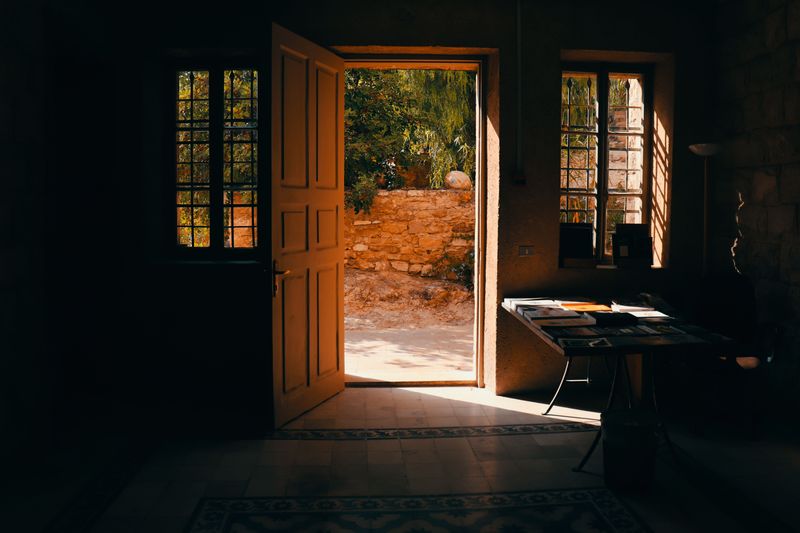
Every time you prop the front door open on a warm evening, you are broadcasting light deep into your yard. That outward light spill acts like a beacon for every flying insect in the neighborhood.
Wasps are drawn to lit areas, and an open door creates a glowing pathway that leads directly inside your home. What starts as a convenient breeze becomes an open invitation to uninvited guests.
Screen doors are one of the most practical solutions to this specific problem. They let air flow freely while blocking insects from following the light straight into your living space.
If your home does not have a screen door, installing one is a worthwhile home improvement project. Many hardware stores carry easy-to-install options that fit standard door frames without major renovation work.
Adjusting your interior lighting can also help reduce the spill effect at night. Dimming lights near the front of the house or using warmer tones indoors makes the doorway less of a glowing target.
Try to limit how long the door stays open during peak insect hours, typically dusk to around 10 p.m. That window of time is when flying insects are most actively searching for light sources.
Weather stripping around your door frame also helps seal off gaps that let light leak through. Tight seals keep the light contained and reduce the visual signal that attracts wasps from a distance.
Addressing light spill is one of the quieter porch light mistakes to fix, but the payoff is real. Fewer openings mean fewer pathways for wasps to follow right into your home.
7. Hanging Plants Near Lights Create Hidden Nesting Spots
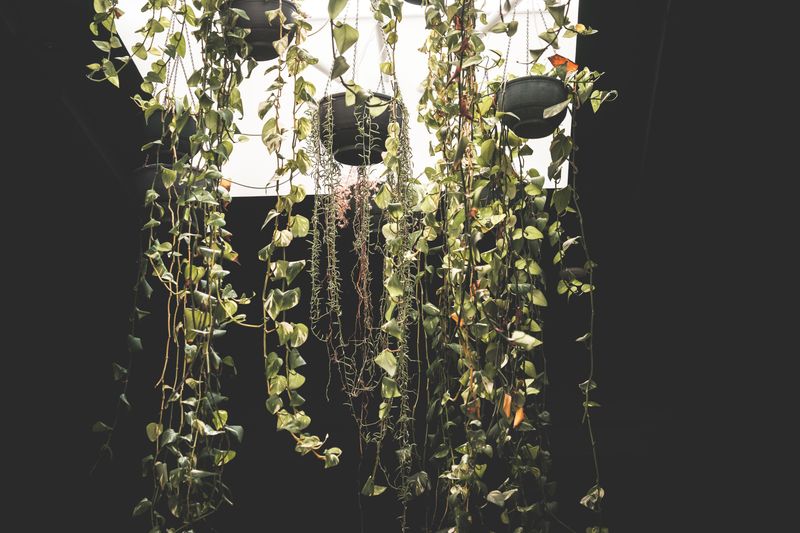
Hanging baskets of ferns and petunias look charming on a summer porch, but they come with a hidden risk. Wasps love dense, sheltered plant growth, especially when it sits right next to a warm light source.
The combination of warmth from the bulb and the dense foliage of hanging plants creates ideal nesting conditions. Queen wasps scout for exactly this kind of sheltered spot in early spring.
Once a nest gets started inside a hanging basket, it can grow surprisingly fast. By midsummer, a small cluster can become a full colony that poses a real risk to anyone reaching for the watering can.
Check hanging plants regularly throughout the spring and early summer months. Look for papery gray structures tucked deep in the foliage or attached to the wire frame of the basket.
Moving planters away from light fixtures is a straightforward preventive step. Even shifting a basket two or three feet can reduce the combined appeal of warmth and shelter that draws wasps in.
Choose plants with less dense foliage if you love having greenery near your entry. Open, airy plants offer far fewer hidden cavities for wasps to use as nest-building sites.
Hanging wind chimes or other moving objects near light fixtures can also deter wasps from settling. Motion and vibration make wasps feel less secure, which discourages them from starting a nest nearby.
Rethinking your plant placement is one of the most overlooked porch light mistakes on this list. A small repositioning effort now can prevent a serious stinging situation before summer even hits its peak.
8. Unscreened Porches Offer Wasps Easy Access
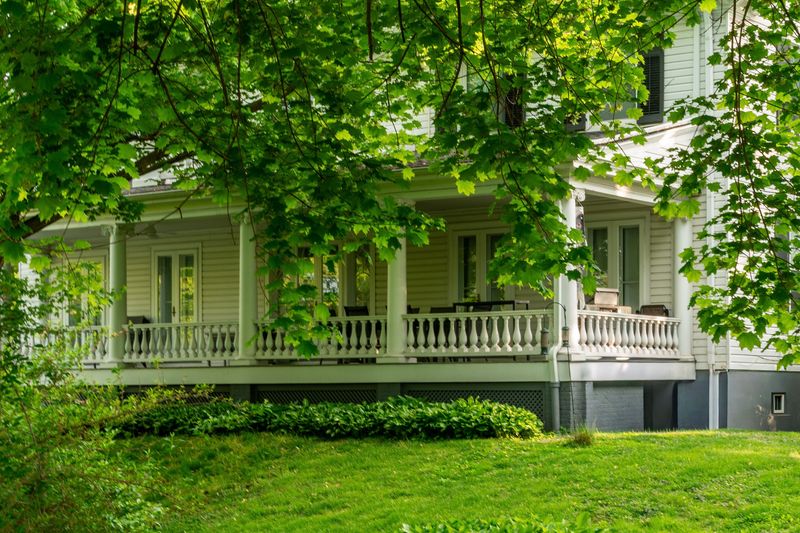
An open, unscreened porch is one of the most wasp-friendly features your home can have. Without any physical barrier, wasps can fly in freely, explore at will, and scout for nesting spots without any resistance.
Screened porches create a simple but powerful boundary between your relaxing space and the insect world outside. That mesh barrier stops wasps from landing on your furniture, food, and family members.
Retrofitting an existing porch with screening is more affordable than most homeowners expect. Many home improvement stores carry DIY screen kits designed specifically for open porch enclosures of various sizes.
Even partial screening along the most exposed sides of a porch makes a meaningful difference. Prioritize the sides most exposed to outdoor activity, where wasps are more likely to gather.
Make sure screen panels are free of tears or holes before the season starts each year. A tiny gap is all a wasp needs to find its way inside and start investigating your space.
Magnetic screen door panels are a flexible option if full installation feels like too much right now. They attach with adhesive strips and close automatically after each pass, giving you hands-free protection.
Adding ceiling fans to an open or screened porch may also help discourage wasps. Constant airflow can make the space less comfortable for them to linger in near your light fixtures.
Fixing access points is the final piece of the porch light mistakes puzzle for New Jersey homeowners. Seal the entry, swap the bulb, and manage the surroundings to take back your porch for good.