This Is Where Rose Chafers Hit First In Michigan Gardens Before They Spread To Grapes And Flowers
Every June, something small and tan starts chewing its way across Michigan yards, and most gardeners don’t notice until the leaves already look like lace.
This pest does not wander aimlessly. It builds momentum from one exact spot, then spreads outward across the yard with unsettling consistency.
That starting spot sits closer to home than most people expect, sandy soil, the same ground where its life cycle quietly begins each spring.
From there, the path leads straight toward grapevines and open blossoms, the targets it saves for last. Spotting the pattern early gives you the real edge, long before the damage turns obvious.
Sandy Turf Areas Are Where The Cycle Begins
Sandy soil is basically a five-star hotel for rose chafers. Female beetles seek out light, well-drained turf to lay their eggs every single season.
Most gardeners never suspect their patchy lawn is the starting point. The eggs sit just below the surface, hidden and completely invisible to the naked eye.
Sandy areas warm up faster in spring, which speeds up egg development considerably. That warmth gives the larvae a head start before most gardeners even think about pest control.
Yards closer to Lake Michigan or along river corridors often run sandier than average. Those properties can see rose chafer pressure build earlier than clay-heavy yards nearby.
Turf near driveways or walkways tends to get compacted from regular foot traffic. Loose, sandy patches nearby often end up as the easier target for egg-laying females instead.
Checking your lawn texture now is one of the smartest early moves you can make. If your yard feels gritty and drains almost too fast after rain, consider it ground zero for rose chafer activity.
Applying beneficial nematodes to sandy turf in late summer targets larvae before they mature. Timing that treatment correctly can shrink next year’s adult population before it ever gets started.
Grubs Feed On Grass Roots All Summer Long
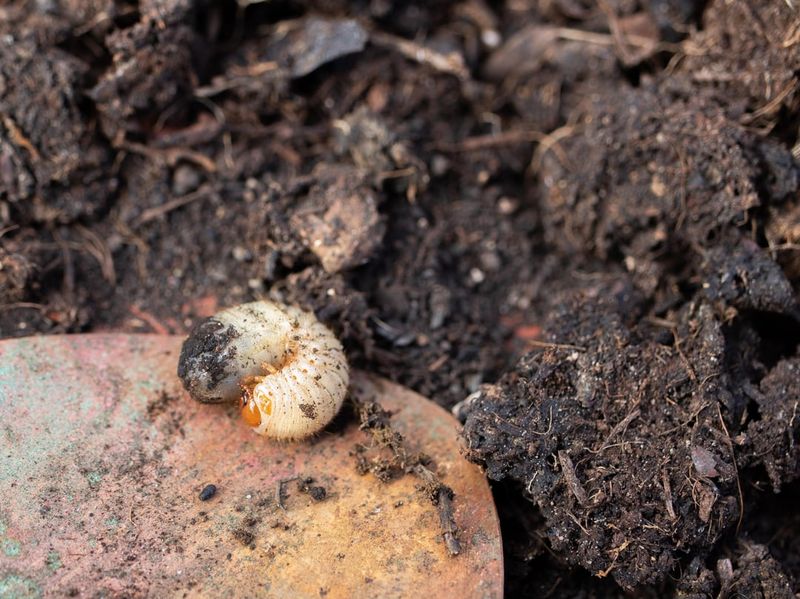
Beneath your Michigan lawn, something hungry is working around the clock. Rose chafer grubs curl into a C-shape and chew grass roots from midsummer straight through early fall.
The damage from these grubs rarely shows up the way homeowners expect. Unlike other lawn pests, their feeding is usually too light to leave any obvious sign on the surface.
Grubs do not travel far from where the eggs were laid. They stay in the top few inches of soil, feeding steadily and growing larger as summer pushes forward.
Birds are actually your first clue that grubs are active underground. Robins and starlings pecking aggressively at the same lawn spots are almost always following a food source beneath the surface.
Skunks and raccoons will tear up turf overnight to reach a heavy grub population. Finding fresh digging in your sandy lawn areas is a strong signal to investigate what is living below.
Milky spore is sometimes suggested for grub control, but it targets Japanese beetle larvae specifically. Rose chafer grubs respond better to beneficial nematodes applied during warm, moist soil conditions in late summer.
Your Michigan Garden Changes Every Week. Your Plan Should Too.
Gardening in Michigan changes quickly throughout the season. Every Friday you’ll receive a simple weekly plan showing exactly what to plant, prune, fertilize, harvest, and protect so you never miss the right timing.
Keeping grass slightly taller in sandy areas reduces soil temperature and makes egg-laying less attractive. That one small habit can lower grub populations without any chemical input at all.
Healthy root systems resist grub damage better than stressed turf. Consistent watering and appropriate fertilization give your Michigan lawn a natural edge against underground feeding pressure.
Adults Emerge From The Soil In Late Spring
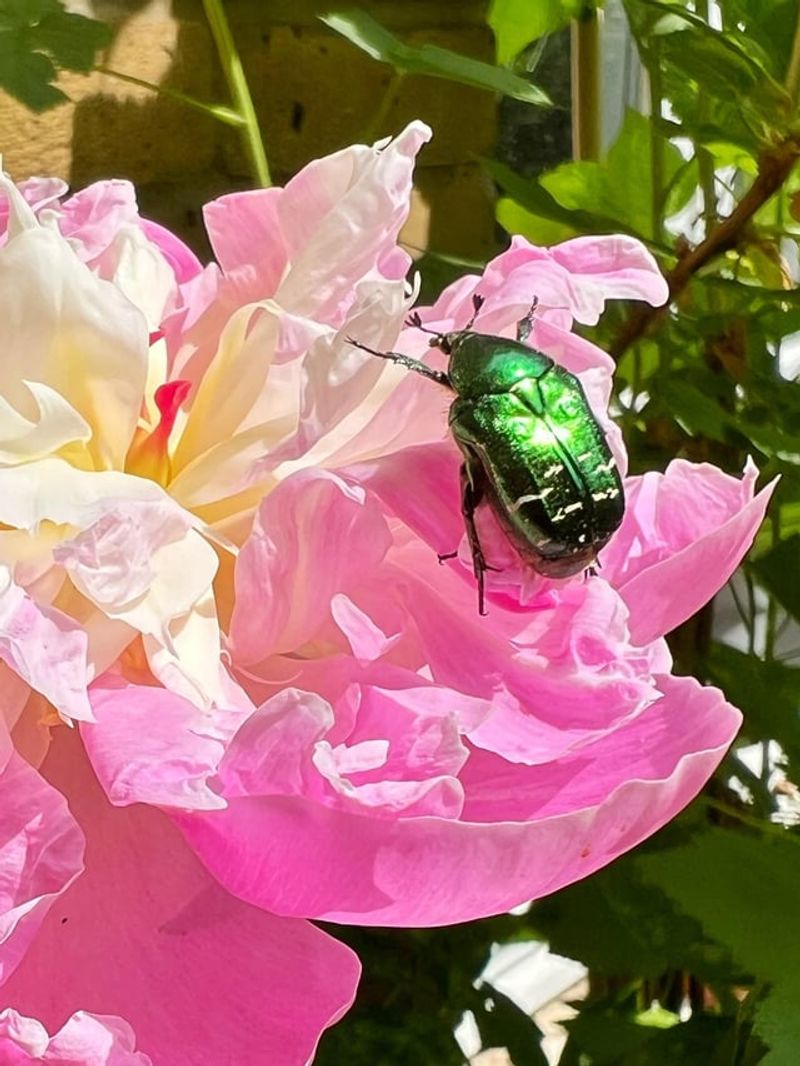
Around late May in Michigan, the soil warms past a critical threshold and adult rose chafers push up from the ground. They emerge hungry, fast, and ready to feed immediately.
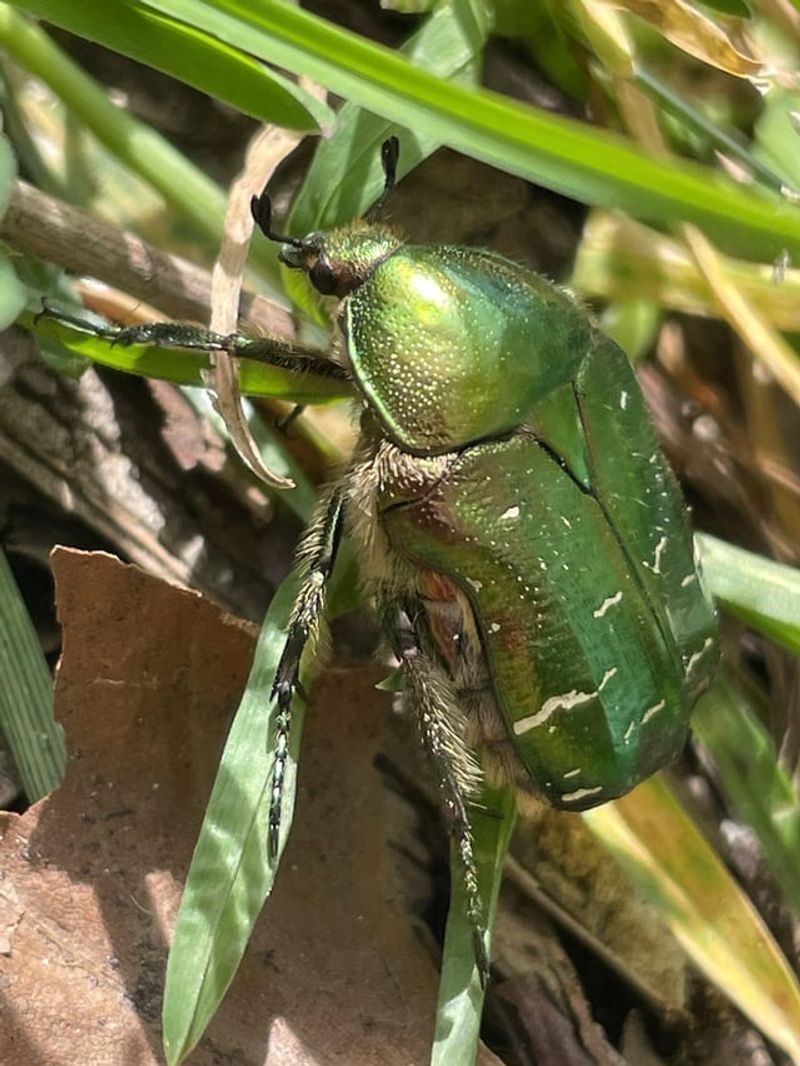
The adults are easy to identify once you know what to look for. They have a tan or beige body, reddish-brown legs covered in spines, and they move with a clumsy, buzzing flight pattern.
Rose chafers are most active during the warmest part of the day, typically between 10 a.m. and 3 p.m. Cooler mornings often find them resting low on plant stems before temperatures rise.
Their emergence window is surprisingly short, usually lasting only three to four weeks. But that compressed timeline makes them incredibly destructive because all the adults are feeding simultaneously.
Mating happens quickly after emergence, and females return to sandy turf to lay the next generation of eggs. One female can deposit up to 30 eggs in loose soil during her short adult life.
Hand-picking adults into a bucket of soapy water works well when populations are moderate. Early morning collection is easiest because cooler beetles move more slowly and drop off plants with a gentle shake.
Row covers placed over vulnerable plants before adults emerge can block most of that early feeding. Timing that coverage to coincide with late May gives your most prized plants a strong layer of protection.
Knowing the emergence window arms you with a clear action timeline. Miss that window, and the damage spreads fast.
Nearby Grapevines Become The Next Target
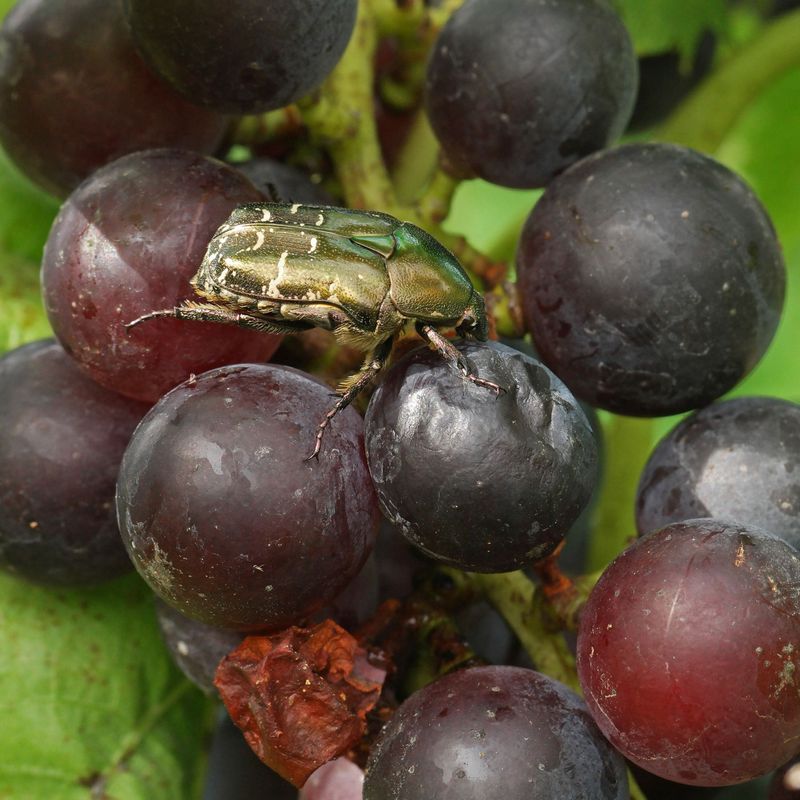
Grapevines are irresistible to rose chafers, and the timing could not be worse for home growers. Adults emerge right as grape leaves are young, tender, and full of moisture.
The beetles chew between the leaf veins, leaving behind a lacy skeleton that cannot photosynthesize. A single grapevine can lose a significant portion of its canopy within days when feeding pressure is heavy.
Rose chafers also feed on grape flower clusters, which directly reduces fruit production for that entire season. A plant that loses its blossoms early will not recover its yield, no matter how well you care for it afterward.
Backyard vineyards near sandy soil are at the highest risk in Michigan. The short travel distance from sandy turf to grapevines makes the beetles barely have to move before they start feeding.
Kaolin clay spray applied to grapevine leaves creates a gritty coating that discourages feeding. Reapplying after rain keeps the barrier effective throughout the entire adult emergence window.
Neem oil is another option that disrupts the beetle’s feeding behavior without harsh residues. Spray it in the early morning when adults are sluggish and coverage sticks more effectively to leaf surfaces.
Checking your vines daily during late May and early June is genuinely worth the time. Catching a small cluster of beetles before they multiply is far easier than managing a full infestation two weeks later.
Grapes hit hard one season often bounce back the next with proper care. Protect them now, and your harvest stays on track.
Flower Beds Suffer Once Populations Peak
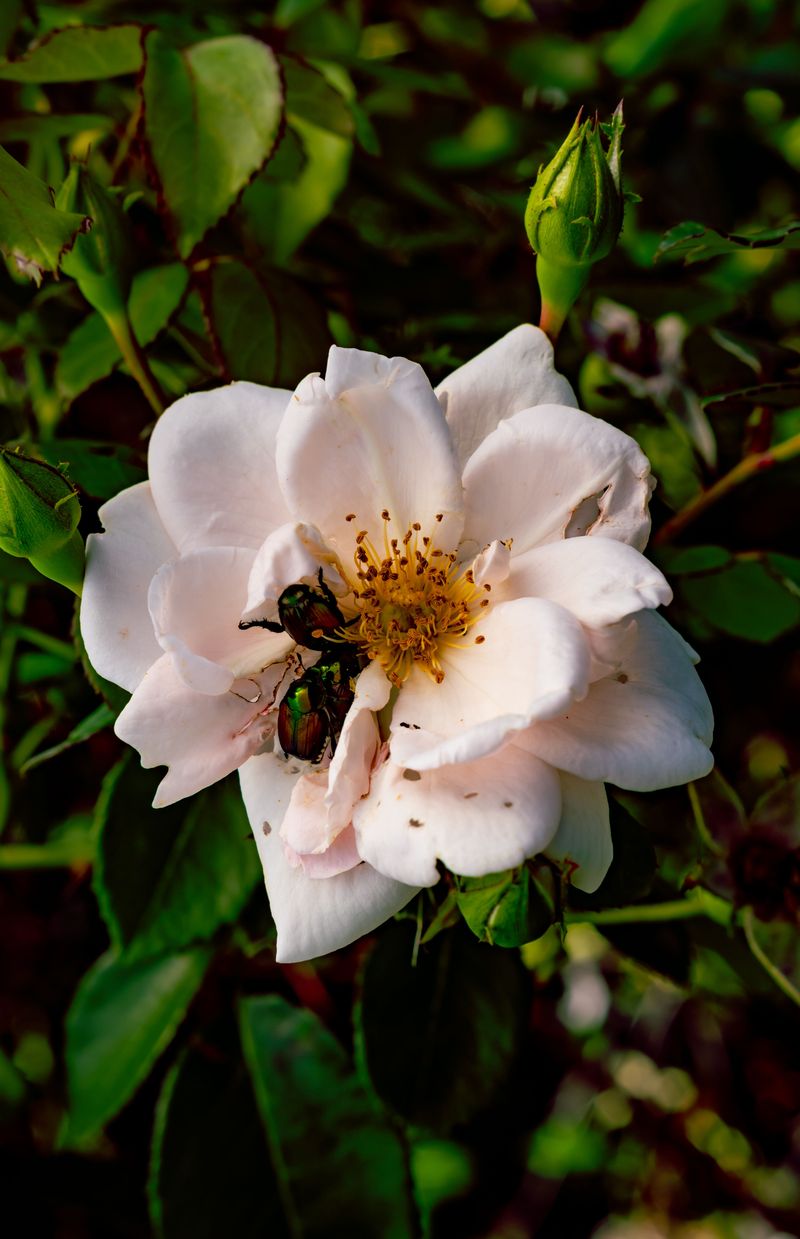
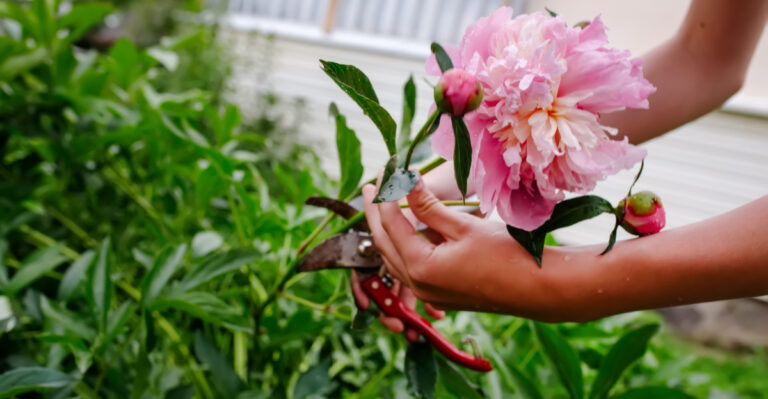
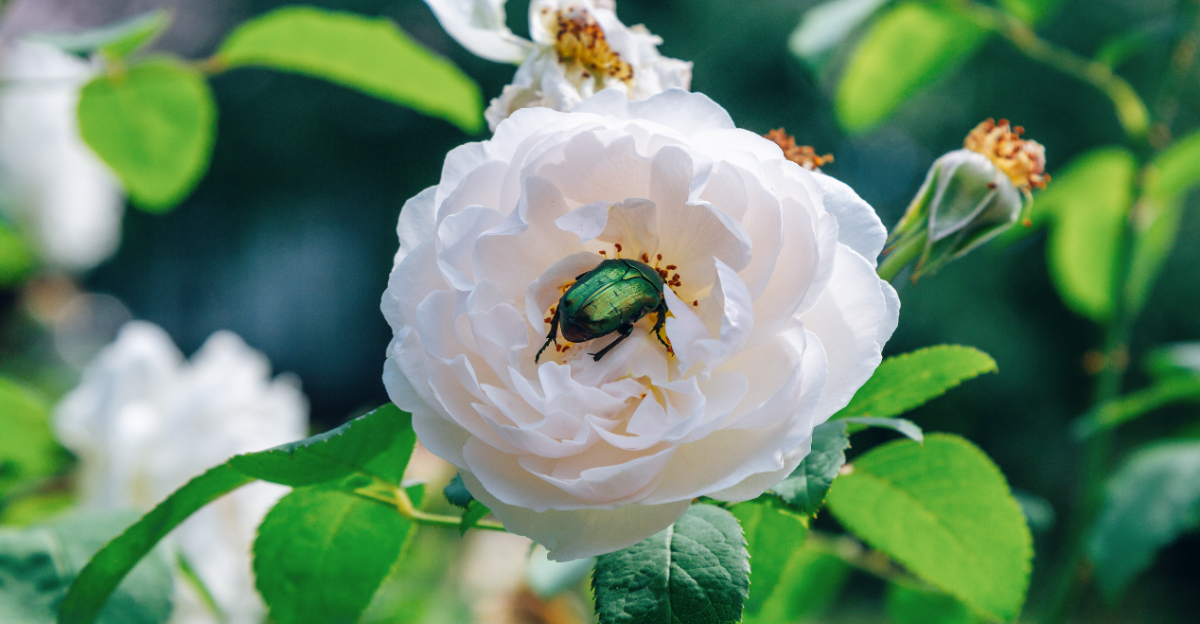
By the time adult rose chafers reach your flower beds, their numbers are at full strength. Roses, peonies, and white-flowered plants take the worst of the feeding frenzy.
The beetles show a clear preference for roses and peonies over almost anything else in the bed. Once they settle in, a cluster of blooms can go from full to ragged within days.
Petals are the first thing to go, followed by stamens and reproductive parts inside the flower. A bloom that looked perfect on Monday morning can be unrecognizable by Wednesday afternoon.
Flower damage is not just cosmetic. Chewed blossoms cannot complete pollination, which affects seed production and can weaken the overall plant over multiple seasons of repeated feeding pressure.
Floating row covers work in vegetable gardens, but protecting ornamental flower beds requires a different approach. Most gardeners find hand removal the most practical solution for keeping flower beds intact during peak beetle weeks.
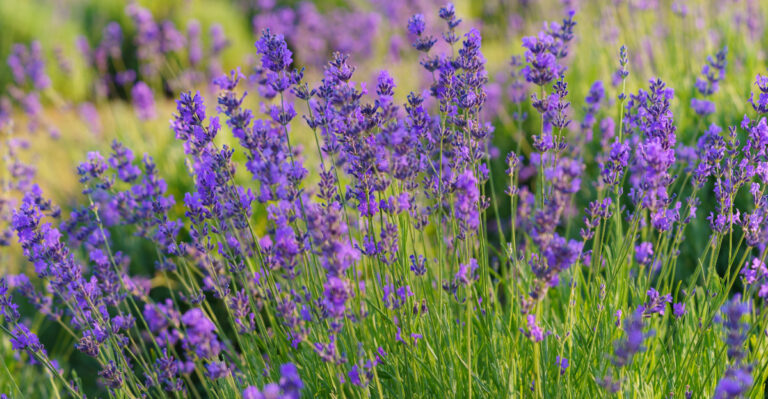
Marigolds, catmint, and lavender are among the plants some gardeners use as a buffer, since rose chafers tend to bypass them in favor of tastier options.
Avoid using broad-spectrum insecticides on open flowers because pollinators visit constantly during this period. Spot treatments applied in the evening after bees have stopped foraging reduce unintended harm significantly.
Flower beds near sandy lawn edges are always the highest-risk spots. Shifting your most prized plantings away from those sandy borders is one long-term fix worth considering.
Scouting Lawn Edges Before Damage Spreads Further
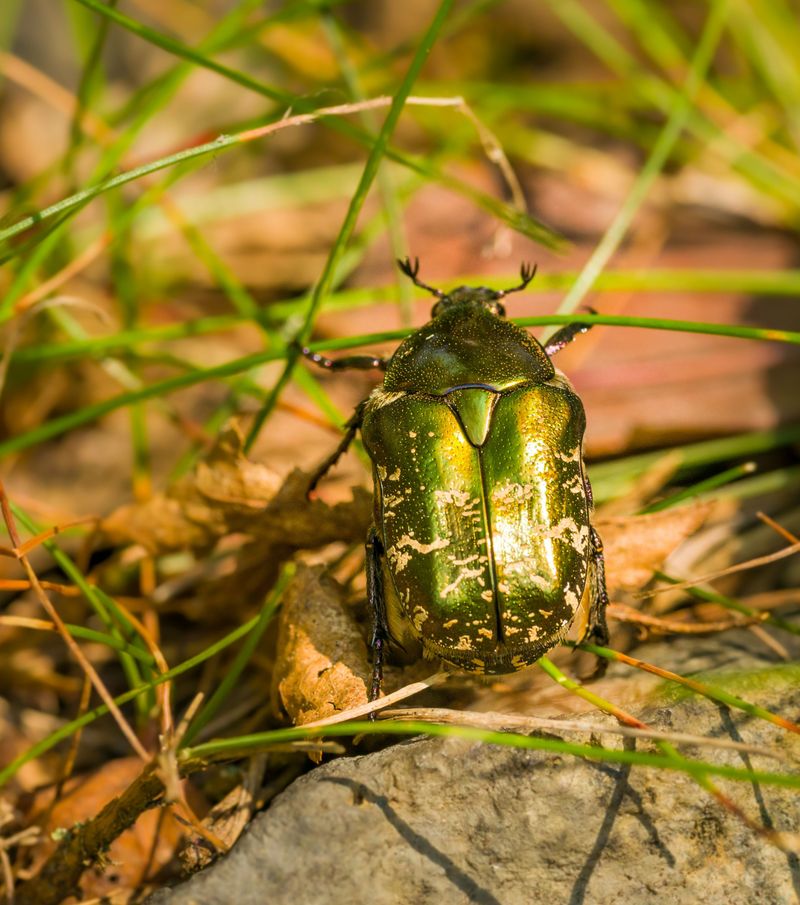
The lawn edge where turf meets garden bed is the most important spot to monitor for rose chafers. That narrow strip is where adults first surface and begin working their way toward nearby plants.
Walking your lawn perimeter every few days during late May costs almost no time. But that simple habit catches infestations at their smallest and most manageable point.
Look for adult beetles resting on low grass blades or crawling toward nearby shrubs and flowers. Their tan color blends in well, so slow, deliberate scanning beats a quick casual glance every time.
Yellow sticky traps placed near sandy lawn borders help you track adult emergence timing accurately. When traps start catching beetles consistently, that is your signal to activate whatever control strategy you have planned.
Traps alone will not stop an infestation, but they function as an excellent early warning system. Knowing exactly when adults appear lets you time protective sprays and physical barriers with much better precision.
Soil moisture at the lawn edge matters too. Keeping that border zone well-watered makes it less attractive for egg-laying females, which can reduce next season’s local population over time.
Sharing observations with neighbors is genuinely useful because rose chafer pressure is rarely limited to one yard. A coordinated neighborhood response during the short emergence window creates a much larger protective buffer for everyone involved.
Scouting gives a smart Michigan gardener the upper hand before rose chafers ever get comfortable. Catch them at the edge, and you protect everything beyond it.