What It Means When New Jersey Shore Plants Brown Weeks After Looking Healthy
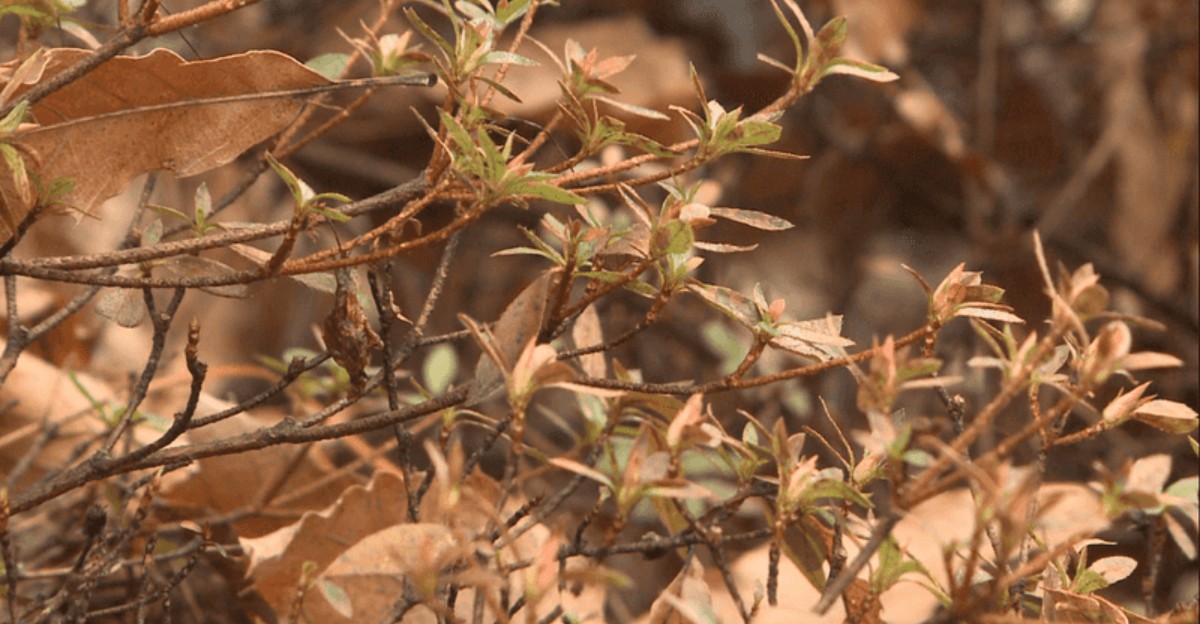
The storm left behind a chemical visitor you cannot see. Wind-driven spray coated your leaves, lawn, and soil with sodium chloride.
Coastal storm winds push salt particles miles past the New Jersey shoreline. Rain rinsed the surface you saw, yet sodium slipped into the root zone.
There, it blocks water uptake and can even draw moisture from roots. Your plants sat in soaked soil while facing genuine drought.
Chloride traveled upward with the sap and concentrated along leaf edges. That explains the crispy borders you felt and the weeks-long delay.
Horticulturists call it salt stress, and New Jersey gardeners tackle it after major storms. Sodium also pushes calcium aside, tightening clay soils and slowing drainage.
Extra watering helps, but your soil type decides which strategy truly works. You can reverse this problem, and the real fix starts beneath the surface.
Hidden Salt Damage From Late Summer Coastal Storms
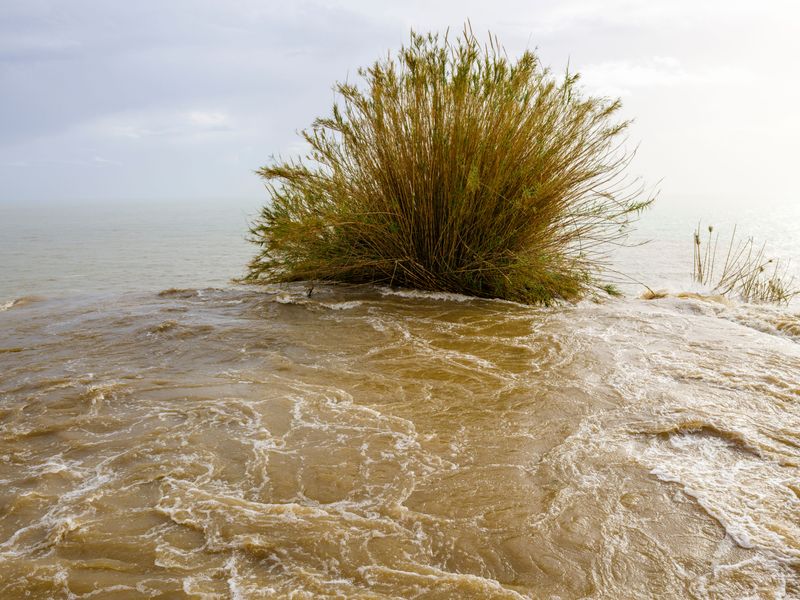
Picture a wave of seawater sliding across your lawn during a hurricane, then draining away within hours. The water leaves, but the salt stays behind in the soil like glitter after a party.
That leftover salt is the real reason your plants browned weeks after looking fine. Salt spray blowing off the ocean on windy days can do the same thing, even without flooding.
Salt pulls water away from roots, the way a sponge soaks up a spill. Your plants end up thirsty even when the ground feels soggy and damp to the touch.
Sodium and chloride move into plant tissue and slowly build up in leaf tips and edges. Once enough collects, those cells lose moisture and turn tan, brown, or sometimes rusty red.
Along the Jersey Shore, towns from Cape May to Sandy Hook see this after big storms. Bay-side yards can be affected as much as oceanfront ones when back bays overflow.
Look closely at the pattern of damage on your shrubs, hedges, and young trees. Browning often shows up first on the side facing the water or the lowest branches.
Salt-sensitive evergreens like white pine can show spray damage on exposed needles within weeks. Maple and dogwood leaves may curl, crisp, and drop early, long before autumn arrives.
So if a storm tide or windy spray hit your area this summer, salt is your prime suspect. A soluble salts soil test can confirm it before you start pulling anything out.
A Slow Clock Inside Thirsty Roots
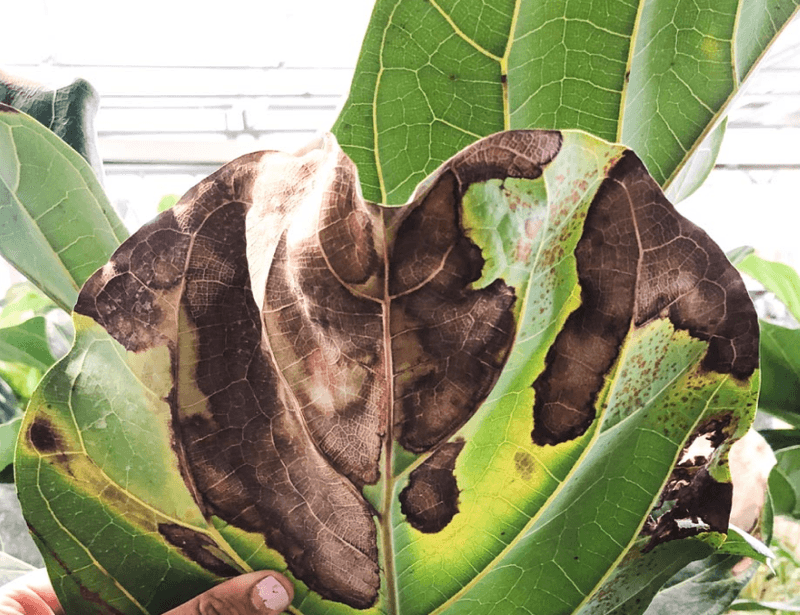
Think of salt damage like a sunburn that shows up the next morning, only much slower. Plants can look normal for several weeks after a salty flood, depending on weather.
During that quiet stretch, roots face stress underground where nobody can see them. Leaves keep using the water and food already stored inside the stems and branches.
Once those reserves run low, the symptoms finally break through to the surface. That is why many shore gardeners are surprised when brown leaves appear in September.
Hot, dry weather speeds things up because plants pull harder on salty soil moisture. A cool, rainy stretch can slow the damage and even rinse some salt away naturally.
Your New Jersey Garden Changes Every Week. Your Plan Should Too.
Gardening in New Jersey changes quickly throughout the season. Every Friday you’ll receive a simple weekly plan showing exactly what to plant, prune, fertilize, harvest, and protect so you never miss the right timing.
When salt reaches evergreen roots, symptoms may not appear until late winter or early spring. Needles may turn yellow, then orange, then brown from the tips toward the trunk.
Lawns usually react faster, with patchy tan areas showing up in low spots where water sat. Perennials can go limp, then crisp around the edges, within a couple of weeks.
Keeping a simple garden journal helps you connect the dots between storms and symptoms. Jot down the date of any flooding, plus which beds got soaked and for how long.
That record becomes valuable when you talk with a local nursery or county extension office. Rutgers Cooperative Extension offices across New Jersey can help you read the clues.
Patience matters during this waiting period, so avoid panicking at the first brown leaf. Watch how the damage spreads over several weeks before making any big decisions.
Common Post-Storm Mistakes To Avoid
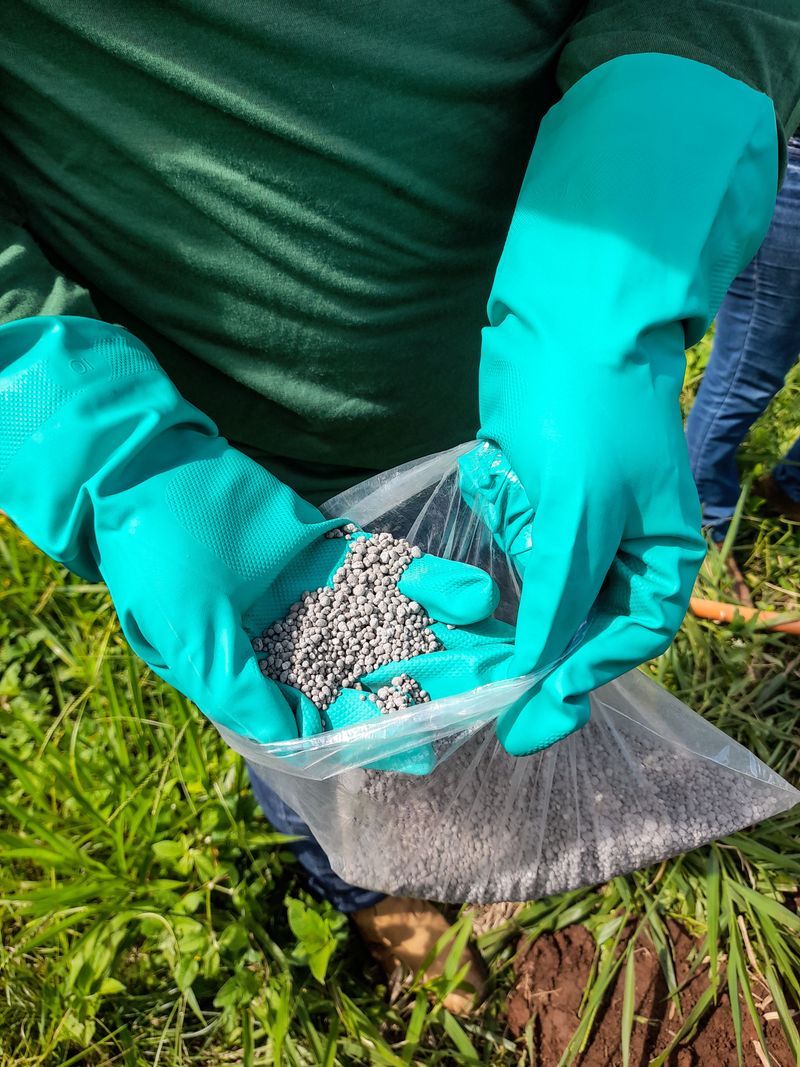
Here is a classic shore gardener move after a storm: grab the fertilizer bag and feed everything. It feels helpful, like bringing soup to a sick friend, but it can worsen stress.
Synthetic fertilizers are made of salts themselves, just a different kind than sodium. Adding them to salty soil places even more stress on roots that are already weakened.
Pushing fresh growth right now also asks weak plants to work harder than they can handle. Tender new leaves are the first to brown when salty water moves up the stems.
Another common slip is pruning heavily as soon as branches start browning. Some of those brown twigs may still have living buds hiding under the bark.
Try the scratch test by gently scraping a small branch with your thumbnail. Green tissue underneath means that part is still alive and worth keeping for now.
Watering lightly and often is another mistake that plenty of well-meaning homeowners make. Quick sprinkles just move salt around the top few inches instead of pushing it down deep.
Tilling salty soil right away can also cause trouble by breaking down its natural crumbly structure. Sodium makes clay soil sticky and tight, so extra digging only packs it down more.
The smartest move in September is often doing less, not more, for a few weeks. Hold off on fertilizer until spring, when soil tests show the salt levels have dropped.
Think of your plants as patients resting after a rough week at the beach. Gentle care now gives them the best shot at bouncing back with fresh leaves next year.
Fresh Water Flushing For Sodium-Soaked Soil
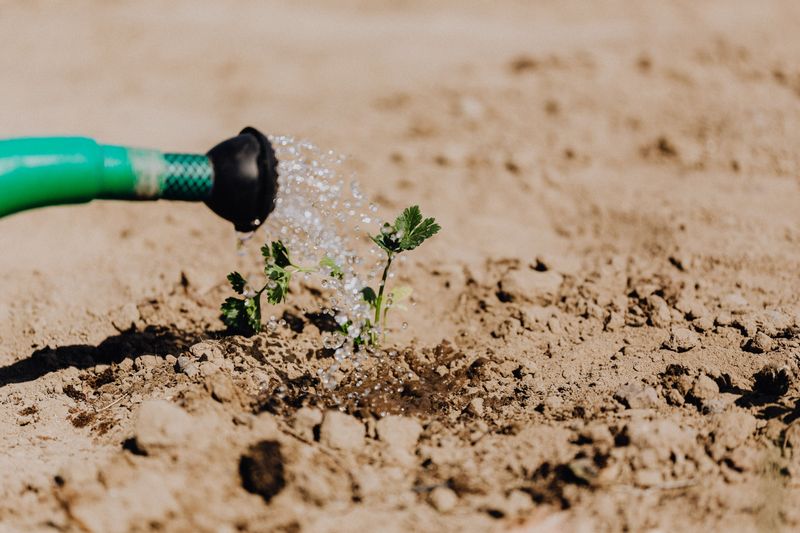
Rainwater is your garden’s best friend after a salty soaking, and you can help it along. The goal is simple: push the salt below the root zone where it cannot cause harm.
Start by giving affected beds a slow, deep watering of about two inches over a few hours. A soaker hose or sprinkler on low works better than blasting water from a nozzle.
Repeat this deep soak two or three times over the next couple of weeks. Skip it if heavy September rains are already doing the job for you.
Heavy clay soils drain slowly, so they may need extra help to let water pass through. Many shore gardeners spread gypsum, which swaps sodium out of the soil so it can wash away.
Gypsum works best on clay and silty ground, while sandy beach soils usually flush on their own. Follow the bag directions, and ask your local garden center which amount fits your yard.
Hose off leaves and needles that caught salt spray, especially on the side facing the ocean. Rinsing within a few days of a storm keeps lingering salt crystals from stressing the foliage further.
Adding two or three inches of shredded mulch helps hold fresh moisture near the roots. Keep the mulch a few inches away from trunks to prevent rot and pests.
After flushing, a Rutgers soil test with the soluble salts option can measure salt levels. Those results tell you whether to keep rinsing or finally relax and let nature finish.
Recovery Odds For Shrubs, Lawns, And Perennials
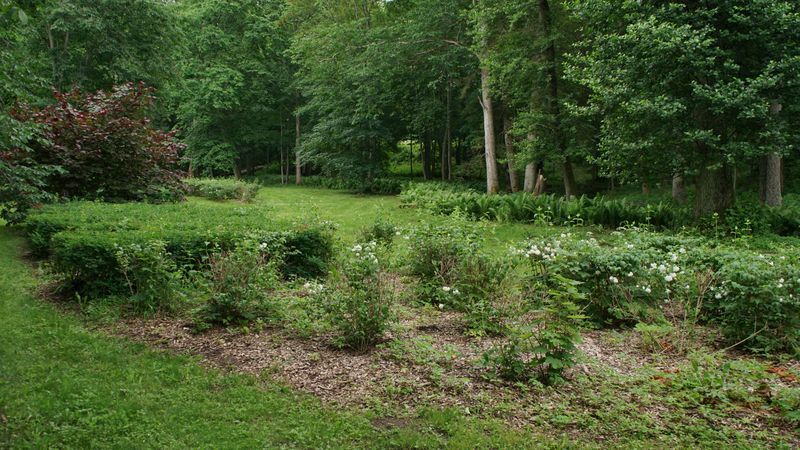
Many Toms River gardeners feared their hedges would not recover after Hurricane Sandy struck. Within a few springs, some of those hedges grew thick and green again.
Stories like these are common along the coast, because many plants are tougher than they look. Brown leaves do not automatically mean the plant will not recover.
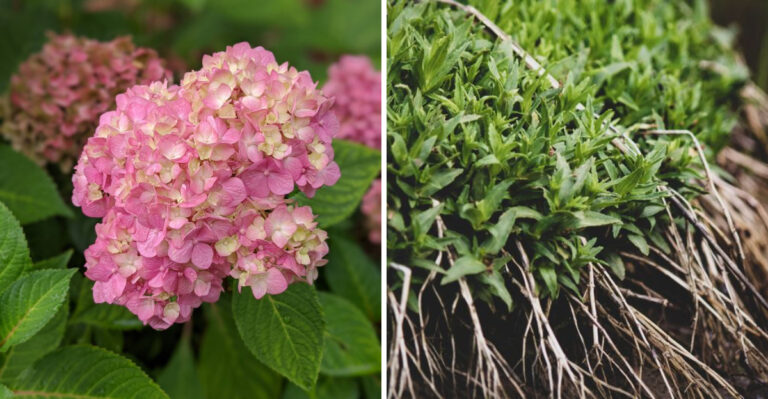
Deciduous shrubs and trees often drop their browned leaves and push out fresh ones next spring. Hydrangeas, roses, and bayberry frequently bounce back once the salt washes away.
Evergreens take longer to recover because they keep their needles for years instead of months. Generally, if more than half the needles turn brown, recovery is less likely.
Lawns are surprisingly forgiving after a good flush and a few rainy weeks. Patchy spots can be raked and reseeded in September, which is prime planting time in New Jersey.
Perennials sit somewhere in the middle, depending on how long water covered their crowns. Many tolerate a few days under salty water, but longer flooding often causes lasting injury.
Give everything until late spring before deciding what stays and what goes. Buds that swell and open in April or May are a good sign of healthy roots.
Some plants may come back smaller or lopsided on the side that faced the storm. Light shaping pruning after new growth appears can restore their look within a season or two.
Replacing a favorite plant disappoints, but it also opens space for something better suited to the shore. Each gap in the garden is a fresh invitation to try something new.
Tough Seaside Choices For Next Season
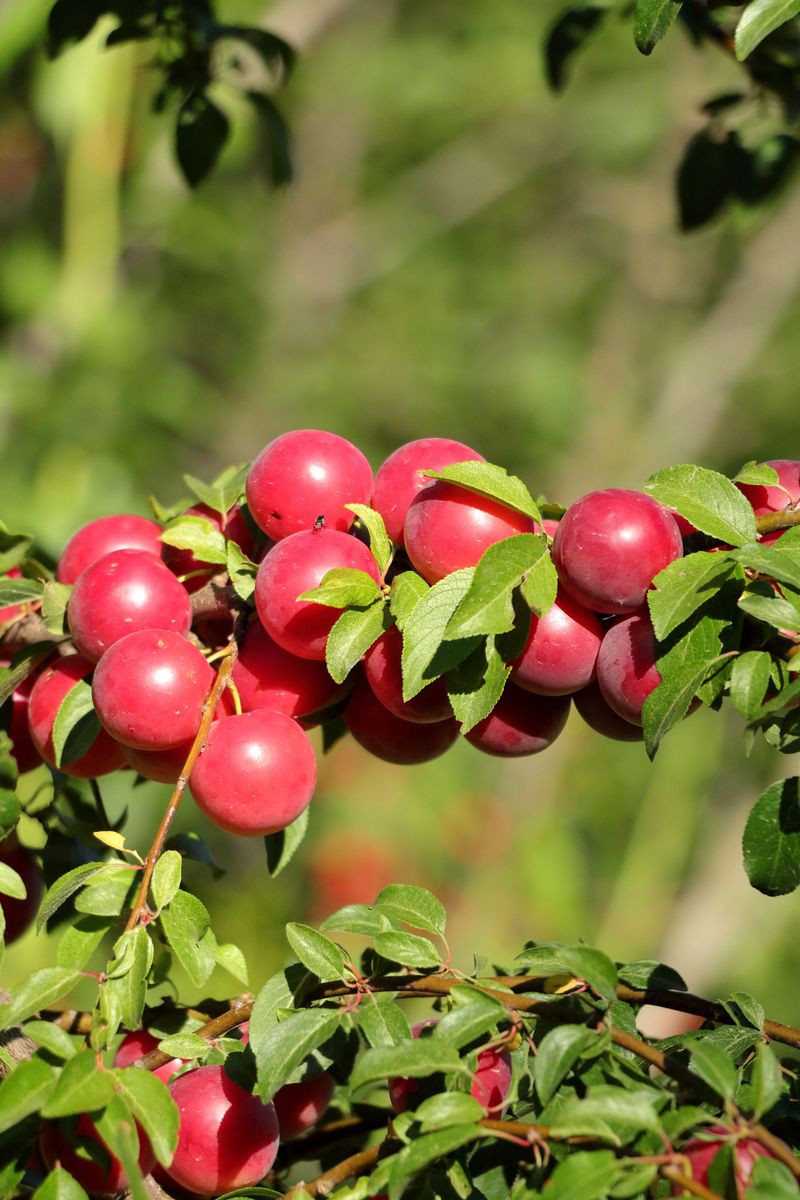
Some plants evolved to shrug off salt the way a surfer shrugs off a wave. Choosing salt-tolerant plants, especially natives, is a smart way to protect your yard from future storms.
Beach plum, bayberry, and eastern red cedar grow wild along the Jersey dunes for a reason. Seaside goldenrod, coastal panicgrass, and American beachgrass also handle spray and occasional flooding well.
Plant the toughest ones on the ocean side of your property to act as a living windbreak. More delicate favorites can then sit behind them, sheltered from the strongest salt spray.
Raised beds give roots extra height above floodwater, which matters a lot in low bayfront yards. Six to twelve inches can lift crowns above shallow ponding, though major surges run deeper.
Keep a few burlap wraps or frost cloths handy, since hurricane season runs through late November. Covering prized shrubs before a nor’easter blocks much of the spray from reaching the leaves.
Improving drainage with compost helps salty water move through the soil faster after any flood. Healthy soil full of rich organic matter also cushions roots against sudden stress.
Fall is a great time to plant these hardy choices here in New Jersey. Cooler air and warm soil let roots settle in before winter winds arrive off the Atlantic.
With the right plants in the right spots, the next storm becomes a minor hiccup. Your garden can stay green and cheerful even when the ocean decides to pay a visit.