What It Really Means When Carolina Chickadees Keep Picking Through Your North Carolina Garden Beds
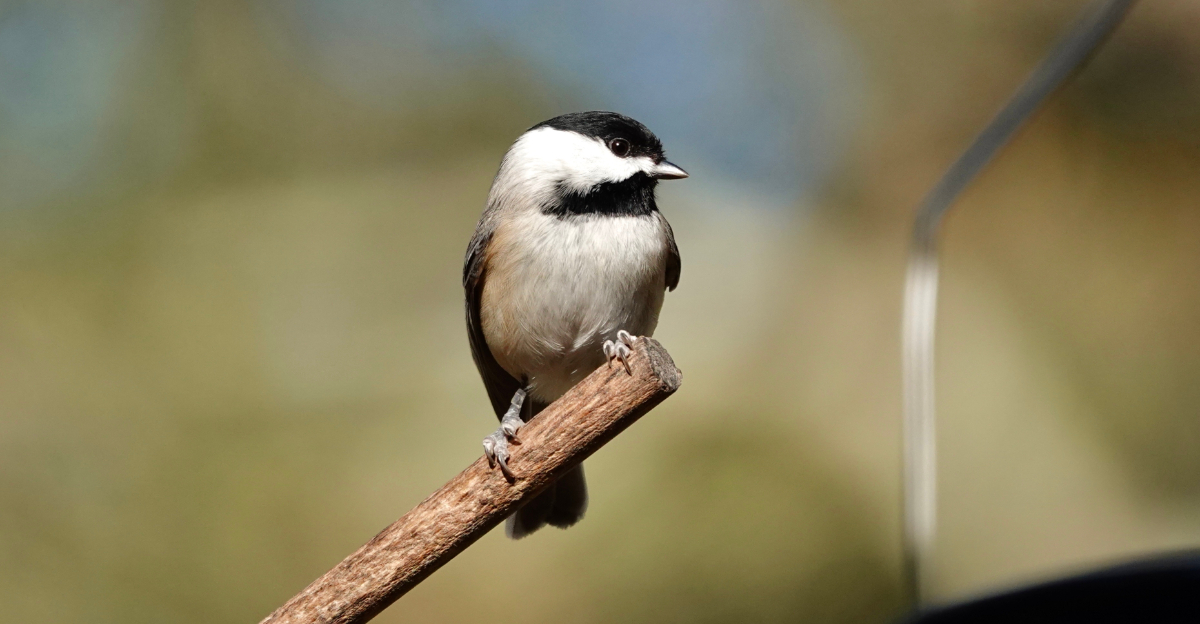
Carolina chickadees picking through garden beds are typically hunting for small insects, spiders, and seeds hidden among leaves and soil.
These active, curious birds rely heavily on protein rich insects during warmer months, making garden beds an appealing foraging spot.
Watching them hop along stems and flip through mulch is simply part of their thorough search for hidden prey.
Their presence signals a healthy garden ecosystem with enough insect activity to sustain a reliable food source.
Chickadees also help naturally control pest populations, quietly reducing numbers of insects that might otherwise damage plants. Avoiding pesticide use protects these beneficial birds while they continue foraging through your beds.
Providing suet or seed feeders nearby can encourage chickadees to visit even more consistently throughout the year.
Their frequent presence is a reassuring sign that your garden supports a genuinely balanced, thriving ecosystem.
1. Your Garden Beds Are Full Of Tiny Prey
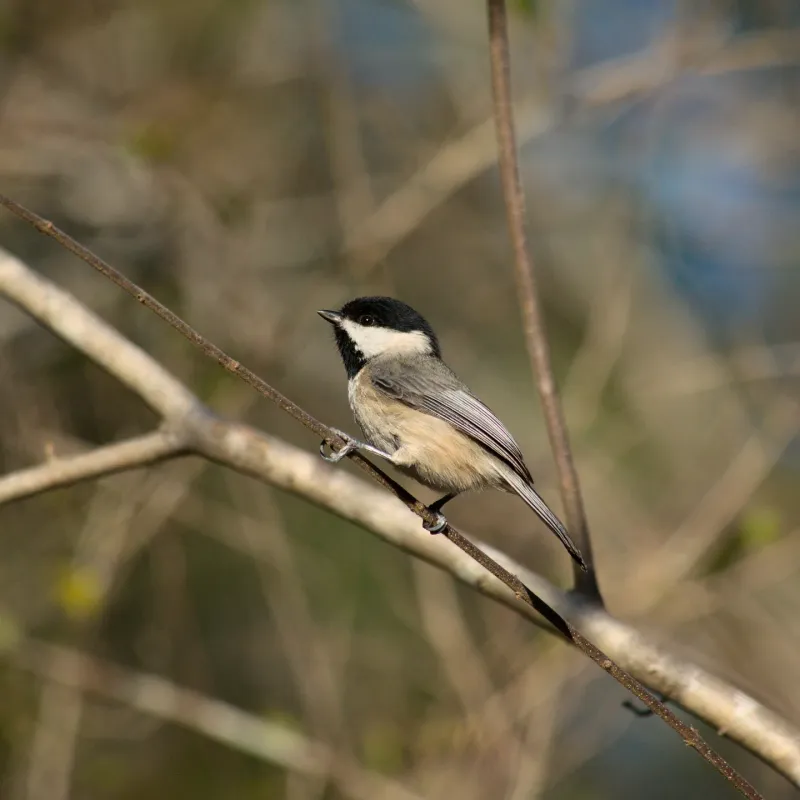
Picture a tiny bird with a black cap and bright eyes darting between your tomato plants, and you have a front-row seat to one of nature’s best pest control shows.
Carolina Chickadees are insect hunters by nature, and when they keep returning to your garden beds, it usually means your beds are packed with exactly what they are looking for: small, crawling, hiding prey.
Garden beds are basically buffet tables for insectivorous birds. The combination of mulch, moist soil, dense foliage, and plant debris creates the perfect environment for insects, spiders, and other tiny creatures to thrive.
Chickadees have sharp eyesight and can spot movement that most people would completely miss. They hop from branch to branch and peer under leaves with impressive focus and speed.
Research has shown that a single Carolina Chickadee can consume hundreds of insects in a single day during warmer months.
That number gets even more impressive when you consider a pair raising chicks, since baby chickadees need a protein-rich diet almost entirely made up of insects. Your garden beds become a critical feeding zone for the whole family.
Gardeners who notice chickadees picking through their beds regularly should take it as a positive signal.
A healthy, diverse garden ecosystem attracts more insect life, which in turn draws in more birds.
Rather than reaching for pesticide sprays, letting chickadees do their natural work keeps your garden balanced. These birds are efficient, tireless, and completely free to hire.
2. They Are Hunting Caterpillars
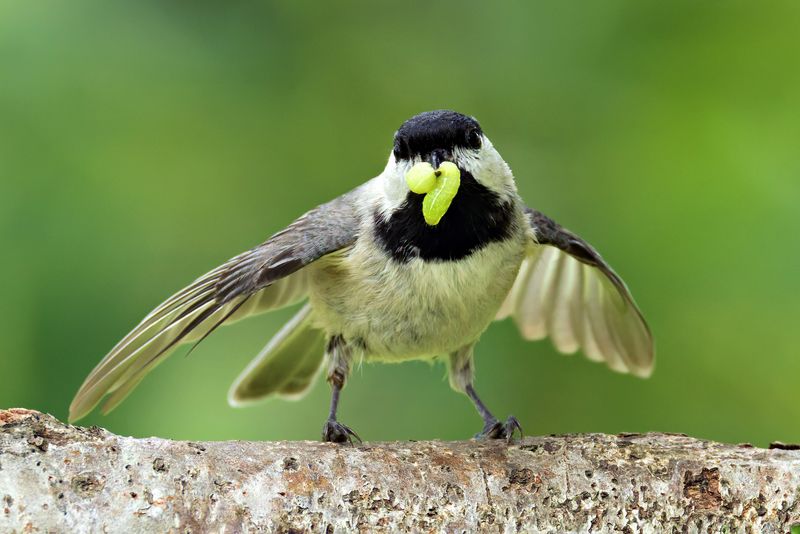
Caterpillars might look harmless, but a single one can chew through a surprising amount of your garden foliage before you even notice the damage.
Carolina Chickadees know this, and during the warm spring and summer months, caterpillars become one of their most prized meals.
Watching a chickadee flip leaves and peer underneath is almost always a sign that it is tracking down a caterpillar hiding from view.
Caterpillars are especially valuable to chickadees because they are soft, easy to eat, and packed with protein and fat.
For adult birds trying to fuel their active lifestyle, and especially for parent birds feeding growing nestlings, caterpillars check every nutritional box.
Your North Carolina Garden Changes Every Week. Your Plan Should Too.
Gardening in North Carolina changes quickly throughout the season. Every Friday you’ll receive a simple weekly plan showing exactly what to plant, prune, fertilize, harvest, and protect so you never miss the right timing.
Studies on forest bird behavior have found that chickadees actively seek out caterpillar hotspots and return to those locations repeatedly throughout the season. What makes this even more interesting is how caterpillars tend to cluster.
Many caterpillar species lay eggs in groups and hatch together, meaning one plant can host dozens of larvae at once.
Chickadees seem to recognize this pattern and will thoroughly work over a single plant before moving to the next.
Your garden beds, especially if you grow native plants, may be hosting more caterpillar activity than you realize.
Gardeners who grow native North Carolina plants like oakleaf hydrangea, native asters, or wild bergamot often see more chickadee activity because native plants support far more caterpillar species than non-natives do.
Planting natives is honestly one of the simplest ways to encourage more of these helpful birds to visit your yard all season long.
3. Aphids And Small Bugs Are On The Menu
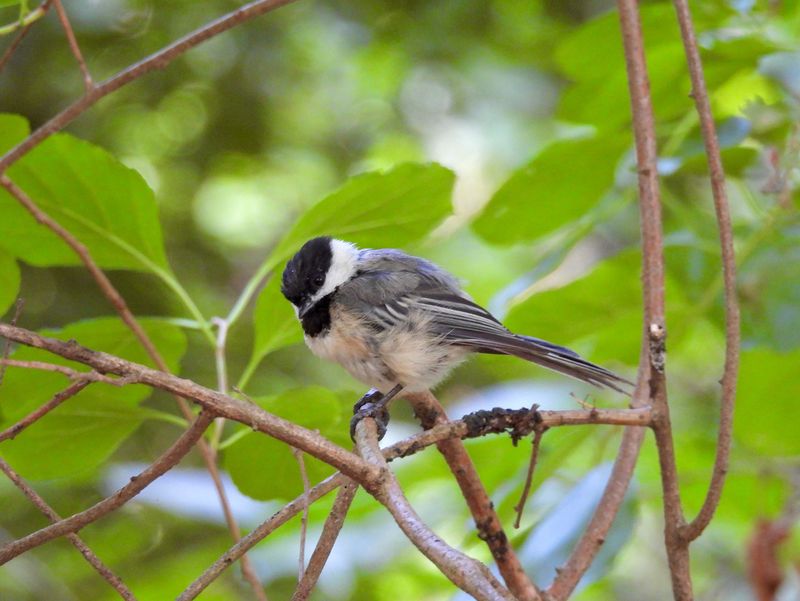
Aphids are one of the most frustrating problems for gardeners, showing up by the hundreds almost overnight and coating new plant growth in a sticky, damaging mess.
The good news is that Carolina Chickadees are very aware of aphid colonies and actively patrol plants where these tiny insects gather.
Seeing a chickadee systematically moving along your rose bushes or vegetable starts is often a sign that aphids are present and the bird is cleaning house.
Aphids tend to cluster on soft, new plant growth, which makes them relatively easy pickings for a sharp-eyed bird.
Chickadees use their small, pointed bills to pluck individual aphids off stems and leaves with surprising accuracy. They can move quickly through a plant, picking off dozens of insects in just a few minutes.
True bugs, whiteflies, and scale insects are also on their radar, making chickadees a broad-spectrum garden ally.
What sets chickadees apart from some other birds is their willingness to work through dense foliage.
They are not shy about squeezing between stems or hanging upside down from branches to reach insects hiding in awkward spots. This acrobatic feeding style means fewer insects escape their attention.
Gardeners who watch carefully will notice the birds checking the undersides of leaves, which is exactly where many soft-bodied insects prefer to hide.
Encouraging chickadees to stick around your garden means resisting the urge to spray chemical insecticides, which can reduce the insect population the birds depend on.
A garden with a healthy, varied insect community will always attract more chickadees, and those birds will naturally keep pest populations in check far better than any spray bottle could.
4. Beetles May Be Hiding Around The Beds
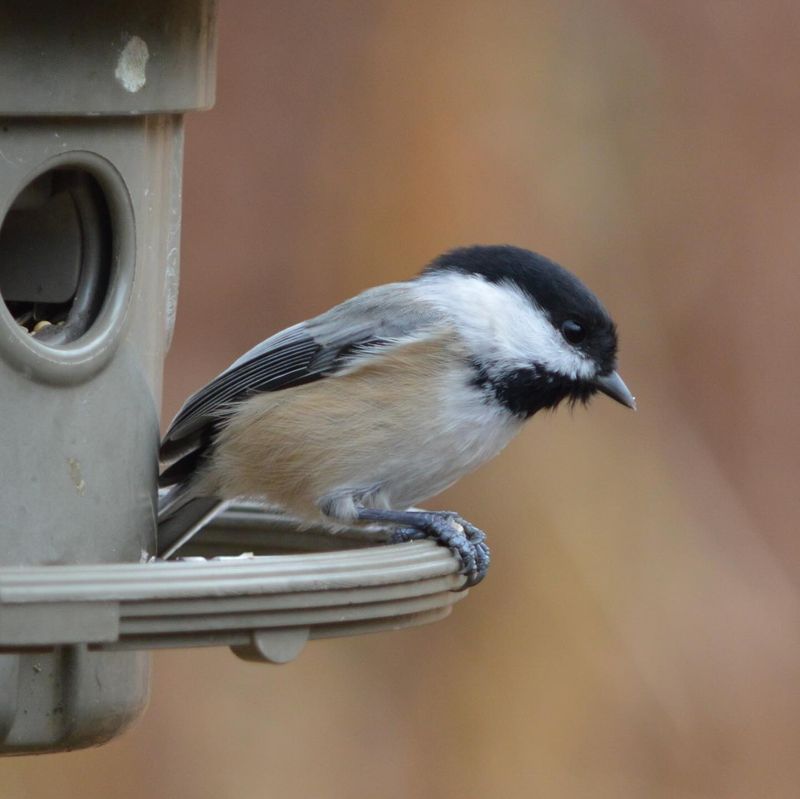
Beetles are everywhere in a garden, and most gardeners never even realize how many species are living right beneath their feet.
Some beetles are helpful decomposers, while others can cause real damage to roots and foliage.
Carolina Chickadees are smart enough to go looking for beetles in the places they naturally hide, which often means the birds appear to be rummaging through garden debris, mulch edges, and the bases of plants.
Beetles tend to shelter under leaves, tucked into mulch, or wedged against plant stems at ground level.
Chickadees will hop along the soil surface and flip small pieces of debris with their bills, almost like a tiny bird version of turning over rocks at the beach.
This behavior can look random or chaotic, but it is actually a very deliberate and learned foraging strategy that helps them find hidden prey efficiently.
Bark beetles and wood-boring beetle larvae are also on a chickadee’s menu, and you may see the birds inspecting woody plant stems or the bark of shrubs growing near your garden beds.
Their bills are strong enough to probe into crevices and pry out larvae that would otherwise go unnoticed.
This behavior is especially useful for gardeners dealing with shrubs or small trees near the bed edges. Keeping a layer of natural mulch in your garden beds actually supports this behavior.
Mulch provides habitat for beetles and other insects while also giving chickadees a productive place to forage.
Thick, organic mulch made from wood chips or shredded leaves tends to attract the most insect activity and, in turn, the most bird interest throughout the growing season.
5. They Are Searching For Spiders
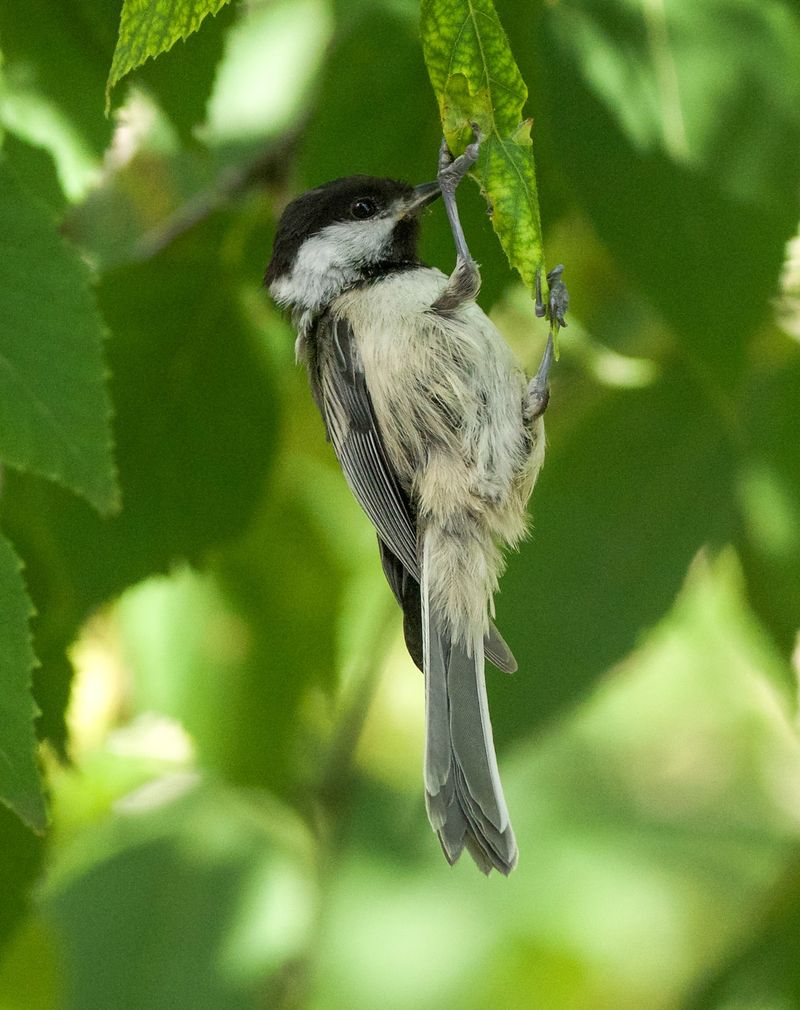
Spiders are not the most popular garden residents for most people, but Carolina Chickadees absolutely love them.
Spiders are protein-rich and can be found tucked into almost every corner of a healthy garden, from the undersides of leaves to the spaces between mulch and soil.
When a chickadee is methodically working through your garden beds and pausing to inspect plant stems or foliage clusters, there is a good chance it has spotted a spider or a web.
What makes spiders especially valuable to chickadees goes beyond just being a meal.
Parent chickadees actually seek out spider silk to use in building their nests, weaving it together with plant fibers and fur to create a soft, flexible structure inside tree cavities or nest boxes.
So a chickadee poking around your garden in early spring might be shopping for both food and nesting materials at the same time.
Spiders tend to be most active and visible during the warmer months, which lines up well with the chickadees’ peak foraging season.
Garden spiders, crab spiders hiding inside flowers, and jumping spiders perched on stems are all fair targets.
Chickadees are fast enough to catch even quick-moving spiders, and their small size lets them navigate through dense plantings without disturbing too much around them.
Gardeners who want to encourage spider populations, and therefore chickadee visits, should avoid broad pesticide spraying and keep some areas of the garden a little wild and undisturbed.
Leaving plant stems standing through the season and skipping overly tidy fall cleanups gives spiders more places to live, which keeps chickadees coming back to explore your beds with enthusiasm.
6. Seeds Can Bring Them Back Too
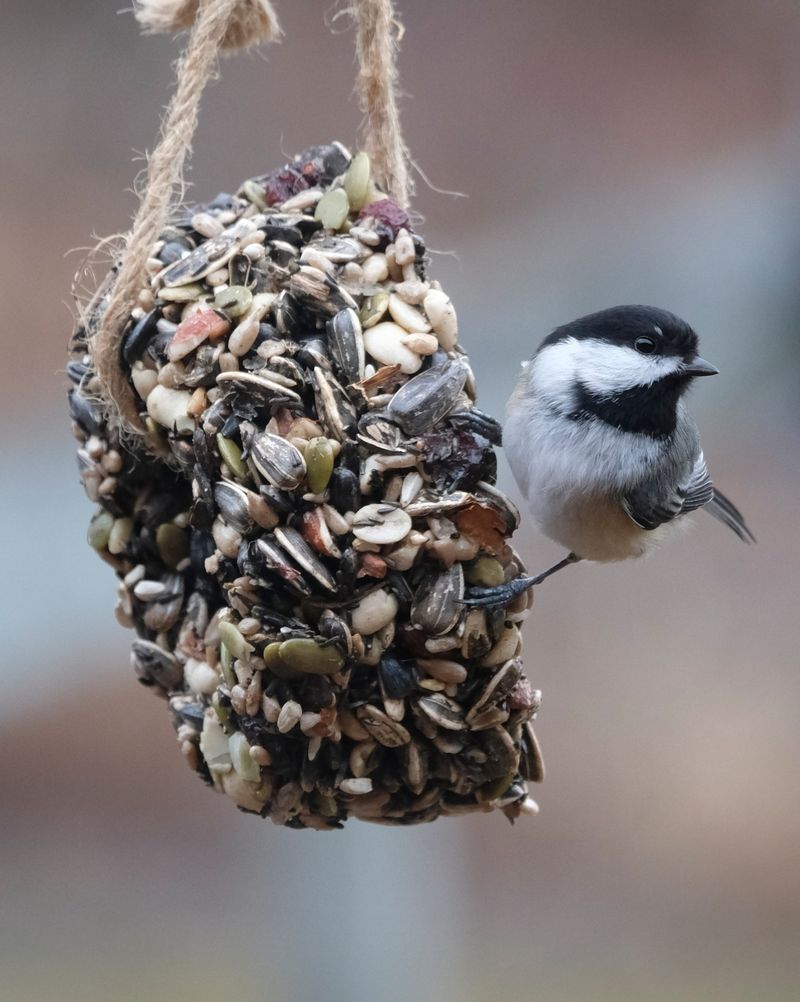
Most people think of chickadees as pure insect hunters, but these clever little birds are actually omnivores with a flexible diet that shifts with the seasons.
When the warm months wind down and insects become harder to find, Carolina Chickadees turn their attention to seeds, berries, and small fruits.
If your garden beds include plants that produce seeds or fruit, you may notice chickadee visits continuing well into fall and even winter.
Sunflower seeds are probably the most well-known chickadee favorite, but they are far from the only option.
Native plants like coneflowers, black-eyed Susans, and beautyberry produce seeds and berries that chickadees actively seek out.
Even the seed heads of ornamental grasses and dried flower stalks can attract foraging birds.
Leaving these natural food sources standing rather than cutting everything back in fall makes a real difference in how many birds visit your yard.
Chickadees have a fascinating habit called caching, where they hide individual seeds in bark crevices, under leaves, or in other small hiding spots to retrieve later.
A chickadee picking through your garden bed in late fall may actually be storing food for the colder months ahead.
Scientists have found that chickadees can remember hundreds of cache locations, which is a remarkable feat of spatial memory for such a small bird.
Gardeners who want year-round chickadee visits should think about planting a variety of native species that produce food across different seasons.
A garden that offers both insect habitat in summer and seed sources in fall creates a reliable, multi-season feeding station that chickadees will keep returning to without any extra effort from you.
7. Repeat Visits Can Mean They Found A Reliable Feeding Spot
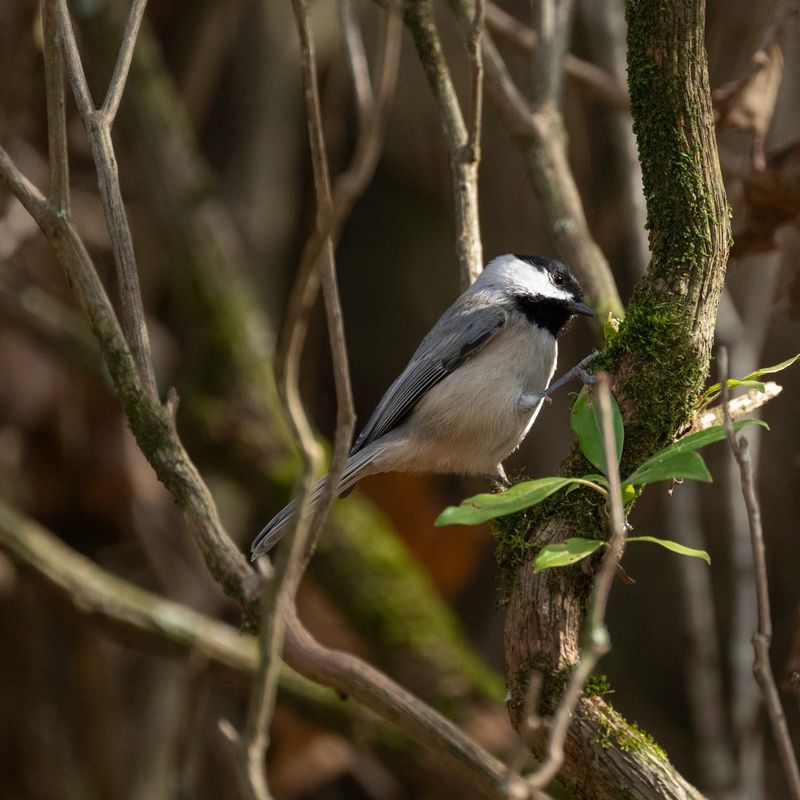
Carolina Chickadees are not random wanderers. Once they discover a location that consistently offers food, they remember it and come back again and again.
If you have noticed the same bird, or a small group, returning to your garden beds on a daily basis, that is a strong sign your beds have earned a spot on their regular foraging route.
Chickadees are creatures of habit, and a reliable food source is worth revisiting every single day.
Birds establish what ecologists call home ranges, which are areas they travel through regularly to meet their daily needs.
Carolina Chickadees typically maintain a home range of several acres, and within that range they develop specific routes and feeding stops.
Your garden bed may have become one of those regular stops because it consistently delivers insects, spiders, seeds, or all three at once.
The more consistently your garden produces food, the more reliably the birds will return. Repeat visits also tend to increase over time as birds learn your garden’s rhythms.
They figure out which plants attract the most caterpillars in spring, where aphid colonies tend to appear in early summer, and which seed heads are worth checking in fall.
This accumulated knowledge makes your garden more valuable to them with each passing season. It is almost like they are building a mental map of your yard.
Encouraging repeat chickadee visits is as simple as keeping your garden diverse and reducing pesticide use. Adding a shallow water source like a small birdbath gives them another reason to stop by.
Over time, a garden that welcomes chickadees becomes a genuinely thriving habitat where birds and plants support each other in a natural, self-sustaining cycle.