This Pest Is Going After California Tomatoes And Peppers Right Now
August in a California vegetable garden is peak season for a lot of good things, ripening tomatoes, peppers hitting their stride, and unfortunately, tomato fruitworm deciding it is also a great time to show up.
This caterpillar, scientifically known as Helicoverpa zea and sometimes called corn earworm, has a very specific and very frustrating habit of boring directly into ripening fruit before most gardeners even realize it is around.
According to UC IPM, significant populations in California tomatoes rarely appear before August, which makes right now one of the most important windows to pay close attention to what is happening in your garden.
Once a caterpillar works its way inside a tomato or pepper, options get limited fast. Catching the early signs on the outside of the fruit is where the real advantage is.
1. August Brings Tomato Fruitworm Into Focus
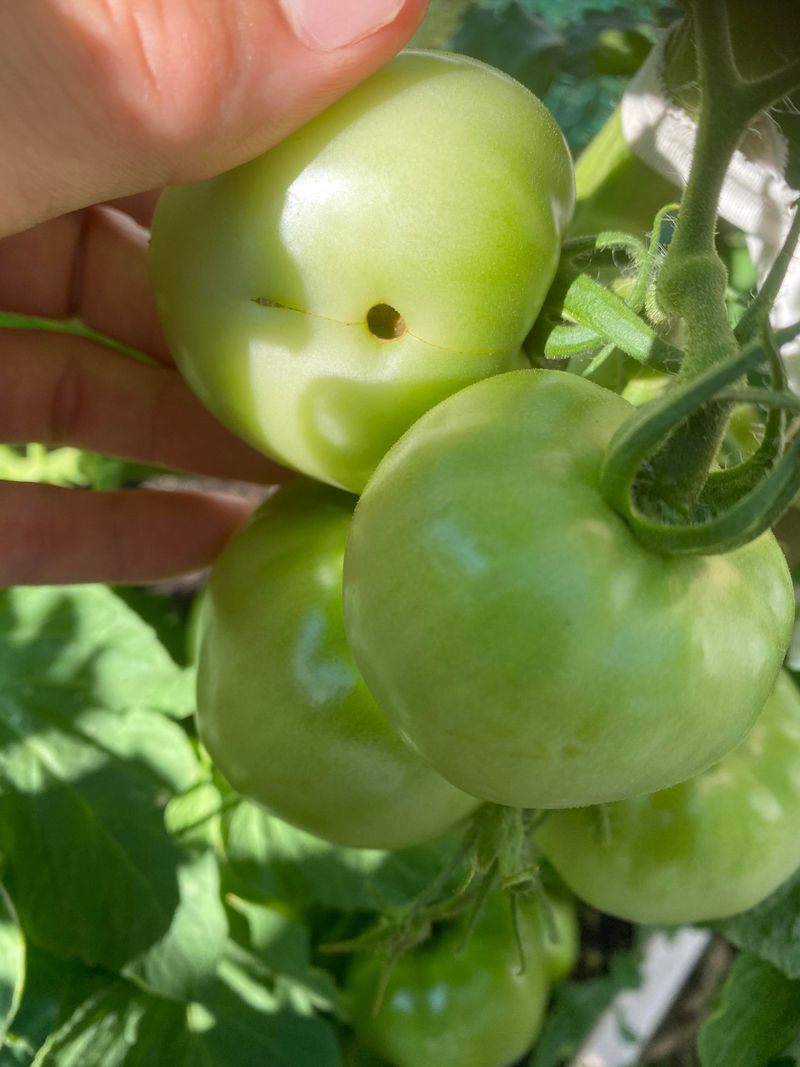
Summer heat settles deep into California gardens by mid-August, and ripening tomatoes and peppers begin to show their full color just as tomato fruitworm activity tends to pick up.
UC IPM guidance is clear that damaging populations of this pest in California tomatoes rarely develop before August, which makes this stretch of summer a meaningful time to start paying closer attention to what is happening on your plants.
That seasonal shift makes mid-August a useful point for California gardeners to inspect fruiting plants more carefully, especially as tomatoes and peppers continue ripening in warm weather.
This does not mean every California garden is facing a crisis. Pest pressure varies by region, by year, and by how close a garden sits to corn fields or other host crops that also support fruitworm populations.
What it does mean is that the timing is right to shift from casual watering and harvesting to more deliberate scouting.
Tomatoes and peppers in California home gardens can look perfectly fine from a distance even when eggs or young caterpillars are already present. Small signs are often easier to spot during a close inspection, especially around developing fruit and nearby leaves.
Getting closer to the plants, checking leaves and fruit surfaces regularly, and knowing what signs to look for can make a real difference in how quickly a gardener notices a problem. August is simply the right time to start looking with fresh eyes.
2. Tiny Eggs, Hungry Caterpillars
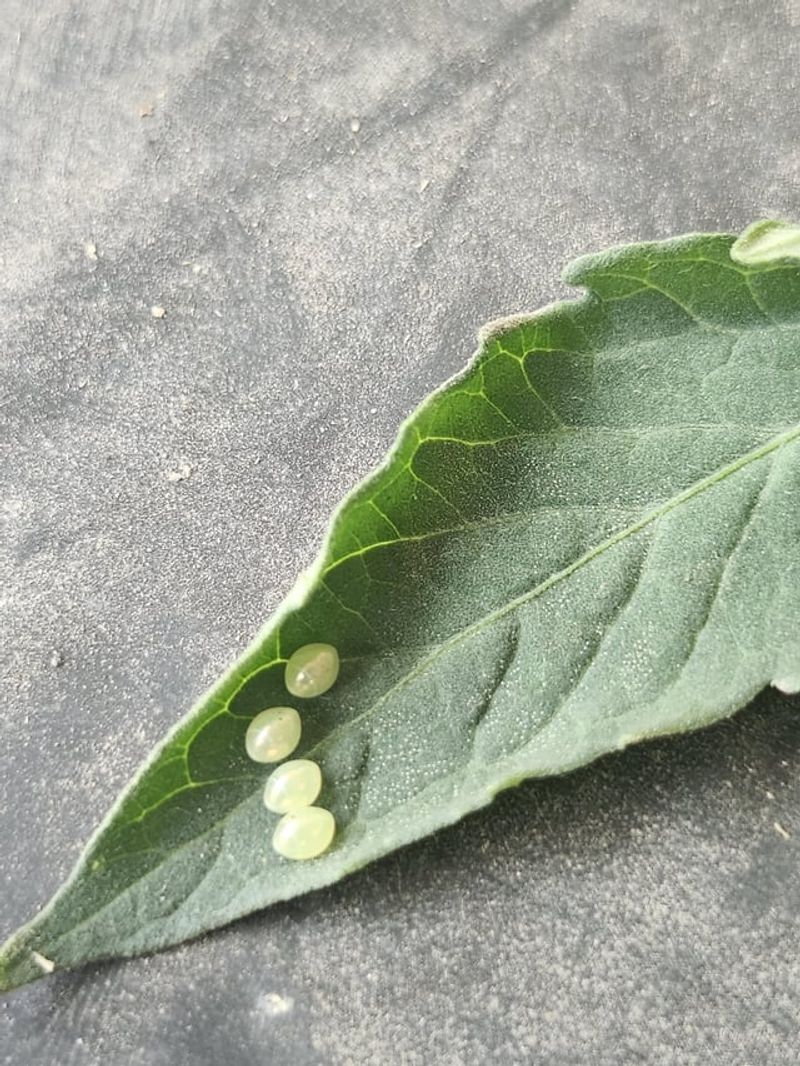
Spotting a tomato fruitworm egg before it hatches is one of the most useful things a California gardener can do in August. The eggs are tiny, dome-shaped, and ribbed, with a pale whitish or yellowish color that can shift slightly as the egg develops.
Females typically lay them one at a time on leaf surfaces or near flower clusters, which means they are scattered rather than grouped in obvious masses.
Once an egg hatches, the young larva begins feeding almost immediately. Early-stage caterpillars are small and easy to overlook, but they grow quickly through several instars.
Older larvae can reach about one and a half inches in length and show variable coloring, ranging from pale green or yellow to brownish or even pinkish tones, often with lighter side stripes.
Your California Garden Changes Every Week. Your Plan Should Too.
Gardening in California changes quickly throughout the season. Every Friday you’ll receive a simple weekly plan showing exactly what to plant, prune, fertilize, harvest, and protect so you never miss the right timing.
Their changing size and color can make regular close-up checks more useful than relying on a quick glance from a distance.
Identifying tomato fruitworm with complete certainty can be tricky because other caterpillar species, including beet armyworm and tobacco budworm, can also appear on tomatoes and peppers in California during summer.
Color variation within tomato fruitworm itself adds another layer of difficulty.
If you find a caterpillar and are not sure what it is, focusing on where it was found and what damage surrounds it can help you make a more informed decision about next steps rather than guessing on appearance alone.
3. Prime Spots To Check First
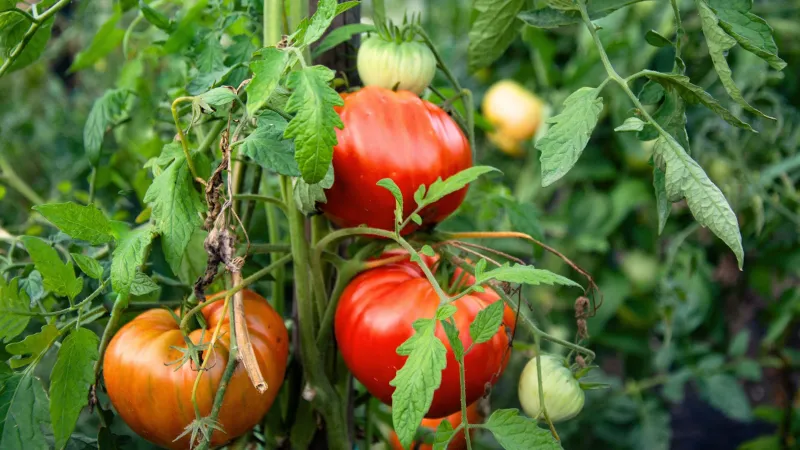
Knowing where to look on a tomato or pepper plant saves time and improves the chance of catching fruitworm activity before damage spreads.
The upper portions of the plant tend to attract egg-laying females first, so start your scouting near the newest growth, flower clusters, and developing fruit rather than working from the bottom of the plant upward.
Check both the upper and lower surfaces of leaves near flower clusters and small developing fruit. Eggs are often laid singly on leaf surfaces near where caterpillars will have access to tender tissue or young fruit.
Small caterpillars may be resting on leaf surfaces or feeding at the tips of flower buds before they move toward fruit. A careful look around fresh blossoms and newly forming fruit can reveal subtle signs before the damage becomes obvious from a distance.
On the fruit itself, look closely at the area where the stem meets the tomato or where the calyx sits on a pepper. These entry points are common spots where young caterpillars begin boring in.
Frass, which looks like small dark granules or crumbly material, near a hole or entry point is a strong signal that a caterpillar has already entered.
Checking plants at least twice a week during August in California gives you a much better chance of catching eggs or very young larvae before they reach a stage where management becomes significantly harder.
4. Fresh Clues On Tomato Fruit
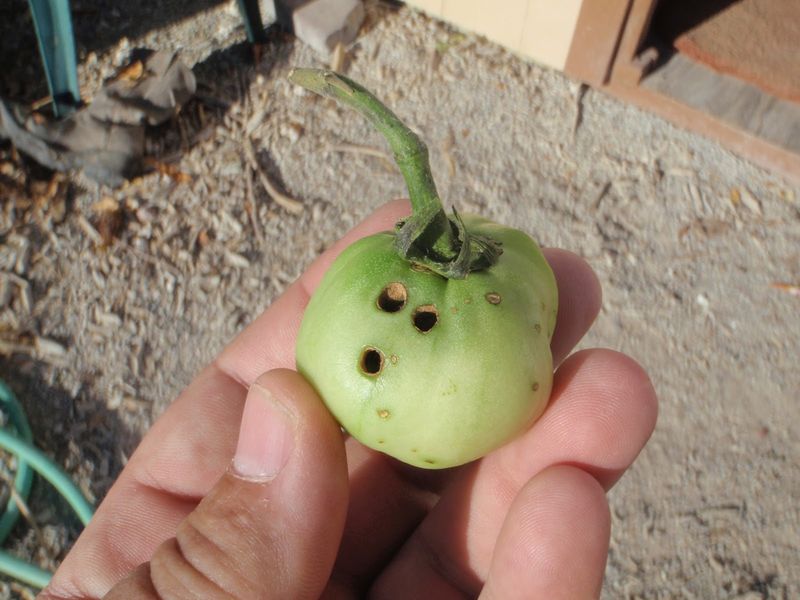
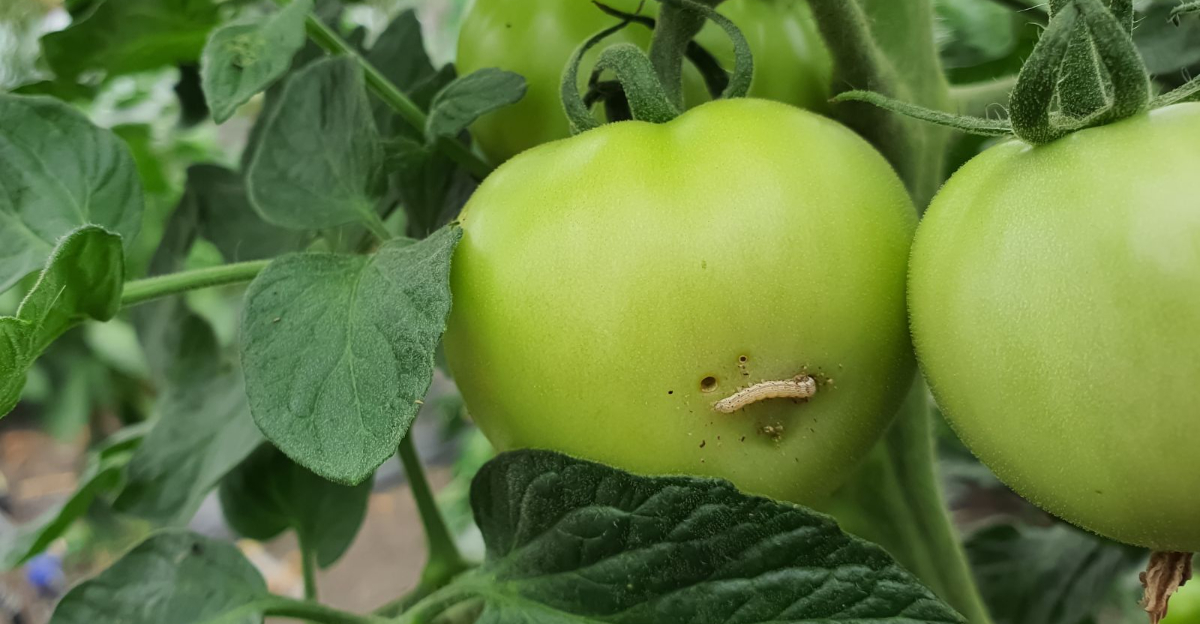
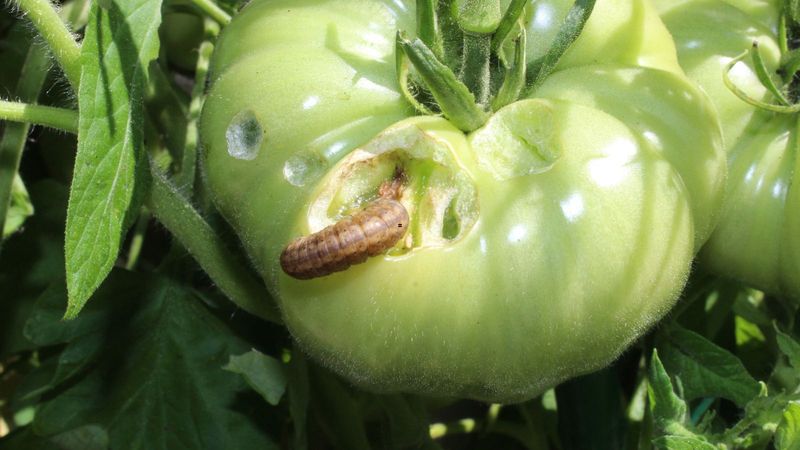
A small hole on the surface of a ripe or nearly ripe tomato is often the first visible sign that a caterpillar has moved inside.
Tomato fruitworm larvae bore into fruit and feed on the interior, which can hollow out sections of the tomato and make it unmarketable or unusable.
The entry hole is sometimes surrounded by a small amount of frass or chewed plant material that has been pushed out as the caterpillar feeds deeper inside.
Not every hole in a tomato points to fruitworm. Birds, cracking from irregular watering, and other insects can also create surface damage.
The combination of a clean bored entry point, frass nearby, and internal feeding damage is a stronger indicator that a caterpillar is involved.
Cutting open a damaged tomato may reveal the larva still feeding inside, or it may show that the caterpillar has already moved on.
Affected fruit should be removed from the plant promptly. Leaving damaged tomatoes in place does not provide much benefit and may allow caterpillars that have not yet moved on to continue feeding.
Checking nearby fruit for additional entry holes after you find one damaged tomato is a reasonable next step, since more than one caterpillar can be active on the same plant at the same time during a heavy-pressure period in California summer gardens.
5. Pepper Damage Worth A Closer Look
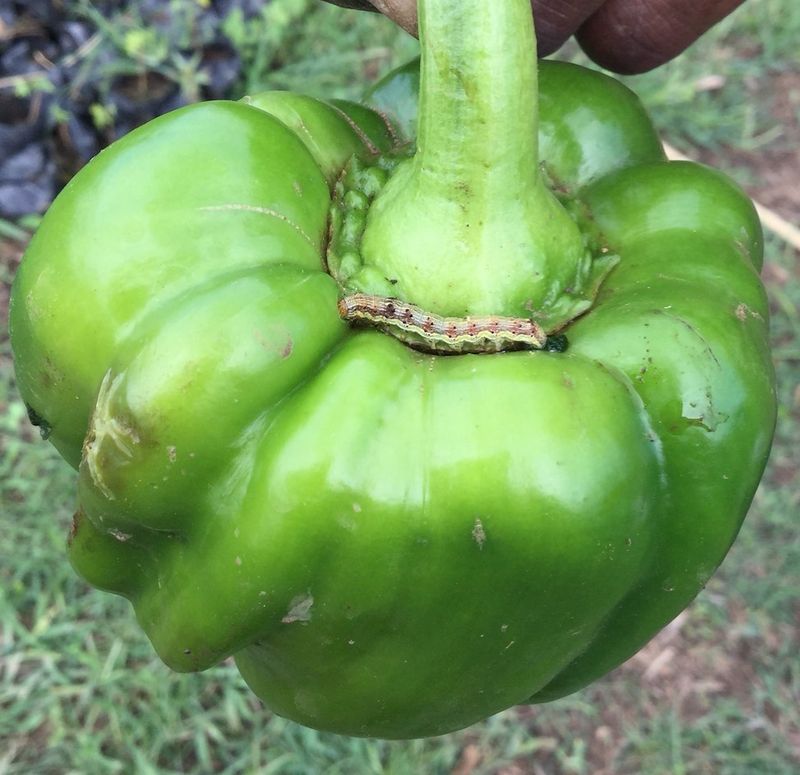
Peppers may not be the first crop that comes to mind when gardeners think about fruitworm, but California pepper plants can absolutely be affected during the summer months.
Young larvae tend to enter pepper fruit near the calyx, the leafy cap at the top of the pepper, where the fruit surface offers a slightly softer entry point.
This makes the calyx area one of the first places worth checking during August scouting.
Damage inside a pepper can be more difficult to detect from the outside than damage on a tomato. The entry hole may be small and partially hidden under the calyx, and the pepper skin can remain largely intact while feeding is already underway inside.
Frass near the calyx or a slight softening of the fruit near the stem attachment can be clues worth investigating more closely.
Cutting open a pepper that seems off or shows any sign of entry damage is a practical way to check. Internal feeding can create discolored or decayed tissue inside the fruit, especially if the damage has been present for a few days.
Fruit damage alone does not provide a confirmed identification of the caterpillar species responsible, since other pests can also bore into peppers.
Combining what you find inside with any caterpillars or eggs observed during plant scouting gives a clearer picture of what is actually happening in your California garden.
6. Early Checks Can Make A Difference

There is a straightforward reason why experienced vegetable gardeners scout their plants regularly rather than waiting for obvious damage to appear.
Once a tomato fruitworm caterpillar bores inside a tomato or pepper, it is physically protected from most surface-applied treatments and much harder to remove without cutting into the fruit.
Finding eggs or very young larvae before they reach that stage gives you options that simply are not available later.
Eggs and early-instar caterpillars on leaf and fruit surfaces are vulnerable in ways that older larvae inside fruit are not.
This is the window when natural enemies, physical removal, or appropriately timed treatments supported by UC IPM guidance can be most effective.
Waiting until multiple fruit are visibly damaged means the population has already moved through its most accessible phase.
For California home gardeners managing a relatively small number of plants, regular scouting is realistic and genuinely worthwhile.
Checking plants two or three times per week during August takes only a few minutes per visit but can catch problems at a stage where your response actually matters.
Keep a simple record of what you find during each check, including the location on the plant, the approximate size of any caterpillars, and whether eggs are present.
That kind of basic information helps you track whether pest pressure is increasing, holding steady, or beginning to ease as the season moves forward.
7. Beneficial Insects Join The Defense
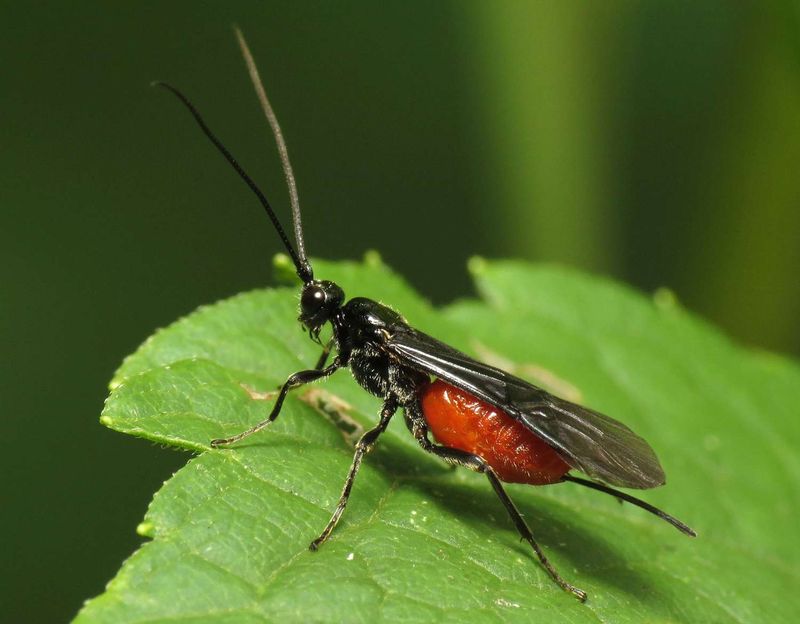
Not every insect in a California vegetable garden is working against the tomato crop. Several natural enemies are documented as helping suppress tomato fruitworm populations, and their presence in a garden is genuinely useful.
Parasitic wasps, including species in the Trichogramma genus, are known to parasitize tomato fruitworm eggs, which can reduce how many caterpillars actually hatch and reach the fruit-feeding stage.
Predatory insects such as lacewing larvae and minute pirate bugs can also feed on fruitworm eggs and very young caterpillars. Ground beetles and spiders may contribute as well, though their impact on caterpillar populations is harder to measure precisely.
The important thing to understand is that these natural enemies are already present in many California gardens and are actively working to keep fruitworm populations from climbing unchecked.
Broad-spectrum insecticide applications can reduce natural enemy populations significantly, which may actually allow pest populations to rebound more quickly afterward.
UC IPM guidance consistently emphasizes the value of conserving beneficial insects as part of an integrated approach to pest management.
Avoiding unnecessary pesticide use, maintaining flowering plants nearby to support beneficial insect populations, and tolerating minor pest pressure when damage levels remain low are all ways California gardeners can help natural enemies do more of the work in the garden through the rest of summer.
8. Smart Steps For Tomato Fruitworm Control
Managing tomato fruitworm in a California home garden does not require a complicated plan, but it does require consistent attention and a willingness to respond to what you actually find rather than treating on a fixed schedule.
Monitoring is the foundation of any effective response.
UC IPM guidance supports an approach that starts with scouting, assesses actual pest levels, and then considers management options that match the situation.
Removing damaged fruit promptly is a practical first step that reduces the number of caterpillars completing development in the garden.
Caterpillars that drop to the soil to pupate can produce additional adults later in the season, so reducing that cycle where possible is worthwhile.
Physical removal of caterpillars found on plant surfaces is also a reasonable option for gardeners managing a small number of plants.
When treatment is being considered, UC IPM supports the use of Bacillus thuringiensis, commonly called Bt, for tomato fruitworm caterpillars. Bt products are most effective against young caterpillars feeding on plant surfaces before they enter fruit.
Spinosad is another option listed by UC IPM for this pest on tomatoes. Timing any application to target early-instar caterpillars improves its effectiveness considerably.
Conserving natural enemies, using selective products when treatment is needed, and combining cultural practices with careful monitoring gives California home gardeners a well-rounded approach that does not rely on a single response.