The Backyard Fruit California Rats Find First In Late Summer
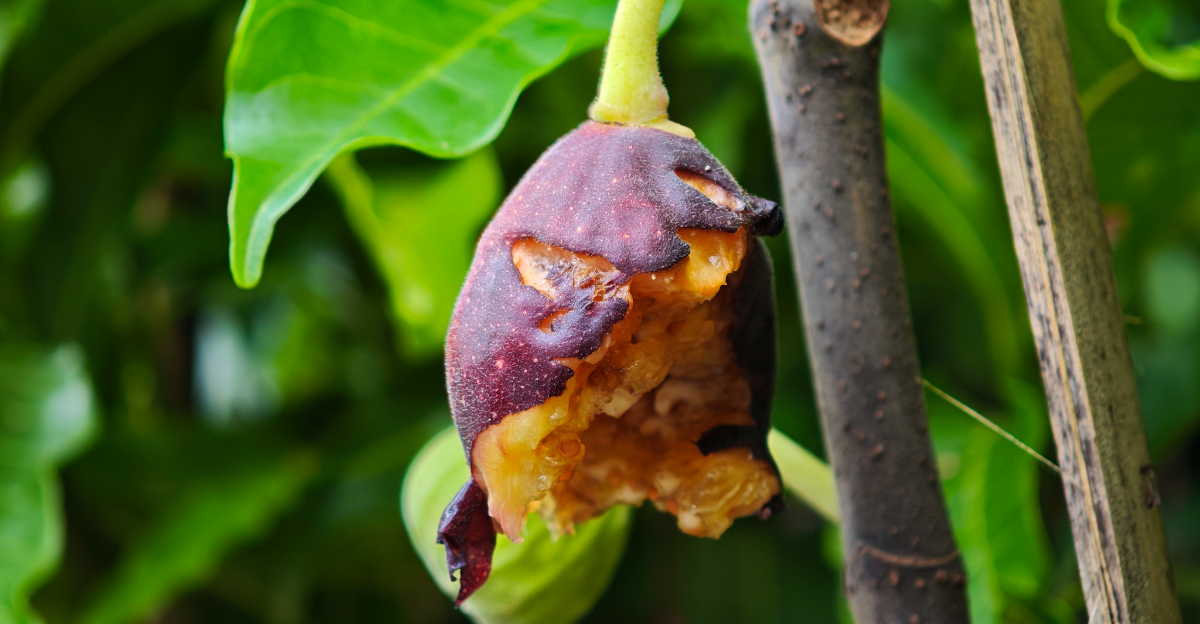
Late California summer can turn a productive backyard fruit tree into an unexpected feeding station. As fruit softens and sugar levels rise, rats become much more interested in what is ripening overhead.
The first signs are easy to miss. A few bite marks may show up overnight, or fruit may disappear before it ever reaches the kitchen.
Because the damage often starts high in the canopy, homeowners may blame birds or squirrels at first. By the time fallen pieces appear below, rodents may already be visiting regularly after dark.
The timing is not random. Certain fruits become especially attractive once they reach peak sweetness, and nearby fences or branches can give rats an easy route in.
If something keeps beating you to the harvest, one backyard favorite deserves a closer look.
1. Rats Find Soft Ripe Figs Before You Do
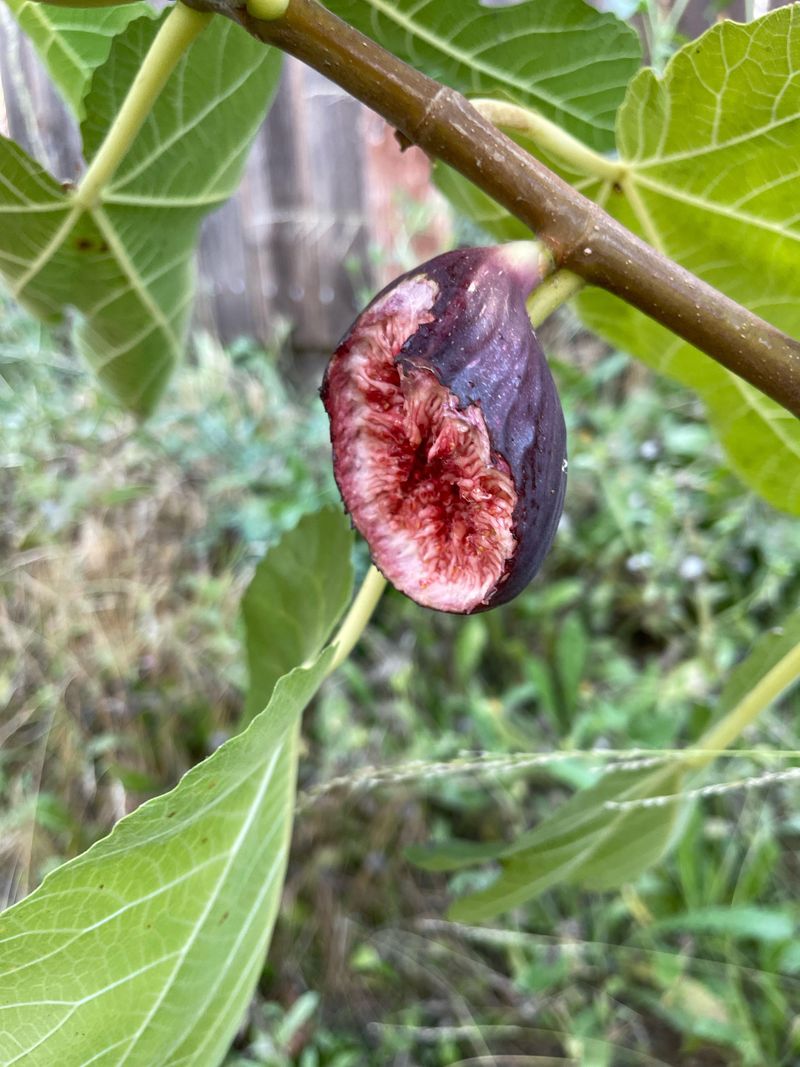
Figs get soft very fast once they ripen, and that softness is exactly what rats are looking for. A fully ripe fig requires almost no effort to eat.
Rats can bite right through the skin and get to the sweet, sugary flesh inside within seconds.
Roof rats have a strong sense of smell. They can detect ripe fruit from a surprising distance, especially on warm summer nights when the air carries scent easily.
By the time you step outside in the morning, they may have already visited your tree several times.
Rats tend to check the same trees repeatedly once they find a food source. They will return night after night as long as fruit is available.
This habit makes fig trees a prime target because the fruit ripens in waves, not all at once.
Checking your tree every day is one of the best things you can do. Pick any fig that feels soft to the touch, even if it does not look fully ripe yet.
A slightly underripe fig is still edible and far better than one that has been chewed on by a rat.
Getting into a daily harvest routine during late summer is simple but effective. The fewer ripe figs left on the tree overnight, the less reason rats have to visit your yard.
2. Split Fruit Turns Into An Easy Nighttime Meal
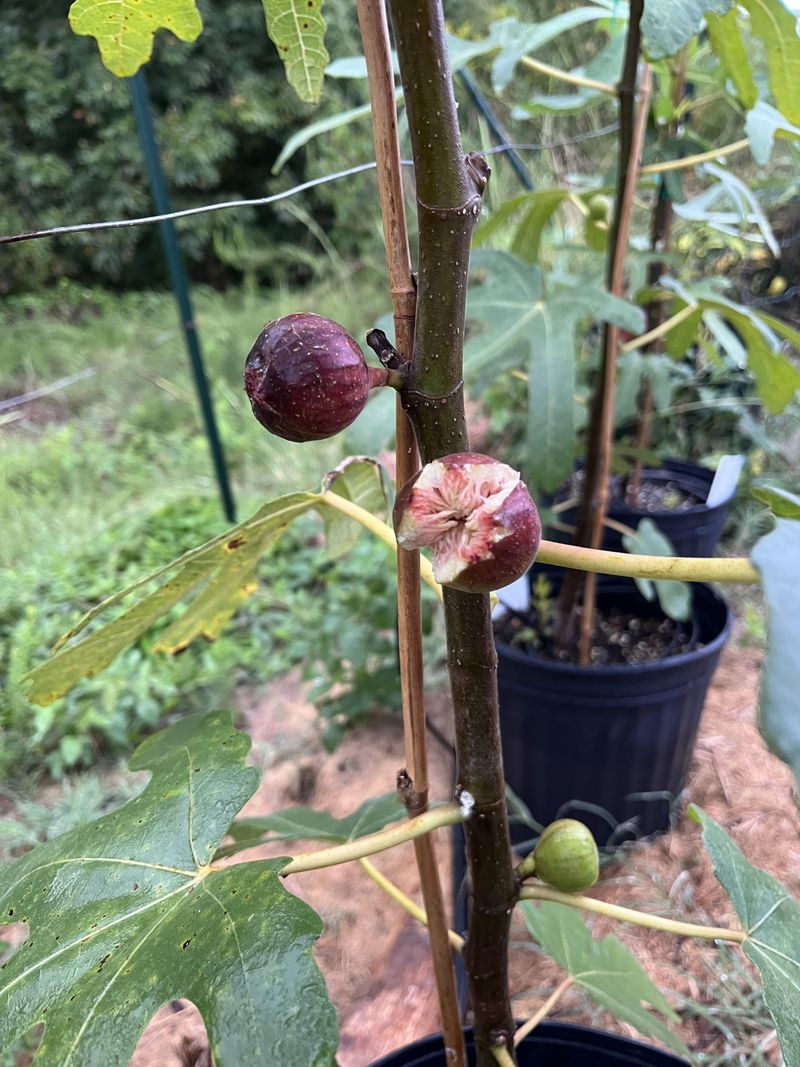
When a fig splits open, it becomes almost impossible for rats to resist. The crack in the skin exposes the sugary inside and releases a powerful aroma that spreads through the yard.
Rats can pick up on that smell quickly and will head straight for the tree.
Figs split for several reasons. Too much water after a dry spell, rapid temperature changes, or simply being overripe can all cause the skin to crack.
Once a fig is split, it also attracts insects, which adds even more reason for rats to investigate.
Split figs are easier to eat than whole ones. A rat does not need to work hard to get inside.
It can simply press its face into the opening and eat freely. This makes split fruit one of the fastest meals a rat can find in a backyard.
Your California Garden Changes Every Week. Your Plan Should Too.
Gardening in California changes quickly throughout the season. Every Friday you’ll receive a simple weekly plan showing exactly what to plant, prune, fertilize, harvest, and protect so you never miss the right timing.
Removing split figs as soon as you spot them is a smart move. Do not leave them on the tree or on the ground.
Toss them in a sealed trash bin or compost container with a lid so the smell does not linger.
Checking the tree in the early evening, before rats become active, gives you a head start. Removing split fruit before dark reduces the overnight attraction and makes your yard less appealing to foraging rats.
3. Low Branches Make Fig Trees Extra Convenient
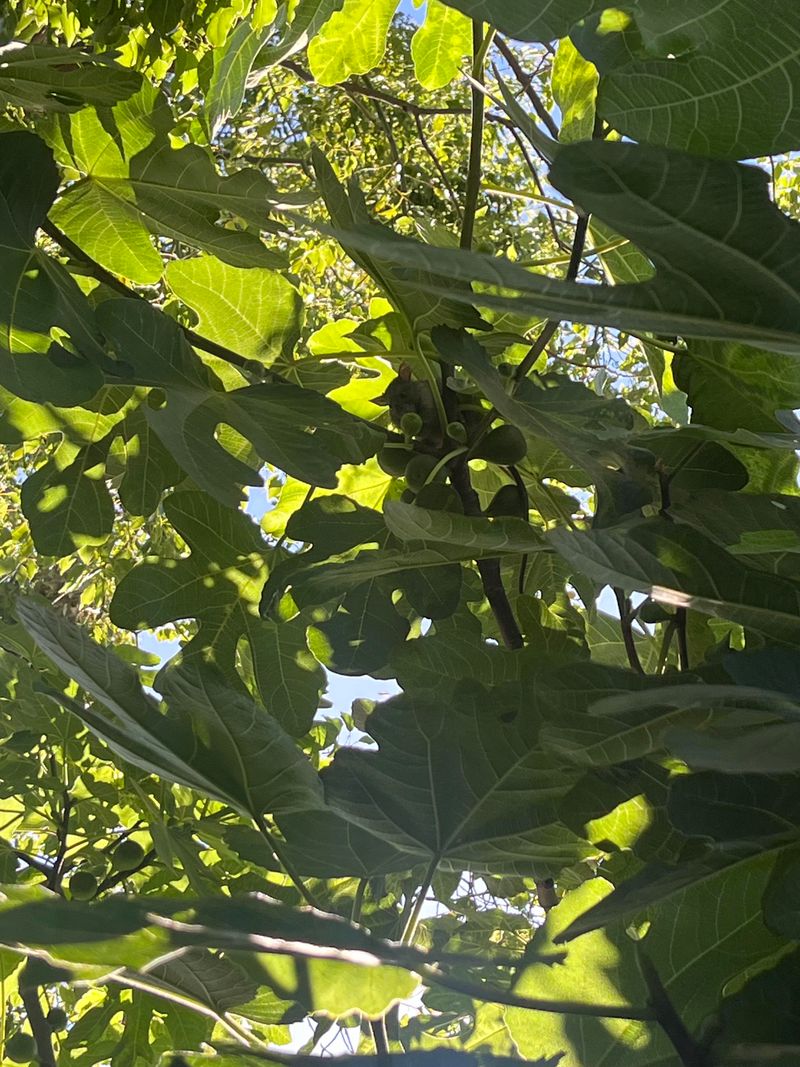
Fig trees often grow wide and low, with branches that spread out close to the ground. That growth habit makes them one of the easiest trees for rats to access.
Unlike tall fruit trees, a fig tree with low branches offers entry points at almost every angle.
Roof rats are excellent climbers, but they also prefer paths that require the least effort. A branch that hangs near a fence, a wall, or even a garden bed gives them a direct route to the fruit.
They rarely need to do much work to get up into a fig tree.
Trimming low-hanging branches is a practical step that many homeowners overlook. Raising the canopy so the lowest branches are at least three feet off the ground makes access harder.
It does not make the tree rat-proof, but it does remove the easiest entry points.
You should also check whether any branches are touching fences, walls, or nearby structures. Rats use these contact points as bridges to move from one surface to another.
Cutting branches back so they do not touch anything nearby removes one more easy pathway.
Pruning a fig tree also improves air circulation and can actually help the tree produce better fruit. It is one of those yard tasks that benefits you in more than one way, which makes it well worth the effort.
4. Fallen Figs Keep Rats Coming Back
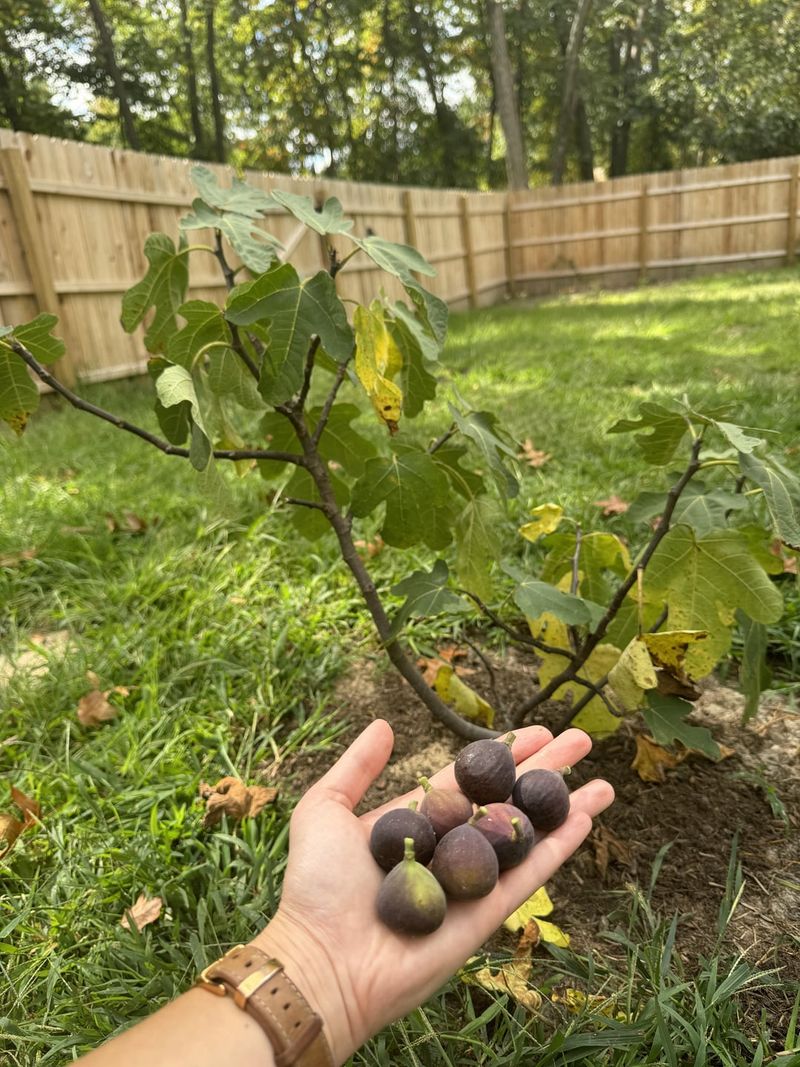
Fallen figs are one of the biggest reasons rats keep returning to the same yard. Once a fig drops to the ground, it becomes even easier to eat.
There is no climbing required, and the fruit continues to ripen and soften as it sits in the warm air.
A California yard with fallen figs sends a clear signal to rats that food is available and easy to get. Rats are creatures of habit.
Once they find a reliable food source, they will come back every night until that source is gone. A ground covered in figs is like an open invitation.
Picking up fallen figs every day is one of the most effective things you can do to reduce rat activity. It takes only a few minutes and makes a big difference.
Even figs that look old or mushy should be collected and disposed of in a sealed container.
Do not leave fallen fruit in a pile near the tree thinking you will deal with it later. That pile will attract rats fast, and the smell will linger even after the figs are gone.
Rats have good memories and will return to spots where they previously found food.
Ground cleanup is not glamorous, but it works. Pair it with daily harvesting and you will notice a real drop in rat activity around your fig tree over time.
5. Overripe Fruit Smells Stronger After Dark
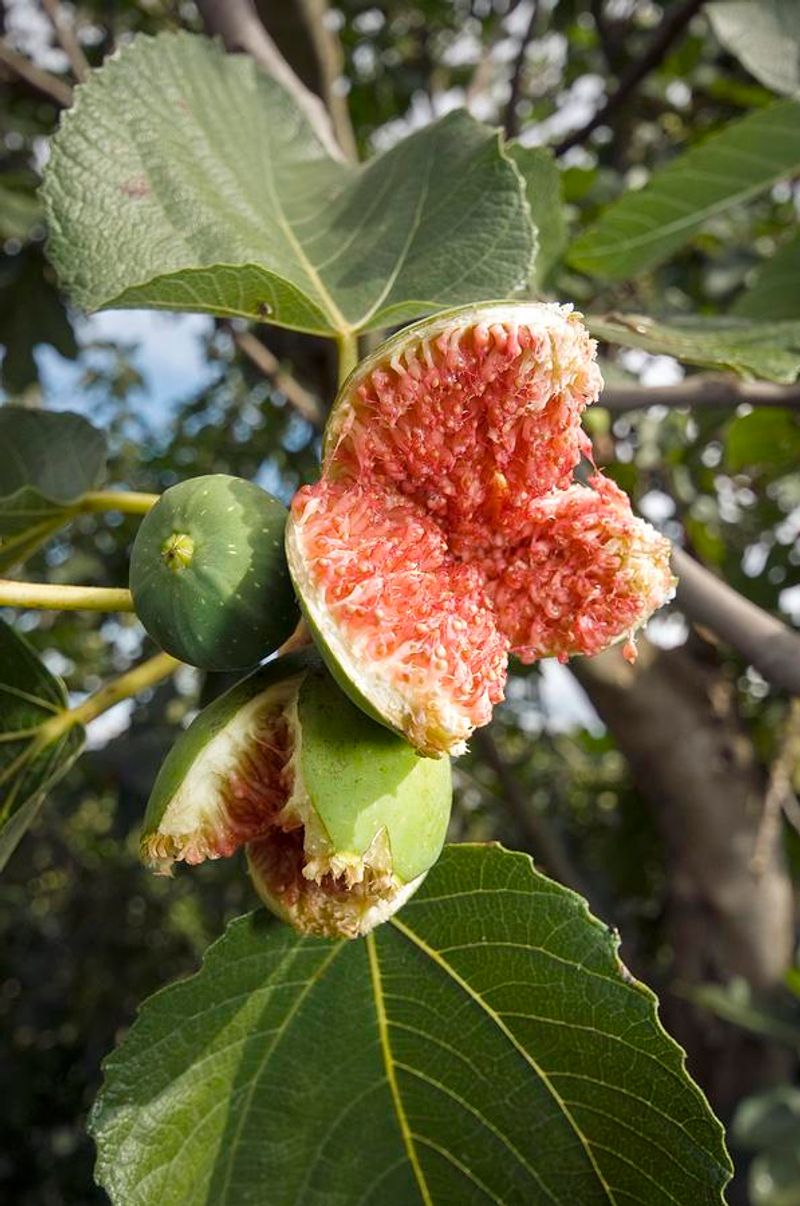
As figs ripen past their peak, the sugars inside begin to ferment slightly. That process creates a rich, sweet, almost wine-like smell that is much stronger than the scent of a freshly ripe fig.
Rats are drawn to that smell, especially at night when everything is quiet and cool.
Warm late summer nights actually help carry smells farther than you might expect. The combination of heat during the day and cooler air at night creates conditions where scent travels easily.
An overripe fig hanging on a tree can attract rats from several houses away.
Roof rats are nocturnal by nature. They sleep during the day and become active shortly after sunset.
By the time it gets fully dark, they are already moving through yards, following their noses toward the strongest food smells. Overripe figs are hard for them to ignore.
Harvesting figs before they reach the overripe stage is the best way to reduce this nighttime attraction. Figs that are just barely soft are still sweet and delicious for people to eat.
You do not need to wait until they are completely soft to pick them.
Learning to read the signs of ripeness a day early takes a little practice but pays off quickly. A fig that is slightly firm but has good color is ready to pick and enjoy before rats ever get the chance.
6. Dense Fig Trees Give Rats Cover While They Feed
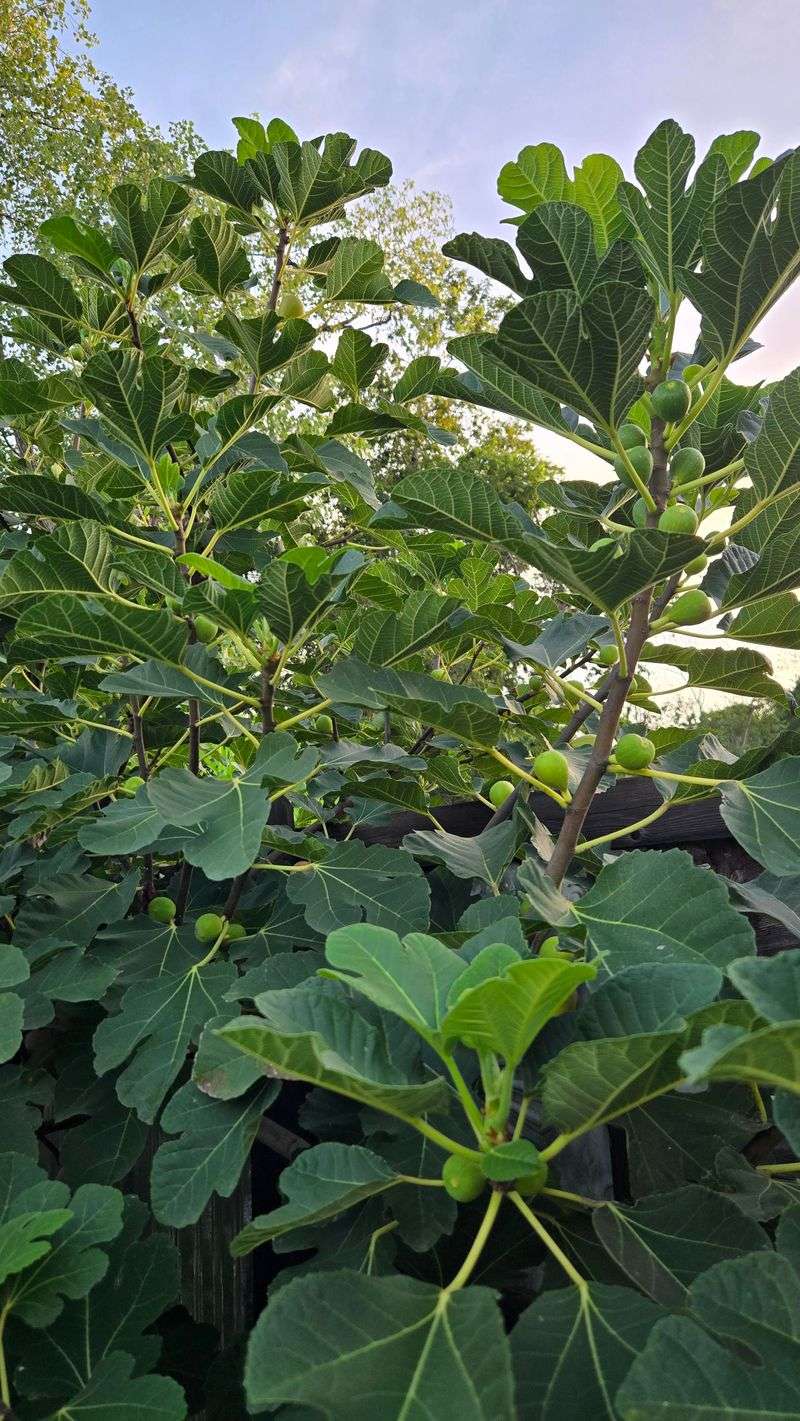
Fig trees grow thick, leafy canopies that can become surprisingly dense by late summer. All that foliage creates a sheltered space where rats can feed without being seen.
They feel safe inside the canopy because the leaves hide them from predators and people alike.
Rats are cautious animals. They prefer to eat in places where they feel protected.
A dense fig tree offers exactly that, with plenty of leaves to hide behind and multiple escape routes if something startles them. This makes the tree feel like a safe dining spot.
Thinning out the canopy is something most California fig tree owners do not think about for pest control. But opening up the tree so there is more light and less dense cover actually makes rats feel more exposed.
They are less likely to spend long periods feeding in a tree where they feel visible.
Pruning for airflow and light also benefits the tree itself. Figs that get more sun tend to ripen more evenly and taste better.
So thinning the canopy is one of those changes that helps both the fruit and your pest situation at the same time.
You do not need to strip the tree bare. Just removing a few crowded branches here and there can open things up enough to make a difference.
Even small changes in the tree structure can shift how comfortable rats feel while feeding.
7. Harvesting Early Can Beat Them To The Crop
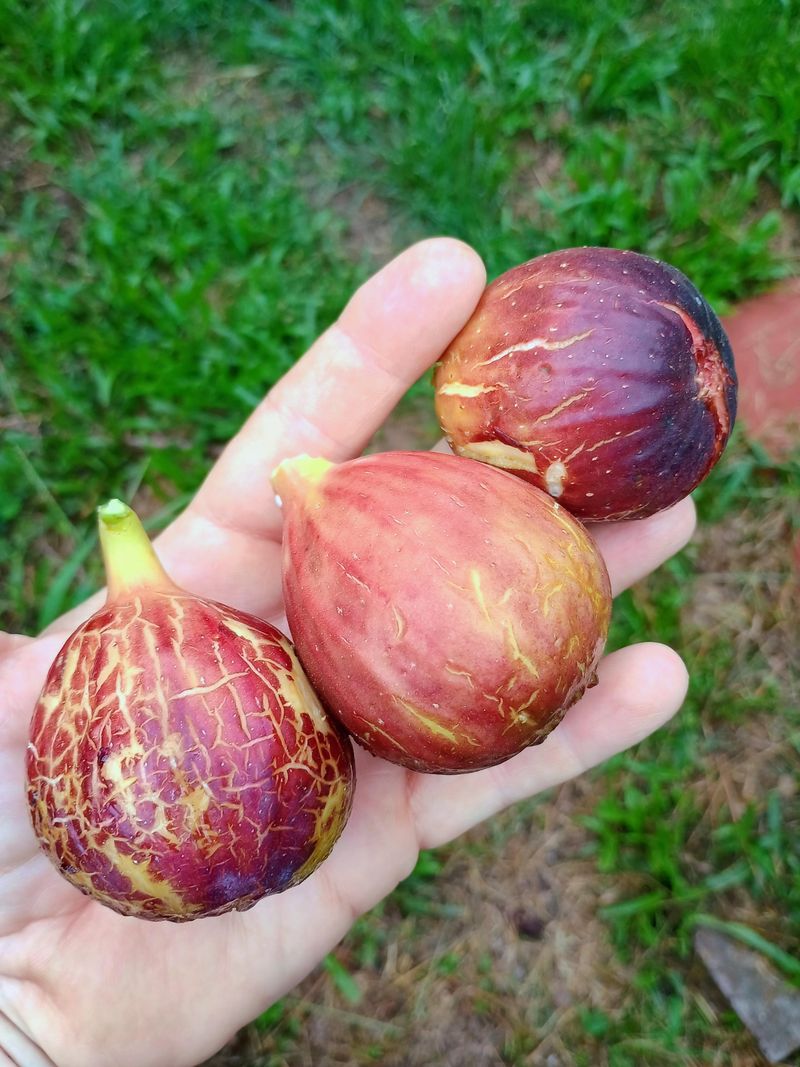
One of the simplest strategies for protecting your fig harvest is also one of the most overlooked.
Picking figs a little early, before they are fully soft, gives you the fruit before rats ever get the chance to find it.
Figs will continue to ripen after picking if left at room temperature.
Early morning is the best time to harvest. Rats feed mostly at night, so checking your tree right after sunrise lets you collect anything that ripened overnight.
It also gives you a chance to spot any damage or signs of activity from the night before.
Figs that are just starting to soften and show good color are ready to harvest. You do not need to wait for the fruit to be fully soft on the tree.
A fig picked at this stage will be sweet and flavorful within a day or two of sitting on your kitchen counter.
Getting into a daily picking routine during peak season takes some effort, but it pays off. You end up with more fruit for yourself and fewer reasons for rats to visit your yard. It is a straightforward trade-off that works well in practice.
Bring a basket out each morning and go branch by branch. Even removing fruit that is not quite ready yet is better than leaving it overnight.
Consistency is what makes early harvesting effective as a long-term approach.
8. Cleaning The Ground Matters More Than Most People Think
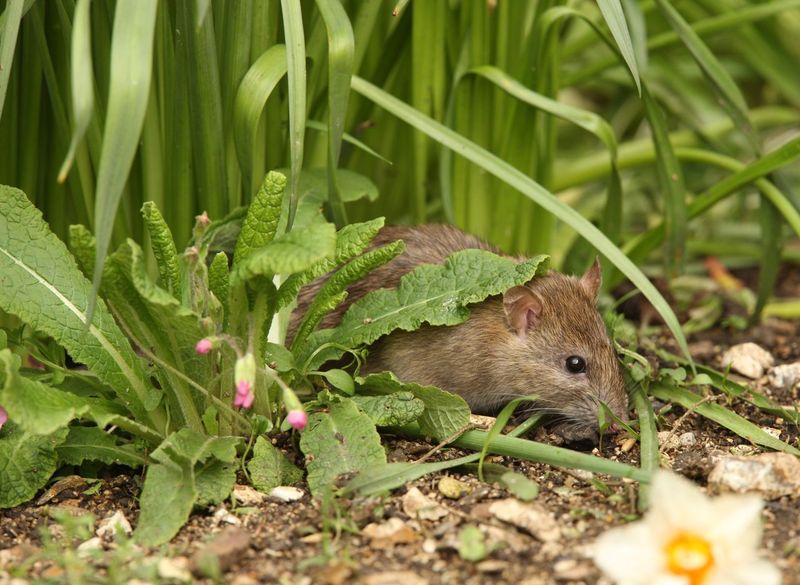
Most people focus on what is happening up in the tree, but the ground underneath is just as important. Fallen fruit, old leaves, and debris create a layer of material that holds moisture and smell.
That combination is very attractive to foraging rats looking for an easy meal.
Rats that find food on the ground are more likely to come back than rats that have to climb for it. Ground-level feeding is lower risk for them.
Keeping the area under your fig tree clean and clear removes that low-effort option and makes your yard less appealing overall.
Raking up debris every few days is a good habit to build during fig season. Remove any fallen fruit, dry leaves, and other organic material.
Put it all in a sealed compost bin or trash bag so the smell does not attract animals overnight.
A clean ground also helps you spot rat activity more easily. Fresh droppings, chew marks on fallen fruit, or small tracks in the soil are all signs that rats have been active.
Catching these signs early helps you respond before the problem gets worse.
Yard cleanliness is one of the most underrated parts of backyard pest prevention in California. It does not require any special products or equipment.
A rake, a trash bag, and a few minutes of effort every couple of days can make a real difference in keeping rats away from your fig tree.
9. Roof Rats Can Reach Fruit From Fences And Branches
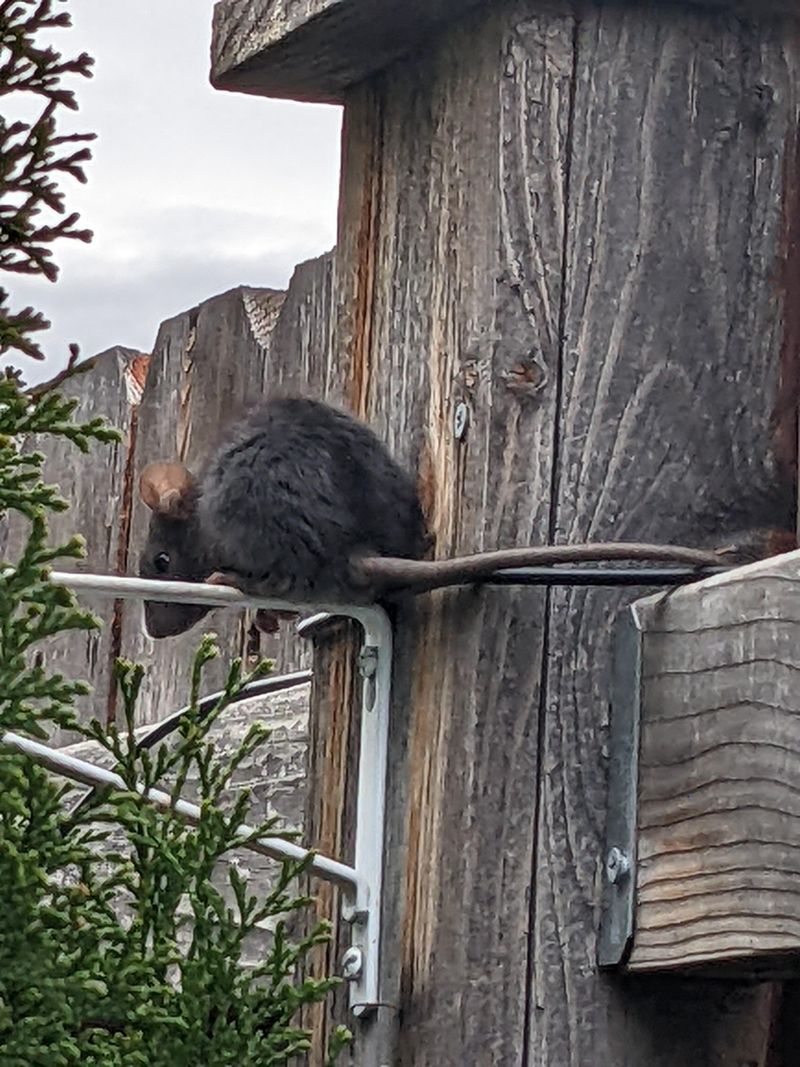
Roof rats are built for climbing. Their long toes, flexible bodies, and sharp claws let them move across fences, wires, and branches with ease.
A fig tree that grows near a fence is especially easy for them to access, because they can simply walk along the fence and step right onto a branch.
Most people are surprised by how agile roof rats really are. They can run along the top of a narrow fence rail without losing balance.
They can jump short distances between branches and surfaces. A fig tree that seems high up to a person is not much of a challenge for a roof rat.
Checking your California yard for contact points between your fig tree and nearby structures is a smart starting point. Look for branches that touch or hang over fences, walls, or sheds.
Cutting those branches back creates a gap that rats cannot easily cross.
You can also try installing smooth metal banding around the trunk of the tree. This type of barrier makes it harder for rats to climb straight up the trunk.
When combined with branch trimming, it can significantly reduce how often rats get into the tree.
No single method works perfectly on its own. But combining branch trimming, trunk barriers, daily harvesting, and ground cleanup creates a layered approach.
That combination gives you the best chance of protecting your fig crop all season long.