The Easiest Berry Bush California Gardeners Overlook
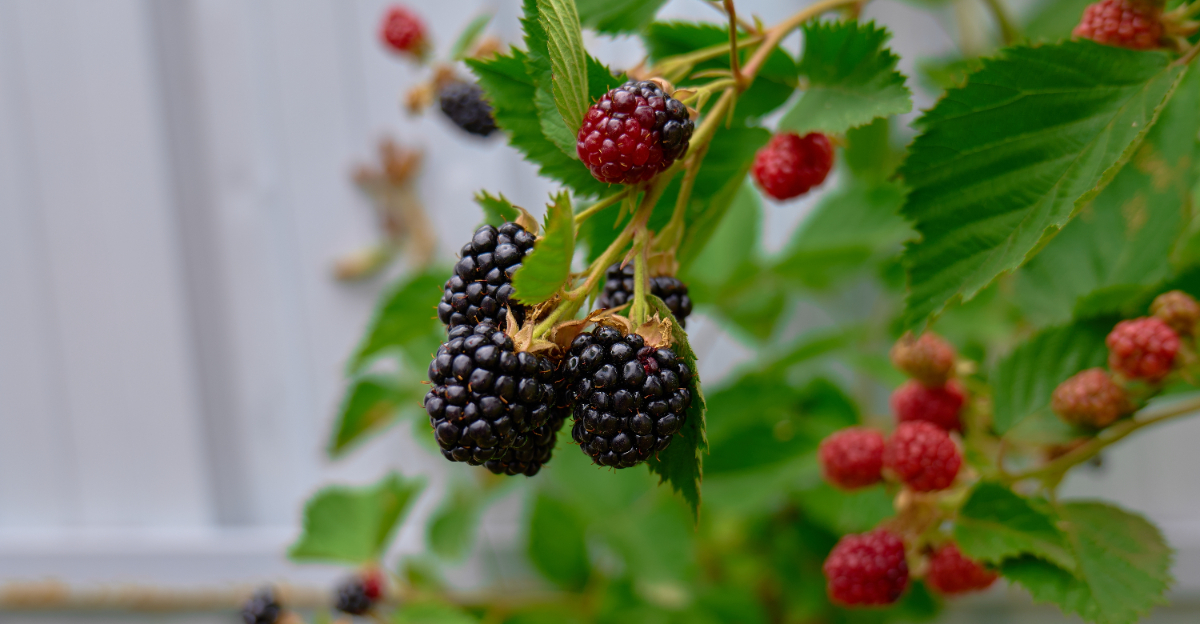
Growing fresh berries at home sounds like the kind of project that takes years of patience and plenty of work. That is exactly why many gardeners stick with the usual favorites and never look beyond them.
It is an easy habit to fall into, especially when garden centers are filled with the same familiar choices every season. But some of the most rewarding berry bushes rarely get the attention they deserve.
They can bring beautiful color, tasty harvests, and plenty of backyard appeal without demanding constant care. That makes discovering one feel a bit like finding the best seat at a crowded picnic.
If you have been looking for something a little different to grow, you may be surprised by the berry bush that has been hiding in plain sight all along.
1. The Berry Bush More Gardens Should Grow
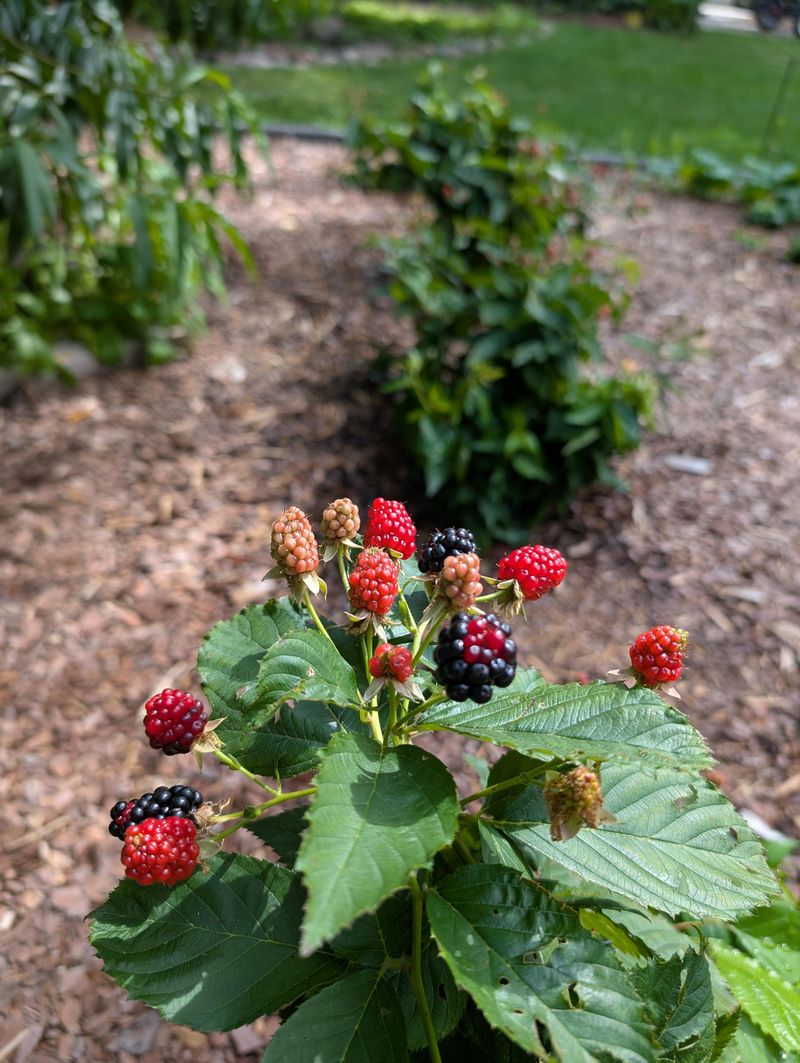
Blackberries have been growing wild across North America for thousands of years, but the thornless varieties bred for home gardens are a whole different story. They bring all the flavor of wild blackberries without the scratched arms and torn gloves.
Most gardeners in California walk right past them at the nursery without giving them a second look.
That is a real missed opportunity. Thornless blackberry plants are incredibly productive.
A single mature plant can produce several pounds of fruit in one season. That adds up fast when you plant two or three along a fence or trellis.
Unlike strawberries, which need replanting often, or blueberries, which demand very specific soil conditions, thornless blackberries are forgiving. They adapt well to a wide range of soil types and do not ask for much in return.
Even gardeners who consider themselves beginners have great success with them.
California’s long growing season gives blackberries plenty of time to develop sweet, full-flavored fruit. From late spring through summer, the berries ripen in waves, giving you fresh fruit over several weeks instead of all at once.
That steady harvest is one of the biggest reasons more gardeners should be growing this plant right now.
2. Why Thornless Blackberries Are So Easy
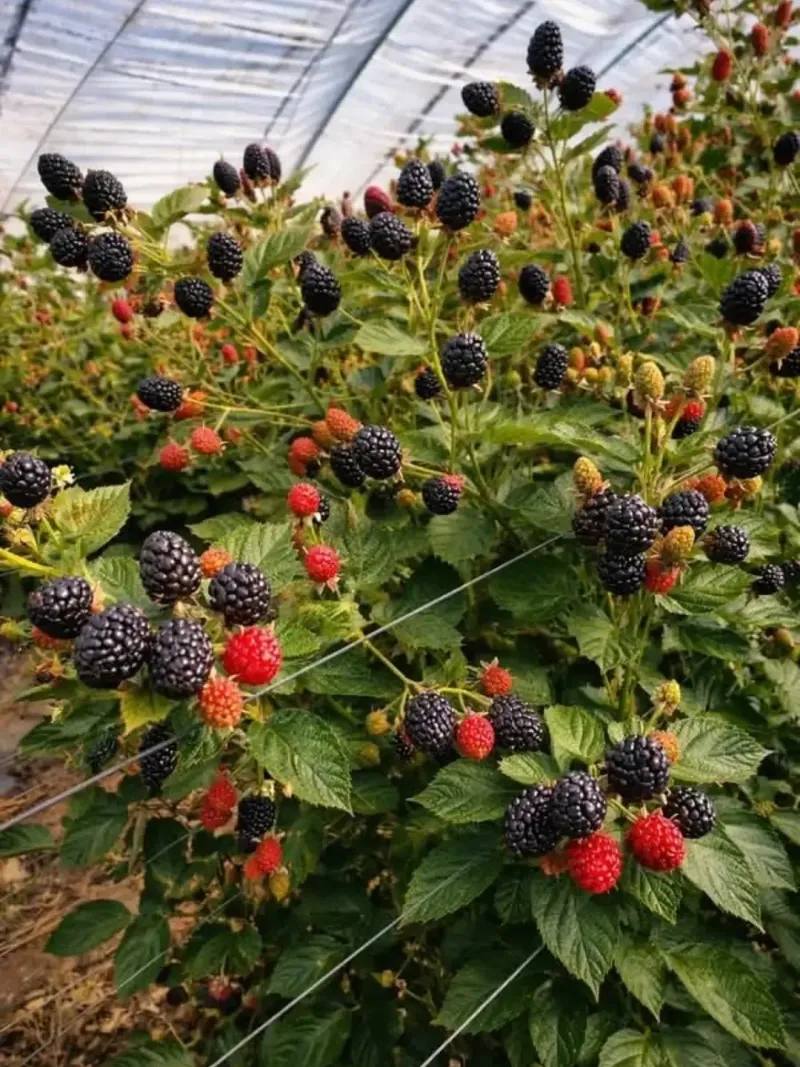
Not every plant earns the label easy, but thornless blackberries genuinely do. The biggest reason is simple: without thorns, every single task becomes faster and more enjoyable.
Pruning, harvesting, and training the canes onto a trellis can all be done with bare hands and zero frustration.
Beyond the comfort factor, these plants are naturally tough. They handle heat well, which makes them a strong fit for the warmer parts of our state.
They bounce back from dry spells better than many other fruiting plants and do not need babying during hot summer months.
Varieties like Apache, Triple Crown, and Chester are popular choices because they were developed specifically for home garden conditions. They grow vigorously, produce heavily, and resist common diseases better than older blackberry types.
Choosing one of these named varieties gives you a head start before you even put the plant in the ground.
Another thing that makes these plants so manageable is their predictable growth habit. They send up new canes each year, fruit on second-year canes, and follow a reliable cycle that is easy to understand once you see it happen once.
Your California Garden Changes Every Week. Your Plan Should Too.
Gardening in California changes quickly throughout the season. Every Friday you’ll receive a simple weekly plan showing exactly what to plant, prune, fertilize, harvest, and protect so you never miss the right timing.
That kind of predictability takes the guesswork out of gardening and makes the whole experience feel rewarding rather than stressful.
3. The Secret To Bigger Backyard Harvests
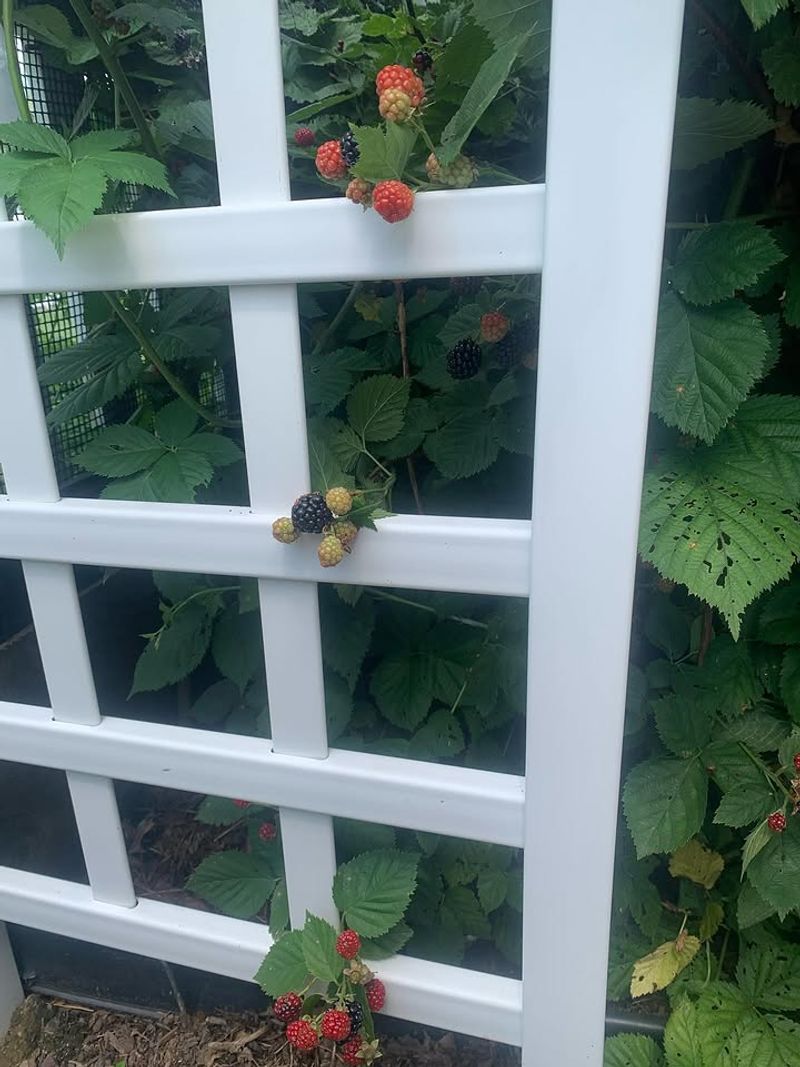
Getting a bigger harvest from your blackberry plants comes down to one key habit: training the canes properly. When canes are left to sprawl on the ground, the plant wastes energy and fruit production drops.
A simple trellis system changes everything and takes very little time to set up.
Two wooden posts with two or three horizontal wires stretched between them is all you need. As the canes grow, tie them loosely to the wires using soft garden tape or strips of cloth.
Keeping the canes off the ground improves air circulation, reduces disease pressure, and makes picking fruit much easier.
Spacing matters too. Planting blackberries about five to six feet apart gives each plant room to spread without crowding its neighbor.
Crowded plants compete for nutrients and sunlight, and both the plants and the fruit suffer for it. A little room goes a long way toward a healthier, more productive garden.
Soil preparation also plays a bigger role than most people expect. Working compost into the planting area before you put the plant in the ground gives roots a rich, well-draining environment to establish in.
Feeding with a balanced fertilizer in early spring gives the plant a strong start for the season and helps set up a heavier fruit load by summer.
4. Plant It Once, Enjoy Years Of Fruit
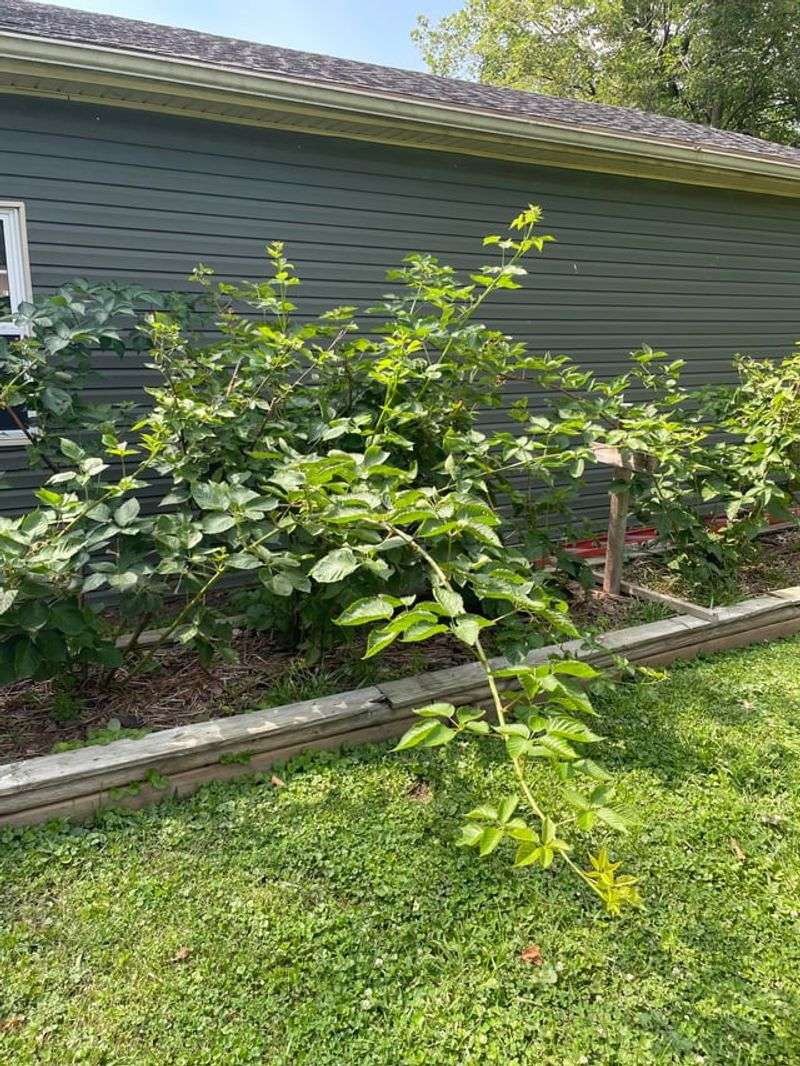
One of the most underrated qualities of thornless blackberries is that they are perennial plants. You plant them once, and they keep coming back year after year.
That kind of long-term value is hard to beat, especially when you compare it to annual vegetables that need replanting every single season.
With proper care, a thornless blackberry plant can stay productive for ten years or longer. The root system gets stronger each year, and the plant rewards that investment with increasingly generous harvests.
Getting the planting right from the start sets the whole timeline up for success. Choose a spot that gets at least six to eight hours of direct sunlight each day.
Afternoon sun is especially helpful in northern regions where summers can be cooler. Avoid low spots where water pools after rain, since blackberries prefer soil that drains well.
Fall and early spring are both good times to plant bare-root or container-grown blackberries in most parts of California. Planting during cooler months gives roots time to settle in before the heat of summer arrives.
A little patience in year one pays off with years of fresh, homegrown berries that you barely have to work for.
5. The Simple Care Routine It Needs
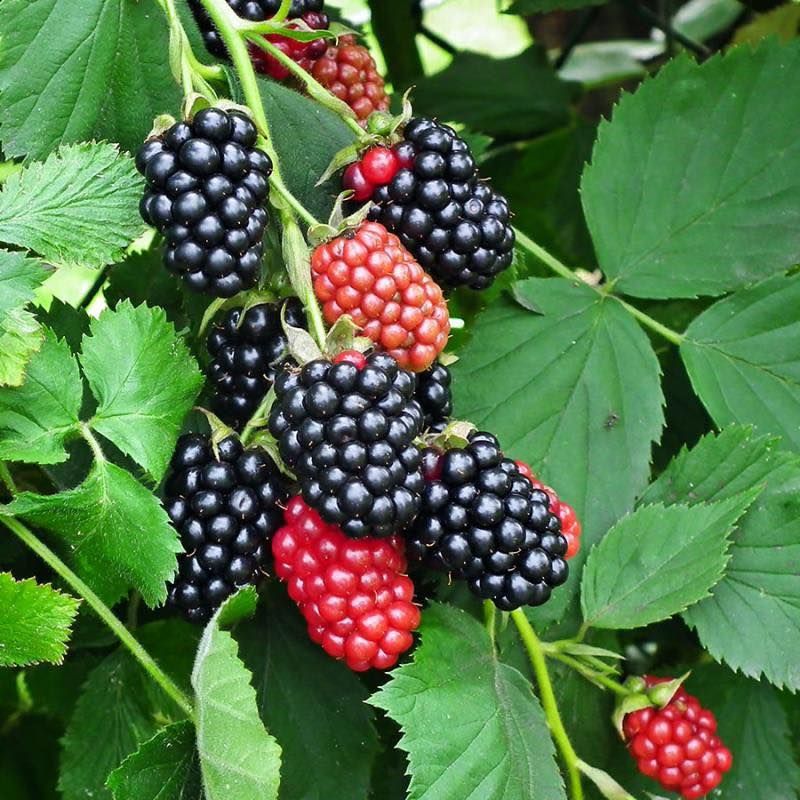
Caring for thornless blackberries does not require a complicated schedule or a lot of expensive products. The routine is simple enough to follow even during a busy week.
Water, sunlight, and a little fertilizer at the right times cover most of what these plants need to stay healthy and productive.
Watering consistently is the most important habit to build. Blackberries do best with about one to two inches of water per week during the growing season.
Drip irrigation works especially well because it delivers moisture directly to the roots without wetting the leaves, which helps prevent fungal issues in humid weather.
Applying a two to three inch layer of mulch around the base of each plant makes a noticeable difference. Mulch holds moisture in the soil, keeps roots cool during hot spells, and slows down weed growth all at once.
Straw, wood chips, or shredded bark all work well for this purpose.
Fertilizing once in early California spring with a balanced granular fertilizer gives the plant the nutrients it needs to push out strong new canes and a heavy fruit set. A second light feeding in early summer can support the plant through its peak fruiting period.
Avoid fertilizing late in the season, since that encourages soft new growth that does not handle cooler fall nights as well.
6. The Pruning Step That Keeps It Productive
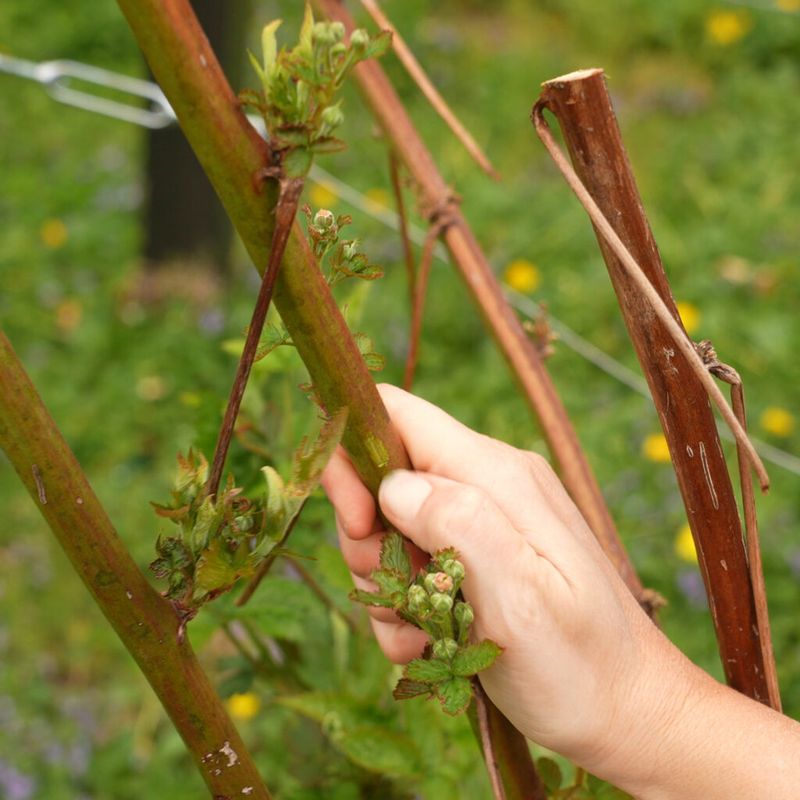
Pruning is the single most important skill to learn when growing blackberries. It sounds intimidating, but once you understand the basic cane cycle, it becomes one of the easier garden tasks you do all year.
Blackberry canes follow a two-year pattern that tells you exactly what to cut and when.
In the first year, a cane grows long and leafy but produces no fruit. That is called a primocane.
In the second year, that same cane flowers and produces berries. Once it finishes fruiting, it will not produce again.
Those spent canes, called floricanes, should be cut all the way down to the ground after harvest ends.
Removing old floricanes right after fruiting keeps the plant tidy and redirects its energy toward the new primocanes that will carry next year’s crop. This one step alone makes a measurable difference in how much fruit the plant produces the following season.
Skipping it leads to a tangled, overcrowded plant that produces less over time.
Early spring is also a good time to tip-prune the new canes, which means cutting just the top few inches off each one. This encourages side branching, and more branches mean more fruiting sites.
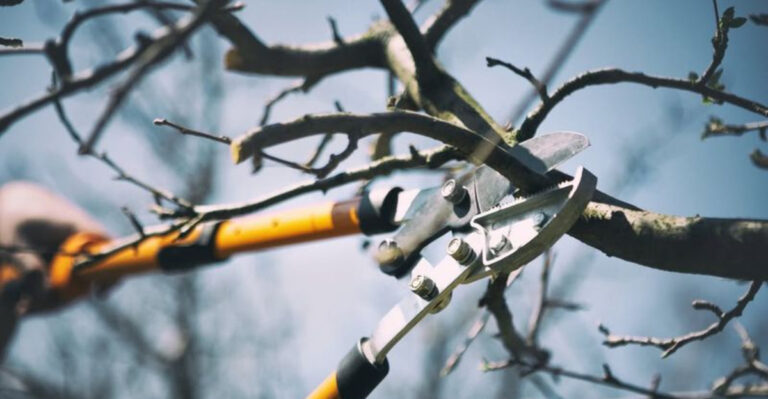
Sharp, clean pruning shears make the whole process quicker and reduce the risk of spreading any plant disease from one cane to another.
7. Avoid These Common Blackberry Mistakes
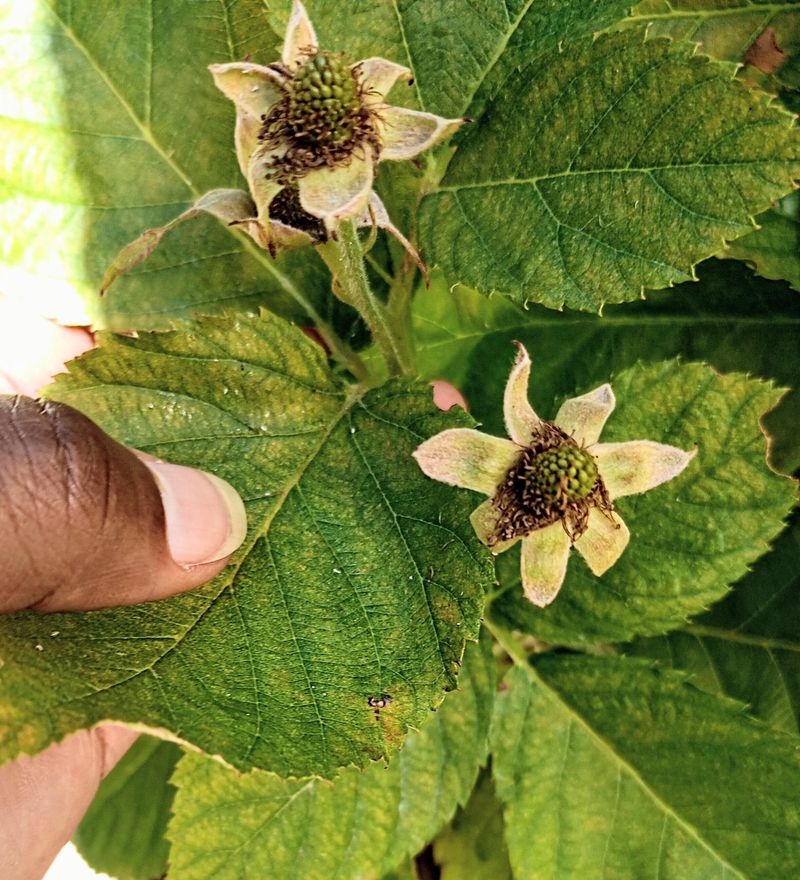
Even an easy plant can underperform when a few key mistakes get in the way. The most common one is skipping the trellis.
Without support, canes fall over, roots compete with themselves, and the plant becomes a tangled mess that is hard to manage and harder to harvest from.
Overwatering is another issue that catches a lot of new growers off guard. Blackberry roots do not like sitting in soggy soil for long periods.
Too much water leads to root problems that show up as yellowing leaves and weak, stunted growth. Letting the top inch of soil dry out slightly between waterings keeps roots in better shape.
Planting in too much shade is a mistake that is easy to avoid with a little planning. Blackberries need real sun to produce well.
A spot that gets filtered light or only a few hours of direct sun each day will grow a plant but rarely produce a satisfying harvest. More sun almost always means more berries.
Forgetting to remove old canes after harvest is probably the most widespread mistake home growers make. Those spent canes take up space, block light from reaching new growth, and can harbor pests and disease over winter.
Cutting them out promptly keeps the plant clean, healthy, and ready to deliver a strong harvest the following summer.
8. How To Grow Better Berries At Home
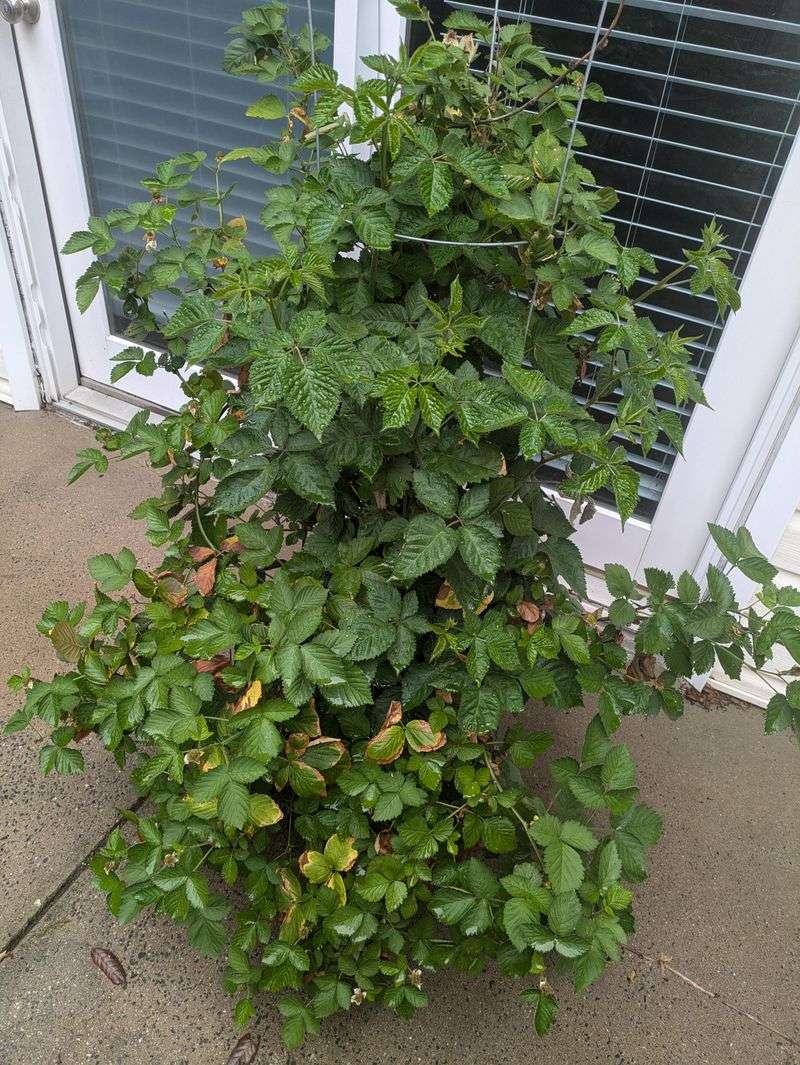
Getting better fruit from your blackberry plants is less about doing more and more about doing the right things at the right time. Harvesting at the right moment is a great place to start.
A ripe blackberry should come off the cane with a gentle tug and no resistance. If you have to pull hard, give it another day or two.
Tasting a berry before picking the whole batch is the most reliable ripeness test there is. Color alone can be misleading since some berries turn black before they are fully sweet.
A fully ripe berry is plump, slightly soft, and has a deep, rich flavor with no tartness at all.
Picking every two to three days during peak season prevents overripe berries from sitting on the cane and attracting insects or developing mold.
Regular picking also signals the plant to keep producing, which extends the harvest window by a week or more in many cases.
Sharing what you grow is one of the best parts of having a productive blackberry plant. Neighbors, friends, and family are almost always happy to take a bag of fresh berries off your hands.
And if you end up with more than you can share, blackberries freeze beautifully and hold their flavor for months, giving you a taste of summer long after the season ends.