California Groundcovers That Stay Green Under Mature Citrus Trees
The ground beneath a mature citrus tree can be one of the hardest spots in the yard to keep looking alive.
Shade shifts through the day, roots compete for moisture, and fallen leaves can make the space feel neglected even when the tree itself is thriving.
That is why ordinary groundcovers often disappoint here. The better choices are plants that can handle filtered light without fading out and coexist with an established root system.
Some spread slowly enough to stay manageable, while others create a fuller carpet once they settle in. The goal is not to force a lush lawn effect where conditions do not support it.
It is to find plants that make the area look intentional without creating extra stress for the citrus above. With the right match, that difficult patch can become one of the most polished parts of your California garden.
1. Dichondra Filling Shady Citrus Beds With Soft Green Growth
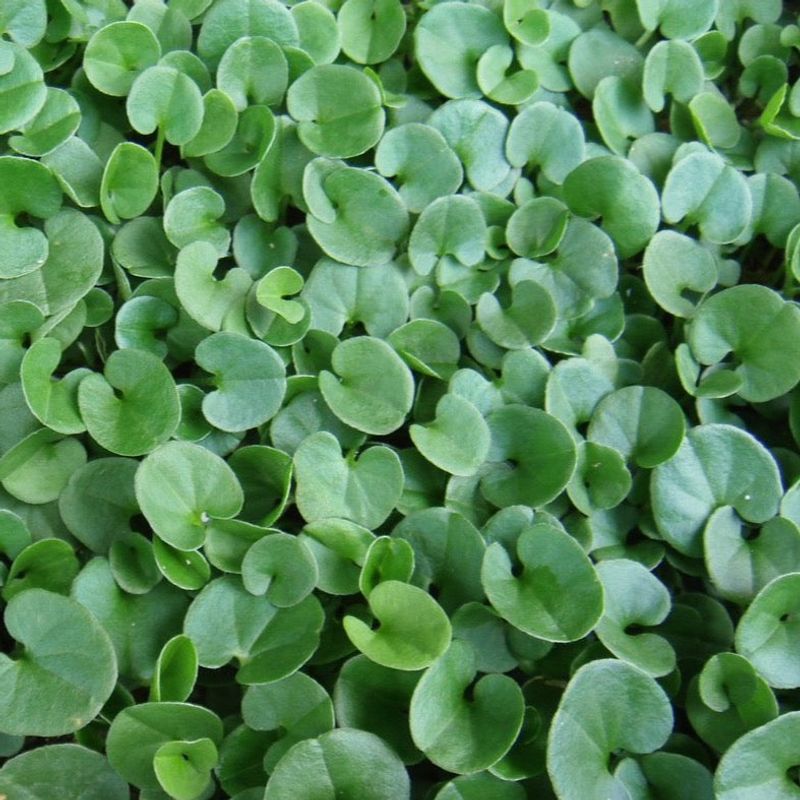
Few groundcovers look as soft and inviting as dichondra when it fills in nicely beneath a tree. Its small, round leaves create a low, velvety carpet that stays green even when conditions are far from perfect.
It handles dry shade surprisingly well, which makes it a natural fit under citrus canopies where other plants give up fast.
Dichondra grows very low to the ground, usually only an inch or two tall. That means it never competes with your citrus tree visually, and you rarely need to trim it.
It spreads slowly but steadily, filling in gaps over time without becoming invasive or pushy about it.
Watering needs are pretty minimal once it gets established. It prefers well-drained soil, which is exactly what most citrus beds already have.
If the soil under your tree tends to dry out fast, dichondra can still hold on and look decent with just occasional deep watering.
One thing to keep in mind is that dichondra does best with at least a little filtered light. It will not thrive in total darkness, but the dappled shade under a California citrus canopy is usually just enough to keep it happy.
Plant it in spring for the best results, and give it a few weeks to settle in before expecting much spread.
2. Baby Tears Staying Lush Where Tree Canopies Block The Sun
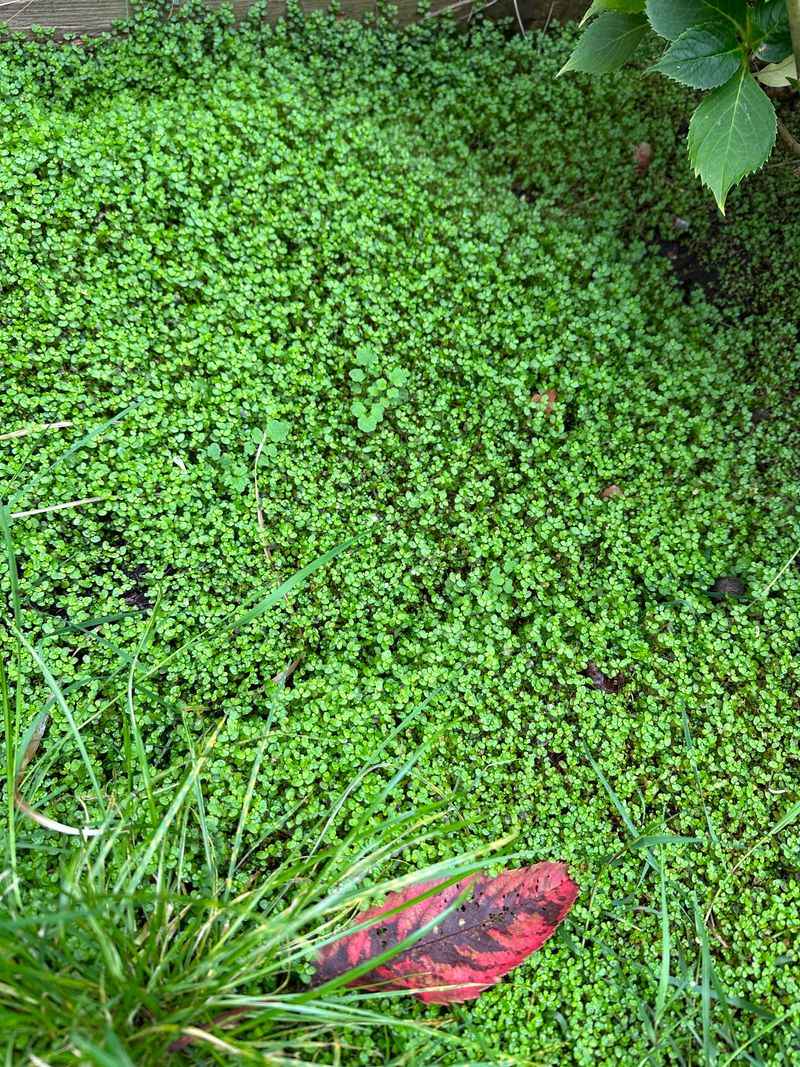
There is something almost magical about baby tears. Its tiny, delicate leaves form a dense, emerald-green mat that looks like something out of a fairy garden.
Most groundcovers in California struggle under a thick citrus canopy, but baby tears actually prefers low light and stays surprisingly lush in those shaded spots.
This plant loves moisture more than most on this list. If your citrus tree gets regular watering or you have a drip system running nearby, baby tears will soak that up and reward you with thick, healthy growth.
It creeps along the soil surface and fills in empty spaces quickly without growing tall or getting out of hand.
Baby tears works especially well in coastal areas where humidity stays a bit higher. Inland gardens can still grow it successfully, but you may need to water more often during hot, dry spells.
Your California Garden Changes Every Week. Your Plan Should Too.
Gardening in California changes quickly throughout the season. Every Friday you’ll receive a simple weekly plan showing exactly what to plant, prune, fertilize, harvest, and protect so you never miss the right timing.
Mulching around it helps hold moisture in the soil between watering sessions.
One fun fact about this plant is that it can actually regrow from tiny stem fragments. So even if foot traffic or dry weather sets it back a little, it tends to bounce back faster than you might expect.
Plant it in clusters and let it spread naturally. Within a season or two, it can cover a surprisingly large area under your citrus tree with very little extra effort from you.
3. Ajuga Handling Dappled Shade Under Citrus
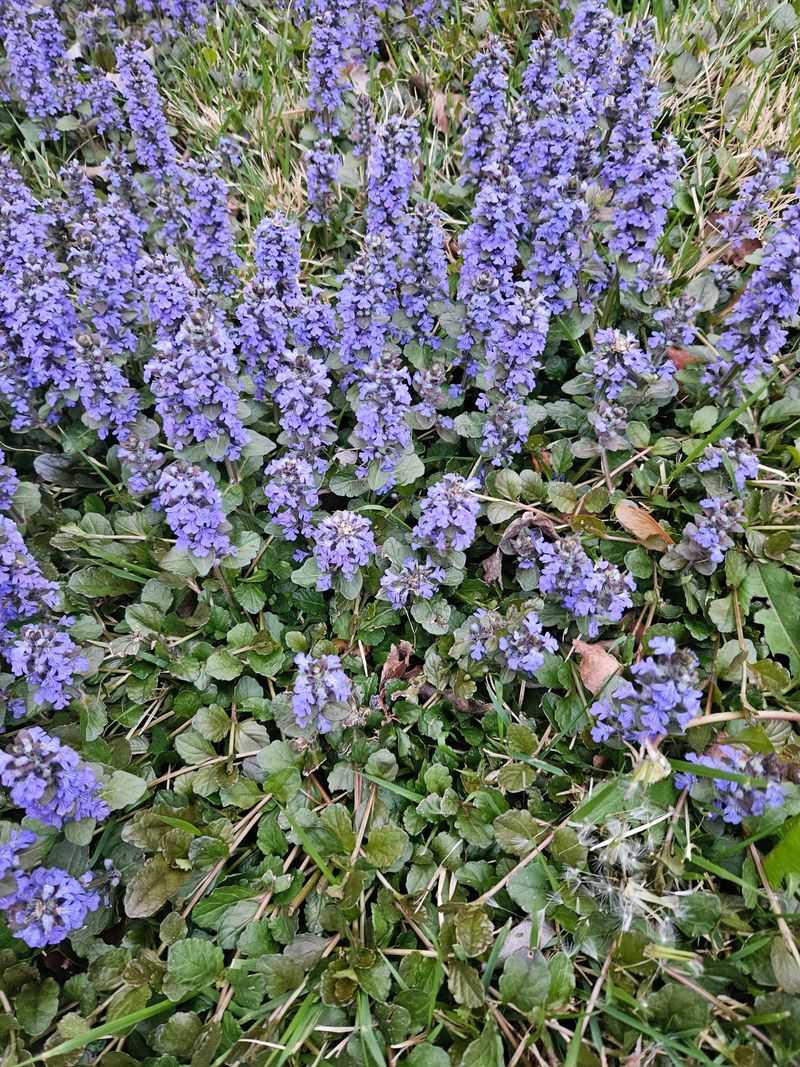
Ajuga is one of those plants that looks almost too good for how easy it is to grow. Also called bugleweed, it spreads quickly across the ground with low, rosette-shaped leaves that often have a dark purple or bronze tint.
In spring, it sends up short spikes of blue or purple flowers that look stunning against the green foliage.
What makes ajuga especially useful under citrus trees is its ability to handle dappled shade without missing a beat.
It does not need full sun to stay healthy, and it can tolerate the dry spells that come with growing under a tree canopy.
Once it gets established, it spreads on its own through runners, filling in bare soil with minimal help from you.
Ajuga is also deer-resistant, which is a nice bonus if you live in an area where deer wander through the yard. It stays low, usually under six inches tall, so it never crowds out your citrus tree or blocks airflow around the trunk.
Just make sure you plant it a few inches away from the base of the tree to avoid any moisture buildup against the bark.
For the best results, plant ajuga in fall or early spring. Give it a good deep watering every week or so until it roots in.
After that, it is mostly self-sufficient and will keep spreading through the seasons on its own schedule.
4. Sweet Woodruff Making Darker Corners Look Fuller
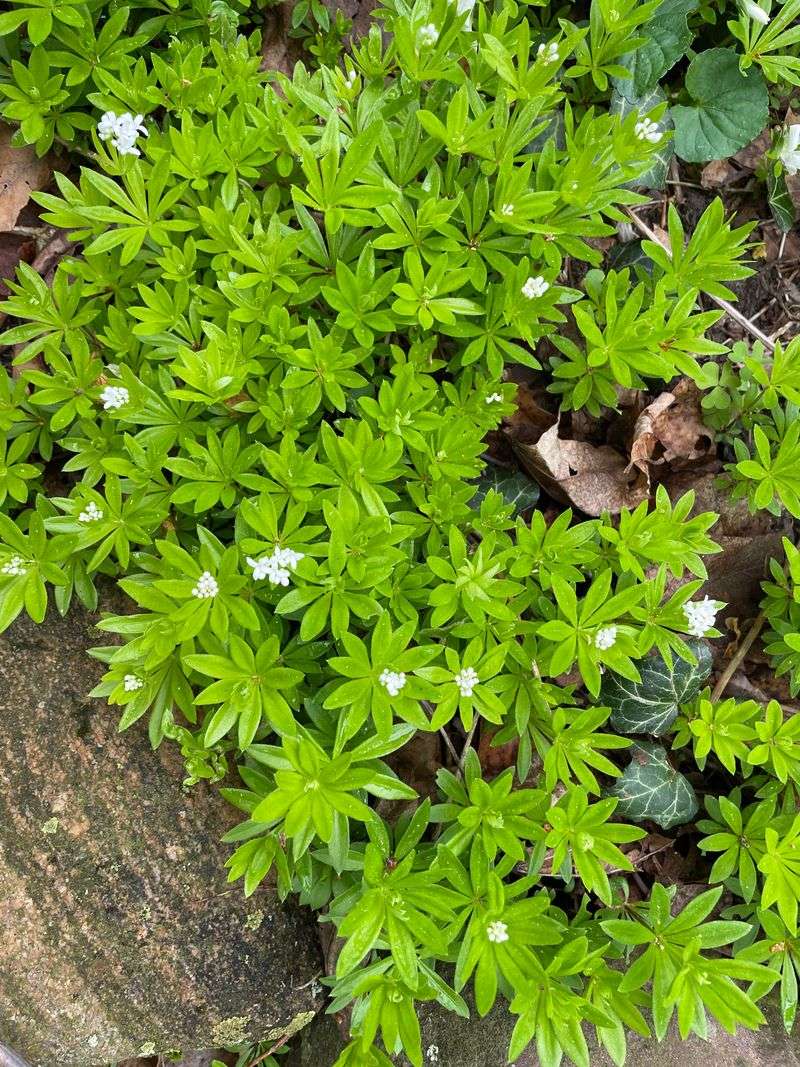
Some plants just have a quiet charm that is hard to explain. Sweet woodruff is one of them.
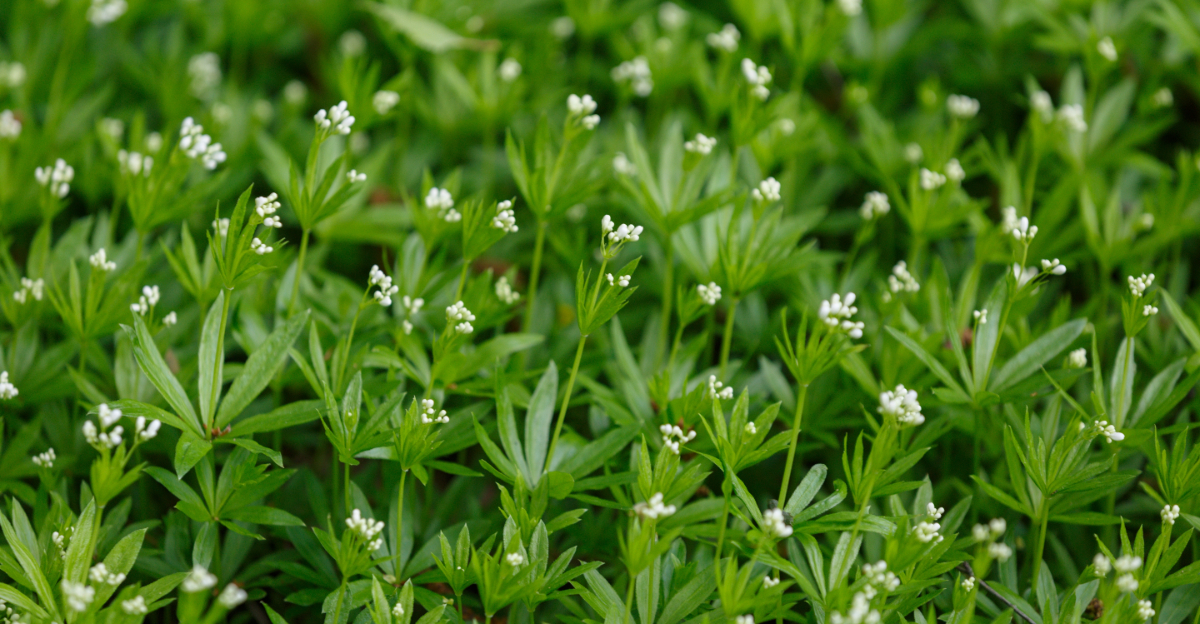
Its star-shaped whorls of bright green leaves create a light, airy texture that fills in shaded ground without looking heavy or overgrown. In late spring, it produces small white flowers that add a delicate touch to the whole look.
This plant genuinely prefers shade, which makes it one of the better choices for the darker corners under a mature citrus canopy.
It grows slowly compared to some other groundcovers, but that steady pace means it stays manageable and does not take over your entire garden bed without warning.
Sweet woodruff has an interesting history worth mentioning. It was traditionally used in Europe to flavor wines and was tucked into linen closets for its pleasant scent.
The dried leaves smell a bit like freshly cut hay, which is a quirky little bonus if you ever trim it back. Not many groundcovers come with that kind of backstory.
In terms of care, sweet woodruff likes consistent moisture, especially during the first growing season. After it establishes, it becomes more drought-tolerant, though it still appreciates occasional deep watering in summer.
It pairs nicely with other shade-tolerant plants and can soften the look of bare soil around the base of citrus trees in a way that feels natural and unforced.
5. Creeping Jenny Brightening Up The Space Beneath Trees
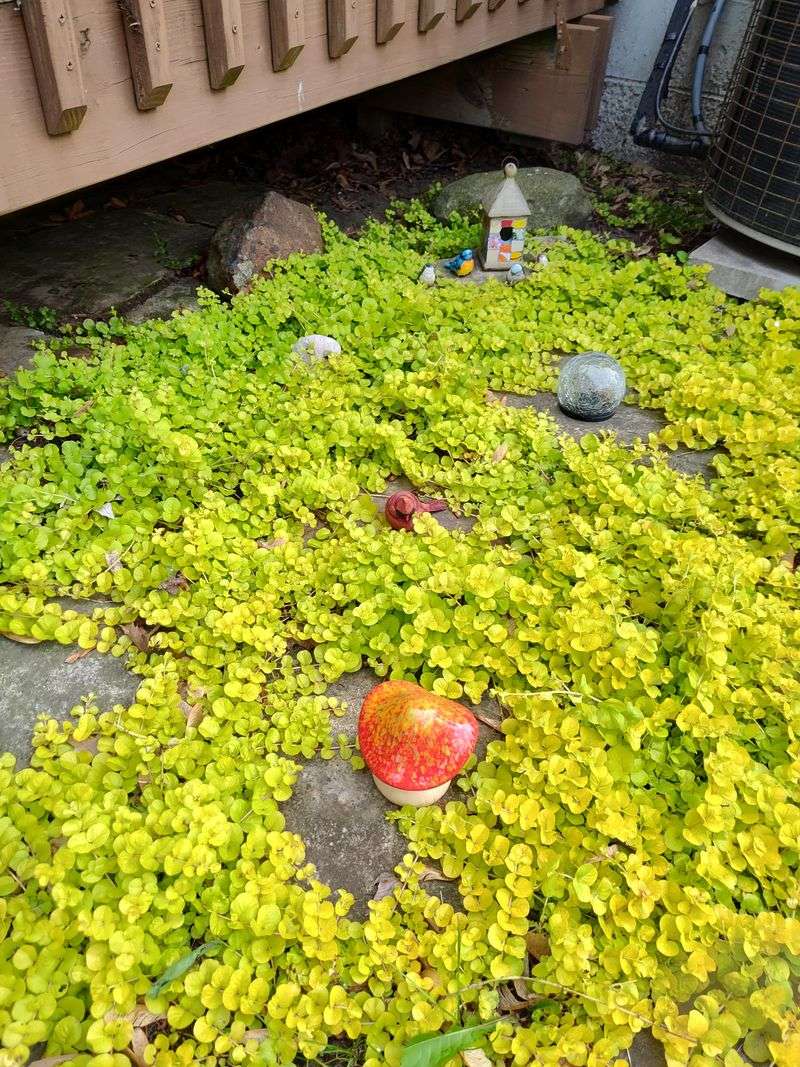
If the space under your citrus tree feels dark and dull, creeping Jenny is one of the quickest ways to fix that.
Its bright chartreuse or golden-green leaves practically glow in shaded spots, adding a pop of color that most groundcovers simply cannot match.
It spreads fast and low, hugging the ground as it moves outward.
Creeping Jenny is a member of the primrose family and grows naturally near streams and moist areas. That background means it likes consistent moisture, so it does best under citrus trees that receive regular irrigation.
If your tree is on a drip system, creeping Jenny will likely thrive right alongside it without much extra effort.
The trailing stems root wherever they touch soil, which helps it spread quickly and fill in bare patches in a hurry.
This is great for covering ground fast, but it does mean you should keep an eye on it near garden edges so it does not wander into places you do not want it.
A simple edge trim now and then keeps it in check without much hassle.
Creeping Jenny handles light to moderate shade well. It will not look its best in deep, total darkness, but the filtered light under most citrus canopies is just right.
The golden-leafed variety tends to hold its color better in partial shade than in full sun, making it a smart pick for exactly this kind of spot.
6. Wild Strawberry Spreading Into A Low Green Carpet
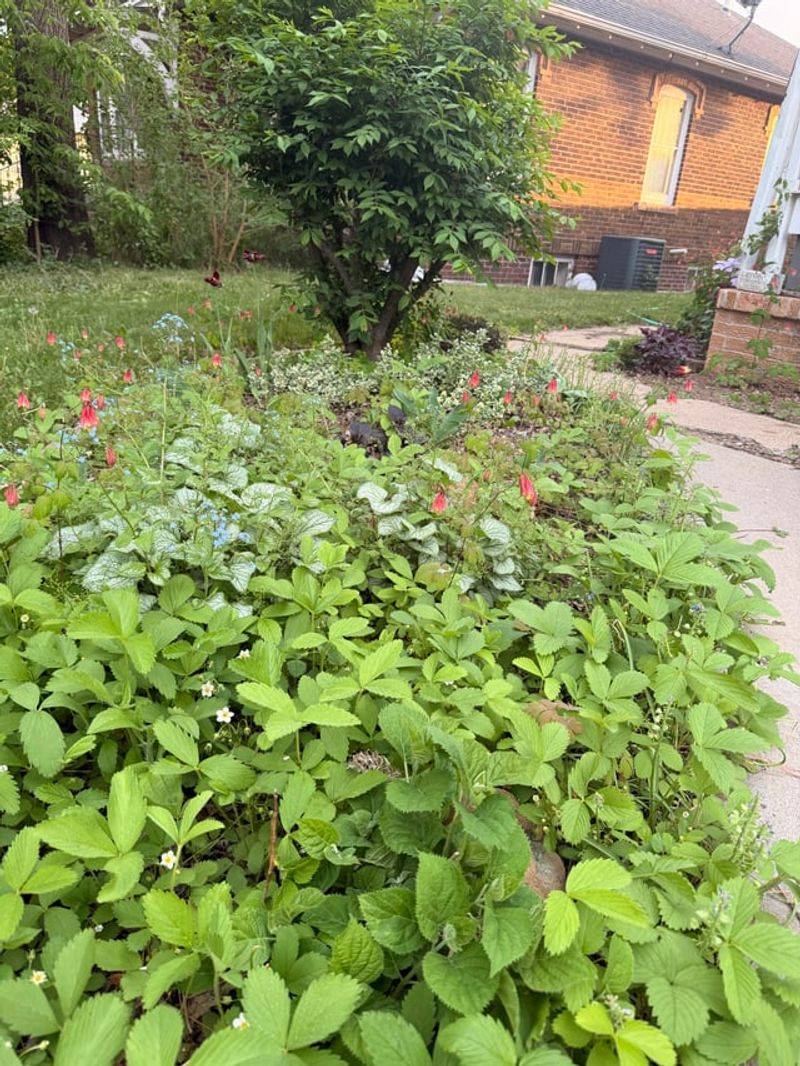
This is one of those plants that does double duty without even trying. It looks great as a groundcover, spreading low across the soil with bright green, trifoliate leaves.
And as a bonus, it occasionally produces tiny red strawberries that birds and wildlife absolutely love. That kind of built-in ecosystem appeal is hard to beat.
It handles shade better than most people expect. Under a citrus canopy, wild strawberry spreads through runners called stolons, rooting into the soil as it goes.
Within one growing season, a few starter plants can cover a surprisingly large patch of ground. The growth is steady but not out of control, which makes it easier to manage than some faster-spreading options.
Watering needs are moderate. Wild strawberry prefers soil that does not stay bone dry for weeks at a time, but it does not want to sit in soggy ground either.
The well-drained soil typical of most citrus beds suits it well. A layer of mulch between plants when they are young helps keep moisture in until the groundcover fills in on its own.
One thing California gardeners appreciate about wild strawberry is that it stays evergreen in mild climates. That means your citrus bed looks tidy and green even through winter, which is exactly what you want from a groundcover.
It also tolerates light foot traffic, so it works well in spaces where people occasionally walk through the garden.
7. Violas Filling Bare Soil With Color And Foliage
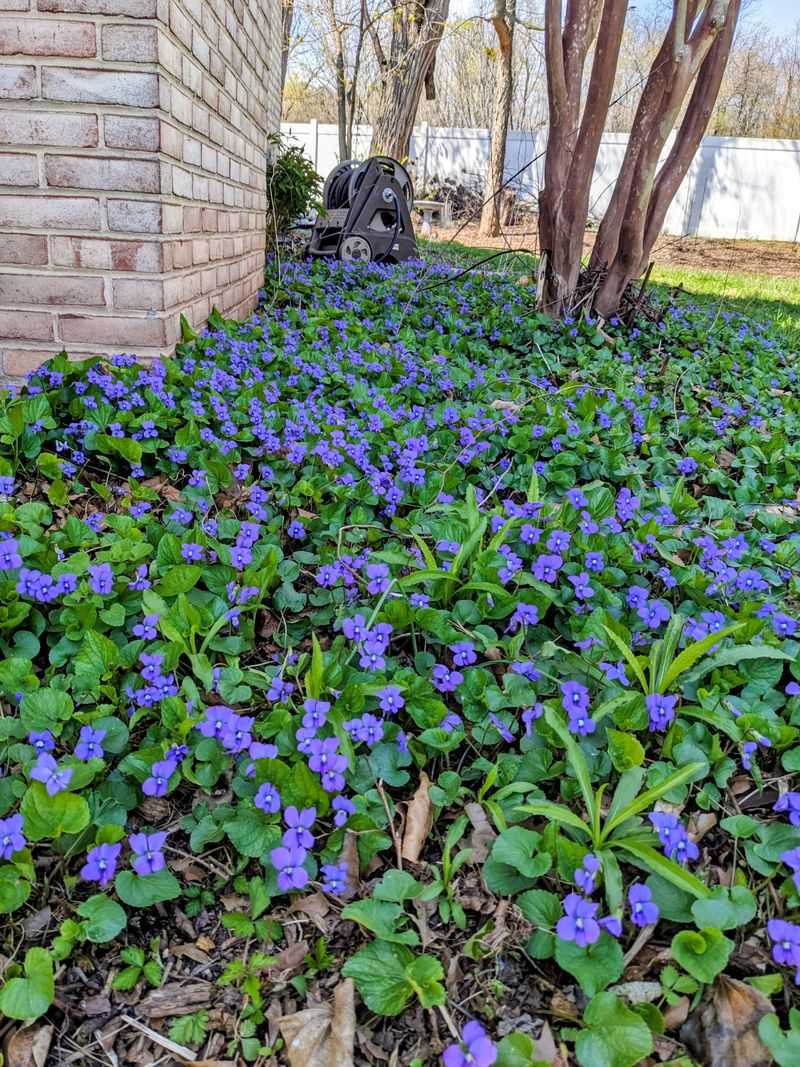
Not every groundcover has to be purely green. Violas bring actual color into the mix, with cheerful flowers in shades of purple, yellow, white, and bi-color combinations that brighten up shaded spaces under citrus trees.
They are low-growing, compact, and fill in bare soil nicely when planted in groups.
Violas are cool-season plants, which means they shine in fall, winter, and early spring when many other groundcovers slow down. In mild climates, they can stay in bloom for months at a time.
That long flowering window makes them especially valuable in citrus beds where you want something attractive during the cooler parts of the year.
They are also surprisingly easy to grow. Violas tolerate a fair amount of shade and do not need rich soil to perform well.
They self-seed readily, which means once you plant them, they often come back on their own the following season without any extra effort from you. That kind of low-maintenance return is always a welcome quality in a groundcover.
Spacing is pretty forgiving with violas. Plant them about six to eight inches apart, and they will fill in the gaps as the season progresses.
Cutting spent flowers encourages more blooms, but even if you skip that step, they keep producing flowers at a steady pace.
For a shaded citrus bed that needs both foliage coverage and a touch of color, violas are a reliable and cheerful option.
8. Liriope Keeping Citrus Beds Neat Year-Round
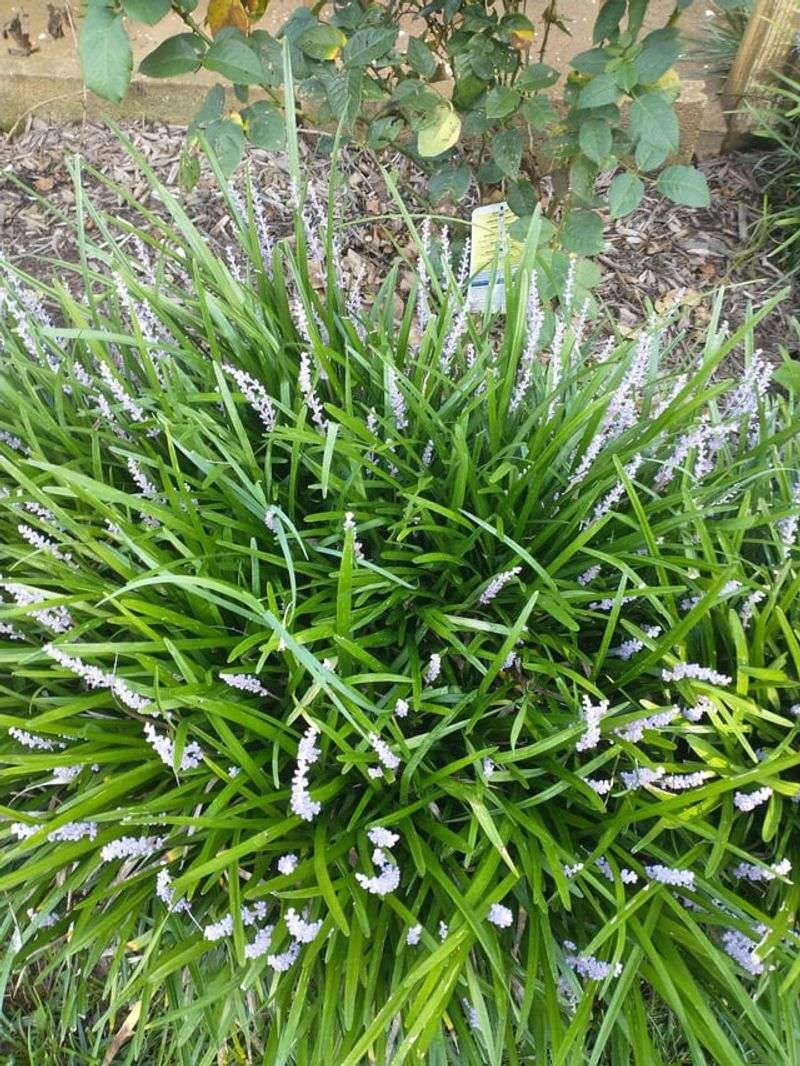
Liriope has a reputation for being nearly indestructible, and honestly, that reputation is well earned.
Also known as lilyturf, it forms neat, grass-like clumps with deep green leaves that hold their color through heat, drought, and shade.
Under a citrus tree, it gives the whole bed a clean, structured look that stays tidy without much maintenance.
One of the best things about liriope is how adaptable it is. It grows in full sun, partial shade, and even fairly deep shade without complaining.
That flexibility makes it a go-to choice for citrus beds where light levels can vary depending on the time of day or the density of the canopy above.
In late summer, liriope sends up spikes of small purple or white flowers that add a seasonal touch of interest. After the flowers fade, dark berries appear, which some birds find attractive.
It is a nice little bonus that makes the plant feel like more than just a space filler.
Liriope is also drought-tolerant once established, which is a significant advantage under a citrus tree where root competition can make the soil dry out faster than usual.
It rarely needs dividing, but when clumps get very large after several years, splitting them up is easy and gives you free plants to spread to other areas of the garden.
Few groundcovers offer this level of reliability with this little effort required.
9. Mondo Grass Staying Tidy Beneath Dense Canopies
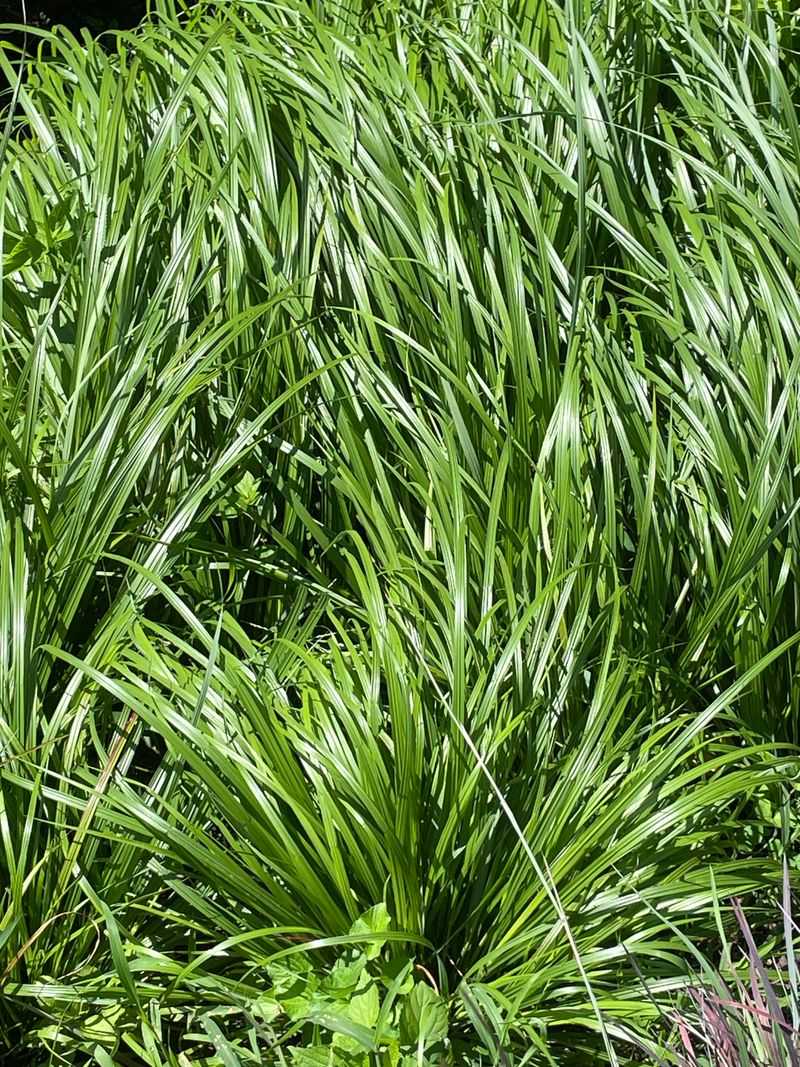
Mondo grass has a sleek, almost architectural quality that makes it stand out among groundcovers. Its thin, dark green leaves form tight, low clumps that look intentional and polished without any real effort on your part.
Under a dense citrus canopy where light is limited, mondo grass holds its own in a way that most plants simply cannot.
There are a few varieties worth knowing about. Regular mondo grass grows about six to ten inches tall.
Dwarf mondo grass stays even shorter, around two to four inches, making it an excellent choice if you want something that looks almost like a dark green moss from a distance.
Black mondo grass is another option, with nearly black foliage that adds a dramatic, modern contrast to a garden bed.
Mondo grass is one of the most shade-tolerant groundcovers available. It actually prefers not to be in full sun, so the filtered light under a citrus tree suits it perfectly.
It spreads slowly through underground runners, gradually filling in bare spots over the course of a few seasons. Patience pays off with this one.
Watering needs are modest. Once established, mondo grass handles dry periods reasonably well, though it appreciates occasional deep watering during long hot stretches.
It rarely needs trimming and stays neat season after season. For a low-maintenance, high-impact groundcover under a dense citrus canopy, it is genuinely hard to top.
10. Lamium Bringing Silver-Green Foliage To Dry Shade
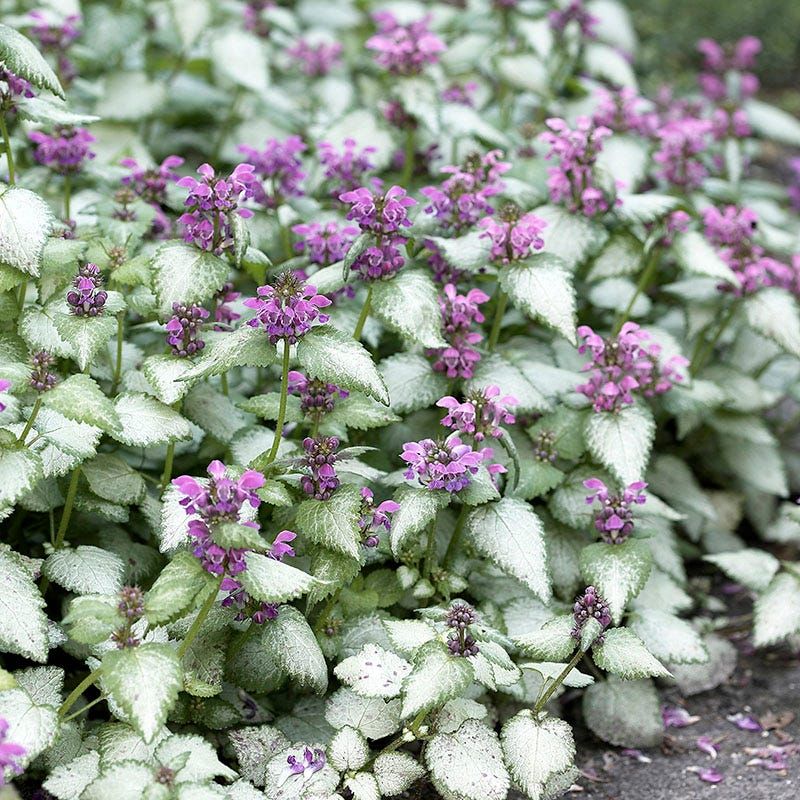
Dry shade is one of the toughest conditions in any garden, and lamium is one of the few plants that genuinely thrives in it.
Also called spotted nettle, it features striking silver and green patterned leaves that brighten up dark, dry areas in a way that solid green plants simply cannot.
It looks like it belongs in a designer garden but requires almost no effort to grow.
The silvery markings on lamium leaves are not just decorative. They actually help the plant reflect light, which is one reason it performs so well in low-light conditions.
Under a mature citrus canopy where sunlight barely filters through, those bright leaves make the whole space feel lighter and more open.
Lamium spreads at a moderate pace through trailing stems that root where they touch the ground. It stays low, usually under twelve inches tall, and never gets aggressive enough to become a real problem.
In spring, it produces small clusters of pink, purple, or white flowers that add a soft seasonal touch to the foliage display.
Drought tolerance is where lamium really earns its place on this list. Once it settles in, it can handle the dry soil conditions common under citrus trees without much supplemental watering.
A light trim after flowering encourages fresh growth and keeps it looking neat. For shaded, dry spots that seem impossible to plant, lamium is genuinely one of the smartest choices you can make.