Why California Meyer Lemons Stay Green Longer Than Gardeners Expect
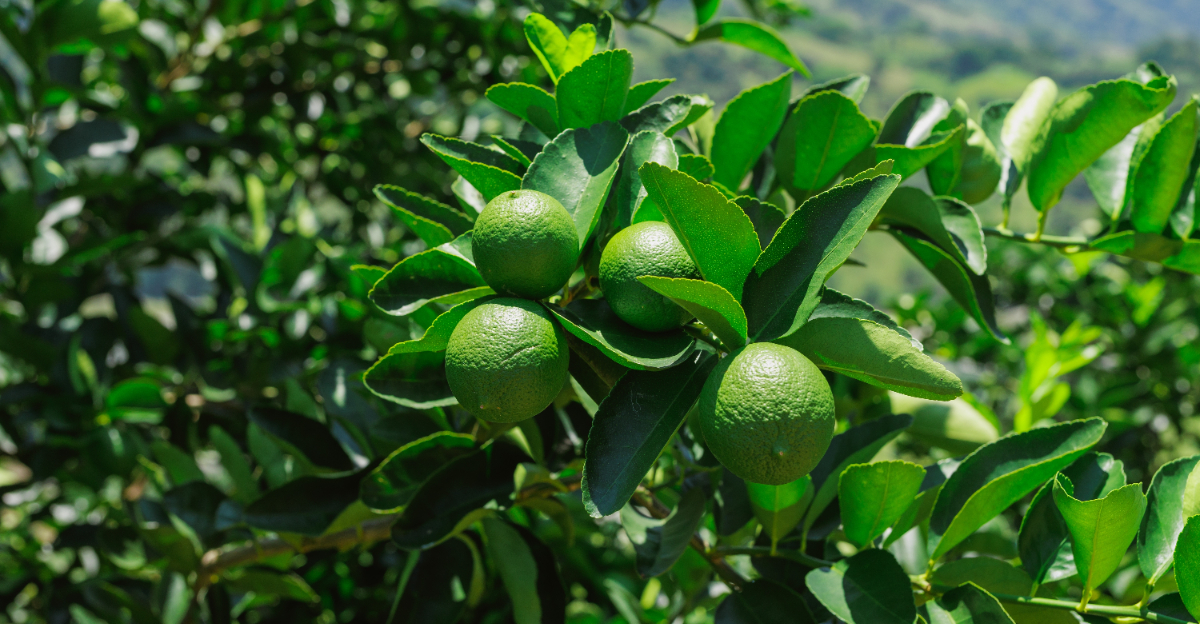
Waiting for a Meyer lemon to turn bright yellow can test your patience. The fruit may look full-sized and perfectly healthy, yet stubbornly hold onto its green color while you start wondering if something has gone wrong.
In California, that slow color change is often tied to the season more than the fruit itself.
Warm conditions can keep the peel greener even as the lemon continues developing inside, which makes appearance a surprisingly unreliable clue.
That is why some fruit seems to sit on the tree forever before finally changing color. The frustrating part is not knowing if you should pick it, leave it alone, or assume the tree needs help.
Before judging ripeness by the peel alone, it helps to understand why Meyer lemons can take their time and what signs matter more than color.
1. Warm Weather Slowing Down That Yellow Color
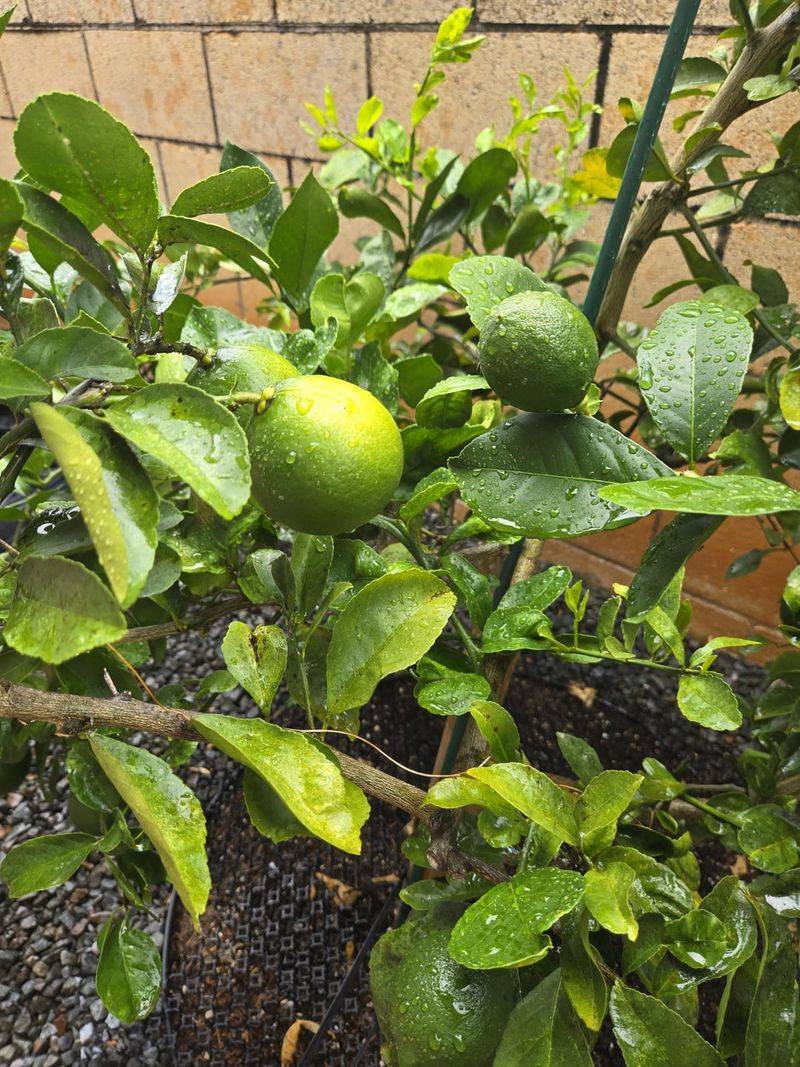
Hot weather has a sneaky way of keeping lemons looking green even when they are nearly ripe.
Most gardeners do not realize that high temperatures actually slow down the breakdown of chlorophyll in the peel.
Chlorophyll is the green pigment that keeps leaves and fruit skin looking green. When it breaks down, yellow color takes over. But in warm weather, that process stalls.
Citrus trees in general need a certain level of temperature drop to trigger color change. When daytime highs stay above 85 degrees Fahrenheit for weeks at a time, the peel holds onto its green color stubbornly.
The fruit inside can be perfectly sweet and juicy while the outside still looks unripe. This catches a lot of growers off guard, especially during long summer stretches.
Warm climates like those found across much of California mean lemons may stay green well into fall. The good news is that color is not the only sign of ripeness.
You can gently squeeze the fruit to check for a slight give, which signals good juice content inside. Paying attention to size is also helpful.
Once the lemon reaches a good size and feels heavy for its size, it is worth tasting one even if the skin is still mostly green. Warm weather is not ruining your harvest, it is just slowing down the visual cue you are used to relying on.
2. Green Skin Does Not Always Mean An Unripe Lemon
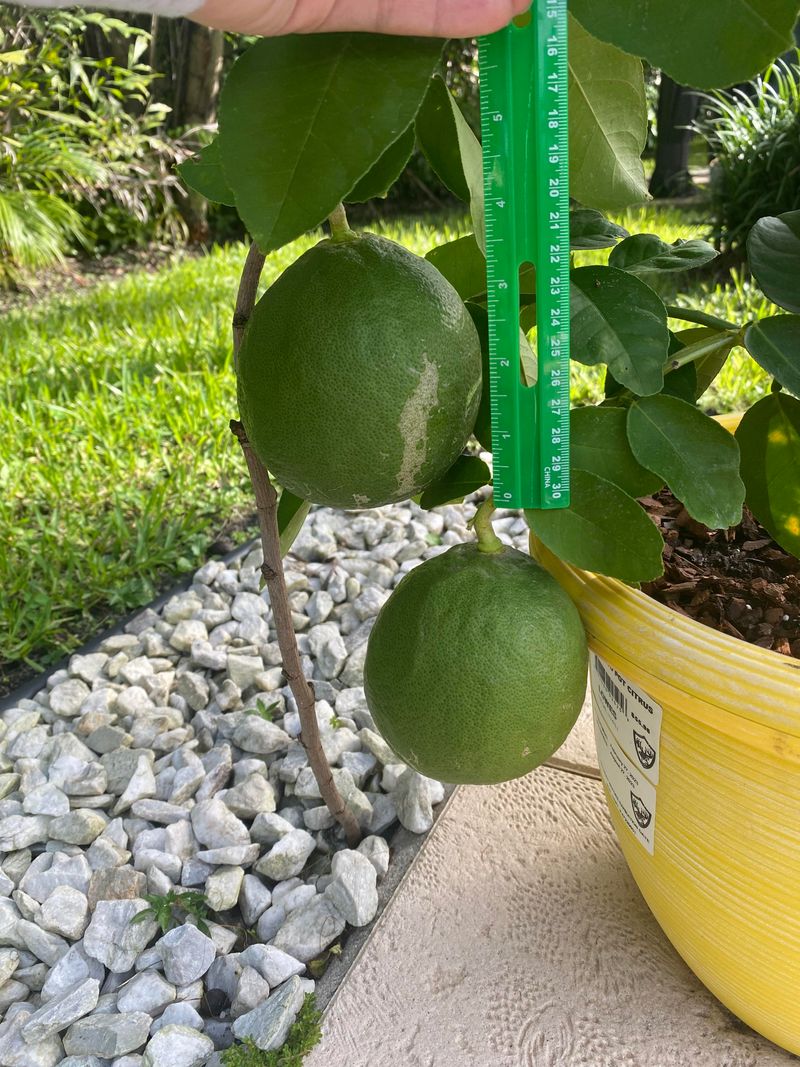
A green lemon is not automatically an unripe lemon. This is one of the biggest misconceptions in home citrus growing, and it causes people to leave perfectly good fruit on the tree for too long.
Meyer lemons, in particular, can be fully ripe and ready to eat while still wearing a mostly green coat.
The color of the skin is tied to chlorophyll levels, which respond to temperature more than to ripeness. The inside of the fruit matures on its own timeline, separate from what the outside looks like.
So while the peel may still be green, the juice inside could already be sweet, fragrant, and full of flavor. Cutting one open is always the most honest test.
Your California Garden Changes Every Week. Your Plan Should Too.
Gardening in California changes quickly throughout the season. Every Friday you’ll receive a simple weekly plan showing exactly what to plant, prune, fertilize, harvest, and protect so you never miss the right timing.
Experienced California growers often rely on smell as much as sight. A ripe Meyer lemon gives off a sweet, floral scent even before it turns fully yellow.
Pressing gently on the skin and feeling a small amount of softness is another good clue. The skin also tends to thin out slightly as the fruit matures, making it feel less firm and more pliable.
Try picking one green lemon from your tree and tasting it. You might be surprised to find it is already delicious.
Trusting only color can lead to over-ripening or missing the best harvest window entirely.
3. Cooler Nights Help Meyer Lemons Color Up
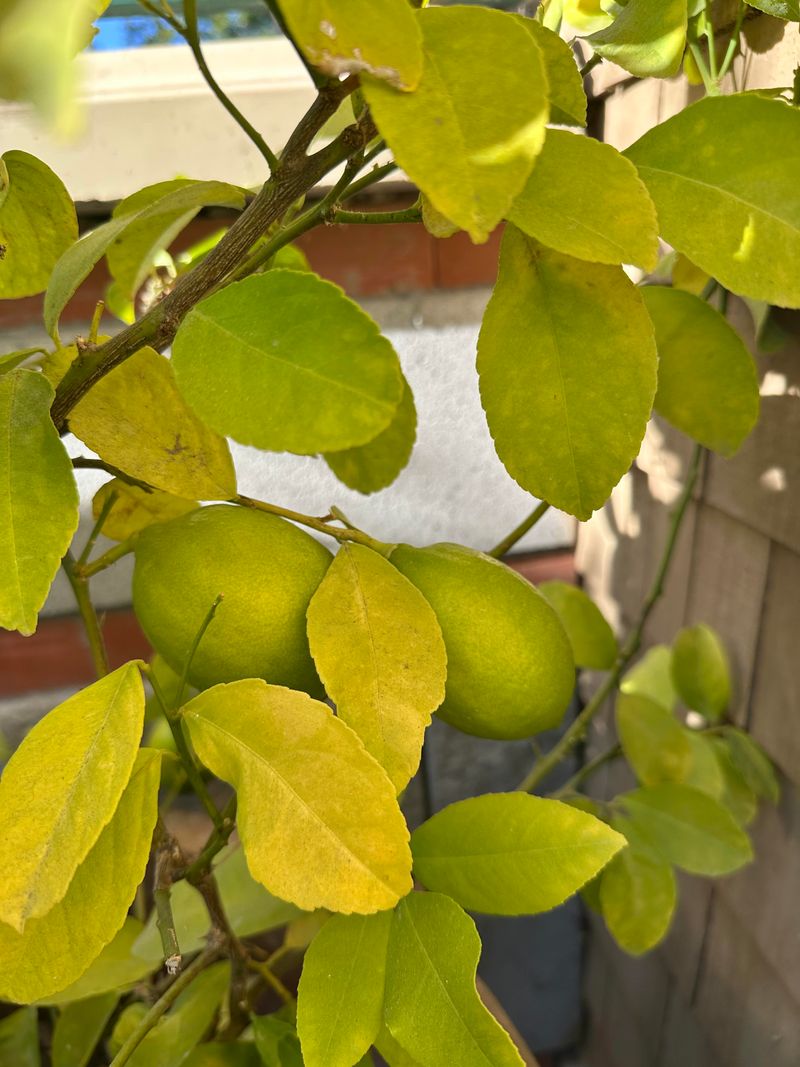
Here is something that surprises most new growers: Meyer lemons need cool nights to turn yellow. Temperature swings between day and night are what trigger the color change process in citrus fruit.
When nights stay warm, the peel holds its green color longer. When temperatures drop in the evening, chlorophyll breaks down faster and yellow pigments finally show through.
This is why you often notice lemons starting to color up in the fall rather than during the height of summer. As nights get cooler, usually dropping below 60 degrees Fahrenheit, the tree begins responding.
The fruit that has been quietly maturing through the warm months suddenly starts to look more like what you expect a lemon to look like. It can feel like the tree woke up overnight.
Gardeners who grow their trees in containers have a small advantage here. You can move a potted tree to a cooler spot in the evening, like a shaded patio or garage doorway, to help encourage color development.
For in-ground trees, there is not much you can do except wait for the season to shift. Patience is the real skill here.
Once those cooler nights arrive consistently, the color change tends to happen fairly quickly.
Within a few weeks of regular cool evenings, you may see your tree go from mostly green to beautifully golden all at once.
4. Fruit Can Be Ready Before It Looks Ready
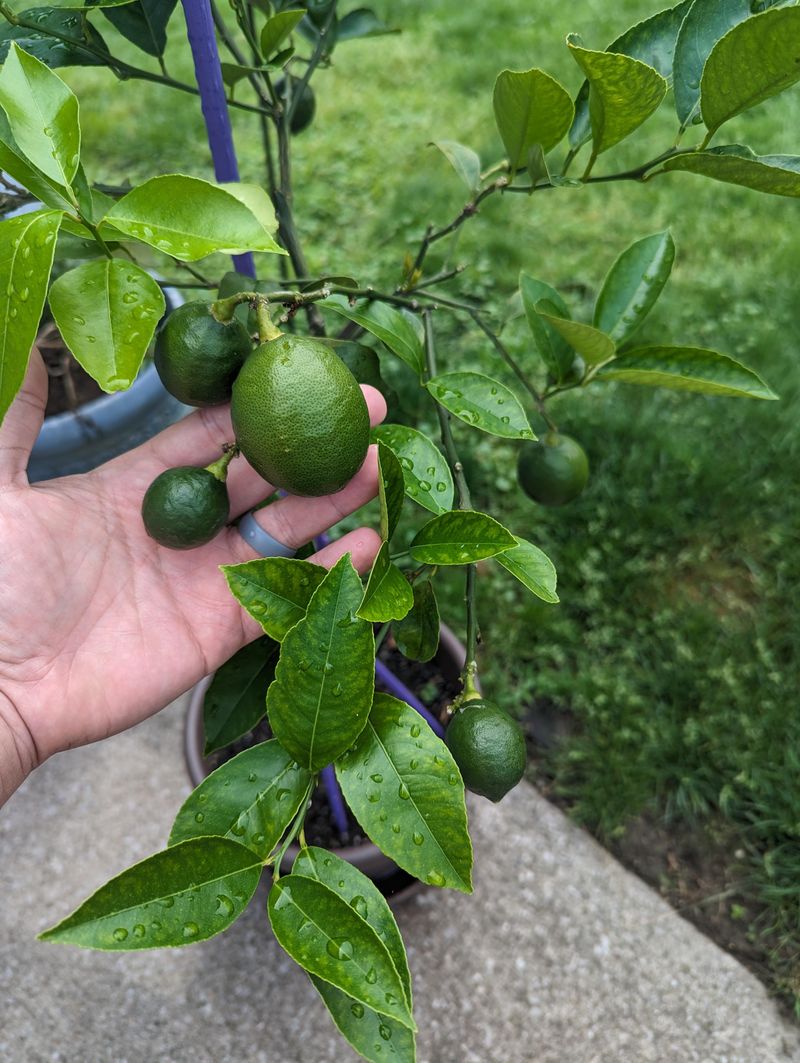
One of the most practical lessons in growing Meyer lemons is learning to trust your hands more than your eyes. Plenty of green lemons hanging on the tree are completely ripe and ready to pick.
Waiting for full yellow color can actually cause you to miss the best flavor window on some fruit.
The squeeze test is simple and reliable. Hold the lemon gently and press with your fingers.
A ripe lemon will give just slightly under pressure, not feel rock hard. A very soft lemon may be past its prime.
That sweet spot in the middle is what you are aiming for. Weight also matters. A ripe lemon feels heavier than it looks because it is full of juice.
Smell is another trustworthy signal. Lean in close to a lemon on the tree and take a sniff near the stem end.
A ripe Meyer lemon releases a sweet, almost honey-like citrus aroma even before the peel turns yellow. If it smells bright and fragrant, it is likely ready.
Many seasoned growers harvest their first test lemon when it reaches full size and passes the squeeze and smell tests, regardless of color. Slicing it open gives you the final answer.
Juice that tastes balanced, sweet, and slightly tart means the fruit is at its peak. Do not let the green peel fool you into waiting too long.
5. Sun Exposure Changes How Fast The Peel Turns Yellow
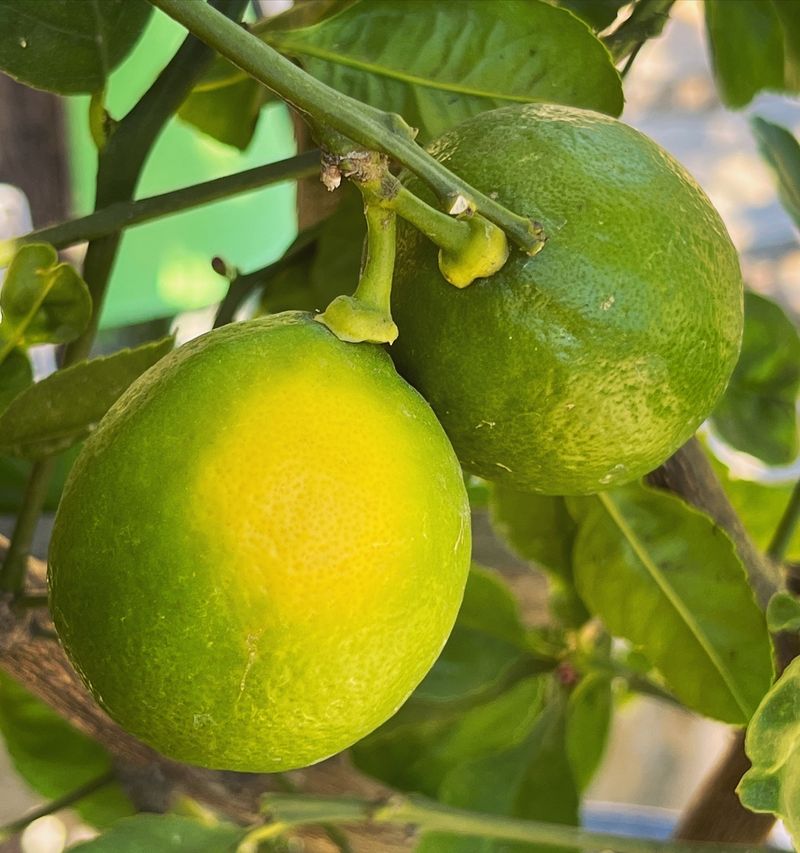
Not all lemons on the same tree get the same amount of sunlight. Fruit hanging on the outer branches soaks up more direct rays, while lemons tucked inside the canopy stay shaded for most of the day.
This difference in sun exposure directly affects how quickly the peel changes from green to yellow.
Lemons that receive more sunlight tend to color up faster. The warmth and light help speed up the breakdown of chlorophyll in the skin.
Shaded fruit takes longer, sometimes weeks longer, even if the interior is just as ripe. This is why you might notice your tree looking like it has lemons at totally different stages of ripeness at the same time.
Good pruning practices can help with this. Opening up the canopy by removing crowded branches allows more light to reach fruit throughout the tree.
This leads to more even ripening and better color development across all the fruit, not just the ones on the outside.
If you are growing a tree in a spot with limited sunlight, expect the color change process to take even longer overall.
South-facing walls and fences reflect extra heat and light onto nearby trees, which can help speed things up a bit.
Rotating a container tree every couple of weeks also ensures all sides of the plant get fair sun exposure and the lemons color more evenly.
6. Late-Summer Heat Can Keep Lemons Looking Green
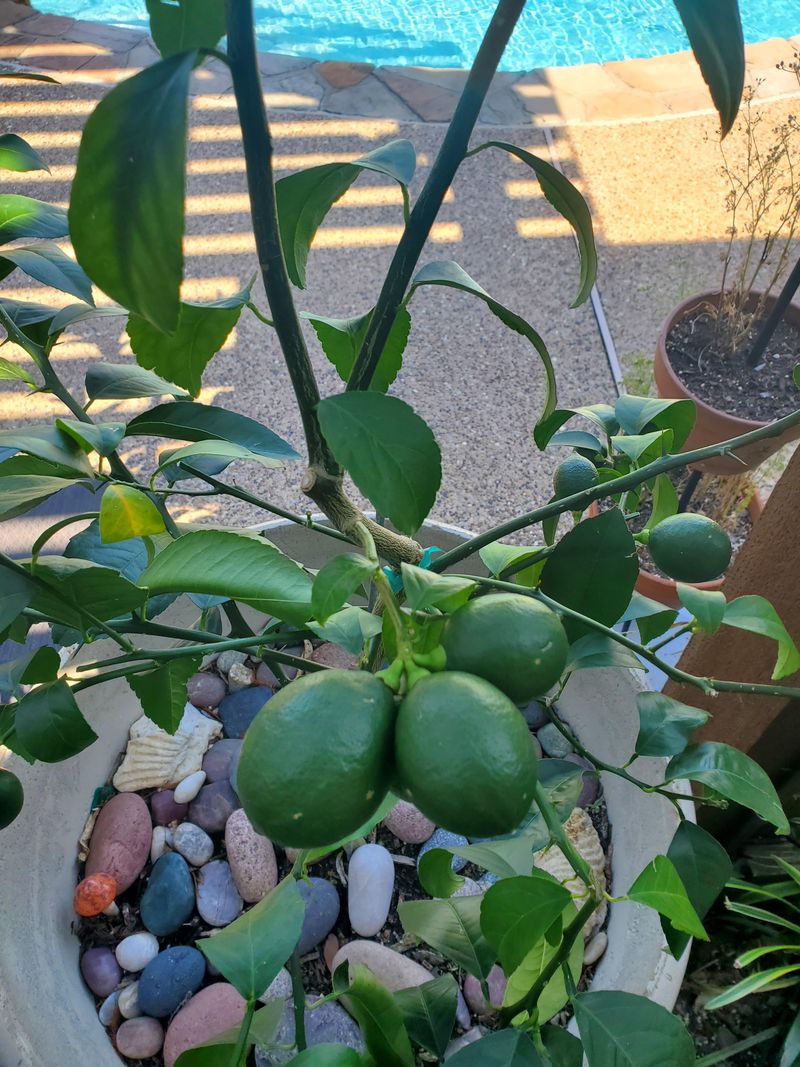
Late summer is often the most confusing time for Meyer lemon growers. The fruit has been growing for months, it looks full-sized, and yet it stubbornly stays green.
The reason is almost always the heat. Late-summer temperatures are frequently the hottest of the year, and that heat keeps the peel from transitioning to yellow.
During this time, the fruit is often doing a lot of internal work. Sugar levels are building, juice content is increasing, and flavor is developing.
The inside is getting better every week, even though the outside shows no sign of it. This is actually a good thing.
It means your lemons are quietly getting more delicious without you realizing it.
The best approach during a late-summer heat stretch is to stay patient and keep the tree healthy.
Make sure it gets consistent watering, since drought stress during fruit development can hurt flavor and cause the skin to become tough or uneven.
A layer of mulch around the base of the tree helps hold moisture in the soil and keeps roots cooler. Avoid heavy fertilizing during the hottest weeks, as pushing new growth during extreme heat can stress the tree.
Once temperatures begin to ease in early fall, you will likely see the peel start shifting color quickly. The wait during those hot weeks is worth it because the flavor reward at the end is excellent.
7. Size And Softness Matter More Than Color Alone
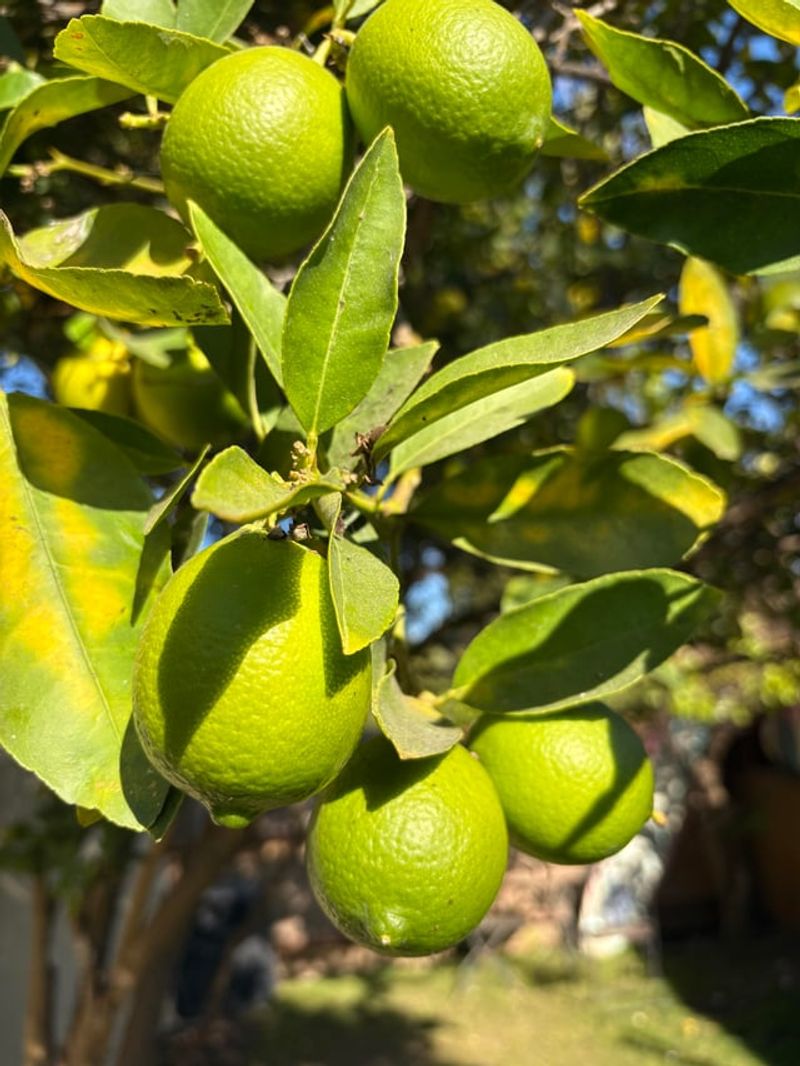
Color gets all the attention, but size and softness are actually better guides to picking ripe Meyer lemons.
A lemon that has reached its full expected size and has a slight softness to the skin is very likely ripe, even if it is still mostly green.
Relying only on color means you will often miss the right harvest window.
Full-size Meyer lemons are typically about two to three inches in diameter, a bit smaller than a navel orange but rounder than a standard grocery store lemon. Once your fruit reaches that size range, start doing daily checks.
Press gently on the skin each time you pass by the tree. When it stops feeling like a rubber ball and starts feeling like it has a tiny bit of give, that is your green light to pick.
Softness should not be confused with mushiness. A lemon that feels very soft or squishy has likely been on the tree too long and may have dried out inside.
The ideal texture is firm but with just a slight flex when pressed. Think of it like checking a ripe avocado, you want resistance with a hint of give.
Lemons left on the tree too long can also develop thick, spongy skin that reduces juice content.
Checking size and softness together gives you a much more accurate picture of ripeness than waiting for a color change that may never fully arrive during warm weather.
8. Some Meyer Lemons Ripen Unevenly On The Same Tree
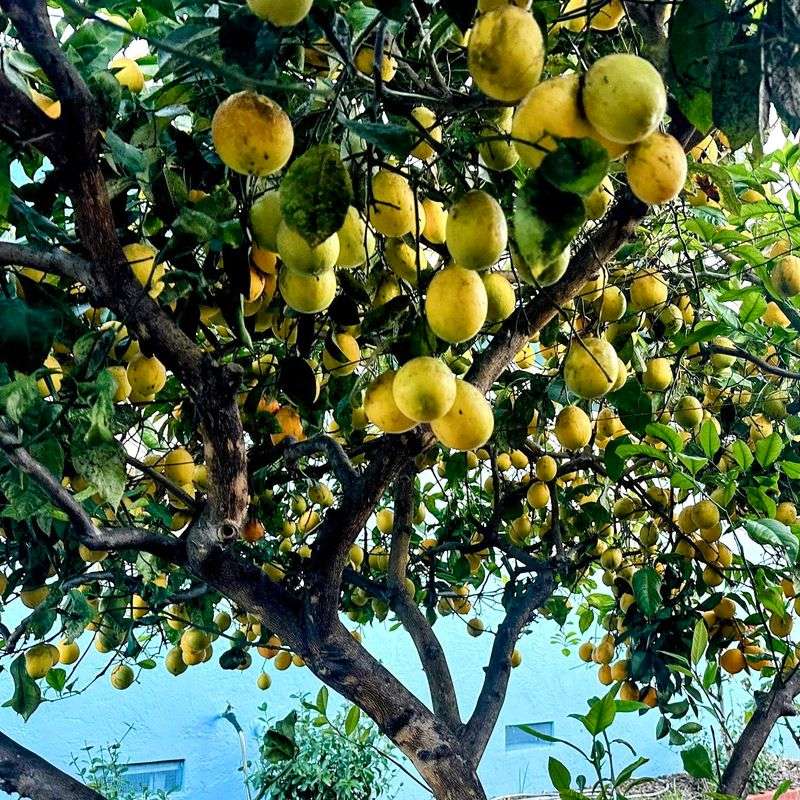
Walk up to almost any Meyer lemon tree in mid-season and you will likely see something that looks a little chaotic. Some fruit is bright yellow, some is half-green and half-yellow, and some is still completely green.
This uneven ripening is totally normal and happens for a handful of reasons that all make sense once you know what to look for.
Position on the tree is a big factor. Fruit on the sunny south side of the tree gets more heat and light, so it colors up first.
Fruit on the shaded north side or tucked deep in the canopy ripens more slowly. Age of the fruit matters too.
Meyer lemon trees often bloom in waves, which means fruit set at different times is naturally at different stages of development all at once.
This staggered ripening is actually a benefit for home growers. Instead of having every lemon ready at the same time and scrambling to use them all, you get a rolling harvest that can stretch over several weeks or even months.
Pick the lemons that pass the size, softness, and smell tests first, and leave the others to keep developing. Check the tree every few days rather than doing one big harvest.
Southern California growers especially enjoy this extended season since mild winters allow fruit to stay on the tree in good condition for a long time.
Staggered picking keeps the fruit fresh and lets you enjoy homegrown lemons for as long as possible.