Georgia Plants That Draw In Dragonflies And Cut Down Mosquitoes This August
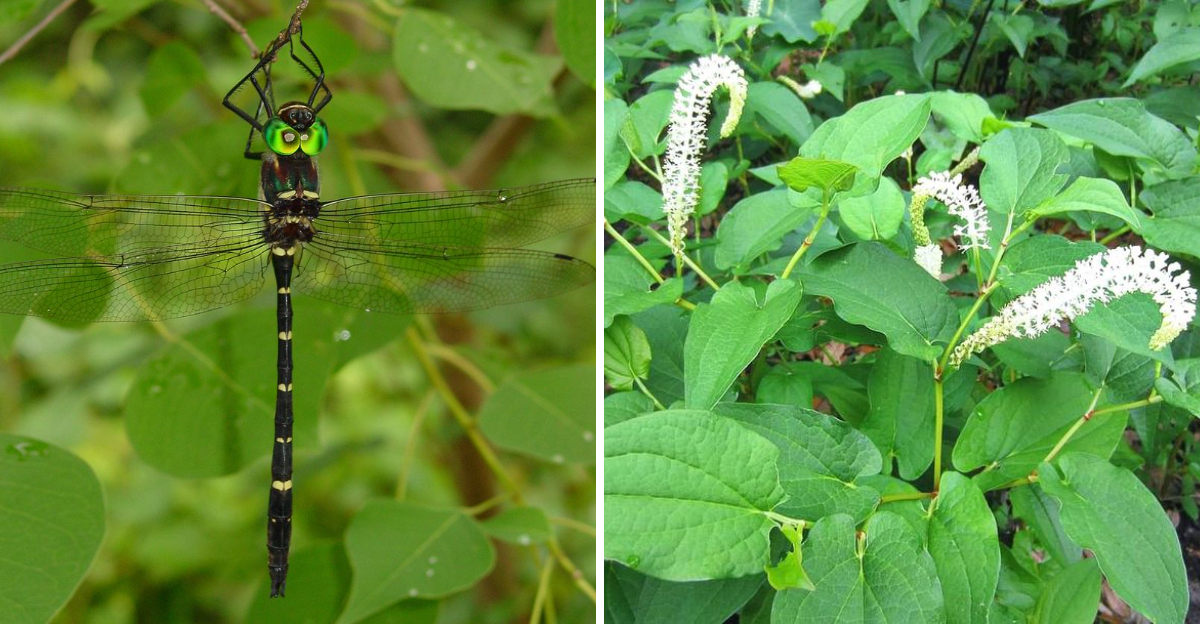
If mosquitoes are making your August evenings less enjoyable, your garden may have room for a fascinating natural predator. Dragonflies can make those warm outdoor hours much more interesting.
These fast-flying hunters feed on mosquitoes and other small insects throughout their adult lives. In Georgia, the right garden conditions can make your yard more welcoming to them.
Plants matter because dragonflies need more than open air for hunting. Certain choices can provide useful places for resting, perching, and staying near water.
Before filling your garden with new greenery, think about how each plant fits the habitat. A thoughtful setup can offer more value than simply adding extra flowers.
You may already have a few features that work in your favor.
With the right plants nearby, your yard can become a much better stop for dragonflies.
1. Pickerelweed Brings Color To Sunny Water Gardens
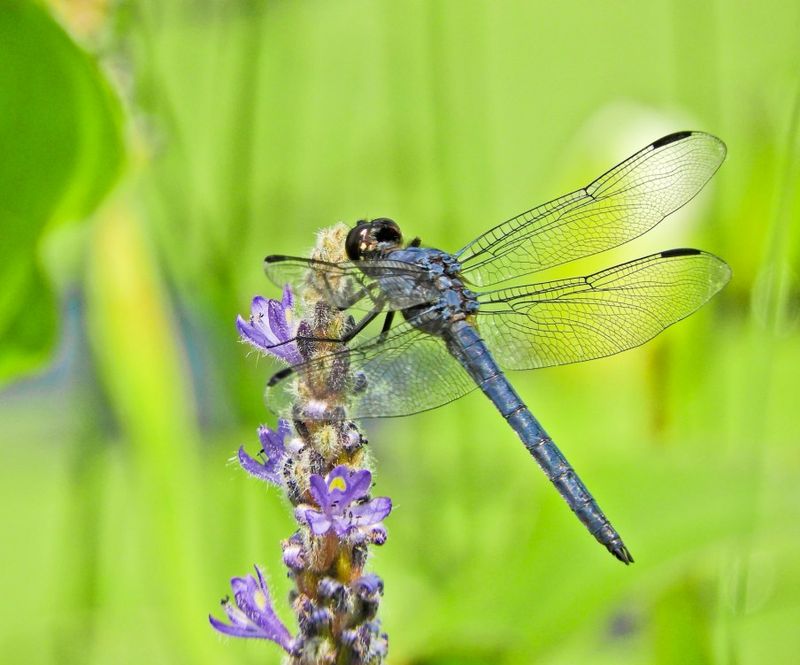
Purple flower spikes rising straight out of the water make pickerelweed one of the most recognizable native aquatic plants you can grow. It blooms heavily in summer, and August is right in the middle of its peak flowering period.
Dragonflies use the sturdy stems as perches between hunts.
Pickerelweed grows in shallow water, usually between two and eighteen inches deep. It spreads slowly through rhizomes, so it tends to stay manageable in smaller water gardens.
Plant it along the edges of a backyard pond where it gets at least six hours of direct sun each day.
Dragonfly nymphs live underwater for months before emerging as adults. Pickerelweed stems and roots give those nymphs places to cling and develop.
Having this plant in your water feature supports dragonflies at every stage of their life cycle, not just when they are adults flying around.
Pollinators like bees and butterflies also visit the flowers regularly. So beyond dragonfly support, you get extra wildlife activity throughout the season.
It is a hard-working plant that earns its space in any sunny water garden in the Southeast.
These dense stems can also create a more natural transition between open water and the rest of your garden.
Once established, pickerelweed brings lasting structure and seasonal color without making the pond feel overcrowded.
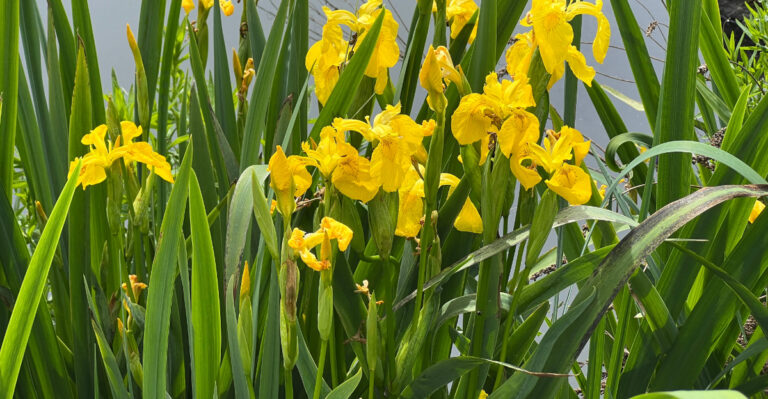
2. Blue Flag Iris Thrives Along Pond Edges
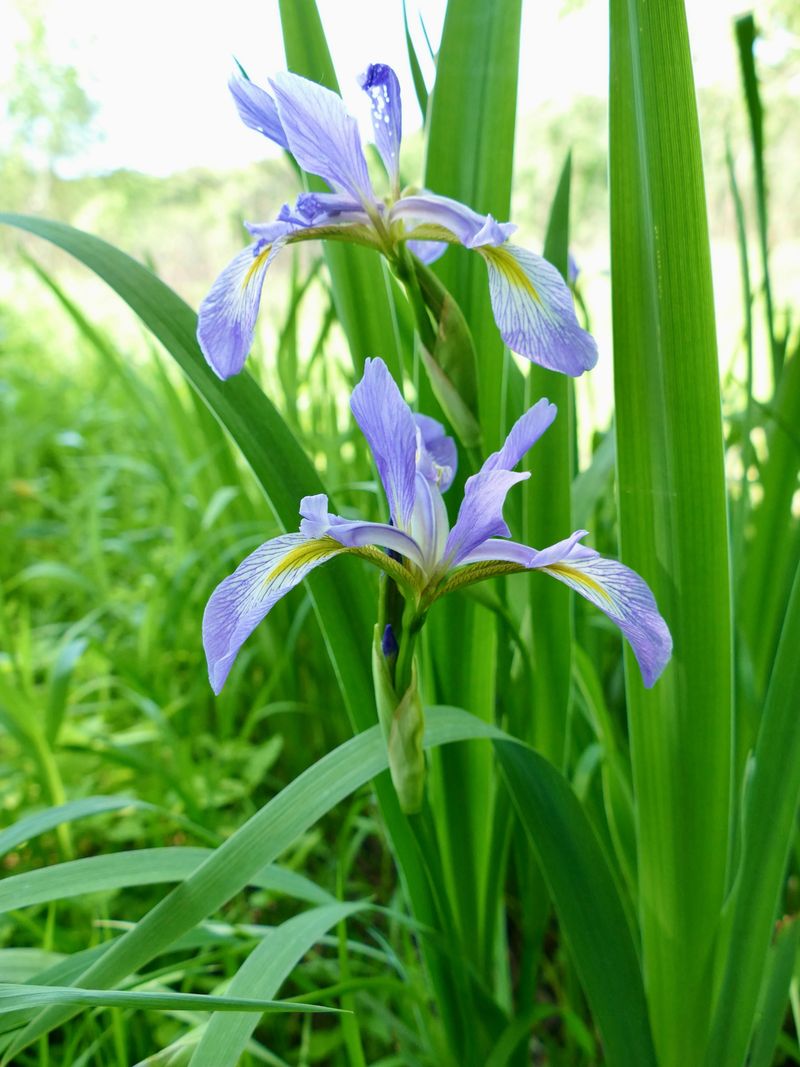
Few native plants are as striking as blue flag iris when it blooms near water. Tall, sword-like leaves and deep violet-blue flowers make it stand out along any pond edge.
Dragonflies are drawn to the upright leaves as reliable resting and hunting perches.
Blue flag iris prefers consistently moist to wet soil and does well in partial shade or full sun. It is native to much of the eastern United States and handles Georgia’s humid summers without much fuss.
Plant it in shallow water margins or in saturated soil just at the water’s edge.
One thing to keep in mind is that blue flag iris is toxic if eaten, so keep it away from areas where pets or small children play unsupervised. That said, wildlife tends to leave it alone, which helps it spread steadily each season without getting browsed down.
Your Georgia Garden Changes Every Week. Your Plan Should Too.
Gardening in Georgia changes quickly throughout the season. Every Friday you’ll receive a simple weekly plan showing exactly what to plant, prune, fertilize, harvest, and protect so you never miss the right timing.
Established clumps provide dense foliage that dragonfly nymphs can use as cover near the water surface.
As adults emerge in late spring and stay active through summer, having this plant nearby gives them structure to rest on between feeding flights.
It pairs well with pickerelweed and soft rush in a mixed water garden planting.
Together, these plants create varied heights and textures that make the pond edge feel fuller and more natural.
3. Swamp Milkweed Favors Consistently Damp Soil
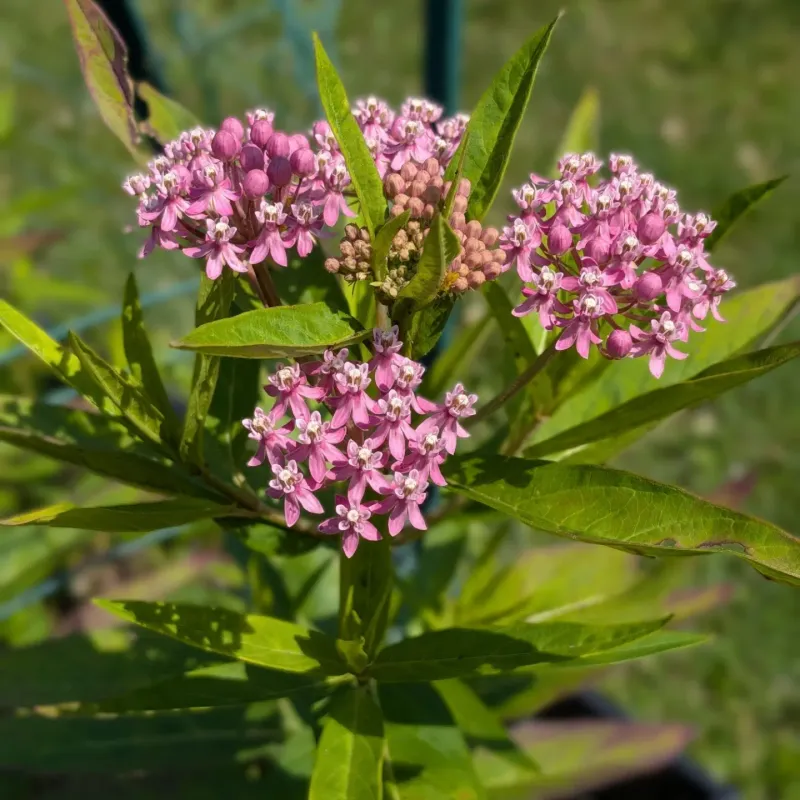
Swamp milkweed earns its name honestly. Unlike common milkweed, this species genuinely prefers wet feet and thrives in consistently moist or boggy soil.
It is one of the best native plants for supporting both dragonflies and pollinators during the height of summer.
Clusters of small pink flowers appear from mid-summer into early fall. Dragonflies often perch on the sturdy stems while watching for prey nearby.
Because swamp milkweed attracts a wide range of insects, it essentially creates a feeding zone that dragonflies are happy to patrol regularly.
Plant it in a rain garden, along a drainage swale, or anywhere water tends to collect after a storm. It handles flooding better than most garden plants, and once established, it spreads gradually through underground roots.
Giving it room to naturalize over a few seasons produces a much more effective habitat patch.
Monarch butterflies also use swamp milkweed as a host plant, which adds another layer of wildlife value. Growing it alongside water-loving plants like cardinal flower or Joe-Pye weed creates a layered planting that supports multiple species at once.
It is one of the more versatile native plants for wet spots in a backyard habitat garden.
4. Buttonbush Adds Blooms Near Backyard Ponds
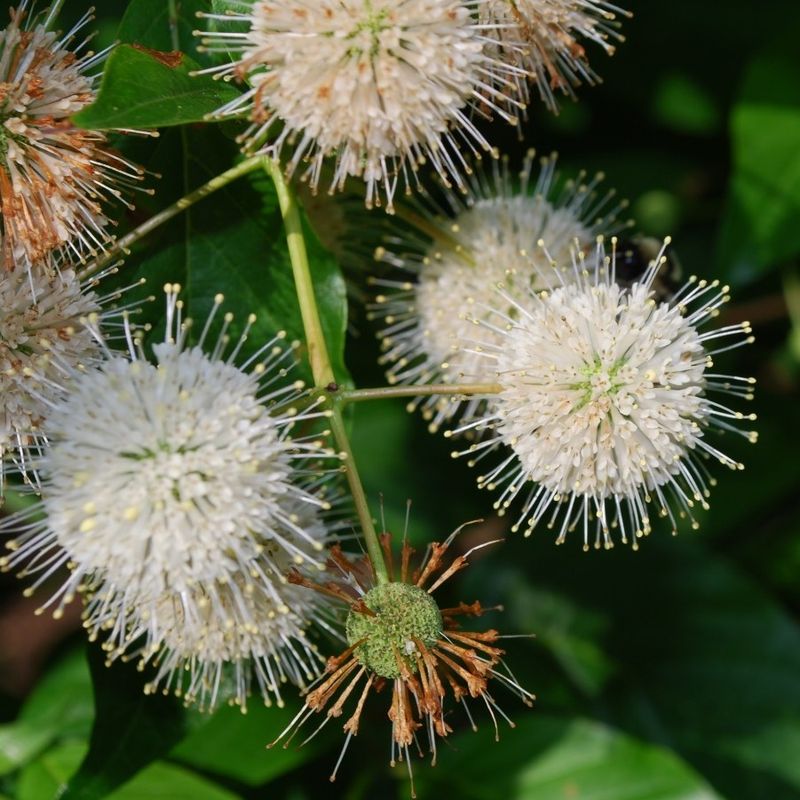
Buttonbush looks like something out of a fantasy garden. Round, white flower heads that resemble tiny pincushions cover the shrub from late spring through summer.
Up close, they are absolutely covered in bees, butterflies, and other insects that dragonflies actively hunt.
As a native shrub, buttonbush grows naturally along stream banks, pond edges, and in flood-prone areas across the Southeast. It tolerates standing water for extended periods, which makes it a reliable choice for spots that stay wet long after rain.
Plant it directly at the water’s edge or in saturated soil nearby.
Dragonflies use the branching structure of buttonbush as a staging area. From those branches, they launch short bursts of flight to catch mosquitoes and other small insects hovering near the water.
Having a shrub-sized plant near your pond gives them elevated perches that low-growing plants cannot provide.
Buttonbush can reach six to twelve feet tall if left unpruned, but it responds well to cutting back in late winter. Keeping it at a manageable size makes it easier to work around in a smaller yard.
Pair it with shorter aquatic plants to create a layered edge that supports dragonflies at multiple heights throughout August.
5. Cardinal Flower Brightens Rain Garden Borders
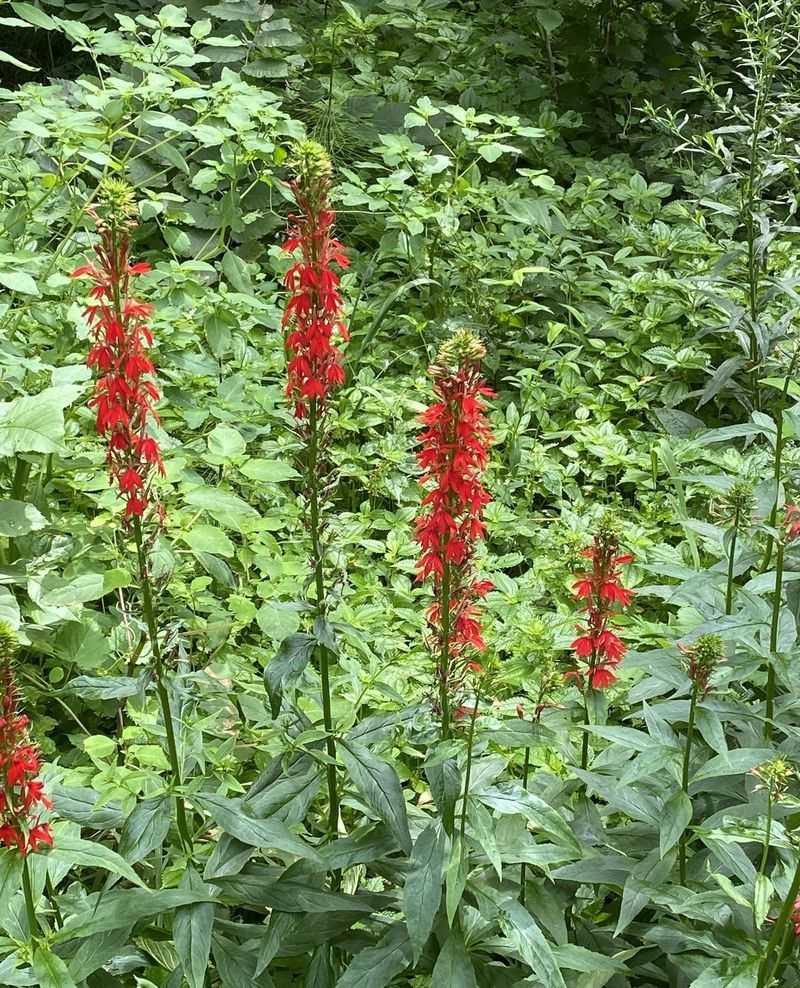
Bright red flower spikes make cardinal flower one of the most visually striking plants you can add to a rain garden border.
Hummingbirds are the most famous visitors, but dragonflies also frequent areas where cardinal flower grows because of the insect activity the blooms attract.
Cardinal flower blooms from mid-summer into fall, hitting its stride right around August in Georgia’s warmer zones. It grows best in moist to wet soil with partial shade to full sun.
Rain garden edges, stream banks, and low-lying beds that collect runoff are ideal spots.
One practical note: cardinal flower is a short-lived perennial in most garden settings, often lasting just two to three years before tapering off.
Letting plants go to seed at the end of the season helps it self-sow and maintain its presence in the garden without replanting every year.
The tall, upright stems give dragonflies useful vertical structure near water. Pairing cardinal flower with swamp milkweed or soft rush creates a mixed planting that stays active with insect life all summer long.
It is a relatively low-maintenance plant once established in the right soil conditions, and the color payoff in late summer is genuinely hard to beat.
6. Soft Rush Provides Cover In Shallow Water
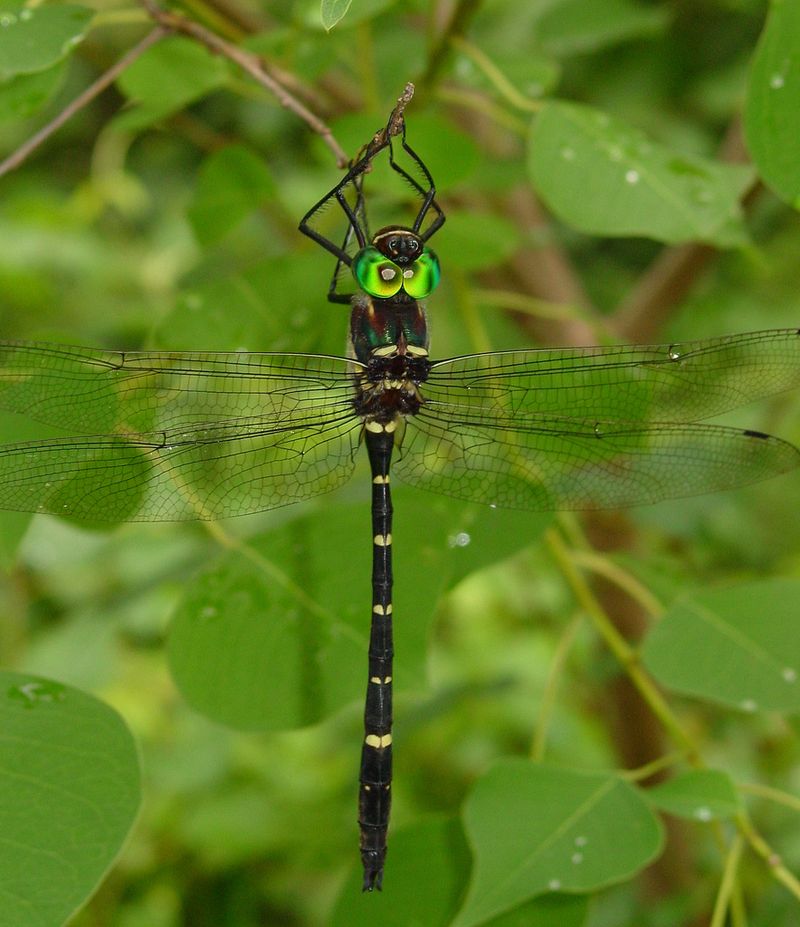
Soft rush does not flower in a showy way, but do not let that fool you into skipping it. Those slender, cylindrical green stems are exactly what dragonflies need for perching, roosting, and laying eggs near water.
Functional plants matter as much as pretty ones in a wildlife garden.
Growing in shallow water or at the waterline, soft rush forms dense clumps that provide cover for aquatic insects, including dragonfly nymphs.
The stems stay upright and green through most of the growing season, giving dragonflies reliable landing spots at the water’s surface throughout August.
Soft rush spreads by rhizomes and can get aggressive in smaller water features if not managed. Dividing clumps every couple of years keeps it from taking over.
In larger ponds or naturalized areas, letting it spread freely creates a more authentic wetland edge habitat.
Mosquito larvae tend to congregate in still, open water without much vegetation. Soft rush creates a more complex water edge environment that supports the natural predators, like dragonfly nymphs, that feed on those larvae.
Adding it to an existing water garden is straightforward since it tolerates a wide range of water depths from saturated soil to about six inches of standing water.
7. Arrow Arum Fills Saturated Ground With Foliage
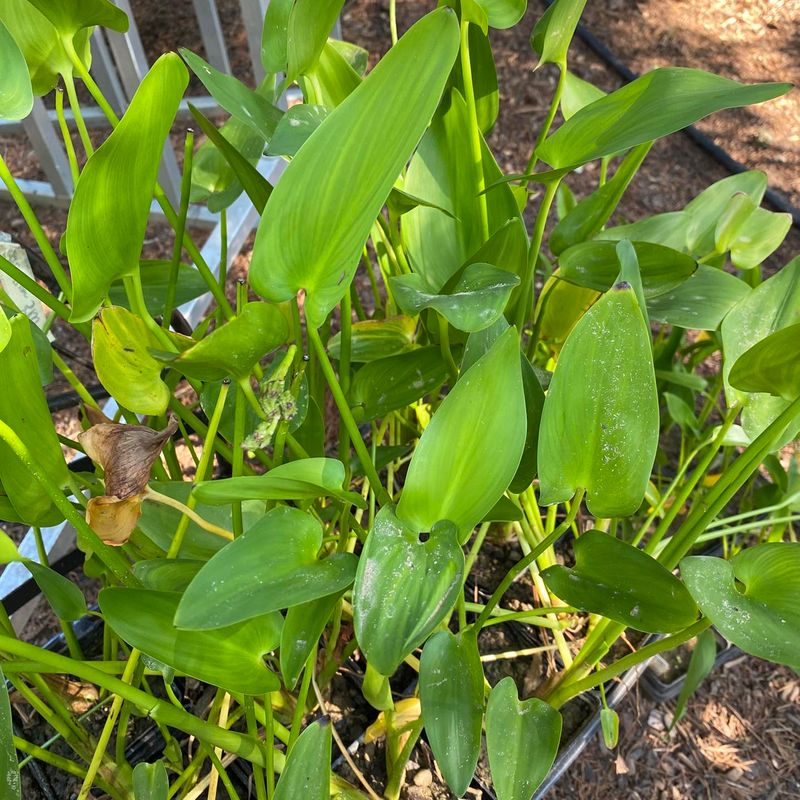
Arrow arum brings bold, arrowhead-shaped leaves to the edges of ponds and saturated garden beds. It is not a flashy bloomer, but the foliage is genuinely impressive, with leaves that can reach two feet long in good growing conditions.
Dragonflies use those broad leaves as landing pads near the water.
Native to wetlands across the eastern United States, arrow arum handles standing water and heavy clay soil without much complaint. It grows best in full sun to partial shade and spreads slowly by forming clumps from the base.
Once established, it fills in gaps along the water’s edge that other plants tend to leave open.
The structure arrow arum provides underwater matters just as much as what you see above the surface. Submerged stems and root masses create habitat for dragonfly nymphs, small fish, and aquatic invertebrates.
That underwater activity translates into more food sources near the surface, which keeps adult dragonflies hunting in the area.
Planting arrow arum alongside soft rush or pickerelweed creates a varied shoreline that supports different species at different water depths. It is a solid backbone plant for any naturalized pond edge in a humid Southern yard.
Growth tends to slow in late fall and pick back up reliably each spring.
8. Lizard’s Tail Spreads Through Boggy Spots
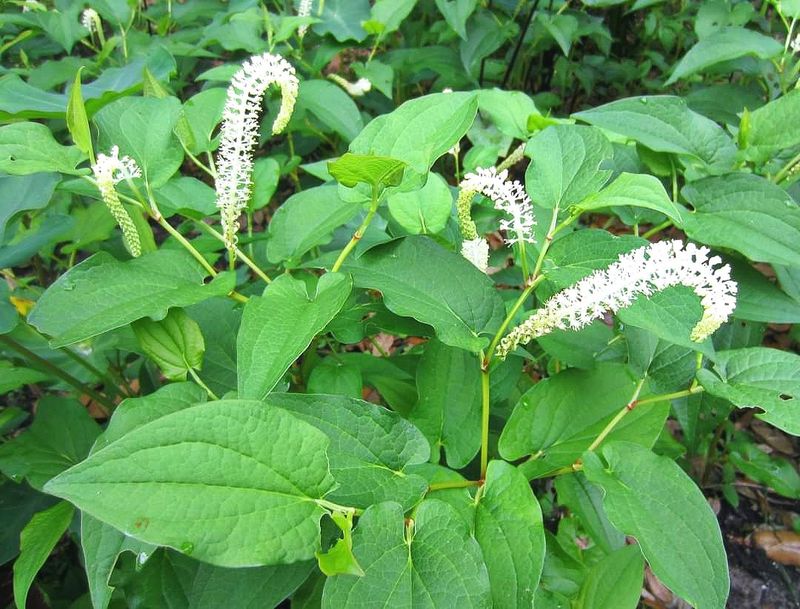
Arching white flower spikes that curl at the tip give lizard’s tail its memorable name. It blooms in summer and spreads steadily through rhizomes in boggy or consistently wet soil.
Few native plants colonize damp shady spots as reliably, making it a practical choice for low-maintenance wet areas.
Lizard’s tail grows in partial to full shade, which sets it apart from many water-loving natives that need full sun. Shady pond edges, wooded stream margins, and wet spots under tree canopy are where it performs best.
If your damp garden area gets limited direct sunlight, this plant is worth considering seriously.
Dragonflies rest and hunt near lizard’s tail plantings because the dense foliage creates a sheltered microhabitat. Shade-tolerant dragonfly species in particular tend to favor areas with low canopy and surface water nearby.
Having lizard’s tail in those spots helps establish exactly that kind of environment.
Spreading behavior means it can fill a large boggy area over several seasons without much help. Some gardeners find it a bit too eager in confined spaces, so planting it where it has room to roam works better than trying to contain it in a small raised bed.
It is genuinely one of the easier native wetland plants to establish in a shady Georgia yard.
9. Joe-Pye Weed Adds Height Where Soil Stays Moist
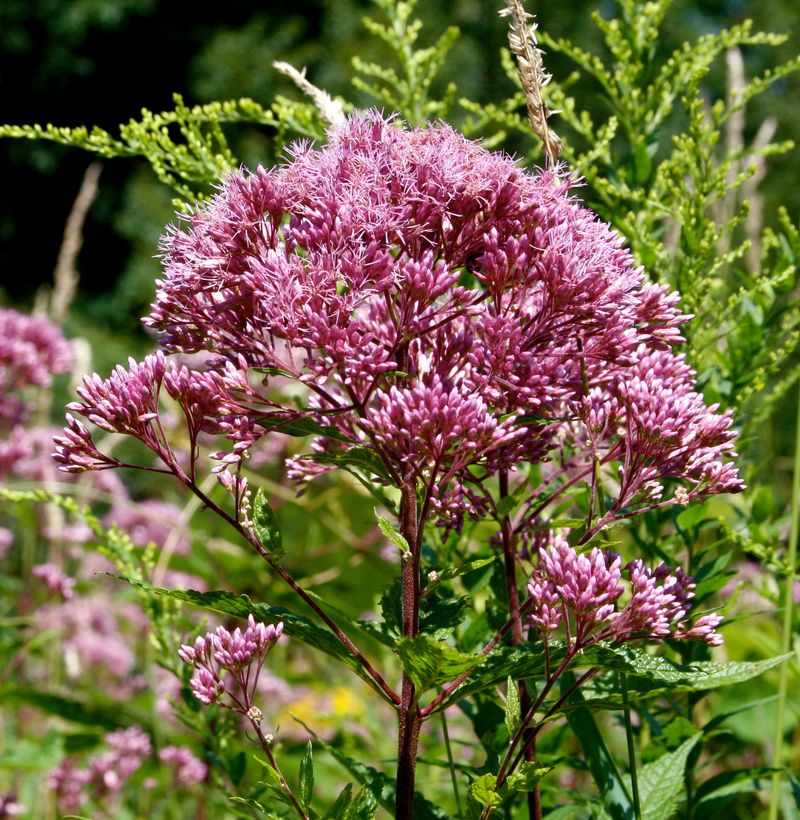
Standing six to eight feet tall in ideal conditions, Joe-Pye weed is a back-of-the-border plant that commands attention in late summer. Mauve-pink flower clusters appear in August and attract an impressive range of insects.
Where insects gather in numbers, dragonflies are not far behind.
Joe-Pye weed grows best in moist to consistently wet soil and handles heavy clay reasonably well. Full sun to light shade suits it fine.
Rain garden borders, pond surroundings, and low-lying beds that stay damp after storms are all solid planting locations for this plant.
Height is one of its biggest practical advantages in a dragonfly garden. Taller plants give dragonflies elevated perches from which they can spot and chase prey over a wider area.
Placing Joe-Pye weed at the back of a mixed planting creates a tiered habitat that works at multiple levels.
Monarch butterflies, swallowtails, and native bees all visit the flowers heavily during August, making the area around Joe-Pye weed a busy insect hub.
That concentrated insect activity is exactly what keeps dragonflies returning to the same spot day after day.
Combining it with cardinal flower and swamp milkweed in a moist border planting gives you a layered, wildlife-rich garden section that earns its space every single summer.