Why North Carolina Crape Myrtle Bark Peels Every Summer And Why That’s Actually A Good Sign
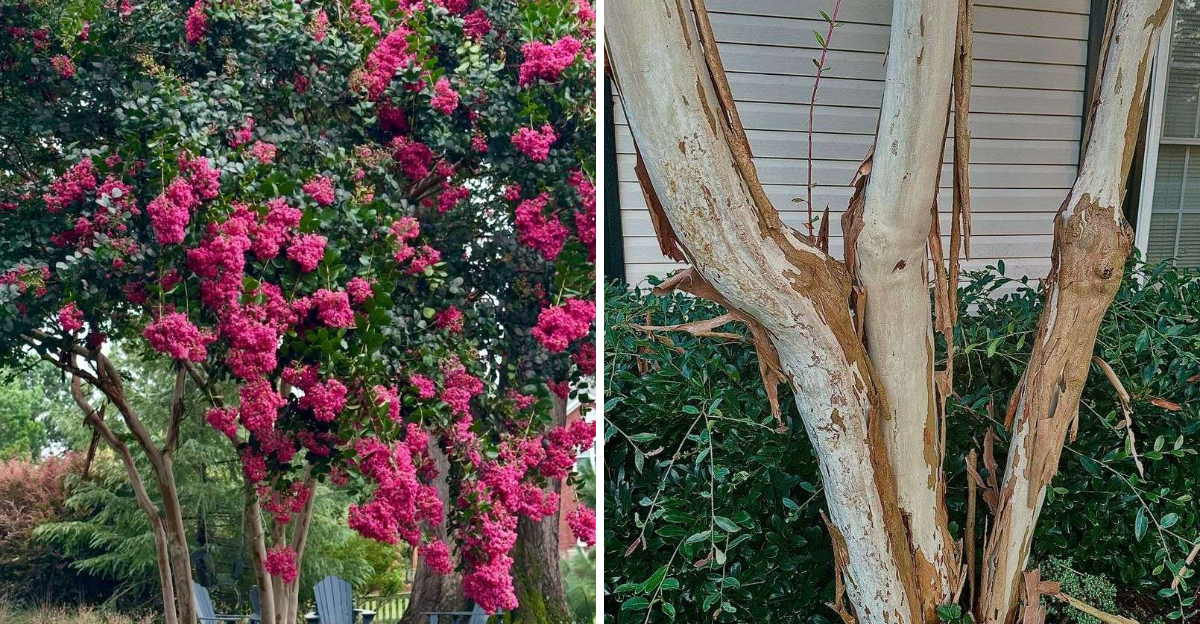
Crape myrtle bark peeling each summer often worries new North Carolina gardeners, though this natural process is actually a sign of healthy growth.
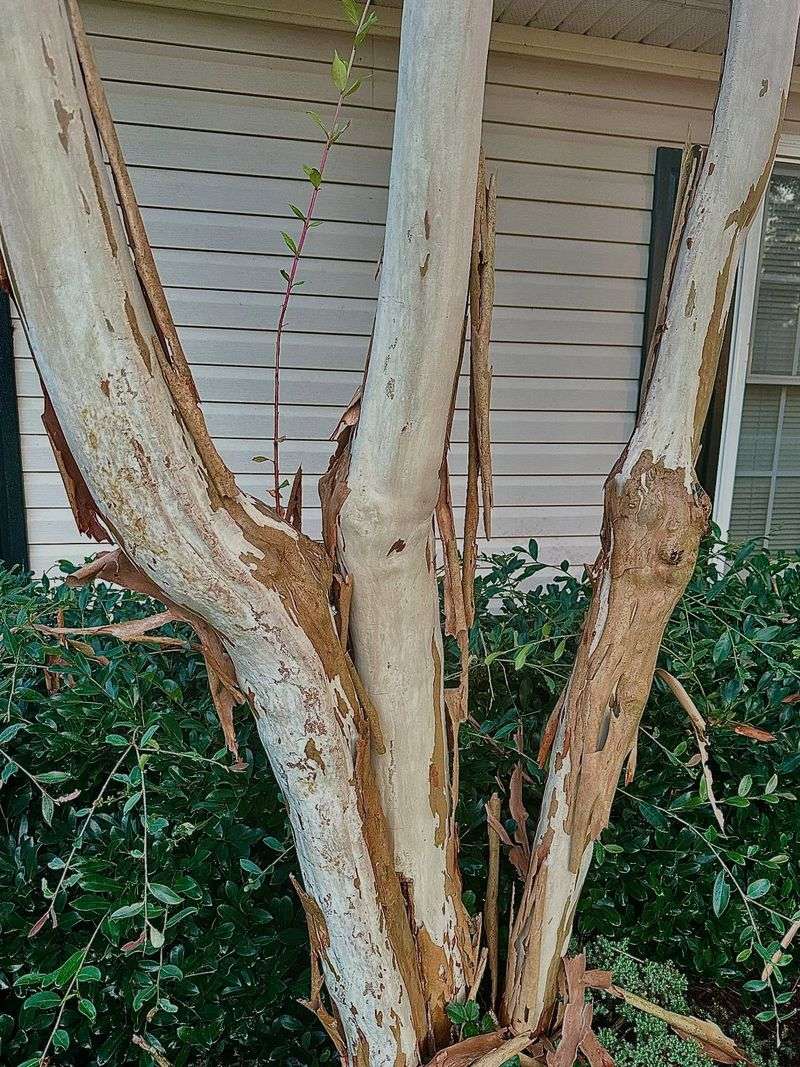
As the tree matures, older bark sheds to make room for new layers underneath, revealing smooth, often multicolored patches beneath.
This shedding typically happens during the hottest part of summer, when the tree is actively growing and putting on new wood.
The variety of colors exposed, ranging from cinnamon to gray, is considered one of the tree’s most attractive seasonal features.
Unlike bark issues caused by disease or pest damage, this natural peeling looks clean and doesn’t come with unusual spots or discoloration.
Checking underneath peeling bark for insects or unusual growths helps rule out any actual problems.
Established crape myrtles tend to peel more noticeably than younger trees still building up bark layers.
This yearly transformation is simply part of what makes crape myrtles so visually interesting throughout summer.
1. Peeling Bark Is Usually Completely Normal
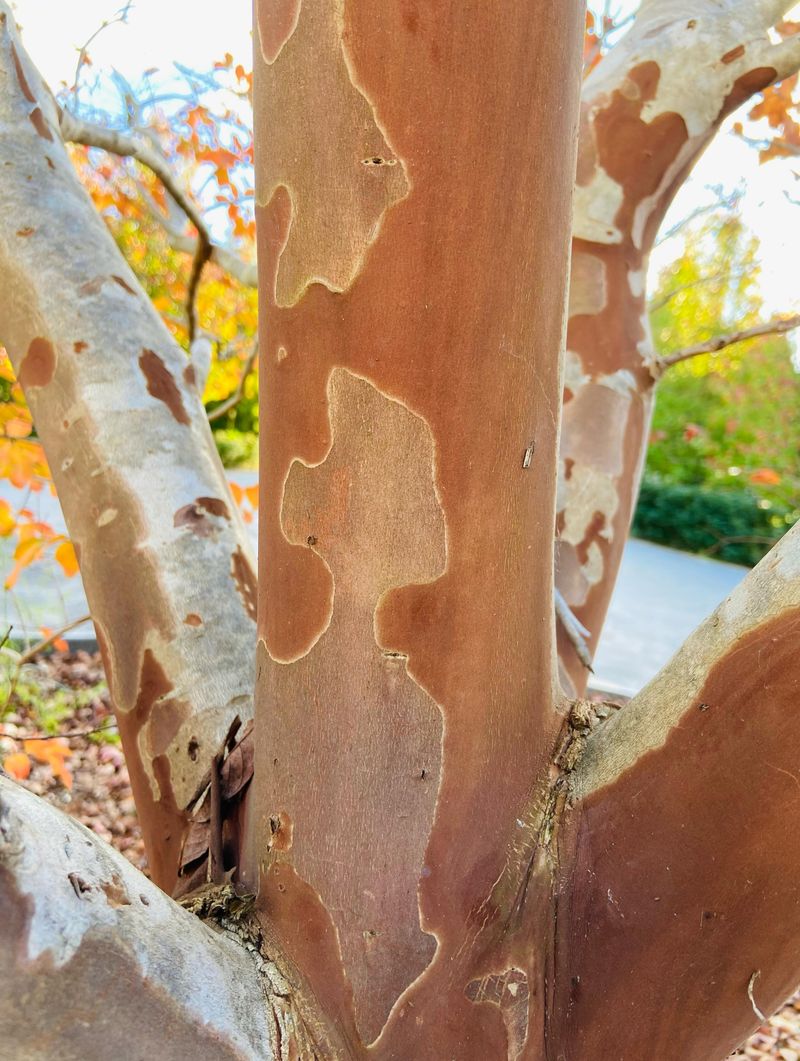
Picture this: you walk outside on a warm July morning, coffee in hand, and notice your crape myrtle is shedding its outer bark like a snake changing its skin.
Before any alarm sets in, take a breath, because what you are seeing is one of the most natural processes a crape myrtle goes through every single year. Crape myrtles are what botanists call exfoliating trees.
As the stems and trunks grow thicker and more mature, the older outer bark simply cannot stretch enough to keep up with the expanding wood underneath.
So it loosens, separates, and peels away in thin, papery strips or curling flakes. The tree pushes it off from the inside out as new growth fills in below. This process is not a sign of stress, disease, or damage.
Many of the most beautiful and well-loved ornamental trees in the world shed bark the same way, including sycamores, river birches, and eucalyptus trees. Crape myrtles share that same elegant trait.
In North Carolina, where summers get hot and humid, the warm growing season actually speeds up this process slightly. The tree is actively growing, pushing out new wood, and the bark responds accordingly.
Gardeners who see peeling for the first time often think they need to step in and help, but the best thing to do is simply stand back and let nature handle it.
The tree knows exactly what it is doing, and it has been doing it long before anyone started worrying about it.
2. Older Stems Show The Most Peeling
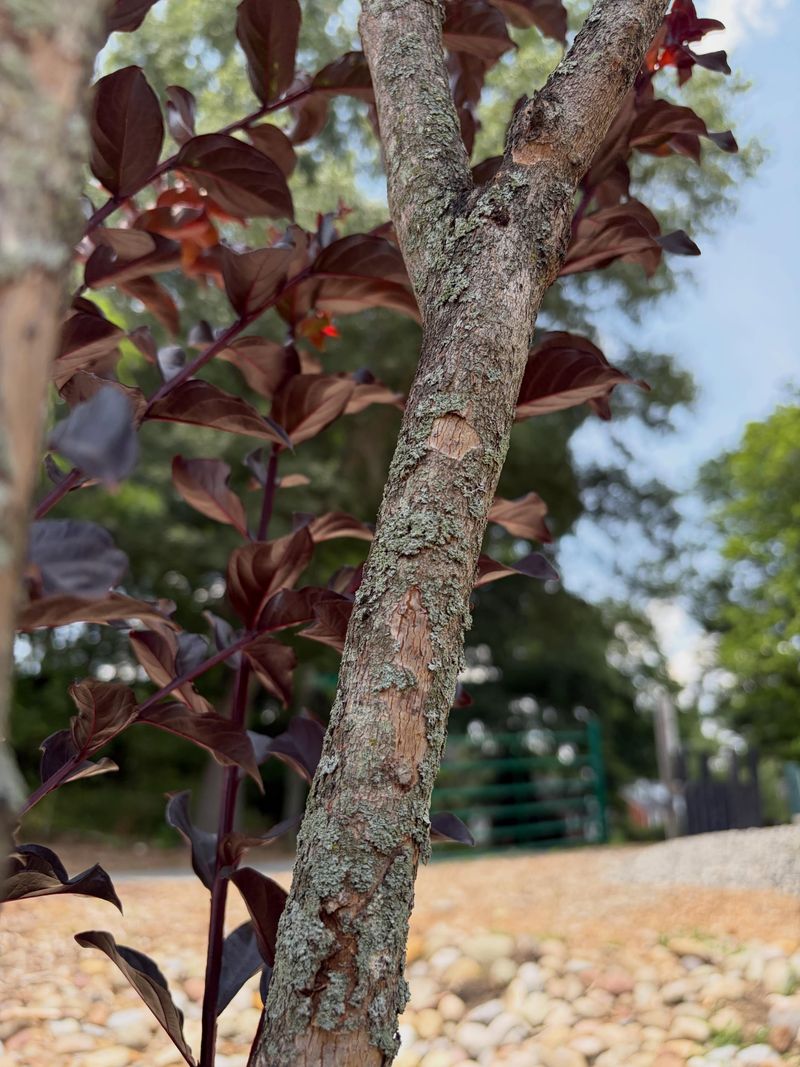
Young crape myrtles planted last spring will not show much peeling at all, and that is perfectly fine.
Bark exfoliation is something that really picks up as a tree matures, and the older and thicker the trunk or branch, the more dramatic the peeling tends to look.
When a crape myrtle is just a few years old, its stems are still slender and growing quickly. The bark at that stage stays fairly smooth and tight.
But as the years go by and the trunk expands in diameter, the outer bark layer starts to crack and separate naturally.
Your North Carolina Garden Changes Every Week. Your Plan Should Too.
Gardening in North Carolina changes quickly throughout the season. Every Friday you’ll receive a simple weekly plan showing exactly what to plant, prune, fertilize, harvest, and protect so you never miss the right timing.
By the time a crape myrtle reaches five to ten years of age, the exfoliation becomes one of its most recognizable and attractive features.
The main trunk usually shows the most activity because it is the oldest and thickest part of the plant.
Larger scaffold branches that have been growing for several seasons will peel noticeably too.
Newer, thinner twigs near the tips of the canopy tend to stay smooth and greenish, with no peeling at all.
North Carolina gardeners who have kept crape myrtles in their yards for a decade or more often say the bark display becomes one of their favorite things about the tree, especially in winter when the flowers and leaves are gone.
The older the tree gets, the more character it develops. Watching a crape myrtle mature over the years is genuinely rewarding, and the changing bark is a big part of that story unfolding right in your yard.
3. Fresh Bark Creates Beautiful New Colors
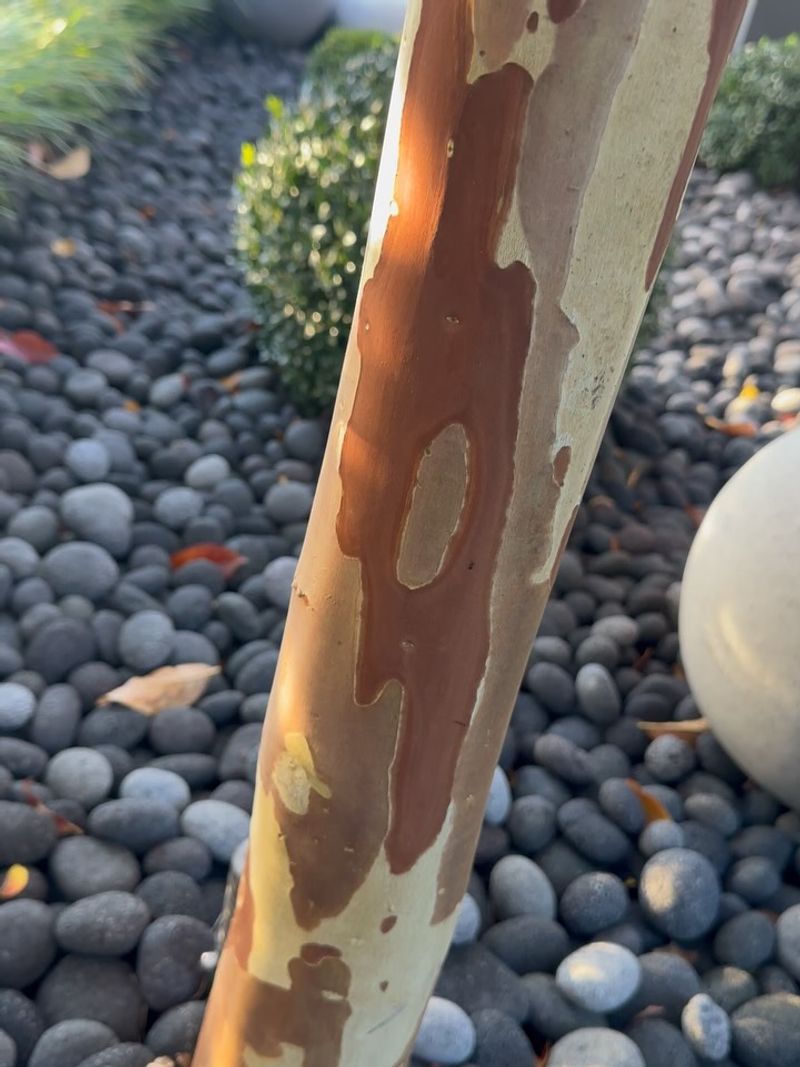
One of the most surprising things about crape myrtle bark peeling is what you find underneath. Once that outer layer falls away, the fresh surface that appears is genuinely stunning.
Smooth, cool to the touch, and colored in shades of tan, cinnamon brown, soft gray, and sometimes a warm copper tone, the new bark looks almost polished.
Crape myrtle varieties can vary quite a bit in the exact color of their fresh bark. Some cultivars reveal a rich reddish-brown that almost glows in afternoon sunlight.
Others show a silvery gray that looks almost like driftwood. A few popular varieties grown across North Carolina display a warm tan that gradually deepens as the season continues.
Every tree is a little different, which makes each one worth looking at closely.
The color contrast between the old peeling sections and the fresh layer underneath is actually part of what makes crape myrtles so visually interesting.
Landscape designers often plant them specifically for this multi-toned, textured trunk effect. It adds visual depth to a garden even when the tree is not in bloom.
As summer stretches on and the peeling continues, the fresh bark slowly weathers and takes on a slightly rougher, more muted appearance.
By the following spring, it becomes the outer layer itself, ready to peel again in the next cycle.
Watching this color shift through the seasons is one of those small gardening pleasures that rewards the people who pay close attention to their yard. It is genuinely worth a closer look.
4. Summer Makes The Bark More Noticeable
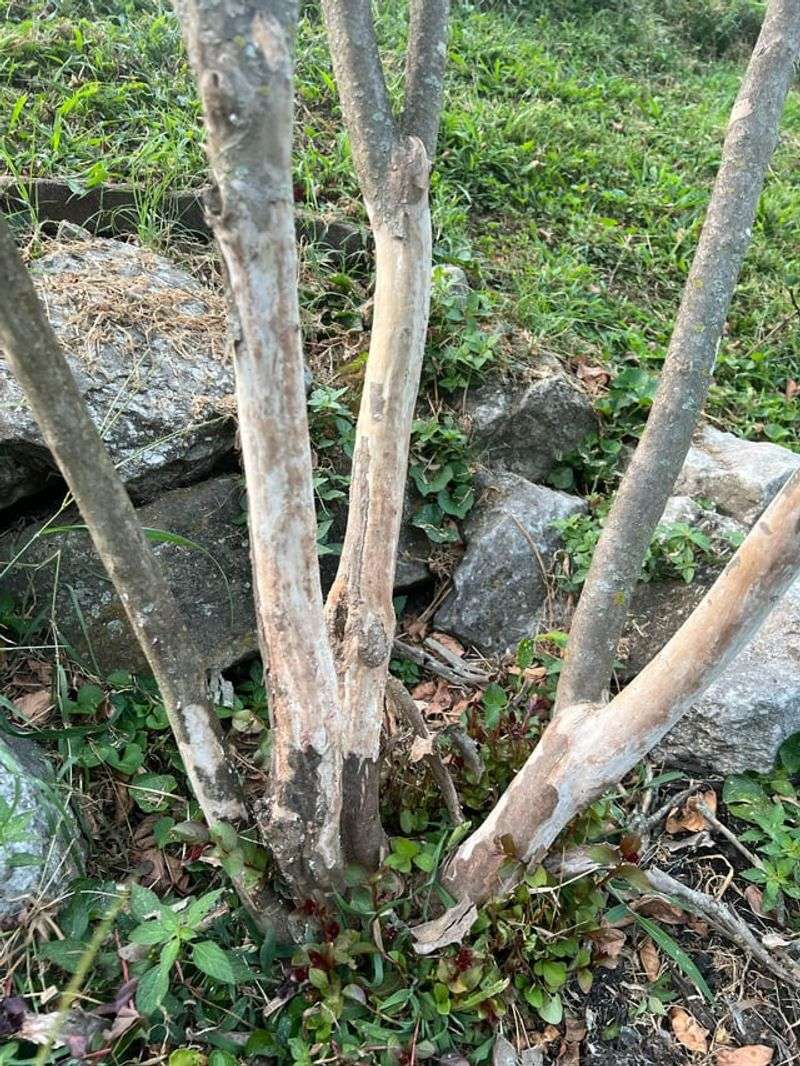
Summer is when crape myrtles steal the show in North Carolina yards. The flowers are bursting open, the canopy is full and lush, and gardeners are spending more time outside noticing every detail of their landscape.
Not surprisingly, summer is also when most people first spot the peeling bark and start asking questions about it. There is a good reason why the peeling seems more dramatic in summer.
Crape myrtles are in their peak growing season from late spring through early fall, and the tree is actively producing new wood during this time.
As the trunk and branches expand from the inside, the outer bark gets pushed outward and loosens more quickly.
Warm temperatures and the general energy of summer growth speed the whole process along. Another reason summer makes the bark stand out is simply visibility.
When you are outside watering, weeding, or just enjoying the yard, you are naturally looking at your plants more closely.
The contrast between the peeling strips and the smooth fresh bark underneath catches the eye in a way that might go unnoticed during the quieter winter months.
Crape myrtles in North Carolina also tend to get more attention during summer because they are one of the few trees that bloom heavily in the hottest part of the year.
Gardeners are already admiring the flowers, so the bark naturally comes into view too.
Far from being a problem, the combination of blooms and peeling bark working together creates one of the most striking visual displays any tree can offer in a Southern summer landscape.
5. Do Not Pull Loose Bark Off
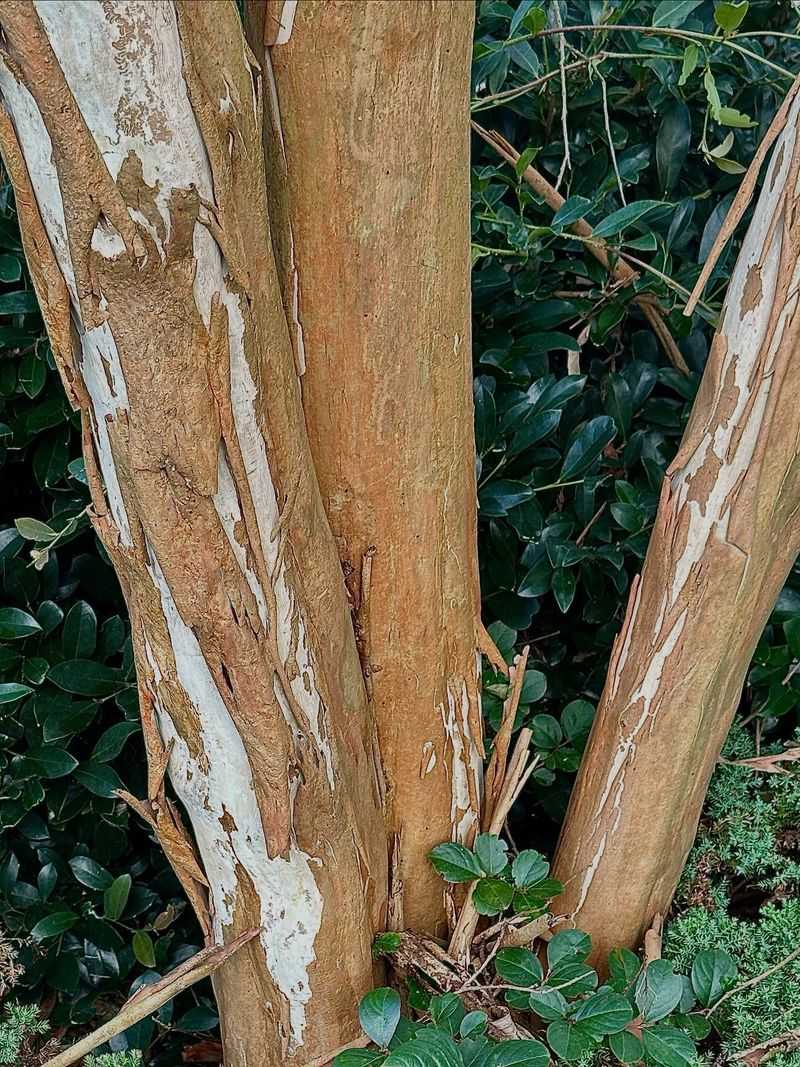
Seeing loose, curling strips of bark hanging off a tree trunk can trigger an almost irresistible urge to peel them away. It looks a little untidy, and it feels satisfying to tidy things up.
But when it comes to crape myrtles, pulling or scraping off that loose bark is one of the few things you should actually avoid doing.
The bark peels on its own timeline, and when a strip is still partially attached, the tissue underneath may not be fully ready to be exposed yet.
Pulling bark away before it is completely loose can scrape or damage the fresh layer beneath, leaving the trunk vulnerable to minor wounds that insects or fungal spores can take advantage of.
The tree is not harmed by letting the bark fall naturally, but forcing it off prematurely can cause unnecessary stress.
There is also no practical benefit to removing the bark manually. The loose strips will fall on their own within days or weeks, especially after rain or wind.
Raking them up from around the base of the tree is perfectly fine and keeps the area looking neat without touching the trunk itself.
Some gardeners also worry that the hanging bark looks like a sign of disease, but as long as the fresh surface underneath appears smooth and evenly colored, there is nothing to fix.
Let the process happen naturally and resist the urge to interfere.
Crape myrtles are remarkably self-sufficient trees, and giving them space to do their thing is always the best approach a gardener can take.
6. Peeling Bark Is Not The Same As Bark Scale
Not everything that appears on a crape myrtle trunk is normal exfoliation, and knowing the difference can save your tree from a real problem.
Crape myrtle bark scale is an invasive insect pest that has been spreading across the southeastern United States, including parts of North Carolina, and it looks very different from healthy peeling bark.
Bark scale insects are tiny, soft-bodied bugs that attach themselves to the trunk and branches and feed on the tree’s sap.
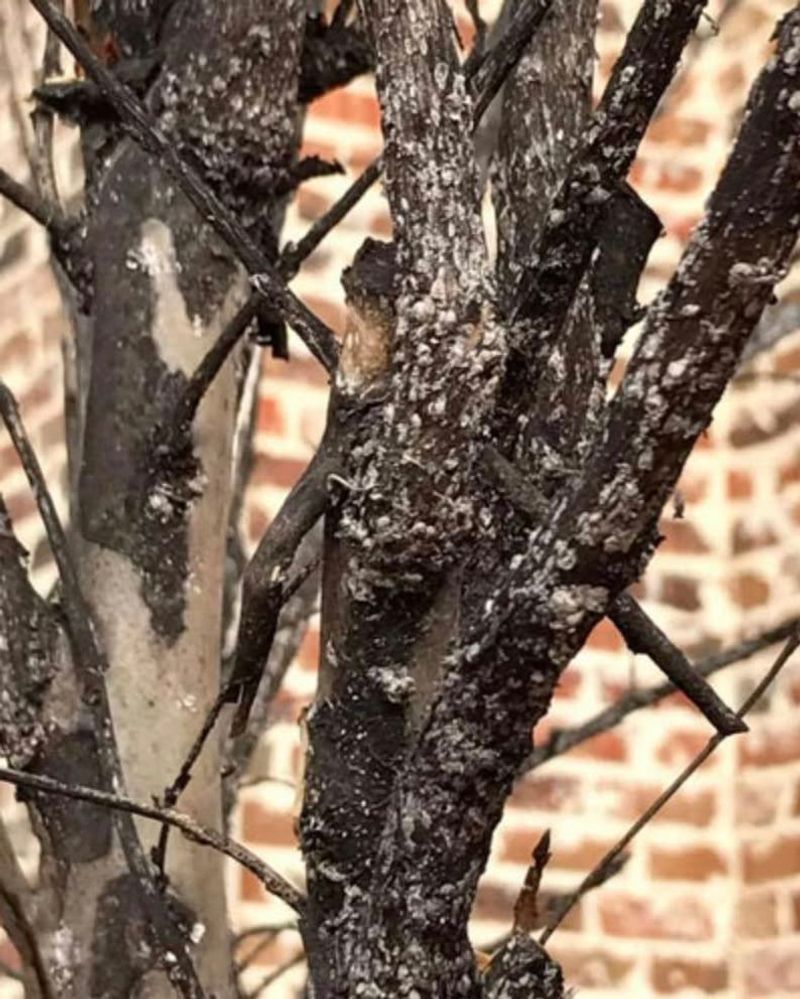
They produce a white or grayish waxy coating that looks almost like small patches of felt or dried paint stuck to the bark.
Unlike natural exfoliation, which reveals smooth, clean, attractively colored wood underneath, bark scale leaves a crusty, uneven buildup that does not peel away cleanly.
One of the clearest signs of bark scale is the black sooty mold that often develops alongside the infestation.
The insects produce a sticky substance called honeydew, and sooty mold grows on top of it, coating the bark and sometimes the leaves and branches in a dark, powdery layer.
Healthy exfoliating bark never produces anything like this. If you see white waxy patches combined with black sooty mold on your crape myrtle, that is worth addressing promptly.
Horticultural oil treatments and systemic insecticides are commonly used to manage bark scale effectively. Catching it early makes a real difference.
But if your tree is simply shedding thin strips of outer bark and revealing smooth, clean wood underneath, you can relax completely. That is exactly what a healthy crape myrtle looks like in summer.
7. Watch For Signs That Are Not Normal
Healthy crape myrtle bark peeling is clean, gradual, and reveals a smooth surface underneath. But every now and then, something on the trunk deserves a second, closer look.
Knowing what falls outside the range of normal can help you catch a real issue before it gets out of hand. Black sooty mold covering large areas of the trunk is one of the clearest warning signs.
As mentioned with bark scale, this mold grows on insect honeydew and signals that something is feeding on the tree.
A small patch might be easy to overlook, but widespread dark coating paired with white waxy deposits is a combination worth investigating right away.
Unusual cracking or splitting that goes deep into the wood, rather than the papery surface peeling of normal exfoliation, can sometimes indicate physical damage or stress from drought, frost, or mechanical injury.
Deep wounds on the trunk that do not appear to be healing over time are worth monitoring carefully.
Weak or stunted new growth combined with bark changes is another combination that signals something worth looking into.
A healthy crape myrtle in summer should be putting out vigorous new shoots and flower clusters.
If growth seems sparse or the leaves look pale and small while the bark looks unusual, that pattern together is more meaningful than any single symptom on its own.
When in doubt, your local North Carolina Cooperative Extension office is an excellent resource.
They can help identify problems accurately and recommend the right solutions for your specific situation, keeping your crape myrtle thriving for many seasons ahead.
8. Enjoy The Bark As Part Of The Display
Most people plant crape myrtles for the flowers, and that is completely understandable.
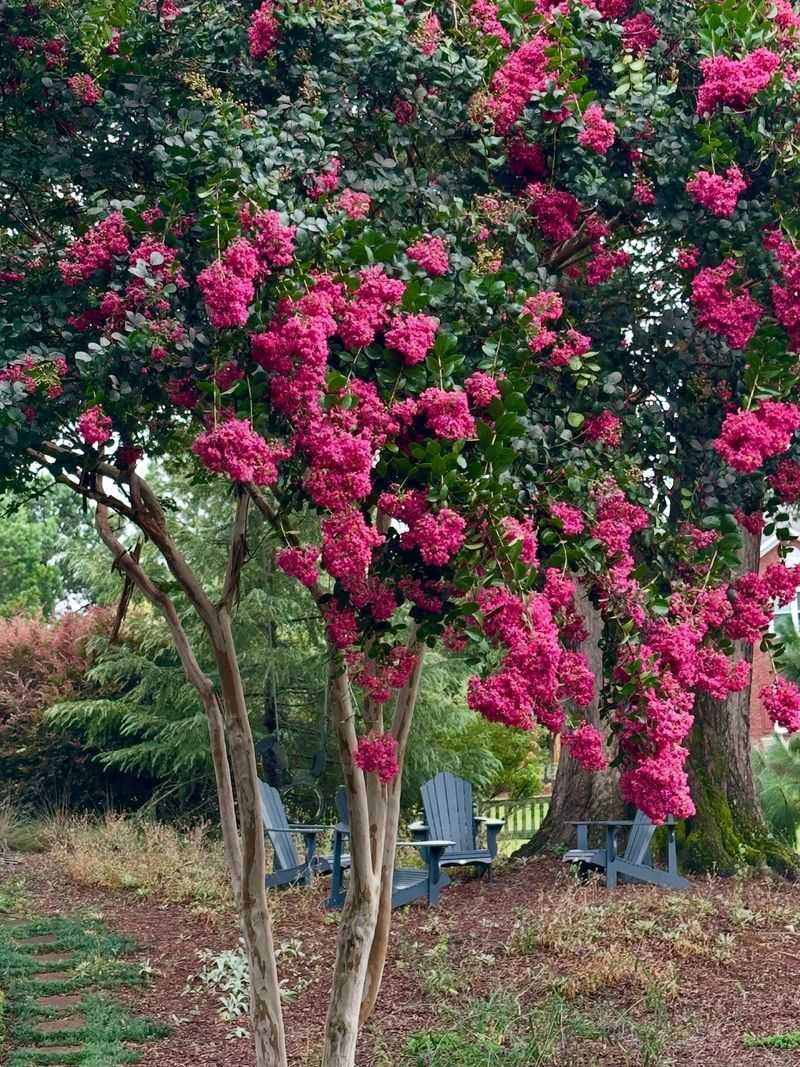
The blooms are spectacular, coming in shades of white, pink, red, lavender, and deep purple, and they last for weeks through the hottest part of the year.
But experienced crape myrtle growers will tell you that the bark is actually one of the tree’s most underrated features.
Landscape designers in North Carolina and across the South have long valued mature crape myrtles for their year-round visual interest.
When the flowers fade in late summer and the leaves eventually drop in autumn, what remains is a beautifully structured tree with a trunk that looks almost sculpted.
The smooth, multi-toned bark in shades of tan, cinnamon, gray, and copper creates a natural artwork that stands out especially in winter when everything else in the garden looks bare.
Positioning a crape myrtle where the trunk is visible from a window or a frequently used path means you get to enjoy the bark display through every season, not just during bloom time.
Morning light hitting a peeling trunk brings out the warm tones in a way that genuinely stops you in your tracks.
Many gardeners say the winter silhouette of a mature crape myrtle is as beautiful as anything the summer garden offers.
Embracing the full package of what a crape myrtle brings to a yard, flowers, structure, fall color, and exfoliating bark, makes the tree even more rewarding to grow.
The peeling bark is not a flaw. It is one of the features that makes this tree genuinely special in any North Carolina landscape.