Why Zebra Longwing Butterflies Are Disappearing From Florida Gardens (And How To Bring Them Back)
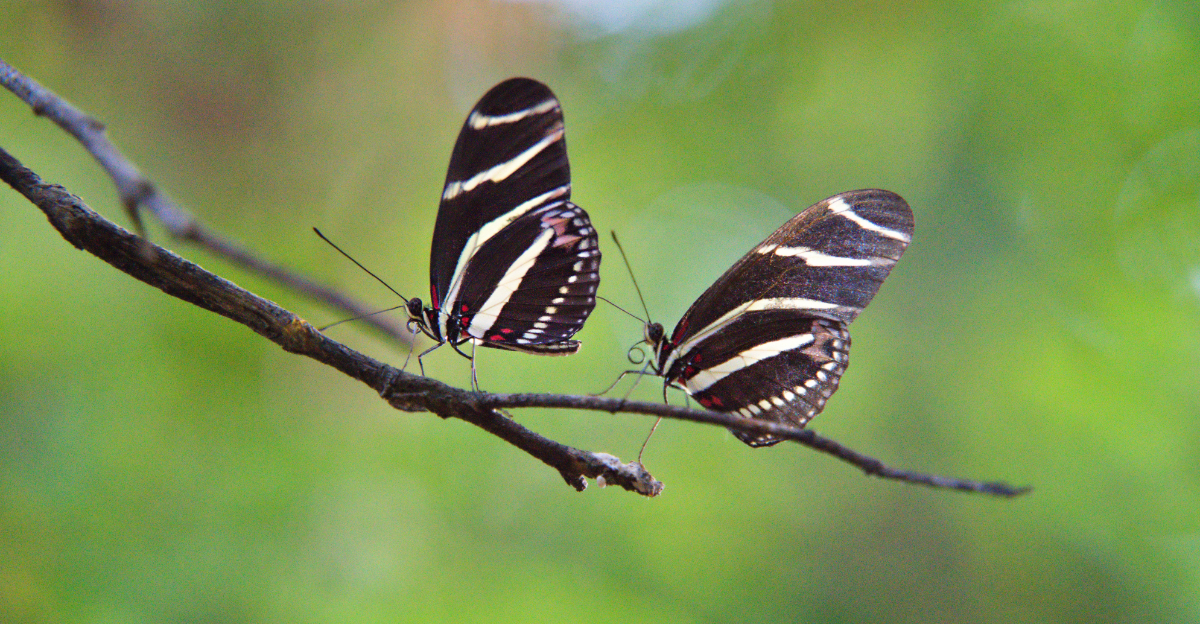
Zebra longwings were everywhere in Florida gardens not long ago. That slow, distinctive flight, the long black wings striped in yellow, moving through the yard with a patience that no other Florida butterfly quite replicates.
They are still here. Just not in the numbers that made them feel like a reliable presence rather than an occasional sighting.
Something changed in Florida gardens. Several things, actually, and the zebra longwing felt every one of them.
This butterfly is specific about what it needs in ways that make it a reliable indicator of garden health. When the habitat supports it, it stays.
When something disappears from that habitat, the butterfly disappears with it. The gardens that still have zebra longwings are doing something specific.
The ones that lost them stopped doing it, often without realizing what changed or when it happened. Bringing them back starts with understanding exactly what they left for.
1. Without Passionvine The Next Generation Has Nowhere To Feed
A garden full of blooming flowers can still be a blind alley for zebra longwings if one critical plant is missing. Adult butterflies of many species will sip nectar from almost any flower, but a larval host plant serves a completely different purpose.
It is the only food source caterpillars can eat after hatching, and without it, eggs cannot become butterflies.
For Heliconius charithonia, that essential plant is passionvine. Females search specifically for suitable Passiflora species before laying eggs.
Two well-supported native hosts are purple passionflower, Passiflora incarnata, and corkystem passionflower, Passiflora suberosa.
Both are recommended by UF/IFAS as appropriate for Florida gardens, though their performance varies by region, light, and moisture conditions.
Choosing the right species for your specific yard matters. P. incarnata handles drier, sunnier spots in northern and central areas, while P. suberosa tolerates shadier, more humid conditions and grows well in South Florida.
Not every plant sold with the passionflower name is equally useful. Some ornamental Passiflora hybrids may not be recognized by egg-laying females at all.
This is why a nectar garden without a verified native host vine cannot support a breeding cycle. Adult visitors may pass through, but without a place for females to lay eggs, no new generation follows.
The vine is not optional; it is the starting point for everything else.
2. Chewed-Up Host Vines Are A Sign The Garden Is Working
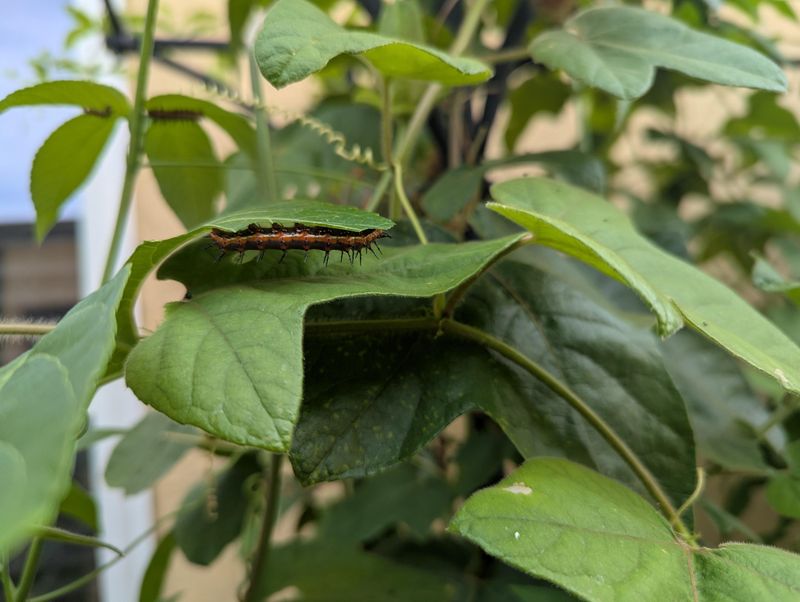
Finding your passionvine riddled with holes and stripped of leaves can feel alarming at first glance. Most gardeners assume something has gone wrong and reach for a spray bottle.
But on a passionvine grown specifically for Heliconius charithonia, that kind of damage is often exactly what you hoped to see.
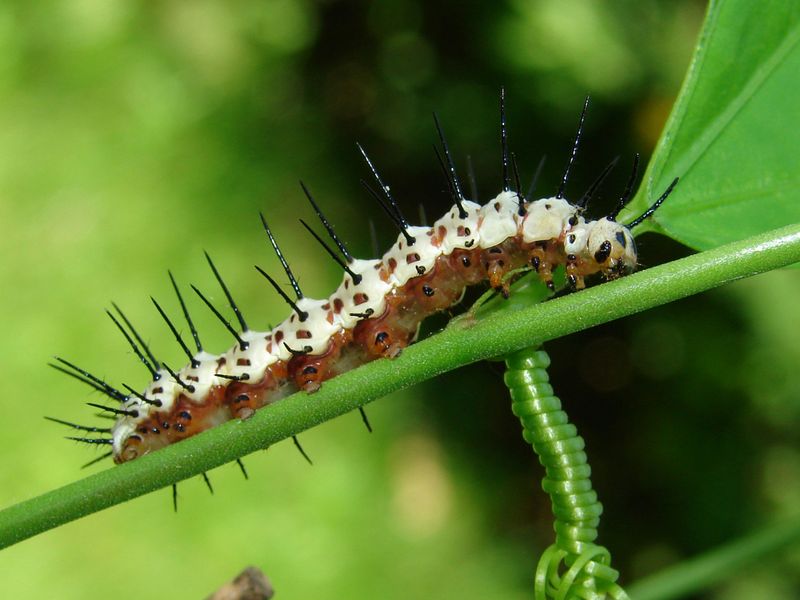
Zebra longwing caterpillars are white with black spines and small black dots. They feed directly on passionvine foliage, and a heavily browsed vine means larvae are actively developing.
Before assuming you have a pest problem, take a close look at what is doing the eating. Identifying the caterpillar first saves you from accidentally removing the very thing you planted the vine to support.
Your Florida Garden Changes Every Week. Your Plan Should Too.
Gardening in Florida changes quickly throughout the season. Every Friday you’ll receive a simple weekly plan showing exactly what to plant, prune, fertilize, harvest, and protect so you never miss the right timing.
Gulf fritillary caterpillars, which are orange with black spines, also use passionvines as a host. Both species can feed on the same plant at different times, so chewed leaves do not always confirm which butterfly is present.
Checking undersides of leaves for eggs or spotting the caterpillars themselves helps you know what is actually happening.
A healthy passionvine can regrow foliage quickly, especially during warm months. Allowing caterpillars to feed without intervention is part of what makes a butterfly garden function.
Tidying up every chewed leaf or removing damaged growth defeats the purpose of planting a host vine in the first place. Some untidiness is part of the process.
3. Spraying Caterpillar Plants Can End The Cycle Before Wings Appear
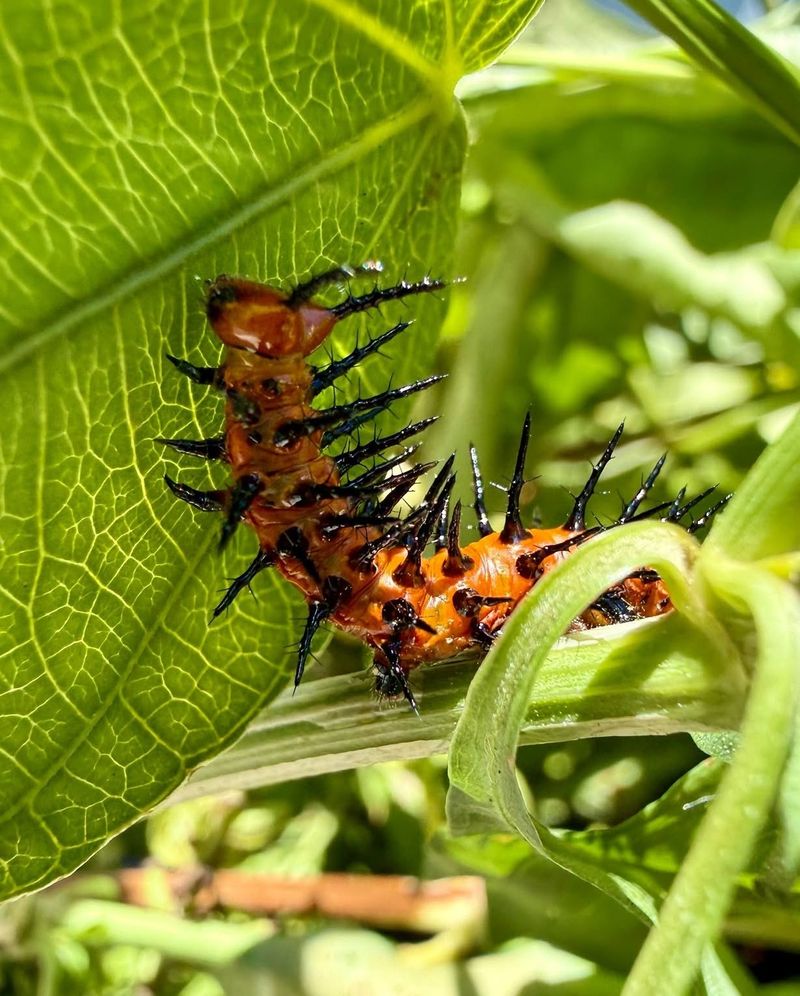
Passionvine caterpillars chew leaves, and chewed leaves can tempt gardeners into treating the vine like a plant under attack. That instinct is understandable, but applying an insecticide to a host plant can remove the caterpillars you were hoping to raise.
The treatment does not know the difference between a pest and a future butterfly.
Broad-spectrum insecticides are especially risky near host plants. Products that target chewing insects, including some organic options, can affect caterpillars just as effectively as the insects you meant to control.
Routine preventive spraying across the yard is also a concern. Pesticide drift from nearby ornamental beds can reach a passionvine even when you do not spray it directly.
Not every pesticide has identical effects, and not every application causes the same outcome. The key habit to build is identification before treatment.
If you see chewing damage on your passionvine, find out what is causing it before deciding whether any response is needed at all.
Integrated pest management, which UF/IFAS supports for home landscapes, starts with correctly identifying the organism and asking whether it actually requires treatment.
A butterfly garden cannot function if caterpillar feeding is treated as something that always needs to stop. Accepting that a host plant will sometimes look well-used is part of creating habitat.
The goal is a yard where larvae can complete their development without being removed before they reach the pupal stage.
4. Nectar Flowers Alone Cannot Replace The Missing Host Plant
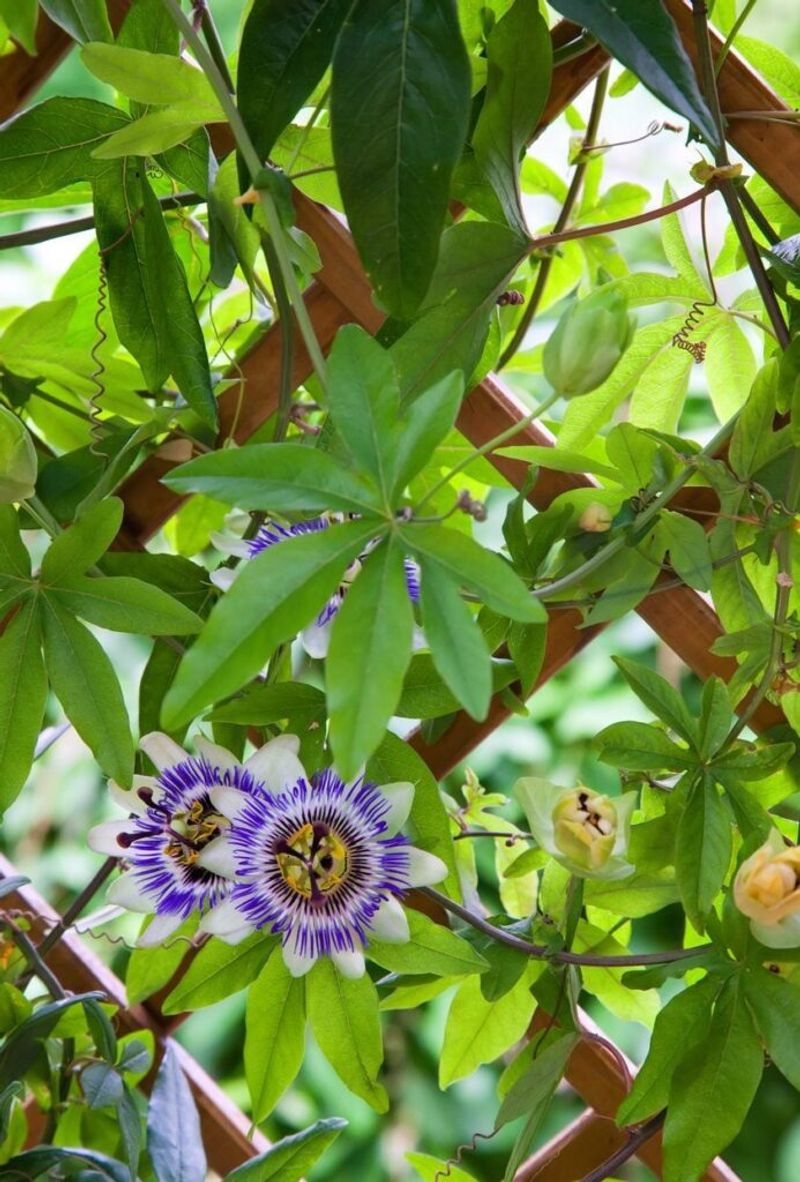
Planting a yard full of nectar-rich blooms is a great starting point, but it tells only half the story for Heliconius charithonia. Adult butterflies need nectar to fuel their daily activity, and a garden with steady flowers will attract visiting adults.
What it cannot do is give females a place to lay eggs or provide food for the caterpillars that follow.
Think of nectar plants and host plants as two separate jobs in the same garden. Flowers like lantana, pentas, and firebush are often recommended by UF/IFAS as good nectar sources for a range of butterfly species.
They contribute real value. But a garden built only around those plants functions like a restaurant with no nursery attached.
Adults can eat, but the next generation has no place to begin.
Bloom succession also matters more than many gardeners expect. If flowering plants finish blooming at the same time and nothing replaces them, adult butterflies lose their food source for weeks.
Choosing plants that flower in different seasons keeps nectar available across a longer stretch of the year.
A simple design approach is to grow native passionvine along a fence or trellis near a mixed flowering border. The vine handles host-plant duty while the border provides ongoing nectar.
That combination gives adults a reason to stay and gives females a place to invest in the next generation, which is what actually builds a garden population over time.
5. Pollen-Rich Blooms Give Longwings Something Most Butterflies Skip
Most familiar garden butterflies live for only a week or two as adults, fueled almost entirely by nectar. Heliconius charithonia does something quite different.
It actively collects pollen from flowers and digests it for nutrients, a behavior that sets it apart from nearly every other butterfly species found in North America.
Pollen provides amino acids that nectar alone cannot supply in useful amounts. v A longer-lived adult has more time to mate, lay eggs, and benefit from the habitat you have created.
Not every flower with visible pollen is equally useful to this butterfly. Heliconius charithonia tends to forage from a range of flowers, and a diverse garden with overlapping bloom times gives adults more opportunities to find what they need.
Lantana and Spanish needles, Bidens alba, are frequently observed as foraging plants. Pollen feeding is only one part of the zebra longwing’s adult diet.
Keeping a variety of flowering plants in bloom across seasons supports both nectar and pollen foraging without requiring you to plant a separate pollen garden. The goal is simply to avoid long gaps where flowers are scarce.
Consistent variety across the yard gives adults more reasons to linger and forage rather than moving on to find better-stocked habitat elsewhere.
6. Bare Open Yards Take Away The Sheltered Roosts They Use At Night
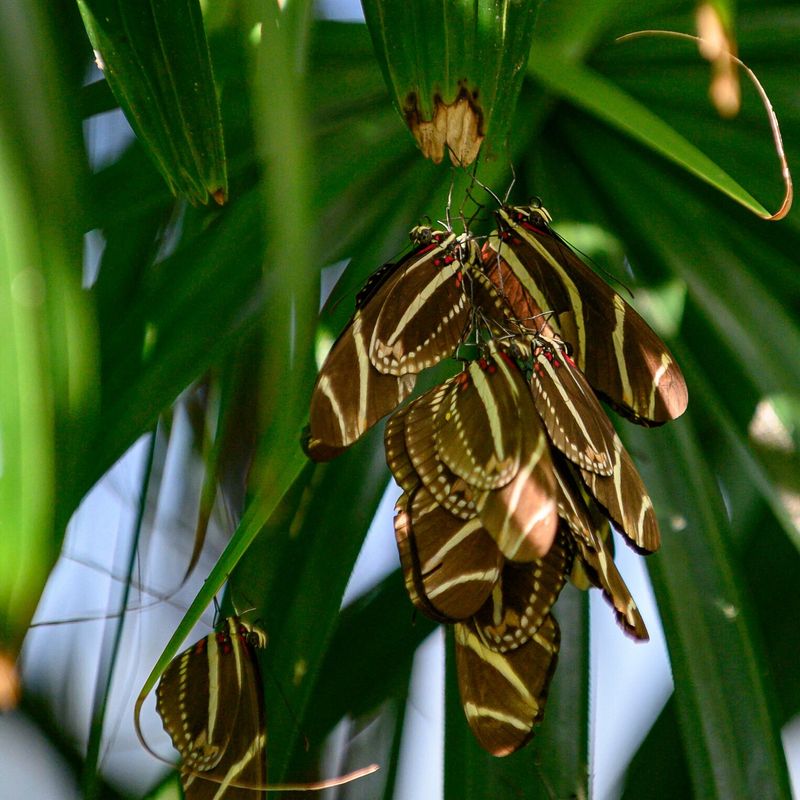
Most people think about butterfly gardens only in terms of daytime activity, but what happens after dark matters too.
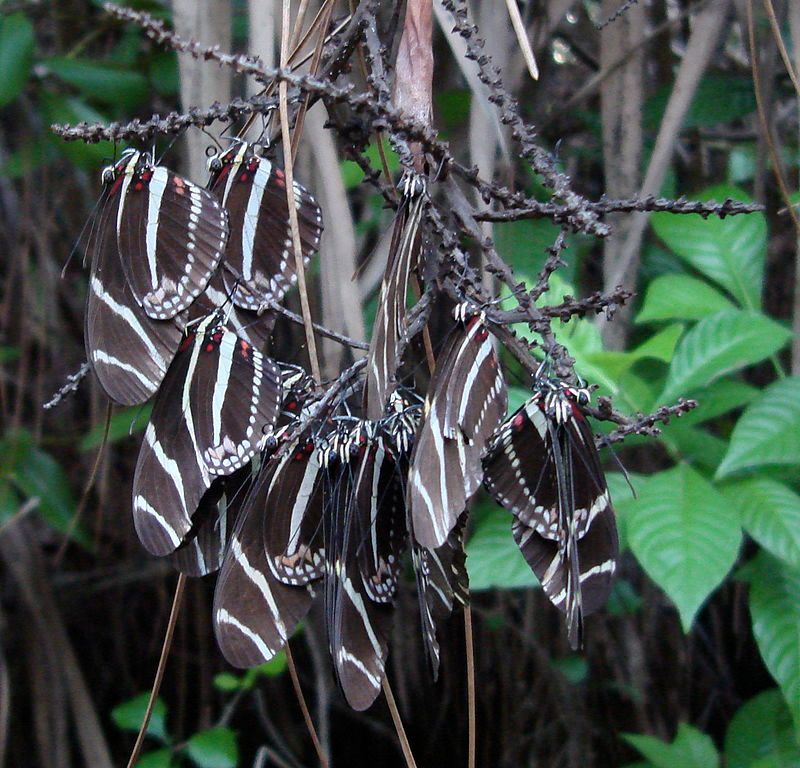
Zebra longwings are known to gather in small groups at night, returning to the same sheltered branches or vegetation repeatedly to roost together.
This communal behavior has been documented and noted by the Florida Museum as a distinctive trait of the species.
Spanish moss is sometimes mentioned in connection with these roosts, and zebra longwings have been observed resting in it. That said, Spanish moss is not a requirement.
What the butterflies seem to need is sheltered, protected vegetation where they are shielded from wind and open exposure. Dense shrubs, low tree branches, and layered plantings with overlapping canopy can all serve that purpose.
A yard designed entirely around open turf and a few isolated flower beds offers very little in the way of sheltered resting spots. Even a modest corner of layered shrubs near a fence can provide the kind of protected structure these butterflies use.
The goal is not to create a tangled overgrown space, but to include some vegetation with depth and shade.
Gardeners can keep paths, seating areas, and living spaces neat while still leaving a section of the yard with denser, more layered planting. Shelter does not require sacrificing the whole garden to wildness.
A thoughtful balance between tidy spaces and vegetated corners gives roosting butterflies a place to return each evening. It can provide shelter without making the yard unmanageable.
7. Cold Snaps Can Empty Northern Gardens Until Populations Return
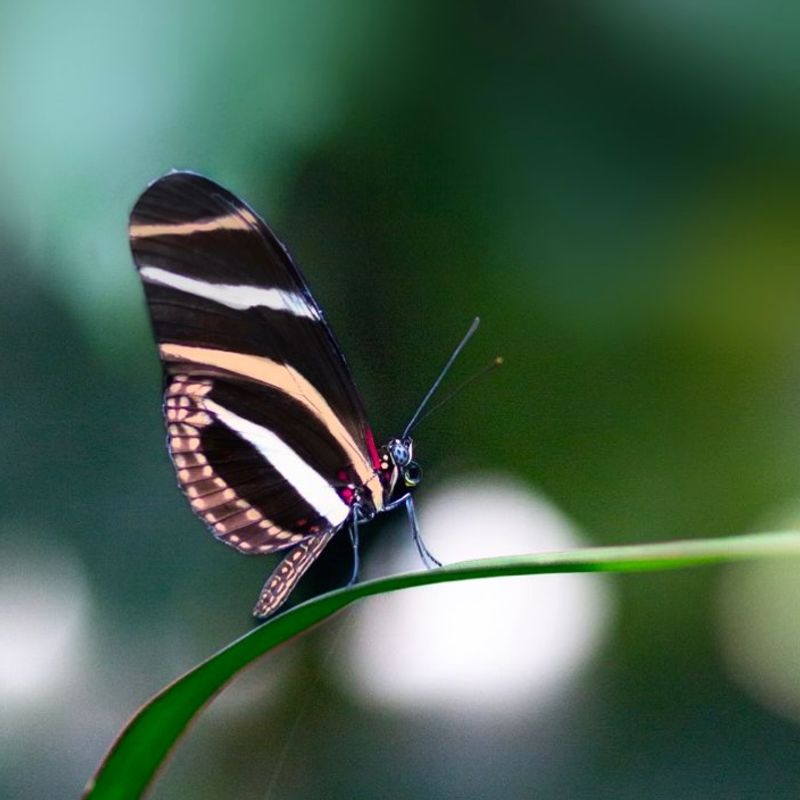
Sometimes a well-planted garden goes quiet, and the reason has nothing to do with what the gardener did or did not do. Unusually cold winters can sharply reduce zebra longwing populations in northern parts of the state.
The Florida Museum notes that the species is sensitive to cold and that its northern range can contract after severe freezes.
This matters in the Gainesville area and the Panhandle, where even a thoughtfully designed yard may see few or no butterflies after a hard freeze. That absence can last for a season.
That absence does not mean the garden failed. It reflects a regional population setback that takes time to recover as butterflies gradually recolonize from populations farther south.
South Florida gardens tend to have a more consistent year-round experience with this species because temperatures rarely drop to damaging lows.
North Florida gardeners face a different reality, where sightings may be common in warm years and sparse after an unusual cold stretch.
Recognizing that difference helps set realistic expectations without assuming something is permanently wrong.
Weather is one reason a garden that seems ready and waiting may still be quiet. Passionvines can be healthy, flowers can be blooming, and the yard can be pesticide-free.
Even then, butterflies may not appear until regional populations rebuild and disperse northward again. Patience is part of the process, and a well-prepared garden will be ready when conditions improve and movement resumes.
8. Rebuilding The Whole Life Cycle Gives Those Zebra Stripes A Way Back
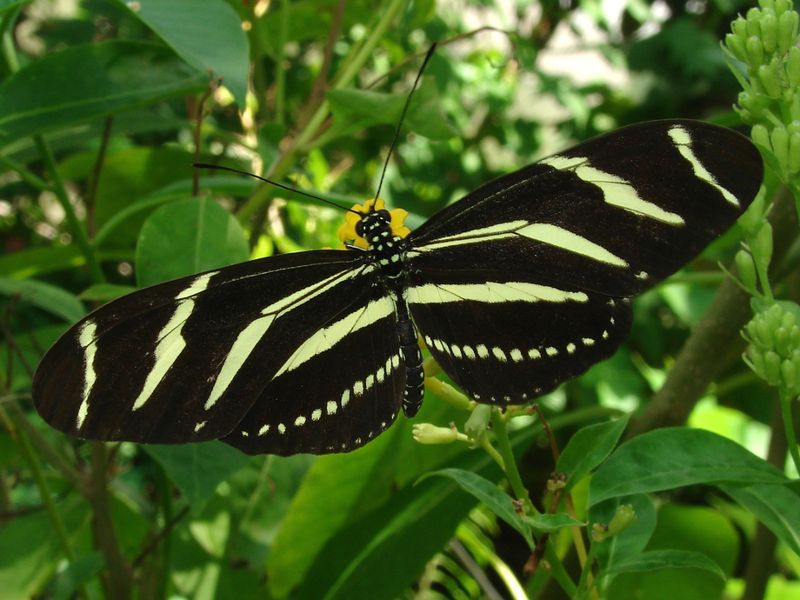
Every section points toward the same conclusion: Heliconius charithonia needs resources at every stage of its life. One convenient flower in a tidy bed is not enough.
Bringing the full picture together into a single habitat plan is where the real work begins. Start with a verified native passionvine suited to your region, light level, and available space.
Allow caterpillars to feed on that vine without treating the damage as a problem to fix. Pair the host plant with a rotating mix of nectar and pollen-rich flowers so adults have food across multiple seasons.
Include some layered shrubs or sheltered vegetation where butterflies can roost at night without being exposed to wind or open sky.
Practice careful pest management throughout the yard. Identify organisms before treating anything, and avoid routine preventive spraying near host plants or flowering plants that butterflies use.
Pesticide drift can undermine habitat even when you are not spraying the host vine directly. Keeping a buffer of caution around butterfly resources goes a long way.
Regional weather and surrounding landscape still influence whether butterflies arrive and how often they appear. No garden improvement comes with a guaranteed outcome or a fixed timeline.
What you can control is whether your yard supports every life stage. Eggs need a place to hatch, caterpillars need food, pupae need safety, and adults need a steady supply of food and shelter.
Build those conditions, and you give the zebra stripes a genuine path back.