How To Keep Florida Container Plants Alive Through A Week Of 95-Degree Heat
A Florida porch can look perfectly calm at sunrise while trouble is already building inside the pots.
Leaves stand upright, flowers look fresh, and the soil surface may still appear dark from yesterday’s watering.
By midafternoon, the same containers can seem completely different. One plant folds inward, another drops a bloom, and a third looks tired even though nothing obvious changed except the temperature.
That is where summer care gets tricky.
A week near 95 degrees does not create one universal problem. Pot size, material, wind, sunlight, drainage, and root depth can make two plants sitting only a few feet apart behave as though they live in different climates.
So what deserves attention before the first dramatic wilt sends you racing for the hose?
The answer starts with reading the container rather than reacting to the leaves.
A few small adjustments can buy roots more time, slow moisture loss, and keep a hot Florida porch from turning routine care into daily emergency work for seven long afternoons in peak summer.
1. Move Pots Out Of Brutal Afternoon Sun
A container sitting in full western exposure receives more than ordinary afternoon sunlight.
Walls, pavers, concrete, railings, and other hard surfaces can add radiant heat around the pot, while direct sun keeps warming the foliage from above.
During a week of 95-degree weather, that combination can push a sensitive container far beyond what the same plant handles in morning sun. Moving potted plants to shade is a recognized way to reduce water demand during hot, dry stretches.
Move the most vulnerable plants first.
Ferns, impatiens, tender herbs, and recently repotted plants usually deserve more protection than established sun-loving ornamentals.
A bright spot with morning sun and afternoon shade often reduces stress without dropping the plant into deep darkness.
Sun lovers still need light.
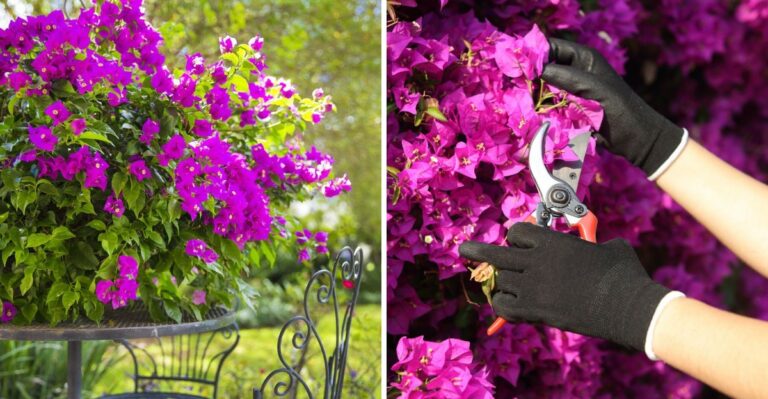
Bougainvillea, croton, and other high-light plants should not spend the entire week hidden under a dark porch. Temporary filtered shade during the harshest hours is a better compromise than permanent relocation.
Check the surface around the pot too.
A container moved six feet away from a hot wall but left on blazing concrete may still face strong radiant heat from below.
Shift it onto a cooler surface, raise it slightly, or tuck it behind a larger pot where the container itself receives shade.
The goal is not to make August look like April.
It is to remove the extra heat that the plant never needed in the first place.
2. Water Deeply Before The Day Heats Up
Morning watering gives a container its best chance to enter the hottest part of the day with a fully moistened root ball.
Water slowly until excess moisture runs from the drainage holes. That runoff is a useful sign that water traveled through the container rather than stopping at the top inch.
Container guidance for Florida recommends thorough watering, followed by another irrigation only after the mix begins to dry.
Do not judge moisture by color alone.
Potting mix can look dark on top while the center of the root ball stays dry. Push a finger below the surface or use a wooden skewer to check deeper moisture before deciding the plant has enough.
Your Florida Garden Changes Every Week. Your Plan Should Too.
Gardening in Florida changes quickly throughout the season. Every Friday you’ll receive a simple weekly plan showing exactly what to plant, prune, fertilize, harvest, and protect so you never miss the right timing.
Dry mix can also resist water.
When water races down the sidewall and exits almost immediately, apply it in two or three slower passes. A short pause between passes gives the media time to absorb moisture instead of sending most of the water straight to the saucer.
Afternoon rescue watering is not forbidden.
A genuinely dry, collapsing container should receive water rather than waiting several more hours for morning. Aim at the potting mix, water thoroughly, and restore the root zone without spraying the whole patio for ceremony.
What matters most is depth and need.
A quick midday splash barely touching the surface does less useful work than a complete soak applied when the root ball actually needs moisture. Florida heat rewards gardeners who water the pot, not the clock.
3. Check Small Pots Again By Evening
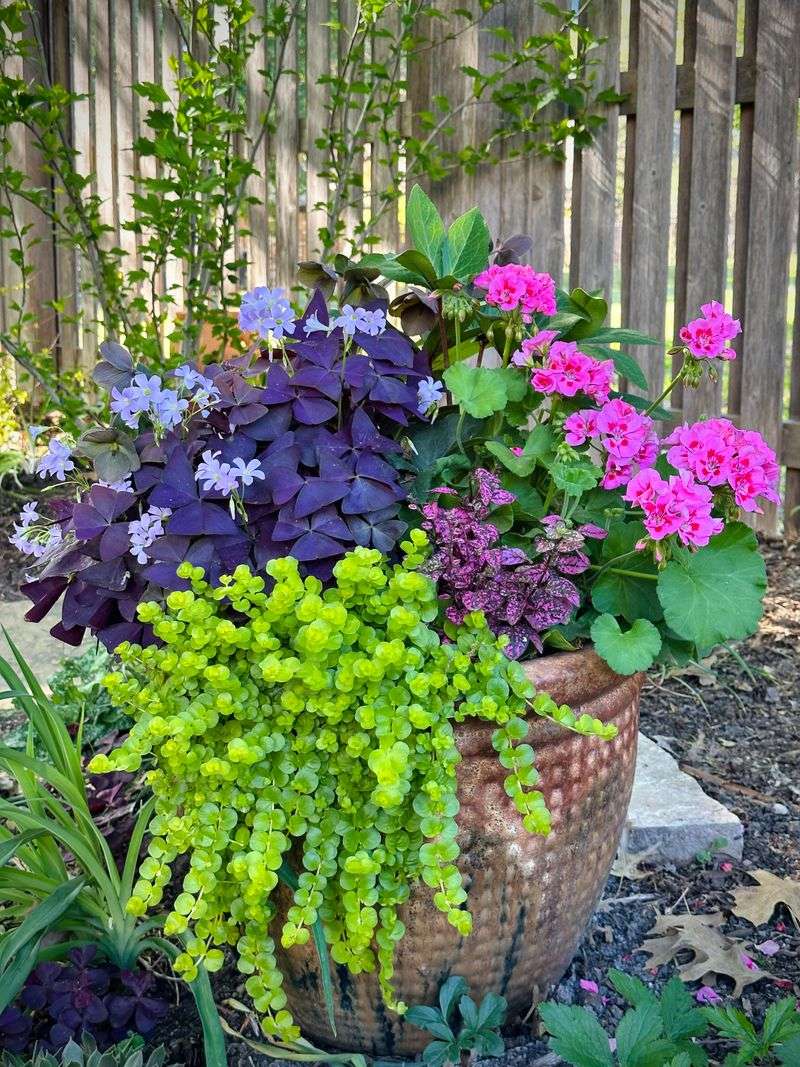
Small pots can run out of usable moisture much faster than the larger containers sitting beside them.
There is simply less potting mix available to store water around the roots. Porous clay containers lose additional moisture through their walls, while hanging baskets face drying wind from nearly every side.
Florida container guidance notes that small pots and porous containers generally need more frequent watering, and some containers may need attention daily during hot weather.
That makes an evening check worthwhile during a severe hot stretch.
Lift small containers when practical. A dry pot often feels dramatically lighter than it did after morning watering. For larger pots, push a finger into the mix and compare the center with the outer edge.
Water only the pots that need it.
A terracotta herb pot may be nearly dry while a glazed ceramic planter beside it still holds plenty of moisture.
Giving both another full soak simply because the temperature reached 95 degrees creates one corrected problem and one unnecessary one.
Hanging baskets deserve special attention.
Wind, a small root volume, and dense foliage can empty their moisture reserve surprisingly fast. Check them before the evening heat fades completely so a stressed plant does not spend the entire night with a dry root ball.
The second check is insurance, not a schedule.
Two moisture checks in one day can make sense during Florida heat. Two automatic waterings for every container do not. Let each pot earn the second drink.
4. Group Containers Into A Cooler Cluster
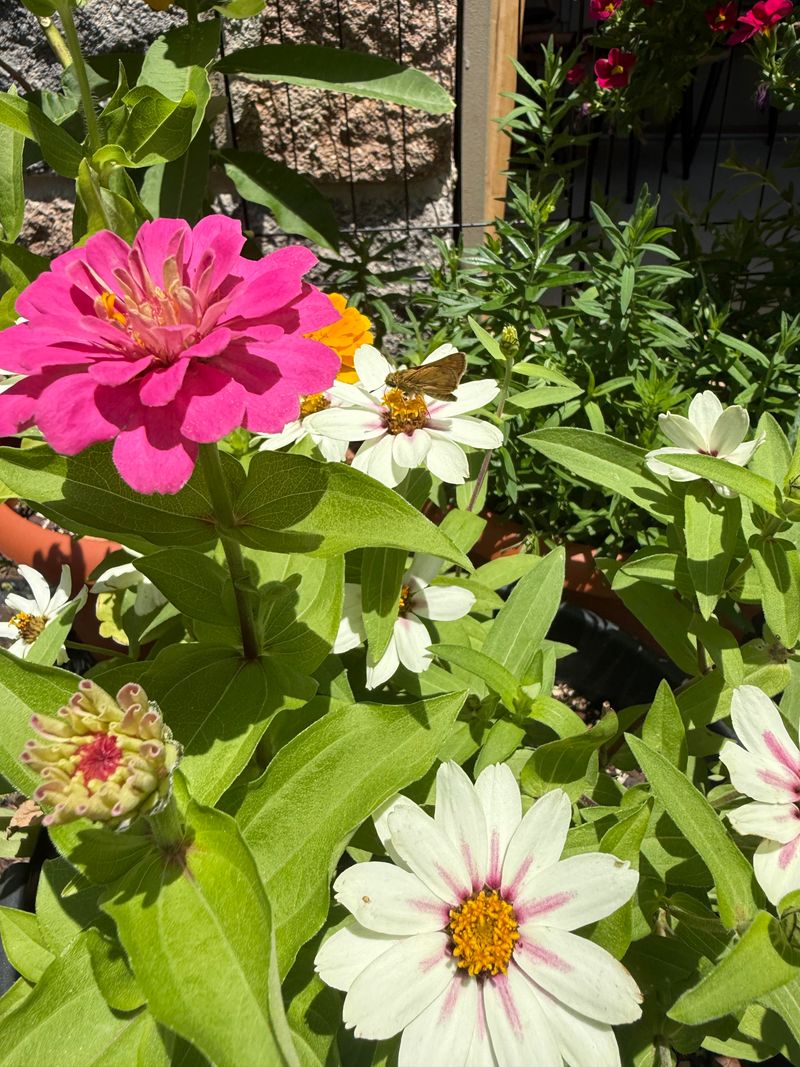
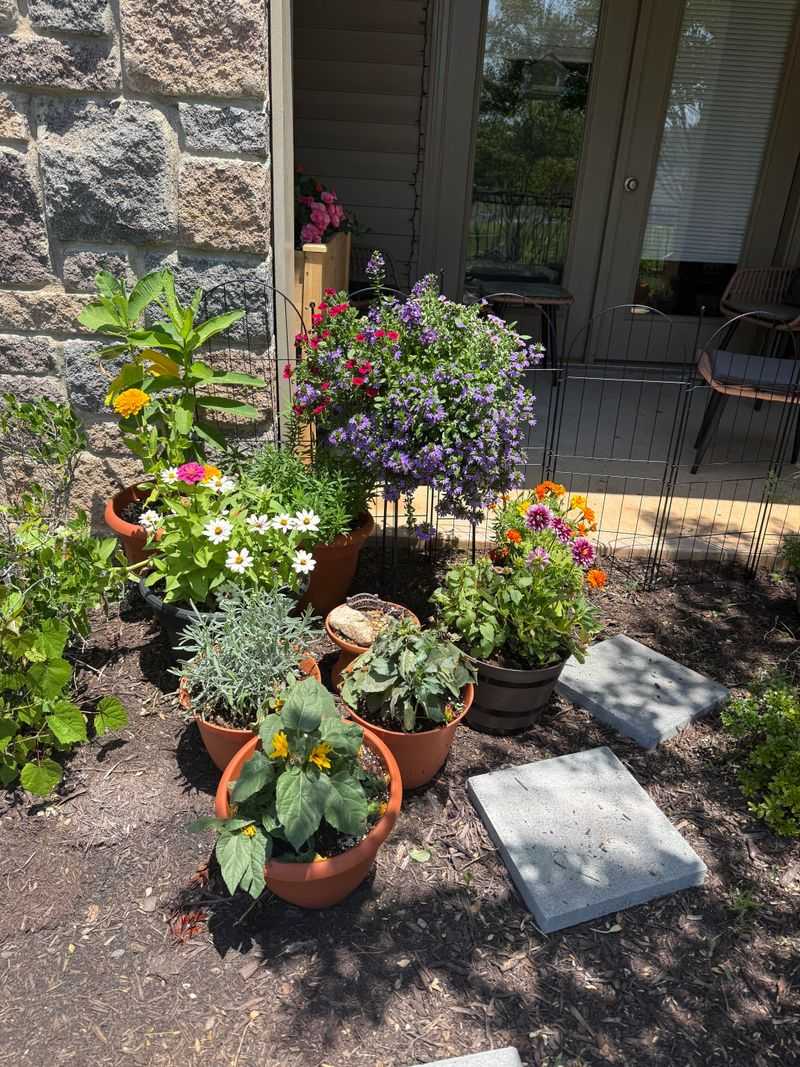
Scattered pots expose every container wall to sun, wind, and reflected heat.
A loose cluster changes that arrangement. Larger plants can shade neighboring pots, and the group can reduce how much direct exposure reaches the sides of smaller containers.
Grouping outdoor container plants can also help conserve moisture during demanding weather.
Use the tallest foliage as the western shield.
Place broad, established plants on the hotter side of the cluster, then set smaller or more heat-sensitive containers where they receive some afternoon protection. The result should feel like a loose planting bed made from movable pieces.
Do not pack everything shoulder to shoulder.
Florida humidity already creates plenty of moisture around leaves, and crowded foliage can slow air movement. Leave enough room to reach each pot, inspect leaves, and allow air to move between plants.
Watch the inner containers carefully.
The same shade that slows drying can leave those pots moist longer than the containers along the sunny edge. A grouped arrangement changes irrigation needs, so the old watering rhythm may stop matching every plant.
Keep incompatible plants separate too.
A drought-tolerant succulent and a thirsty tropical should not share one irrigation assumption simply because they occupy the same cluster. Grouping works best when plants with broadly similar water needs sit near each other.
The porch may look temporarily rearranged.
That is fine. During a heatwave, a plant huddle makes more sense than a perfect row of individual pots baking like decorative cupcakes.
5. Mulch The Mix To Slow Moisture Loss
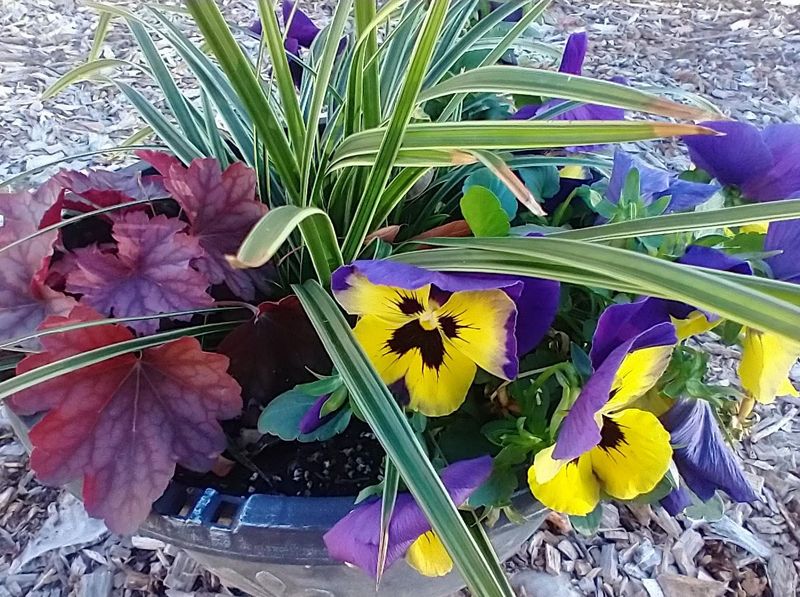
Bare potting mix gives Florida heat direct access to the moist surface of the container.
A light organic mulch layer can slow evaporation and help buffer the upper root zone. Mulch is also recommended as a moisture-conservation tool for outdoor containers during hot periods.
Keep the layer modest inside pots.
Fine bark, shredded leaves, or another lightweight organic material can cover exposed mix without swallowing the crown. Containers have limited depth, so there is no need to build the same thick mulch layer used beneath a landscape tree.
Leave space around stems.
Material piled tightly against a crown or woody stem can hold moisture where plant tissue needs air. A small open ring keeps the benefits over the soil without wrapping the plant base in a damp collar.
Check beneath the mulch before watering.
The surface may look dry while the mix underneath remains moist. Mulch changes the drying rate, so a watering schedule that worked last week may suddenly become too generous.
Do not expect mulch to rescue a neglected root ball.
It slows future moisture loss. It does not rehydrate a container already dried hard through the middle. Water thoroughly first, confirm drainage, then let the mulch help preserve that moisture.
Mulch is not glamorous, but neither is carrying a watering can across the porch four extra times.
A thin layer can buy useful time between irrigations while roots endure the hottest week, especially in larger pots that already hold a decent moisture reserve.
6. Keep Dark Pots Off Hot Hardscape
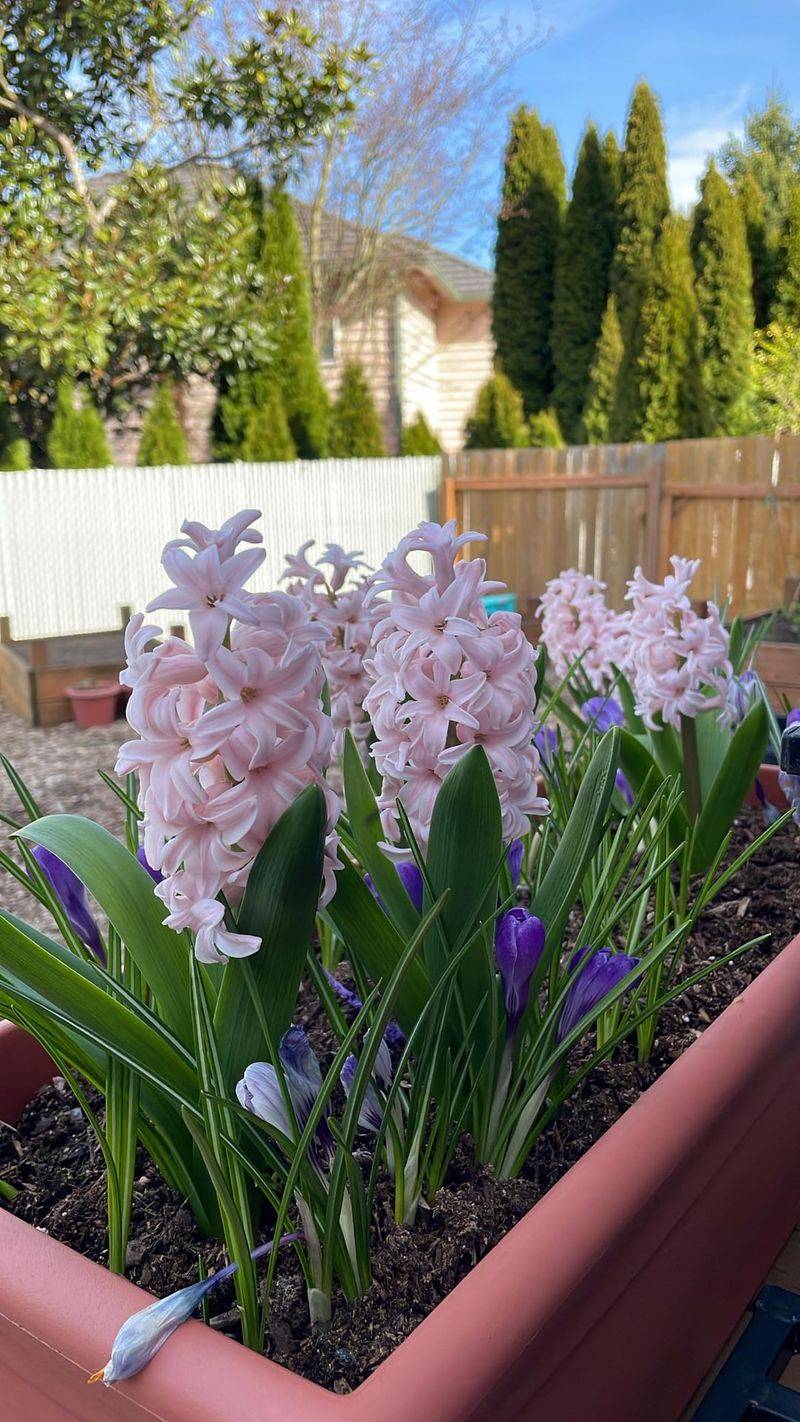
Thin black nursery pots deserve special attention on a sun-baked Florida patio.
Dark surfaces absorb solar energy readily, while concrete and pavers store heat and radiate it around the container.
The combination can make the root environment harsher than the surrounding air suggests, especially along west-facing walls or exposed decks.
Start with shade rather than emergency repotting.
Move the dark pot behind a larger container, place it where the pot wall receives protection during the afternoon, or slip it inside a larger decorative outer pot that still allows free drainage.
The plant keeps its existing root ball while gaining a buffer from direct sun.
Raise containers off hot hardscape where practical.
Pot feet or a stable stand can create airflow beneath the base and keep drainage openings clear. The benefit is modest, but several small reductions in heat exposure can add up during a seven-day hot stretch.
Avoid sealing the nursery pot inside standing water.
An outer cachepot must be emptied after irrigation so the inner container does not sit in a hidden puddle. Florida container guidance stresses free drainage and warns against letting pots remain in collected water.
Save major repotting for a less stressful weather window unless root crowding or drainage has become severe.
A decorative black pot is not automatically a disaster. A black pot pressed against blazing concrete in full western sun is simply being asked to work much harder than necessary.
7. Make Sure Drainage Holes Stay Open
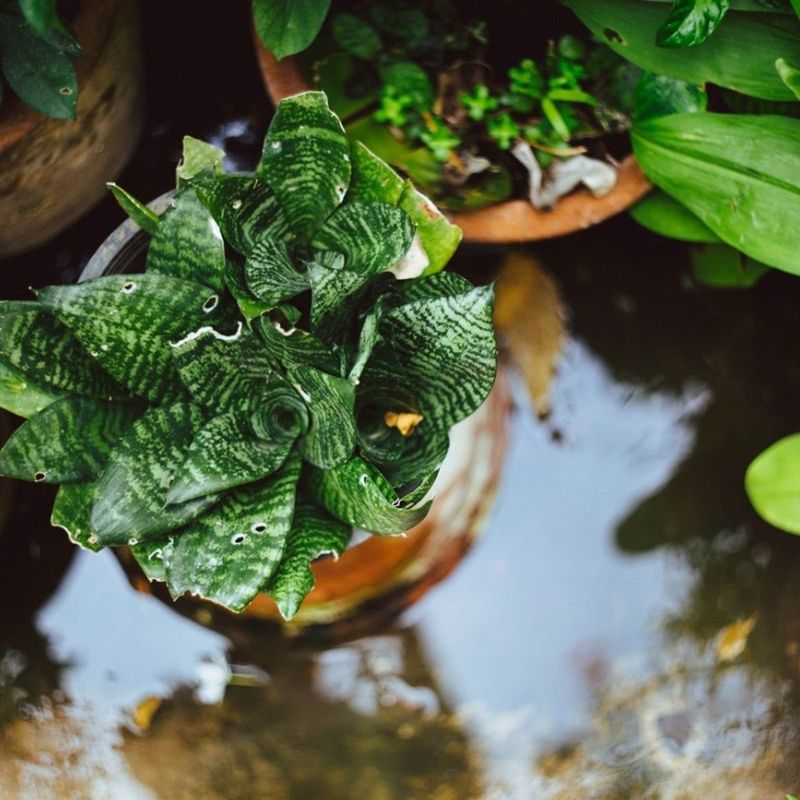
Deep watering only helps when excess water has somewhere to go afterward.
Every container should have functional drainage holes, and those openings need to stay clear of compacted mix, roots, debris, and saucers filled high enough to submerge the bottom of the pot.
Florida container guidance recommends watering until excess runs out, then preventing containers from sitting in that drainage water.
Inspect problem pots from below.
A plant that wilts despite moist soil may have roots sitting in poorly aerated mix rather than a shortage of water. Tip manageable containers and look for blocked holes or roots packed tightly through the openings.
Empty saucers after the pot finishes draining.
The saucer can protect a porch surface without becoming a pond. Cachepots need the same treatment because collected water may stay hidden below the inner container.
Good drainage also helps flush accumulated fertilizer salts through the root zone.
Container plants receive repeated irrigation and feeding in a limited volume of media, so dissolved salts can build over time.
Thorough watering followed by free drainage moves some of that accumulation out rather than leaving it concentrated around roots.
Do not solve slow drainage by poking blindly through a dense root ball with a sharp tool.
Clear obvious external blockages first. A severely compacted or root-bound container may need repotting once conditions become gentler.
During a heatwave, roots need water and oxygen at the same time.
The drainage hole is not a leak in the system. It is part of the system.
8. Use Drip Irrigation For The Hot Stretch
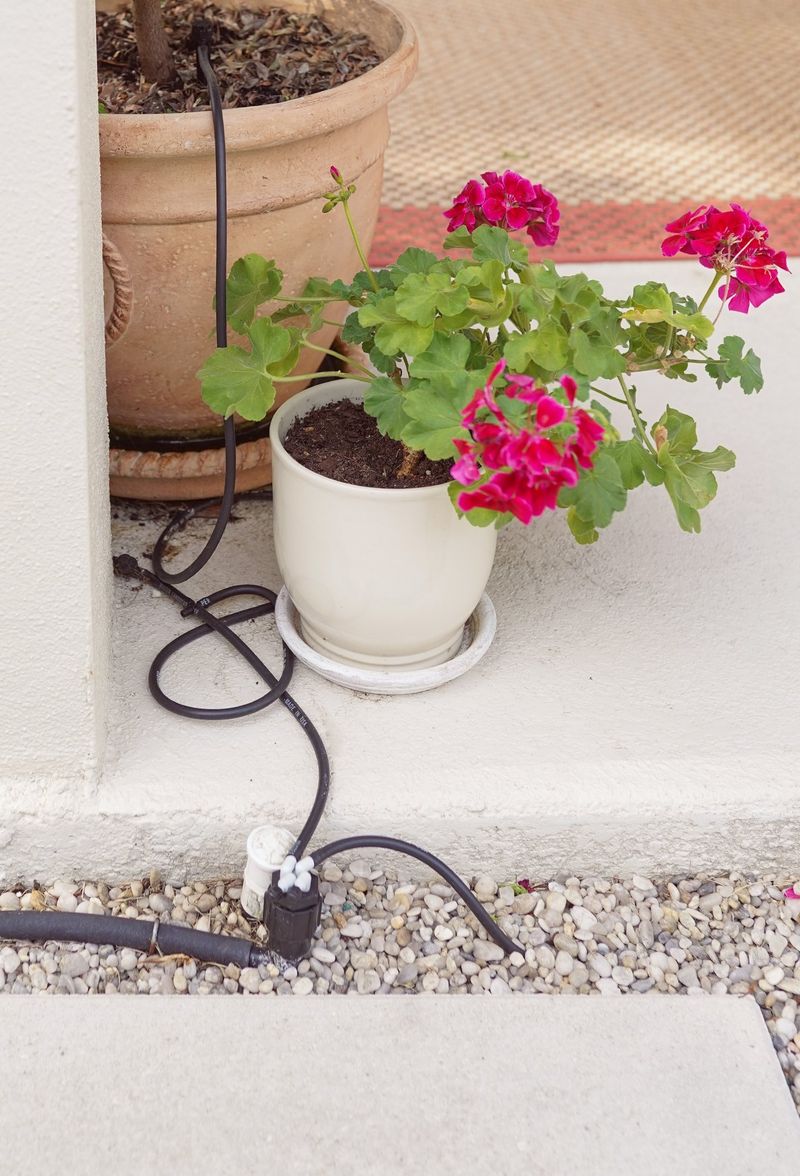
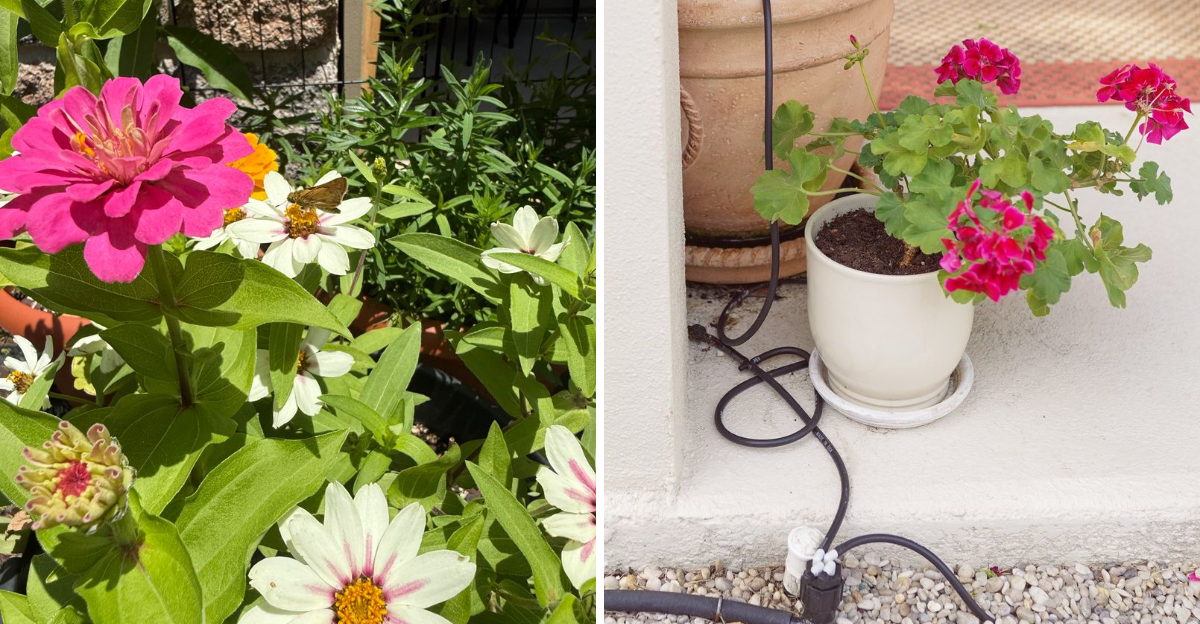
Drip or microirrigation can make a hot week much easier to manage, especially when a porch holds more containers than one watering can can reasonably serve.
These systems deliver water directly to the root zone and can reduce losses compared with overhead sprinkling. They also work well with container plantings when emitters are placed and maintained correctly.
Match emitter output to pot size.
A large tropical container may need more than one emitter to wet the root ball evenly, while a small herb pot may need very little runtime.
Place emitters over the planting mix rather than letting water run between the nursery pot and a decorative outer container.
Test the system before trusting the timer.
Run a cycle, then check several pots by hand. Look for dry centers, water escaping immediately down side gaps, clogged emitters, kinked tubing, or saucers filling beneath the containers.
Keep checking every day during the hot stretch.
Automatic irrigation does not know that one emitter popped loose or that yesterday’s thunderstorm soaked half the porch. Drip components need periodic maintenance because emitters can clog or stop delivering water properly.
Adjust after the heat breaks.
A timer setting that works during seven sunny 95-degree days may become excessive once cloud cover, rain, or cooler weather returns.
Automation should remove repetitive labor, not observation.
The best system handles the routine watering while the gardener still notices the one pot quietly trying to opt out of the program.