The Florida Bougainvillea Cutting Habit That Can Leave You With Leaves Instead Of Flowers
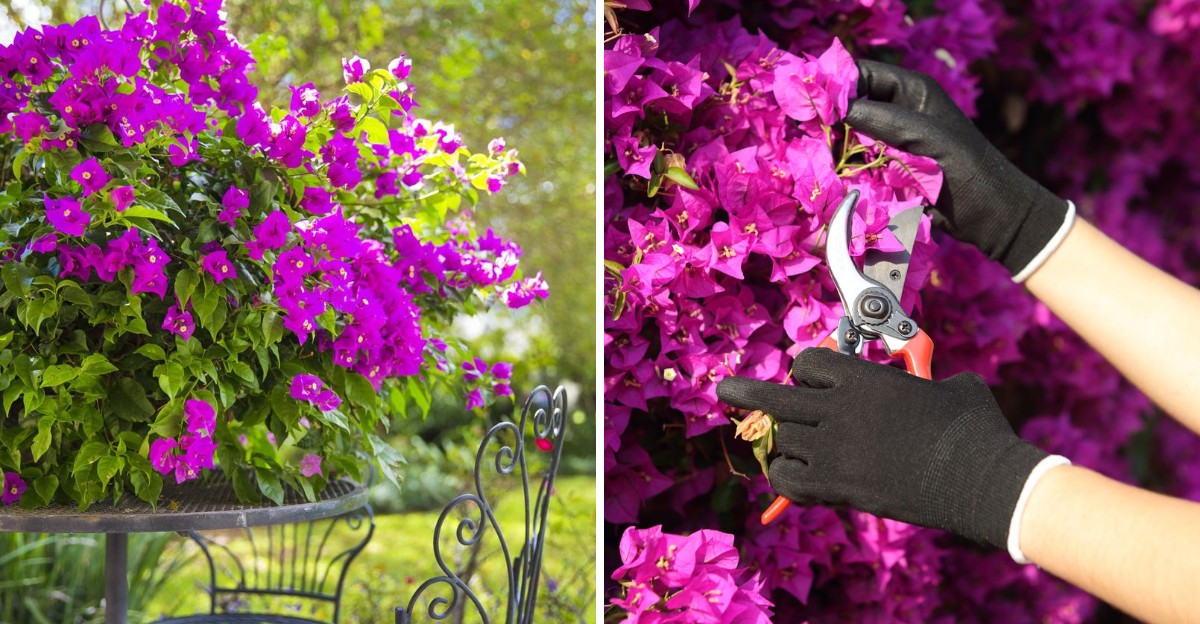
Your bougainvillea looks lush, deep green, and practically bursting with growth. So why are the flowers missing in action?
Florida gardeners love this plant for its color, then trim it into submission. One familiar snip, repeated at the wrong moment, trades a spray of blooms for a wall of leaves.
It looks healthy. It just refuses to flower.
Nobody warns you because the mistake feels like good housekeeping. Tidy, shaped, under control.
The plant responds by pouring everything into foliage and skipping the show.
A tiny change in how and when you cut flips the result back. The shears are the same.
The timing and the target are what matter.
Pause before the next trim and reread your plan. Color might be one habit away.
1. Pruning Too Often Can Cut Off Coming Blooms
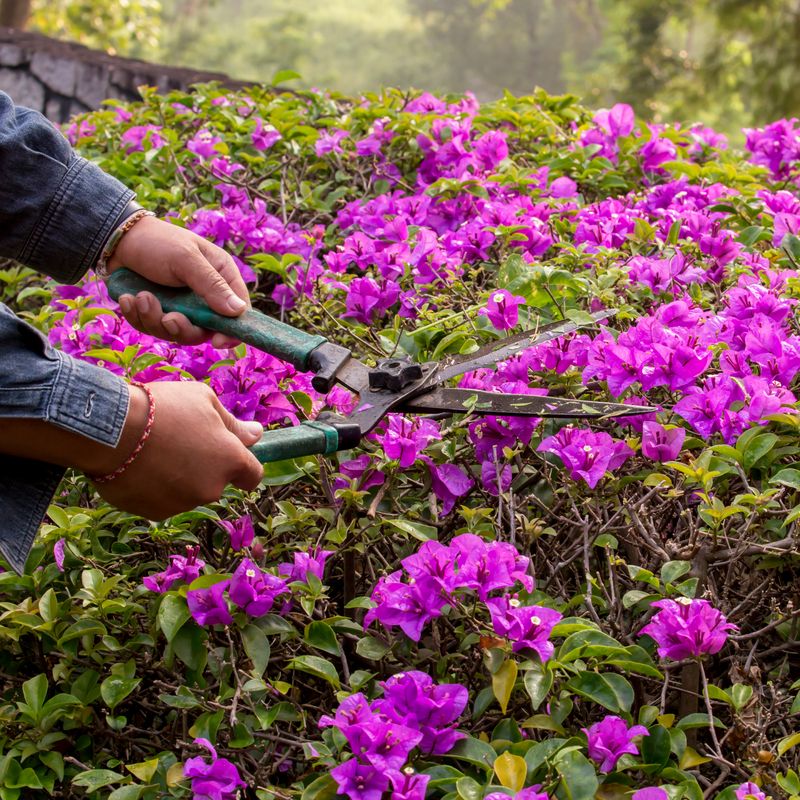
Snip, snip, snip. Many Florida gardeners grab their pruners every few weeks, hoping to keep the bougainvillea neat and tidy.
That habit feels helpful, but it can backfire in a sneaky way. Bougainvillea makes its color on fresh shoots.
When you trim those young stems again and again, you remove the exact spots where the next blooms were getting ready.
Think of it like picking apples before they grow. The tree did its job, but you took the fruit too early.
Your shrub keeps pushing out new stems, and you keep cutting them off before they can show any color.
In warm places like Florida, bougainvillea blooms in cycles. Each cycle needs time to finish.
If you interrupt it with constant shearing, the plant spends its energy regrowing leaves instead of making bright bracts.
So what should you do instead? Give the plant breathing room between trims.
Watch for a full bloom cycle, then trim once the color starts to fade.
A good rule is to put the pruners down for at least several weeks after any cut. Let the new shoots stretch out and mature.
You might be surprised how quickly color appears when you simply wait.
Patience is not flashy, but it pays off. A slightly shaggy shrub covered in pink beats a perfectly shaped green ball.
2. A Fall Pruning Can Mean Fewer Flowers This Winter
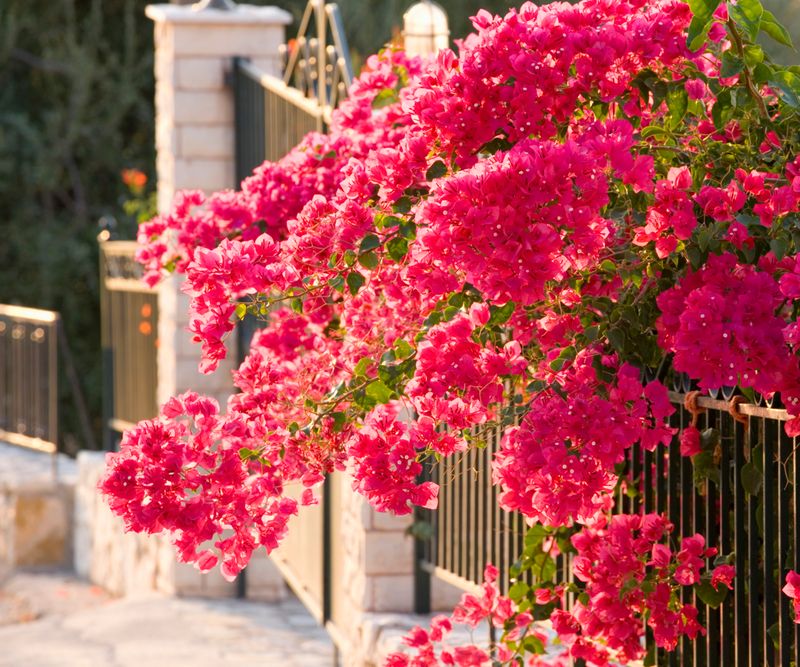
Autumn cleanup is a classic chore. The summer heat finally eases, and the yard looks a little wild, so out come the clippers.
For bougainvillea in Florida, though, fall is about the worst time to make big cuts. Late summer and early fall are when the plant starts gearing up for its biggest color party of the year.
The buds that will light up your winter are forming right then.
When you prune heavily in September or October, you can clip away those developing flowers. The plant then has to start over, and it may not catch up before the bloom window closes.
Picture baking a cake and pulling it out of the oven halfway through. You can put it back, but the timing is now off.
Your bougainvillea feels the same way.
Your Florida Garden Changes Every Week. Your Plan Should Too.
Gardening in Florida changes quickly throughout the season. Every Friday you’ll receive a simple weekly plan showing exactly what to plant, prune, fertilize, harvest, and protect so you never miss the right timing.
If the shrub is blocking a walkway or scratching your car, a small trim is fine. Just remove the problem branches and leave the rest alone.
Here is a helpful trick. Mark your calendar with a note that says no big cuts from late summer through winter.
That little reminder can save your whole winter display.
Your neighbors will notice the difference when your yard glows with magenta in December while theirs looks plain.
3. Bougainvillea Blooms Only On New Growth
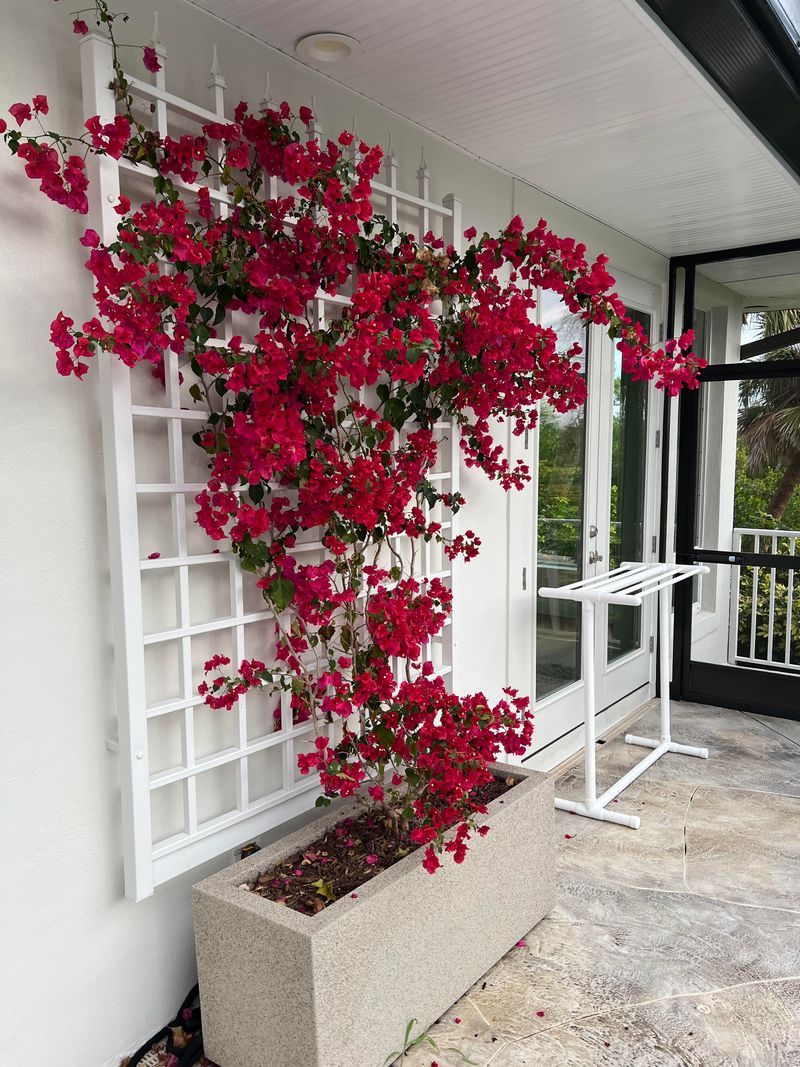
Here is a fun fact that surprises many people. Those bright papery petals on bougainvillea are not petals at all.
They are called bracts, which are special leaves that surround the real flowers. The true flowers are tiny, white, and easy to miss in the middle.
The key thing to remember is where this color appears. Bougainvillea puts its show on new growth, meaning fresh stems that sprouted recently.
Old, woody branches mostly hold the plant up and do not make much color on their own.
This explains why pruning can be both a friend and a foe. A well-timed cut tells the plant to send out new branches.
More branches can mean more tips, and more tips can mean more color.
The catch is timing. Cut at the right moment, and you get a flush of blooms.
Cut at the wrong moment, and you snip away the very shoots that were about to flower.
A smart approach is light pruning right after a bloom cycle ends. Trim just past a leaf node to encourage branching.
Within weeks, fresh stems appear, and the next round of color follows.
Once you understand this one habit of the plant, pruning stops being a guessing game.
4. Its Main Show Comes During Winter’s Short Days
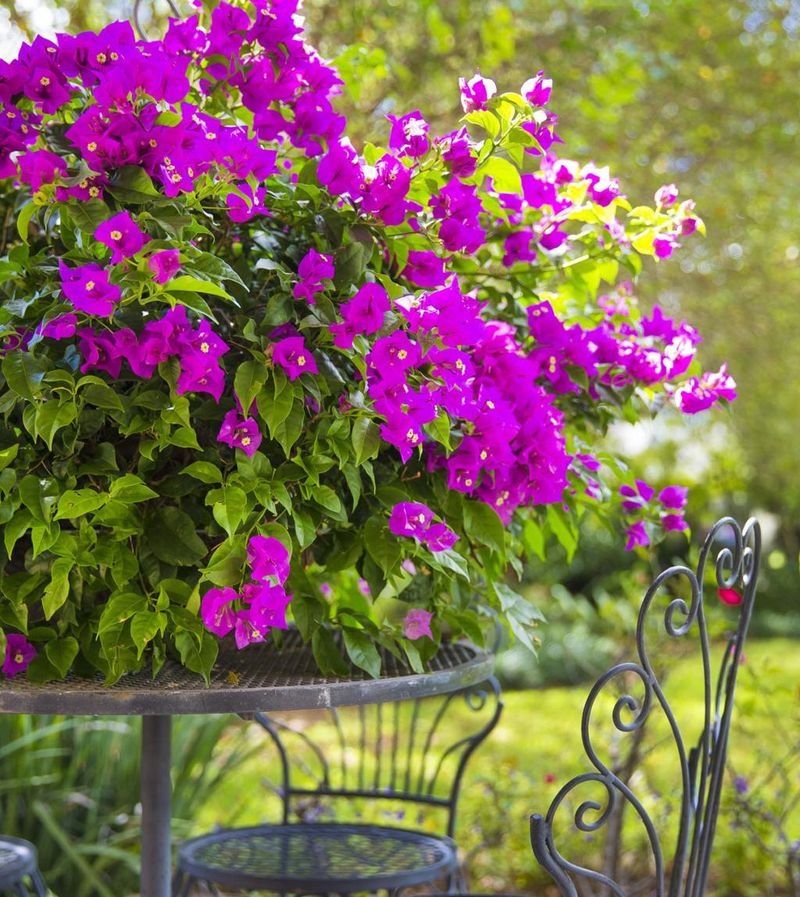
While folks up north shovel snow, South Florida gets a treat. Bougainvillea bursts into color right when many other plants take a rest.
In Zones 10 and 11, the big bloom season usually runs from about November through March. Many plants also put on a second show from late summer into fall, roughly August to October.
Why winter? A few natural signals team up.
Shorter days, cooler nights, and drier weather tell the plant it is time to flower. Florida winters are usually mild and less rainy, which creates the perfect mix.
That bit of dryness acts like a gentle nudge. The plant senses stress and responds by making blooms, as if it wants to reproduce before conditions change.
Knowing this schedule helps you plan your care. You want the plant fully grown and ready by late fall, not freshly chopped back.
Did you know? Bougainvillea was named after Louis Antoine de Bougainville, a French explorer.
A botanist on his voyage spotted the plant in Brazil in the 1700s.
So think of winter as opening night for your shrub. Everything you do the rest of the year is rehearsal.
Treat the season with respect, and the curtain will rise on a dazzling display.
5. Prune In Late Winter Or Early Spring After It Flowers
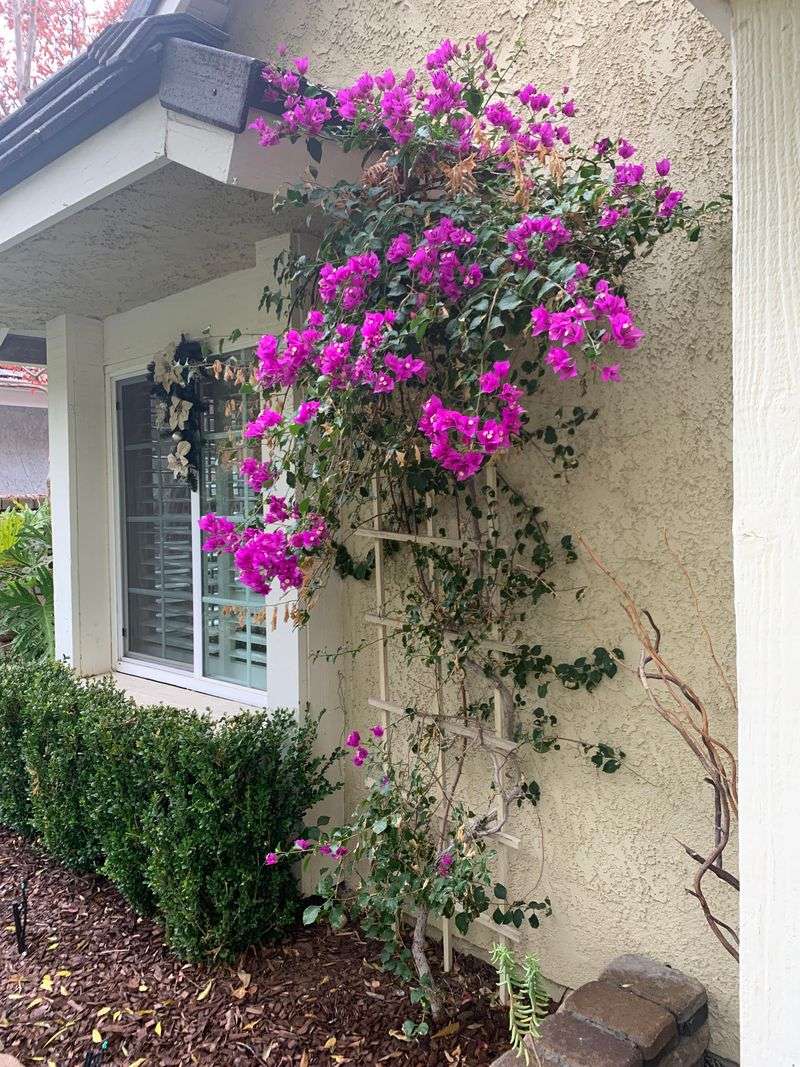
Timing really is everything. If you want a single best moment to prune bougainvillea in Florida, aim for late winter or early spring.
By then, the main winter bloom has wrapped up. The bracts look faded and papery, and some are drifting onto the ground.
That is your cue.
Pruning now works with the plant instead of against it. Warm spring weather is on the way, and the shrub is ready to grow fast.
Your cuts spark a burst of strong new shoots, and those shoots carry the next wave of color.
A spring trim also keeps the plant from looking tired and woody. You can remove crossed branches, thin crowded spots, and shape the shrub how you like.
Here are a few tips to make it easy. Wear thick gloves, since bougainvillea has sharp thorns.
Use clean, sharp pruners for smooth cuts. Cut just above a leaf node so new branches sprout in the right direction.
Try not to remove more than about a third of the plant at once. Big chops can stress it and slow down blooming.
Once you finish, give it a light feeding and plenty of sun. You will soon see fresh green tips, followed by pops of bright color.
6. The Start Of The Rainy Season Works Too
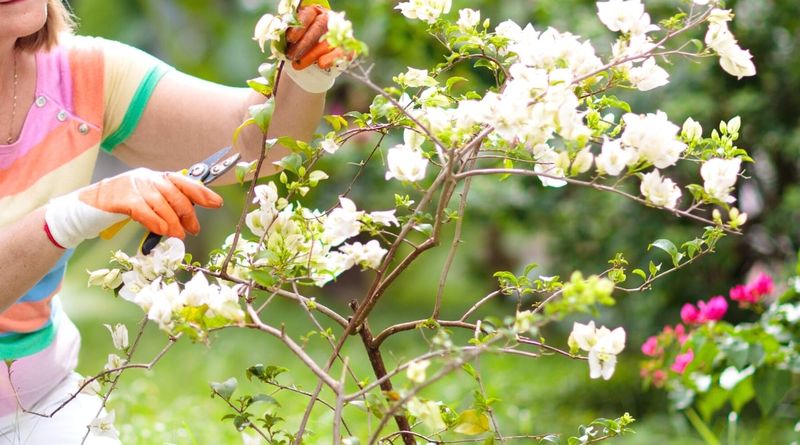
Missed the spring window? No worries, Florida gives you a second chance.
The beginning of the rainy season, usually around late May or June, is another fine time to prune. The plant has warmth, moisture, and long days, so it can bounce back quickly from a trim.
That said, the wet months come with a few quirks. Some bougainvilleas sulk when the rains arrive.
They may drop leaves and slow down, almost like they are taking a nap.
The bigger worry is soggy roots. Bougainvillea hates sitting in wet soil, and constant rain can lead to root rot if drainage is poor.
Before pruning, check that water drains away from the base after a storm.
If puddles linger, consider adding a raised bed or mixing in coarse material to improve drainage. Potted plants should have open drainage holes and no saucer trapping water.
Here is a bonus. During the rainy season, established bougainvillea usually does not need extra watering from you.
Mother Nature handles the job, so you can turn off the sprinkler zone for that bed.
Keep cuts moderate this time of year. A tidy shaping is plenty, and it leaves the plant enough time to regrow before its big winter performance.
7. Light Trims Are Fine Year-Round
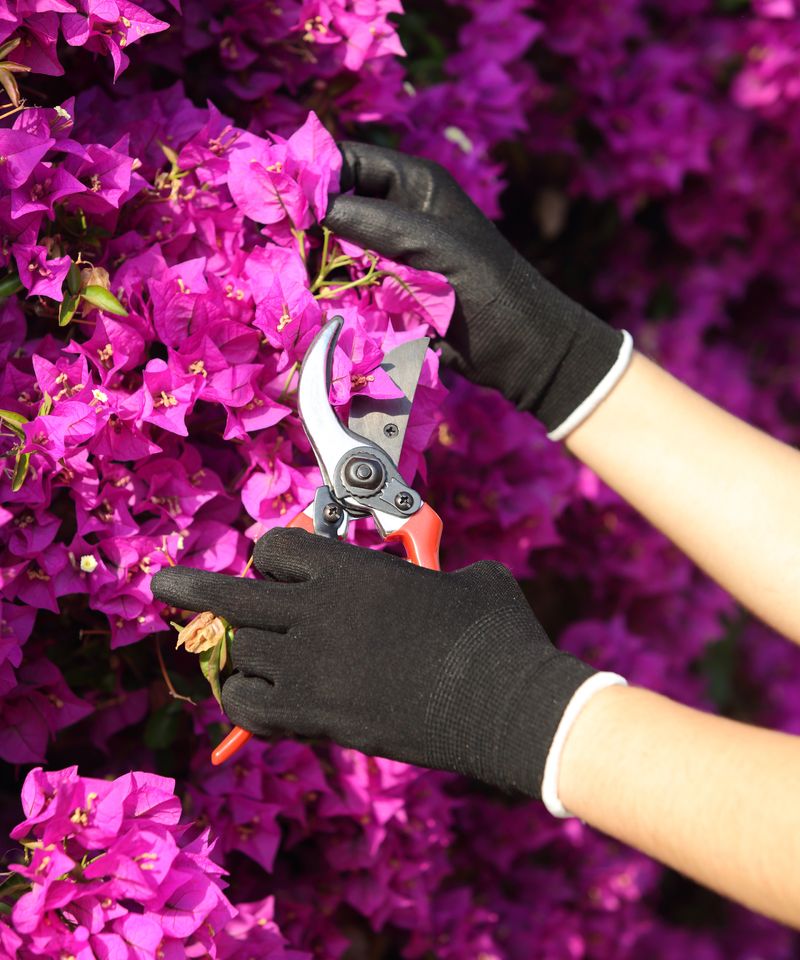
Good news for folks who love a tidy yard. You do not have to hide your snips for months at a time.
Bougainvillea handles small trims, shaping, and trimming pretty much any time of year. The trouble comes from big, heavy cuts at the wrong season, not from gentle touch-ups.
So what counts as light? Think of it as a haircut, not a buzz cut.
Snip off a stray branch poking into the driveway. Remove a few faded bracts.
Pinch back a long shoot that is flopping over.
These little moves can help the plant, as long as you leave fresh shoots alone from late summer through winter, when they’re carrying the coming blooms. Clearing spent blooms also makes the shrub look fresh and cheerful.
A quick weekly stroll with small snips works great. Look for anything broken, crossing, or out of place.
Take care of it in a minute or two, then move on.
Keep safety in mind, too. Those thorns are no joke, so long sleeves and gloves make the job much more pleasant.
Just avoid turning a light trim into a big one. If you find yourself filling a whole trash bag, that is a sign to stop and save the major work for spring.
8. Too Much Nitrogen Means Leaves Instead Of Flowers
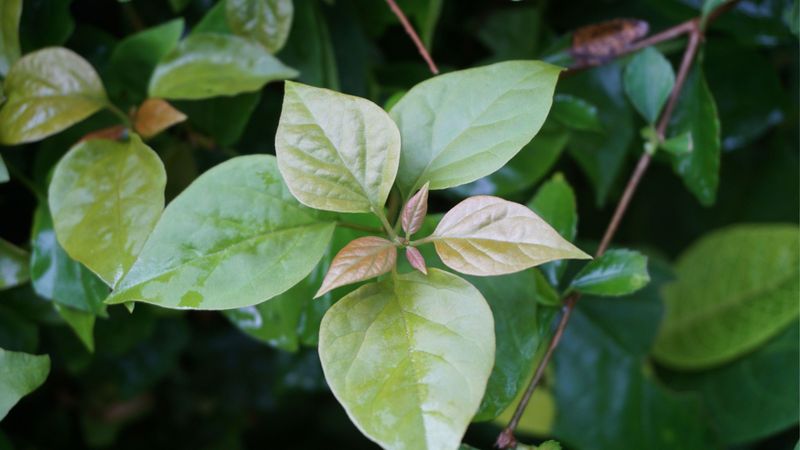
Fertilizer seems like a shortcut to a happier plant. With bougainvillea, though, the wrong kind can turn your shrub into a leafy green monster.
Nitrogen is the nutrient that powers leaf growth. Lawn fertilizers are packed with it, which is why grass turns so green.
When that same food reaches your bougainvillea, the plant puts its energy into leaves and skips the color.
This happens more often than you might think. Fertilizer from the lawn can wash into nearby beds, especially with Florida rains and sprinklers.
For more blooms, choose a fertilizer lower in nitrogen and richer in phosphorus and potassium. Look at the three numbers on the bag, called the NPK ratio.
Options like 5-10-10 work nicely, and a balanced 10-10-10 is also common.
Follow the label and go easy. More is not better here.
Feeding a few times during the growing season is usually plenty.
A handy habit is keeping a buffer zone. Avoid spreading lawn food right up to the base of your bougainvillea.
If your plant is already all leaves, pause the high-nitrogen feeding. Switch to a bloom-friendly blend, give it time, and watch for color to return in the next cycle.
9. More Sun And Less Water Mean More Blooms
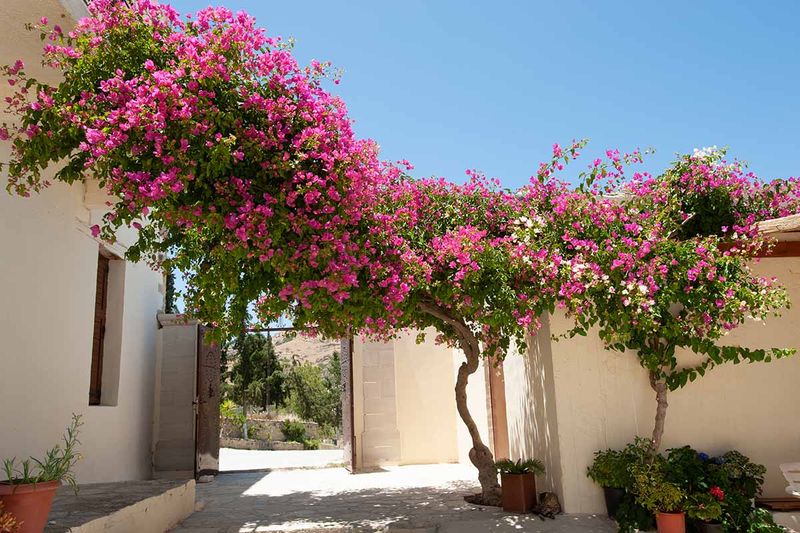
Some plants crave pampering. Bougainvillea is more like a tough beach kid who loves hot sand and bright skies.
Sun is the fuel for its color. Aim for at least six hours of direct sunlight each day.
In shady spots, the plant often grows long and leggy, with lots of stems and very few blooms.
If your shrub sits under a tree or beside a tall wall, that may be the real problem. Moving a potted plant to a sunnier patio can make a big difference.
Water is the other half of the puzzle. Once established, bougainvillea handles dry spells well.
It actually flowers better when it feels a little thirsty.
Too much water can lead to root rot and fewer blooms. Instead of light daily sprinkles, water deeply and then let the soil dry out before watering again.
Try the finger test. Push a finger a couple of inches into the soil.
If it feels damp, wait. If it feels dry, give a good soak.
Put sunshine, smart watering, and well-timed pruning together, and your yard can turn into a color explosion. That glowing Florida shrub you pictured is closer than you think.