The Porch Plant Texans Swear By To Keep Roaches Out All August
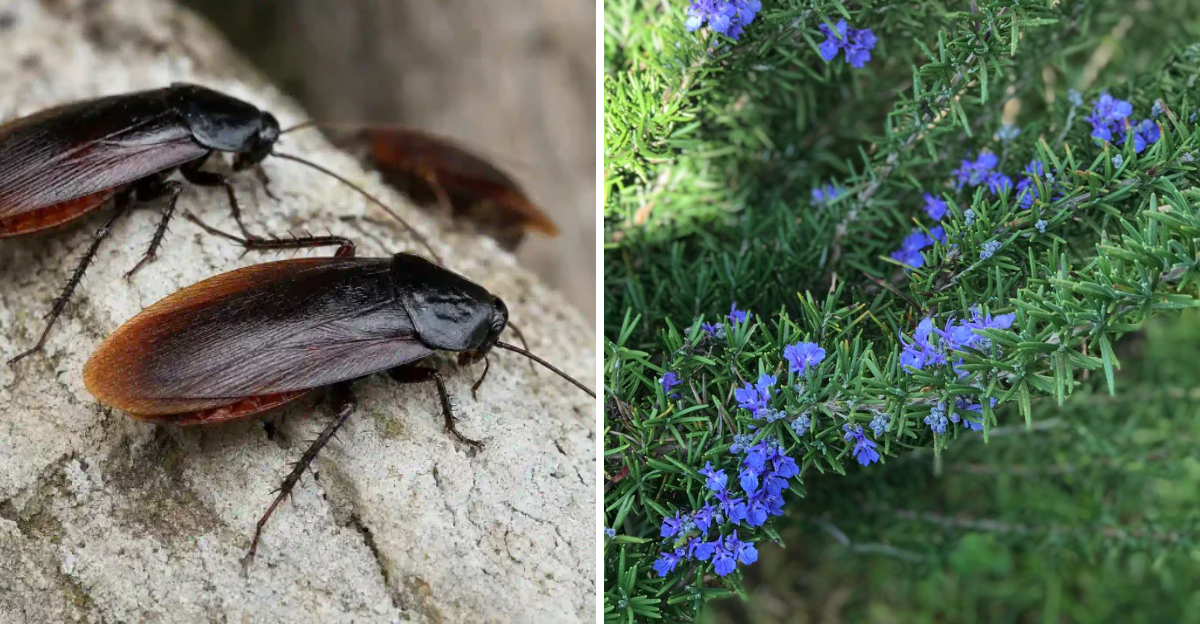
A Texas porch can feel completely different after sunset in August.
The heat still hangs around the concrete, porch lights pull insects toward the house, and something large may suddenly race beneath a planter before disappearing into a crack.
One fragrant pot near the doorway can seem like an appealing answer, especially when the plant already thrives in sun and smells strong enough to fill the air after a quick brush.
The interesting part is what that scent can and cannot do.
Some of the chemistry behind the aroma has been tested against cockroaches under controlled conditions.
The living plant on a breezy porch, though, creates a very different environment from a laboratory treatment. That gap matters when the goal is keeping pests from reaching the door.
So where does the plant genuinely fit?
The answer depends less on building a scented force field and more on combining one useful porch herb with several changes that remove the things roaches are actually searching for around a Texas home at night.
Put Rosemary Near The Porch Entry
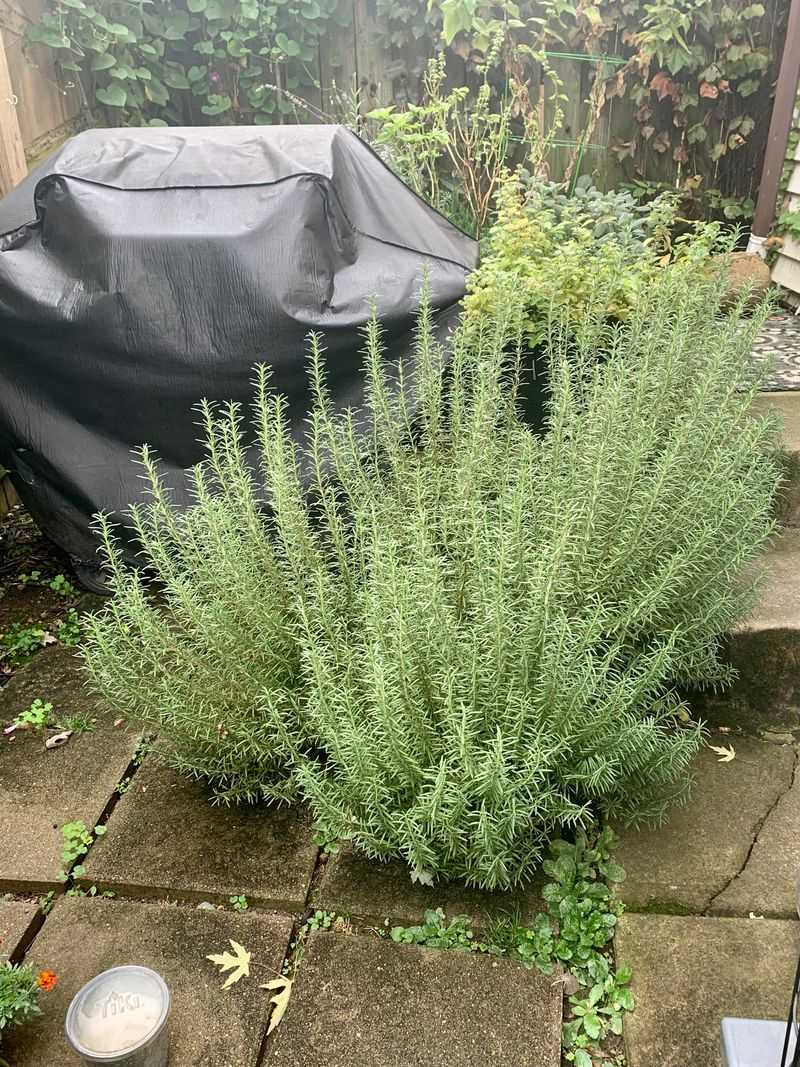
Rosemary makes the most sense near the doorway because that is where its fragrance can be noticed and where the plant is easy to inspect, water, and harvest.
A pot shoved into the far corner of a large porch may smell wonderful when you walk over to it, but the scent will disperse quickly outdoors.
Moving the plant closer to an entry does not create a proven cockroach barrier. It simply places the aromatic foliage where any local effect has the best chance to overlap with an area people want to keep less inviting.
Give the pot enough clearance from the wall to keep air moving around the foliage and to prevent the container from creating a dark hiding pocket behind it.
Avoid crowding several pots tightly against the threshold, since clutter itself can create sheltered spaces that outdoor cockroaches use.
One healthy, full plant is more useful than three struggling specimens packed into a shaded corner.
Rosemary also earns the location without any pest claim. The foliage stays handy for cooking, tolerates Texas heat well when drainage is good, and adds evergreen structure to a porch that can look tired by late summer.
Use the doorway placement as a bonus, not the whole defense plan. The herb can contribute aroma around the entry, but the gap under the door, water in the saucer, and cardboard behind the planter matter far more to a roaming roach.
Let Aromatic Oils Add A Layer Of Deterrence
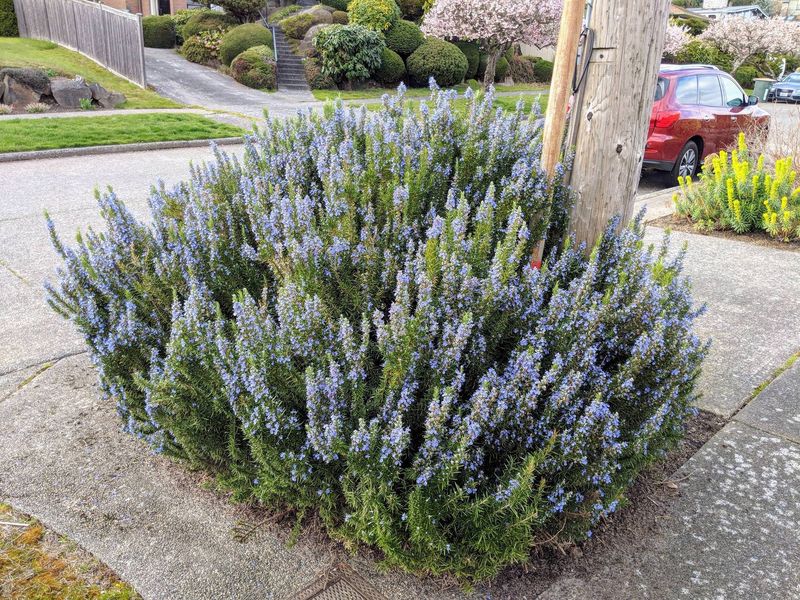
The strongest scientific support for rosemary comes from concentrated essential oil, not from a living plant sitting outdoors.
In one laboratory experiment, rosemary essential oil showed substantial repellent activity against brown-banded cockroach nymphs at the tested concentrations.
The same study also found strong contact and fumigant effects under controlled exposure. That establishes that compounds in rosemary oil can affect cockroach behavior and survival under laboratory conditions.
A porch pot is not the same treatment.
Fresh leaves release aromatic compounds gradually, outdoor air dilutes them, and no controlled study from this research shows that an intact rosemary plant keeps cockroaches away from a Texas doorway.
Your Texas Garden Changes Every Week. Your Plan Should Too.
Gardening in Texas changes quickly throughout the season. Every Friday you’ll receive a simple weekly plan showing exactly what to plant, prune, fertilize, harvest, and protect so you never miss the right timing.
The species tested also matters. Brown-banded cockroaches are not a stand-in for every outdoor cockroach that may wander across a porch.
That distinction keeps the advice useful.
Enjoy the plant as one aromatic layer around the entry, but judge success by actual roach activity rather than by how strongly the foliage smells to you. A scent obvious to a person does not provide a measurable exclusion zone around the house.
The chemistry is real. The porch-level protection remains unproven.
That is still more interesting than pure garden folklore, but it changes the job description. Rosemary belongs beside sanitation and exclusion, not in place of them. The herb can be part of the setup while proven pest-management steps do the heavy lifting.
Brush The Foliage To Release More Aroma
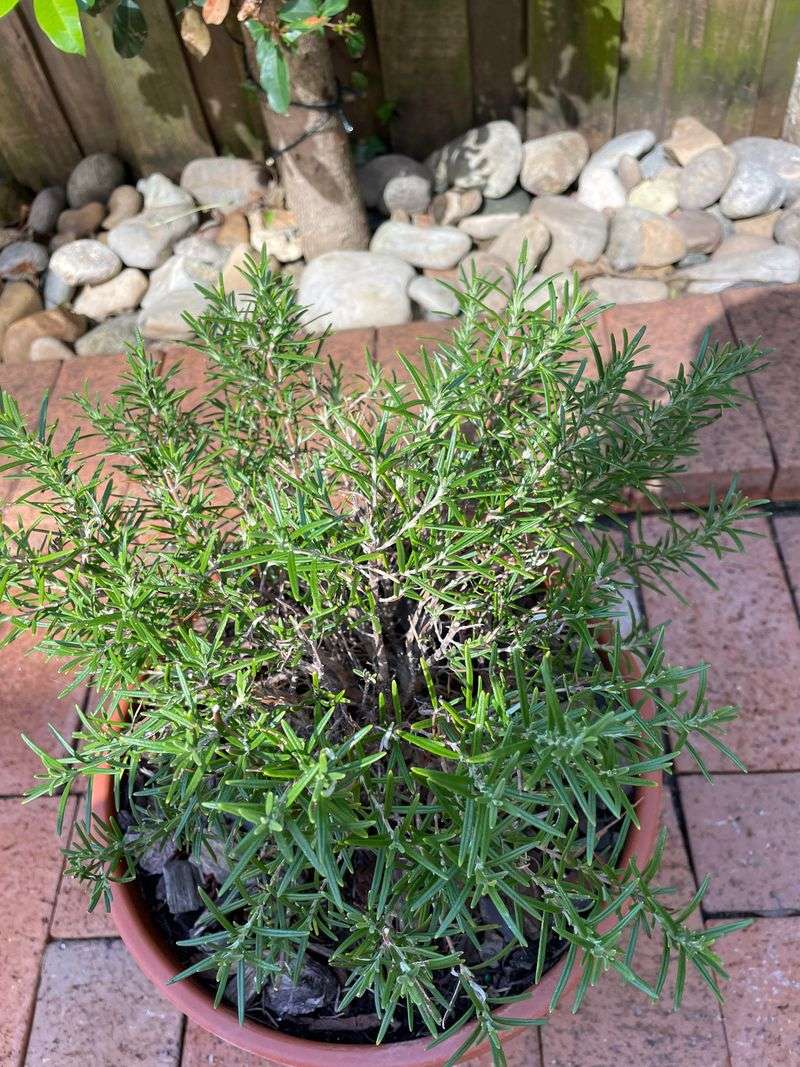
Running a hand lightly across rosemary leaves releases a fresh burst of aroma, which makes the plant useful beside a frequently used door.
Harvesting a few sprigs or lightly trimming soft tips does the same thing. The foliage contains the aromatic oil responsible for rosemary’s distinctive scent, and disturbing the leaves makes that fragrance more noticeable for a while.
Do not turn that observation into a pest-control schedule.
There is no good evidence showing that brushing a living rosemary plant several times a day creates a reliable cockroach-repellent concentration around an outdoor doorway.
Wind, porch size, temperature, plant size, and air movement all change how quickly those aromatic compounds disperse.
Treat brushing as plant interaction, not application.
Clip what you need for the kitchen, shape lanky growth lightly, and let normal foot traffic release fragrance when the pot sits near the entry.
Avoid crushing large amounts of foliage in an attempt to make the porch smell stronger. A rosemary plant still needs enough leaves to handle August heat.
Fresh cut sprigs add temporary fragrance, but they dry quickly and do not replace sanitation or exclusion.
The practical advantage is simple: the plant stays useful even when no roach notices it.
You get a culinary herb, a strong porch scent, and greenery. Any deterrent effect from the living foliage is best treated as possible extra value rather than the reason the front door stays roach-free.
Give Rosemary The Sunny Porch Spot It Wants

Rosemary only adds useful foliage and fragrance when the plant itself stays healthy.
Texas growing guidance favors full sun and well-drained conditions for rosemary, while excess water and poor drainage are common reasons plants decline.
That makes a bright porch, courtyard, or entry landing a good fit when the container receives enough direct light and excess irrigation can escape freely.
Use a pot with open drainage holes and a mix that does not stay saturated for days.
Small containers can dry sharply during extreme August heat, so check the root zone instead of assuming rosemary never needs water.
The plant tolerates dry conditions better than soggy roots, but a container has far less soil volume than an in-ground planting. A hot, windy porch can empty that moisture reserve faster than expected.
Water thoroughly, let the excess drain, then allow the mix to dry somewhat before the next irrigation.
Full sun also helps keep growth compact and sturdy. Deep shade can produce thinner growth and a less vigorous plant than the bright conditions rosemary prefers.
A larger container can buffer moisture swings better than a tiny nursery pot, especially during a week of severe heat.
Keep the priorities in order. Grow rosemary well because it is a useful Texas herb. A stressed plant in a damp, shaded pot will not become a better roach deterrent simply because it sits closer to the door.
Empty Water From Saucers And Porch Pots
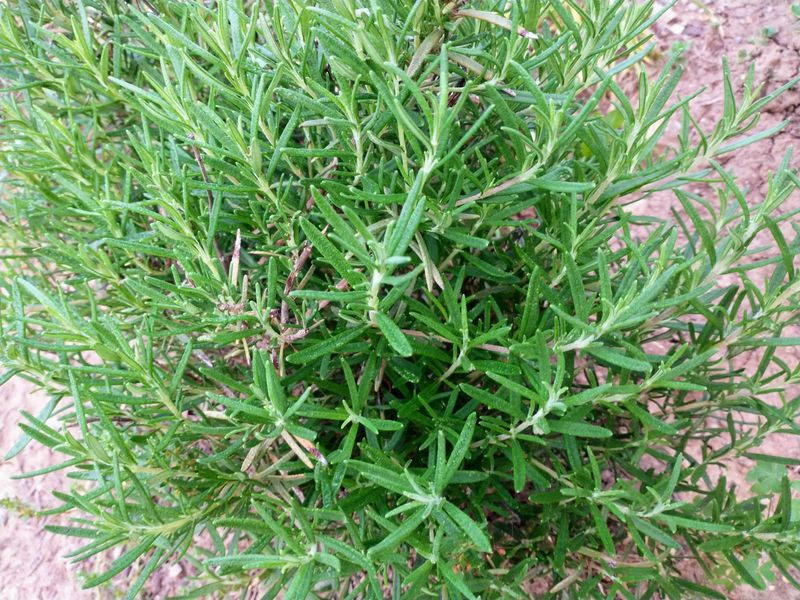
Water control will usually matter more to cockroach pressure than the fragrance of any herb.
Cockroaches need access to basic resources, and pest-management guidance treats moisture reduction as part of making structures less hospitable.
Porch areas can provide water through plant saucers, leaking connections, irrigation runoff, spills, and persistently damp corners.
Start underneath the rosemary pot.
Water the plant thoroughly, let the container drain, then empty collected water from the saucer or decorative outer pot.
Rosemary benefits too, since its roots perform poorly in persistently wet conditions. One cleanup step improves the plant’s growing environment while removing unnecessary moisture near the entry.
Check nearby containers at the same time.
A tropical plant may need more frequent irrigation than rosemary, but its saucer still does not need to remain full overnight. Look behind pots after watering and correct slow leaks or low spots that stay damp.
Pet water deserves practical handling rather than panic. Animals need dependable access to water, so manage bowls according to the pet’s needs and household routine rather than withholding water for pest control.
Keep the surrounding area clean and address spills promptly.
The larger lesson is that rosemary should not sit inside a porch ecosystem built for roaches.
A fragrant plant beside a dripping faucet sends mixed signals. Remove excess moisture first, then let the herb be the pleasant part of a much less hospitable entry area.
Clear Hiding Places Around The Containers
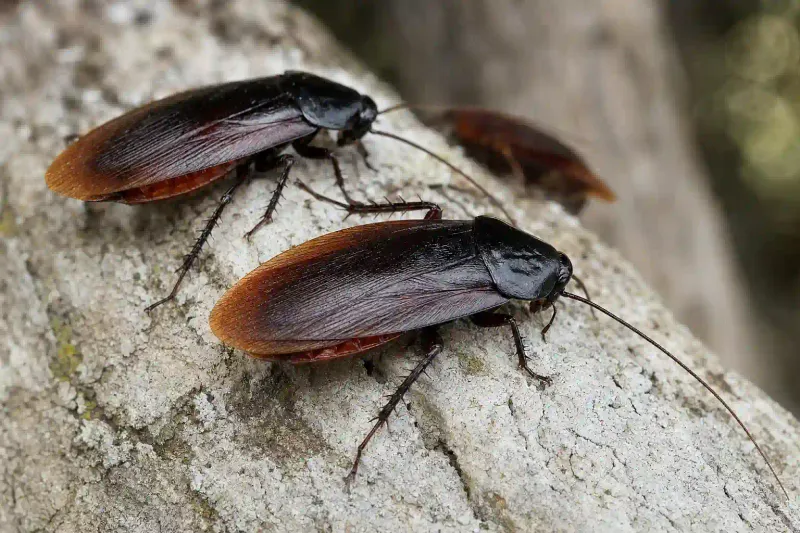
A porch can offer shelter even when no food is visible.
Outdoor cockroaches use protected spaces around landscape debris, cracks, containers, and other sheltered areas.
At least one outdoor species spreading in Texas is documented around leaf litter, potted plants, concrete cracks, compost, water-meter boxes, and similar habitat.
Walk the porch with hiding places in mind.
Move empty pots out of tight stacks, recycle cardboard instead of storing it beside the wall, sweep leaves from corners, and keep bags of soil or mulch in dry, closed storage.
A planter pressed flat against siding can create a dark gap behind it, especially after irrigation leaves the area damp.
Give active containers a little breathing room from walls where the layout allows.
That makes sweeping easier and lets you see what is happening behind each pot. It also prevents the rosemary container from becoming part of the shelter problem it was supposed to help solve.
Check beneath plant stands periodically.
The goal is not a sterile porch. It is removing undisturbed pockets where moisture, darkness, and debris stay available together.
Reducing shelter and other pest resources is a basic part of integrated pest management around structures.
Persistent activity can justify identifying the cockroach involved, since Texas homes can encounter several species. Outdoor wanderers and an established indoor infestation do not call for exactly the same response.
Rosemary may make the entry smell cleaner. Actual cleaning makes the habitat less useful.
Roaches can tolerate a fragrance far more easily than they can tolerate losing the dark, damp places where they planned to spend the day.