The Drought-Proof Texas Herb Still Thriving In Late August
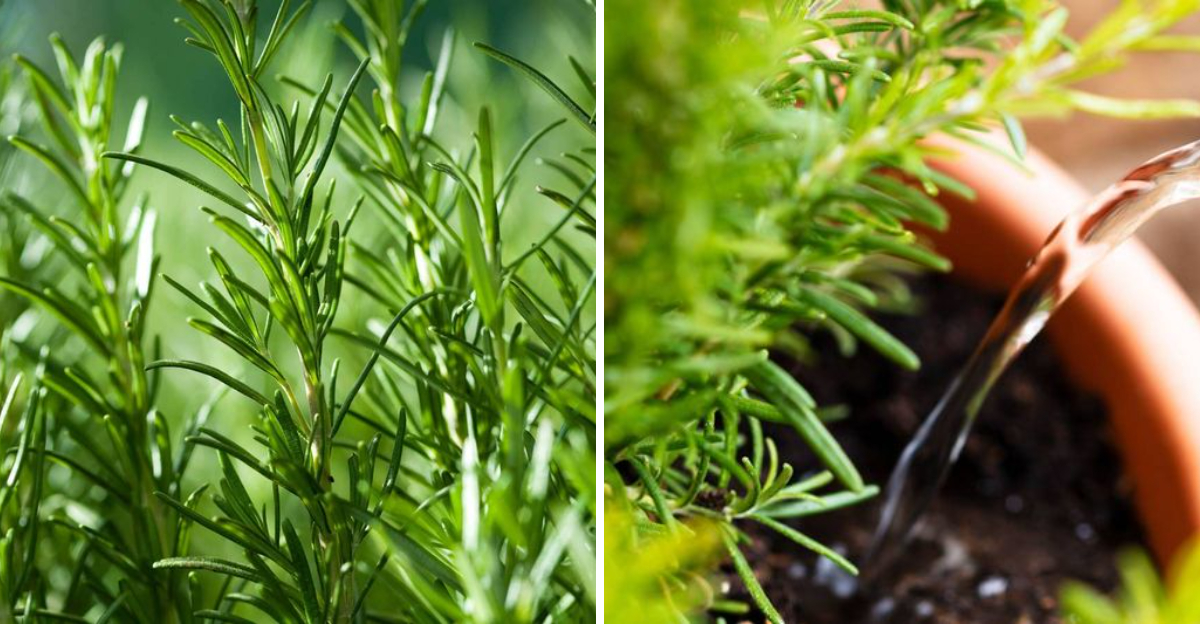
Late August in Texas is when a lot of herb gardens start looking defeated. The spring herbs that performed so well earlier in the season have bolted, burned out, or given up entirely, and the kitchen garden that was so productive in May can feel like a real disappointment by the end of summer.
Most Texas herb gardeners have come to accept this as the way things go. But one herb didn’t get that memo.
While everything else in the herb garden is struggling through the final stretch of August, this drought proof performer is still going strong.
Still green, still producing, still flavorful, and completely unbothered by the heat and dry conditions that have finished off most of its neighbors. It doesn’t just tolerate late August in Texas. It thrives in it.
The combination of drought tolerance, heat resilience, and genuine culinary value makes this herb one of the most practical and undervalued plants a Texas gardener can have in the ground during the harshest weeks of the year.
Here’s the drought proof Texas herb worth growing and exactly why late August is when it earns its place most convincingly.
Rosemary Keeps Going Through Late-August Heat
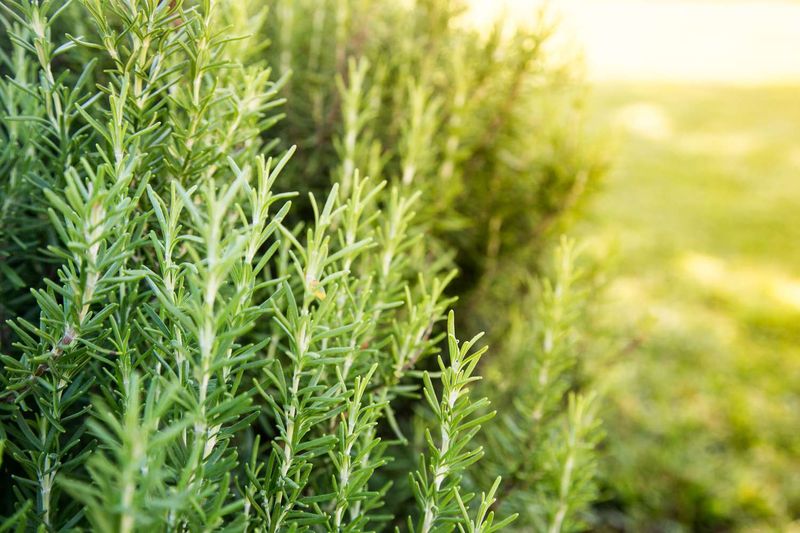
Ask any Texas gardener what survives a brutal August, and rosemary will come up almost every time. Few herbs can match its ability to stay green and productive when the thermometer climbs past 100 degrees and the ground turns hard as concrete.
Rosemary does not just survive the heat. It actually thrives in it. Originally from the Mediterranean region, rosemary evolved in places where summers are long, hot, and dry. Texas summers feel right at home to this plant.
Once a rosemary plant is well established, it builds a deep root system that reaches down into the soil to find moisture even when the surface is bone dry. That deep root network is one of its biggest advantages during a Texas drought.
Young rosemary plants do need a little extra care during their first summer. Watering them once or twice a week helps them get rooted in properly.
But after that first season, established plants can handle dry spells that would stress most other herbs. They slow their growth slightly during the hottest weeks, but they do not stop producing altogether.
The woody stems of rosemary also play a big role in its toughness. Unlike soft-stemmed herbs such as basil or cilantro, rosemary builds a sturdy framework that holds up under harsh conditions.
Its structure helps it stay upright and healthy even when temperatures are relentless. Gardeners who plant rosemary in full sun with good drainage are often amazed at how little attention it needs to keep growing strong all the way through late August and into fall.
Its Leaves Help Conserve Moisture
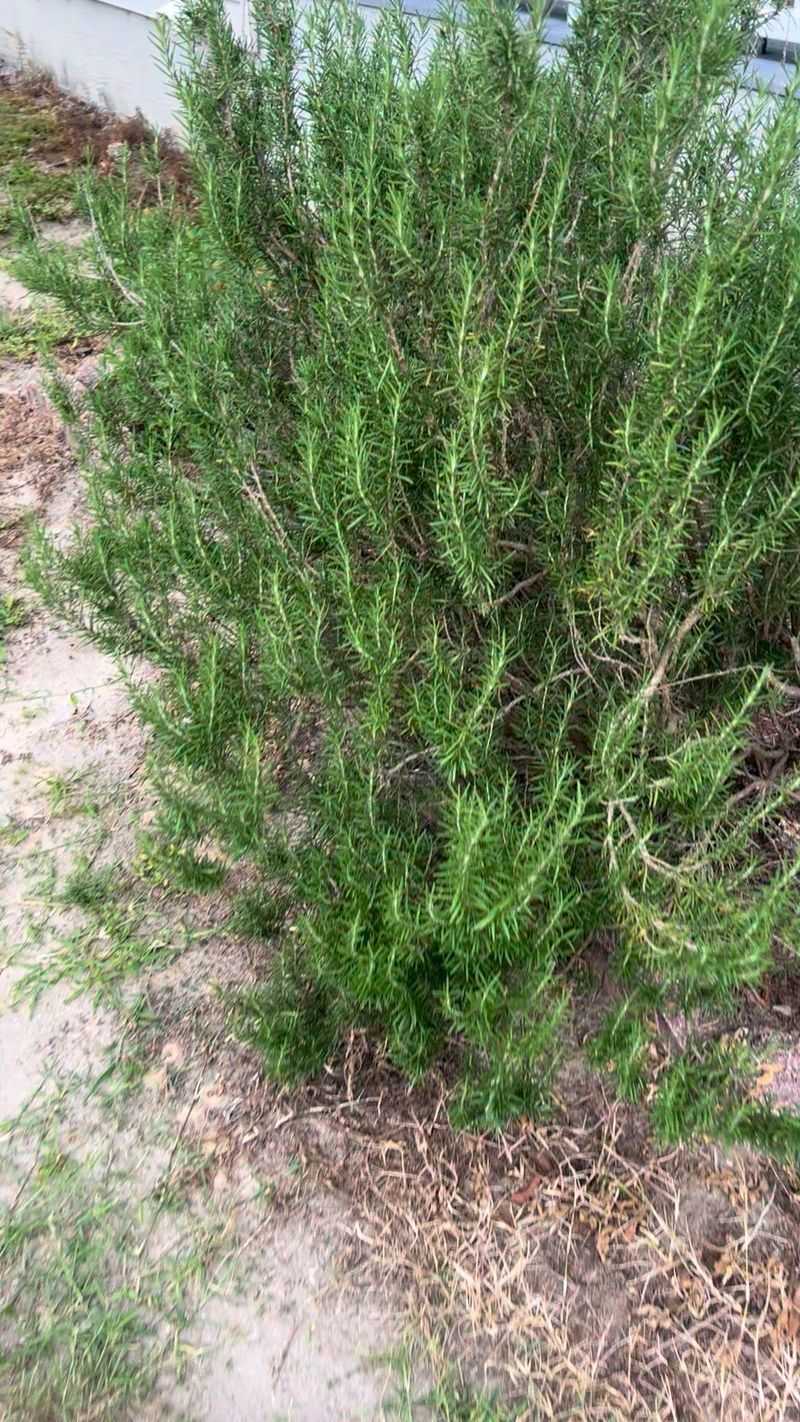
Rosemary’s secret weapon is hiding in plain sight, right on its stems. Those narrow, needle-like leaves are not just pretty or fragrant.
They are a clever survival tool shaped by thousands of years of growing in dry climates. The small surface area of each leaf means less water evaporates into the hot air compared to broad, flat leaves on plants like basil or mint.
Your Texas Garden Changes Every Week. Your Plan Should Too.
Gardening in Texas changes quickly throughout the season. Every Friday you’ll receive a simple weekly plan showing exactly what to plant, prune, fertilize, harvest, and protect so you never miss the right timing.
The leaves are also coated with a slightly waxy, leathery texture. That coating acts almost like a protective seal, slowing down water loss even on the hottest and windiest days.
Some varieties also have tiny hair-like structures on their leaves that create a thin layer of still air around the surface, which further reduces how quickly moisture escapes. These adaptations work together to keep the plant hydrated even when the surrounding soil is very dry.
On the underside of rosemary leaves, the tiny openings that plants use to breathe, called stomata, are recessed rather than flat on the surface.
This design reduces exposure to drying winds and direct sun, cutting down on water loss even more. It is a small detail with a big impact during a Texas drought.
All of these leaf features make rosemary naturally suited to what plant scientists call Mediterranean-style conditions, which means hot summers, dry air, and very little rainfall. Texas summers fit that description almost perfectly.
Gardeners who understand this can feel confident skipping extra watering sessions, knowing the plant is quietly managing its own moisture levels in ways most other herbs simply cannot match.
Full Sun And Drainage Matter Most
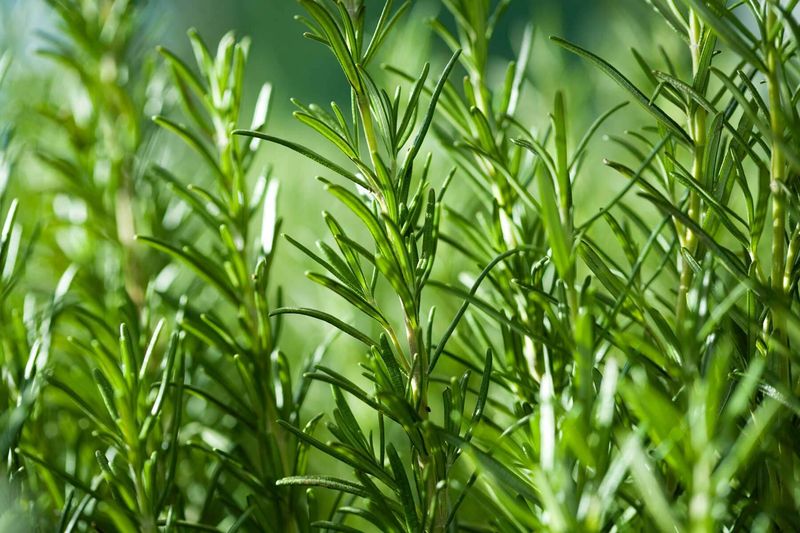
Planting rosemary in the right spot makes a bigger difference than almost anything else you can do. Get the location right, and the plant practically takes care of itself.
Get it wrong, and even the toughest rosemary will struggle. Two things matter more than anything else: full sun and well-draining soil.
Rosemary wants at least six to eight hours of direct sunlight every day. In Texas, that is rarely a problem during the summer.
The plant uses all that sunlight to fuel steady growth and to produce the fragrant oils that make its leaves so flavorful in the kitchen. Planting rosemary in a shaded or partially shaded spot slows its growth, weakens its flavor, and makes it more vulnerable to disease.
Drainage is just as important as sunlight. Rosemary roots need air around them, and they do not handle sitting in wet or waterlogged soil.
In areas where the ground stays moist for long periods, roots can begin to rot. Raised beds, slopes, or garden areas with sandy or rocky soil are ideal choices.
Mixing coarse sand or gravel into heavy clay soil before planting can also help improve drainage significantly.
Container growing is another great option for Texas gardeners who want full control over the soil. A large pot with drainage holes and a well-draining potting mix gives rosemary exactly what it needs.
Containers also let you move the plant around to catch the best light throughout the season. Whether planted in the ground or in a pot, getting the sun and drainage right from the start sets rosemary up for a long and productive life in your garden.
Overwatering Is A Bigger Risk Than Heat
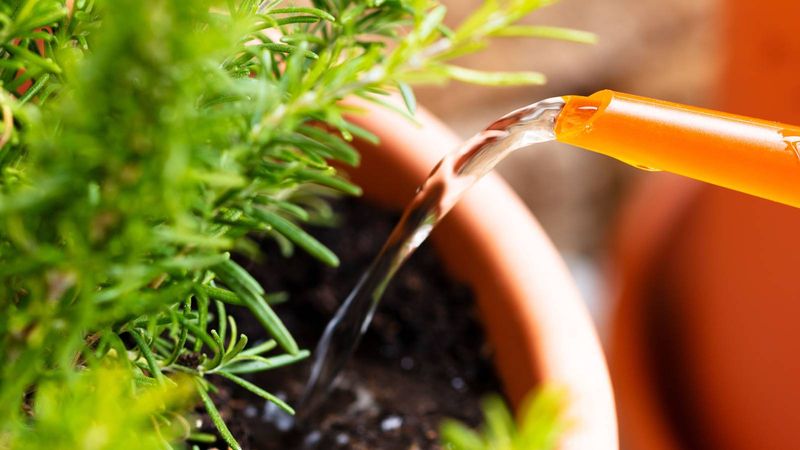
Here is something that surprises a lot of new gardeners: rosemary is far more likely to struggle from too much water than from too little.
During a hot Texas August, it can feel almost wrong to hold back on watering. But with rosemary, restraint is actually the kindest thing you can do for the plant.
When rosemary roots stay wet for too long, they cannot get the oxygen they need. Roots sitting in soggy soil begin to break down, and the plant starts showing stress signs like yellowing leaves, drooping stems, or a general look of decline.
By the time those symptoms appear, the damage to the root system is often already significant. The fix at that point is much harder than simply avoiding overwatering in the first place.
A good rule of thumb is to let the top inch or two of soil dry out before watering again. Stick your finger into the soil near the base of the plant.
If it feels dry, go ahead and water deeply. If it still feels moist, wait another day or two and check again. Deep, infrequent watering is much better for rosemary than shallow, frequent watering.
During periods of actual rainfall, you can skip watering altogether. Rosemary that grows in well-draining soil will shed excess rainwater quickly and return to the right moisture level on its own.
Established plants in the ground may only need watering once every one to two weeks during a dry stretch in August. Trusting the plant to tell you when it needs water, rather than watering on a rigid schedule, leads to much healthier rosemary in the long run.
Keep Harvesting Through The End Of Summer
One of the best things about growing rosemary in Texas is that late August does not mean the end of harvesting season. While other herbs like cilantro bolt and basil starts to fade, rosemary keeps producing flavorful new growth right through the heat.
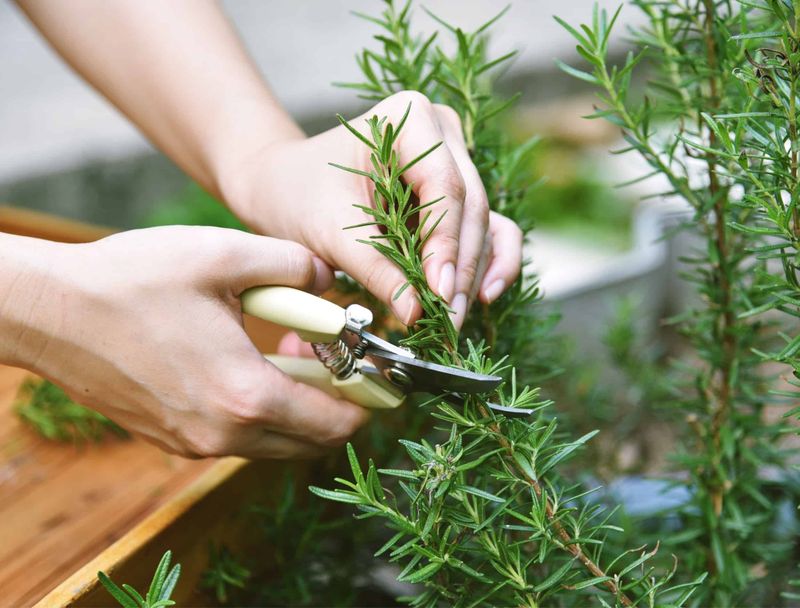
Harvesting regularly is not just okay during this time, it is actually encouraged. Snipping young, tender tips from the ends of rosemary stems is the easiest and most effective way to harvest. Those young tips carry the strongest flavor and are perfect for cooking.
Use them in roasted vegetables, grilled meats, breads, or infused oils. A small handful of fresh rosemary can add incredible depth to almost any savory dish.
Keeping a pair of clean garden scissors near your herb bed makes it easy to grab a few sprigs whenever you need them.
Light, regular harvesting does more than just stock your kitchen. It also signals the plant to push out new side shoots, which results in a fuller, bushier shape over time.
Removing older woody growth from the bottom of the plant every so often also helps keep air moving through the branches, which reduces the chance of fungal problems during humid spells.
Try not to remove more than one-third of the plant at one time. Taking too much at once can stress the plant, especially during the hottest weeks of the year.
Spread your harvesting out over several sessions rather than cutting large amounts all at once. With a little thoughtful trimming, your rosemary will reward you with a steady supply of fresh herbs all the way to the end of summer and beyond.
Established Rosemary Can Keep Producing Into Fall
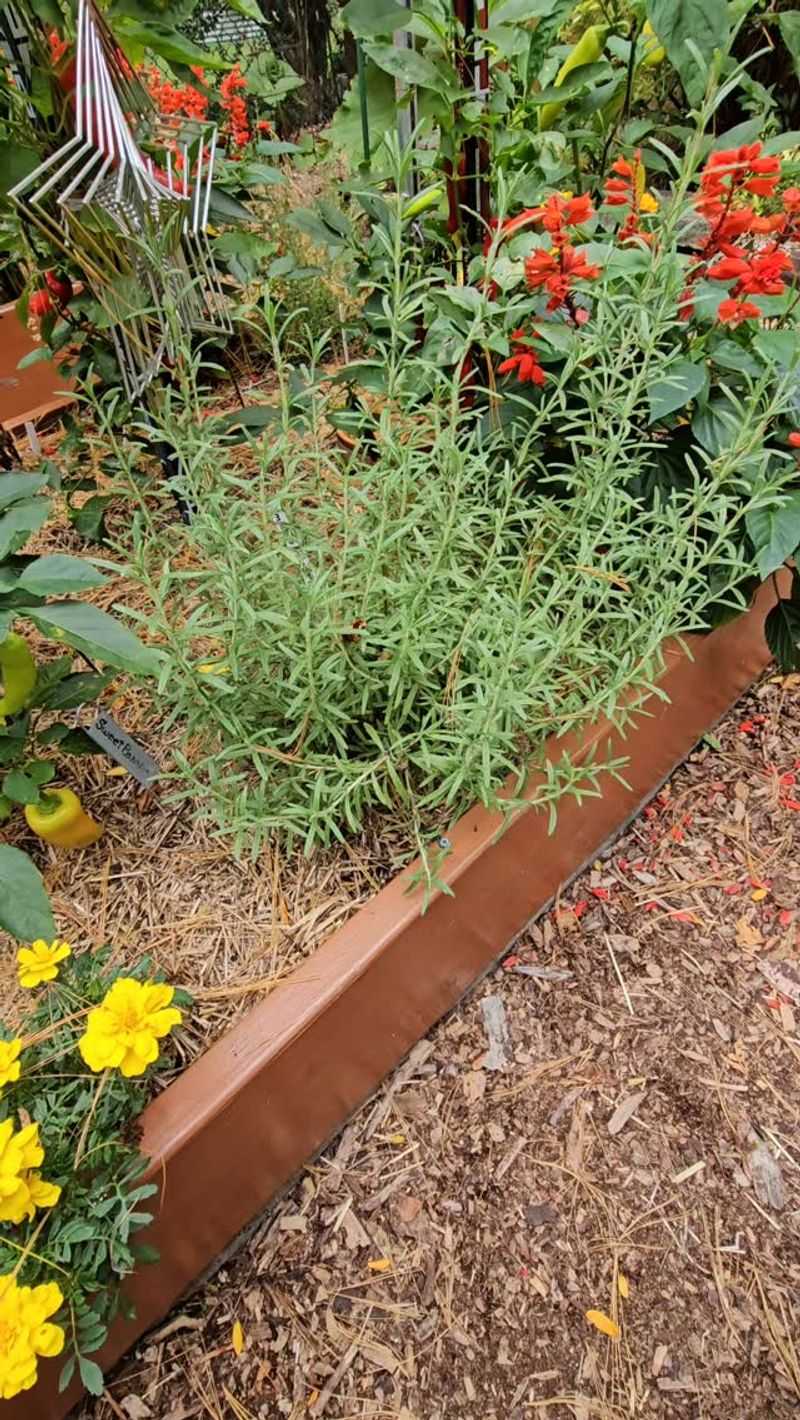
Getting a rosemary plant through its first Texas summer is the hardest part. After that, the plant rewards your patience in a big way.
Well-established rosemary does not just survive into fall, it often hits a kind of second wind as temperatures finally begin to ease in September and October. Growth picks up again, flavor intensifies, and the plant may even begin to bloom.
Rosemary flowers are small, usually pale blue or lavender, and they appear on the tips of stems in the cooler months. Those blooms are completely edible and make a beautiful garnish for dishes and drinks.
Pollinators like bees are also very attracted to rosemary flowers, making a blooming plant a welcome addition to any garden ecosystem. Seeing your rosemary bloom in fall is a sure sign the plant is healthy and settled into its home.
In most parts of Texas, rosemary can stay productive outdoors year-round. Central and South Texas gardeners rarely need to worry about winter temperatures harming their plants.
However, in North Texas and the Panhandle, hard freezes can be a real concern. In those areas, wrapping plants with frost cloth during cold snaps, or growing rosemary in containers that can be moved indoors temporarily, gives the plant a good chance of bouncing back each spring.
Mulching around the base of the plant with a layer of gravel or wood chips helps protect roots from temperature swings as the season changes.
A well-protected, established rosemary plant can live for many years in a Texas garden, growing larger and more productive with every passing season. Few herbs offer that kind of long-term value with so little effort.