These Porch Light Habits Are Drawing More Wasps To Wisconsin Homes
Every evening, something invisible turns quiet Wisconsin porches into a landing zone for wasps. Homeowners sweep, tidy, and lock up for the night, yet the buzzing keeps coming back with clockwork precision.
Most people never connect the dots. What draws these insects in has nothing to do with mess or garbage cans, and everything to do with a habit repeated without a second thought.
The pattern, once spotted, is almost impossible to ignore. A few ordinary evening routines, the kind practiced on porches across the state, quietly signal “come on over” to wasps searching for their next stop.
Solving this doesn’t require an exterminator or a total lifestyle overhaul. A handful of small, deliberate adjustments can turn a wasp magnet back into a porch worth relaxing on.
1. Warm Bulbs Attract Nighttime Insects
That golden glow looks cozy from inside your living room. From outside, it is basically a dinner bell for every flying insect in the neighborhood.
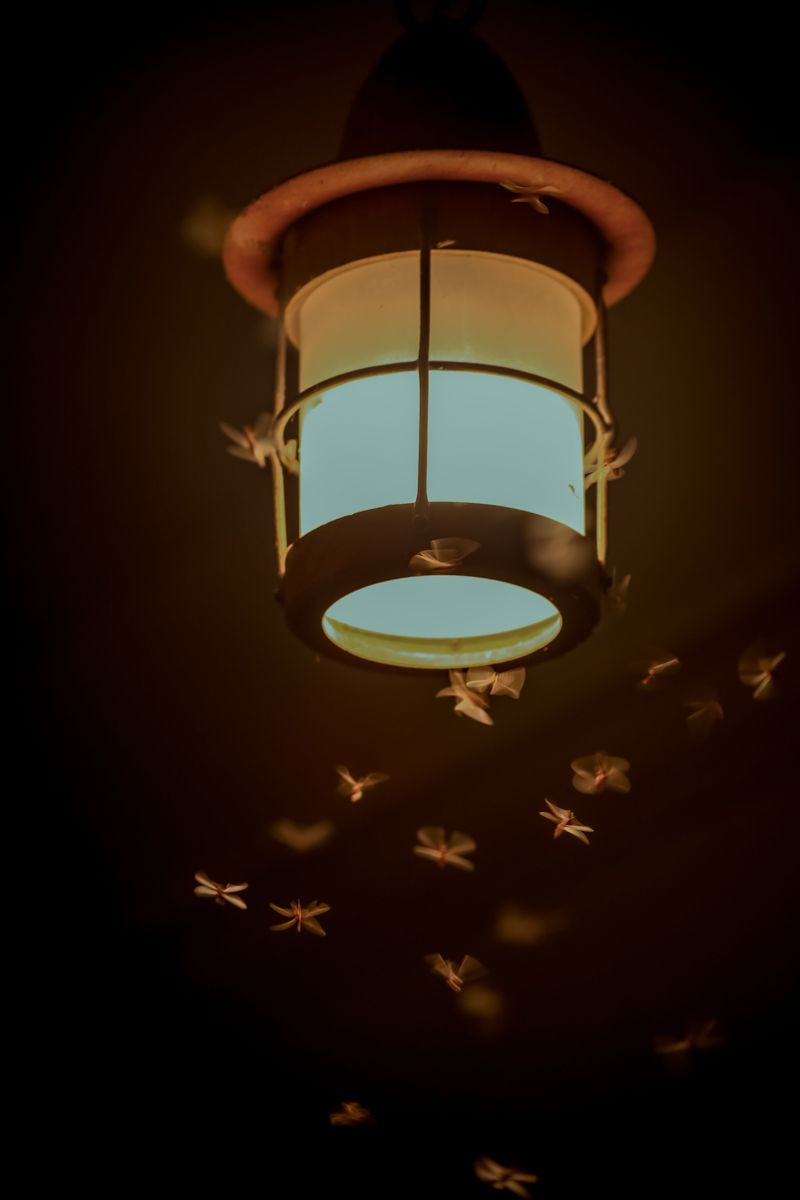
Warm incandescent bulbs emit heat and a yellow-toned light spectrum that insects find irresistible. Bugs are naturally drawn to light sources, especially ones that mimic the warmth of the sun.
When insects swarm around your porch light, they become an easy buffet for hungry wasps. Wasps are predators, and they follow their prey with impressive precision.
This bug-to-wasp chain reaction plays out on porches across the state more often than most homeowners realize, and it happens quietly and consistently every night.
Switching to a cooler-toned LED bulb or a yellow bug light can reduce insect attraction significantly. Fewer insects near your door means fewer reasons for wasps to hang around.
It sounds almost too simple, right? And the science supports it.
Bug lights are widely available at hardware stores and cost about the same as regular bulbs. One small swap can change the entire vibe of your porch after dark.
Your evenings outside should feel relaxing, not like a nature documentary. Take control of what your light is inviting in tonight.
2. Uncovered Fixtures Offer Nesting Shelter
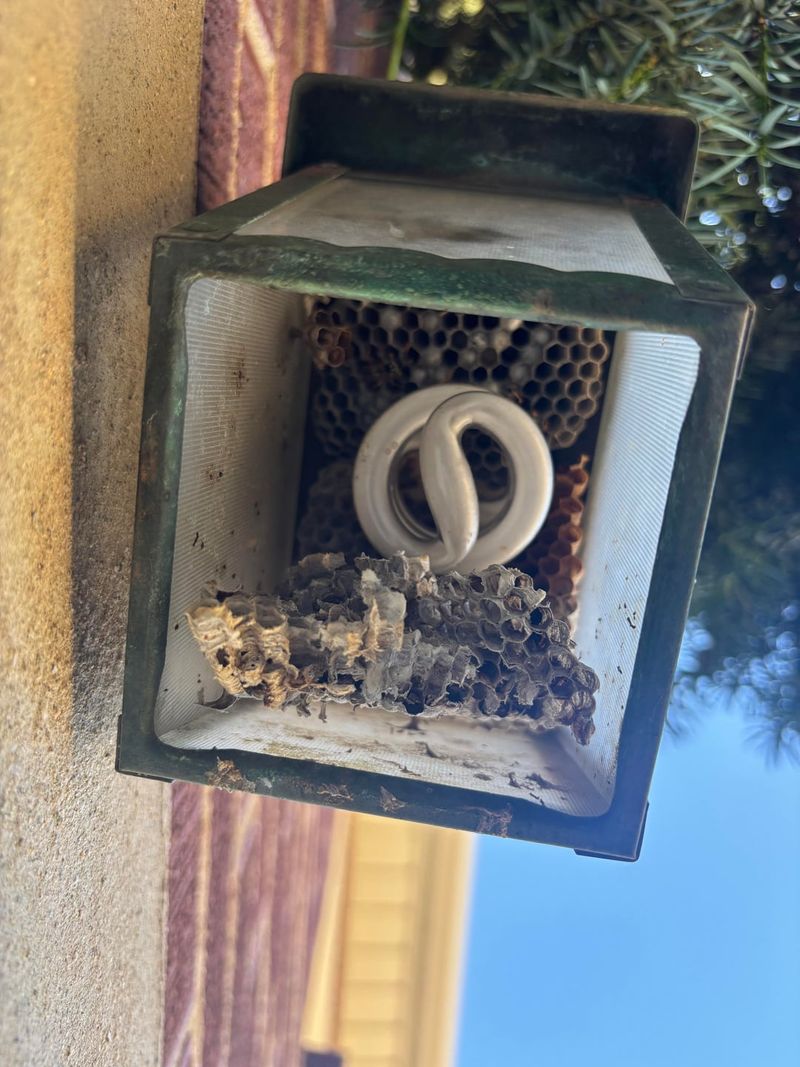
Open light fixtures are prime real estate in the wasp world. They offer shelter, warmth, and a protected spot to start a nest.
Many porch lights have gaps, open backs, or loose covers that create perfect cavities. Wasps scout for exactly these kinds of enclosed spaces during spring and early summer.
A queen wasp only needs a small opening to get started. Once she claims a fixture, the nest grows quickly over just a few weeks.
Homeowners often do not notice the nest until it is well established. By then, removing it safely becomes a much bigger project.
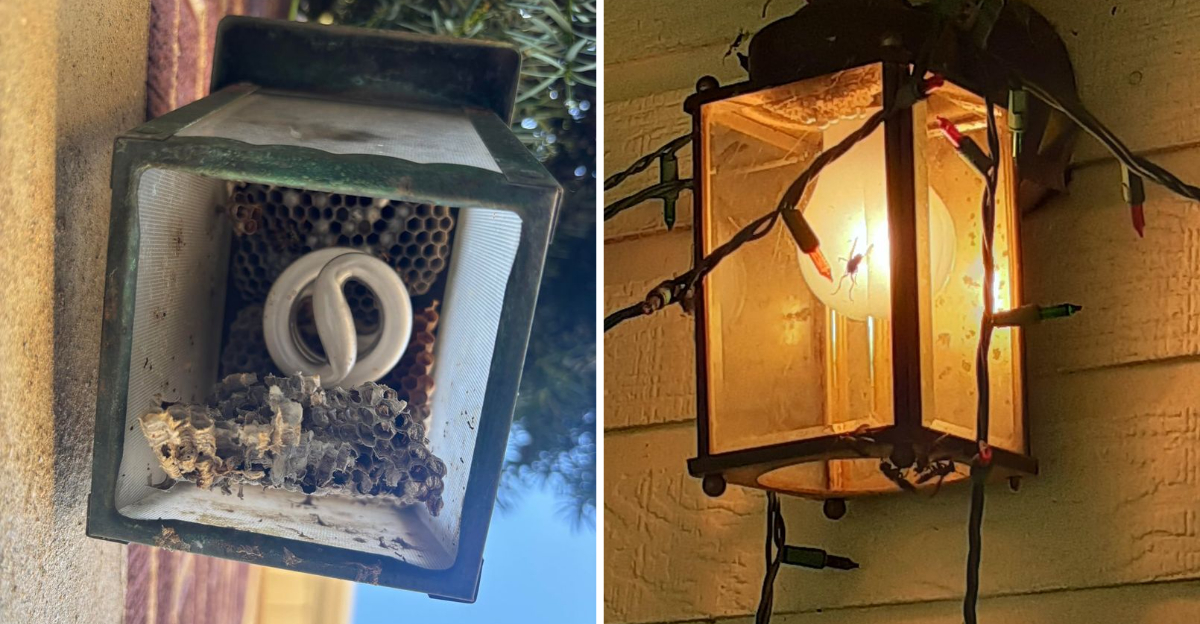
Checking your fixtures regularly is a smart habit to build. Look for small papery structures, which resemble gray or brown honeycomb material, tucked inside or behind the casing.
Sealing gaps with weatherproof caulk or replacing open fixtures with enclosed ones removes the opportunity entirely. Prevention is far easier than removal once a colony is active.
Fixtures across Wisconsin often go uninspected for months, giving wasps plenty of time to settle in undisturbed. A quick monthly check takes less than two minutes.
Your Wisconsin Garden Changes Every Week. Your Plan Should Too.
Gardening in Wisconsin changes quickly throughout the season. Every Friday you’ll receive a simple weekly plan showing exactly what to plant, prune, fertilize, harvest, and protect so you never miss the right timing.
You do not need special equipment to spot early-stage nests. A flashlight and a sharp eye are all it takes.
Catching a nest early gives you options and control. Do not wait until the problem buzzes loud enough to demand your attention.
3. Lit Seating Areas Trap Sugary Scents
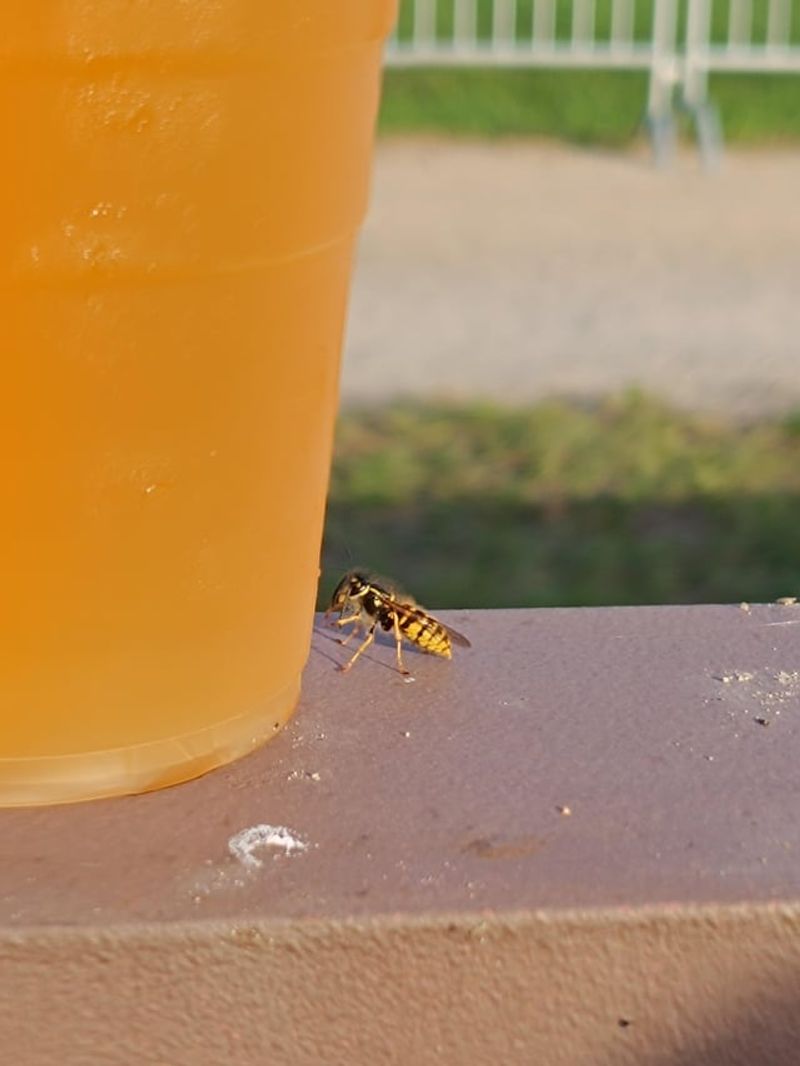
That porch light does more than help you see your glass. It also lights up every sticky ring and dried spill left behind from the night before.
Wasps track sugar with remarkable precision, and a lit seating area gives them a clear target after dark. The glow makes your table an easy landmark to return to night after night.
A spill that seems minor during the day becomes a beacon once the light kicks on. Wasps associate that space with food long after the drink itself is gone.
Combine a bright bulb with a sugary residue on the armrest or floorboards, and you have built a nightly meeting spot for foraging wasps. The two elements feed off each other in a loop that repeats until something changes.
Wiping down surfaces before you turn the porch light on breaks that connection early. A few minutes with soapy water removes the scent trail wasps rely on to find their way back.
Rinsing cups and cans before setting them near the door matters just as much. Even a small amount of leftover soda under a bright bulb can pull in scouts looking for an easy meal.
Keeping food and drinks away from the immediate light zone reduces overlap significantly. Wasps are far less interested in a dark corner than a lit, sugar-scented one.
A quick cleanup habit paired with smart lighting choices closes two gaps at once. Your porch stops sending mixed signals the moment the sun goes down, and evenings start feeling calmer almost immediately.
4. Insects Near Light Become Easy Prey
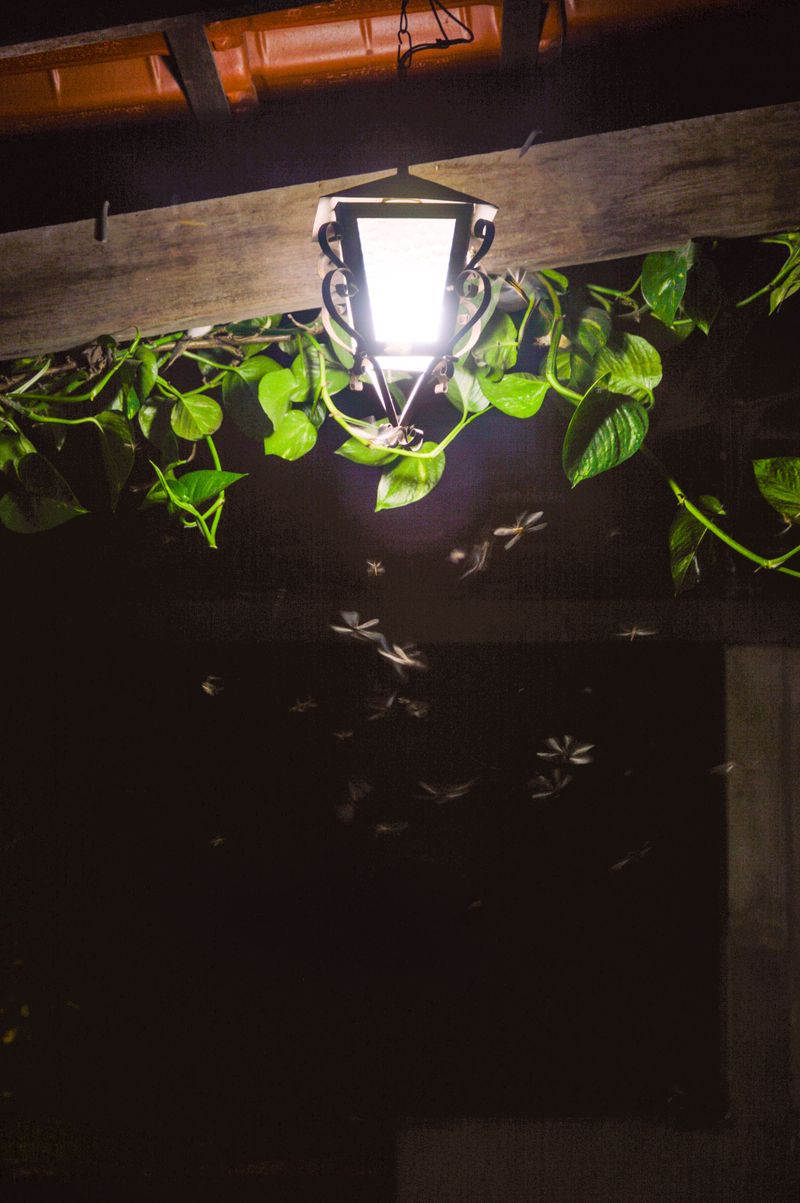
Wasps are not coming to your porch for the ambiance. They are coming because you have accidentally set up a hunting ground for them.
When insects swarm your porch light, wasps take notice fast. They are opportunistic hunters who track insect activity with sharp instincts.
Gnats, moths, and beetles gather near bright bulbs every evening. That concentration of prey is basically a fast-food stop for foraging wasps.
A porch light left running night after night becomes a dependable food source for wasps. Once wasps learn a spot is productive, they return again and again.
The behavior becomes a pattern within days. A wasp that finds easy prey near your light will scout the area and signal others in the colony.
That is how one light can attract multiple wasps over time. The original scout essentially recruits the whole crew.
Reducing the insect population near your light breaks this chain reaction. Motion-sensor lights that only activate briefly can help cut down on the nightly insect gathering.
You are not just fighting wasps when you fix this problem. You are fixing the root cause that makes your porch attractive in the first place.
Small adjustments in your lighting routine can shift the entire ecosystem around your front door. Your porch should be your retreat, not a wasp hunting ground.
5. Lit Entryways Near Bins Draw Scouts Closer
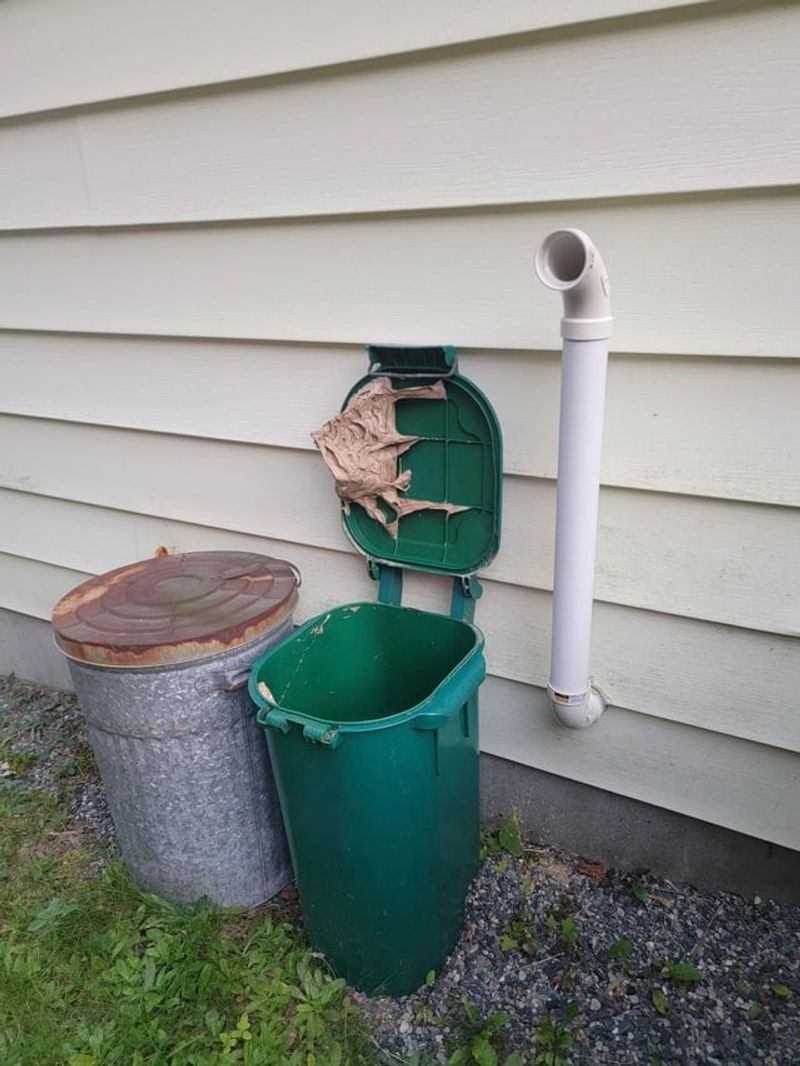
A porch light near the trash area creates a strange kind of spotlight. It draws attention to exactly the spot you want wasps to ignore completely.
Wasps rely on scent to locate food, but light helps them confirm what they are already tracking. A glowing entryway next to an open bin gives scouts a clear, well-lit path to follow straight to your door.
Grilling season makes this worse. Meat scraps and sweet wrappers release odors that travel easily through the evening air, and a nearby light only reinforces the destination once wasps arrive close enough to investigate.
Moving trash storage away from your main porch light reduces that overlap. Even a short distance, ten or fifteen feet, breaks the connection between smell and glow.
Switching to bins with tight, locking lids helps regardless of placement. Sealed containers keep scent contained, so the light nearby has far less to advertise to passing insects.
Rinsing containers before tossing them in reduces the pull even further. A quick rinse removes leftover sugar or protein residue that would otherwise linger and drift under the light.
Timing matters too. Taking out trash earlier in the day, before the porch light turns on, limits the window where both attractants overlap.
Addressing bin placement alongside your lighting setup closes one of the easier gaps in this pattern. Small adjustments to both add up quickly, and the difference shows within just a few evenings.
6. Extended Evening Lighting Extends Wasp Activity
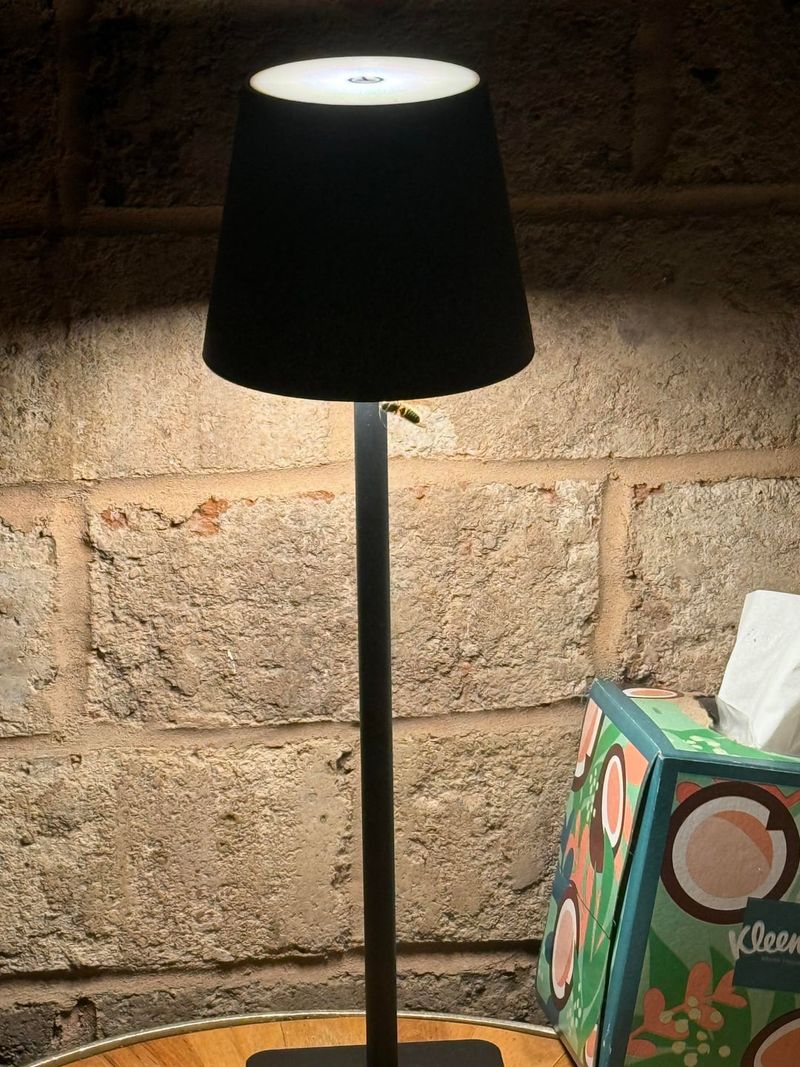
Leaving your porch light on all night feels harmless, maybe even practical. But those extra hours of light are doing a lot more than you might expect.
The longer your light stays on, the more insects gather around it. More insects mean more hunting opportunities, which means wasps stay active later into the evening.
Wasps are not strictly daytime creatures when food is available nearby. A reliable nighttime food source can shift their foraging schedule noticeably.
Extended lighting also keeps the area warm longer, which is appealing to insects seeking a comfortable spot. That warmth compounds the attraction well past sunset.
Using a timer to shut your porch light off by 9 or 10 PM is a practical fix. It limits the window of insect activity without leaving you in total darkness during prime evening hours.
Motion-sensor lights are an even smarter option for many homeowners. They activate only when needed, cutting idle attraction time down to near zero.
Extended lighting hours alone can be enough to keep wasp activity going strong well past sunset. The fix is as easy as setting a timer on your existing fixture.
Smart plugs with scheduling features cost very little and work with almost any lamp or fixture. You can set it up in under five minutes.
Cutting back light hours is one of the quickest wins in this whole situation. Less time lit means less time as a target.
7. Garden-Adjacent Lighting Pulls Wasps Closer
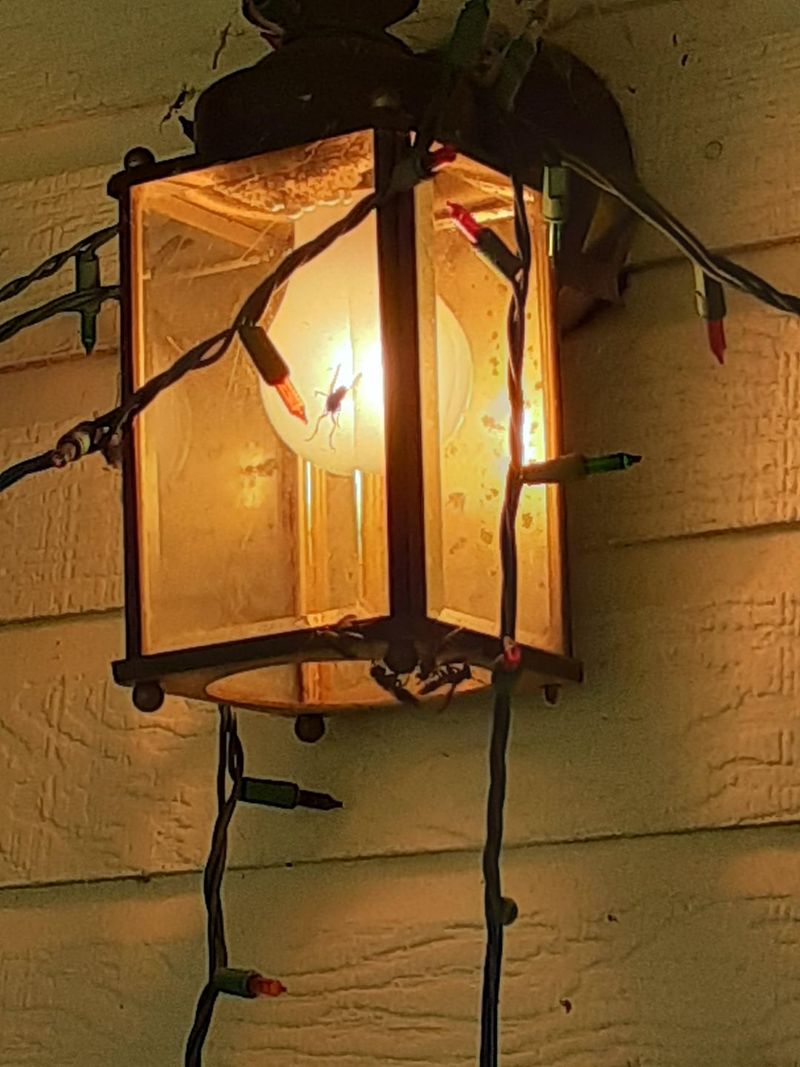
Gardens near a porch light create a shortcut for wasps moving between food and shelter. The light marks the endpoint of a route that starts right among your plants.
Flowering beds attract soft-bodied insects that wasps hunt actively throughout the warmer months. When those beds sit close to a lit porch, wasps barely need to change course to find both prey and glow in one stop.
Overripe fruit adds another layer to the problem. Rotting scraps near a well-lit entry combine two attractants that wasps notice almost immediately, day or night.
Picking up fallen fruit regularly limits that pull. It takes only a few minutes and removes a strong scent source from the immediate area around your porch.
Planting mint, basil, or wormwood between your garden and porch light can create a natural buffer. These herbs produce scents that wasps tend to steer clear of entirely.
Adding distance between garden beds and your main light source also helps break the pattern. Even a small gap reduces how easily wasps move from one attraction straight to the next.
Trimming back overgrown plants near the light fixture itself removes hiding spots too. Dense foliage close to a bulb gives wasps cover while they scout the area.
Your garden does not need to disappear or move across the yard. It just needs a layout that does not funnel activity straight toward your porch light every evening.
8. Simple Lighting Swaps Reduce Wasp Traffic
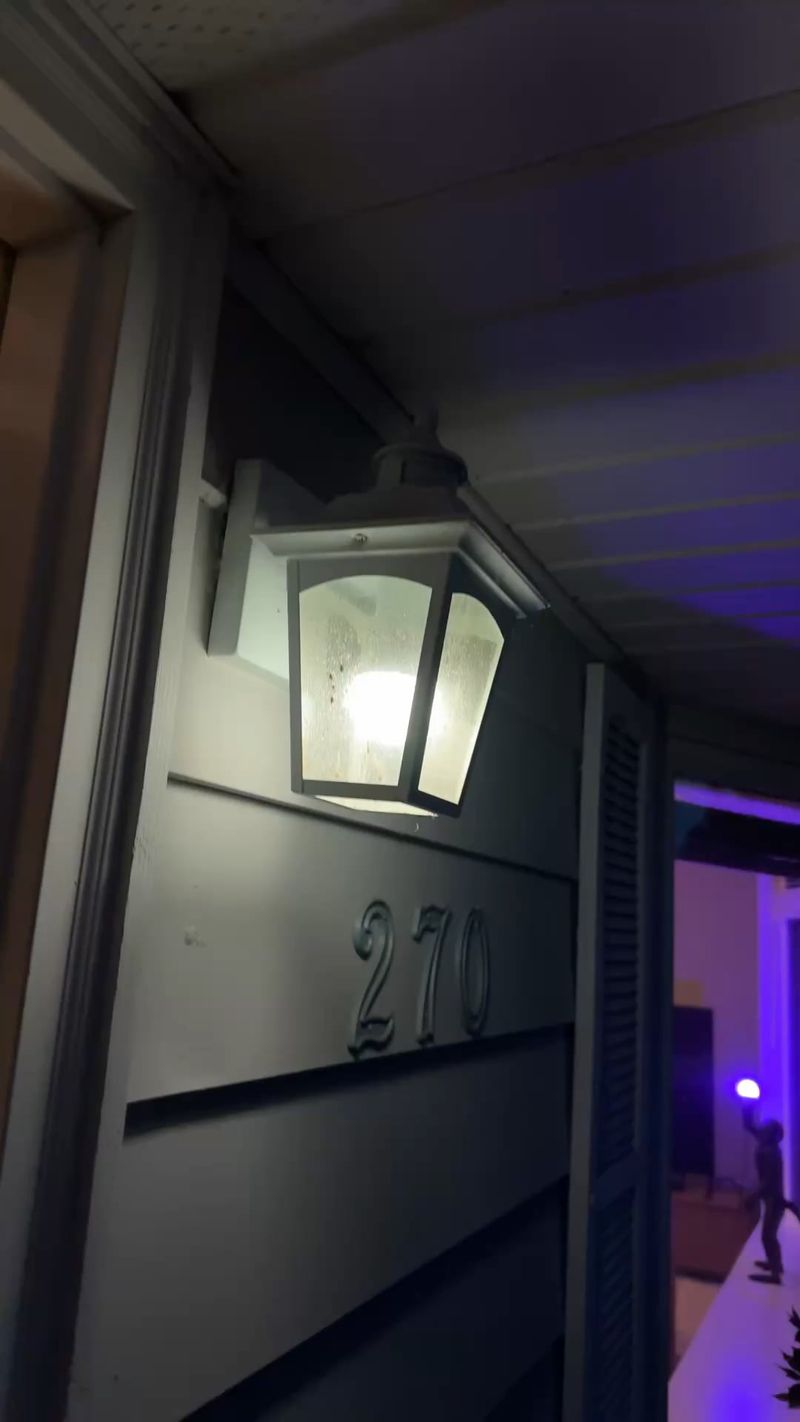
The fastest fix for a wasp-friendly porch starts with your bulb. Swapping one bulb can change everything about your evening outdoors.
Yellow bug lights are specifically designed to emit a wavelength that insects find far less interesting. They are widely available and cost roughly the same as standard bulbs.
Warm-toned LED bulbs in the 2700K range are another solid option, producing less heat than incandescent bulbs while avoiding the cooler, blue-toned light insects notice most.
Motion-activated fixtures are worth every penny for frequent porch users. They eliminate idle glow time, cutting the nightly insect gathering window dramatically.
Solar-powered path lights that sit low to the ground are less attractive to flying insects than elevated porch fixtures. Redirecting light downward changes which creatures respond to it.
Combining a yellow bulb with a motion sensor gives you two layers of protection at once. That pairing is one of the most effective and affordable upgrades available.
You do not need an electrician or a big home improvement project to make these changes. Most swaps take under ten minutes with a basic screwdriver.
Check your fixture covers while you are at it and seal any gaps you find. A sealed, warm-toned, motion-activated light is about as wasp-unfriendly as a porch light can get.
Small choices add up to a dramatically calmer porch experience. Start tonight and notice the difference by the end of the week.