The Reason Wisconsin Homeowners Leave One Strip Of Lawn Uncut Until October
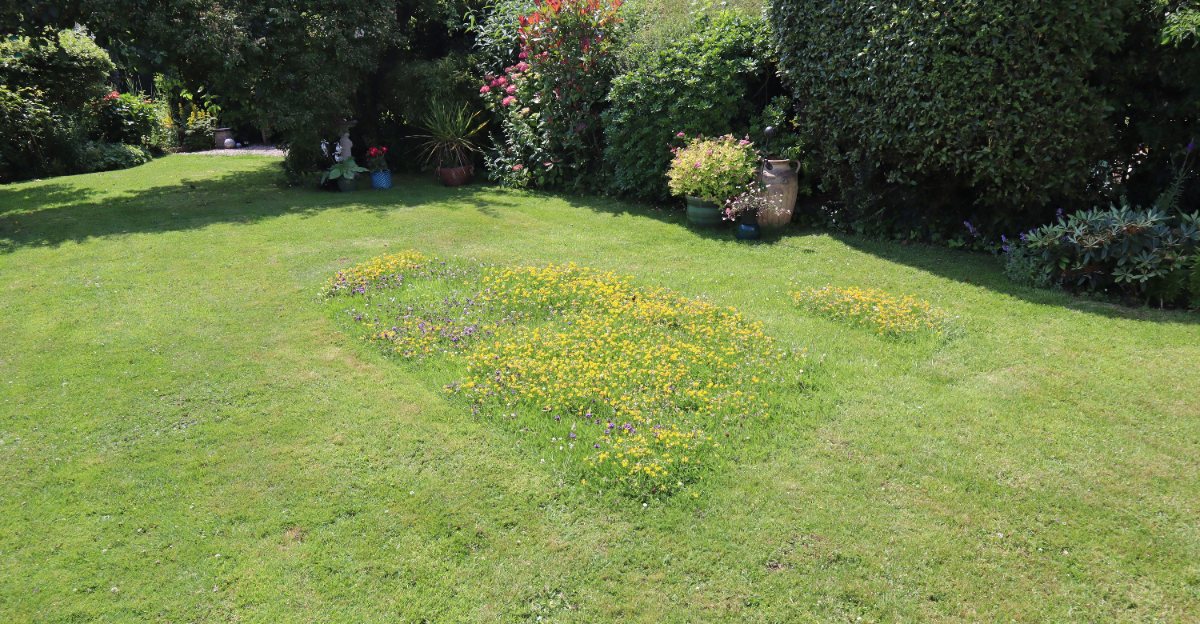
You notice it instantly, that stray strip of grass nobody bothered to trim. Wisconsin yards rarely look this deliberate, yet you keep seeing the same pattern. Grass towers past ankle height, and you can’t help but stare.
Birds slip into that tangled edge just as you’re locking the door for the night. Butterflies find shelter there that you’d rarely spot from the sidewalk. Bees burrow beneath fallen stems long after you’ve mowed everything else.
Squirrels forage there too, hidden from hawks you’d otherwise spot. Rain floods that tall grass with insects you’d rarely notice. Moths gather at dusk, using stalks you were ready to cut.
Homeowners across Wisconsin know exactly what you’re about to discover. Costs stay nonexistent, and you lose nothing by trying it yourself.
Nothing about this looks accidental when you study it closely. What hides inside that strip will change how you see your own yard.
The Purpose Behind This Uncut Strip
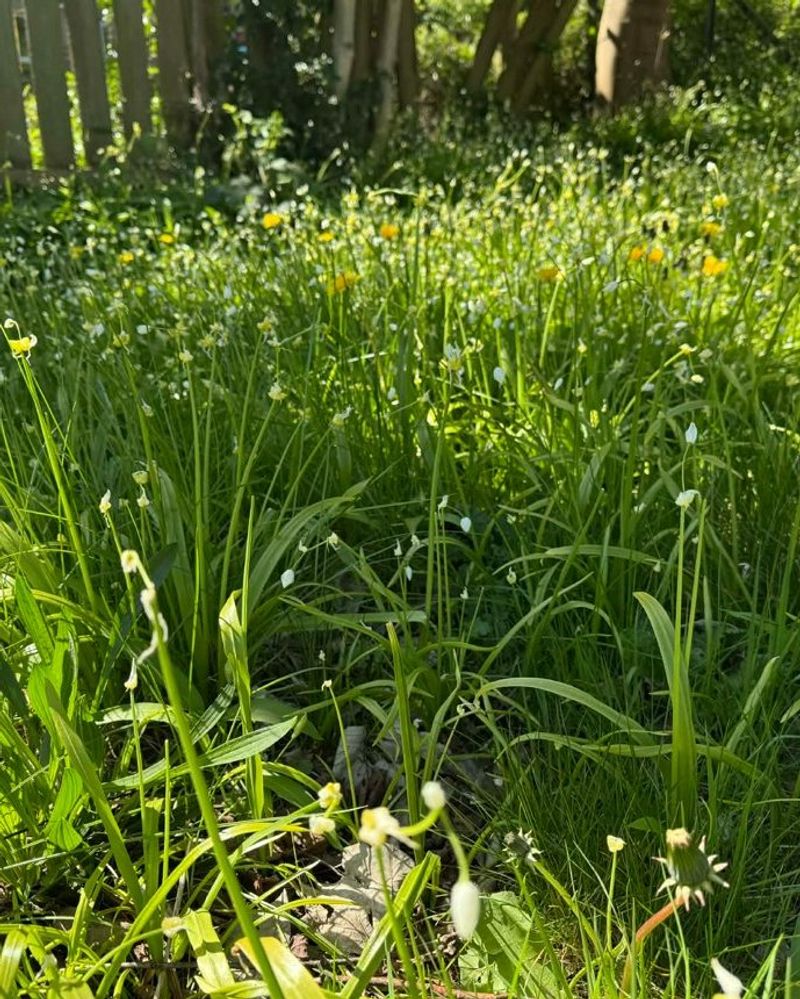
Not every messy lawn is a mistake. That scraggly strip of uncut grass you see in some Wisconsin yards is actually a planned wildlife corridor, left untouched on purpose.
The idea is simple but powerful. Homeowners leave one narrow strip of grass uncut from spring through October, giving local wildlife a safe place to shelter, feed, and breed.
This practice has grown quietly popular across the Midwest over the past few years. Gardening groups, conservation blogs, and neighborhood social pages have all helped spread the word about its benefits.
The uncut strip acts like a mini nature reserve right in your backyard. It provides cover from predators, a buffer from lawn chemicals, and a food source for insects that other animals depend on.
Leaving one strip of lawn uncut until October is not about being lazy. It is about making a conscious choice to support the local ecosystem without spending a single dollar.
Many Wisconsin homeowners who try it report being surprised by how much activity shows up in that one small patch. Bees, beetles, spiders, and small birds all move in quickly once the grass grows tall enough to offer cover.
The strip does not need to be wide or perfectly placed. Even a narrow band along a fence line or garden border makes a real difference for creatures navigating your neighborhood.
Small choices at home add up fast when many neighbors join in, creating a connected web of habitat across an entire community.
Small Creatures That Depend On The Cover
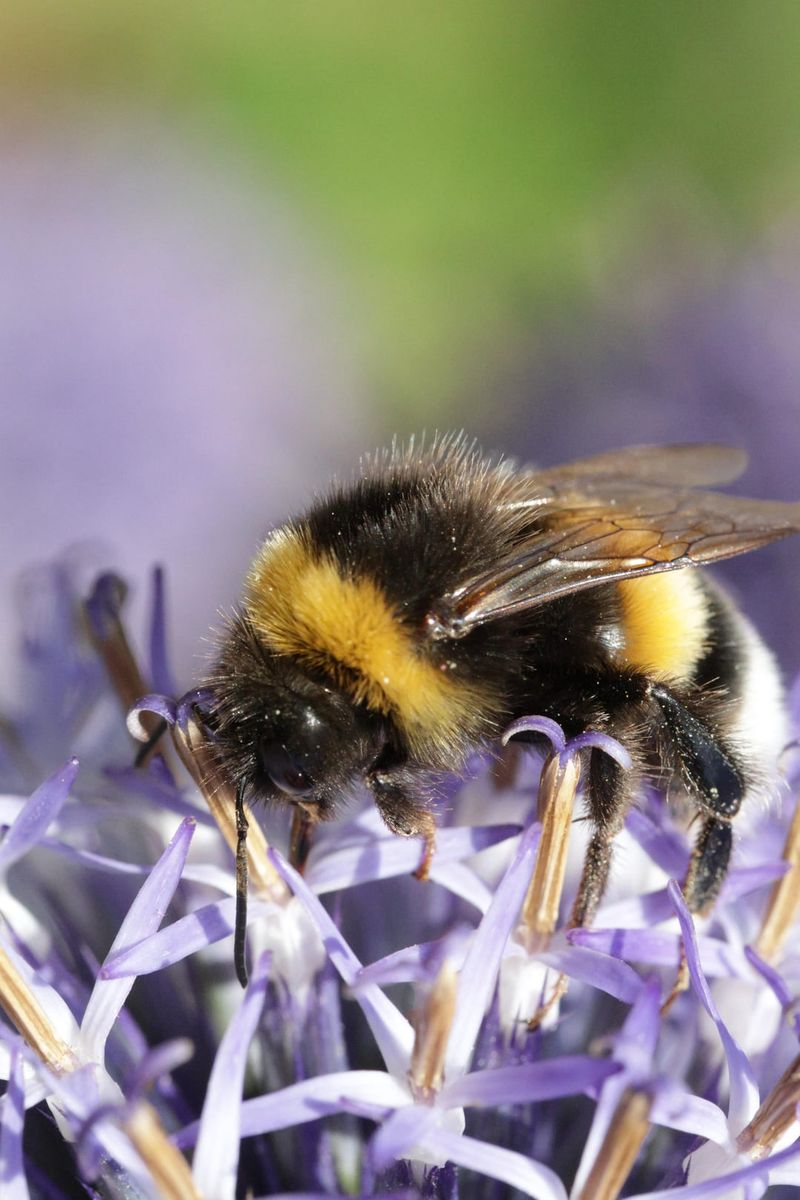
Peek into a patch of tall grass and you might be shocked by who is living there. Dozens of species use that cover every single day, from ground-nesting bees to overwintering beetles.
Bumblebees are among the biggest beneficiaries. Queen bumblebees search for dense, undisturbed grass in late summer, tucking themselves in to survive the winter alone.
Firefly larvae also spend months hiding in leaf litter and tall grass at ground level. Mowing too early destroys the exact habitat they need to complete their life cycle.
Your Wisconsin Garden Changes Every Week. Your Plan Should Too.
Gardening in Wisconsin changes quickly throughout the season. Every Friday you’ll receive a simple weekly plan showing exactly what to plant, prune, fertilize, harvest, and protect so you never miss the right timing.
Spiders set up webs between grass stalks, catching gnats and mosquitoes that would otherwise bother you on your porch. Keeping their habitat intact actually makes your outdoor time more pleasant.
Skinks, toads, and small frogs tuck themselves into the base of tall grass during hot afternoons. That cool, shaded microclimate helps them regulate body temperature without wasting energy.
Caterpillars of several native moth and butterfly species feed on grass blades and seed heads throughout August and September. Cutting the strip too early removes their food source at the worst possible time.
Ground-feeding birds like sparrows and juncos scratch through the base of tall grass looking for seeds and insects. A single uncut strip can feed several birds on a single morning.
All of these small creatures that depend on the cover play a role in a much larger food web that stretches well beyond a single backyard.
Why October Marks The Turning Point
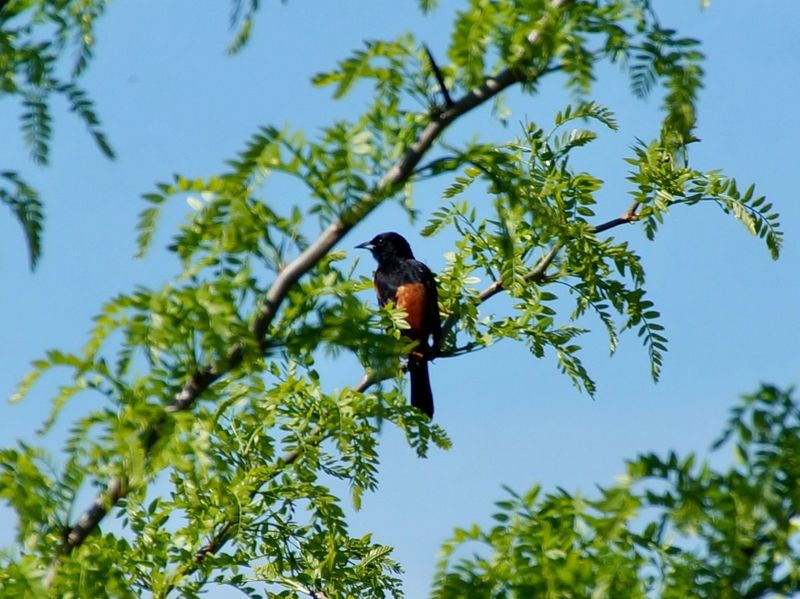
October is not a random cutoff. The timing is carefully tied to what is happening in the natural world during those final weeks of fall.
By early October, most ground-nesting bees have finished their season. Queen bumblebees have mated and are searching for spots to overwinter just below the soil surface.
Migrating birds are moving through the region during September and October. A strip of seeding grasses gives them a reliable fuel stop loaded with protein-rich insects and calorie-dense seeds.
Caterpillars that will become next year’s moths and butterflies are still feeding and growing through mid-September. Cutting before October can eliminate an entire generation of these important pollinators.
Frost typically arrives in most parts of the state between late September and mid-October. Once the first hard frost hits, many insects naturally slow down or go dormant underground.
After that frost, the urgency shifts. The creatures that needed the tall grass for shelter have either moved underground, migrated south, or found other protected spots to wait out winter.
Cutting in October also gives your lawn time to recover before the ground freezes solid. Short grass going into winter is less likely to harbor fungal issues under heavy snow cover.
Waiting until October marks the turning point where the needs of wildlife and the needs of your Wisconsin lawn actually align, making it the perfect moment to finally run the mower through that strip.
What Happens Once The Grass Is Finally Cut
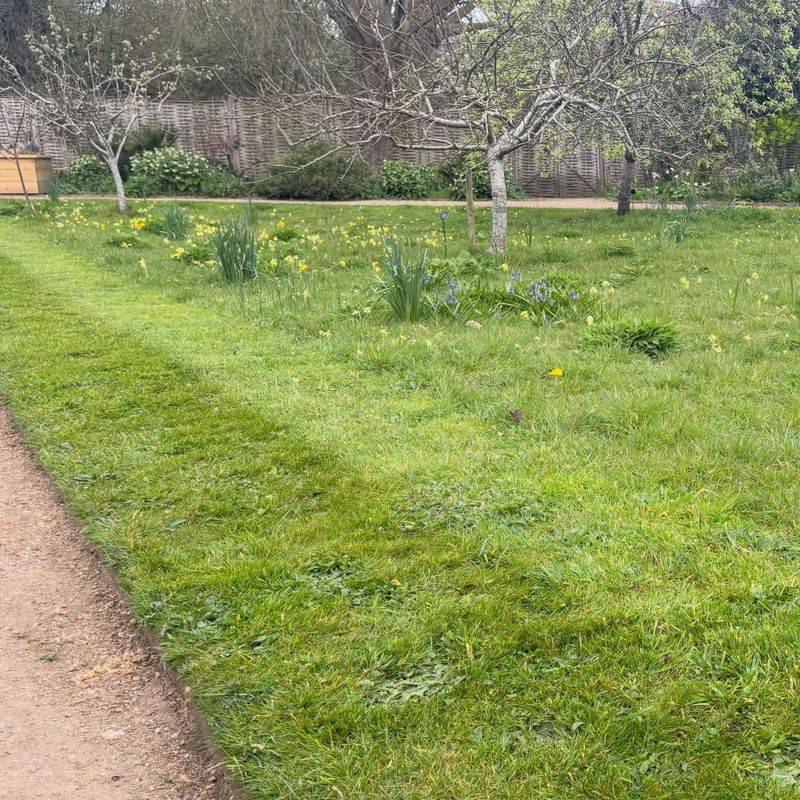
Running the mower through that tall strip in October feels almost ceremonial after months of leaving it alone. What you find hiding inside can be genuinely surprising.
Grass that has grown all season without cutting becomes dense at the base. You may spot seed heads, dried wildflower stalks, and tiny insect cocoons tucked between the blades.
Leaving the cut clippings in place for a day or two is a smart move. Any insects still active on the surface get a chance to relocate before the clippings are raked away.
The soil beneath a season-long uncut strip often looks darker and richer than the surrounding lawn. Roots tend to grow deeper, and earthworm activity can pick up noticeably in that zone.
Many Wisconsin homeowners scatter a handful of native wildflower or grass seeds right after cutting the strip in fall. The freshly exposed soil and lack of competition give those seeds a strong start for spring.
Birds often flock to the area immediately after you mow. Sparrows, robins, and starlings work the newly short grass looking for exposed insects and worms brought up by the blade vibration.
The lawn beneath the strip usually bounces back fast. Within a few weeks of the October cut, the area starts blending back into the surrounding grass.
What happens once the grass is finally cut is less of an ending and more of a reset, preparing that same strip to serve wildlife again when spring arrives.
Balancing A Tidy Yard With Wildlife Needs
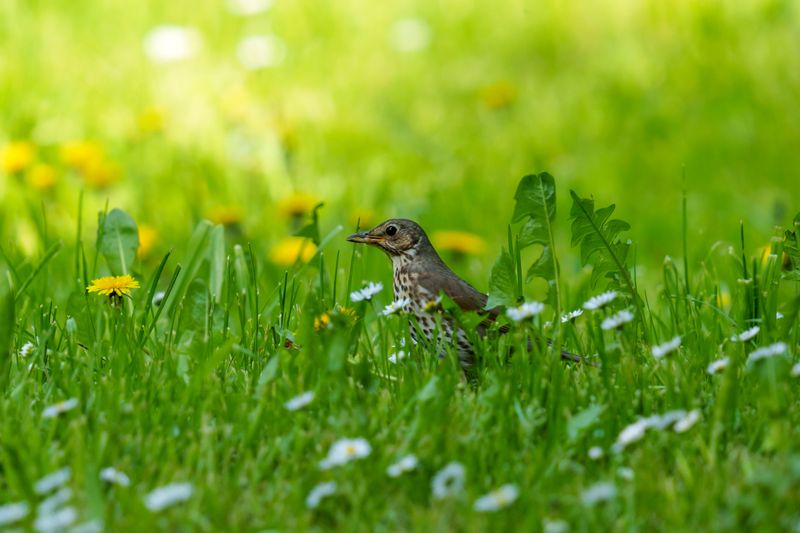
Some people hesitate because they worry the strip will make their yard look neglected. That concern is completely understandable, and there are easy fixes that keep things looking sharp.
Edging the strip cleanly on both sides with a string trimmer signals to neighbors that the tall grass is intentional. A clean edge changes everything about how the strip is perceived.
Placing a small garden stake or decorative sign near the strip explaining its purpose can spark curiosity instead of complaints. Neighbors who understand the reason tend to become fans quickly.
Choosing a spot along a fence line, garden border, or back edge of the property keeps the strip out of the main sightline. Front yards can stay perfectly manicured while the back does the wildlife work.
Native grasses like little bluestem or prairie dropseed look attractive even when tall. They have a soft, feathery texture that reads as intentional landscaping rather than neglect.
You can also mow the strip to about six inches instead of leaving it fully wild. Even that modest height offers meaningful shelter for insects compared to a freshly scalped lawn.
Balancing a tidy yard with wildlife needs is not about choosing one over the other. Thoughtful planning lets both goals exist in the same space without any real compromise.
Homeowners who try this approach often say they enjoy their yards more afterward, knowing that something meaningful is happening in that one quiet corner every single day.
Simple Ways To Try This In Your Own Lawn
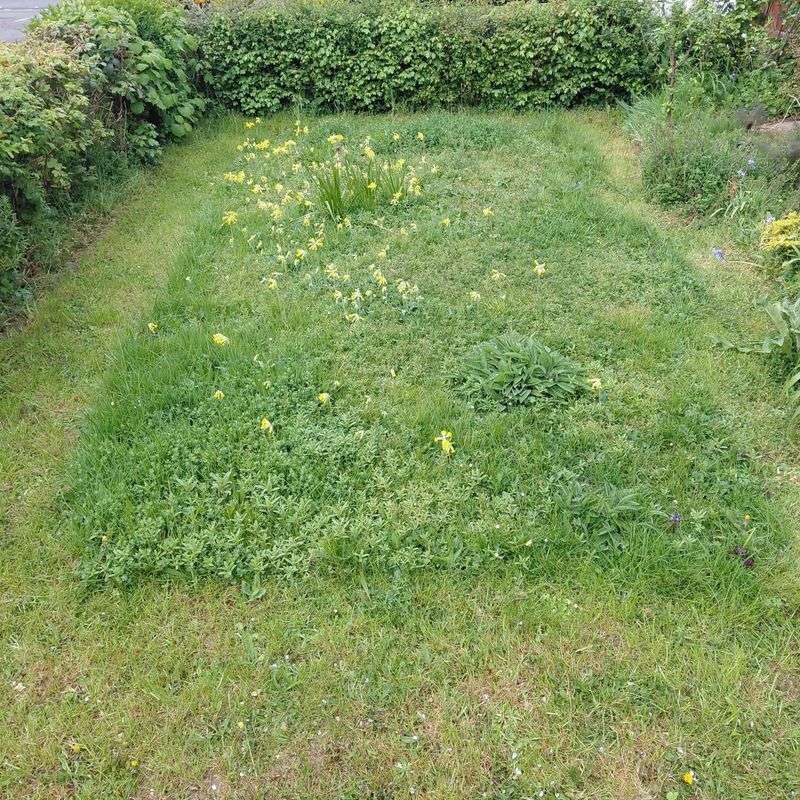
Starting your own uncut strip is genuinely one of the easiest conservation moves you can make. It takes almost no tools, no budget, and barely any expertise.
Pick a strip about two to three feet wide along a fence, hedge, or garden bed. Mark it with a couple of small stakes so you remember not to mow it by accident.
Start in early spring when you do your first mow of the season. Simply drive around the marked strip and let that section grow while the rest of the lawn stays trimmed.
Avoid applying any herbicide or fertilizer to the strip throughout the season. The whole point is to let natural plant diversity develop, which means giving chemicals a wide berth.
If you want to boost the habitat value, toss a few native wildflower seeds into the strip in early spring. Species like black-eyed Susan, wild bergamot, and native clover establish easily without much fuss.
Check the strip occasionally but resist the urge to tidy it up. Bent stalks, leaf litter at the base, and seed heads are all features that make the strip more valuable, not less.
Tell a neighbor what you are doing. Sharing the idea is one of the fastest ways to multiply the benefit, because connected strips across multiple yards create a real wildlife corridor.
This one quiet habit turns your backyard into part of something much bigger.