Why Garter Snakes Are A Good Sign For Your Florida Garden’s Health
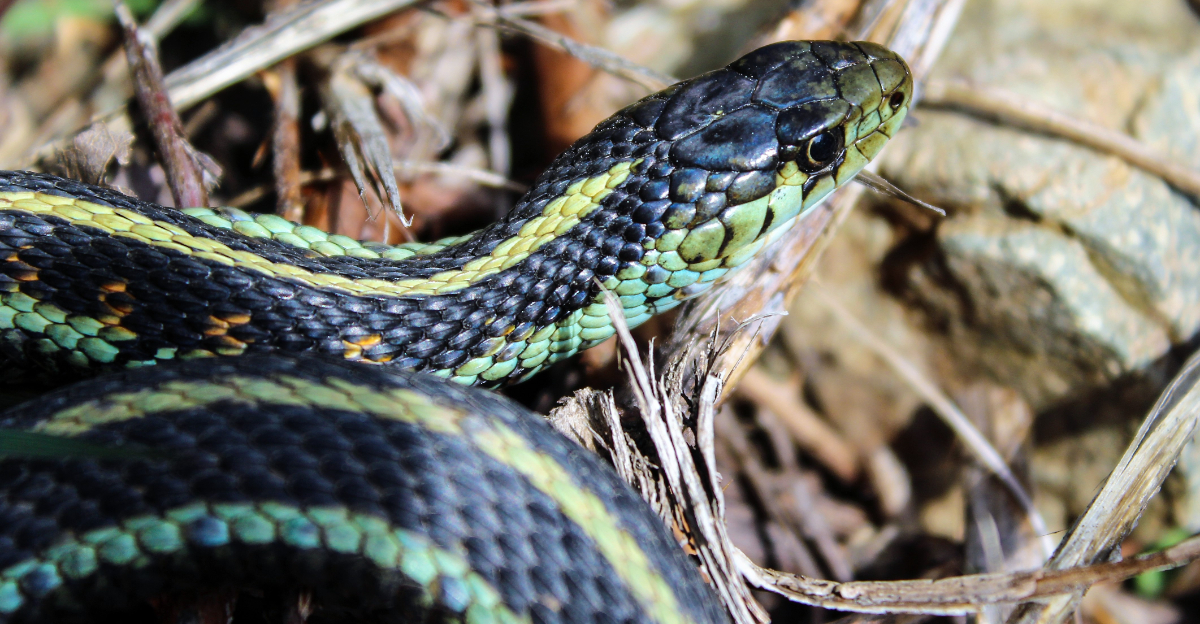
A garter snake in a Florida garden produces a reaction wildly out of proportion to what the animal actually is. Startled steps backward, frantic searches for a container, the immediate assumption that something needs to be done about this.
Nothing needs to be done. Except maybe say thank you.
Garter snakes follow healthy gardens the way critics follow good restaurants. They show up where the ecosystem is working, where the soil biology is rich, where pest populations are worth hunting.
A garden they visit regularly is doing something right that a heavily managed yard almost never does. The snake moving through the bed right now is not a visitor to manage.
It is the most honest assessment the garden has received all season. What its presence actually says about the health of a Florida garden is worth understanding before the next one gets relocated to somewhere less useful.
1. A Garter Snake Means Your Garden Has More Going On Than Flowers
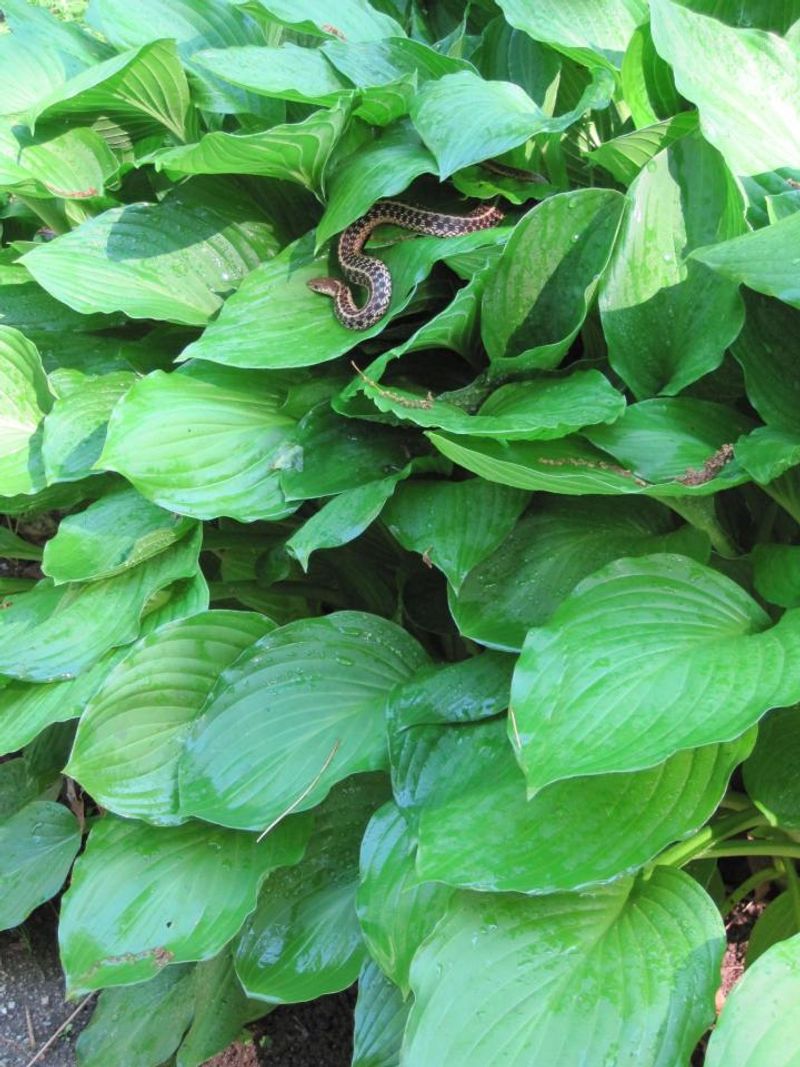
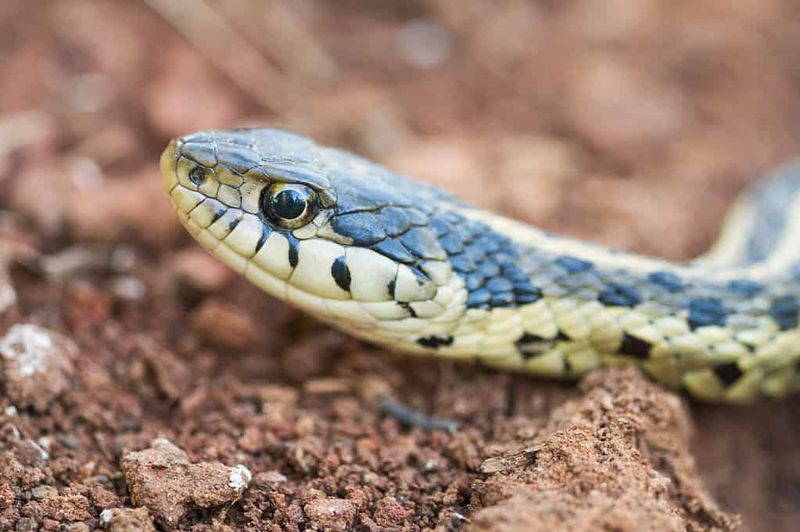
Every predator needs something to eat, somewhere to hide, and conditions it can tolerate. When a common gartersnake, Thamnophis sirtalis, shows up in a Florida yard, those three things are probably already present.
That is the quiet message behind a single sighting.
Most homeowners focus on what they can see: flowers, trimmed hedges, and mowed grass. Below and between those features, though, a whole layer of biological activity often goes unnoticed.
Earthworms tunnel through moist soil. Frogs shelter under broad leaves.
Small invertebrates move through mulch and leaf litter each night.
A garden can be biologically active even when that activity stays mostly out of sight. A snake working along a bed edge is following a food trail that depends on all those smaller organisms being present first.
Without them, the snake would simply move on.
Garter snakes are native wildlife commonly encountered around residential landscaping across much of the eastern United States. Their presence may suggest the garden supports organisms that many gardeners never think about.
That does not make a garter snake an official indicator species or a formal measure of biodiversity. One sighting does not prove the yard has reached some ideal ecological state.
What it does suggest is that the landscape may be functioning as more than decoration, quietly hosting multiple levels of life at the same time.
2. Frogs Nearby Give These Striped Hunters A Reason To Stay
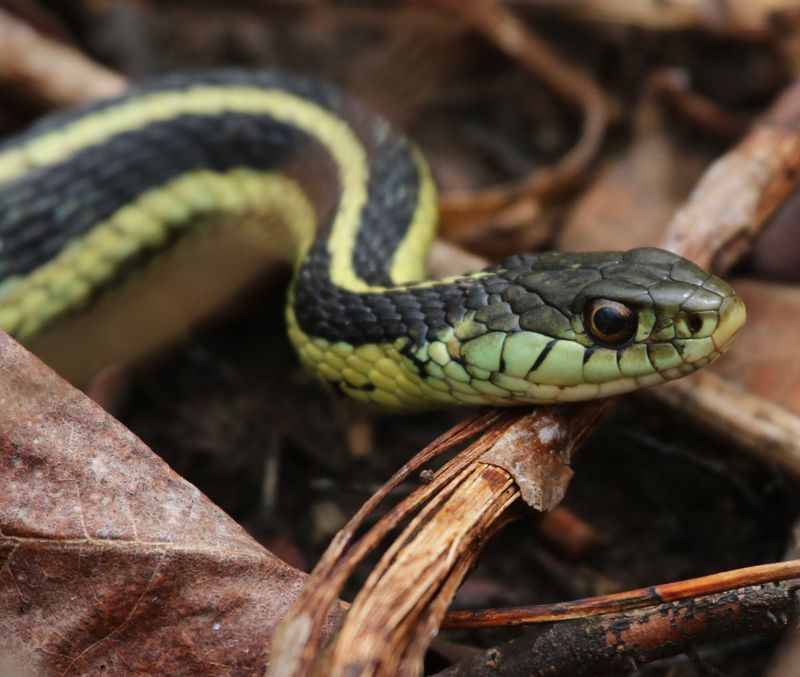
Amphibians make up a significant portion of the common gartersnake’s diet. Frogs and salamanders are well-documented prey, and yards that support these animals may see repeated snake activity as a result.
The relationship is straightforward: abundant prey gives a predator a reason to return.
Backyard ponds, rain gardens, wet ditches, and damp landscape edges can all create conditions that amphibians use for shelter and reproduction. Where frogs breed and gather, a hunting snake may follow.
UF/IFAS has noted that garter snakes often appear near frog-rich water features in residential settings. That makes ecological sense given their documented diet preferences.
Not every Florida backyard pond will attract a garter snake, and not every frog population signals ideal conditions. Introduced frog species also occur in residential landscapes and may show up alongside native ones.
Your Florida Garden Changes Every Week. Your Plan Should Too.
Gardening in Florida changes quickly throughout the season. Every Friday you’ll receive a simple weekly plan showing exactly what to plant, prune, fertilize, harvest, and protect so you never miss the right timing.
The point is not that a pond guarantees snake visits. The point is that repeated snake sightings near water often reflect prey density rather than random wandering.
Gardeners who notice a garter snake working along a pond edge are watching a natural foraging pattern play out.
Understanding that connection can shift how a sighting feels, from something alarming to something that simply makes sense given what the yard is already providing.
No pond additions are needed just to encourage snakes.
3. Earthworms Beneath The Soil Keep Another Food Source Within Reach
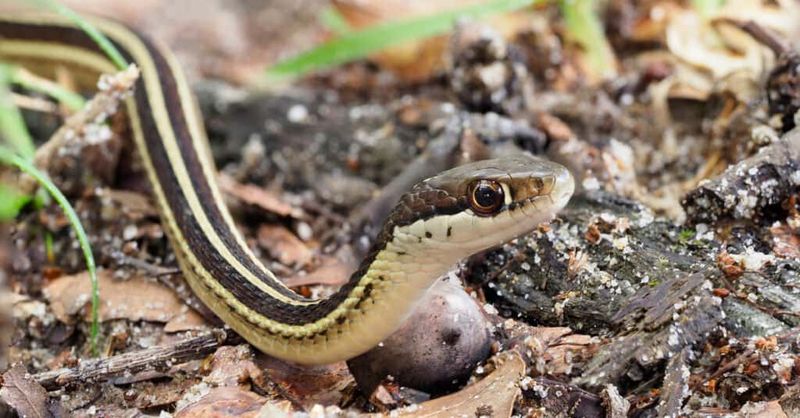
Earthworms are a well-documented part of the common gartersnake’s diet. A snake moving slowly along a garden-bed edge after rainfall is often following its natural instincts.
It may be tracking the scent of prey that has become easier to reach.
Worms tend to move closer to the soil surface when conditions are moist. Mulched beds, shaded soil, and irrigated planting areas can all make earthworms more accessible to a foraging snake.
That is not a coincidence; it is a straightforward predator-prey relationship playing out in a backyard setting.
Earthworm ecology is more complicated than the simple claim that all worms are automatically beneficial. Populations depend on soil type, organic matter, moisture, and disturbance history.
Claiming that a snake’s presence proves excellent soil quality would overstate what a single sighting can tell you. What can be said is that a snake searching that area has found conditions worth investigating.
Gardeners sometimes worry that something is wrong when they notice a snake nosing through a bed. In most cases, the snake is simply following available food along a route that happens to overlap with planted areas.
No digging, feeding, or soil amendment is needed to support this behavior. The snake is doing its own foraging on its own schedule, using resources the garden is already providing naturally.
4. Slugs And Snails Put Garden Pests On The Menu
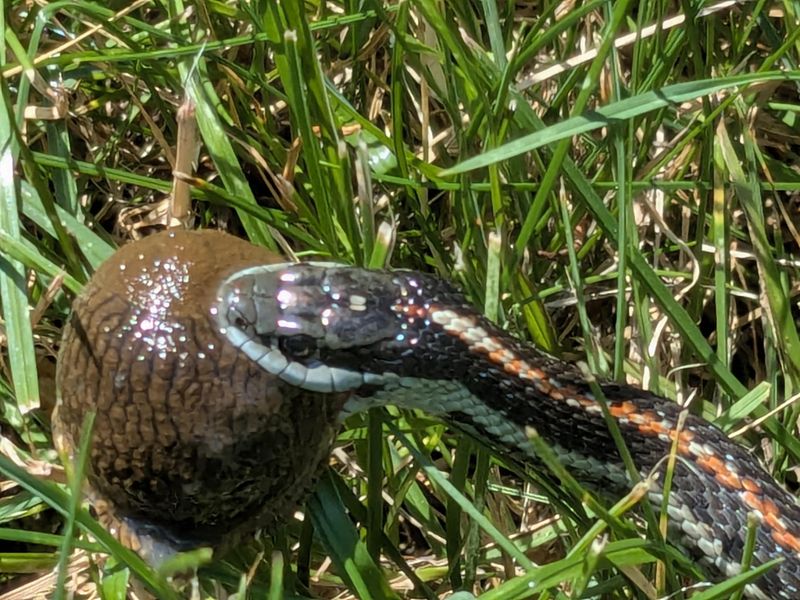
Slugs and snails often show up in the same sheltered, moist planting beds where garter snakes hunt. Research supports that garter snakes can and do consume these soft-bodied prey.
That overlap is worth understanding, even if it should not be overstated.
These prey species tend to gather under foliage, near mulch edges, and in areas with consistent moisture. A snake foraging through those same spots is following its natural hunting pattern, not performing a scheduled service.
The feeding is opportunistic and shifts with whatever prey happens to be available at a given time.
Not every slug or snail species causes significant plant damage. Some play neutral or even decomposing roles in the landscape.
Framing every one of them as a pest would be inaccurate. The point is not that garter snakes will clear a garden of harmful species on any predictable schedule.
The ecological benefit is their participation in a food web that connects multiple organisms across different layers of the yard.
Florida gardeners looking for guaranteed pest control from a single snake will be disappointed. One animal foraging occasionally through a bed cannot promise pest-free plants.
What a snake can do is take part in a natural cycle that has been running in functioning landscapes long before managed gardens existed. That participation alone makes the sighting worth understanding rather than worrying about.
5. Moist Planting Beds Create The Conditions Their Prey Uses
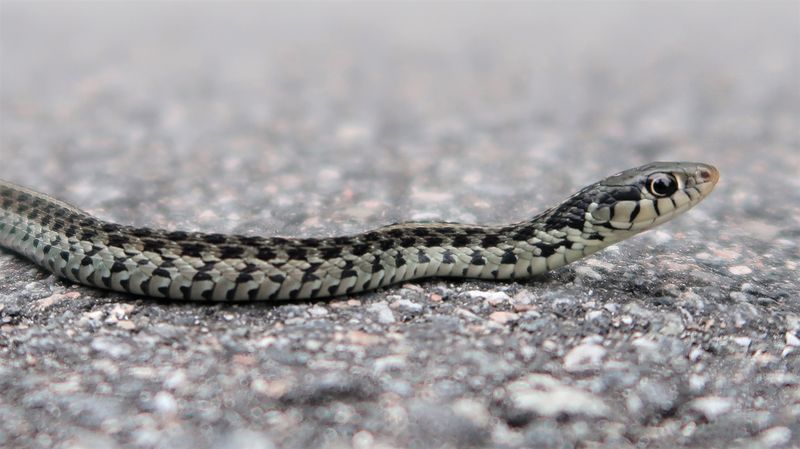
Moisture does not attract a garter snake directly. What it does is support the frogs, earthworms, slugs, and other small animals that the snake depends on for food.
The causal chain matters here: moisture shapes habitat, habitat supports prey, and prey draws the predator.
Garter snakes are frequently associated with damp areas, pond edges, wet ditches, and landscaping with dense low vegetation. Those environments tend to hold the conditions that prey species need.
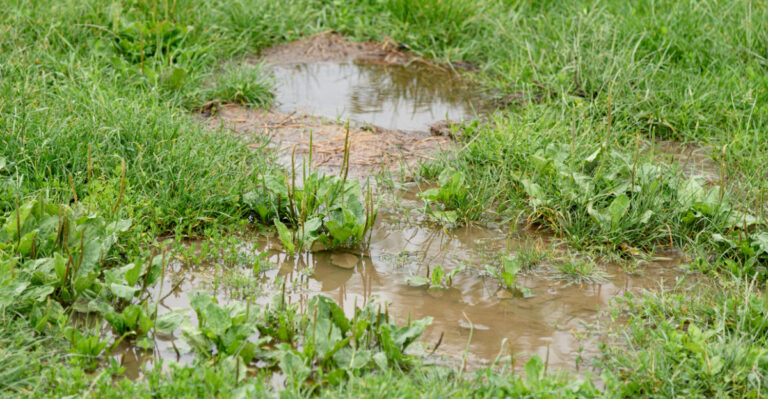
Mulched beds, shaded borders, and low spots that collect rainfall can all provide refuge for small organisms. Those organisms may then become prey for a hunting snake.
Drainage still matters. Chronically waterlogged soil can harm plants and shift the invertebrate community in ways that are not always beneficial.
The goal is not to make a yard as wet as possible. Well-managed moisture keeps soil workable and plants healthy.
It is also more likely to support a diverse community of small animals than standing water or soggy, compacted ground.
Mulch, foliage, and shaded soil create small humid pockets without requiring overwatering. Those pockets serve multiple purposes in a garden at once.
They moderate soil temperature, reduce water loss, and incidentally provide the microhabitat that many small prey species use. A snake working along those edges is simply following the trail that good garden management has quietly created.
6. A Busy Food Web Makes The Yard More Valuable Than A Sterile Lawn
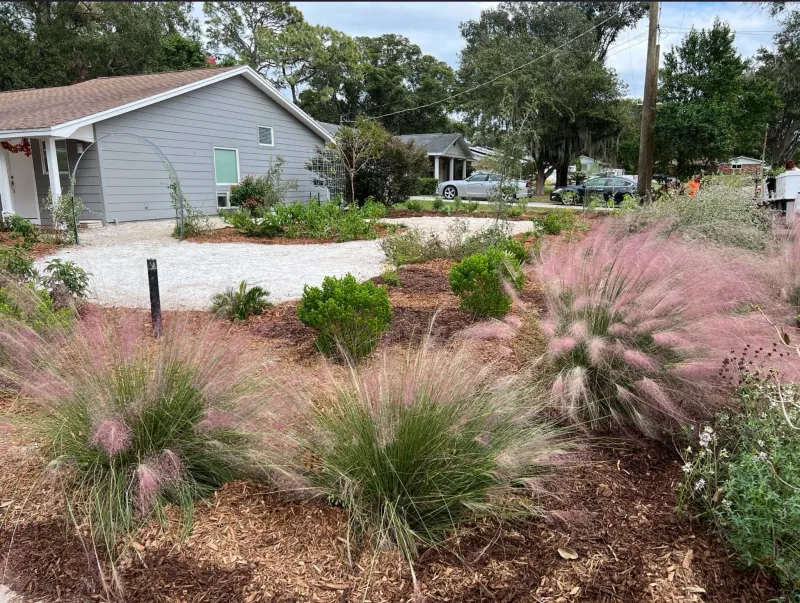
A yard made up almost entirely of short turf grass offers very little to most wildlife. There are few places to shelter, limited food sources, and not much structural variety.
Compare that with a yard that includes shrubs, ground-level plantings, leaf litter, flowering species, and small habitat features. The difference in biological activity can be significant.
Multiple vegetation layers support a wider range of organisms. Insects use flowers and foliage at different heights.
Amphibians shelter under broad ground-level leaves. Decomposers work through leaf litter.
Each of those groups supports something above it in the food web. A garter snake occupies only one position in that network, feeding on what the layers below it produce.
Conventional lawns are not the enemy here. Many homeowners maintain tidy spaces for practical reasons, and that is completely reasonable.
Intentional habitat features can coexist with maintained paths and high-use areas. A planted border, shrubby corner, or small rain garden does not have to turn a yard into an unmanaged tangle.
Spotting a garter snake can prompt a useful shift in perspective. Instead of seeing the yard as a collection of separate plants and features, a homeowner might start noticing the connections between them.
The snake did not appear randomly. It arrived because something below it in the food web was already there, doing its own quiet work out of sight and mostly unnoticed until now.
7. Fewer Broad Sprays Can Leave More Of That Food Web Intact
Broad-spectrum pesticide applications are designed to reach a wide range of insects, but they rarely stop precisely at the intended pest. Earthworms, ground beetles, and other small invertebrates that share the treated area can be affected as well.
When those organisms are reduced, the food web above them loses some of its foundation.
Integrated pest management offers a practical middle ground. The approach starts with correctly identifying the pest before choosing any response.
Targeted controls are used only when necessary and only against the confirmed problem. That process preserves more of the insect and invertebrate life that supports wildlife higher in the food web.
This includes amphibians and worms that garter snakes depend on.
Stopping all pest management entirely is not the recommendation here. Serious infestations can harm plants significantly, and ignoring them is not a reasonable strategy.
The point is that reaching for a broad spray as a first response can remove more of the food web than the situation requires.
No homemade pesticide mixtures are recommended. Unverified formulations can carry their own risks to plants, soil organisms, and wildlife.
Use identified products according to label directions and only after confirming a pest problem. That approach is most consistent with keeping ecological relationships intact.
A yard that retains its invertebrate community is better positioned to support the wildlife that depends on it, including native snakes passing through.
8. Seeing One Is Better Read As Biodiversity Than A Garden Problem
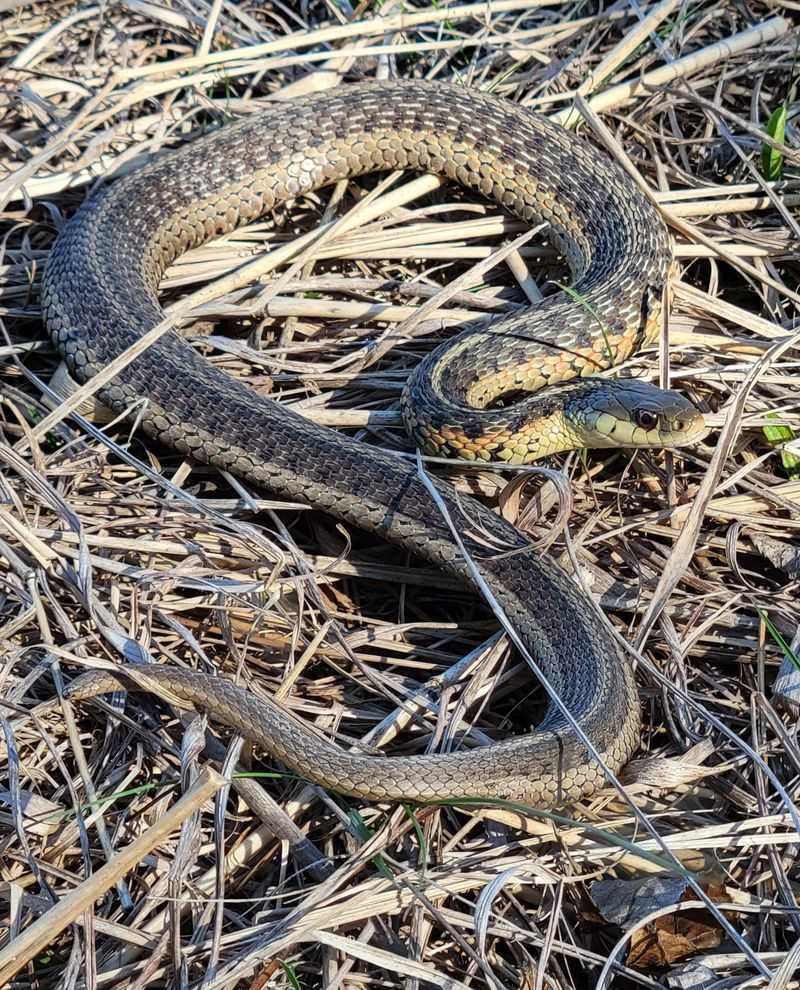
A garter snake moving through the garden is not a signal that something has gone wrong. Common gartersnakes, Thamnophis sirtalis, are native species that regularly appear in residential landscapes.
Encountering one near a planting bed or garden path is well within the range of normal backyard wildlife activity.
These snakes are generally docile, but any wild animal should be given space. Chasing, cornering, or attempting to handle one is not recommended.
A snake that feels threatened may respond defensively, and that outcome serves neither the animal nor the person involved. Watching from a comfortable distance is the appropriate response in almost every case.
Accurate identification matters before drawing any conclusions about an unfamiliar snake. Not every striped snake in a yard is a garter snake, and not every snake encountered in a garden is harmless.
If there is genuine uncertainty about what species is present, consulting a field guide or a local extension resource is a reasonable step.
A garter snake passing through a garden usually needs no intervention at all. Its presence connects back to prey availability, moisture, vegetation structure, and the broader food web.
All of those factors may be working quietly in the background. The snake is not a formal test of garden health.
However, its presence can suggest that the landscape is functioning as habitat and supporting native wildlife rather than simply looking good from the street.