This August Task Helps Tennessee Tomatoes Keep Producing Through September
Your tomato plants are lying to you right now. That tired, sun-beaten look in mid-August makes it seem like they’re winding down for the season, done giving.
They’re not. Something is happening beneath the soil line that has nothing to do with heat exhaustion, and once you catch it, everything about your plant’s rhythm changes.
Ignore it, and you’ll be pulling up brown, spent vines right alongside everyone else on the block come September. Notice it in time, and your tomatoes will keep ripening long after theirs have quit.
You just need a quiet shift in timing that most gardeners walk right past every single year, never realizing it was the difference between an early ending and a second wind.
Late Summer Slowdown Has A Clear Cause
Your tomatoes are not giving up. They are just overwhelmed by too many demands at once.
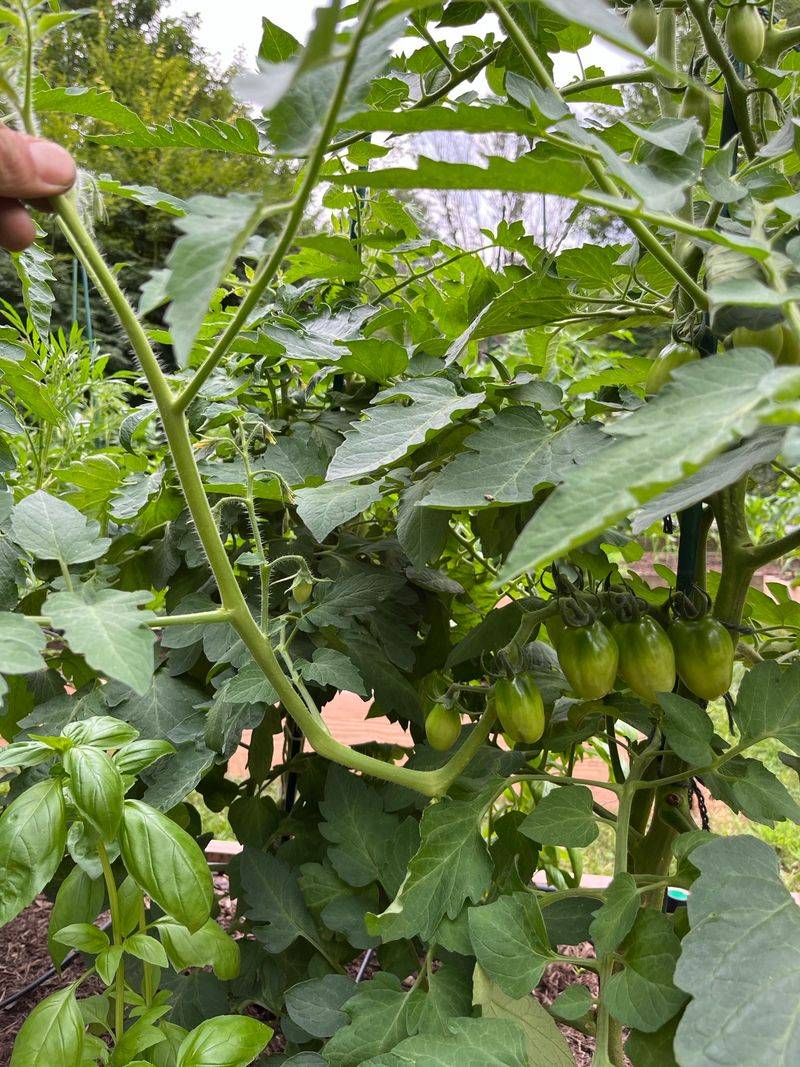
By August, a tomato plant in a hot climate is juggling a lot. It is trying to ripen existing fruit, grow new branches, push out flowers, and survive scorching heat at the same time.
That kind of workload spreads energy thin. Fruit that should be ripening fast starts to slow down instead.
Solve that problem, and the slowdown reverses fast. The plant needs a clear priority, and right now it does not have one.
Heat stress also causes something called “blossom drop.” Flowers open but fall off before they set fruit because the plant cannot support them.
Soil moisture swings from soaking wet to bone dry in summer gardens. That inconsistency stresses the plant and slows sugar production inside the fruit.
Tomato plants also face more pest pressure in late summer. Spider mites, stink bugs, and hornworms all peak around this time of year.
Add in heavy foliage blocking airflow and you get a recipe for fungal disease. Leaves that stay damp too long become a breeding ground for trouble.
Understanding why the slowdown happens makes the fix much easier to execute. Once you see the cause, the solution feels obvious and satisfying.
Suckers Steal Energy From Ripening Fruit
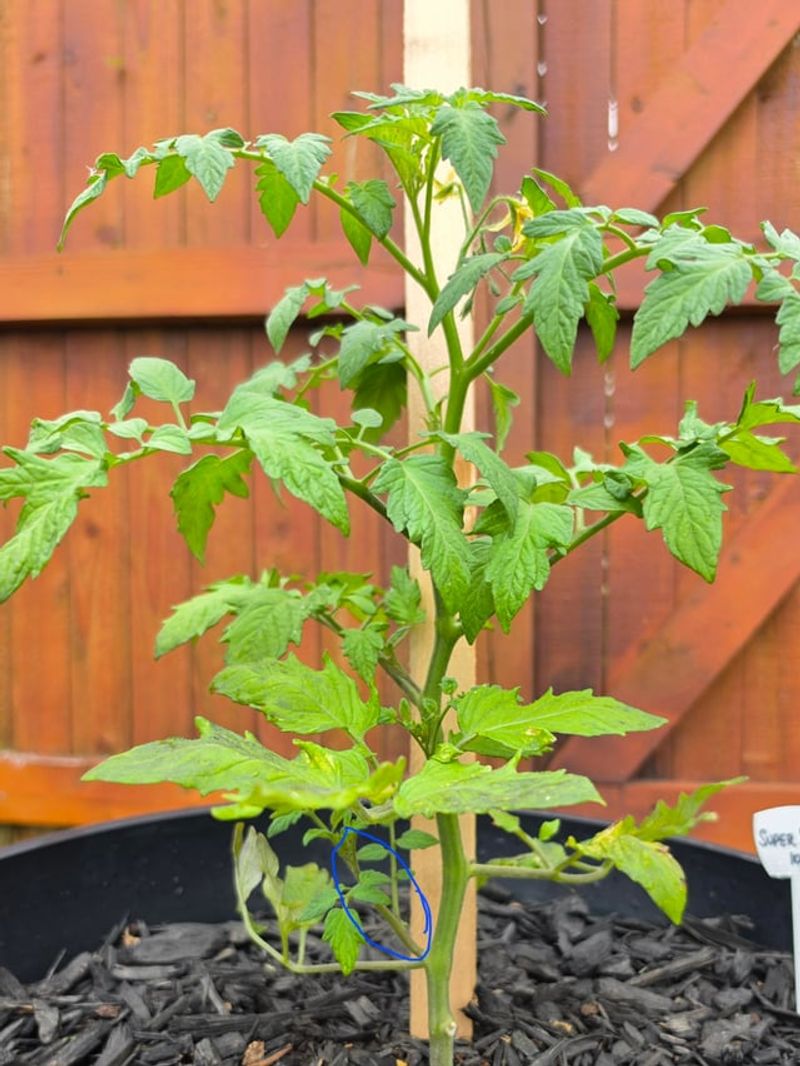
Suckers are sneaky little thieves hiding in plain sight on your plant. They sprout in the “V” between the main stem and a side branch.
Left alone, each sucker becomes a full branch with its own flowers and fruit. That sounds like a bonus, but in August it is actually a problem.
New fruit set this late in the season will not have enough time to fully ripen before cold weather arrives. You end up with green tomatoes that never turn red.
Every sucker that grows pulls energy away from fruit that is already forming. Your plant works harder but produces less of what you actually want to eat.
Indeterminate tomato varieties, which are common in home gardens, grow suckers constantly. They keep pushing out new growth all season unless you step in.
Removing suckers is called “pruning” or “suckering,” and it is one of the most effective ways to boost late-season yields. Tennessee gardeners who skip this step often wonder why their September harvest disappoints.
Your Tennessee Garden Changes Every Week. Your Plan Should Too.
Gardening in Tennessee changes quickly throughout the season. Every Friday you’ll receive a simple weekly plan showing exactly what to plant, prune, fertilize, harvest, and protect so you never miss the right timing.
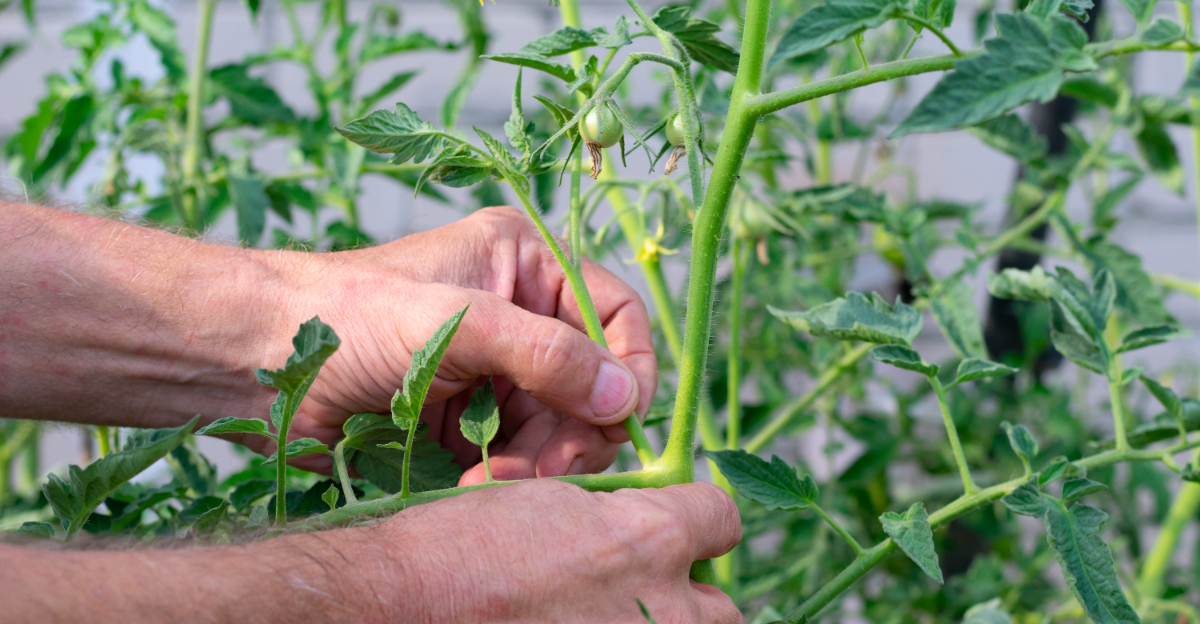
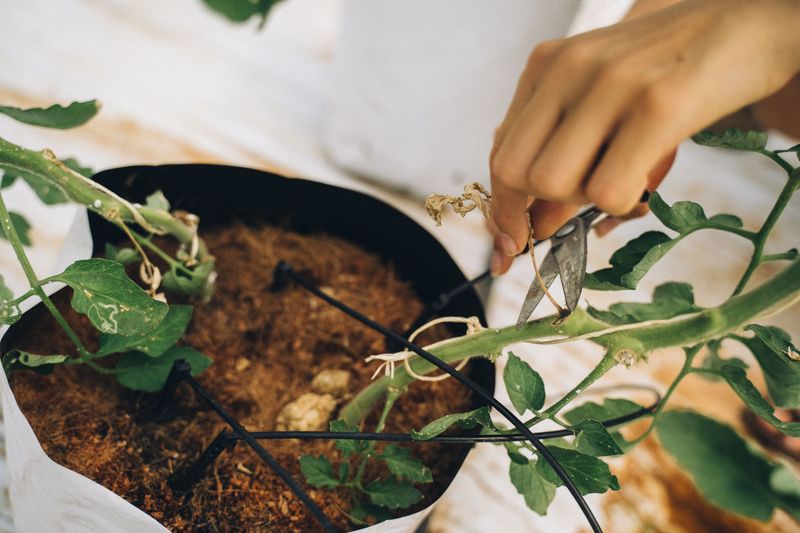
Small suckers under two inches snap off cleanly with your fingers. Larger ones need a clean cut with sharp pruning shears to avoid tearing the stem.
Check your plants every few days because suckers grow fast in warm weather. Missing even one week can mean a sucker has already grown six inches tall.
Staying consistent with removal keeps your plant focused on the fruit that actually matters right now.
Pinching The Main Growing Tip Redirects Growth
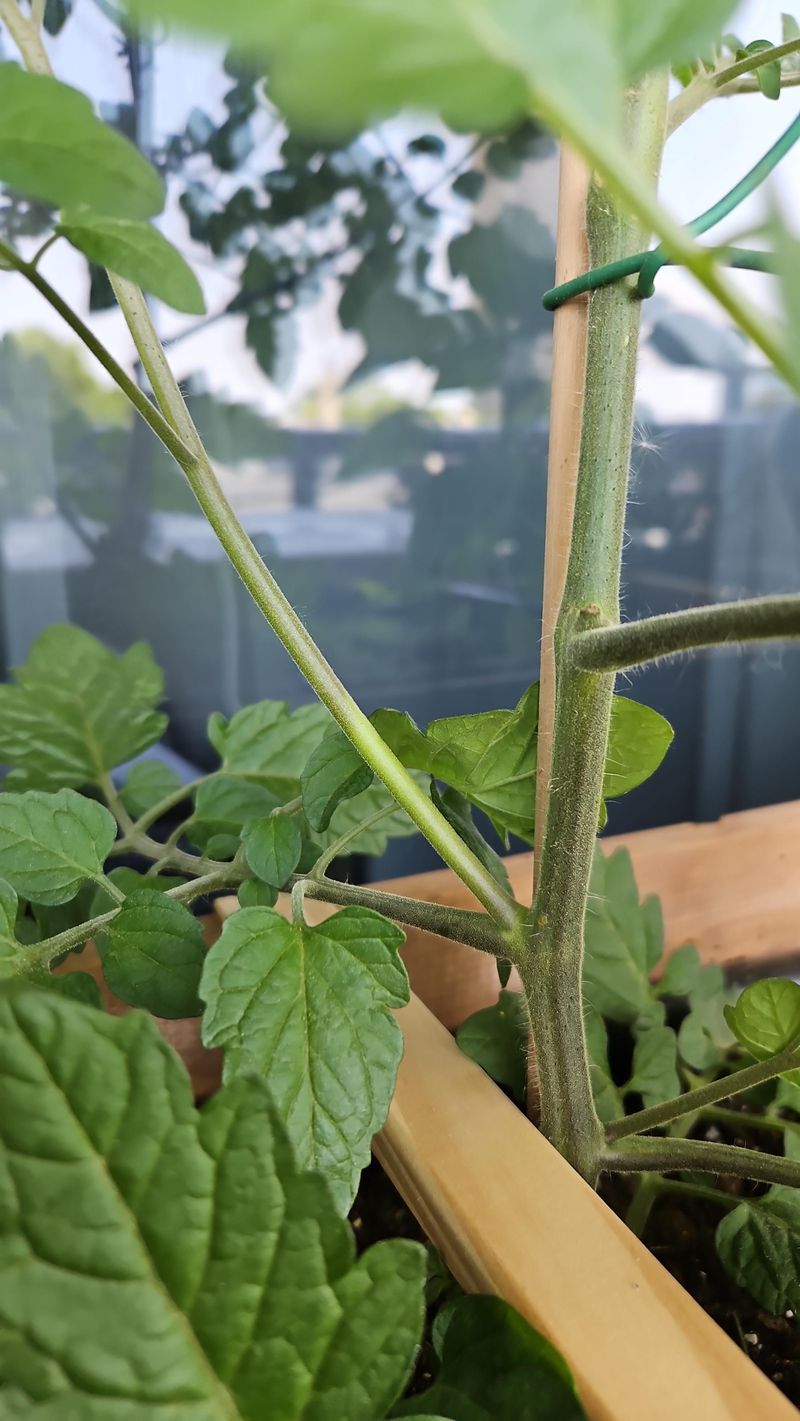
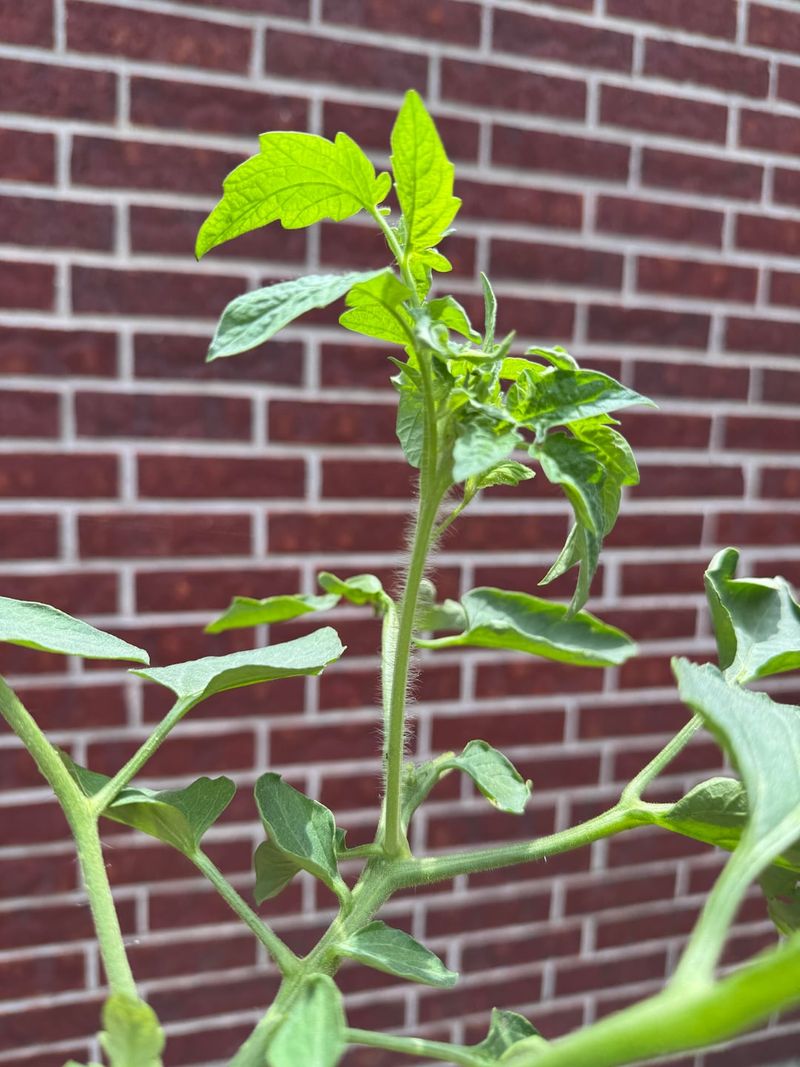
Topping a tomato plant sounds drastic, but it is one of the smartest moves you can make in August. Pinching the main growing tip stops the plant from reaching higher and pushes energy downward instead.
This technique is called “topping” or “terminal pruning.” Farmers and serious gardeners have used it for generations to boost end-of-season production.
When the top growing point is removed, the plant stops spending energy on upward growth. All that saved energy flows into the fruit already hanging on the vine.
Tomatoes ripen faster when they get a concentrated burst of sugar and water from the roots. Topping creates exactly that kind of focused delivery system.
You want to pinch just above the second or third leaf set above the highest flower cluster. That leaves enough foliage to protect developing fruit from sunscald.
Sunscald happens when fruit is exposed to direct afternoon sun without leaf cover. It creates pale, papery patches on the skin that ruin the texture and flavor.
Topping works best on plants that are already four to five feet tall. Shorter plants may still need a few more weeks of upward growth before you step in.
That shift in focus is exactly what turns a stalling plant around. Instead of chasing new growth, the plant pours everything into finishing what it already started.
One clean pinch at the right moment can add weeks of productive harvest time to your season.
Timing This Task Right Matters Most
Timing separates a good harvest from a great one. Do this too early and you limit your plant’s potential for the whole season.
The right window for topping and sucker removal in warm climates is early to mid-August. That gives remaining fruit roughly six to eight weeks to ripen before the first frost arrives.
In most parts of Tennessee, the first frost typically shows up between mid-October and early November. Working backward from that date helps you plan your pruning schedule precisely.
Fruit needs about 45 to 65 days to go from flower to fully ripe tomato, depending on the variety. Any flower that opens after mid-August is unlikely to produce a tomato you can actually eat.
That is why pinching and suckering at the right moment matters so much. You stop the plant from wasting time on flowers that will never deliver.
Morning is the best time of day to do this work. Cuts made in the morning have all day to dry out before evening moisture settles in.
Wet cuts left overnight create entry points for bacteria and fungal spores. Dry conditions help the plant seal its wounds faster and more effectively.
Avoid pruning right before a heavy rain is forecast. Wet weather right after cutting increases the chance of infection spreading into the plant’s tissue.
Getting the timing right is the difference between a September full of ripe tomatoes and a garden full of regret.
Clean Tools Prevent Spreading Disease
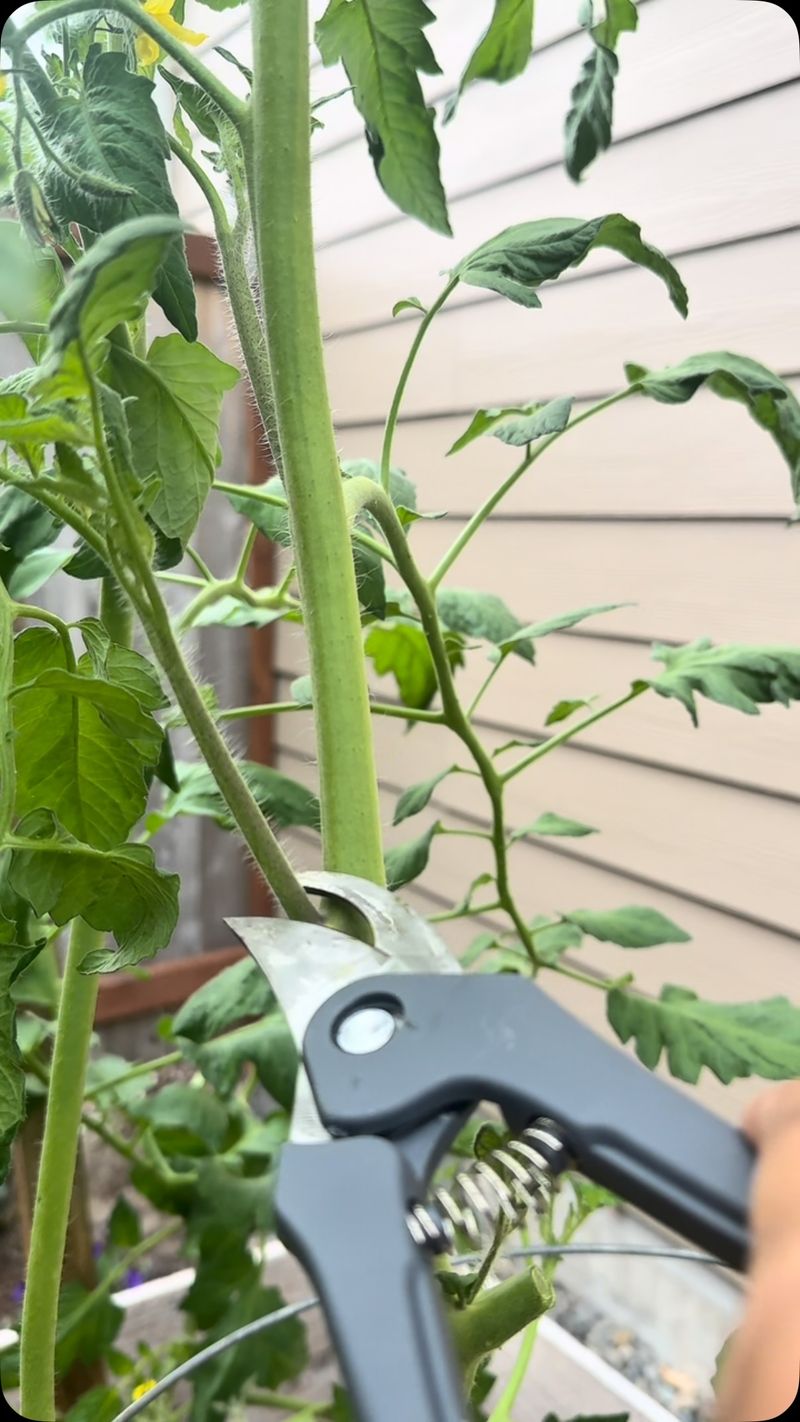
Dirty tools are one of the fastest ways to spread disease through a garden. One infected cut can pass pathogens from a sick plant to a healthy one in seconds.
Common tomato diseases like bacterial speck, early blight, and mosaic virus can all travel on blade surfaces. You may not even know a plant is infected until symptoms appear days later.
Cleaning your pruning shears between plants takes about 30 seconds and can save your entire crop. A quick wipe with a 70% isopropyl solution or a 10-percent bleach solution does the job well.
Keep a small spray bottle of your cleaning solution in your garden tool bag. That way you never have an excuse to skip the step when you are already outside working.
Dull blades also cause more damage than clean cuts. A ragged tear on a stem takes longer to heal and gives disease more time to move in.
Sharpen your shears at the start of each season and touch them up midway through. A sharp blade glides through a stem cleanly, which is better for the plant every time.
Wash your hands after handling any plant that looks discolored or spotted. Pathogens can also travel on skin and clothing, not just on metal tools.
Some gardeners keep a dedicated pair of shears just for tomatoes. That level of care might seem excessive, but it pays off when your plants stay healthy through September.
Good tool hygiene is a small habit with an outsized impact on your Tennessee garden’s success.
Fewer New Shoots Mean Stronger September Yields
Less really is more when it comes to late-season tomato production. Cutting back new growth feels counterintuitive, but the math works in your favor every time.
A plant with three strong branches loaded with ripening fruit outperforms a bushy plant with twelve branches and scattered green tomatoes. Focus beats volume in August and September.
When you remove suckers and top the plant, you also improve airflow through the canopy. Better airflow means leaves dry faster after rain, which cuts down on fungal problems significantly.
More sunlight reaches the fruit clusters when excess foliage is cleared away. Sun exposure helps tomatoes develop deeper color and sweeter flavor as they ripen.
Gardeners who stick with late-season pruning tend to notice their harvest stretching noticeably longer than plants left alone. That extra time adds up to a lot of meals.
A concentrated plant also responds better to feeding. One application of a low-nitrogen, high-phosphorus fertilizer after pruning can push remaining fruit to finish strong.
Phosphorus supports fruit development and root strength without encouraging leafy new growth. Look for a fertilizer labeled for “fruiting” or “blooming” plants at your local garden center.
Water deeply and consistently after pruning to help the plant recover quickly. Inconsistent moisture after a big pruning session can cause blossom end rot in developing fruit.
Do this now, and your vines will still be loaded when everyone else’s garden has gone quiet.