What It Means When Bats Start Showing Up At Dusk Near Your Tennessee Home
You step outside just as something brushes past your ear before you even see it move. Tennessee dusk hides more motion than most people notice.
Your porch light just became a beacon for hungry hunters. Wings slice through humid air faster than eyes can track.
Nobody warns you that silence often means bats are near. Backyard bugs draw them in like a dinner bell.
Creeks, trees, and open fields near Tennessee homes make ideal habitat. Attics offer warmth, and eaves offer shelter from predators.
Water sources nearby sweeten the invitation. Darkness gives them cover, and your yard gives them purpose.
Every flicker near your head has a reason behind it. Curiosity fades once fear takes over instead.
Knowledge changes that fear into something sharper and calmer. Patterns emerge once you start watching closely enough.
Nothing about their presence is accidental or random. Once you understand what draws them in, you will need to know more.
Understanding The Sudden Appearance Of Dusk Fliers
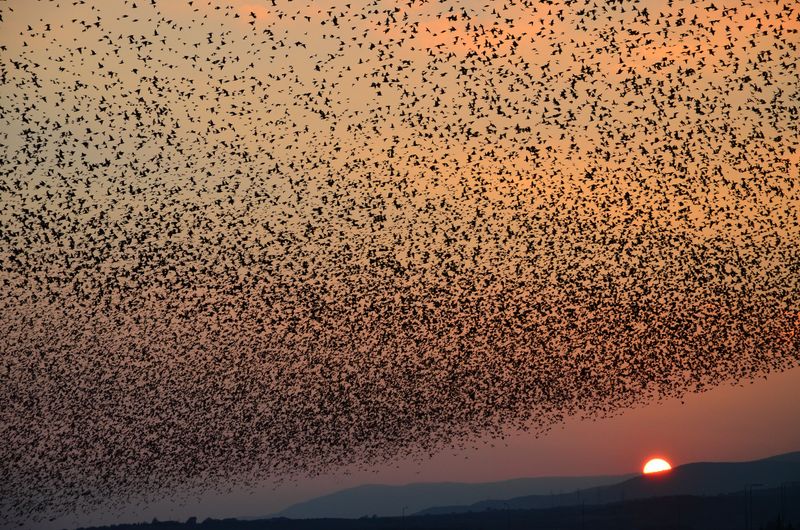
One evening, everything changes. You notice small dark shapes darting above your lawn just as the last light fades.
Bats showing up at dusk near your Tennessee home is not a random event. Their appearance follows a predictable pattern tied to light, temperature, and food supply.
Bats are primarily nocturnal, with activity often peaking during twilight hours. That window between sunset and full dark is prime hunting time for them.
Insects surge upward during that brief warm period after sunset. Bats have learned to time their flights perfectly around that insect rush.
Your yard likely offers exactly what they need. Open space, warm air rising from the ground, and plenty of flying bugs create ideal conditions.
The sudden appearance usually means something shifted in your environment. Maybe a new light source attracted more insects, or a nearby tree started hosting a roost.
Seasonal changes also trigger bat activity spikes. Late spring through early fall is when you will notice them most in the Volunteer State.
Bats are not aggressive toward humans by nature. They are focused entirely on catching as many insects as possible before the night cools down.
Watching them swoop and spiral can feel alarming at first. Once you understand their purpose, that evening show starts to feel less scary and more fascinating.
Their presence is actually a sign your yard has a healthy, active ecosystem. That is something worth appreciating, not fearing.
Why Tennessee Yards Attract Bats In Summer
Summer in Tennessee creates ideal feeding conditions for bats. Warm nights, high humidity, and lush vegetation create a surge of insect life.
Mosquitoes, moths, beetles, and gnats fill the air every evening. Laboratory studies suggest a single bat can consume dozens to hundreds of insects per hour, though actual rates in the wild vary widely.
Porch lights are one of the biggest attractors. Insects swarm artificial lights, and bats follow the insects with impressive precision.
Standing water is another magnet. Birdbaths, ponds, puddles, and even clogged gutters create breeding grounds for the bugs bats love most.
Your Tennessee Garden Changes Every Week. Your Plan Should Too.
Gardening in Tennessee changes quickly throughout the season. Every Friday you’ll receive a simple weekly plan showing exactly what to plant, prune, fertilize, harvest, and protect so you never miss the right timing.
Tall trees and dense shrubs provide shelter during daylight hours. Bats need safe, dark spots to rest, and mature Tennessee landscapes offer plenty of options.
Gardens loaded with flowering plants attract pollinators, which in turn attract predatory insects. That layered food chain draws bats right into residential areas.
Neighborhoods near rivers, creeks, or wooded areas see heavier bat activity. Water sources support large insect populations that bats rely on as a primary food source.
Heat radiating from driveways and rooftops creates warm air columns. Bats use those thermals to gain altitude and scan their hunting territory.
Your yard might be the most productive hunting ground on the block. Once a bat finds a reliable food source, it returns to that spot night after night.
Consistency is the key word here. A yard that reliably offers food, water, and shelter becomes a regular stop on a bat’s nightly route.
Common Bat Species Seen In Tennessee Backyards
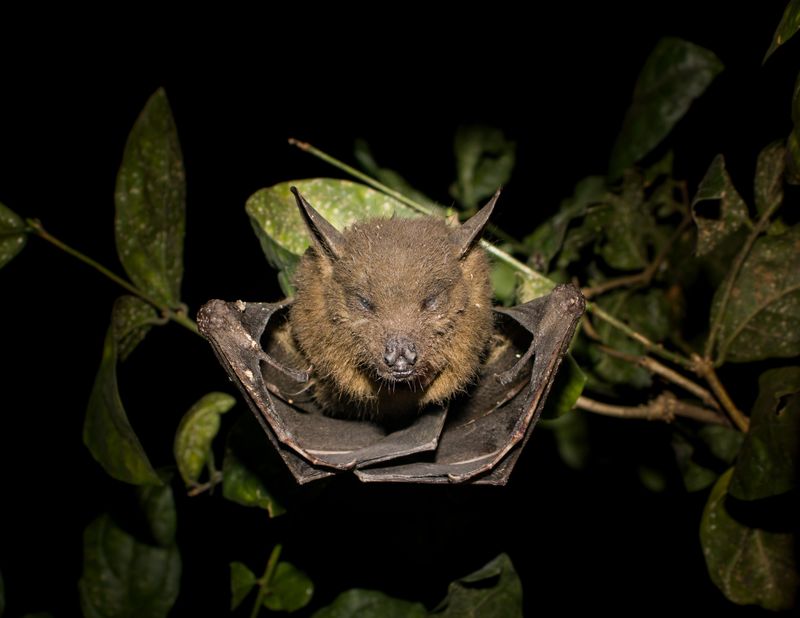
Not all bats are alike, and Tennessee hosts a surprisingly diverse group of species. Knowing which ones visit your yard helps you understand their behavior better.
The Little Brown Bat is one of the most frequently spotted near homes. It has a wingspan of about nine inches and a powerful appetite for mosquitoes.
Eastern Red Bats are stunning creatures with rusty orange fur. They roost in tree foliage and are often mistaken for dried leaves hanging from branches.
The Big Brown Bat is larger and tends to fly in slower, more deliberate patterns. It favors beetles and is commonly seen circling streetlights and open fields.
Tri-colored Bats, formerly called Eastern Pipistrelles, are among the smallest species in the state. Their tiny size and erratic flight pattern make them easy to spot at dusk.
Evening Bats form large maternity colonies in buildings and hollow trees. If you see a group emerging from one spot nightly, an Evening Bat colony may be nearby.
Silver-haired Bats migrate through the state in spring and fall. Spotting one is a seasonal event tied to broader migration patterns across the eastern United States.
Most of these species are harmless to humans when left alone. They are focused on hunting, not on interacting with the people below them.
Learning to identify them by flight pattern and size adds a whole new layer of enjoyment. Your backyard becomes a field guide come to life every evening.
The Role Bats Play In Your Yard’s Ecosystem
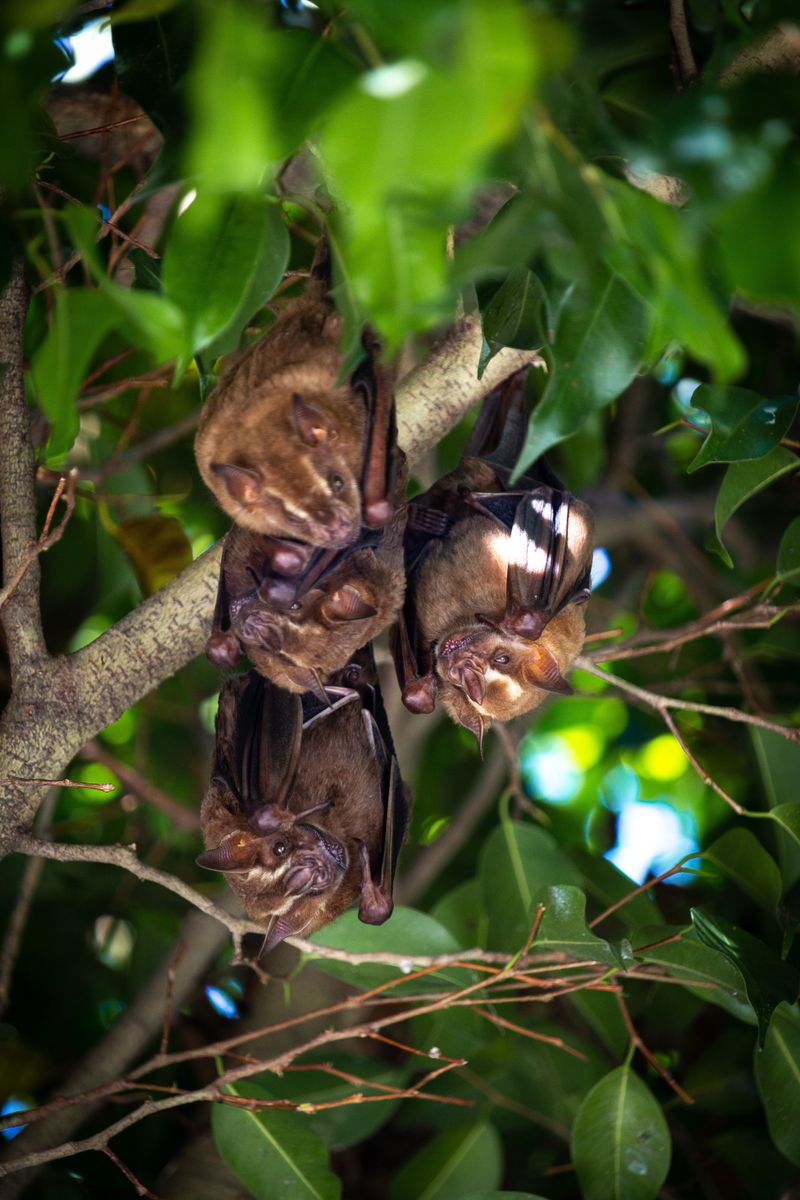
Bats provide significant pest-control benefits in garden ecosystems. Without them, insect populations would surge to levels that damage plants, crops, and outdoor comfort.
Research on Big Brown Bat colonies suggests they can consume large quantities of agricultural pests like cucumber beetles, potentially reducing crop damage. Research suggests bat predation can reduce reliance on pesticides.
Pest pressure on vegetable gardens can drop in yards with regular bat activity. Fewer moths surviving to reproduce can mean fewer caterpillars on your tomato plants over time.
Some bat species also pollinate night-blooming plants. While this is more common in tropical regions, it highlights how bats interact with plant life in meaningful ways.
Bat droppings, called guano, are a rich natural fertilizer. Gardens and lawns near bat roosts often show healthier soil over time because of this nutrient input.
Bats also serve as prey for larger animals. Owls, hawks, and certain snakes depend on bat populations as part of a balanced food web.
When bat numbers drop, insect populations often increase over subsequent seasons. That ripple effect can harm gardens, increase disease risk from mosquitoes, and stress local ecosystems.
Protecting bats means protecting the balance your yard depends on. Every evening flight is part of a larger system working quietly on your behalf.
Thinking of bats as partners rather than pests shifts your entire perspective. These creatures are working hard every night so your outdoor space stays healthier and more enjoyable.
Signs Of A Bat Roost Near Your Home

Spotting bats at dusk is one clue, but the real story might be closer than you think. A roost near your home means bats are using your structure as a base.
Dark staining around attic vents, soffits, or chimney gaps is a strong indicator. That discoloration comes from oils in bat fur rubbing against entry points repeatedly.
Small dark droppings below a vent or ledge confirm activity. Bat guano looks like tiny dark grains of rice and crumbles easily when dry.
A musky, ammonia-like odor near your attic or crawl space can signal a colony. The smell intensifies in warm weather and grows stronger as the colony expands.
Squeaking or scratching sounds inside walls at dusk and dawn are worth investigating. Bats communicate with each other as they prepare to leave or return to a roost.
Watching the same spot on your roofline at sunset can confirm a roost location. Bats exit in a consistent stream from the same gap every single evening.
Gaps as small as roughly a quarter to half an inch can be large enough for a bat to squeeze through, depending on the species. Cracks in fascia boards, loose shingles, and open ridge vents are common entry points.
Finding a roost does not mean you have a crisis on your hands. It means you need a plan that respects both your home and the animals inside.
Addressing a roost calmly and correctly protects your property without harming the colony. Knowledge is the first step toward a smart solution.
How To Safely Coexist With Backyard Bats
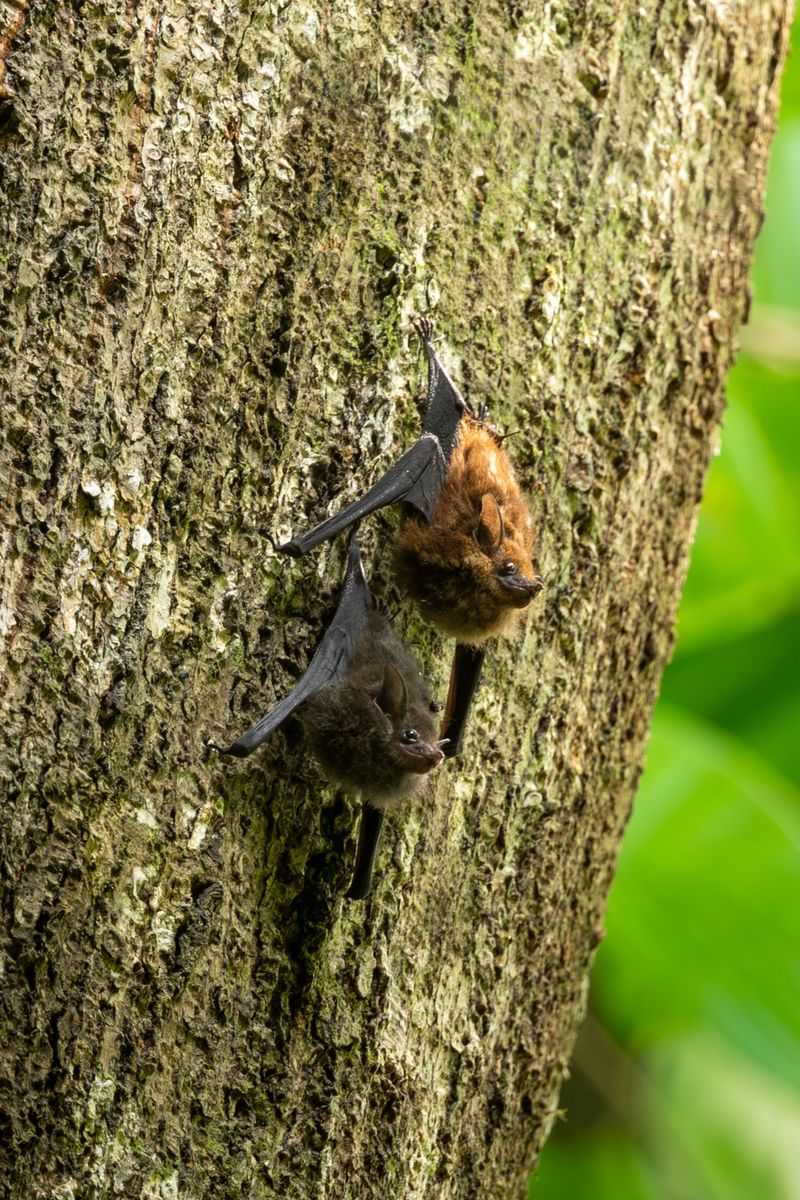
Living peacefully alongside bats is easier than most homeowners expect. A few smart choices let both you and the bats thrive without conflict.
Installing a bat house is one of the best moves you can make. Mount it at least fifteen feet high on a pole or south-facing wall for maximum sun exposure.
Bat houses give roaming colonies a dedicated shelter away from your attic. Once they adopt the box, they are far less likely to seek entry into your home.
Reducing bright outdoor lighting near your house helps too. Lights attract insects, which attract bats, which can lead to accidental close encounters near doorways.
Sealing entry points on your home is important, but timing matters enormously. Avoid sealing gaps during maternity season, typically June through August, when mothers may have young inside who cannot yet fly.
Contact a licensed wildlife removal professional if a colony has established inside your attic. Proper exclusion devices allow bats to exit but not re-enter safely.
Keep pets indoors at dusk and dawn during peak bat season. This protects both your animals and the bats from unnecessary stress or contact.
If a bat ever enters your home, open windows and doors and let it find its own way out. Chasing or swatting at it only causes panic for everyone involved.
Bats showing up at dusk near your Tennessee home is ultimately good news. With the right approach, these nighttime neighbors become one of your yard’s greatest natural assets.