The Fall Crops Arizona Gardeners Should Wait To Plant Until The Heat Breaks
A low-desert Arizona garden can feel caught between two seasons in August.
Seed packets start promising fall harvests while raised beds still radiate heat after sunset.
The calendar says one thing, the soil says another, and a crop that looks perfectly suited to cooler months can struggle before it ever gets a fair start.
Some seeds sit without sprouting. Others emerge and immediately race toward stress. Transplants can look tired before roots move beyond the original plug.
That gap makes timing unusually important.
Phoenix and Tucson gardeners do not enter fall on the same date that gardeners in cooler climates do, and even neighboring beds can cool at different speeds depending on shade, soil, irrigation, and reflected heat.
So which crops deserve patience?
The answer is not one universal September weekend.
Each vegetable has its own window, and several should wait until the desert begins giving them cooler nights, gentler soil, and enough recovery time between one blazing afternoon and the next before roots and leaves can work properly again.
1. Wait Until September For Lettuce
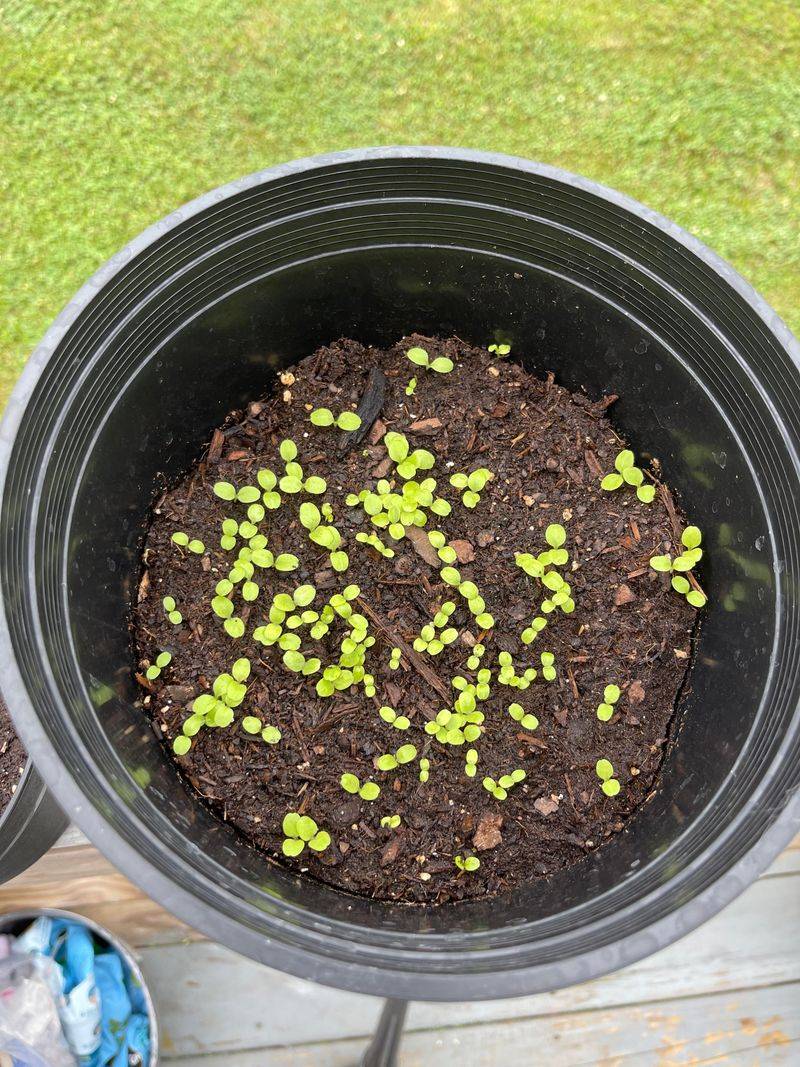
Lettuce is one of the first crops gardeners want when fall plans begin, but low-desert timing deserves more nuance than a packet marked “fall.”
For Maricopa County, the fall planting calendar opens both head and leaf lettuce from seed around August 15, with transplanting options following later.
Tucson guidance is more conservative and places direct sowing of lettuce with other cool-season crops around mid-September.
That difference matters because Phoenix and Tucson gardens can carry intense soil heat well beyond the date printed on the calendar.
Use the bed itself as the deciding clue. A site beside a west wall, gravel yard, or block fence can stay much hotter than a bed with morning sun and afternoon protection.
Lettuce also has a shallow root system, and seed needs dependable moisture while germination begins.
Gardeners eager to start can prepare the bed, improve irrigation, and provide temporary light shade while waiting for better conditions. Once the fall window opens, sow shallowly and keep the seed zone evenly moist without turning it soggy.
Leaf types give the quickest return because outer leaves can be harvested while the center continues growing. Head types need more time and benefit even more from a cooler start.
The seed packet may be ready in August. The lettuce still gets a vote.
2. Hold Spinach For Cooler Conditions
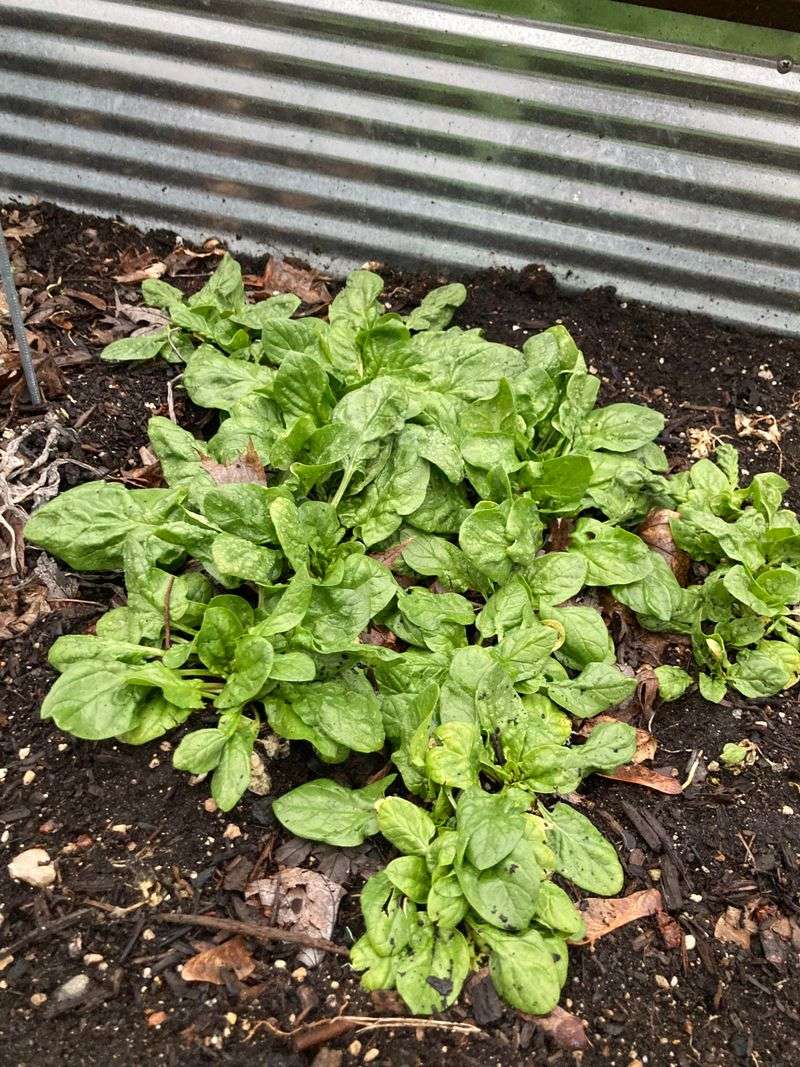
Spinach deserves more patience than lettuce in the hottest low-desert gardens.
The current Maricopa County planting calendar starts the fall spinach window on September 1, while Tucson guidance places direct sowing with other cool-season vegetables around mid-September.
That makes an August 14 sowing especially easy to regret in a bed still holding summer heat.
Do not force the timing with extra water alone. Constant irrigation can keep the surface damp, but it cannot make a hot planting bed behave like October.
Spinach belongs to the cool-season group and produces its best quality when growth and maturity happen under cooler conditions.
Use August to prepare the seedbed instead. Break surface crust, remove weeds, smooth the top inch, and make sure drip lines or a gentle watering setup can keep the shallow seed zone evenly moist.
Your Arizona Garden Changes Every Week. Your Plan Should Too.
Gardening in Arizona changes quickly throughout the season. Every Friday you’ll receive a simple weekly plan showing exactly what to plant, prune, fertilize, harvest, and protect so you never miss the right timing.
Seedbeds need enough moisture to prevent crusting and drying during germination.
Once sowing begins, place seed at the depth listed on the packet and thin seedlings according to the variety rather than packing the row tightly.
Spinach grown through the mild desert season can provide repeated leaf harvests before spring warmth pushes it toward flowering.
There is no prize for producing Arizona’s first stressed spinach seedling.
A clean September start usually beats an heroic August rescue.
3. Sow Carrots Once September Arrives
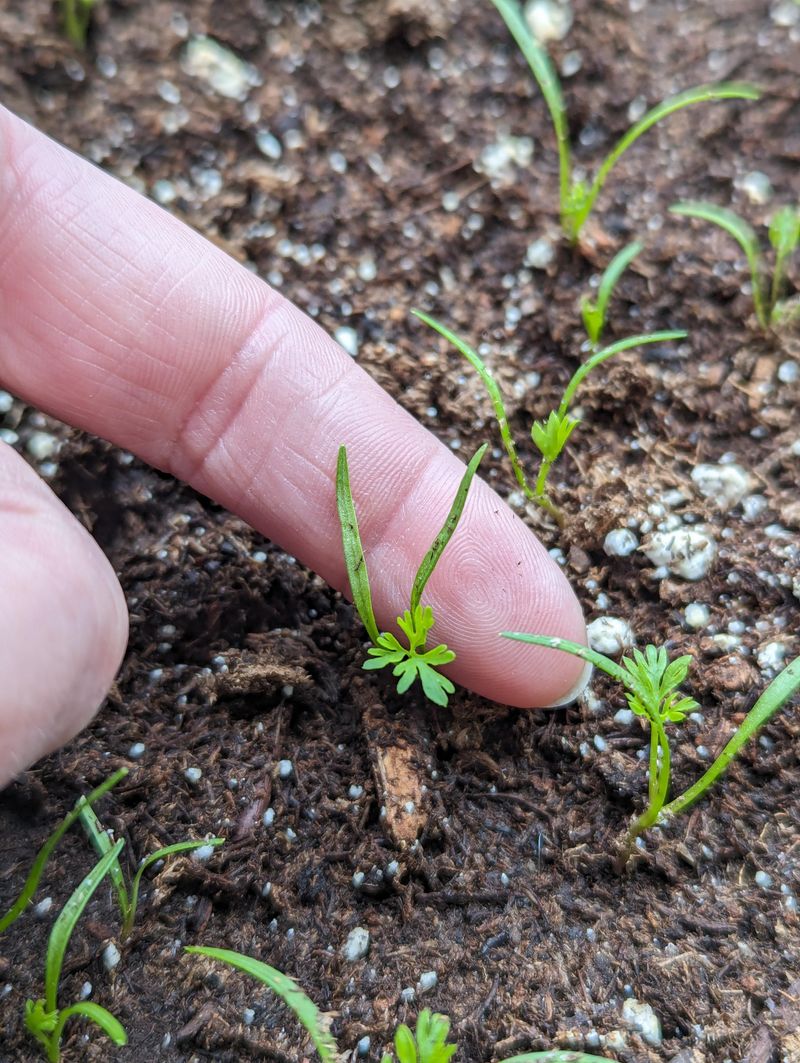
Carrots are the awkward member of this list because the Phoenix-area calendar allows fall sowing earlier than several other cool-season crops.
Maricopa County guidance shows carrot seed as an option beginning in August, while Tucson’s September guide directs gardeners to sow carrots by midmonth.
The useful question is not simply “Is it September yet?” The useful test is how well the top layer can stay moist during slow, shallow germination without baking between waterings.
Carrot seed is small, and the seedbed needs careful preparation. Remove rocks and large clods, smooth the surface, and water gently enough that seed does not wash into piles.
Small carrot seed should receive only a shallow soil cover, and seedbeds need moisture without repeated crusting.
Temporary shade over the row can reduce surface drying during a hot start. A light cover that preserves moisture can also help, but it must come off as seedlings emerge.
Avoid burying the row under heavy mulch before germination. The tiny seedlings need a clear route to light once they break the surface.
After emergence, thin according to the mature root size listed for the variety. Crowded seedlings rarely turn into a heroic bundle of perfect carrots. They usually become a collection of narrow roots arguing underground.
Phoenix gardeners can start earlier when the bed is manageable. Tucson gardeners and anyone facing brutal reflected heat may gain more from waiting until the seedbed stops losing moisture faster than they can replace it.
4. Plant Radishes After Peak Summer Heat
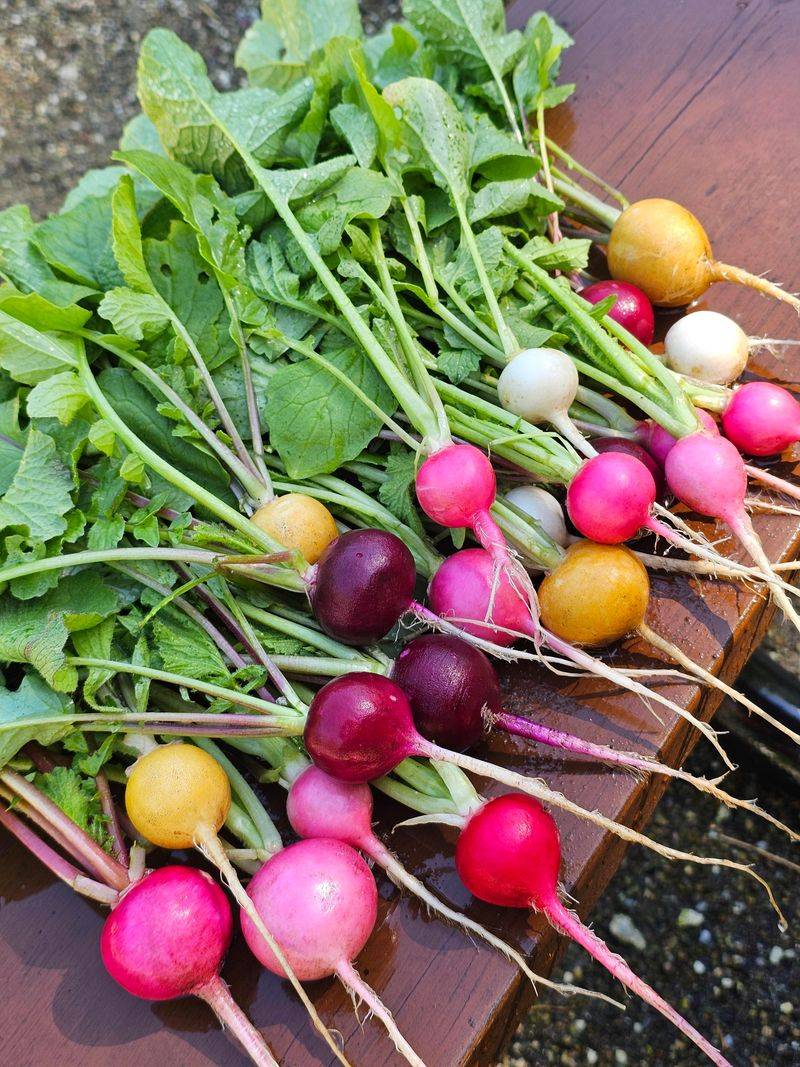
Radishes show exactly why one statewide “wait until September” rule does not work in Arizona.
The Phoenix-area calendar opens fall radish sowing on September 1, yet the current August guide for Pima County already lists radishes among vegetables that can be seeded during August.
Tucson gardeners therefore have a legitimate earlier window, while many Maricopa County gardeners gain by holding seed a little longer.
Use the local calendar as the starting point, then read the bed. A raised bed surrounded by masonry and gravel can run hotter than an in-ground plot with afternoon protection.
Radish seed also needs reliable moisture during establishment, so a scorching surface that dries repeatedly can erase the advantage of an earlier date.
Direct sow once the site is ready. Thin seedlings promptly so roots have space, and keep moisture steady through the short crop. Radishes are commonly started directly from seed rather than through a transplant stage.
Plant a small section first when August still feels severe. Another sowing a week or two later spreads both risk and harvest. Succession planting is a useful way to avoid having the whole crop mature at once.
The crop is fast, but the calendar is local.
A Tucson gardener may already have a workable August opening while a Phoenix gardener is still preparing the row for September. Same vegetable, same state, completely different reason to reach for the seed packet.
5. Start Beets With The Fall Garden
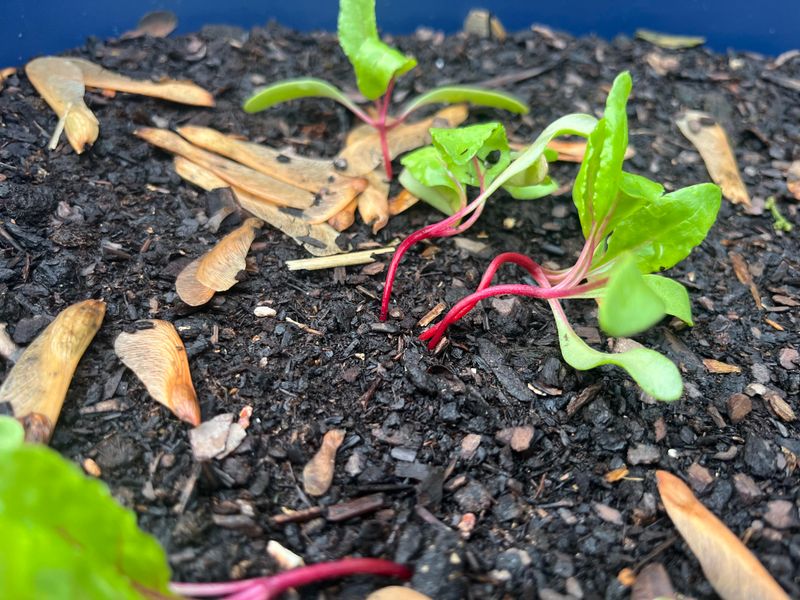
Beets are another crop that proves low-desert planting dates need a ZIP-code mindset.
In the Phoenix area, the fall beet window begins around September 15. Pima County guidance is earlier and includes beets among vegetables that can be seeded during August.
That is a meaningful difference, not a typo, and it reflects how local planting calendars account for regional conditions.
The bed still gets the final inspection. A west-facing raised bed surrounded by block walls may hold punishing heat long after another garden nearby becomes manageable.
Use August to loosen crusted soil, remove weeds, and improve irrigation before sowing where conditions still feel hostile. Loose, fertile, well-drained soil is the better starting point for a vegetable bed.
Beet rows can emerge surprisingly crowded, so thinning matters after establishment. Leave enough room for the root size you want, and use tender thinnings in the kitchen rather than treating them as waste.
General desert vegetable guidance recommends thinning promptly to prevent crowding.
Keep moisture steady without saturating the bed. Desert soil can move from damp to dry quickly near the surface, while heavier amended beds may hold water longer. Check before irrigating rather than following one fixed schedule.
Pima gardeners can reasonably start earlier. Maricopa gardeners have a later official opening.
The important habit is not copying another Arizona gardener’s date. It is matching the crop to the calendar written for your part of the low desert.
6. Give Turnips A September Start
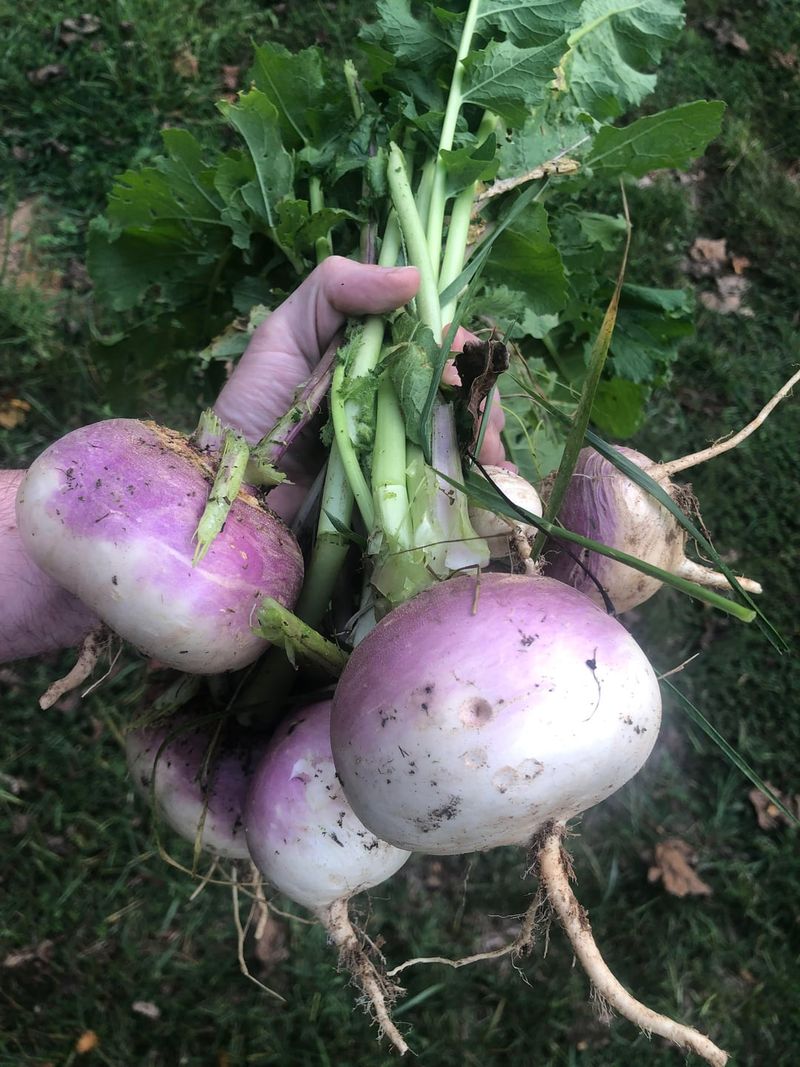
Turnips also straddle the August-to-September transition instead of waiting for one statewide heat-break date.
In Maricopa County, the fall sowing window opens around August 15. Pima County guidance also lists turnips among vegetables that can go into the ground during August.
That means this crop can start sooner than spinach or Phoenix-area radishes, provided the seedbed can stay evenly moist through establishment.
Direct sow into a prepared row. Keep the surface from crusting, then thin seedlings early so developing roots have enough room.
Desert vegetable guidance emphasizes maintaining moisture around germinating seed and thinning young plants before crowding becomes severe.
The greens are useful too. Harvest a few outer leaves once plants are established while leaving enough foliage to keep feeding the root. Turnips can provide both greens and roots, which makes them a useful crop for limited garden space.
A small succession sowing later can extend the harvest and reduce the chance that every root reaches kitchen size at once.
Do not treat an August opening as an order to plant on the hottest afternoon available.
Reflected heat, irrigation reliability, and soil exposure still matter. A protected Tucson bed may establish well while a Phoenix bed beside west-facing masonry remains a poor place for tiny seedlings that week.
Turnips move quickly once conditions cooperate. Give them the local start they actually have, then let the desert weather decide how aggressively to use it.
7. Sow Green Onions With Cooler Weather
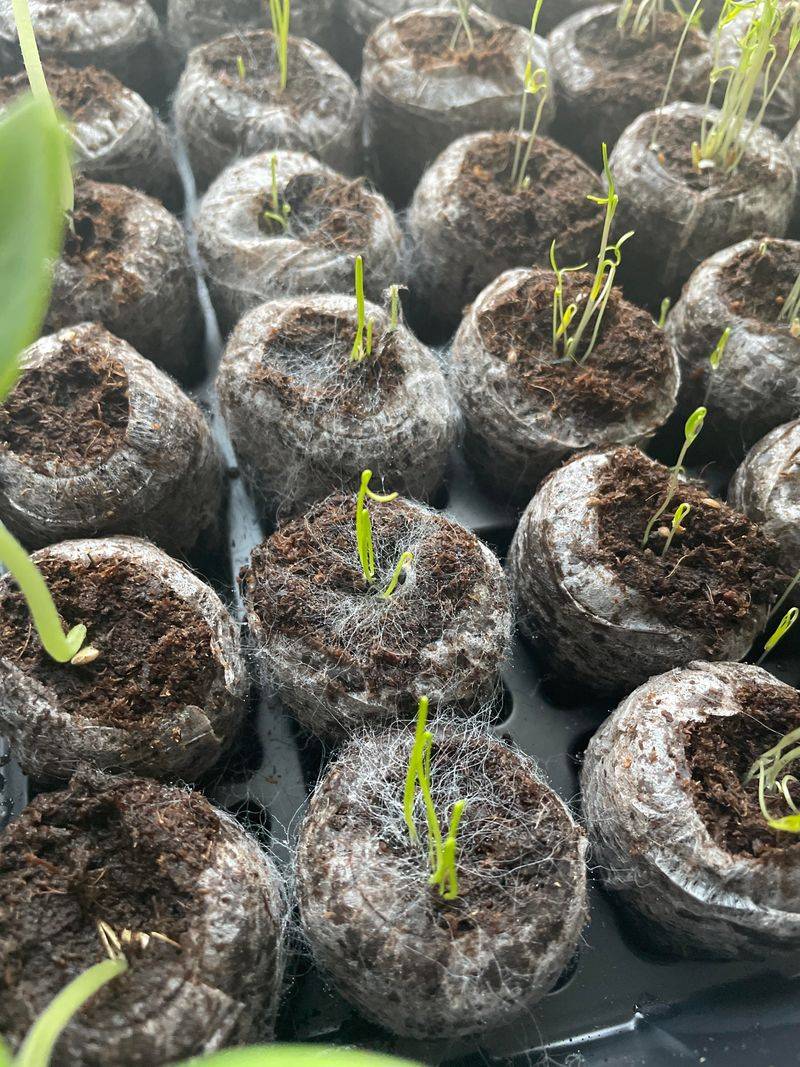
Green onions tolerate a fairly broad low-desert planting season, but a blazing August bed can still make establishment harder than it needs to be.
The Maricopa County calendar allows green onion seed from August onward, while Tucson’s September guide includes green onions among crops to direct sow by midmonth.
That difference gives Phoenix gardeners an earlier option without making mid-August the best moment for every yard.
Look at the microclimate first. A raised bed surrounded by gravel and block walls may hold much more heat than a bed with morning sun and afternoon shade.
Green onions also have shallow roots, so the upper soil needs reliable moisture while plants establish.
Use August to clear weeds, smooth the seedbed, and make sure irrigation wets the row evenly. Once conditions improve, sow seed at packet depth and thin as the plants develop.
Gardeners using sets should follow the planting guidance for the type purchased rather than treating every bulb like a green-onion seedling.
Keep the bed moist but not saturated. Shallow roots appreciate consistency, especially before cooler autumn weather reduces evaporation.
Green onions are useful because harvest can begin before the plant ever makes a large bulb. Pull young plants as needed or thin a crowded row into the kitchen.
The crop is flexible enough to wait for a better start. A few cooler evenings can be more valuable than winning a race nobody else in the garden knew was happening.
8. Add Chard As Fall Planting Opens
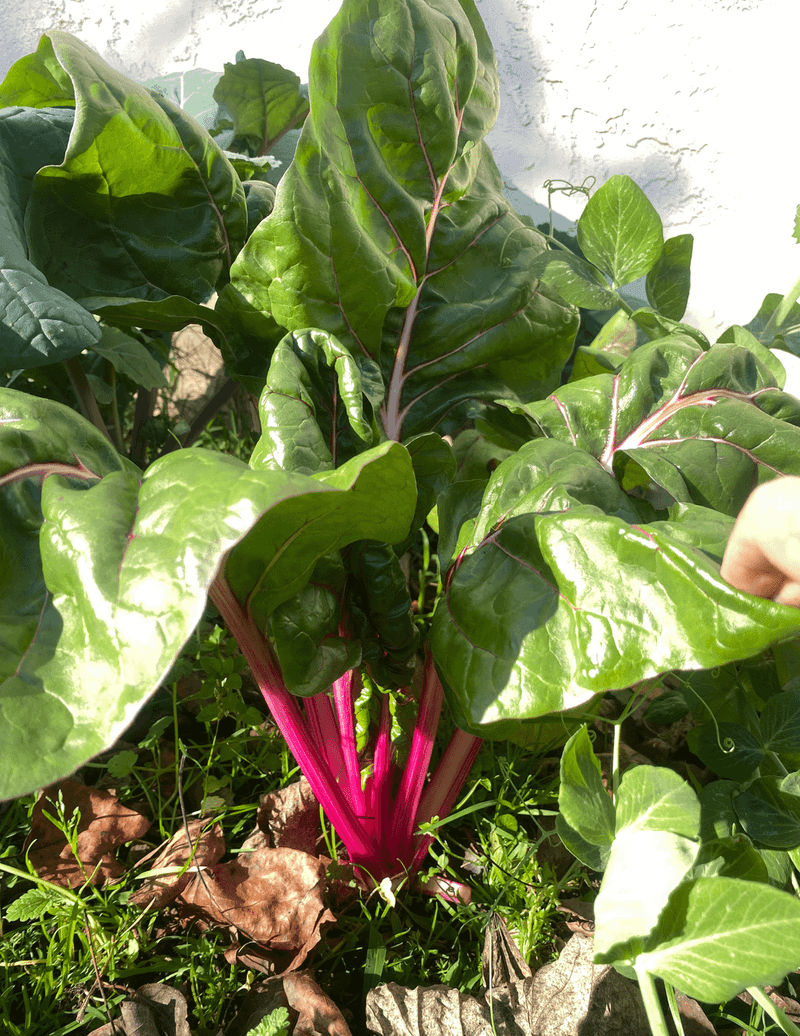
Swiss chard can start earlier than spinach or beets in parts of the low desert, which makes it useful when gardeners are eager to begin the fall transition.
The Maricopa County calendar opens chard sowing around August 15, while Tucson guidance includes direct-seeded chard by mid-September.
That puts it near the warm edge of the cool-season schedule rather than deep into winter planting.
Still, August conditions matter. A seedbed beside reflective walls or dark gravel can stay punishingly hot, and new seedlings need regular moisture while roots are small.
Temporary afternoon shade can help a newly seeded bed through the transition without pretending the season has already cooled.
August guidance for Pima County specifically advises continued attention to heat-sensitive plants and shade where needed.
Direct sow or use transplants according to the planting window and the space available. Thin plants as they establish so mature leaves have enough room rather than crowding one another.
Harvest outer leaves and leave the center growing point intact. Chard is grown for repeated leaf harvests, which lets one plant contribute across much of the mild season.
Chard is forgiving, but that does not make it invincible.
Use it as the first cautious step into fall, not proof that every cool-season crop should follow on the same afternoon.
In a low-desert garden, the calendar opens the door. The actual bed temperature decides how quickly everyone should walk through it.